



BAE Systems’ Eurostep Wins ShareAspace Order from the Norwegian Defence Materiel Agency
“The new DIGIMAT solution will sharpen NDMA’s and the Norwegian Armed Forces’ data collection from suppliers.” BAE Systems Digital Intelligence-owned Eurostep has won a cloud contract from the Norwegian Defence Materiel Agency (NDMA). It involves delivering DIGIMAT, which is a future-proof, standardized cloud service for secure, automated and quality-assured collection of defence materiel data.
“DIGIMAT is a strategic digitalization initiative within NDMA and the Armed Forces. This new IT tool is expected, according to NDMA’s business plan for DIGIMAT, to reduce time-consuming processes related to collecting data from our suppliers, as well as improve data quality by ensuring that it is in a standardized format. We believe that Eurostep and its proven solution, ShareAspace, will meet our expectations,” says Dag Øyvind Hagen, Deputy Director and Head of the Materiel Information Department and project owner for DIGIMAT, in a comment.
Notably in this context is that Swedish Eurostep was acquired by BAE Systemes in 2023 and is now a unit within the Digital Intelligence division. A key point of Eurostep and the ShareAspace platform is that it is based on internationally recognized, standardized information models, including product lifecycle support (PLCS) and integrated product support ASD S-series specifications. This makes Eurostep and its solution well positioned to support NDMA’s strategy to adopt international standards to enhance efficiency, quality and interoperability.It is moreover clear that the company generally has a strong track record in the defense sector, which makes Eurostep’s functionality – delivered through the ShareAspace solution – an excellent foundation for multiple organizations to collaborate and share data in a controlled manner throughout the life cycle of an asset or product.
“This functionality forms an ideal foundation for DIGIMAT, which supports the procurement of information throughout the Norwegian defense supply chain,” says Simon Pettersson, Head of Defense Industry Vertical at Eurostep. “With this contract, we will deliver a secure cloud service to NDMA. The vision and requirements for DIGIMAT are strongly aligned with the requirements for our ShareAspace platform, which we have designed to improve collaboration and information assurance in the defense supply chain.”
Click on the headline to read more on PLM&ERP Nerws.
“DIGIMAT is a strategic digitalization initiative within NDMA and the Armed Forces. This new IT tool is expected, according to NDMA’s business plan for DIGIMAT, to reduce time-consuming processes related to collecting data from our suppliers, as well as improve data quality by ensuring that it is in a standardized format. We believe that Eurostep and its proven solution, ShareAspace, will meet our expectations,” says Dag Øyvind Hagen, Deputy Director and Head of the Materiel Information Department and project owner for DIGIMAT, in a comment.
Notably in this context is that Swedish Eurostep was acquired by BAE Systemes in 2023 and is now a unit within the Digital Intelligence division. A key point of Eurostep and the ShareAspace platform is that it is based on internationally recognized, standardized information models, including product lifecycle support (PLCS) and integrated product support ASD S-series specifications. This makes Eurostep and its solution well positioned to support NDMA’s strategy to adopt international standards to enhance efficiency, quality and interoperability.
“This functionality forms an ideal foundation for DIGIMAT, which supports the procurement of information throughout the Norwegian defense supply chain,” says Simon Pettersson, Head of Defense Industry Vertical at Eurostep. “With this contract, we will deliver a secure cloud service to NDMA. The vision and requirements for DIGIMAT are strongly aligned with the requirements for our ShareAspace platform, which we have designed to improve collaboration and information assurance in the defense supply chain.”
Click on the headline to read more on PLM&ERP Nerws.

PLM Consultant TECHNIA’s Subsidiary Claytex Takes the Lead in Multi-Million Autonoumos Vehicle Simulation Project
"The Sim4CAMSens2 project PUSHES THE LIMITS of what is possible in AV simulation."
One of the most interesting and proactive purchases made by Addnode-owned PLM consultant TECHNIA–Dassault Systemes' largest global VAR-partner–is the acquisition 2022 of British-American Claytex. In their hands, they got a sharp player in advanced product development and simulation in automotive. Not least, the Claytex team was at the forefront of simulation and digital twin technology around autonomous vehicles (AV). These are basic pieces in connection with complete system simulation of vehicles and equipment.
Among the evidence of the wisdom of this investment is Claytex's development of cutting-edge simulation solutions for AVs that has made it possible for car manufacturers to test, develop and distribute AV solutions in the real world without compromising on safety.
Today, this track is being taken to new levels: TECHNIA announces that its Claytex subsidiary will lead the collaborative project, Sim4CAMSens2. The objective is to develop a sensor evaluation framework that spans modeling, simulation and physical testing, and will involve the creation of new sensor models, improved noise models, new material models and test methods to allow ADAS and sensor developers to accelerate their processes.
A strong point of the Sim4CAMSens2 project is the focus on reducing the critical gap between physical and virtual test environments. If taken to its goal, it will represent a major step forward in advancing the development of automotive sensor systems through simulation.
As project leader, Claytex will coordinate the consortium's work to deliver comprehensive simulation solutions for AV safety case evaluation, advanced sensor noise categorization and accelerated validation methods.
The intiative basically builds on the results of the first Sim4CAMSens project, which established virtual environments and sensor modeling capabilities through extensive winter testing. The new phase will focus on two primary goals: to develop efficient, cost-effective validated sensor models and to create high-quality in-cabin simulations that match the realism of outdoor environments.
"We are committed to driving innovation that shapes the future of safe mobility. By supporting Claytex in leading this important collaboration, we ensure that the industry has access to world-class simulation capabilities," comments TECHNIA CEO Magnus Falkman.
"The Sim4CAMSens2 project can push the boundaries of what is possible in AV simulation," adds Michael Hurst (pictured), MD TECHNIA UK, US and Canada. He adds that the mission is to make the results of this indistinguishable from real-world data and provide the automotive industry with the validated tools needed for safety-critical development."
Why is the UK government spending £2 million ($2.7 million) on the project? Who are the other stakeholders? Why is this bet an extremely tough challenge?
Click on the headline to read the full story on PLM&ERP News.
One of the most interesting and proactive purchases made by Addnode-owned PLM consultant TECHNIA–Dassault Systemes' largest global VAR-partner–is the acquisition 2022 of British-American Claytex. In their hands, they got a sharp player in advanced product development and simulation in automotive. Not least, the Claytex team was at the forefront of simulation and digital twin technology around autonomous vehicles (AV). These are basic pieces in connection with complete system simulation of vehicles and equipment.
Among the evidence of the wisdom of this investment is Claytex's development of cutting-edge simulation solutions for AVs that has made it possible for car manufacturers to test, develop and distribute AV solutions in the real world without compromising on safety.
Today, this track is being taken to new levels: TECHNIA announces that its Claytex subsidiary will lead the collaborative project, Sim4CAMSens2. The objective is to develop a sensor evaluation framework that spans modeling, simulation and physical testing, and will involve the creation of new sensor models, improved noise models, new material models and test methods to allow ADAS and sensor developers to accelerate their processes.
A strong point of the Sim4CAMSens2 project is the focus on reducing the critical gap between physical and virtual test environments. If taken to its goal, it will represent a major step forward in advancing the development of automotive sensor systems through simulation.
As project leader, Claytex will coordinate the consortium's work to deliver comprehensive simulation solutions for AV safety case evaluation, advanced sensor noise categorization and accelerated validation methods.
The intiative basically builds on the results of the first Sim4CAMSens project, which established virtual environments and sensor modeling capabilities through extensive winter testing. The new phase will focus on two primary goals: to develop efficient, cost-effective validated sensor models and to create high-quality in-cabin simulations that match the realism of outdoor environments.
"We are committed to driving innovation that shapes the future of safe mobility. By supporting Claytex in leading this important collaboration, we ensure that the industry has access to world-class simulation capabilities," comments TECHNIA CEO Magnus Falkman.
"The Sim4CAMSens2 project can push the boundaries of what is possible in AV simulation," adds Michael Hurst (pictured), MD TECHNIA UK, US and Canada. He adds that the mission is to make the results of this indistinguishable from real-world data and provide the automotive industry with the validated tools needed for safety-critical development."
Why is the UK government spending £2 million ($2.7 million) on the project? Who are the other stakeholders? Why is this bet an extremely tough challenge?
Click on the headline to read the full story on PLM&ERP News.

EXPLOSIVE FORCES in MOTION as GKN Aerospace Integrates Design & Simulation and Closes Manufacturing...
In depth with KARL-DAVID PETTERSSON, GKN Trollhättan, senior VP of Engineering. To use an understatement, developments within the industrial aerospace and defense industry are eventful. The turbulent global political and security situation has set explosive forces in motion. In parallel with disruptive technological leaps, with AI, sensorization, electrification and an increasing degree of Software-Defined Aviation as the main manifestations of exceptional progress, the aerospace industry journey has entered a dramatic phase where digital tools have come into focus more than ever. PLM is not surprisingly playing a leading role in establishing smooth processes, law and order in this technological hornet's nest where innovation, ability to adapt, exceptional accuracy, quality, material selection and faster time to market are crucial for competitiveness.
This is well known within the British high-tech supplier GKN Aerospace, specializing in commercial aerospace and defense technology with the production of aircraft structures, engine systems, landing gear, electrical interconnection systems and advanced components. The company is a major player in its segment, brought in around £3.5 billion ($4.64 billion) 2024, and employed around 16,000 people, of which 2,200 on the aircraft engine side in Trollhättan, Sweden - one of 36 facilities in 12 countries.
A cornerstone of the business is an interesting PLM development program, Project Decisive, which is the company's springboard into digital transformation.
One who has been along for the whole journey is Senior VP of Engineering, Karl-David Petterson. For 38 years, he has worked with the design & simulation parts on the aircraft engine side, stationed in Trollhättan (Volvo Aero's previous facilities that were purchased by GKN in 2012). PLM&ERP News met with this experienced industrialist for a discussion about challenges, opportunities and what the way forward in aerospace looks like.
In terms of PLM support, GKN Aerospace works mainly in environments from Siemens Digital Industries Software with solutions such as Teamcenter (PLM), NX CAD, Simcenter (CAE) and Opcenter (DM, Digital Manufacturing). The simulation & analysis (S&A) side plays a heavy role in the development work, which has meant that there is a divergent set of software in place. Siemens and ANSYS complement each other in this within CFD and FEM, while material databases such as Granta also play prominent roles. But solutions from the now Siemens-owned Altair are also in the race; all in all, a mixed set of CAE tools where it will be extremely interesting to see whether the changed market situation after Siemens' acquisition of Altair has any effects.
With the Decisive project, the company has a strong road map, which is about consolidating on Siemens Teamcenter (TC) as the backbone. Parts of the consolidation - 7 sites - have currently been completed, as well as an integration of SAP HANA and the ERP pieces into TC.
“Not least the S&A side is exciting in this with the integration of the simulations in Teamcenter, where we now have planning, programs, project management, systems engineering, DFEMEA, requirements, verification and the connected EBOM. The Ansys pieces are also included in this integration work,” says Karl-David Pettersson.
But what does it look like on the development side with, for example, AI? Why is the quality of data so important for the journey ahead? How do you close the loop between design and perfect manufacturing quality?
Click on the headline to read the full interview on PLM&ERP News.
This is well known within the British high-tech supplier GKN Aerospace, specializing in commercial aerospace and defense technology with the production of aircraft structures, engine systems, landing gear, electrical interconnection systems and advanced components. The company is a major player in its segment, brought in around £3.5 billion ($4.64 billion) 2024, and employed around 16,000 people, of which 2,200 on the aircraft engine side in Trollhättan, Sweden - one of 36 facilities in 12 countries.
A cornerstone of the business is an interesting PLM development program, Project Decisive, which is the company's springboard into digital transformation.
One who has been along for the whole journey is Senior VP of Engineering, Karl-David Petterson. For 38 years, he has worked with the design & simulation parts on the aircraft engine side, stationed in Trollhättan (Volvo Aero's previous facilities that were purchased by GKN in 2012). PLM&ERP News met with this experienced industrialist for a discussion about challenges, opportunities and what the way forward in aerospace looks like.
In terms of PLM support, GKN Aerospace works mainly in environments from Siemens Digital Industries Software with solutions such as Teamcenter (PLM), NX CAD, Simcenter (CAE) and Opcenter (DM, Digital Manufacturing). The simulation & analysis (S&A) side plays a heavy role in the development work, which has meant that there is a divergent set of software in place. Siemens and ANSYS complement each other in this within CFD and FEM, while material databases such as Granta also play prominent roles. But solutions from the now Siemens-owned Altair are also in the race; all in all, a mixed set of CAE tools where it will be extremely interesting to see whether the changed market situation after Siemens' acquisition of Altair has any effects.
With the Decisive project, the company has a strong road map, which is about consolidating on Siemens Teamcenter (TC) as the backbone. Parts of the consolidation - 7 sites - have currently been completed, as well as an integration of SAP HANA and the ERP pieces into TC.
“Not least the S&A side is exciting in this with the integration of the simulations in Teamcenter, where we now have planning, programs, project management, systems engineering, DFEMEA, requirements, verification and the connected EBOM. The Ansys pieces are also included in this integration work,” says Karl-David Pettersson.
But what does it look like on the development side with, for example, AI? Why is the quality of data so important for the journey ahead? How do you close the loop between design and perfect manufacturing quality?
Click on the headline to read the full interview on PLM&ERP News.

EXPLOSIVA KRAFTER i rörelse när GKN Aerospace integrerar design, simulering och sluter looparna i...
På djupet med KARL-DAVID PETTERSSON, GKN Trollhättan, senior VP Engineering. För att använda ett understatement är utvecklingen inom flyg- och försvarsindustrin händelserik. Den turbulenta globala politiska och säkerhetsmässiga situationen har satt explosiva krafter i rörelse. Parallellt med disruptiva teknologisprång, med AI som främsta kännetecken, har flygindustri-resan gått in i en dramatisk fas där de digitala verktygen är i fokus. PLM-bitarna spelar en ledande roll i att skapa smidiga processer, ordning och reda i detta teknologiska getingbo där innovation, anpassning, noggrannhet, kvalitet och snabbare tid till marknaden är avgörande för konkurrenskraft.
Detta vet brittiska GKN Aerospace, specialiserat på kommersiell flyg- och försvarsteknik med produktion av vingstrukturer, motorsystem, landningsställ, kablage och annat. Bolaget är en storspelare i sitt segment, drog in runt 45 miljarder kronor 2024, hade 16 000 anställda (varav 2200 i Trollhättan), en av 36 anläggningar i 12 länder.
En grundpelare i verksamheten är PLM-projektet Decisive, som är bolagets språngbräda i den digitala transformationen.
En som har varit med på hela resan är seniora VPn för Engineering, Karl-David Petterson. Under 38 år har han jobbat med design- och simuleringsbitarna på flygmotorsidan med stationering i Trollhättan. PLM&ERP News har träffat denna erfarne industriman för en diskussion om utmaningar, möjligheter och om vägen framåt.
Bolaget jobbar när det gäller PLM-stödet huvudsakligen i Siemens Digital Industries Software-miljöer med lösningar som Teamcenter, NX CAD, Simcenter och Opcenter. Simulerings- och analyssidan spelar en tung roll i utvecklingsarbetet, vilket fört med sig att man har en diversifierad uppsättning mjukvaror på plats. Siemens och ANSYS kompletterar varandra i detta inom CFD och FEM, medan materialdatabaser typ Granta också finns med i framskjutna roller. Men även det numera Siemens-ägda Altair finns på banan; sammantaget en uppsättning CAE-verktyg där det ska bli intressant att se om Siemens köp av Altair får några effekter.
Med Project Decisive har GKN Aerospace hur som helst en stark road map, som handlar om att konsolidera på Teamcenter (TC) som PLM-ryggrad. Delar av detta är genomfört, liksom en integration av SAP HANA och ERP-bitarna mot TC.
”Inte minst simuleringssidan är spännande i detta där vi nu integrerar simuleringarna med Teamcenter, där vi nu har planering, program, projekthantering, systems engineering, DFEMEA, krav, verifiering och kopplad EBOM. Även Ansys-bitarna ingår i detta integrations-arbete,” säger Karl-David Pettersson.
Men hur ser det ut på utvecklingssidan med t ex AI-bitarna? Varför är kvalitén på data så viktigt för resan framåt? Hur sluter man loopen mellan design och perfekt tillverkningskvalitet?
Klicka på rubriken för att läsa hela intervjun på PLM&ERP News.
Detta vet brittiska GKN Aerospace, specialiserat på kommersiell flyg- och försvarsteknik med produktion av vingstrukturer, motorsystem, landningsställ, kablage och annat. Bolaget är en storspelare i sitt segment, drog in runt 45 miljarder kronor 2024, hade 16 000 anställda (varav 2200 i Trollhättan), en av 36 anläggningar i 12 länder.
En grundpelare i verksamheten är PLM-projektet Decisive, som är bolagets språngbräda i den digitala transformationen.
En som har varit med på hela resan är seniora VPn för Engineering, Karl-David Petterson. Under 38 år har han jobbat med design- och simuleringsbitarna på flygmotorsidan med stationering i Trollhättan. PLM&ERP News har träffat denna erfarne industriman för en diskussion om utmaningar, möjligheter och om vägen framåt.
Bolaget jobbar när det gäller PLM-stödet huvudsakligen i Siemens Digital Industries Software-miljöer med lösningar som Teamcenter, NX CAD, Simcenter och Opcenter. Simulerings- och analyssidan spelar en tung roll i utvecklingsarbetet, vilket fört med sig att man har en diversifierad uppsättning mjukvaror på plats. Siemens och ANSYS kompletterar varandra i detta inom CFD och FEM, medan materialdatabaser typ Granta också finns med i framskjutna roller. Men även det numera Siemens-ägda Altair finns på banan; sammantaget en uppsättning CAE-verktyg där det ska bli intressant att se om Siemens köp av Altair får några effekter.
Med Project Decisive har GKN Aerospace hur som helst en stark road map, som handlar om att konsolidera på Teamcenter (TC) som PLM-ryggrad. Delar av detta är genomfört, liksom en integration av SAP HANA och ERP-bitarna mot TC.
”Inte minst simuleringssidan är spännande i detta där vi nu integrerar simuleringarna med Teamcenter, där vi nu har planering, program, projekthantering, systems engineering, DFEMEA, krav, verifiering och kopplad EBOM. Även Ansys-bitarna ingår i detta integrations-arbete,” säger Karl-David Pettersson.
Men hur ser det ut på utvecklingssidan med t ex AI-bitarna? Varför är kvalitén på data så viktigt för resan framåt? Hur sluter man loopen mellan design och perfekt tillverkningskvalitet?
Klicka på rubriken för att läsa hela intervjun på PLM&ERP News.

Industrial AI at a Tipping Point: ”High Time to Plug the Execution Gap,” Says...
KRITI SHARMA, CEO of IFS Nexus Black: “We’re in a phase of opportunity.”
Business systems developer IFS has published a new, very interesting, global study that in itself shows that the adoption of industrial AI is increasing rapidly across all industries. But the study shows that even though businesses are now embracing AI, they are not fully prepared for full implementation. This has created what IFS calls an “AI execution gap.”
This gap has arisen because businesses have been adopting AI faster than their workforce’s AI skills have developed. Over the next 12 months, the number of businesses still in the early AI experimentation stage will fall from 24% to just 7%. This means that more and more businesses are becoming AI-mature. Yet 52% of decision-makers in the survey say their management teams do not fully understand AI, and 99% of the global workforce will need extensive retraining to benefit from the adoption of AI in industry.
“AI is a core driver of business performance and it’s time to plug the AI execution gap – bring people, process and product together to deliver tangible outcomes,," said Kriti Sharma, CEO of Nexus Black at IFS. “The pace of adoption is inspiring, but the next big unlock will come from scaling trust, strategy, and talent. Industrial AI is a powerful force for good, and we’re in a moment of opportunity: those who move fast will lead the next decade of industry.”
The study was conducted by the British research firm 3Gem in May 2025. They surveyed 1,700 senior decision-makers at companies working in manufacturing, teleco, services, construction, aerospace & defense, and energy, in the UK, US, France, Germany, the Netherlands and Sweden, among others.
The report - IFS Invisible Revolution Study 2025 - further identifies what is called an "invisible revolution" - a rapid but under-recognized shift away from consumer productivity AI experimentation and toward embedded, operational AI across core business processes. But as with all revolutions, significant challenges are emerging.
An interesting connection in this context is IFS Nexus Black, launched in April, intended to support and accelerate the introduction of AI solutions. Many AI projects do not reach their goals. IDC, for example, points out that unclear goals, insufficient data readiness, and a lack of internal expertise are slowing down many AI POCs, Proof of Concept. According to IDC research, 88% of observed POCs fail to scale. For every 33 AI POCs that a company launches, only four are upgraded to production, IDC found. That's barely 13%.
At the same time, the new IFS report shows that the use of industrial AI has developed explosively, almost doubling from 32% to 59% in just 12 months.
Click on the headline to read more on PLM&ERP News.
This gap has arisen because businesses have been adopting AI faster than their workforce’s AI skills have developed. Over the next 12 months, the number of businesses still in the early AI experimentation stage will fall from 24% to just 7%. This means that more and more businesses are becoming AI-mature. Yet 52% of decision-makers in the survey say their management teams do not fully understand AI, and 99% of the global workforce will need extensive retraining to benefit from the adoption of AI in industry.
“AI is a core driver of business performance and it’s time to plug the AI execution gap – bring people, process and product together to deliver tangible outcomes,," said Kriti Sharma, CEO of Nexus Black at IFS. “The pace of adoption is inspiring, but the next big unlock will come from scaling trust, strategy, and talent. Industrial AI is a powerful force for good, and we’re in a moment of opportunity: those who move fast will lead the next decade of industry.”
The study was conducted by the British research firm 3Gem in May 2025. They surveyed 1,700 senior decision-makers at companies working in manufacturing, teleco, services, construction, aerospace & defense, and energy, in the UK, US, France, Germany, the Netherlands and Sweden, among others.
The report - IFS Invisible Revolution Study 2025 - further identifies what is called an "invisible revolution" - a rapid but under-recognized shift away from consumer productivity AI experimentation and toward embedded, operational AI across core business processes. But as with all revolutions, significant challenges are emerging.
An interesting connection in this context is IFS Nexus Black, launched in April, intended to support and accelerate the introduction of AI solutions. Many AI projects do not reach their goals. IDC, for example, points out that unclear goals, insufficient data readiness, and a lack of internal expertise are slowing down many AI POCs, Proof of Concept. According to IDC research, 88% of observed POCs fail to scale. For every 33 AI POCs that a company launches, only four are upgraded to production, IDC found. That's barely 13%.
At the same time, the new IFS report shows that the use of industrial AI has developed explosively, almost doubling from 32% to 59% in just 12 months.
Click on the headline to read more on PLM&ERP News.


“Integration and World-Class AI are Siemens’ Trump Cards in the Battle for Simulation Market...
SIEMENS JEAN-CLAUDE ERCOLANELLI is in the S&A hotspot - meet him in today's in-depth interview.
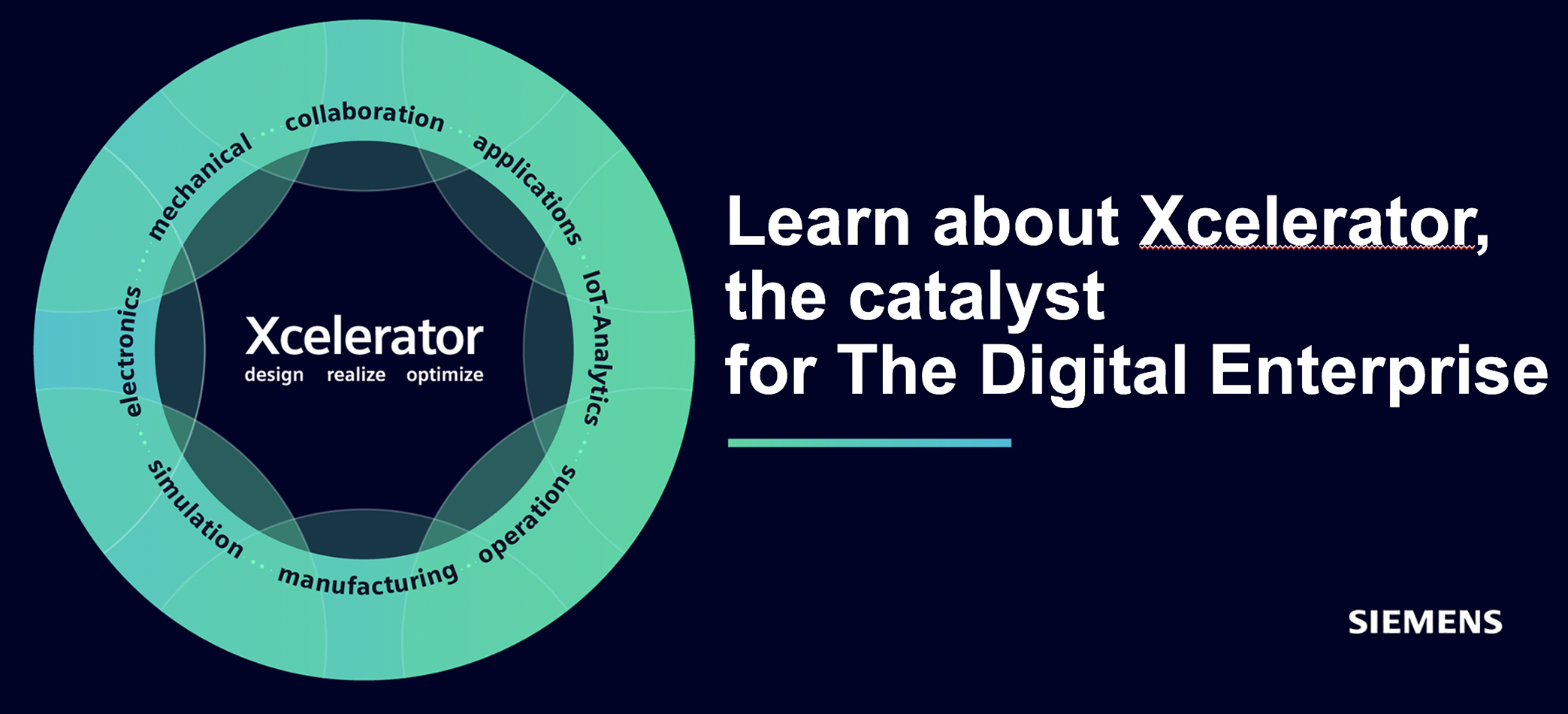
Few people in the PLM industry are in the same tough position as Jean-Claude Ercolanelli, simulation and analysis leader at Siemens Digital Industries Software. Siemens has invested $10.6 billion to buy CAE, HPC and AI specialist Altair Engineering in early 2025. This was done to add Altair's innovative simulation and analysis portfolio and advanced AI capabilities to the Siemens PLM portfolio, Xcelerator, and the Simcenter platform.
"Thereby, we create the world's most complete AI-driven design, engineering and simulation environment," as Siemens CEO Roland Busch put it. In short, it is in Siemens' strategic nature to be at the absolute commercial and technological forefront, and customers, Busch, shareholders and the head of the PLM division, Tony Hemmelgarn, presumably expect nothing less than for Ercolanelli to deliver on the investment; a battle that, in addition to integrating the companies' software, including Siemens Simcenter portfolio, is about taking on Synopsys-owned Ansys for leadership in the simulation and analysis domain. The challenge is ultimately to create the conditions for absolutely world-class product development.
PLM&ERP News’ Verdi Ogewell met Ercolanelli during the company’s big summer event in Europe, Realize LIVE, in Amsterdam, the Netherlands. He generally stated that Siemens is ready to continue the development of the market’s strongest simulation portfolio together with Altair employees and pointed to several important fundamental factors in this context:
“For example, we are very similar culturally, which facilitates the merger,” he said, adding that Altair has come a long way in developing AI related to the simulation pieces in virtually all product development domains. “Then, when you put this into the larger PLM context of the Xcelerator portfolio, which is already deeply integrated with the Simcenter platform, an environment emerges where our customers can take full advantage of digitalization and connect different aspects of their engineering processes, such as requirements, simulation, design in MCAD and ECAD, manufacturing, change management, and more, with a digital thread as a backbone, thereby leveraging their data and knowledge with AI. We are uniquely positioned to deliver this – we term it the comprehensive digital twin.”
Ercolanelli also pointed generally to Altair’s strengths in non-linear simulation, such as drop tests and explosions. But also more specifically on software such as, for example, SimSolid, a structural analysis solution, which allows engineers to simulate designs directly on complete CAD models:
“This without having to simplify the geometry or create a mesh, which significantly reduces the time and expertise required for simulation, and enables faster design iterations. We are talking about Design-to-Simulation tools in the traditional FEA area,” said Ercolanelli.
But what is Siemens’ strength versus Ansys? What does technologies such as NVIDIA’s Blackwell mean? How will AI affect simulation and analysis?
Click on the headline to read the full interview on PLM&ERP News.
"Thereby, we create the world's most complete AI-driven design, engineering and simulation environment," as Siemens CEO Roland Busch put it. In short, it is in Siemens' strategic nature to be at the absolute commercial and technological forefront, and customers, Busch, shareholders and the head of the PLM division, Tony Hemmelgarn, presumably expect nothing less than for Ercolanelli to deliver on the investment; a battle that, in addition to integrating the companies' software, including Siemens Simcenter portfolio, is about taking on Synopsys-owned Ansys for leadership in the simulation and analysis domain. The challenge is ultimately to create the conditions for absolutely world-class product development.
PLM&ERP News’ Verdi Ogewell met Ercolanelli during the company’s big summer event in Europe, Realize LIVE, in Amsterdam, the Netherlands. He generally stated that Siemens is ready to continue the development of the market’s strongest simulation portfolio together with Altair employees and pointed to several important fundamental factors in this context:
“For example, we are very similar culturally, which facilitates the merger,” he said, adding that Altair has come a long way in developing AI related to the simulation pieces in virtually all product development domains. “Then, when you put this into the larger PLM context of the Xcelerator portfolio, which is already deeply integrated with the Simcenter platform, an environment emerges where our customers can take full advantage of digitalization and connect different aspects of their engineering processes, such as requirements, simulation, design in MCAD and ECAD, manufacturing, change management, and more, with a digital thread as a backbone, thereby leveraging their data and knowledge with AI. We are uniquely positioned to deliver this – we term it the comprehensive digital twin.”
Ercolanelli also pointed generally to Altair’s strengths in non-linear simulation, such as drop tests and explosions. But also more specifically on software such as, for example, SimSolid, a structural analysis solution, which allows engineers to simulate designs directly on complete CAD models:
“This without having to simplify the geometry or create a mesh, which significantly reduces the time and expertise required for simulation, and enables faster design iterations. We are talking about Design-to-Simulation tools in the traditional FEA area,” said Ercolanelli.
But what is Siemens’ strength versus Ansys? What does technologies such as NVIDIA’s Blackwell mean? How will AI affect simulation and analysis?
Click on the headline to read the full interview on PLM&ERP News.

”Integrerad helhetsmiljö och AI i världsklass är Siemens trumfkort i slaget om ledningen på...
JEAN-CLAUDE ERCOLANELLI befinner sig mitt i hetluften när Siemens utmanar Ansys – möt honom i dagens djupintevju.
Få personer inom PLM-branschen befinner sig i samma tuffa läge som Jean-Claude Ercolanelli, simulerings- och analys-ansvarig på Siemens Digital Industries Software. Siemens har lagt ner 10,6 miljarder dollar, motsvarande runt hundra miljarder svenska kronor, på att i början av 2025 köpa CAE-, HPC- och AI-specialisten Altair Engineering. Man gjorde det för att addera Altairs innovativa simulerings- och analys-portfölj och långt framskridna AI-kapabiliteter till Siemens PLM-portfölj, Xcelerator, och Simcenter-plattformen. ”Därigenom skapar vi världens mest kompletta AI-drivna design-, teknik- och simuleringsmiljö,” som Siemens koncernchef Roland Busch uttryckte saken. Det ligger kort sagt i Siemens strategiska natur att ligga i absolut kommersiell och teknologisk framkant och såväl kunderna som Busch, aktieägarna och chefen för PLM-divisionen, Tony Hemmelgarn, förväntar sig gissningsvis inget annat än att Ercolanelli levererar på investeringen; en kamp som vid sidan av att integrera bolagens mjukvaror, bl a i Siemens Simcenter-portfölj, handlar om att ta upp kampen med Synopsys-ägda Ansys om ledarplatsen på simulerings- och analys-domänen. Utmaningen är på sista raden att skapa förutsättningarna för produktutveckling i absolut världsklass.
PLM&ERP News’ Verdi Ogewell träffade Ercolanelli under bolagets stora sommarevent i Europa, Realize LIVE, i holländska Amsterdam. Han konstaterade allmänt att Siemens absolut är redo för att tillsammans med Altair-medarbetarna fortsätta utvecklingen av marknadens starkaste simuleringsportfölj och pekade på flera i sammanhanget viktiga grundläggande faktorer:
”Vi är t ex kulturellt väldigt lika, vilket underlättar sammanslagningen,” sa han och tillade att Altair hunnit mycket långt i att utveckla AI relaterat till simuleringsbitarna inom egentligen alla produktutvecklings-domäner. ”Sätter man sedan detta i relation till den större PLM-kontexten med Xcelerator-portföljen, som redan är djupintegrerad med Simcenter-plattformen, framträder en miljö där våra kunder kan dra full nytta av digitaliseringen och koppla samman olika aspekter av sin tekniska process, som krav, simulering, design i MCAD och ECAD, tillverkning, change management, och annat med en digital tråd som ryggrad, och därmed utnyttja sina data och kunskaper med AI. Vi är unikt positionerat för att leverera detta – vi kallar det den omfattande digitala tvillingen.”
Ercolanelli pekade också allmänt på Altairs styrkor inom icke-linjär simulering, typ droptester och explosioner. Men också mer specifikt på t ex SimSolid, en programvara för strukturanalys, som gör det möjligt för ingenjörer att simulera konstruktioner direkt på kompletta CAD-modeller:
”Detta utan att man behöver förenkla geometrin eller skapa ett meshnät, vilket avsevärt minskar den tid och expertis som krävs för simulering, och möjliggör snabbare konstruktions-iterationer. Vi talar om Design-to-Simulation-verktyg inom det traditionella FEA-området,” sa Ercolanelli.
Men vilken är Siemens styrka i förhållande till Ansys? Vad betyder entrén av teknologi som NVIDIAs Blackwell? Hur kommer AI att påverka simulerings- och analyssidan?
Klicka på rubriken för att läsa hela intervjun på PLM&ERP News.
Få personer inom PLM-branschen befinner sig i samma tuffa läge som Jean-Claude Ercolanelli, simulerings- och analys-ansvarig på Siemens Digital Industries Software. Siemens har lagt ner 10,6 miljarder dollar, motsvarande runt hundra miljarder svenska kronor, på att i början av 2025 köpa CAE-, HPC- och AI-specialisten Altair Engineering. Man gjorde det för att addera Altairs innovativa simulerings- och analys-portfölj och långt framskridna AI-kapabiliteter till Siemens PLM-portfölj, Xcelerator, och Simcenter-plattformen. ”Därigenom skapar vi världens mest kompletta AI-drivna design-, teknik- och simuleringsmiljö,” som Siemens koncernchef Roland Busch uttryckte saken. Det ligger kort sagt i Siemens strategiska natur att ligga i absolut kommersiell och teknologisk framkant och såväl kunderna som Busch, aktieägarna och chefen för PLM-divisionen, Tony Hemmelgarn, förväntar sig gissningsvis inget annat än att Ercolanelli levererar på investeringen; en kamp som vid sidan av att integrera bolagens mjukvaror, bl a i Siemens Simcenter-portfölj, handlar om att ta upp kampen med Synopsys-ägda Ansys om ledarplatsen på simulerings- och analys-domänen. Utmaningen är på sista raden att skapa förutsättningarna för produktutveckling i absolut världsklass.
PLM&ERP News’ Verdi Ogewell träffade Ercolanelli under bolagets stora sommarevent i Europa, Realize LIVE, i holländska Amsterdam. Han konstaterade allmänt att Siemens absolut är redo för att tillsammans med Altair-medarbetarna fortsätta utvecklingen av marknadens starkaste simuleringsportfölj och pekade på flera i sammanhanget viktiga grundläggande faktorer:
”Vi är t ex kulturellt väldigt lika, vilket underlättar sammanslagningen,” sa han och tillade att Altair hunnit mycket långt i att utveckla AI relaterat till simuleringsbitarna inom egentligen alla produktutvecklings-domäner. ”Sätter man sedan detta i relation till den större PLM-kontexten med Xcelerator-portföljen, som redan är djupintegrerad med Simcenter-plattformen, framträder en miljö där våra kunder kan dra full nytta av digitaliseringen och koppla samman olika aspekter av sin tekniska process, som krav, simulering, design i MCAD och ECAD, tillverkning, change management, och annat med en digital tråd som ryggrad, och därmed utnyttja sina data och kunskaper med AI. Vi är unikt positionerat för att leverera detta – vi kallar det den omfattande digitala tvillingen.”
Ercolanelli pekade också allmänt på Altairs styrkor inom icke-linjär simulering, typ droptester och explosioner. Men också mer specifikt på t ex SimSolid, en programvara för strukturanalys, som gör det möjligt för ingenjörer att simulera konstruktioner direkt på kompletta CAD-modeller:
”Detta utan att man behöver förenkla geometrin eller skapa ett meshnät, vilket avsevärt minskar den tid och expertis som krävs för simulering, och möjliggör snabbare konstruktions-iterationer. Vi talar om Design-to-Simulation-verktyg inom det traditionella FEA-området,” sa Ercolanelli.
Men vilken är Siemens styrka i förhållande till Ansys? Vad betyder entrén av teknologi som NVIDIAs Blackwell? Hur kommer AI att påverka simulerings- och analyssidan?
Klicka på rubriken för att läsa hela intervjun på PLM&ERP News.

Aras Innovator – Complementary High-Growth PLM Solution with the Digital Thread as a Heavy...
Meet LEON LAURITSEN, global sales director and EMEA chief at Aras PLM, in today's in-depth interview.
Who are the leading players in PLM systems for discrete manufacturing?
It is hardly a surprise that Siemens Digital Industries Software took the lead in analyst Forrester's latest assessment, "The Forrester Wave: Product Lifecycle Management Platforms For Discrete Manufacturers, Q3 2025". But the fact that only one of the other PLM developers managed to take a place in Forrester's "leadership wave" may have raised some eyebrows. Instead, it was the "small" player Aras PLM, known for its Innovator platform, that managed to take the top spot next to Siemens. This while Dassault, PTC, and Autodesk all ended up outside the "leadership wave" with a position at the level below, the "strong performers wave".
According to the analyst CIMdata, Aras PLM brings in around $200 million a year, which of course compared to giants like Siemens (just under $7 billion dollars) and Dassault Systemes (around $6.5 billion) makes them a significantly smaller commercial competitor. But this does not prevent the company from having a real wave of success in recent years, with strong growth; stronger than most of the players in the PLM area.
One person who is not surprised by Aras PLM’s top ranking is the company’s senior VP of Global Sales & General Manager EMEA, Leon Lauritsen. PLM&ERP News caught up with him for a discussion about the company’s technological and financial performance and slightly different business model:
“As a private company, we do not disclose our financial figures, but the analyst estimates that are available are reflective. I can say that in recent years we have consistently grown more than twice as fast as the broader cPDm market and significantly faster than our three toughest competitors.”
Lauritsen also points out that Forrester's analysis praises Aras’ strong technology:
"If you look at the rating on their five-point scale, we actually get the highest average rating of all, including the 29 different points that the analyst included in his technical assessment. In short, we have a number of strengths that are completely in line with the most important technology trends in product development - some good examples are:
• The importance of digital 'thread thinking' to manage modern compliance requirements
• The flexibility and ability to coexist with traditional PLM/PDM solutions
• Rapidly changing supply chains require a different paradigm for collaboration with value chain partners
• The potential for controlled access to data to transform technology and product delivery by leveraging new AI use cases."
Moreover, Lauritsen claims that, in addition to the technology, they continue to differentiate themselves with the strength of their community.
"Yes, we undeniably have an exciting breadth on the customer side; a breadth that says a lot about the capacity of our solutions," he says.
Good examples include giant high-tech actors from Airbus, Boeing, and General Dynamics, to BMW, Honda, General Motors, Mazda, and the nuclear research center CERN. It is notable, however, that in most cases the Innovator platform is not the respective organization's main platform for PLM/cPDm (collaborative Product Definition management).
So, how do these companies and organizations use Aras Innovator solutions? What does the business model look like, which Lauritsen claims is both better and cheaper than that of traditional competitors? And how is it that a major player in CAE, Ansys, has chosen to invest in Aras' PLM technology?
Click on the headline to read the full story on PLM&ERP News.
Who are the leading players in PLM systems for discrete manufacturing?
It is hardly a surprise that Siemens Digital Industries Software took the lead in analyst Forrester's latest assessment, "The Forrester Wave: Product Lifecycle Management Platforms For Discrete Manufacturers, Q3 2025". But the fact that only one of the other PLM developers managed to take a place in Forrester's "leadership wave" may have raised some eyebrows. Instead, it was the "small" player Aras PLM, known for its Innovator platform, that managed to take the top spot next to Siemens. This while Dassault, PTC, and Autodesk all ended up outside the "leadership wave" with a position at the level below, the "strong performers wave".
According to the analyst CIMdata, Aras PLM brings in around $200 million a year, which of course compared to giants like Siemens (just under $7 billion dollars) and Dassault Systemes (around $6.5 billion) makes them a significantly smaller commercial competitor. But this does not prevent the company from having a real wave of success in recent years, with strong growth; stronger than most of the players in the PLM area.
One person who is not surprised by Aras PLM’s top ranking is the company’s senior VP of Global Sales & General Manager EMEA, Leon Lauritsen. PLM&ERP News caught up with him for a discussion about the company’s technological and financial performance and slightly different business model:
“As a private company, we do not disclose our financial figures, but the analyst estimates that are available are reflective. I can say that in recent years we have consistently grown more than twice as fast as the broader cPDm market and significantly faster than our three toughest competitors.”
Lauritsen also points out that Forrester's analysis praises Aras’ strong technology:
"If you look at the rating on their five-point scale, we actually get the highest average rating of all, including the 29 different points that the analyst included in his technical assessment. In short, we have a number of strengths that are completely in line with the most important technology trends in product development - some good examples are:
• The importance of digital 'thread thinking' to manage modern compliance requirements
• The flexibility and ability to coexist with traditional PLM/PDM solutions
• Rapidly changing supply chains require a different paradigm for collaboration with value chain partners
• The potential for controlled access to data to transform technology and product delivery by leveraging new AI use cases."
Moreover, Lauritsen claims that, in addition to the technology, they continue to differentiate themselves with the strength of their community.
"Yes, we undeniably have an exciting breadth on the customer side; a breadth that says a lot about the capacity of our solutions," he says.
Good examples include giant high-tech actors from Airbus, Boeing, and General Dynamics, to BMW, Honda, General Motors, Mazda, and the nuclear research center CERN. It is notable, however, that in most cases the Innovator platform is not the respective organization's main platform for PLM/cPDm (collaborative Product Definition management).
So, how do these companies and organizations use Aras Innovator solutions? What does the business model look like, which Lauritsen claims is both better and cheaper than that of traditional competitors? And how is it that a major player in CAE, Ansys, has chosen to invest in Aras' PLM technology?
Click on the headline to read the full story on PLM&ERP News.

Aras Innovator – komplementär PLM-lösning som växer så det knakar med digitala tråden som...
Möt LEON LAURITSEN, global försäljningsdirektör och EMEA-bas på Aras PLM, i dagens djupintervju.
Vilka är de ledande spelarna när det gäller PLM-system för diskret tillverkning?
Att Siemens Digital Industries Software tog plats som ledare i analytikern Forresters senaste utvärdering, "The Forrester Wave: PLM Platforms For Discrete Manufacturers, Q3 2025", är knappast någon överraskning. Men att bara en enda av de andra PLM-utvecklarna lyckades ta plats i Forresters ”ledarvåg” fick måhända en del att höja på ögonbrynen. Istället var det den i sammanhanget ”lilla” spelaren Aras PLM, känt för sin Innovator-plattform, som lyckades ta topplatsen bredvid Siemens. Detta medan Dassault, PTC, och Autodesk alla hamnade utanför ”ledarvågen” med placering på nivån under, i ”strong performers-vågen”, närmast att översätta som ”starka utmanare”.
Aras PLM drar enligt analytikern CIMdata in runt 200 miljoner dollar om året, vilket förstås jämfört med jättar som Siemens (strax under 7 miljarder dollar) och Dassault Systemes (runt 6,5 miljarder) gör dem till en betydligt mindre kommersiell aktör. Men detta hindrar nu inte att bolaget haft en ordentlig framgångsvåg de senaste åren, med en stark tillväxt; starkare än de flesta av PLM-områdets aktörer.
En som inte är överraskad över Aras PLMs topplacering är bolagets seniora VP för Global Sales & General Manager EMEA, Leon Lauritsen. PLM&ERP News har träffat honom för en diskussion kring bolagets teknologiska och finansiella prestanda och lite annorlunda affärsmodell:
”Analytikeruppskattningarna som finns är reflekterande. Jag kan säga att vi under de senaste åren konsekvent har vuxit mer än två gånger snabbare än den bredare cPDm-marknaden och betydligt snabbare än våra tre tuffaste konkurrenter.”
Lauritsen pekar också på att man i Forresters analys får beröm för stark teknik:
”Ser man till betygsättningen så får vi faktiskt högst genomsnittligt betyg av alla, inräknat de 29 olika punkter som analytikern hade med i sin tekniska bedömning. Vi har kort en rad styrkor som ligger helt i linje med de viktigaste tekniktrenderna inom produktframtagning - några bra exempel är: Vikten av digitalt ’trådtänkande’ för att hantera moderna efterlevnadskrav, förmågan att existera tillsammans med traditionella PLM/PDM-lösningar, och transparent hantering av dagens komplexa leveranskedjor."
Lauritsen pekar också på att man vid sidan av teknologin fortsätter att differentiera sig med styrkan i sin community.
”Ja, vi har en spännande bredd på kundsidan; med allt ifrån Airbus och Boeing till BMW, Honda, GM, och kärnforskningscentret CERN.”
Notabelt är dock att Innovator-plattformen i de flesta fallen inte är respektive organisations PLM-huvudplattform.
Så, hur använder de då Aras Innovator-lösningar? Hur ser affärsmodellen ut, som Lauritsen hävdar är både bättre och billigare än de traditionella konkurrenternas? Och hur kommer det sig att en storspelare inom CAE, Ansys, valt att satsa på Aras PLM-plattform?
Klicka på rubriken för att läsa hela intervjun på PLM&ERP News.
Att Siemens Digital Industries Software tog plats som ledare i analytikern Forresters senaste utvärdering, "The Forrester Wave: PLM Platforms For Discrete Manufacturers, Q3 2025", är knappast någon överraskning. Men att bara en enda av de andra PLM-utvecklarna lyckades ta plats i Forresters ”ledarvåg” fick måhända en del att höja på ögonbrynen. Istället var det den i sammanhanget ”lilla” spelaren Aras PLM, känt för sin Innovator-plattform, som lyckades ta topplatsen bredvid Siemens. Detta medan Dassault, PTC, och Autodesk alla hamnade utanför ”ledarvågen” med placering på nivån under, i ”strong performers-vågen”, närmast att översätta som ”starka utmanare”.
Aras PLM drar enligt analytikern CIMdata in runt 200 miljoner dollar om året, vilket förstås jämfört med jättar som Siemens (strax under 7 miljarder dollar) och Dassault Systemes (runt 6,5 miljarder) gör dem till en betydligt mindre kommersiell aktör. Men detta hindrar nu inte att bolaget haft en ordentlig framgångsvåg de senaste åren, med en stark tillväxt; starkare än de flesta av PLM-områdets aktörer.
En som inte är överraskad över Aras PLMs topplacering är bolagets seniora VP för Global Sales & General Manager EMEA, Leon Lauritsen. PLM&ERP News har träffat honom för en diskussion kring bolagets teknologiska och finansiella prestanda och lite annorlunda affärsmodell:
”Analytikeruppskattningarna som finns är reflekterande. Jag kan säga att vi under de senaste åren konsekvent har vuxit mer än två gånger snabbare än den bredare cPDm-marknaden och betydligt snabbare än våra tre tuffaste konkurrenter.”
Lauritsen pekar också på att man i Forresters analys får beröm för stark teknik:
”Ser man till betygsättningen så får vi faktiskt högst genomsnittligt betyg av alla, inräknat de 29 olika punkter som analytikern hade med i sin tekniska bedömning. Vi har kort en rad styrkor som ligger helt i linje med de viktigaste tekniktrenderna inom produktframtagning - några bra exempel är: Vikten av digitalt ’trådtänkande’ för att hantera moderna efterlevnadskrav, förmågan att existera tillsammans med traditionella PLM/PDM-lösningar, och transparent hantering av dagens komplexa leveranskedjor."
Lauritsen pekar också på att man vid sidan av teknologin fortsätter att differentiera sig med styrkan i sin community.
”Ja, vi har en spännande bredd på kundsidan; med allt ifrån Airbus och Boeing till BMW, Honda, GM, och kärnforskningscentret CERN.”
Notabelt är dock att Innovator-plattformen i de flesta fallen inte är respektive organisations PLM-huvudplattform.
Så, hur använder de då Aras Innovator-lösningar? Hur ser affärsmodellen ut, som Lauritsen hävdar är både bättre och billigare än de traditionella konkurrenternas? Och hur kommer det sig att en storspelare inom CAE, Ansys, valt att satsa på Aras PLM-plattform?
Klicka på rubriken för att läsa hela intervjun på PLM&ERP News.

Busy Days for PTC’s Boss Neil Barua – Running at High Pace Despite the...
STRONG Q3 (FY2025) quarterly figures and a NVIDIA collaboration that OPENS NEW AI DOORS. It has undoubtedly been an intense early summer period for one of the market leaders in PLM, PTC. Partly due to the numerous tours around Autodesk's plans to acquire PTC, partly because of the interesting AI-oriented technology investments with NVIDIA, among others, and partly because of a strong financial performance for FY3Q 2025.
Regarding the report for the company's fiscal third quarter 2025 (as of July 30), PTC has achieved results that, given the tough global economy, look good. The total revenue for the quarter increased by 24%, from $519 million to $644 million, and the today so important ARR (Annual Recurring Revenue) item in the SaaS world, a measure of how subscription or rental revenue is developing, increased by 14% to $2.4 billion.
Neil Barua, CEO and President of PTC, stated that the company's strategy to enable product databases and extend the value of that data across the enterprise has been a success with customers across all verticals and geographies:
"Yes, it looks good and I can confidently say that we are structurally stronger today than before with powerful development in all five focus areas of CAD, PLM, ALM (Application Lifecycle Management), SLM (Service Lifecycle Management) and SaaS (Software-as-a-Service) with new product offerings, improvements and important customer wins. Although the macroeconomic picture still provides some uncertainty for our customers, we feel that we are past the point of maximum disruption," Barua concluded.
But what has made PTC the big talking point in the industry this summer is, of course, the attempts to get a deal in place where Autodesk had plans to buy PTC; a deal that, however, fell through. There were several reasons, primarily because of the complexity of putting together and integrating a high-end PLM business of PTC's caliber–with overlapping software lines such as Windchill PLM/Creo CAD/Oneshape CAD&PDM–versus Autodesk's AEC and more mainstream-oriented focus with programs such as Revit/AutoCAD/Inventor/Fusion Manage and others. But also things like the financing and cost pieces seem to have played a big role when the deal ultimately fell through. Even for the big Autodesk, the price tag that was discussed, around $20 billion, was not an easily sum to raise, even if it could have been done. At the same time, there were some contradictions within Autodesk regarding the desire to drive the deal through. Especially due to the fact that a heavy financial activist and investor, Starboard Value, is reported to have opposed the deal.
That said, PTC has also been working hard on the technology side, not least in view of the development of AI fundamentals with, among other things, today's announced NVDIA collaboration where the latter's Omniverse technology has been integrated, making it possible to transfer CAD and PLM data to real-time simulations and interactive design environments.
But the AI investments do not stop there: In parallel, AI development continues with PTC's ALM solution Codebeamer, how? Click on the headline to read the full story on PLM&ERP News.
Regarding the report for the company's fiscal third quarter 2025 (as of July 30), PTC has achieved results that, given the tough global economy, look good. The total revenue for the quarter increased by 24%, from $519 million to $644 million, and the today so important ARR (Annual Recurring Revenue) item in the SaaS world, a measure of how subscription or rental revenue is developing, increased by 14% to $2.4 billion.
Neil Barua, CEO and President of PTC, stated that the company's strategy to enable product databases and extend the value of that data across the enterprise has been a success with customers across all verticals and geographies:
"Yes, it looks good and I can confidently say that we are structurally stronger today than before with powerful development in all five focus areas of CAD, PLM, ALM (Application Lifecycle Management), SLM (Service Lifecycle Management) and SaaS (Software-as-a-Service) with new product offerings, improvements and important customer wins. Although the macroeconomic picture still provides some uncertainty for our customers, we feel that we are past the point of maximum disruption," Barua concluded.
But what has made PTC the big talking point in the industry this summer is, of course, the attempts to get a deal in place where Autodesk had plans to buy PTC; a deal that, however, fell through. There were several reasons, primarily because of the complexity of putting together and integrating a high-end PLM business of PTC's caliber–with overlapping software lines such as Windchill PLM/Creo CAD/Oneshape CAD&PDM–versus Autodesk's AEC and more mainstream-oriented focus with programs such as Revit/AutoCAD/Inventor/Fusion Manage and others. But also things like the financing and cost pieces seem to have played a big role when the deal ultimately fell through. Even for the big Autodesk, the price tag that was discussed, around $20 billion, was not an easily sum to raise, even if it could have been done. At the same time, there were some contradictions within Autodesk regarding the desire to drive the deal through. Especially due to the fact that a heavy financial activist and investor, Starboard Value, is reported to have opposed the deal.
That said, PTC has also been working hard on the technology side, not least in view of the development of AI fundamentals with, among other things, today's announced NVDIA collaboration where the latter's Omniverse technology has been integrated, making it possible to transfer CAD and PLM data to real-time simulations and interactive design environments.
But the AI investments do not stop there: In parallel, AI development continues with PTC's ALM solution Codebeamer, how? Click on the headline to read the full story on PLM&ERP News.