
BREAKING NEWS: Siemens Aquires Simulation and Analysis Company Altair For $10.6B
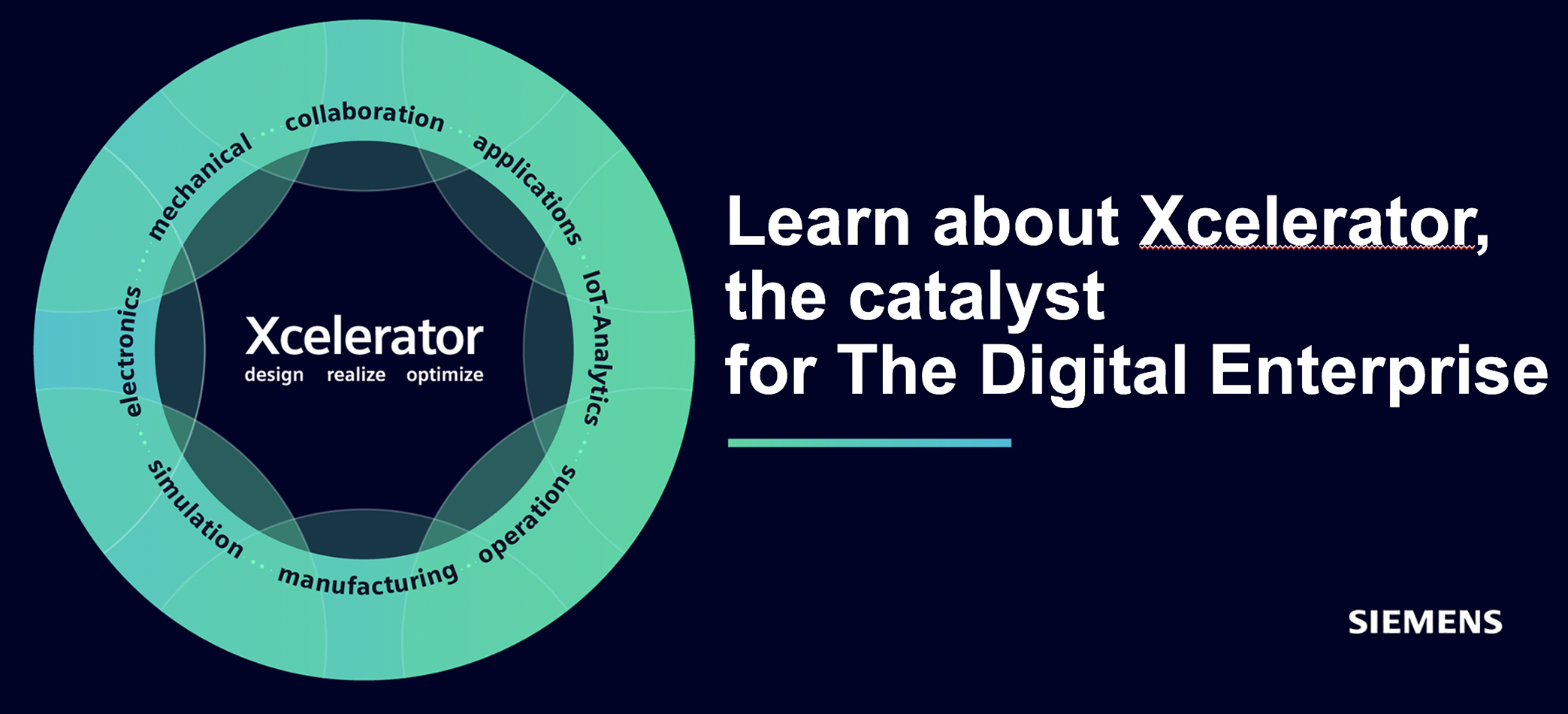
FORMING A NEW ERA and THE SECOND LARGEST CAE-PLAYER IN THE WORLD. Siemens buys the strongly growing software developer in AI, HPC, Simulation & Analysis, Altair Engineering. "The acquisition will create the world's most complete AI-driven design and simulation portfolio - by combining Altair's capabilities in simulation, HPC, data science and AI with the power of Siemens Xcelerator," said Roland Busch, CEO of Siemens AG. Siemens is paying $10.6 billion for Altair.
Through the now announced purchase the world's second largest player in the CAE area is formed. In commercial terms Siemens moves from 4th place among the world's top CAE revenue generators to second place after Ansys. Siemens thus pass both MathWorks and Dassault with totally more than $1.5 billion in annual CAE revenue. Moreover, it will push the PLM divison's total annual revenues up to the €8B level.
So, big things are happening within PLM when the big players are now charging up for the battle for the future. A future that is not only about exponentially growing features of AI, software, electronics, and electricity in today's products, but also about a key technology affecting most of digital product development built on 3D models: Simulation & Analysis (S&A).
When the products of the new era are developed, they do not exist as physical products - but are nowadays virtual (3D) models which in their initial phases exist only in binary numbers, zeros and ones, and really only as "theoretical" digital entities. So how do you ensure functionalities, optimized material choices, durable structures, thermal reactions, fluid dynamics, performance verification, validations, correct IC capabilities, manufacturability and more? S&A tools provide the answers. And in this, Siemens has developed strongly through the purchase of solutions and companies such as CD-adapco (flagship StarCCM+), LMS International (Amesim among others), Mentor Graphics (Integrated Circuits, etc), and more. But also, through strategic investments in developing what was bought into one of the market's broadest CAE platforms, Simcenter, also a part of the Xcelerator portfolio. However, today's deal, which has been rumored for a week or so, goes beyond most of it.
What are they buying? In terms of industry segments, Altair has a strong presence in automotive and transportation, but in recent years, mainly through acquisitions, it has expanded into other segments, such as high-tech electronics, aerospace & defense, medical equipment, and energy. In this, it has gone from being a niche supplier to a global enterprise-class technology company. From its roots in structural analysis software such as Hypermesh, Altair now has software and cloud solutions with well-known brands such as HyperWorks, solidThinking, Inspire, Altair PBS and SmartWorks, among others, in the areas of simulation-driven product development, high-performance computing (HPC) and data intelligence.
Click on the headline to read the full article on PLM&ERP News.
Through the now announced purchase the world's second largest player in the CAE area is formed. In commercial terms Siemens moves from 4th place among the world's top CAE revenue generators to second place after Ansys. Siemens thus pass both MathWorks and Dassault with totally more than $1.5 billion in annual CAE revenue. Moreover, it will push the PLM divison's total annual revenues up to the €8B level.
So, big things are happening within PLM when the big players are now charging up for the battle for the future. A future that is not only about exponentially growing features of AI, software, electronics, and electricity in today's products, but also about a key technology affecting most of digital product development built on 3D models: Simulation & Analysis (S&A).
When the products of the new era are developed, they do not exist as physical products - but are nowadays virtual (3D) models which in their initial phases exist only in binary numbers, zeros and ones, and really only as "theoretical" digital entities. So how do you ensure functionalities, optimized material choices, durable structures, thermal reactions, fluid dynamics, performance verification, validations, correct IC capabilities, manufacturability and more? S&A tools provide the answers. And in this, Siemens has developed strongly through the purchase of solutions and companies such as CD-adapco (flagship StarCCM+), LMS International (Amesim among others), Mentor Graphics (Integrated Circuits, etc), and more. But also, through strategic investments in developing what was bought into one of the market's broadest CAE platforms, Simcenter, also a part of the Xcelerator portfolio. However, today's deal, which has been rumored for a week or so, goes beyond most of it.
What are they buying? In terms of industry segments, Altair has a strong presence in automotive and transportation, but in recent years, mainly through acquisitions, it has expanded into other segments, such as high-tech electronics, aerospace & defense, medical equipment, and energy. In this, it has gone from being a niche supplier to a global enterprise-class technology company. From its roots in structural analysis software such as Hypermesh, Altair now has software and cloud solutions with well-known brands such as HyperWorks, solidThinking, Inspire, Altair PBS and SmartWorks, among others, in the areas of simulation-driven product development, high-performance computing (HPC) and data intelligence.
Click on the headline to read the full article on PLM&ERP News.

”An Industrial Drama,” Says Siemens Head of PLM, Tony Hemmelgarn, About Electrification and SDV...
How do the major PLM developers generally view PLM's role in SDV (Software-Defined Vehicles) development and the forward storming electrification technologies as a growing parts of vehicle and transport product realization? The question is brought up to date not least by the announcement this week from the Volvo Group and Daimler Trucks to invest in a 50/50-owned company for the development of an SDV platform for trucks. In two earlier published articles, PLM&ERP News has taken a closer look at this through interviews with leaders of major players in the automotive industry. Siemens Digital Industries Software’s CEO, Tony Hemmelgarn, is one of the PLM profiles interviewed. He is today the longest-serving executive in the entire PLM space. Meet him in my in-depth interview around these two superhot topics.
The claim that the car industry is going through a unique technologically explosive phase right now is no exaggeration, he notes. As AI, electrification, electronics and software—as some of the most prominent new technologies—pave the way and dramatically change product development, timing is everything, for everyone. The right tool at the right time is of the utmost importance. This not only affects PLM developers, such as the leading player in the automotive market, Siemens Digital Industries Software, but also fundamentally changes the situation of car manufacturers. Today’s cars are more connected, software-controlled, autonomous and electric than ever. Each of the vehicles contains, or will soon contain, millions of lines of code and must daily be able to handle terabytes of data. This is a huge undertaking and it has led to a ”volcanic” change in the way several major vehicle manufacturers work, not least to now quickly build up sophisticated infrastructures for software development. ”What the automotive industry is going through is actually nothing less than an industrial drama,” says Tony Hemmelgarn. ”We are talking about survival of the fittest. The fight is fierce and there are three areas that stand out: Software/electronics, digital manufacturing processes and in a 5-10 year perspective the full impact of artificial intelligence.”
In this interview he also comments the problems that the automotive industry is facing in terms of declining share of sales for electric vehicles.
”New technologies are breaking new ground, often resulting in high growth numbers from initially low volumes. But newly established manufacturing methods, high battery costs, decreasing subsidies and a sluggish growth rate in terms of charging stations can, in parallel with a generally declining economy, can backfire in the form of declining sales. We’re talking about a complex chain of events here that not always move in pace. But over time, the assessment is that electric cars are so important to the sustainability and environmental health of the planet, that today’s declining numbers probably represent more of an unexpected notch in the upward curve than a long term decline.”
Click on the headline to be directed to the full interview on PLM&ERP News.
The claim that the car industry is going through a unique technologically explosive phase right now is no exaggeration, he notes. As AI, electrification, electronics and software—as some of the most prominent new technologies—pave the way and dramatically change product development, timing is everything, for everyone. The right tool at the right time is of the utmost importance. This not only affects PLM developers, such as the leading player in the automotive market, Siemens Digital Industries Software, but also fundamentally changes the situation of car manufacturers. Today’s cars are more connected, software-controlled, autonomous and electric than ever. Each of the vehicles contains, or will soon contain, millions of lines of code and must daily be able to handle terabytes of data. This is a huge undertaking and it has led to a ”volcanic” change in the way several major vehicle manufacturers work, not least to now quickly build up sophisticated infrastructures for software development. ”What the automotive industry is going through is actually nothing less than an industrial drama,” says Tony Hemmelgarn. ”We are talking about survival of the fittest. The fight is fierce and there are three areas that stand out: Software/electronics, digital manufacturing processes and in a 5-10 year perspective the full impact of artificial intelligence.”
In this interview he also comments the problems that the automotive industry is facing in terms of declining share of sales for electric vehicles.
”New technologies are breaking new ground, often resulting in high growth numbers from initially low volumes. But newly established manufacturing methods, high battery costs, decreasing subsidies and a sluggish growth rate in terms of charging stations can, in parallel with a generally declining economy, can backfire in the form of declining sales. We’re talking about a complex chain of events here that not always move in pace. But over time, the assessment is that electric cars are so important to the sustainability and environmental health of the planet, that today’s declining numbers probably represent more of an unexpected notch in the upward curve than a long term decline.”
Click on the headline to be directed to the full interview on PLM&ERP News.
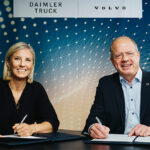
SDVs: Volvo Group and Daimler Truck in Binding Agreement for Development of Platform for...
HQ in GOTHENBURG – WHICH SYSTEM WILL BE USED IN THE DEVELOPMENT WORK? Today's big news in automotive is Volvo Group's and Daimler Trucks' decision to proceed with a binding agreement on the development of a platform for software-defined vehicles - so-called SDVs, "Software Defined Vehicles" - for heavy trucks. The agreement is based on a 50/50 deal and follows an earlier announcement from the companies, from May 2024.
Particularly interesting for Sweden is that this SDV platform aims to set an industry standard and that the plan includes a head office in Gothenburg. In the joint press material, the companies note that the partners' joint goal is to, “develop a truck operating system and to offer the joint venture's brand and versatile application-agnostic products to other commercial vehicle OEMs.” But despite this, competition between the companies must be protected and maintained: "Volvo Group and Daimler Truck will remain competitors in all other business areas and will continue to focus on an independent product and service offering," it writes.
Today's announcement will undoubtedly strengthen the digital transformation not only within Volvo and Daimler, but also within the transport industry. Not least influenced by the fact that we are talking about the heavy truck industry's two largest manufacturers.
An SDV is a vehicle where core functions are handled by a software layer that sits between the driver's or "fleet manager's" vehicle interface and which handles vehicle functions primarily via sensors. This allows the manufacturer to improve both usability and features dynamically via updates, including wireless.
This is a very interesting venture, not least because software-defined vehicles are the next major line of development in the automotive industry. But also because it is the second example within the framework of a couple of years where Volvo and Daimler join forces in an important development area. Previously, since 2020, Volvo and Daimler Truck have a joint venture underway around fuel cell solutions to power the vehicles. Then the Volvo Group bought 50 percent of Daimler Truck Fuel Cell GmbH & Co for a joint development of energy solutions for heavy trucks whose electricity for the batteries is generated from fuel cells powered by hydrogen gas. With the now announced SDV investment, the companies move forward together and share the significant development costs. Undeniably a smart move.
But there are challenges: for example, which systems should be used in the development work? The PLM side is one thing, while software development can land elsewhere. Anyway: Volvo Group has on the PLM side PTC with Windchill as cPDm solution. On the ALM side, PTC's Codebeamer, together with Windchill, will play important roles in PTC's offering. This while Daimler basically works in Siemens environments with Teamcenter and NX CAD. As far as the software side is concerned, Mercedes has used, among other things, IBM Doors. Siemens' ALM solution is called Polarion, which presumably has good hopes of getting into Daimler. The development will be interesting to follow.
Click on the title to read more on PLM&ERP News.
Particularly interesting for Sweden is that this SDV platform aims to set an industry standard and that the plan includes a head office in Gothenburg. In the joint press material, the companies note that the partners' joint goal is to, “develop a truck operating system and to offer the joint venture's brand and versatile application-agnostic products to other commercial vehicle OEMs.” But despite this, competition between the companies must be protected and maintained: "Volvo Group and Daimler Truck will remain competitors in all other business areas and will continue to focus on an independent product and service offering," it writes.
Today's announcement will undoubtedly strengthen the digital transformation not only within Volvo and Daimler, but also within the transport industry. Not least influenced by the fact that we are talking about the heavy truck industry's two largest manufacturers.
An SDV is a vehicle where core functions are handled by a software layer that sits between the driver's or "fleet manager's" vehicle interface and which handles vehicle functions primarily via sensors. This allows the manufacturer to improve both usability and features dynamically via updates, including wireless.
This is a very interesting venture, not least because software-defined vehicles are the next major line of development in the automotive industry. But also because it is the second example within the framework of a couple of years where Volvo and Daimler join forces in an important development area. Previously, since 2020, Volvo and Daimler Truck have a joint venture underway around fuel cell solutions to power the vehicles. Then the Volvo Group bought 50 percent of Daimler Truck Fuel Cell GmbH & Co for a joint development of energy solutions for heavy trucks whose electricity for the batteries is generated from fuel cells powered by hydrogen gas. With the now announced SDV investment, the companies move forward together and share the significant development costs. Undeniably a smart move.
But there are challenges: for example, which systems should be used in the development work? The PLM side is one thing, while software development can land elsewhere. Anyway: Volvo Group has on the PLM side PTC with Windchill as cPDm solution. On the ALM side, PTC's Codebeamer, together with Windchill, will play important roles in PTC's offering. This while Daimler basically works in Siemens environments with Teamcenter and NX CAD. As far as the software side is concerned, Mercedes has used, among other things, IBM Doors. Siemens' ALM solution is called Polarion, which presumably has good hopes of getting into Daimler. The development will be interesting to follow.
Click on the title to read more on PLM&ERP News.

How Keysight and Siemens EDA are developing next-generation tools for WIRELESS SYSTEM DESIGN
New product enables BIDIRECTIONAL INTEGRATION with RF and MICROWAVE TECHNOLOGY tools for system design. One of last week's most interesting news concerns an area of importance to the design of wireless communication systems. It's about Keysight Technologies and Siemens EDA, part of Siemens Digital Industries Software, and the goal of building next-generation solutions for wireless design. Creating deeper integration between Keysight's Advanced Design System (ADS) and Siemens Xpedition Enterprise suite of EDA (Electronic Design Automation) tools has enabled more efficient co-design of digital systems and radio frequency (RF) circuits by performing layout and manufacturing in Xpedition and RF Circuit and electromagnetic simulation in Keysight ADS.
This is generally of importance in a number of industry segments, including wireless systems in the field of defense, radar solutions, satellites, etc. But the addressed markets are broader than that and also relate to segments such as automotive, industrial automation, energy and the general semiconductor and electronics markets. So, what’s the main point of the now announced collaboration?
The backdrop is that today's complex systems in these fields require design where the integration between RF and overall system design reach high levels of sophistication. RF stands for Radio Frequency, which represents the oscillation speed of electromagnetic waves. These highly advanced solutions often combine intricate RF components, high-speed digital electronic circuitry, and sophisticated signal processing, all of which must work harmoniously together.
The development of new technologies is thus heavily dependent on RF circuits. These circuits are integrated components in wireless communication systems such as 5/6G, LTE, Bluetooth and IoT devices.
The collaboration between Keysight ADS and Siemens EDA's Xpedition builds on the existing dynamic integration between the companies' tools, with the ability for system designers to have bidirectional integration with RF and microwave technology tools. A key point of this involves integration of complete hierarchical designs bi-directionally between Keysight ADS and Siemens Xpedition Designer and Layout, eliminating the cumbersome and error-prone task of manually translating libraries between the tools.
Keysight's Nilesh Kamdar, EDA Design & Verification notes:
"The bidirectional integration enables engineers to optimize performance across various applications, including 5G/6G and radar systems."
What is the value of bidirectional integration in e.g. radar systems? Bidirectional RF amplifiers are widely used in wireless communication such as radar and satellite communication. They improve base station coverage and signal penetration, thereby sharpening communication quality and user experience. But there is more…
Click on the headline to read more on PLM&ERP News.
This is generally of importance in a number of industry segments, including wireless systems in the field of defense, radar solutions, satellites, etc. But the addressed markets are broader than that and also relate to segments such as automotive, industrial automation, energy and the general semiconductor and electronics markets. So, what’s the main point of the now announced collaboration?
The backdrop is that today's complex systems in these fields require design where the integration between RF and overall system design reach high levels of sophistication. RF stands for Radio Frequency, which represents the oscillation speed of electromagnetic waves. These highly advanced solutions often combine intricate RF components, high-speed digital electronic circuitry, and sophisticated signal processing, all of which must work harmoniously together.
The development of new technologies is thus heavily dependent on RF circuits. These circuits are integrated components in wireless communication systems such as 5/6G, LTE, Bluetooth and IoT devices.
The collaboration between Keysight ADS and Siemens EDA's Xpedition builds on the existing dynamic integration between the companies' tools, with the ability for system designers to have bidirectional integration with RF and microwave technology tools. A key point of this involves integration of complete hierarchical designs bi-directionally between Keysight ADS and Siemens Xpedition Designer and Layout, eliminating the cumbersome and error-prone task of manually translating libraries between the tools.
Keysight's Nilesh Kamdar, EDA Design & Verification notes:
"The bidirectional integration enables engineers to optimize performance across various applications, including 5G/6G and radar systems."
What is the value of bidirectional integration in e.g. radar systems? Bidirectional RF amplifiers are widely used in wireless communication such as radar and satellite communication. They improve base station coverage and signal penetration, thereby sharpening communication quality and user experience. But there is more…
Click on the headline to read more on PLM&ERP News.

Så utvecklar Keysight och Siemens EDA nästa generations verktyg för DESIGN AV TRÅDLÖSA SYSTEM
Möjliggör DUBBELRIKTAD INTEGRATION med RF- och MIKROVÅGSTEKNIK-verktyg för systemdesign. En av förra veckans mest intressanta nyheter berör ett område av betydelse för design av trådlösa kommunikationssystem. Det handlar om Keysight Technologies och Siemens EDA, en del av Siemens Digital Industries Software, och målsättningen att bygga nästa generations plattformar för trådlös design. Genom att skapa fördjupade integrationslösningar mellan Keysights Advanced Design System (ADS) och Siemens Xpedition Enterprise-svit av EDA-verktyg har man möjliggjort att mer effektivt samdesigna digitala system och radiofrekvens-kretsar (RF) genom att utföra layout och tillverkning i Xpedition och RF Circuit och elektromagnetisk simulering i Keysight ADS.
Detta är allmänt av vikt inom en rad industrisegment, men är i fallet Keysight och Siemens framför allt när det gäller trådlösa system inom t ex försvarsområdet, radarlösningar, satelliter, etc. Men verksamheterna är som sagt bredare än så och relaterar även till kunder inom segment som fordons-, industriella automations-, energi- och de allmänna halvledar- och elektronikmarknaderna. Men vad gör det nu annonserade samarbetet viktigt?
Dagens komplexa system på området kräver design där integrationen mellan RF och övergripande systemdesign kräver höga nivåer av sofistikerat avancemang. RF står för Radio Frequency, som representerar oscillationshastigheten för elektromagnetiska vågor. Dessa högt avancerade lösningar kombinerar ofta intrikata RF-komponenter, digitala elektroniska höghastighetskretsar och sofistikerad signalbehandling, som alla måste fungera harmoniskt ihop.
Utvecklingen av nya teknologier är alltså starkt beroende av RF-kretsar. Dessa kretsar är integrerade komponenter i trådlösa kommunikationssystem som 5G, LTE, Bluetooth och IoT (Internet of Things)-enheter.
Samarbetet mellan Keysight ADS och Siemens EDAs Xpedition innebär att man bygger vidare på den existerande dynamiska integrationen mellan bolagens verktyg, med möjligheten för systemdesigner att ha dubbelriktad integration med RF- och mikrovågsteknik-verktyg. En huvudpoäng i detta innebär integration av kompletta hierarkiska konstruktioner dubbelriktat mellan Keysight ADS och Siemens Xpedition Designer och Layout, vilket eliminerar den besvärliga och felbenägna uppgiften att manuellt översätta bibliotek mellan verktygen.
Keysights Nilesh Kamdar, EDA Design & Verification-ledare konstaterar apropå detta:
"Den dubbelriktade integrationen gör det möjligt för ingenjörer att optimera prestanda över olika applikationer, inklusive 5G/6G och radarsystem."
Vad är värdet av dubbelriktad integration i t ex radarsystem? Dubbelriktade RF-förstärkare används i stor utsträckning inom trådlös kommunikation som just radar- och satellitkommunikation. I trådlösa kommunikationssystem förbättrar de basstationens täckning och signalpenetration, och vässar därmed kommunikationskvaliteten och användarupplevelsen. Men det finns mer…
Klicka på rubriken för att läsa mer på PLM&ERP News.
Detta är allmänt av vikt inom en rad industrisegment, men är i fallet Keysight och Siemens framför allt när det gäller trådlösa system inom t ex försvarsområdet, radarlösningar, satelliter, etc. Men verksamheterna är som sagt bredare än så och relaterar även till kunder inom segment som fordons-, industriella automations-, energi- och de allmänna halvledar- och elektronikmarknaderna. Men vad gör det nu annonserade samarbetet viktigt?
Dagens komplexa system på området kräver design där integrationen mellan RF och övergripande systemdesign kräver höga nivåer av sofistikerat avancemang. RF står för Radio Frequency, som representerar oscillationshastigheten för elektromagnetiska vågor. Dessa högt avancerade lösningar kombinerar ofta intrikata RF-komponenter, digitala elektroniska höghastighetskretsar och sofistikerad signalbehandling, som alla måste fungera harmoniskt ihop.
Utvecklingen av nya teknologier är alltså starkt beroende av RF-kretsar. Dessa kretsar är integrerade komponenter i trådlösa kommunikationssystem som 5G, LTE, Bluetooth och IoT (Internet of Things)-enheter.
Samarbetet mellan Keysight ADS och Siemens EDAs Xpedition innebär att man bygger vidare på den existerande dynamiska integrationen mellan bolagens verktyg, med möjligheten för systemdesigner att ha dubbelriktad integration med RF- och mikrovågsteknik-verktyg. En huvudpoäng i detta innebär integration av kompletta hierarkiska konstruktioner dubbelriktat mellan Keysight ADS och Siemens Xpedition Designer och Layout, vilket eliminerar den besvärliga och felbenägna uppgiften att manuellt översätta bibliotek mellan verktygen.
Keysights Nilesh Kamdar, EDA Design & Verification-ledare konstaterar apropå detta:
"Den dubbelriktade integrationen gör det möjligt för ingenjörer att optimera prestanda över olika applikationer, inklusive 5G/6G och radarsystem."
Vad är värdet av dubbelriktad integration i t ex radarsystem? Dubbelriktade RF-förstärkare används i stor utsträckning inom trådlös kommunikation som just radar- och satellitkommunikation. I trådlösa kommunikationssystem förbättrar de basstationens täckning och signalpenetration, och vässar därmed kommunikationskvaliteten och användarupplevelsen. Men det finns mer…
Klicka på rubriken för att läsa mer på PLM&ERP News.

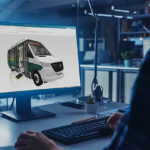
”CAD’s Best-Kept Secret”: Solid Edge 2025 Has a Powerful Technological Level, But Would Benefit...
...and now the software also comes as a SaaS and CLOUD SOLUTION. Siemens Digital Industries Software's mainstream 3D CAD program, Solid Edge (SE), is not without good reason called "the industry's best kept secret". It was developed around the same time as SOLIDWORKS (SW) in the early 1990s, had the same kind of capabilities and introduced 3D CAD into mainstream desktop environments. But it did not take off in the same way as Jon Hirschtick's SW software, despite the fact that it had similar, or sharper, technical capabilities and despite that during the course of development, before the competitors, PDM was integrated into the solution and in addition formed a "PLM light- suite” by integrating excellent simulation and CAM solutions.
This does not prevent SE from continuing to develop its capabilities to match well with competitors in the mid-range segment. In some areas, the solution has also been leading, such as the ability to work both parametrically and with direct modeling. In any case, with the 2025 edition, Solid Edge can be hard-hitting with several heavy initiatives and feature news; which is garnished with a SaaS and cloud variant – like all Siemens programs on SaaS, IaaS and the cloud platform with the suffix X (Solid Edge X).
That is all good, but one problem remains: Solid Edge is priced clearly higher than competing software. One way to increase the global volumes could be to lower the price to be in better parity with, for example, SW.
That said, John Miller, senior VP for Mainstream Engineering at Siemens Digital Industries Software, believes that with the Solid Edge X version and the SaaS concept, significant steps have been taken towards deliveries that are in line with Siemens' strategic goals: "To bring our industry-leading software to customers as a SaaS service,” he says.
Miller further claims that, "Solid Edge delivers transformative technologies that bring together the innate collaboration capabilities of the cloud in combination with cutting-edge AI-based tools, enabling our customers to innovate at the accelerated pace that today's manufacturing industry demands."
Solid Edge has its bulk of users in the US. In the Nordics examples of customers are everything from global players like De Laval to SMB users like Ålö (manufactures e.g. buckets for excavators) and PIAB.
Generally, Solid Edge 2025 includes a number of improvements to increase modeling speed, etching and bend features for sheet metal design, and simplified solutions for model-based definition (MBD). It is also updated on the PDM and collaboration side, as well as it has sharpened solutions in integrated mechanical and electrical design. Moreover, both simulation and CAM has received improved capabilities.
But the most interesting move is the ambitions of the new Solid Edge X that takes the program to the cloud; a new service that provides simplified IT admin, better collaboration, secure and reliable data management and AI-powered productivity support.
Click on the headline to read the full article on PLM&ERP News.
This does not prevent SE from continuing to develop its capabilities to match well with competitors in the mid-range segment. In some areas, the solution has also been leading, such as the ability to work both parametrically and with direct modeling. In any case, with the 2025 edition, Solid Edge can be hard-hitting with several heavy initiatives and feature news; which is garnished with a SaaS and cloud variant – like all Siemens programs on SaaS, IaaS and the cloud platform with the suffix X (Solid Edge X).
That is all good, but one problem remains: Solid Edge is priced clearly higher than competing software. One way to increase the global volumes could be to lower the price to be in better parity with, for example, SW.
That said, John Miller, senior VP for Mainstream Engineering at Siemens Digital Industries Software, believes that with the Solid Edge X version and the SaaS concept, significant steps have been taken towards deliveries that are in line with Siemens' strategic goals: "To bring our industry-leading software to customers as a SaaS service,” he says.
Miller further claims that, "Solid Edge delivers transformative technologies that bring together the innate collaboration capabilities of the cloud in combination with cutting-edge AI-based tools, enabling our customers to innovate at the accelerated pace that today's manufacturing industry demands."
Solid Edge has its bulk of users in the US. In the Nordics examples of customers are everything from global players like De Laval to SMB users like Ålö (manufactures e.g. buckets for excavators) and PIAB.
Generally, Solid Edge 2025 includes a number of improvements to increase modeling speed, etching and bend features for sheet metal design, and simplified solutions for model-based definition (MBD). It is also updated on the PDM and collaboration side, as well as it has sharpened solutions in integrated mechanical and electrical design. Moreover, both simulation and CAM has received improved capabilities.
But the most interesting move is the ambitions of the new Solid Edge X that takes the program to the cloud; a new service that provides simplified IT admin, better collaboration, secure and reliable data management and AI-powered productivity support.
Click on the headline to read the full article on PLM&ERP News.

SEX STRATEGIER för tillverkare att hantera de tuffa tiderna
Om att inte bara överleva utan frodas i en svårförutsägbar global situation – en gästkrönika av COGNIZANTs Arvind Pal Singh.
Den globala tillverkningsindustrin har ställts inför många utmaningar på grund av osäker ekonomi, svängningar i konsumenternas efterfrågan, störningar i leveranskedjan och geopolitiska spänningar. Som ett resultat av detta behöver tillverkare anpassa sina verksamheter både logistiskt, operativt och ekonomiskt. Mitt i denna turbulens gör teknikdriven innovation det möjligt för tillverkare att inte bara överleva stormen, utan även växa i den.
Men hur går man till väga? I dagens gästkrönika har globala storkonsulten Cognizants Arvind Pal Singh, VP för konsultingområdena tillverkning, logistik, energi och till dessa relaterade verktyg, tittat närmare på saken. I artikeln presenterar han sex sätt som kan komma väl till nytta för att möta den nuvarande situationen. ”I grunden behöver tillverkare omvärdera sina strategier, påskynda sin digitala transformation och främja innovation för att öka det värde som levereras till kund. Genom att kombinera innovation, spjutspetsteknik och pragmatism går det att skapa en framgångstrik strategi,” skriver han.
Ekonomisk osäkerhet är en ofrånkomlig verklighet för tillverkare i dagens läge. Genom att utveckla nya affärsmodeller, utnyttja digital teknik som dataanalys, IoT, blockchain, 3D-printing och cloud computing, samt fokusera på effektivitet och hållbarhet, kan en globalt uppkopplad tillverkningsindustri inte bara överleva utan även frodas mitt i kaoset.
Klicka på rubriken för att läsa hela krönikan på PLM&ERP News.
Den globala tillverkningsindustrin har ställts inför många utmaningar på grund av osäker ekonomi, svängningar i konsumenternas efterfrågan, störningar i leveranskedjan och geopolitiska spänningar. Som ett resultat av detta behöver tillverkare anpassa sina verksamheter både logistiskt, operativt och ekonomiskt. Mitt i denna turbulens gör teknikdriven innovation det möjligt för tillverkare att inte bara överleva stormen, utan även växa i den.
Men hur går man till väga? I dagens gästkrönika har globala storkonsulten Cognizants Arvind Pal Singh, VP för konsultingområdena tillverkning, logistik, energi och till dessa relaterade verktyg, tittat närmare på saken. I artikeln presenterar han sex sätt som kan komma väl till nytta för att möta den nuvarande situationen. ”I grunden behöver tillverkare omvärdera sina strategier, påskynda sin digitala transformation och främja innovation för att öka det värde som levereras till kund. Genom att kombinera innovation, spjutspetsteknik och pragmatism går det att skapa en framgångstrik strategi,” skriver han.
Ekonomisk osäkerhet är en ofrånkomlig verklighet för tillverkare i dagens läge. Genom att utveckla nya affärsmodeller, utnyttja digital teknik som dataanalys, IoT, blockchain, 3D-printing och cloud computing, samt fokusera på effektivitet och hållbarhet, kan en globalt uppkopplad tillverkningsindustri inte bara överleva utan även frodas mitt i kaoset.
Klicka på rubriken för att läsa hela krönikan på PLM&ERP News.
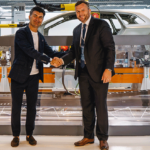
Hexagon’s Quality and Measurement System, in Leading Role When VW-Owned SEAT Sharpens Manufacturing With...
THREE PILLARS aiming to take SEAT to the FOREFRONT OF MANUFACTURING in AUTOMOTIVE. The digitization of the automotive industry in Europe is in full swing on all fronts. Not least when it comes to production. An interesting aspect of this is the development in the use of digital twins, which are now increasingly being implemented on the manufacturing side. A recent example is Volkswagen Group-owned SEAT, which recently announced a developed collaboration with Hexagon regarding measurement and quality control systems.
The expanded collaboration involves integrating a digital twin, which applies measurement data with process simulations to predict results and improve manufacturing efficiency. The solution will use innovative systems to digitize the car body and its components, manage their data and provide reports and analytics that help production staff drive efficiency and reduce costs.
A backdrop is that Hexagon is one of the world's leading companies in digital solutions that combine sensors, software and autonomous technologies. As for SEAT, it has had a long-term collaboration of 25 years with Hexagon's Manufacturing Intelligence division. This collaboration is now being taken to a new, higher technical level. The companies have signed a strategic agreement aimed at deepening SEAT's digital transformation, focusing on digitization of vehicle components, management of digitized information and advanced process simulation.
SEAT's quality director, Daniel Cortina, states that SEAT's now announced investment is logically related to the explosive development in automotive: "Absolutely, we are in a time of unprecedented transformation of our company towards smarter, more connected and efficient production, which means digital transformation of our production processes. Now we will not only acquire data about the quality of our parts faster and more accurately, but we will also be able to improve manufacturing performance with them. This proactive approach to quality enables us to improve our customer satisfaction and significantly reduce the materials used in manufacturing. process, reinforcing our commitment to sustainability," he says.
The collaboration between the companies is based on three fundamental pillars: digitization of the manufactured parts of the vehicle, handling of digitized information and simulation of processes.
SEAT rely on Hexagon's quality inspection and 3D digitization solutions, which they have implemented in their inspection and manufacturing processes for body components. Under the new agreement, Hexagon's PRESTO system will fully automate the high-precision 3D laser scanning of the entire body with high-speed robotic inspection, allowing every detail of the car to be measured and evaluated in real time. More about the three fundamental pillars in the article.
Click on the headline to read the full article on PLM&ERP News.
The expanded collaboration involves integrating a digital twin, which applies measurement data with process simulations to predict results and improve manufacturing efficiency. The solution will use innovative systems to digitize the car body and its components, manage their data and provide reports and analytics that help production staff drive efficiency and reduce costs.
A backdrop is that Hexagon is one of the world's leading companies in digital solutions that combine sensors, software and autonomous technologies. As for SEAT, it has had a long-term collaboration of 25 years with Hexagon's Manufacturing Intelligence division. This collaboration is now being taken to a new, higher technical level. The companies have signed a strategic agreement aimed at deepening SEAT's digital transformation, focusing on digitization of vehicle components, management of digitized information and advanced process simulation.
SEAT's quality director, Daniel Cortina, states that SEAT's now announced investment is logically related to the explosive development in automotive: "Absolutely, we are in a time of unprecedented transformation of our company towards smarter, more connected and efficient production, which means digital transformation of our production processes. Now we will not only acquire data about the quality of our parts faster and more accurately, but we will also be able to improve manufacturing performance with them. This proactive approach to quality enables us to improve our customer satisfaction and significantly reduce the materials used in manufacturing. process, reinforcing our commitment to sustainability," he says.
The collaboration between the companies is based on three fundamental pillars: digitization of the manufactured parts of the vehicle, handling of digitized information and simulation of processes.
SEAT rely on Hexagon's quality inspection and 3D digitization solutions, which they have implemented in their inspection and manufacturing processes for body components. Under the new agreement, Hexagon's PRESTO system will fully automate the high-precision 3D laser scanning of the entire body with high-speed robotic inspection, allowing every detail of the car to be measured and evaluated in real time. More about the three fundamental pillars in the article.
Click on the headline to read the full article on PLM&ERP News.
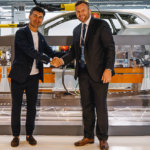
Hexagons kvalitets- och mätsystem, i huvudroll när VW-ägda SEAT vässar tillverkningen med digitala tvillingar
TRE GRUNDPELARE SKA TA UPP SEAT I AUTOMOTIVE-INDUSTRINS FRAMKANT. Digitaliseringen av fordonsindustrin i Europa är i full gång på alla fronter. Inte minst när det gäller produktionen. En intressant aspekt i detta är utvecklingen när det gäller användning av digitala tvillingar, som nu allt oftare implementeras på tillverkningssidan. Ett färskt exempel är Volkswagen Group-ägda SEAT, som i dagarna annonserat ett utvecklat samarbete med Hexagon kring mät- och kvalitetskontrollsystem.
Det utökade samarbetet handlar om att integrera en digital tvilling, som tillämpar mätdata med processimuleringar för att förutsäga resultat och förbättra tillverkningseffektiviteten. Lösningen kommer att använda sig av innovativa system för att digitalisera bilkarossen och dess komponenter, hantera deras data och tillhandahålla rapporter och analyser som hjälper produktionspersonal att driva effektivitet och minska kostnaderna.
Till saken hör att Hexagon är en av de globalt ledande företagen inom digitala lösningar som kombinerar sensorer, mjukvara och autonoma teknologier. När det gäller SEAT har man haft ett långvarigt samarbete under 25 år med Hexagons Manufacturing Intelligence-division. Nu tar man detta samarbete vidare till en ny högre teknisk nivå. Företagen har tecknat ett strategiskt avtal som syftar till att fördjupa SEATs digitala transformation, med fokus på digitalisering av fordonskomponenter, hantering av digitaliserad information och avancerad processimulering.
SEATs kvalitetesdirektör, Daniel Cortina, konstaterar att SEATs nu annonserade satsning är logisk relaterat till den explosiva utvecklingen inom automotive:
”Absolut, vi befinner vi oss i en tid av oöverträffad omvandling av vårt företag mot smartare, mer uppkopplad och effektiv produktion, vilket innebär digital transformation av våra produktionsprocesser. Nu kommer vi inte att skaffa bara data om kvaliteten på våra delar snabbare och mer exakt, men vi kommer också att kunna förbättra tillverkningsprestanda med dem. Denna förutsägande inställning till kvalitet gör det möjligt för oss att förbättra vår kundnöjdhet och avsevärt minska de material som används i tillverkningen. process, vilket förstärker vårt engagemang för hållbarhet," säger han.
Samarbetet mellan bolaget bygger på tre grundpelare: digitalisering av de tillverkade delarna av fordonet, hantering av digitaliserad information och simulering av processer.
SEAT S.A. förlitar sig på Hexagons kvalitetsinspektions- och 3D-digitaliseringslösningar, som de har implementerat i sina inspektions- och tillverkningsprocesser för karosskomponenter. Enligt det nya avtalet kommer Hexagons PRESTO-system att helt automatisera 3D-laserskanningen med hög precision av hela kroppen med höghastighets-robotinspektion, vilket gör att varje detalj i bilen kan mätas och utvärderas i realtid. Mer om detta i artikeltexten.
Klicka på rubriken för att läsa hela artikeln på PLM&ERP News.
Det utökade samarbetet handlar om att integrera en digital tvilling, som tillämpar mätdata med processimuleringar för att förutsäga resultat och förbättra tillverkningseffektiviteten. Lösningen kommer att använda sig av innovativa system för att digitalisera bilkarossen och dess komponenter, hantera deras data och tillhandahålla rapporter och analyser som hjälper produktionspersonal att driva effektivitet och minska kostnaderna.
Till saken hör att Hexagon är en av de globalt ledande företagen inom digitala lösningar som kombinerar sensorer, mjukvara och autonoma teknologier. När det gäller SEAT har man haft ett långvarigt samarbete under 25 år med Hexagons Manufacturing Intelligence-division. Nu tar man detta samarbete vidare till en ny högre teknisk nivå. Företagen har tecknat ett strategiskt avtal som syftar till att fördjupa SEATs digitala transformation, med fokus på digitalisering av fordonskomponenter, hantering av digitaliserad information och avancerad processimulering.
SEATs kvalitetesdirektör, Daniel Cortina, konstaterar att SEATs nu annonserade satsning är logisk relaterat till den explosiva utvecklingen inom automotive:
”Absolut, vi befinner vi oss i en tid av oöverträffad omvandling av vårt företag mot smartare, mer uppkopplad och effektiv produktion, vilket innebär digital transformation av våra produktionsprocesser. Nu kommer vi inte att skaffa bara data om kvaliteten på våra delar snabbare och mer exakt, men vi kommer också att kunna förbättra tillverkningsprestanda med dem. Denna förutsägande inställning till kvalitet gör det möjligt för oss att förbättra vår kundnöjdhet och avsevärt minska de material som används i tillverkningen. process, vilket förstärker vårt engagemang för hållbarhet," säger han.
Samarbetet mellan bolaget bygger på tre grundpelare: digitalisering av de tillverkade delarna av fordonet, hantering av digitaliserad information och simulering av processer.
SEAT S.A. förlitar sig på Hexagons kvalitetsinspektions- och 3D-digitaliseringslösningar, som de har implementerat i sina inspektions- och tillverkningsprocesser för karosskomponenter. Enligt det nya avtalet kommer Hexagons PRESTO-system att helt automatisera 3D-laserskanningen med hög precision av hela kroppen med höghastighets-robotinspektion, vilket gör att varje detalj i bilen kan mätas och utvärderas i realtid. Mer om detta i artikeltexten.
Klicka på rubriken för att läsa hela artikeln på PLM&ERP News.

Blazing the Trail for Women in PLM – Siemens’ Zandra Nilsson Takes Front Line...
"COMPETENCE is MORE IMPORTANT than GENDER". She somewhat instinctively resists the idea that she would have been assigned to the management of one of the major players in PLM, Siemens Digital Industries Software, just because she is a woman. The question comes up, of course, when we meet one of the Nordic movement's greatest promises for the future within PLM, Zandra Nilsson.
Female leaders, or indeed female employees in general other than the market side, are still relatively easy to count in this male-dominated world. In short, the discussion of gender equality has never gained a foothold in the PLM industry, but there are occasional success stories. PLM&ERP News has, for example, told about one of the manufacturing area's top OEMs, SKF, which previously had one of the most prominent female visionaries in the industry as its PLM manager, Victoria van Kamp. But there are more examples from earlier generations, Autodesk's CEO, Carol Bartz, in the 1990s was a global star on the CAD side, and in the 2010s, Dassault Systeme's EVP and Chief Strategy Officer, Monica Mengini, stood out as a blooming, albeit very combative, side shot to CEO Bernard Charles. At present, it looks leaner, even though Siemens Digital Industries in particular has shown a proactive stance with, for example, Eryn Devola as Head of Sustainability in the important area of sustainability and with Brenda Discher as senior VP for Business Strategy & Marketing. But it doesn't stop there, there is more of interest in the gender perspective and this is where Zandra Nilsson enters the plot.
After double degrees–in Engineering and Business Processes at The Institute of Technology at Linköping University–and a good decade at IBM, she was recruited seven years ago to Siemens Digital Industries Software by VP and Nordic executive chief, Mats Friberg. Today, she is sales director for the Nordic region, which, no matter how you look at it from an equality angle, is a tough job. You must not only be deeply technology-savvy, have exciting visions of how and where you can expand, but also overcome the ever-present cold-hammered demands to deliver results. Every quarter, in a continuous process where perseverance and the ability to cope with pressure are the cornerstones of professional life. Zandra Nilsson is right there:
"No one cares what gender you are, regardless of whether you are male or female, it's about showing results. Competence is more important; not just sales figures for the company's top management, but to an even greater extent technically well-functioning and affordable solutions for customers. They must be able to trust that what they get will not only deliver what we promised, but perhaps even better bring new, unexpected profits. It is of course challenging, but we have a great organization, sharp employees, specialists and an incredibly rich set of PLM and automation software in the Xcelerator portfolio, which makes life as a sales manager significantly easier," says Nilsson.
Meet Zandra Nilsson in today's in-depth interview on PLM&ERP News.
Female leaders, or indeed female employees in general other than the market side, are still relatively easy to count in this male-dominated world. In short, the discussion of gender equality has never gained a foothold in the PLM industry, but there are occasional success stories. PLM&ERP News has, for example, told about one of the manufacturing area's top OEMs, SKF, which previously had one of the most prominent female visionaries in the industry as its PLM manager, Victoria van Kamp. But there are more examples from earlier generations, Autodesk's CEO, Carol Bartz, in the 1990s was a global star on the CAD side, and in the 2010s, Dassault Systeme's EVP and Chief Strategy Officer, Monica Mengini, stood out as a blooming, albeit very combative, side shot to CEO Bernard Charles. At present, it looks leaner, even though Siemens Digital Industries in particular has shown a proactive stance with, for example, Eryn Devola as Head of Sustainability in the important area of sustainability and with Brenda Discher as senior VP for Business Strategy & Marketing. But it doesn't stop there, there is more of interest in the gender perspective and this is where Zandra Nilsson enters the plot.
After double degrees–in Engineering and Business Processes at The Institute of Technology at Linköping University–and a good decade at IBM, she was recruited seven years ago to Siemens Digital Industries Software by VP and Nordic executive chief, Mats Friberg. Today, she is sales director for the Nordic region, which, no matter how you look at it from an equality angle, is a tough job. You must not only be deeply technology-savvy, have exciting visions of how and where you can expand, but also overcome the ever-present cold-hammered demands to deliver results. Every quarter, in a continuous process where perseverance and the ability to cope with pressure are the cornerstones of professional life. Zandra Nilsson is right there:
"No one cares what gender you are, regardless of whether you are male or female, it's about showing results. Competence is more important; not just sales figures for the company's top management, but to an even greater extent technically well-functioning and affordable solutions for customers. They must be able to trust that what they get will not only deliver what we promised, but perhaps even better bring new, unexpected profits. It is of course challenging, but we have a great organization, sharp employees, specialists and an incredibly rich set of PLM and automation software in the Xcelerator portfolio, which makes life as a sales manager significantly easier," says Nilsson.
Meet Zandra Nilsson in today's in-depth interview on PLM&ERP News.