

According to the press material, the investment Volvo and Daimler are now making is worth billions. ”The Volvo Group and Daimler Truck are pooling their resources and committing to investing a three-digit million amount each over the next five years to ensure the success of the joint venture,” it is written.
“This joint venture blends the agility of a start-up with the stability and expertise of our larger shareholders. We are proud and energetic to lead the digital transformation in the commercial vehicle industry – backed by strong shareholder support and committed to shaping the future of the industry,” says Johan Lundén, who is also CEO of Coretura.
Incremental Growth Based on Progress and Milestones
With approximately 50 employees, Coretura will grow incrementally. This will enable the shareholders to pool resources and invest in line with technological progress and the achievement of milestones. Coretura will thereby follow a common development strategy with its customers, with the goal of launching its first products in the automotive sector by the end of the decade.
Coretura will be led by a management team consisting of of four members consisting of two members from each of the shareholders. And as mentioned, Johan Lundén has been appointed CEO of the Volvo Group.

What Will the Software Arsenal Look Like?
This is a very interesting venture, not least because software-defined vehicles are a heavy development line in the automotive industry. But also because it is the second example within the framework of a couple of years where Volvo and Daimler are joining forces in an important development area. Previously, since 2020, Volvo and Daimler Truck have had a joint venture around fuel cell solutions to power the vehicles. At that time, the Volvo Group bought 50 percent of Daimler Truck Fuel Cell GmbH & Co for a joint development of energy solutions for heavy trucks whose electricity for the batteries is generated from fuel cells powered by hydrogen. With the now announced SDV initiative, the companies are moving forward together and sharing the significant development costs. Undeniably a smart move.
But there are challenges, not least when it comes to Coretura’s software equipment: for example, which systems should be used in the development work? Now it seems that they do not develop all the code, electronics or hardware within the company themselves, but rather act as coordinators, concept and specification developers, where consultants and other contractors in the development work do much of the development work at a ”craftsmanship level”. What arsenal this requires will become clear during the journey. The PLM side as a data backbone, as well as CAD and simulation is one thing, while software development in sub-domains such as ALM (Application Lifecycle Management), EDA (Electronic Design Automation) and the like can land in several and different places.
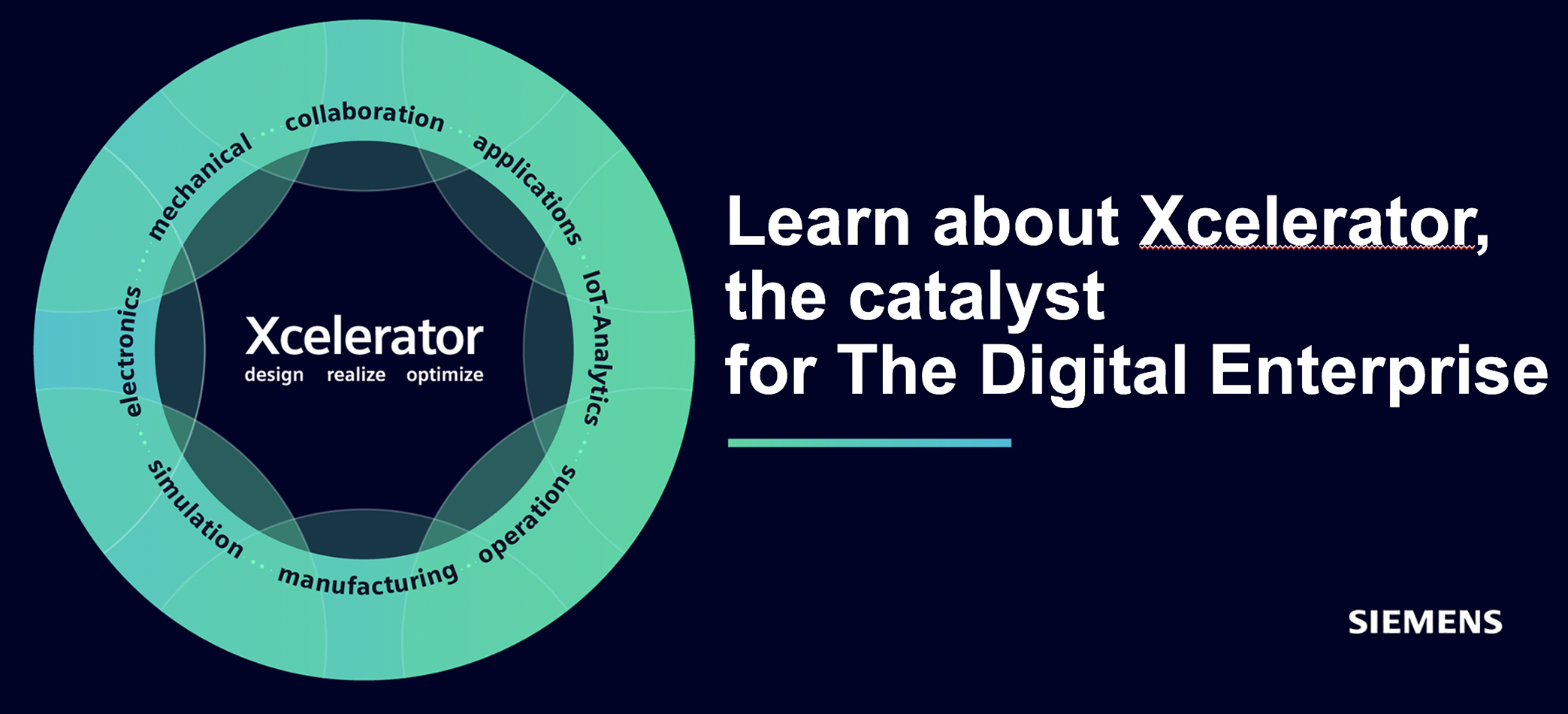
Anyway: Volvo Group has as its basic artillery on the PLM side PTC’s solutions with Windchill as a PLM/PDM solution and Creo for CAD. On the ALM side, it is otherwise PTC’s Codebeamer that together with Windchill will play important roles in PTC’s offering. This while Daimler in principle works in Siemens environments from tools in the Xcelerator portfolio with Teamcenter and NX CAD. When it comes to the software side, Mercedes has used IBM Doors, while Siemens’ ALM solution is called Polarion.
Strengthens the Digitalization Trend for the Entire Transport Industry
A general observation is that today’s announcement will undoubtedly strengthen the digital transformation not only within Volvo and Daimler, but also within the transport industry. Not least influenced by the fact that we are talking about the heavy truck industry’s two largest manufacturers. Plus, they have taken an open approach to bringing in other players in the industry and also to, as it seems, selling or licensing the solutions and operating systems they have developed as industry standard solutions.
By definition a SDV is a vehicle where core functions are handled by a software layer that sits between the driver’s or ”fleet manager’s” vehicle interface and that handles vehicle functions primarily via sensors. This allows the manufacturer to improve both usability and functions dynamically via updates “over the air”, including wireless ones.
Finally, the press material is careful to point out that both Volvo Group and Daimler Truck will remain competitors and continue to differentiate their range of product and service offerings, including their respective digital solutions.

