

Automotive Case: From Silos to Solutions – Inside the Haldex Digital PLM Transformation
Powered by PDSVISION and PTC Windchill.
Every time a heavy vehicle brakes on a European motorway, the odds are high that Haldex technology is doing the heavy lifting. The automotive supplier has enjoyed success, generating revenues of around $600 million. A major portion of this revenue revolves around braking systems and air suspension for heavy-duty trucks, buses, and trailers—manufactured in thousands of variants for a global market. Yet, operating in this segment means facing incredibly tight margins, rigorous compliance demands, and ever-increasing product complexity.
Just a few years ago, Haldex grappled with a challenge familiar to many global manufacturers: as the business scaled, critical innovation time was cannibalized by administrative overhead. Change management had evolved into a serious roadblock. To tackle the issue head-on, the company selected PTC Windchill as its central hub and PDSVISION as its strategic implementation partner.
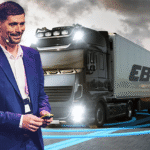
At a recent event hosted by PDSVISION in Gothenburg, PLM&ERP News’ Nicholas Christiansen caught up with Sebastian Quick, SVP of R&D at Haldex, to get a deep dive into the company's transformation journey.
It is worth noting that PDSVISION has seen explosive growth over the last five years, largely due to developing the specialized expertise required to follow their clients on a global scale. Evolving from a localized Nordic player with $30 million in revenue, they have transformed into a global PLM force with operations spanning Europe, North America, India, and Southeast Asia. Today, the company generates approximately $160 billion in revenue, operates in 15 countries, and employs over 500 professionals.
For Haldex, this evolutionary partnership was a perfect fit. The sheer variety of their products across differing markets and vehicle types demanded flawless control over product data, configuration, and change management.
Historically, this was a glaring weak spot. Every individual production facility maintained its own siloed database. Whenever design modifications were made, they demanded manual, time-consuming updates at every single site by separate teams. The overarching process was largely sequential rather than parallel which triggered a domino effect of delays at every turn. The entire modification process relied on a single point of contact at headquarters, manual spreadsheets and scattered email threads.
"We found ourselves navigating isolated islands of product data across various regions and disparate toolchains," explains Sebastian Quick. "Our workflows were sequential rather than parallel, which bottlenecked every phase. On top of that, implementing global changes became a constant struggle."
The fallout from this fragmentation was severe: the exact same blueprint frequently existed in multiple versions across different manufacturing facilities, leaving no one with a clear, holistic overview. With thousands of product variants dispersed across several continents, the urgent need for a seamlessly connected PLM ecosystem became undeniable. What was the problem?
Click on the headline to read more on PLM&ERP News.
Every time a heavy vehicle brakes on a European motorway, the odds are high that Haldex technology is doing the heavy lifting. The automotive supplier has enjoyed success, generating revenues of around $600 million. A major portion of this revenue revolves around braking systems and air suspension for heavy-duty trucks, buses, and trailers—manufactured in thousands of variants for a global market. Yet, operating in this segment means facing incredibly tight margins, rigorous compliance demands, and ever-increasing product complexity.
Just a few years ago, Haldex grappled with a challenge familiar to many global manufacturers: as the business scaled, critical innovation time was cannibalized by administrative overhead. Change management had evolved into a serious roadblock. To tackle the issue head-on, the company selected PTC Windchill as its central hub and PDSVISION as its strategic implementation partner.
At a recent event hosted by PDSVISION in Gothenburg, PLM&ERP News’ Nicholas Christiansen caught up with Sebastian Quick, SVP of R&D at Haldex, to get a deep dive into the company's transformation journey.
It is worth noting that PDSVISION has seen explosive growth over the last five years, largely due to developing the specialized expertise required to follow their clients on a global scale. Evolving from a localized Nordic player with $30 million in revenue, they have transformed into a global PLM force with operations spanning Europe, North America, India, and Southeast Asia. Today, the company generates approximately $160 billion in revenue, operates in 15 countries, and employs over 500 professionals.
For Haldex, this evolutionary partnership was a perfect fit. The sheer variety of their products across differing markets and vehicle types demanded flawless control over product data, configuration, and change management.
Historically, this was a glaring weak spot. Every individual production facility maintained its own siloed database. Whenever design modifications were made, they demanded manual, time-consuming updates at every single site by separate teams. The overarching process was largely sequential rather than parallel which triggered a domino effect of delays at every turn. The entire modification process relied on a single point of contact at headquarters, manual spreadsheets and scattered email threads.
"We found ourselves navigating isolated islands of product data across various regions and disparate toolchains," explains Sebastian Quick. "Our workflows were sequential rather than parallel, which bottlenecked every phase. On top of that, implementing global changes became a constant struggle."
The fallout from this fragmentation was severe: the exact same blueprint frequently existed in multiple versions across different manufacturing facilities, leaving no one with a clear, holistic overview. With thousands of product variants dispersed across several continents, the urgent need for a seamlessly connected PLM ecosystem became undeniable. What was the problem?
Click on the headline to read more on PLM&ERP News.
AUTOMOTIVE CASE: Från manuella processer till samarbete i realtid – om Haldex PLM-resa
Med PDSVISION som PLM-partner och PTCs lösningar i mjukvaru-arsenalen.
Varje gång ett tungt fordon bromsar in på en europeisk motorväg är chansen stor att det är Haldex teknik som gör jobbet. Bolaget har varit framgångsrikt och omsatte 2025 6,27 miljarder kronor. En stor del av detta handlar om bromssystem och luftfjädring för lastbilar, bussar och släpvagnar – tillverkade i tusentals varianter för marknader över hela världen. Samtidigt är detta ett segment där marginalerna är snäva, kraven höga och komplexiteten aldrig minskar. Att industriellt IT-stöd, typ PLM, har en stor betydelse i detta behöver ingen tvivla över.
För några år sedan hade Haldex ett problem som många globala tillverkare känner igen: ju mer verksamheten växte, desto mer tid försvann i administration i stället för innovation. Ändringshanteringen hade blivit en flaskhals. Med PTC Windchill som nav och PDSVISION som implementerings-partner valde bolaget att ta itu med problemet på allvar.
PLM&ERP News’ Nicholas Christiansen träffade Sebastian Quick, SVP R&D på Haldex, under PDSVISIONs årliga forum PDSFORUM i Göteborg nyligen, där han berättade om hur resan gått till. Till saken hör att PDSVISION vuxit kraftfullt de senaste fem åren, inte minst för att man utvecklat en kompetens som gjort att man kunnat följa sina kundbolag ut i världen. Man har i detta gått från ett nordiskt företag om 300 miljoner kronor till en global aktör inom digital teknik med verksamhet i Europa, Nordamerika, Indien och Sydostasien. Idag omsätter företaget cirka 1,7 miljarder kronor, är verksamt i 15 länder och har fler än 500 anställda.
Ett upplägg som passat Haldex utmärkt. Deras produkter tillverkades i många varianter för olika marknader och fordonstyper – en miljö som krävde exakt kontroll över produktdata, ändringshantering och konfigurering, något som länge hade saknats. Varje produktionsanläggning hade sin egen databas. Ändringar krävde manuella uppdateringar på varje plats av varje team. Processen var sekventiell snarare än parallell, vilket innebar fördröjningar i varje steg. Hela ändringsprocessen vilade på en person på huvudkontoret, med kalkylblad och e-post som enda verktyg.
”Vi hade separata öar av produktdata i olika regioner och olika verktyg. Vi arbetade sekventiellt snarare än parallellt, vilket innebar fördröjning i varje steg. Och vi hade svårt att hantera globala ändringar,” säger Sebastian Quick.
Konsekvensen blev att samma ritning kunde finnas i flera versioner på olika anläggningar, utan att någon hade full översikt. Med tusentals produktvarianter spridda över flera kontinenter stod behovet av ett sammankopplat PLM-system klart.
Kärnan i utmaningen låg inte i arbetsuppgifternas komplexitet. Ingenjörsarbetet – konstruktionsändringar, valideringar och godkännanden, förblev i stort sett detsamma. Det verkliga problemet låg i väntetider, i samordning och i bristen på transparens mellan team och anläggningar. Med andra ord i processerna runt arbetet, snarare än i arbetet självt.
För Haldex blev detta en strategisk fråga. Hur löste man utmaningen? Klicka på rubriken för att läsa mer på PLM&ERP News.
Varje gång ett tungt fordon bromsar in på en europeisk motorväg är chansen stor att det är Haldex teknik som gör jobbet. Bolaget har varit framgångsrikt och omsatte 2025 6,27 miljarder kronor. En stor del av detta handlar om bromssystem och luftfjädring för lastbilar, bussar och släpvagnar – tillverkade i tusentals varianter för marknader över hela världen. Samtidigt är detta ett segment där marginalerna är snäva, kraven höga och komplexiteten aldrig minskar. Att industriellt IT-stöd, typ PLM, har en stor betydelse i detta behöver ingen tvivla över.
För några år sedan hade Haldex ett problem som många globala tillverkare känner igen: ju mer verksamheten växte, desto mer tid försvann i administration i stället för innovation. Ändringshanteringen hade blivit en flaskhals. Med PTC Windchill som nav och PDSVISION som implementerings-partner valde bolaget att ta itu med problemet på allvar.
PLM&ERP News’ Nicholas Christiansen träffade Sebastian Quick, SVP R&D på Haldex, under PDSVISIONs årliga forum PDSFORUM i Göteborg nyligen, där han berättade om hur resan gått till. Till saken hör att PDSVISION vuxit kraftfullt de senaste fem åren, inte minst för att man utvecklat en kompetens som gjort att man kunnat följa sina kundbolag ut i världen. Man har i detta gått från ett nordiskt företag om 300 miljoner kronor till en global aktör inom digital teknik med verksamhet i Europa, Nordamerika, Indien och Sydostasien. Idag omsätter företaget cirka 1,7 miljarder kronor, är verksamt i 15 länder och har fler än 500 anställda.
Ett upplägg som passat Haldex utmärkt. Deras produkter tillverkades i många varianter för olika marknader och fordonstyper – en miljö som krävde exakt kontroll över produktdata, ändringshantering och konfigurering, något som länge hade saknats. Varje produktionsanläggning hade sin egen databas. Ändringar krävde manuella uppdateringar på varje plats av varje team. Processen var sekventiell snarare än parallell, vilket innebar fördröjningar i varje steg. Hela ändringsprocessen vilade på en person på huvudkontoret, med kalkylblad och e-post som enda verktyg.
”Vi hade separata öar av produktdata i olika regioner och olika verktyg. Vi arbetade sekventiellt snarare än parallellt, vilket innebar fördröjning i varje steg. Och vi hade svårt att hantera globala ändringar,” säger Sebastian Quick.
Konsekvensen blev att samma ritning kunde finnas i flera versioner på olika anläggningar, utan att någon hade full översikt. Med tusentals produktvarianter spridda över flera kontinenter stod behovet av ett sammankopplat PLM-system klart.
Kärnan i utmaningen låg inte i arbetsuppgifternas komplexitet. Ingenjörsarbetet – konstruktionsändringar, valideringar och godkännanden, förblev i stort sett detsamma. Det verkliga problemet låg i väntetider, i samordning och i bristen på transparens mellan team och anläggningar. Med andra ord i processerna runt arbetet, snarare än i arbetet självt.
För Haldex blev detta en strategisk fråga. Hur löste man utmaningen? Klicka på rubriken för att läsa mer på PLM&ERP News.

GÄSTKRÖNIKA: ”Om affärssystem som stjäl din tid – dags sluta slösa energi på generella...
JENNIFER SHERMAN, Produktchef Unit4: ”För att bryta detta mönster krävs en ny generation av affärssystem. I detta öppnar AI en ny möjlighet för system att verkligen bli lättanvända.”
Skiftet från att arbeta i verksamheten till att arbeta med verksamheten är bara möjligt när systemet har en djup förståelse för organisationens processer. Först då kan det avlasta de dagliga uppgifterna. Det skriver Jennifer Sherman, produktchef på Unit4, som efterlyser affärssystem som faktiskt förstår användarens vardag. Bolaget är främst känt för sina molnbaserade affärssystem (ERP) och programvaror för ekonomi-, HR- och projektstyrning. Systemen används av företag och organisationer – särskilt inom offentlig sektor, tjänstesektorn och ideella organisationer.
Traditionella affärssystem ställer ofta alldeles för höga krav på användaren. De är byggda för en bred massa av ekonomi- eller HR-experter, utan hänsyn till de specifika förutsättningar som faktiskt styr medarbetarens vardag. Resultatet blir generiska, fyrkantiga system som sällan levererar de utlovade effektivitetsvinsterna.
Inom psykologin talar man ibland om "skedteorin" – idén om att vi varje morgon vaknar med ett visst antal skedar energi, och att varje uppgift kostar en sked. I dagens arbetsliv slösas alldeles för många av dessa värdefulla skedar bort på ren systemadministration. Istället för att ladda medarbetarna med kraft, dränerar tekniken dem på den energi som i stället borde ha lagts på strategisk utveckling och innovation.
För att bryta detta mönster krävs en ny generation av affärssystem. System som inte kräver att människan anpassar sig efter maskinen, utan som är intelligenta nog att förstå verksamhetens unika sammanhang och proaktivt stötta medarbetaren. Först när vi slutar slösa energi på att hantera systemen, kan vi börja använda tekniken för att driva verksamheten framåt. I detta har AI en viktig roll, menar Sherman, hur då?
Klicka på rubriken för att läsa hela krönikan på PLM&ERP News.
Skiftet från att arbeta i verksamheten till att arbeta med verksamheten är bara möjligt när systemet har en djup förståelse för organisationens processer. Först då kan det avlasta de dagliga uppgifterna. Det skriver Jennifer Sherman, produktchef på Unit4, som efterlyser affärssystem som faktiskt förstår användarens vardag. Bolaget är främst känt för sina molnbaserade affärssystem (ERP) och programvaror för ekonomi-, HR- och projektstyrning. Systemen används av företag och organisationer – särskilt inom offentlig sektor, tjänstesektorn och ideella organisationer.
Traditionella affärssystem ställer ofta alldeles för höga krav på användaren. De är byggda för en bred massa av ekonomi- eller HR-experter, utan hänsyn till de specifika förutsättningar som faktiskt styr medarbetarens vardag. Resultatet blir generiska, fyrkantiga system som sällan levererar de utlovade effektivitetsvinsterna.
Inom psykologin talar man ibland om "skedteorin" – idén om att vi varje morgon vaknar med ett visst antal skedar energi, och att varje uppgift kostar en sked. I dagens arbetsliv slösas alldeles för många av dessa värdefulla skedar bort på ren systemadministration. Istället för att ladda medarbetarna med kraft, dränerar tekniken dem på den energi som i stället borde ha lagts på strategisk utveckling och innovation.
För att bryta detta mönster krävs en ny generation av affärssystem. System som inte kräver att människan anpassar sig efter maskinen, utan som är intelligenta nog att förstå verksamhetens unika sammanhang och proaktivt stötta medarbetaren. Först när vi slutar slösa energi på att hantera systemen, kan vi börja använda tekniken för att driva verksamheten framåt. I detta har AI en viktig roll, menar Sherman, hur då?
Klicka på rubriken för att läsa hela krönikan på PLM&ERP News.

Handshake Worth Billions: TCS Takes Over SKF’s Global IT and Lays the Foundation for...
"The coming decade of industrial manufacturing will be defined by how deeply companies integrate AI into design, production, and service delivery," notes SKF CEO Rickard Gustafson.
To lead this transformation, SKF has signed a strategic global agreement with IT consultant Tata Consultrancy Services (TCS) to drive the AI transformation of its operations. The deal entails TCS taking over the operation of SKF's global IT infrastructure—encompassing business systems, data security, and connectivity—across 130 countries. The overarching goal is to modernize the technology landscape, standardize workflows, and build a robust AI foundation for the entire group.
This decision is particularly intriguing given SKF's recent, highly active approach to IT. The company has already initiated a massive cloud migration and upgrade of its SAP S/4HANA Cloud system via ’RISE with SAP.´ This effort is designed to unify global operations on a single real-time platform, allowing SKF to integrate embedded AI and machine learning to streamline financial and order-processing workflows.
For TCS, this agreement represents a major milestone. While financial details remain undisclosed, industry analysts estimate the contract to be worth several hundred million dollars. It is a substantial investment, but one that will enable SKF to build a future-proof digital organization.
"The coming decade in industrial manufacturing will be defined by how deeply companies integrate AI into their design, production, and service delivery. SKF intends to lead that transformation,” he says, adding: ”With TCS as our partner, we are not just modernizing our technology; we are also building the operational and AI foundations that will set new standards for precision and customer value in our industry. This is a long-term commitment between two companies that share a clear vision for the future of industrial manufacturing."
TCS CEO K. Krithivasan agrees: "Our partnership will modernize their global IT environment and build a robust, scalable digital foundation for the future. Together, we are using data-driven intelligence and AI to create a nimble organization capable of adapting quickly to technological shifts. This collaboration reflects our shared commitment to making SKF an industry-leading, AI-driven manufacturer."
Behind the scenes, however, SKF's current industrial IT ecosystem remains a fragmented mix. In product development, the company relies primarily on PTC's Creo for CAD design and Windchill for managing e-BOMs (engineering Bills of Materials). Manufacturing operations introduce further variety: Siemens NX handles CAM design and processes, while the Gothenburg facility utilizes Siemens Teamcenter. Meanwhile, SAP serves as the overarching ERP backbone.
Click on the headline to read the full article on PLM&ERP News.
To lead this transformation, SKF has signed a strategic global agreement with IT consultant Tata Consultrancy Services (TCS) to drive the AI transformation of its operations. The deal entails TCS taking over the operation of SKF's global IT infrastructure—encompassing business systems, data security, and connectivity—across 130 countries. The overarching goal is to modernize the technology landscape, standardize workflows, and build a robust AI foundation for the entire group.
This decision is particularly intriguing given SKF's recent, highly active approach to IT. The company has already initiated a massive cloud migration and upgrade of its SAP S/4HANA Cloud system via ’RISE with SAP.´ This effort is designed to unify global operations on a single real-time platform, allowing SKF to integrate embedded AI and machine learning to streamline financial and order-processing workflows.
For TCS, this agreement represents a major milestone. While financial details remain undisclosed, industry analysts estimate the contract to be worth several hundred million dollars. It is a substantial investment, but one that will enable SKF to build a future-proof digital organization.
"The coming decade in industrial manufacturing will be defined by how deeply companies integrate AI into their design, production, and service delivery. SKF intends to lead that transformation,” he says, adding: ”With TCS as our partner, we are not just modernizing our technology; we are also building the operational and AI foundations that will set new standards for precision and customer value in our industry. This is a long-term commitment between two companies that share a clear vision for the future of industrial manufacturing."
TCS CEO K. Krithivasan agrees: "Our partnership will modernize their global IT environment and build a robust, scalable digital foundation for the future. Together, we are using data-driven intelligence and AI to create a nimble organization capable of adapting quickly to technological shifts. This collaboration reflects our shared commitment to making SKF an industry-leading, AI-driven manufacturer."
Behind the scenes, however, SKF's current industrial IT ecosystem remains a fragmented mix. In product development, the company relies primarily on PTC's Creo for CAD design and Windchill for managing e-BOMs (engineering Bills of Materials). Manufacturing operations introduce further variety: Siemens NX handles CAM design and processes, while the Gothenburg facility utilizes Siemens Teamcenter. Meanwhile, SAP serves as the overarching ERP backbone.
Click on the headline to read the full article on PLM&ERP News.

Handslag värt miljarder: TCS tar över SKFs globala IT – och lägger grunden för...
Rickard Gustafson, SKFs CEO: ”Det kommande decenniets industriella tillverkning kommer att definieras av hur djupt företag integrerar AI i design, produktion och tjänsteleverans.”
SKF har tecknat ett strategiskt globalt avtal med IT-konsulten Tata Consultancy Services (TCS) för att driva AI-omvandlingen av verksamheten. Dealen betyder att TCS tar över driften av SKFs globala IT – från affärssystem och infrastruktur till datasäkerhet och uppkoppling – i totalt 130 länder. Målet är att modernisera tekniklandskapet, standardisera arbetssätt och lägga en stabil AI-grund för hela koncernen.
Beslutet är intressant, inte minst i perspektivet av att SKF varit mycket aktiva på IT-sidan under de senaste åren. De har bl a inlett en molnmigrering och uppgradering av hela sitt SAP S/4HANA Cloud system, via "RISE with SAP" – med målet att samla hela den globala verksamheten på en gemensam real-tidsbaserad molnplattform. Siktet är inställt på att göra det möjligt för SKF att integrera inbyggd AI och maskininlärning för att automatisera och effektivisera ekonomiprocesser och orderhantering.
Avtalet får sägas vara ett kap för TCS som kommer att spela en huvudroll när den svenska kullagergiganten påskyndar omvandlingen av bolaget. Även om finansiella detaljer inte har offentliggjorts, har kontraktet i branschanalyser beräknats vara värt flera hundra miljoner dollar. Mycket pengar, ja, men samarbetet ska hjälpa SKF att bygga en framtidssäkrad digital organisation och använda AI för att förnya den industriella tillverkningen, konstaterar Rickard Gustafson (t h).
”Det kommande decenniet kommer att definieras av hur djupt tillverkningsföretag integrerar AI i sin design, produktion och tjänsteleverans. SKF avser att leda den omställningen. Med TCS moderniserar vi inte bara vår teknik, vi bygger också de operativa och AI-grunder som kommer att sätta nya standarder för precision och kundvärde i vår bransch.”
TCS -koncernchef K. Krithivasan (t v), håller med:
”Vårt partnerskap ska modernisera deras globala IT-miljö och bygga en robust, skalbar digital grund för framtiden. Tillsammans använder vi datadriven intelligens och AI för att skapa ett snabbrörligt och flexibelt företag som enkelt kan anpassa sig till tekniska och marknadsmässiga förändringar. Samarbetet speglar vårt gemensamma åtagande att göra SKF till en AI-baserad, branschledande och teknikdriven industriell tillverkare,” säger han i en kommentar.
Den övergripande bilden av SKFs industriella IT-stöd är blandad. När det gäller PLM i produktutvecklingen använder man sig basalt av PTCs Creo (CAD) för designarbetet och Windchill för att bygga t ex e-BOMarna (”engineeringBOM”). På CAM-sidan använder man Siemens NX CAM, medan man inom tillverkningen i Göteborgsfabriken utnyttjar Siemens Teamcenter. Medan SAP alltså är SKFs ERP-plattform.
Klicka på rubriken för att läsa mer på PLM&ERP News.
SKF har tecknat ett strategiskt globalt avtal med IT-konsulten Tata Consultancy Services (TCS) för att driva AI-omvandlingen av verksamheten. Dealen betyder att TCS tar över driften av SKFs globala IT – från affärssystem och infrastruktur till datasäkerhet och uppkoppling – i totalt 130 länder. Målet är att modernisera tekniklandskapet, standardisera arbetssätt och lägga en stabil AI-grund för hela koncernen.
Beslutet är intressant, inte minst i perspektivet av att SKF varit mycket aktiva på IT-sidan under de senaste åren. De har bl a inlett en molnmigrering och uppgradering av hela sitt SAP S/4HANA Cloud system, via "RISE with SAP" – med målet att samla hela den globala verksamheten på en gemensam real-tidsbaserad molnplattform. Siktet är inställt på att göra det möjligt för SKF att integrera inbyggd AI och maskininlärning för att automatisera och effektivisera ekonomiprocesser och orderhantering.
Avtalet får sägas vara ett kap för TCS som kommer att spela en huvudroll när den svenska kullagergiganten påskyndar omvandlingen av bolaget. Även om finansiella detaljer inte har offentliggjorts, har kontraktet i branschanalyser beräknats vara värt flera hundra miljoner dollar. Mycket pengar, ja, men samarbetet ska hjälpa SKF att bygga en framtidssäkrad digital organisation och använda AI för att förnya den industriella tillverkningen, konstaterar Rickard Gustafson (t h).
”Det kommande decenniet kommer att definieras av hur djupt tillverkningsföretag integrerar AI i sin design, produktion och tjänsteleverans. SKF avser att leda den omställningen. Med TCS moderniserar vi inte bara vår teknik, vi bygger också de operativa och AI-grunder som kommer att sätta nya standarder för precision och kundvärde i vår bransch.”
TCS -koncernchef K. Krithivasan (t v), håller med:
”Vårt partnerskap ska modernisera deras globala IT-miljö och bygga en robust, skalbar digital grund för framtiden. Tillsammans använder vi datadriven intelligens och AI för att skapa ett snabbrörligt och flexibelt företag som enkelt kan anpassa sig till tekniska och marknadsmässiga förändringar. Samarbetet speglar vårt gemensamma åtagande att göra SKF till en AI-baserad, branschledande och teknikdriven industriell tillverkare,” säger han i en kommentar.
Den övergripande bilden av SKFs industriella IT-stöd är blandad. När det gäller PLM i produktutvecklingen använder man sig basalt av PTCs Creo (CAD) för designarbetet och Windchill för att bygga t ex e-BOMarna (”engineeringBOM”). På CAM-sidan använder man Siemens NX CAM, medan man inom tillverkningen i Göteborgsfabriken utnyttjar Siemens Teamcenter. Medan SAP alltså är SKFs ERP-plattform.
Klicka på rubriken för att läsa mer på PLM&ERP News.


How Telco Giant Ericsson is Powering the Company of the Future—With AI, SAP, and...
Esra Kocatürk Norell, VP Enterprise IT at Ericsson: "A strategic milestone."
For users of SAP, the world’s leading business systems, the annual Sapphire conferences are major calendar highlights. This is where the software giant unveils its strategic vision, upcoming product launches, and core innovations—with emphasis on the cloud, ERP, and AI. This week’s European Sapphire event in Madrid proved no exception and the definitive headline was Ericsson's shift from AI experimentation to broad, enterprise-wide implementation. The telco giant is achieving this by constructing a unified business data platform using SAP Business Data Cloud, which now integrates the "Fabric" concept.
This investment paves the way for expanded AI adoption, accelerated decision-making, and measurable business outcomes. By pairing a governed data foundation with SAP Joule and the new platform, Ericsson is building the robust architecture needed to ensure AI remains reliable, consistent, and scalable across its global operations.
Ericsson’s sweeping AI initiative is critical on multiple fronts. Most notably, it transitions the company's business model from traditional hardware sales to intelligent, autonomous networks. This evolution can unlock new revenue streams for operators, drive profitability through operational efficiencies, and lay the groundwork for the upcoming 6G—where AI and mobile networks will be seamlessly interwoven.
In short, this company-wide AI integration serves as a strategic and well-timed milestone. Ericsson celebrates 150 years this year and delivers mobile network infrastructure across 180 countries, covering more than 40% of the world’s mobile traffic. As AI becomes increasingly vital to both technology and business operations, Ericsson has prioritized building a robust, governed data foundation to support reliable and scalable AI initiatives.
“When AI goes from pilot to broad use, it stops being an AI challenge and instead becomes a data challenge. That’s why we invested early in a business data fabric. With SAP Business Data Cloud, we can define data models once—from revenue and market structures to access rules—and apply them consistently across the company. That’s what allows us to broaden our AI footprint both reliably and repeatably, and ultimately create real business value,” says Esra Kocatürk Norell (pictured), VP of Customer Experience, Enterprise IT at Ericsson.
At the heart of Ericsson's model is a distributed data architecture. This framework allows data to remain at its respective sources, while business semantics, governance, and lifecycle policies are managed centrally. As a result, the company reduces duplication, simplifies integration, and ensures the same business definitions apply seamlessly across both SAP and non-SAP environments.
Click on the headline to read more on PLM&ERP News.
For users of SAP, the world’s leading business systems, the annual Sapphire conferences are major calendar highlights. This is where the software giant unveils its strategic vision, upcoming product launches, and core innovations—with emphasis on the cloud, ERP, and AI. This week’s European Sapphire event in Madrid proved no exception and the definitive headline was Ericsson's shift from AI experimentation to broad, enterprise-wide implementation. The telco giant is achieving this by constructing a unified business data platform using SAP Business Data Cloud, which now integrates the "Fabric" concept.
This investment paves the way for expanded AI adoption, accelerated decision-making, and measurable business outcomes. By pairing a governed data foundation with SAP Joule and the new platform, Ericsson is building the robust architecture needed to ensure AI remains reliable, consistent, and scalable across its global operations.
Ericsson’s sweeping AI initiative is critical on multiple fronts. Most notably, it transitions the company's business model from traditional hardware sales to intelligent, autonomous networks. This evolution can unlock new revenue streams for operators, drive profitability through operational efficiencies, and lay the groundwork for the upcoming 6G—where AI and mobile networks will be seamlessly interwoven.
In short, this company-wide AI integration serves as a strategic and well-timed milestone. Ericsson celebrates 150 years this year and delivers mobile network infrastructure across 180 countries, covering more than 40% of the world’s mobile traffic. As AI becomes increasingly vital to both technology and business operations, Ericsson has prioritized building a robust, governed data foundation to support reliable and scalable AI initiatives.
“When AI goes from pilot to broad use, it stops being an AI challenge and instead becomes a data challenge. That’s why we invested early in a business data fabric. With SAP Business Data Cloud, we can define data models once—from revenue and market structures to access rules—and apply them consistently across the company. That’s what allows us to broaden our AI footprint both reliably and repeatably, and ultimately create real business value,” says Esra Kocatürk Norell (pictured), VP of Customer Experience, Enterprise IT at Ericsson.
At the heart of Ericsson's model is a distributed data architecture. This framework allows data to remain at its respective sources, while business semantics, governance, and lifecycle policies are managed centrally. As a result, the company reduces duplication, simplifies integration, and ensures the same business definitions apply seamlessly across both SAP and non-SAP environments.
Click on the headline to read more on PLM&ERP News.

”AI utan en bra datagrund är bara en dyr illusion”
”Det råder ingen brist på AI-ambitioner hos svenska företag. Tvärtom. AI står idag högt på agendan i de flesta ledningsgrupper, och investeringarna ökar snabbt. Samtidigt växer ett annat, mindre synligt problem: klyftan mellan ambition och faktisk förmåga att skapa värde med AI. I grunden handlar det inte om AI i sig, utan om att skapa förutsättningar för att förse AI-applikationer med tillräckligt bra data.”
Det skriver Samu Koskinen, EVP, Data and Analytics på Epical, i dagens gästkrönika på PM&ERP News. Epical är ett nordiskt IT-konsultbolag specialiserat på data, analys, säkerhet och integrationer. Företaget, som tidigare var en del av Enfo Consulting, hjälper organisationer att utveckla och säkra sina affärssystem och digitala lösningar. Notabelt är att Epical Group 2024 köpte Pulsen Integration.
Många organisationer underskattar fortfarande vikten av, och komplexiteten i, att skapa en fungerande datagrund, menar Koskinen i sin artikel och påpekar att göra data användbar handlar om mer än teknik. ”Det är också en fråga om krav på säkerhet, regelefterlevnad och datastyrning gör att det som på pappret framstår som enkelt snabbt blir en strategisk utmaning. Samtidigt saknas ofta en tydlig riktning inom organisationen. Det finns ingen universallösning, utan varje organisation måste hantera sina egna förutsättningar.”
”Under många år har företag byggt upp omfattande IT-miljöer, bland annat med målet att samla in så mycket data som möjligt för att kunna använda i affärsverksamheten. Resultatet är visserligen stora datamängder – men inte nödvändigtvis bättre beslutsunderlag. När AI nu implementeras blir det tydligt att mängd inte är detsamma som kvalitet. Tvärtom riskerar stora, ostrukturerade datamängder att skapa mer brus än värde,” skriver Epicals EVP, och fortsätter: ”I en svensk kontext, där digitaliseringsgraden är hög, blir detta särskilt tydligt. Data finns – men är utspridd, saknar gemensamma definitioner och ägs av olika delar av organisationen. Det gör det svårt att lita på datan, att agera i realtid och skala AI bortom pilotstadiet.”
Sannolikt kommer vi att få se många AI-projekt haverera de kommande åren, tror Koskinen: ”Men inte för att tekniken saknas, utan för att datagrunden brister. I en tid där regelverk, datasuveränitet och regional lagstiftning sätter ramarna räcker det inte att bara samla data. Fel hanterad information riskerar att skapa både affärsrisker och förtroendekriser. En avgörande faktor är datatillit. Företag och myndigheter behöver en bättre förståelse för vad som är säkert och tillåtet att göra med data.”
Klicka på rubriken. för att läsa hela krönikan på PLM&ERP News.
Det skriver Samu Koskinen, EVP, Data and Analytics på Epical, i dagens gästkrönika på PM&ERP News. Epical är ett nordiskt IT-konsultbolag specialiserat på data, analys, säkerhet och integrationer. Företaget, som tidigare var en del av Enfo Consulting, hjälper organisationer att utveckla och säkra sina affärssystem och digitala lösningar. Notabelt är att Epical Group 2024 köpte Pulsen Integration.
Många organisationer underskattar fortfarande vikten av, och komplexiteten i, att skapa en fungerande datagrund, menar Koskinen i sin artikel och påpekar att göra data användbar handlar om mer än teknik. ”Det är också en fråga om krav på säkerhet, regelefterlevnad och datastyrning gör att det som på pappret framstår som enkelt snabbt blir en strategisk utmaning. Samtidigt saknas ofta en tydlig riktning inom organisationen. Det finns ingen universallösning, utan varje organisation måste hantera sina egna förutsättningar.”
”Under många år har företag byggt upp omfattande IT-miljöer, bland annat med målet att samla in så mycket data som möjligt för att kunna använda i affärsverksamheten. Resultatet är visserligen stora datamängder – men inte nödvändigtvis bättre beslutsunderlag. När AI nu implementeras blir det tydligt att mängd inte är detsamma som kvalitet. Tvärtom riskerar stora, ostrukturerade datamängder att skapa mer brus än värde,” skriver Epicals EVP, och fortsätter: ”I en svensk kontext, där digitaliseringsgraden är hög, blir detta särskilt tydligt. Data finns – men är utspridd, saknar gemensamma definitioner och ägs av olika delar av organisationen. Det gör det svårt att lita på datan, att agera i realtid och skala AI bortom pilotstadiet.”
Sannolikt kommer vi att få se många AI-projekt haverera de kommande åren, tror Koskinen: ”Men inte för att tekniken saknas, utan för att datagrunden brister. I en tid där regelverk, datasuveränitet och regional lagstiftning sätter ramarna räcker det inte att bara samla data. Fel hanterad information riskerar att skapa både affärsrisker och förtroendekriser. En avgörande faktor är datatillit. Företag och myndigheter behöver en bättre förståelse för vad som är säkert och tillåtet att göra med data.”
Klicka på rubriken. för att läsa hela krönikan på PLM&ERP News.

Hon skalar upp AI från ”DIGITALT DAMM” till REAL PRODUKTION: Möt Siemens PLM Nordics...
Så ska ZANDRA NILSSON ta grepp om AI i de nordiska kundföretagen.
Vem kommer att vinna slaget om industriell AI – med den typ av lösning som överskrider digitalt damm och slagord för att leverera konkret produktdesign, fysisk produktion och kraftfulla effektivitetsvinster? Det är en av dagens mest centrala frågor. Utmaningarna slutar dock inte där, då nya banbrytande teknologier stärker sitt grepp om PLM-industrin. Elektrifiering, elektronik och mjukvarans växande betydelse är alla avgörande faktorer i spelet om framtiden.
Att i detta läge ta rodret för en av Nordens viktigaste leverantörer av PLM är ingen liten utmaning. Fråga Zandra Nilsson, VP och chef för Siemens Digital Industries Software Nordics and Baltics. Hon vet.
Efter att ha tillbringat drygt ett år för att ta sig förbi hindren på resan i detta krävande landskap har Nilsson skapat en ledningsgrupp som kombinerar domänexpertis med nya perspektiv. Det är en nyckelfaktor framöver, säger hon: "Ja, vi behöver ledare som kan styra oss genom den AI-era vi nu står inför. Detta kräver individer som förstår våra kunders branscher, men som också utmanar oss som har varit med länge att tänka i nya banor."
Nilsson hävdar att Siemens utmärker sig specifikt när det gäller industriell AI: "När jag tillträdde tillkännagavs förvärven av Altair och Dotmatics, vilket accelererade Siemens AI-drivna innovation inom life science, process och diskret tillverkning. Altair breddade vår simuleringsportfölj – vilket gjorde oss till en ledare inom nästan alla discipliner – men det stärkte också vår AI-position med helt nya funktioner. Genom att kombinera detta med vår befintliga Mendix-plattform för agentisk utveckling kan vi nu leverera skalbar och agentisk AI i en pålitlig, säker och kontrollerad miljö."
Det här är onekligen nödvändiga förbättringar i kampen om AI-marknaden, som hittills inte varit någon söndagspromenad. Enligt analytiker har misslyckandegraden i att leverera förväntat tekniskt värde legat mellan 80–85 %. Dessutom har MIT-studier visat ett stort antal generativa AI-pilotprojekt som misslyckas med att skapa mätbara ROI:er. Samtidigt förutspådde Gartner nyligen att 60 % av alla AI-projekt som saknar korrekt datastruktur kommer att överges.
Är detta, som Gartners Frank Ridder föreslår, en fråga om en "AI-värdekris”? Nja, ingenting inom PLM är enkelt från början; historiskt sett kan det ta år upp till ett decennium innan nya, komplexa teknologier blir tillämpbara modeller. AI är inget undantag. År 2026 handlar kampen om industriell AI inte längre bara om att ha den bästa modellen, utan också om att kontextualisera data och länka den direkt till produktutvecklingens värdekedja, och i förlängningen till fysisk produktion: "Skalning genom kontext, inte kod."
Genom sitt helhetsgrepp och sitt senaste initiativ "Industriell AI" har Siemens en konkurrensfördel. Hur då? Läs hela dagens djupintervju på PLM&ERP News.
Vem kommer att vinna slaget om industriell AI – med den typ av lösning som överskrider digitalt damm och slagord för att leverera konkret produktdesign, fysisk produktion och kraftfulla effektivitetsvinster? Det är en av dagens mest centrala frågor. Utmaningarna slutar dock inte där, då nya banbrytande teknologier stärker sitt grepp om PLM-industrin. Elektrifiering, elektronik och mjukvarans växande betydelse är alla avgörande faktorer i spelet om framtiden.
Att i detta läge ta rodret för en av Nordens viktigaste leverantörer av PLM är ingen liten utmaning. Fråga Zandra Nilsson, VP och chef för Siemens Digital Industries Software Nordics and Baltics. Hon vet.
Efter att ha tillbringat drygt ett år för att ta sig förbi hindren på resan i detta krävande landskap har Nilsson skapat en ledningsgrupp som kombinerar domänexpertis med nya perspektiv. Det är en nyckelfaktor framöver, säger hon: "Ja, vi behöver ledare som kan styra oss genom den AI-era vi nu står inför. Detta kräver individer som förstår våra kunders branscher, men som också utmanar oss som har varit med länge att tänka i nya banor."
Nilsson hävdar att Siemens utmärker sig specifikt när det gäller industriell AI: "När jag tillträdde tillkännagavs förvärven av Altair och Dotmatics, vilket accelererade Siemens AI-drivna innovation inom life science, process och diskret tillverkning. Altair breddade vår simuleringsportfölj – vilket gjorde oss till en ledare inom nästan alla discipliner – men det stärkte också vår AI-position med helt nya funktioner. Genom att kombinera detta med vår befintliga Mendix-plattform för agentisk utveckling kan vi nu leverera skalbar och agentisk AI i en pålitlig, säker och kontrollerad miljö."
Det här är onekligen nödvändiga förbättringar i kampen om AI-marknaden, som hittills inte varit någon söndagspromenad. Enligt analytiker har misslyckandegraden i att leverera förväntat tekniskt värde legat mellan 80–85 %. Dessutom har MIT-studier visat ett stort antal generativa AI-pilotprojekt som misslyckas med att skapa mätbara ROI:er. Samtidigt förutspådde Gartner nyligen att 60 % av alla AI-projekt som saknar korrekt datastruktur kommer att överges.
Är detta, som Gartners Frank Ridder föreslår, en fråga om en "AI-värdekris”? Nja, ingenting inom PLM är enkelt från början; historiskt sett kan det ta år upp till ett decennium innan nya, komplexa teknologier blir tillämpbara modeller. AI är inget undantag. År 2026 handlar kampen om industriell AI inte längre bara om att ha den bästa modellen, utan också om att kontextualisera data och länka den direkt till produktutvecklingens värdekedja, och i förlängningen till fysisk produktion: "Skalning genom kontext, inte kod."
Genom sitt helhetsgrepp och sitt senaste initiativ "Industriell AI" har Siemens en konkurrensfördel. Hur då? Läs hela dagens djupintervju på PLM&ERP News.

Scaling AI From Digital Dust to Real-World Production: Meet Siemens VP/MD Zandra Nilsson
Boss for Siemens Digital Industries Software, the Nordic and Baltic PLM division.
Who will win the race for industrial AI—the kind that transcends digital dust and PR buzzwords to deliver tangible product design, physical production, and powerhouse efficiency gains? It is the question of the day. Yet, the challenges don’t stop there as cutting-edge technologies tighten their grip on the PLM industry. Electrification, electronics, and the soaring significance of software are all critical factors in play. Taking the helm of one of the Nordics' most vital suppliers of PLM is no small feat. Ask Zandra Nilsson, VP and Director for Siemens Digital Industries Software Nordics and Baltics. She knows.
Having spent just over a year navigating the top executive journey in this demanding landscape, Nilsson has curated a leadership team that blends domain expertise with fresh perspectives. It’s a key factor, moving forward, she says: "Yes, we need leaders who can steer us through the AI era we are now facing. This requires individuals who understand our customers' industries, but who also challenge those of us who have been around a long time to think in new ways."
Nilsson asserts that Siemens stands out when it comes to specifically Industrial AI:
"When I took office, the acquisitions of Altair and Dotmatics were announced, accelerating Siemens' AI-driven innovation across life sciences, process, and discrete manufacturing. Altair broadened our simulation portfolio—making us a leader in nearly every discipline—but it also bolstered our AI position with entirely new capabilities. By combining this with our existing Mendix platform for agentic development, we can now deliver scalable and agentic AI in a reliable, secure, and controlled environment."
These are undeniably necessary improvements in the battle for the AI market, which has been no walk in the park. According to analysts, the failure rate in delivering expected technological value has been between 80–85%. Furthermore, MIT studies have shown high numbers of generative AI pilots failing to create measurable ROIs. Meanwhile, Gartner recently predicted that 60% of all AI projects lacking proper data structure will be abandoned.
Is this, as Gartner’s Frank Ridder suggests, a question of an "AI value crisis"? Well, Zandra Nilsson doesn't need to break a sweat. Nothing in PLM is easy from the start; historically, it can take years up to a decade before new, complex technologies are applicable models. In 2026, the battle for industrial AI is no longer just about having the best model, but also about contextualizing data and linking it directly to the product development value chain, and by extension, to physical production: "Scaling through context, not code."
By virtue of its holistic approach and its recent "Industrial AI" initiative Siemens has a competitive edge.
So, what are Nilsson’s thoughts around AI, leadership, competition, market dynamics, and where she is taking the movement? Click on the headline to read today’s in-depth inter view on PLM&ERP News.
Who will win the race for industrial AI—the kind that transcends digital dust and PR buzzwords to deliver tangible product design, physical production, and powerhouse efficiency gains? It is the question of the day. Yet, the challenges don’t stop there as cutting-edge technologies tighten their grip on the PLM industry. Electrification, electronics, and the soaring significance of software are all critical factors in play. Taking the helm of one of the Nordics' most vital suppliers of PLM is no small feat. Ask Zandra Nilsson, VP and Director for Siemens Digital Industries Software Nordics and Baltics. She knows.
Having spent just over a year navigating the top executive journey in this demanding landscape, Nilsson has curated a leadership team that blends domain expertise with fresh perspectives. It’s a key factor, moving forward, she says: "Yes, we need leaders who can steer us through the AI era we are now facing. This requires individuals who understand our customers' industries, but who also challenge those of us who have been around a long time to think in new ways."
Nilsson asserts that Siemens stands out when it comes to specifically Industrial AI:
"When I took office, the acquisitions of Altair and Dotmatics were announced, accelerating Siemens' AI-driven innovation across life sciences, process, and discrete manufacturing. Altair broadened our simulation portfolio—making us a leader in nearly every discipline—but it also bolstered our AI position with entirely new capabilities. By combining this with our existing Mendix platform for agentic development, we can now deliver scalable and agentic AI in a reliable, secure, and controlled environment."
These are undeniably necessary improvements in the battle for the AI market, which has been no walk in the park. According to analysts, the failure rate in delivering expected technological value has been between 80–85%. Furthermore, MIT studies have shown high numbers of generative AI pilots failing to create measurable ROIs. Meanwhile, Gartner recently predicted that 60% of all AI projects lacking proper data structure will be abandoned.
Is this, as Gartner’s Frank Ridder suggests, a question of an "AI value crisis"? Well, Zandra Nilsson doesn't need to break a sweat. Nothing in PLM is easy from the start; historically, it can take years up to a decade before new, complex technologies are applicable models. In 2026, the battle for industrial AI is no longer just about having the best model, but also about contextualizing data and linking it directly to the product development value chain, and by extension, to physical production: "Scaling through context, not code."
By virtue of its holistic approach and its recent "Industrial AI" initiative Siemens has a competitive edge.
So, what are Nilsson’s thoughts around AI, leadership, competition, market dynamics, and where she is taking the movement? Click on the headline to read today’s in-depth inter view on PLM&ERP News.

AI och Accelererad GPU-kraft: NVIDIA-effekter som lyfter Dassaults CAE-plattform MODSIM
TECHNIA Simulation: ”Utvecklingen går från kraftfulla simuleringsverktyg till AI-laddade, intelligenta designmotorer.”
Det är svårt att överskatta NVIDIAs monumentala inverkan på PLM-marknadens AI-transformation. Särskilt inom CAE har NVIDIAs teknologier varit avgörande för att flytta branschen från statisk datahantering till en framtid av AI-drivna, realtids- och immersiva multifysiksimuleringar.
Dassault Systèmes flaggskeppslösning, MODSIM – förankrad i SIMULIA-plattformen och 3DEXPERIENCE-ekosystemet – fungerar som en mästerlig vägvisare i hur AI för närvarande ritar om gränserna för vad simulering kan uppnå. I grund och botten är MODSIM (Unified Modeling & Simulation) mer än bara ett programvarupaket; det är en enhetlig miljö som väver in simulering i själva strukturen i designarbetsflödet. Genom att kombinera t ex CATIAs modelleringsprecision med SIMULIAs analytiska djup i 3DEXPERIENCE-molnet kan ingenjörer utföra komplexa optimeringar på exakt samma datamodell som används för initiala koncept. Denna synergi markerar ett avsteg från traditionella silos och erbjuder en samarbetsmetodik som överbryggar klyftan mellan form och funktion.
Dessutom är det en "shift-vänster-metod" som är ett grundläggande steg mot att öka användningen av simulering inom utvecklingslivscykeln.
Vi talar alltså om ett strategiskt ramverk som överbryggar klyftan mellan SIMULIAs simuleringsteknik och primära designverktyg, och som effektivt avvecklar de traditionella silos som skiljer designers från simuleringsingenjörer.
Men vad innebär framväxten av AI för MODSIM-miljön? Under DS' evenemang i april 2026 betonade Daniel Pyzak (på bilden), teknisk chef för CATIA på Dassault, att, "AI-förstärkt MODSIM förenar modellering och simulering till en enda datamodell inom 3DEXPERIENCE-plattformen. Denna konvergens bryter ytterligare ner barriärer mellan designers och analytiker." Pyzak betonade också den strategiska betydelsen av vänsterförskjutna metoder och noterade att "de möjliggör tidigare prestandaförutsägelser, minskade omkostnader och snabbare, mer strömlinjeformat samarbete över komplexa projekt med flera fysikområden."
I dagens reportage utforskar PLM&ERP News det föränderliga landskapet för MODSIM, AI och den växande betydelsen av simulering inom modern produktutveckling. Vi har träffat representanter från TECHNIA – Dassaults ledande globala VAR – som avsevärt har stärkt sina simulerings- och analysmöjligheter genom sin Simulation-avdelning. Konklusionen av deras syn på saken är tydlig: AI är ett paradigmskiftare. Enligt teamet, ”utvecklar AI MODSIM från ett robust simuleringsverktyg till en intelligent designmotor. Dessutom omvandlar samarbetet mellan DS och NVIDIA stora industriella datamängder till återanvändbar kunskap och generativa designupplevelser."
Klicka på rubriken för att läsa mer på PLM&ERP News.
Dassault Systèmes flaggskeppslösning, MODSIM – förankrad i SIMULIA-plattformen och 3DEXPERIENCE-ekosystemet – fungerar som en mästerlig vägvisare i hur AI för närvarande ritar om gränserna för vad simulering kan uppnå. I grund och botten är MODSIM (Unified Modeling & Simulation) mer än bara ett programvarupaket; det är en enhetlig miljö som väver in simulering i själva strukturen i designarbetsflödet. Genom att kombinera t ex CATIAs modelleringsprecision med SIMULIAs analytiska djup i 3DEXPERIENCE-molnet kan ingenjörer utföra komplexa optimeringar på exakt samma datamodell som används för initiala koncept. Denna synergi markerar ett avsteg från traditionella silos och erbjuder en samarbetsmetodik som överbryggar klyftan mellan form och funktion.
Dessutom är det en "shift-vänster-metod" som är ett grundläggande steg mot att öka användningen av simulering inom utvecklingslivscykeln.
Vi talar alltså om ett strategiskt ramverk som överbryggar klyftan mellan SIMULIAs simuleringsteknik och primära designverktyg, och som effektivt avvecklar de traditionella silos som skiljer designers från simuleringsingenjörer.
Men vad innebär framväxten av AI för MODSIM-miljön? Under DS' evenemang i april 2026 betonade Daniel Pyzak (på bilden), teknisk chef för CATIA på Dassault, att, "AI-förstärkt MODSIM förenar modellering och simulering till en enda datamodell inom 3DEXPERIENCE-plattformen. Denna konvergens bryter ytterligare ner barriärer mellan designers och analytiker." Pyzak betonade också den strategiska betydelsen av vänsterförskjutna metoder och noterade att "de möjliggör tidigare prestandaförutsägelser, minskade omkostnader och snabbare, mer strömlinjeformat samarbete över komplexa projekt med flera fysikområden."
I dagens reportage utforskar PLM&ERP News det föränderliga landskapet för MODSIM, AI och den växande betydelsen av simulering inom modern produktutveckling. Vi har träffat representanter från TECHNIA – Dassaults ledande globala VAR – som avsevärt har stärkt sina simulerings- och analysmöjligheter genom sin Simulation-avdelning. Konklusionen av deras syn på saken är tydlig: AI är ett paradigmskiftare. Enligt teamet, ”utvecklar AI MODSIM från ett robust simuleringsverktyg till en intelligent designmotor. Dessutom omvandlar samarbetet mellan DS och NVIDIA stora industriella datamängder till återanvändbar kunskap och generativa designupplevelser."
Klicka på rubriken för att läsa mer på PLM&ERP News.
