

Digitally Explosive: How Siemens Intelligence Center X is Forging the Future of Product Realization
Tony HEMMELGARN, Siemens’ PLM Boss: ”Moving from experimentation to industrial AI orchestration and scaling.”
Siemens Digital Industries Software is rapidly cementing its position as the market leader in industrial AI. Arguably, no other competitor has moved as fast in pioneering the convergence of AI, connected PLM, and smart manufacturing solutions.
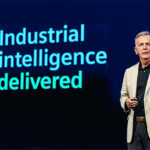
When Tony Hemmelgarn, CEO of Siemens Digital Industries Software, took the stage at the company’s flagship event, Realize LIVE 2026 in Detroit, the energy among the 3,000 attendees was palpable. His keynote on 'Industrial Intelligence' delivered a powerful message: his team is currently deploying disruptive digital solutions that could redefine both product realization and further extend Siemens' market lead.
But how does Siemens define Industrial Intelligence? It is the intersection of the comprehensive digital twin, lifecycle intelligence, and adaptive execution. Translating this ecosystem into actionable enterprise solutions will be a game-changer, Hemmelgarn noted:
"The future of technology and manufacturing belongs to companies that learn, predict, and optimize products before they are ever built—leveraging physics, AI, and real-world data."
While the vision is grand, Siemens backs it up with substance rather than mere corporate rhetoric. The concrete proof of this ambition is the newly unveiled Intelligence Center X. Hemmelgarn’s introduction of the platform in Detroit clearly struck a chord with the audience.
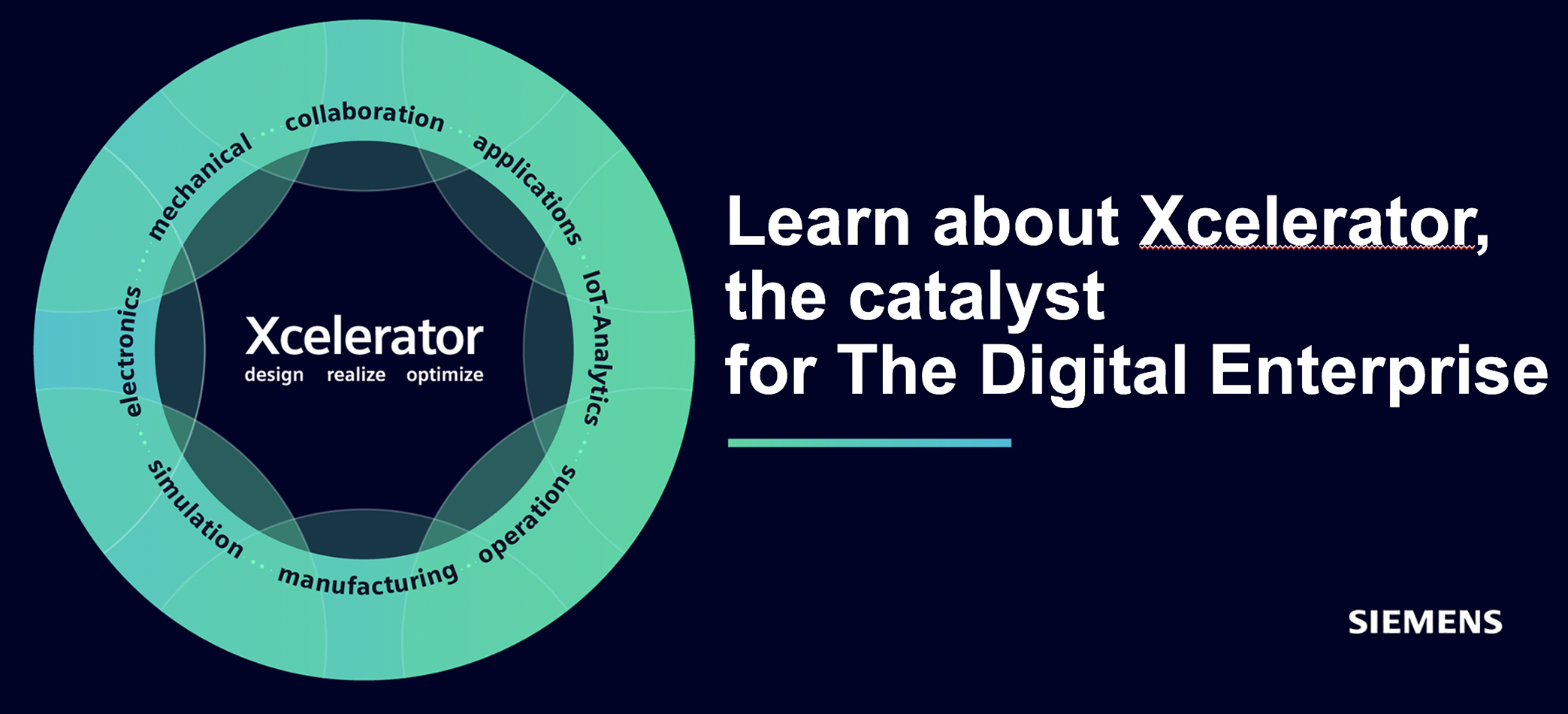
"It's a new software for industrial AI orchestration, helping organizations move from isolated experiments to scalable business impact," says Siemens PLM boss. ”As part of Siemens Xcelerator, the platform combines Mendix—the low-code engine—with Graph Studio and AI Studio from the RapidMiner portfolio. This allows humans and AI agents to collaborate seamlessly within a hybrid workforce, featuring shared context, coordinated workflows, and complete traceability.”
This system also proves that last year's $10.6 billion acquisition of Altair Engineering is already paying dividends. Siemens’ digital edge is increasingly defined by Altair’s HPC, simulation, and analysis capabilities, combined with the power of the NVIDIA partnership. All of this innovation is directed by Tony Hemmelgarn, who has emerged as a leading visionary in the PLM industry.
To read the full report on Hemmelgarn—and to see what Zandra Nilsson, Siemens' Nordic manager, has to say about the platform—click here to read the full article on PLM&ERP News.
Siemens Digital Industries Software is rapidly cementing its position as the market leader in industrial AI. Arguably, no other competitor has moved as fast in pioneering the convergence of AI, connected PLM, and smart manufacturing solutions.
When Tony Hemmelgarn, CEO of Siemens Digital Industries Software, took the stage at the company’s flagship event, Realize LIVE 2026 in Detroit, the energy among the 3,000 attendees was palpable. His keynote on 'Industrial Intelligence' delivered a powerful message: his team is currently deploying disruptive digital solutions that could redefine both product realization and further extend Siemens' market lead.
But how does Siemens define Industrial Intelligence? It is the intersection of the comprehensive digital twin, lifecycle intelligence, and adaptive execution. Translating this ecosystem into actionable enterprise solutions will be a game-changer, Hemmelgarn noted:
"The future of technology and manufacturing belongs to companies that learn, predict, and optimize products before they are ever built—leveraging physics, AI, and real-world data."
While the vision is grand, Siemens backs it up with substance rather than mere corporate rhetoric. The concrete proof of this ambition is the newly unveiled Intelligence Center X. Hemmelgarn’s introduction of the platform in Detroit clearly struck a chord with the audience.
"It's a new software for industrial AI orchestration, helping organizations move from isolated experiments to scalable business impact," says Siemens PLM boss. ”As part of Siemens Xcelerator, the platform combines Mendix—the low-code engine—with Graph Studio and AI Studio from the RapidMiner portfolio. This allows humans and AI agents to collaborate seamlessly within a hybrid workforce, featuring shared context, coordinated workflows, and complete traceability.”
This system also proves that last year's $10.6 billion acquisition of Altair Engineering is already paying dividends. Siemens’ digital edge is increasingly defined by Altair’s HPC, simulation, and analysis capabilities, combined with the power of the NVIDIA partnership. All of this innovation is directed by Tony Hemmelgarn, who has emerged as a leading visionary in the PLM industry.
To read the full report on Hemmelgarn—and to see what Zandra Nilsson, Siemens' Nordic manager, has to say about the platform—click here to read the full article on PLM&ERP News.
Digital sprängkraft: Så stöper Siemens nya (AI) Intelligence Center X om framtidens produktframtagning
TONY HEMMELGARN, Siemens PLM-bas: ”Från experiment till industriell AI-orkestrering och skalning.”
Siemens Digital Industries Software framstår allt tydligare som den ledande aktören inom industriell AI och PLM relaterat till produktframtagning; alltså inkluderande både produktutveckling och tillverkning. Inget bolag har kommit längre i utvecklingen av AI, sammankopplad PLM, och lösningar för smart tillverkning. Och när PLM-divisionens ledare, Tony Hemmelgarn, i veckan intog scenen under bolagets flaggskepps-event, Realize LIVE 2026 i amerikanska Detroit, var det väl få av de drygt 3000 deltagarna i Siemens communityn på plats, som tvivlade på detta sakernas tillstånd.
Det han hade att säga om årets centrala eventtema, Industriell Intelligens, var inga småsaker. Det hans team just nu utvecklar är digitalt sprängstoff som på ett dramatiskt vis kommer att stöpa om inte bara sättet man arbetar med produktframtagning inom tillverkningsindustri och liknande, utan också de kommersiella möjligheterna att utöka det försprång man tillskansat sig de senaste åren.
Men vad definierar Industriell Intelligens? I Siemens tappning är det konvergensen av den omfattande digitala tvillingen, livscykelintelligens och adaptiv exekvering. Denna integrerade ”kunskapskropp” och dess omsättning i praktiskt tillämpbara lösningar som detta banar väg för kommer att göra en enorm skillnad, menade Hemmelgarn:
”Framtiden för teknik och tillverkning handlar om företag som lär sig, förutspår och optimerar något innan det byggs, baserat på fysik, AI och verkliga data.”
Det låter ståtligt, men handlar i Siemens regi långt ifrån bara om vackra formuleringar och snygga powerpoints. Konkretion är en huvudpoäng och det tydligaste uttrycket för dessa ambitioner är nya Intelligence Center X. Hemmelgarn introducerade konceptet i Detroit och entusiasmen var påtaglig.
”Det är en ny mjukvara för industriell AI-orkestrering, som hjälper organisationer att gå från isolerade experiment till skalbar affärspåverkan. Som en del av Siemens Xcelerator kombinerar den Mendix––lågkodsplattformen–med Graph Studio och AI Studio från Rapidminer-portföljen, så att människor och AI-agenter kan arbeta tillsammans som en hybrid arbetsstyrka med delat sammanhang, koordinerade arbetsflöden och fullständig spårbarhet,” sa Siemens PLM-bas.
En spännande koppling i detta är att AI och värden deriverade ur Rapidminer-plattformen i sammanhanget ytterligare bevisar hur det spektakulära fjolårsköpet av Altair Engineering, över 10 miljarder dollar kostade kalaset, redan börjat betala sig. Sett till den digitala spets Siemens fått i sin industriella AI-utveckling har få komponenter betytt, och kommer att betyda, lika mycket som Altairs AI-, HPC-, simulerings- & analys-kapabiliteter och det som NVIDIA-partnerskapet tillfört, vid sidan av det Siemens redan hade. Allt i regi av Tony Hemmelgarn, som idag framstår som PLM-branschen nye ledande visionär.
Men det fanns mer: Hemmelgarn beskrev Siemens AI-strategi i tre sammansatta lager. Vad handlade det om?
Klicka på rubriken för att läsa mer på PLM&ERP News om Hemmelgarns diskussion kring Intelligence Center X och om bolagets Norden-chef Zandra Nilssons syn på saken.
Siemens Digital Industries Software framstår allt tydligare som den ledande aktören inom industriell AI och PLM relaterat till produktframtagning; alltså inkluderande både produktutveckling och tillverkning. Inget bolag har kommit längre i utvecklingen av AI, sammankopplad PLM, och lösningar för smart tillverkning. Och när PLM-divisionens ledare, Tony Hemmelgarn, i veckan intog scenen under bolagets flaggskepps-event, Realize LIVE 2026 i amerikanska Detroit, var det väl få av de drygt 3000 deltagarna i Siemens communityn på plats, som tvivlade på detta sakernas tillstånd.
Det han hade att säga om årets centrala eventtema, Industriell Intelligens, var inga småsaker. Det hans team just nu utvecklar är digitalt sprängstoff som på ett dramatiskt vis kommer att stöpa om inte bara sättet man arbetar med produktframtagning inom tillverkningsindustri och liknande, utan också de kommersiella möjligheterna att utöka det försprång man tillskansat sig de senaste åren.
Men vad definierar Industriell Intelligens? I Siemens tappning är det konvergensen av den omfattande digitala tvillingen, livscykelintelligens och adaptiv exekvering. Denna integrerade ”kunskapskropp” och dess omsättning i praktiskt tillämpbara lösningar som detta banar väg för kommer att göra en enorm skillnad, menade Hemmelgarn:
”Framtiden för teknik och tillverkning handlar om företag som lär sig, förutspår och optimerar något innan det byggs, baserat på fysik, AI och verkliga data.”
Det låter ståtligt, men handlar i Siemens regi långt ifrån bara om vackra formuleringar och snygga powerpoints. Konkretion är en huvudpoäng och det tydligaste uttrycket för dessa ambitioner är nya Intelligence Center X. Hemmelgarn introducerade konceptet i Detroit och entusiasmen var påtaglig.
”Det är en ny mjukvara för industriell AI-orkestrering, som hjälper organisationer att gå från isolerade experiment till skalbar affärspåverkan. Som en del av Siemens Xcelerator kombinerar den Mendix––lågkodsplattformen–med Graph Studio och AI Studio från Rapidminer-portföljen, så att människor och AI-agenter kan arbeta tillsammans som en hybrid arbetsstyrka med delat sammanhang, koordinerade arbetsflöden och fullständig spårbarhet,” sa Siemens PLM-bas.
En spännande koppling i detta är att AI och värden deriverade ur Rapidminer-plattformen i sammanhanget ytterligare bevisar hur det spektakulära fjolårsköpet av Altair Engineering, över 10 miljarder dollar kostade kalaset, redan börjat betala sig. Sett till den digitala spets Siemens fått i sin industriella AI-utveckling har få komponenter betytt, och kommer att betyda, lika mycket som Altairs AI-, HPC-, simulerings- & analys-kapabiliteter och det som NVIDIA-partnerskapet tillfört, vid sidan av det Siemens redan hade. Allt i regi av Tony Hemmelgarn, som idag framstår som PLM-branschen nye ledande visionär.
Men det fanns mer: Hemmelgarn beskrev Siemens AI-strategi i tre sammansatta lager. Vad handlade det om?
Klicka på rubriken för att läsa mer på PLM&ERP News om Hemmelgarns diskussion kring Intelligence Center X och om bolagets Norden-chef Zandra Nilssons syn på saken.

Handshake Worth Billions: TCS Takes Over SKF’s Global IT and Lays the Foundation for...
"The coming decade of industrial manufacturing will be defined by how deeply companies integrate AI into design, production, and service delivery," notes SKF CEO Rickard Gustafson.
To lead this transformation, SKF has signed a strategic global agreement with IT consultant Tata Consultrancy Services (TCS) to drive the AI transformation of its operations. The deal entails TCS taking over the operation of SKF's global IT infrastructure—encompassing business systems, data security, and connectivity—across 130 countries. The overarching goal is to modernize the technology landscape, standardize workflows, and build a robust AI foundation for the entire group.
This decision is particularly intriguing given SKF's recent, highly active approach to IT. The company has already initiated a massive cloud migration and upgrade of its SAP S/4HANA Cloud system via ’RISE with SAP.´ This effort is designed to unify global operations on a single real-time platform, allowing SKF to integrate embedded AI and machine learning to streamline financial and order-processing workflows.
For TCS, this agreement represents a major milestone. While financial details remain undisclosed, industry analysts estimate the contract to be worth several hundred million dollars. It is a substantial investment, but one that will enable SKF to build a future-proof digital organization.
"The coming decade in industrial manufacturing will be defined by how deeply companies integrate AI into their design, production, and service delivery. SKF intends to lead that transformation,” he says, adding: ”With TCS as our partner, we are not just modernizing our technology; we are also building the operational and AI foundations that will set new standards for precision and customer value in our industry. This is a long-term commitment between two companies that share a clear vision for the future of industrial manufacturing."
TCS CEO K. Krithivasan agrees: "Our partnership will modernize their global IT environment and build a robust, scalable digital foundation for the future. Together, we are using data-driven intelligence and AI to create a nimble organization capable of adapting quickly to technological shifts. This collaboration reflects our shared commitment to making SKF an industry-leading, AI-driven manufacturer."
Behind the scenes, however, SKF's current industrial IT ecosystem remains a fragmented mix. In product development, the company relies primarily on PTC's Creo for CAD design and Windchill for managing e-BOMs (engineering Bills of Materials). Manufacturing operations introduce further variety: Siemens NX handles CAM design and processes, while the Gothenburg facility utilizes Siemens Teamcenter. Meanwhile, SAP serves as the overarching ERP backbone.
Click on the headline to read the full article on PLM&ERP News.
To lead this transformation, SKF has signed a strategic global agreement with IT consultant Tata Consultrancy Services (TCS) to drive the AI transformation of its operations. The deal entails TCS taking over the operation of SKF's global IT infrastructure—encompassing business systems, data security, and connectivity—across 130 countries. The overarching goal is to modernize the technology landscape, standardize workflows, and build a robust AI foundation for the entire group.
This decision is particularly intriguing given SKF's recent, highly active approach to IT. The company has already initiated a massive cloud migration and upgrade of its SAP S/4HANA Cloud system via ’RISE with SAP.´ This effort is designed to unify global operations on a single real-time platform, allowing SKF to integrate embedded AI and machine learning to streamline financial and order-processing workflows.
For TCS, this agreement represents a major milestone. While financial details remain undisclosed, industry analysts estimate the contract to be worth several hundred million dollars. It is a substantial investment, but one that will enable SKF to build a future-proof digital organization.
"The coming decade in industrial manufacturing will be defined by how deeply companies integrate AI into their design, production, and service delivery. SKF intends to lead that transformation,” he says, adding: ”With TCS as our partner, we are not just modernizing our technology; we are also building the operational and AI foundations that will set new standards for precision and customer value in our industry. This is a long-term commitment between two companies that share a clear vision for the future of industrial manufacturing."
TCS CEO K. Krithivasan agrees: "Our partnership will modernize their global IT environment and build a robust, scalable digital foundation for the future. Together, we are using data-driven intelligence and AI to create a nimble organization capable of adapting quickly to technological shifts. This collaboration reflects our shared commitment to making SKF an industry-leading, AI-driven manufacturer."
Behind the scenes, however, SKF's current industrial IT ecosystem remains a fragmented mix. In product development, the company relies primarily on PTC's Creo for CAD design and Windchill for managing e-BOMs (engineering Bills of Materials). Manufacturing operations introduce further variety: Siemens NX handles CAM design and processes, while the Gothenburg facility utilizes Siemens Teamcenter. Meanwhile, SAP serves as the overarching ERP backbone.
Click on the headline to read the full article on PLM&ERP News.
Meet PTC’s CAD Boss, Brian Thompson: ”AI is Mostly Hype Today—But the Next Wave...
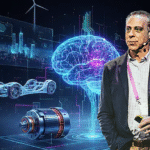
PDSVISION Forum 2026 REPORT. Having led PTC’s Creo CAD business for eleven years, Brian Thompson is one of the most prominent figures in the high-end CAD market. As General Manager of PTC’s flagship CAD, Creo, he belongs to a rare breed of technology executives who possess deep market insight and never shy away from speaking their minds—even when challenging industry rhetoric.
PLM&ERP News’ Nicholas Christiansen met Thompson during PDSFORUM in Gothenburg, the premier annual user event hosted by leading global PTC VAR partner PDSVISION. From the main stage, Thompson discussed PTC’s market position, integration strategy, the true impact of AI, and the fierce rivalry among the high-end market’s "Big Three." In this segment, the dominant trio—Dassault Systèmes (CATIA), Siemens Digital Industries Software (NX), and PTC (Creo)—consistently battle for market shares.
As PLM&ERP News previously reported, PTC is currently making strategic moves on several fronts. The company recently divested its IoT business and certain manufacturing-related segments to sharpen focus on its core portfolio: Creo, Windchill, and Codebeamer. Additionally, it has invested heavily in AI integration across both its CAD and PLM offerings.
Within this framework, Thompson’s role is to lead what remains PTC's largest revenue generator: the Creo CAD platform. PTC does not publicly break out exact annual revenue percentages specifically for Creo CAD. However, financial disclosures and market reports indicate that Creo accounts for roughly $800 million of PTC's total annual revenue. Given PTC's fiscal year revenues (which sit around $2.74 billion), this puts Creo at approximately 30% of the total revenue.
"It is clear that with such a significant revenue share, much of PTC revolves around Creo, as well as the Windchill PLM platform. They form the core of our strength, and our strategy centers on deepening customer relationships for both products. They are the blueprint for how two systems should be integrated within PTC's solution ecosystem, and we ensure that the rest of our portfolio connects with that same level of depth," says Brian Thompson, who—unsurprisingly—points to AI as the next major leap for the CAD sector.
“That’s right, but we’re not there yet. Today, AI is still largely hype, and the road ahead is still long. However, what is actually starting to deliver value is giving users contextually relevant guidance on how to best use the tools directly in the workflow. AI does not replace what Creo can do; instead, it highlights how Creo can help the user do exactly what they are doing in a way that would take a long time to research on their own. It is a huge boost in user productivity and in the quality of what engineers create,” states PTC’s CAD manager. Meet him in today’s interview from PDSFORUM.
Click on the headline to read more on PLM&ERP News.
PLM&ERP News’ Nicholas Christiansen met Thompson during PDSFORUM in Gothenburg, the premier annual user event hosted by leading global PTC VAR partner PDSVISION. From the main stage, Thompson discussed PTC’s market position, integration strategy, the true impact of AI, and the fierce rivalry among the high-end market’s "Big Three." In this segment, the dominant trio—Dassault Systèmes (CATIA), Siemens Digital Industries Software (NX), and PTC (Creo)—consistently battle for market shares.
As PLM&ERP News previously reported, PTC is currently making strategic moves on several fronts. The company recently divested its IoT business and certain manufacturing-related segments to sharpen focus on its core portfolio: Creo, Windchill, and Codebeamer. Additionally, it has invested heavily in AI integration across both its CAD and PLM offerings.
Within this framework, Thompson’s role is to lead what remains PTC's largest revenue generator: the Creo CAD platform. PTC does not publicly break out exact annual revenue percentages specifically for Creo CAD. However, financial disclosures and market reports indicate that Creo accounts for roughly $800 million of PTC's total annual revenue. Given PTC's fiscal year revenues (which sit around $2.74 billion), this puts Creo at approximately 30% of the total revenue.
"It is clear that with such a significant revenue share, much of PTC revolves around Creo, as well as the Windchill PLM platform. They form the core of our strength, and our strategy centers on deepening customer relationships for both products. They are the blueprint for how two systems should be integrated within PTC's solution ecosystem, and we ensure that the rest of our portfolio connects with that same level of depth," says Brian Thompson, who—unsurprisingly—points to AI as the next major leap for the CAD sector.
“That’s right, but we’re not there yet. Today, AI is still largely hype, and the road ahead is still long. However, what is actually starting to deliver value is giving users contextually relevant guidance on how to best use the tools directly in the workflow. AI does not replace what Creo can do; instead, it highlights how Creo can help the user do exactly what they are doing in a way that would take a long time to research on their own. It is a huge boost in user productivity and in the quality of what engineers create,” states PTC’s CAD manager. Meet him in today’s interview from PDSFORUM.
Click on the headline to read more on PLM&ERP News.

Möt PTC’s CAD-chef Brian Thompson: ”AI mest en hype idag – men nästa våg...
RAPPORT från PDSVISION Forum 2026. Han har lett PTCs Creo CAD-verksamhet i elva år och är en av de mest profilerade personligheterna på marknaden för high-end CAD. Inte minst för att Brian Thompson (bilden nedan), General Manager för PTC’s CAD-flaggskepp, Creo, tillhör den kategori av teknologichefer som känner sin marknad på djupet och han drar sig inte för att säga vad han tycker. Även om svaret skulle gå stick i stäv med den retorik som annars präglar branschen.
PLM&ERP News’ Nicholas Christiansen träffade Thomson under den globalt ledande PTC VAR-partnern, PDSVISIONs stora årliga användar-event, PDSFORUM i Göteborg. Från huvudscenen berättade han om bolagets marknadsposition, integrationsstrategi, AIs verkliga genomslag och konkurrensen mellan de tre stora spelarna på high-end-marknaden. I detta segment kämpar de tre dominerande spelarna, Dassault Systèmes (CATIA), Siemens Digital Industries Software (NX) och PTC (Creo), om marknadsandelarna från världens mest krävande företag inom produktframtagning.
Som PLM&ERP News tidigare rapporterat är PTC ett bolag i intressant rörelse på flera fronter. Man har nyligen avyttrat IoT-verksamheten och vissa bitar kopplade till tillverkningssidan. Detta för att skärpa fokus på kärnportföljen: Creo, Windchill och Codebeamer. Man har också gjort om sitt versionsnamn-schema till att bli kalenderårsbaserat och med en årlig utgivningstakt. Och man satsar tungt på AI-integration, både på CAD- och PLM-områdena. I detta är Thompsons roll att leda det som fortfarande är PTCs största intäktskälla: CAD-plattformen Creo, som ensam tar in närmare 800 miljoner dollar per år, motsvarande runt 30 procent av PTCs totala intäkter.
”Det är klart att med såna andelsstorlekar kretsar mycket inom PTC kring Creo, liksom kring PLM-plattformen Windchill. De är kärnan i vår styrka och strategin handlar om att fördjupa vår relation med de som är dessa båda produkters kunder. De är förebilden för hur två produkter ska vara integrerade inom PTCs lösningsportfölj och vi ser till att övriga delar av portföljen kopplas på med samma djup,” säger Brian Thompson och pekar samtidigt inte överraskande ut AI som nästa stora språng på CAD-sidan.
”Så är det, men än är vi inte där. Idag är AI fortfarande till stor del en hype och vägen framåt är ännu lång. Det som dock faktiskt börjar leverera värde är att ge användarna kontextuellt relevant vägledning om hur de bäst använder verktygen, direkt i arbetsflödet. AI ersätter inte vad Creo kan göra, istället lyfter det fram hur Creo kan hjälpa användaren att göra just det de håller på med, på ett sätt som skulle ta lång tid att forska fram på egen hand. Det är ett enormt lyft i användarproduktivitet och i kvaliteten på det som ingenjörerna skapar,” konstaterar PTCs CAD-ansvarige. Möt honom i dagens intervju från PDSFORUM.
Klicka på rubriken fölr att läsa hela intervjun på PLM&ERP News.
PLM&ERP News’ Nicholas Christiansen träffade Thomson under den globalt ledande PTC VAR-partnern, PDSVISIONs stora årliga användar-event, PDSFORUM i Göteborg. Från huvudscenen berättade han om bolagets marknadsposition, integrationsstrategi, AIs verkliga genomslag och konkurrensen mellan de tre stora spelarna på high-end-marknaden. I detta segment kämpar de tre dominerande spelarna, Dassault Systèmes (CATIA), Siemens Digital Industries Software (NX) och PTC (Creo), om marknadsandelarna från världens mest krävande företag inom produktframtagning.
Som PLM&ERP News tidigare rapporterat är PTC ett bolag i intressant rörelse på flera fronter. Man har nyligen avyttrat IoT-verksamheten och vissa bitar kopplade till tillverkningssidan. Detta för att skärpa fokus på kärnportföljen: Creo, Windchill och Codebeamer. Man har också gjort om sitt versionsnamn-schema till att bli kalenderårsbaserat och med en årlig utgivningstakt. Och man satsar tungt på AI-integration, både på CAD- och PLM-områdena. I detta är Thompsons roll att leda det som fortfarande är PTCs största intäktskälla: CAD-plattformen Creo, som ensam tar in närmare 800 miljoner dollar per år, motsvarande runt 30 procent av PTCs totala intäkter.
”Det är klart att med såna andelsstorlekar kretsar mycket inom PTC kring Creo, liksom kring PLM-plattformen Windchill. De är kärnan i vår styrka och strategin handlar om att fördjupa vår relation med de som är dessa båda produkters kunder. De är förebilden för hur två produkter ska vara integrerade inom PTCs lösningsportfölj och vi ser till att övriga delar av portföljen kopplas på med samma djup,” säger Brian Thompson och pekar samtidigt inte överraskande ut AI som nästa stora språng på CAD-sidan.
”Så är det, men än är vi inte där. Idag är AI fortfarande till stor del en hype och vägen framåt är ännu lång. Det som dock faktiskt börjar leverera värde är att ge användarna kontextuellt relevant vägledning om hur de bäst använder verktygen, direkt i arbetsflödet. AI ersätter inte vad Creo kan göra, istället lyfter det fram hur Creo kan hjälpa användaren att göra just det de håller på med, på ett sätt som skulle ta lång tid att forska fram på egen hand. Det är ett enormt lyft i användarproduktivitet och i kvaliteten på det som ingenjörerna skapar,” konstaterar PTCs CAD-ansvarige. Möt honom i dagens intervju från PDSFORUM.
Klicka på rubriken fölr att läsa hela intervjun på PLM&ERP News.

Hon skalar upp AI från ”DIGITALT DAMM” till REAL PRODUKTION: Möt Siemens PLM Nordics...
Så ska ZANDRA NILSSON ta grepp om AI i de nordiska kundföretagen.
Vem kommer att vinna slaget om industriell AI – med den typ av lösning som överskrider digitalt damm och slagord för att leverera konkret produktdesign, fysisk produktion och kraftfulla effektivitetsvinster? Det är en av dagens mest centrala frågor. Utmaningarna slutar dock inte där, då nya banbrytande teknologier stärker sitt grepp om PLM-industrin. Elektrifiering, elektronik och mjukvarans växande betydelse är alla avgörande faktorer i spelet om framtiden.
Att i detta läge ta rodret för en av Nordens viktigaste leverantörer av PLM är ingen liten utmaning. Fråga Zandra Nilsson, VP och chef för Siemens Digital Industries Software Nordics and Baltics. Hon vet.
Efter att ha tillbringat drygt ett år för att ta sig förbi hindren på resan i detta krävande landskap har Nilsson skapat en ledningsgrupp som kombinerar domänexpertis med nya perspektiv. Det är en nyckelfaktor framöver, säger hon: "Ja, vi behöver ledare som kan styra oss genom den AI-era vi nu står inför. Detta kräver individer som förstår våra kunders branscher, men som också utmanar oss som har varit med länge att tänka i nya banor."
Nilsson hävdar att Siemens utmärker sig specifikt när det gäller industriell AI: "När jag tillträdde tillkännagavs förvärven av Altair och Dotmatics, vilket accelererade Siemens AI-drivna innovation inom life science, process och diskret tillverkning. Altair breddade vår simuleringsportfölj – vilket gjorde oss till en ledare inom nästan alla discipliner – men det stärkte också vår AI-position med helt nya funktioner. Genom att kombinera detta med vår befintliga Mendix-plattform för agentisk utveckling kan vi nu leverera skalbar och agentisk AI i en pålitlig, säker och kontrollerad miljö."
Det här är onekligen nödvändiga förbättringar i kampen om AI-marknaden, som hittills inte varit någon söndagspromenad. Enligt analytiker har misslyckandegraden i att leverera förväntat tekniskt värde legat mellan 80–85 %. Dessutom har MIT-studier visat ett stort antal generativa AI-pilotprojekt som misslyckas med att skapa mätbara ROI:er. Samtidigt förutspådde Gartner nyligen att 60 % av alla AI-projekt som saknar korrekt datastruktur kommer att överges.
Är detta, som Gartners Frank Ridder föreslår, en fråga om en "AI-värdekris”? Nja, ingenting inom PLM är enkelt från början; historiskt sett kan det ta år upp till ett decennium innan nya, komplexa teknologier blir tillämpbara modeller. AI är inget undantag. År 2026 handlar kampen om industriell AI inte längre bara om att ha den bästa modellen, utan också om att kontextualisera data och länka den direkt till produktutvecklingens värdekedja, och i förlängningen till fysisk produktion: "Skalning genom kontext, inte kod."
Genom sitt helhetsgrepp och sitt senaste initiativ "Industriell AI" har Siemens en konkurrensfördel. Hur då? Läs hela dagens djupintervju på PLM&ERP News.
Vem kommer att vinna slaget om industriell AI – med den typ av lösning som överskrider digitalt damm och slagord för att leverera konkret produktdesign, fysisk produktion och kraftfulla effektivitetsvinster? Det är en av dagens mest centrala frågor. Utmaningarna slutar dock inte där, då nya banbrytande teknologier stärker sitt grepp om PLM-industrin. Elektrifiering, elektronik och mjukvarans växande betydelse är alla avgörande faktorer i spelet om framtiden.
Att i detta läge ta rodret för en av Nordens viktigaste leverantörer av PLM är ingen liten utmaning. Fråga Zandra Nilsson, VP och chef för Siemens Digital Industries Software Nordics and Baltics. Hon vet.
Efter att ha tillbringat drygt ett år för att ta sig förbi hindren på resan i detta krävande landskap har Nilsson skapat en ledningsgrupp som kombinerar domänexpertis med nya perspektiv. Det är en nyckelfaktor framöver, säger hon: "Ja, vi behöver ledare som kan styra oss genom den AI-era vi nu står inför. Detta kräver individer som förstår våra kunders branscher, men som också utmanar oss som har varit med länge att tänka i nya banor."
Nilsson hävdar att Siemens utmärker sig specifikt när det gäller industriell AI: "När jag tillträdde tillkännagavs förvärven av Altair och Dotmatics, vilket accelererade Siemens AI-drivna innovation inom life science, process och diskret tillverkning. Altair breddade vår simuleringsportfölj – vilket gjorde oss till en ledare inom nästan alla discipliner – men det stärkte också vår AI-position med helt nya funktioner. Genom att kombinera detta med vår befintliga Mendix-plattform för agentisk utveckling kan vi nu leverera skalbar och agentisk AI i en pålitlig, säker och kontrollerad miljö."
Det här är onekligen nödvändiga förbättringar i kampen om AI-marknaden, som hittills inte varit någon söndagspromenad. Enligt analytiker har misslyckandegraden i att leverera förväntat tekniskt värde legat mellan 80–85 %. Dessutom har MIT-studier visat ett stort antal generativa AI-pilotprojekt som misslyckas med att skapa mätbara ROI:er. Samtidigt förutspådde Gartner nyligen att 60 % av alla AI-projekt som saknar korrekt datastruktur kommer att överges.
Är detta, som Gartners Frank Ridder föreslår, en fråga om en "AI-värdekris”? Nja, ingenting inom PLM är enkelt från början; historiskt sett kan det ta år upp till ett decennium innan nya, komplexa teknologier blir tillämpbara modeller. AI är inget undantag. År 2026 handlar kampen om industriell AI inte längre bara om att ha den bästa modellen, utan också om att kontextualisera data och länka den direkt till produktutvecklingens värdekedja, och i förlängningen till fysisk produktion: "Skalning genom kontext, inte kod."
Genom sitt helhetsgrepp och sitt senaste initiativ "Industriell AI" har Siemens en konkurrensfördel. Hur då? Läs hela dagens djupintervju på PLM&ERP News.

Scaling AI From Digital Dust to Real-World Production: Meet Siemens VP/MD Zandra Nilsson
Boss for Siemens Digital Industries Software, the Nordic and Baltic PLM division.
Who will win the race for industrial AI—the kind that transcends digital dust and PR buzzwords to deliver tangible product design, physical production, and powerhouse efficiency gains? It is the question of the day. Yet, the challenges don’t stop there as cutting-edge technologies tighten their grip on the PLM industry. Electrification, electronics, and the soaring significance of software are all critical factors in play. Taking the helm of one of the Nordics' most vital suppliers of PLM is no small feat. Ask Zandra Nilsson, VP and Director for Siemens Digital Industries Software Nordics and Baltics. She knows.
Having spent just over a year navigating the top executive journey in this demanding landscape, Nilsson has curated a leadership team that blends domain expertise with fresh perspectives. It’s a key factor, moving forward, she says: "Yes, we need leaders who can steer us through the AI era we are now facing. This requires individuals who understand our customers' industries, but who also challenge those of us who have been around a long time to think in new ways."
Nilsson asserts that Siemens stands out when it comes to specifically Industrial AI:
"When I took office, the acquisitions of Altair and Dotmatics were announced, accelerating Siemens' AI-driven innovation across life sciences, process, and discrete manufacturing. Altair broadened our simulation portfolio—making us a leader in nearly every discipline—but it also bolstered our AI position with entirely new capabilities. By combining this with our existing Mendix platform for agentic development, we can now deliver scalable and agentic AI in a reliable, secure, and controlled environment."
These are undeniably necessary improvements in the battle for the AI market, which has been no walk in the park. According to analysts, the failure rate in delivering expected technological value has been between 80–85%. Furthermore, MIT studies have shown high numbers of generative AI pilots failing to create measurable ROIs. Meanwhile, Gartner recently predicted that 60% of all AI projects lacking proper data structure will be abandoned.
Is this, as Gartner’s Frank Ridder suggests, a question of an "AI value crisis"? Well, Zandra Nilsson doesn't need to break a sweat. Nothing in PLM is easy from the start; historically, it can take years up to a decade before new, complex technologies are applicable models. In 2026, the battle for industrial AI is no longer just about having the best model, but also about contextualizing data and linking it directly to the product development value chain, and by extension, to physical production: "Scaling through context, not code."
By virtue of its holistic approach and its recent "Industrial AI" initiative Siemens has a competitive edge.
So, what are Nilsson’s thoughts around AI, leadership, competition, market dynamics, and where she is taking the movement? Click on the headline to read today’s in-depth inter view on PLM&ERP News.
Who will win the race for industrial AI—the kind that transcends digital dust and PR buzzwords to deliver tangible product design, physical production, and powerhouse efficiency gains? It is the question of the day. Yet, the challenges don’t stop there as cutting-edge technologies tighten their grip on the PLM industry. Electrification, electronics, and the soaring significance of software are all critical factors in play. Taking the helm of one of the Nordics' most vital suppliers of PLM is no small feat. Ask Zandra Nilsson, VP and Director for Siemens Digital Industries Software Nordics and Baltics. She knows.
Having spent just over a year navigating the top executive journey in this demanding landscape, Nilsson has curated a leadership team that blends domain expertise with fresh perspectives. It’s a key factor, moving forward, she says: "Yes, we need leaders who can steer us through the AI era we are now facing. This requires individuals who understand our customers' industries, but who also challenge those of us who have been around a long time to think in new ways."
Nilsson asserts that Siemens stands out when it comes to specifically Industrial AI:
"When I took office, the acquisitions of Altair and Dotmatics were announced, accelerating Siemens' AI-driven innovation across life sciences, process, and discrete manufacturing. Altair broadened our simulation portfolio—making us a leader in nearly every discipline—but it also bolstered our AI position with entirely new capabilities. By combining this with our existing Mendix platform for agentic development, we can now deliver scalable and agentic AI in a reliable, secure, and controlled environment."
These are undeniably necessary improvements in the battle for the AI market, which has been no walk in the park. According to analysts, the failure rate in delivering expected technological value has been between 80–85%. Furthermore, MIT studies have shown high numbers of generative AI pilots failing to create measurable ROIs. Meanwhile, Gartner recently predicted that 60% of all AI projects lacking proper data structure will be abandoned.
Is this, as Gartner’s Frank Ridder suggests, a question of an "AI value crisis"? Well, Zandra Nilsson doesn't need to break a sweat. Nothing in PLM is easy from the start; historically, it can take years up to a decade before new, complex technologies are applicable models. In 2026, the battle for industrial AI is no longer just about having the best model, but also about contextualizing data and linking it directly to the product development value chain, and by extension, to physical production: "Scaling through context, not code."
By virtue of its holistic approach and its recent "Industrial AI" initiative Siemens has a competitive edge.
So, what are Nilsson’s thoughts around AI, leadership, competition, market dynamics, and where she is taking the movement? Click on the headline to read today’s in-depth inter view on PLM&ERP News.

AI och Accelererad GPU-kraft: NVIDIA-effekter som lyfter Dassaults CAE-plattform MODSIM
TECHNIA Simulation: ”Utvecklingen går från kraftfulla simuleringsverktyg till AI-laddade, intelligenta designmotorer.”
Det är svårt att överskatta NVIDIAs monumentala inverkan på PLM-marknadens AI-transformation. Särskilt inom CAE har NVIDIAs teknologier varit avgörande för att flytta branschen från statisk datahantering till en framtid av AI-drivna, realtids- och immersiva multifysiksimuleringar.
Dassault Systèmes flaggskeppslösning, MODSIM – förankrad i SIMULIA-plattformen och 3DEXPERIENCE-ekosystemet – fungerar som en mästerlig vägvisare i hur AI för närvarande ritar om gränserna för vad simulering kan uppnå. I grund och botten är MODSIM (Unified Modeling & Simulation) mer än bara ett programvarupaket; det är en enhetlig miljö som väver in simulering i själva strukturen i designarbetsflödet. Genom att kombinera t ex CATIAs modelleringsprecision med SIMULIAs analytiska djup i 3DEXPERIENCE-molnet kan ingenjörer utföra komplexa optimeringar på exakt samma datamodell som används för initiala koncept. Denna synergi markerar ett avsteg från traditionella silos och erbjuder en samarbetsmetodik som överbryggar klyftan mellan form och funktion.
Dessutom är det en "shift-vänster-metod" som är ett grundläggande steg mot att öka användningen av simulering inom utvecklingslivscykeln.
Vi talar alltså om ett strategiskt ramverk som överbryggar klyftan mellan SIMULIAs simuleringsteknik och primära designverktyg, och som effektivt avvecklar de traditionella silos som skiljer designers från simuleringsingenjörer.
Men vad innebär framväxten av AI för MODSIM-miljön? Under DS' evenemang i april 2026 betonade Daniel Pyzak (på bilden), teknisk chef för CATIA på Dassault, att, "AI-förstärkt MODSIM förenar modellering och simulering till en enda datamodell inom 3DEXPERIENCE-plattformen. Denna konvergens bryter ytterligare ner barriärer mellan designers och analytiker." Pyzak betonade också den strategiska betydelsen av vänsterförskjutna metoder och noterade att "de möjliggör tidigare prestandaförutsägelser, minskade omkostnader och snabbare, mer strömlinjeformat samarbete över komplexa projekt med flera fysikområden."
I dagens reportage utforskar PLM&ERP News det föränderliga landskapet för MODSIM, AI och den växande betydelsen av simulering inom modern produktutveckling. Vi har träffat representanter från TECHNIA – Dassaults ledande globala VAR – som avsevärt har stärkt sina simulerings- och analysmöjligheter genom sin Simulation-avdelning. Konklusionen av deras syn på saken är tydlig: AI är ett paradigmskiftare. Enligt teamet, ”utvecklar AI MODSIM från ett robust simuleringsverktyg till en intelligent designmotor. Dessutom omvandlar samarbetet mellan DS och NVIDIA stora industriella datamängder till återanvändbar kunskap och generativa designupplevelser."
Klicka på rubriken för att läsa mer på PLM&ERP News.
Dassault Systèmes flaggskeppslösning, MODSIM – förankrad i SIMULIA-plattformen och 3DEXPERIENCE-ekosystemet – fungerar som en mästerlig vägvisare i hur AI för närvarande ritar om gränserna för vad simulering kan uppnå. I grund och botten är MODSIM (Unified Modeling & Simulation) mer än bara ett programvarupaket; det är en enhetlig miljö som väver in simulering i själva strukturen i designarbetsflödet. Genom att kombinera t ex CATIAs modelleringsprecision med SIMULIAs analytiska djup i 3DEXPERIENCE-molnet kan ingenjörer utföra komplexa optimeringar på exakt samma datamodell som används för initiala koncept. Denna synergi markerar ett avsteg från traditionella silos och erbjuder en samarbetsmetodik som överbryggar klyftan mellan form och funktion.
Dessutom är det en "shift-vänster-metod" som är ett grundläggande steg mot att öka användningen av simulering inom utvecklingslivscykeln.
Vi talar alltså om ett strategiskt ramverk som överbryggar klyftan mellan SIMULIAs simuleringsteknik och primära designverktyg, och som effektivt avvecklar de traditionella silos som skiljer designers från simuleringsingenjörer.
Men vad innebär framväxten av AI för MODSIM-miljön? Under DS' evenemang i april 2026 betonade Daniel Pyzak (på bilden), teknisk chef för CATIA på Dassault, att, "AI-förstärkt MODSIM förenar modellering och simulering till en enda datamodell inom 3DEXPERIENCE-plattformen. Denna konvergens bryter ytterligare ner barriärer mellan designers och analytiker." Pyzak betonade också den strategiska betydelsen av vänsterförskjutna metoder och noterade att "de möjliggör tidigare prestandaförutsägelser, minskade omkostnader och snabbare, mer strömlinjeformat samarbete över komplexa projekt med flera fysikområden."
I dagens reportage utforskar PLM&ERP News det föränderliga landskapet för MODSIM, AI och den växande betydelsen av simulering inom modern produktutveckling. Vi har träffat representanter från TECHNIA – Dassaults ledande globala VAR – som avsevärt har stärkt sina simulerings- och analysmöjligheter genom sin Simulation-avdelning. Konklusionen av deras syn på saken är tydlig: AI är ett paradigmskiftare. Enligt teamet, ”utvecklar AI MODSIM från ett robust simuleringsverktyg till en intelligent designmotor. Dessutom omvandlar samarbetet mellan DS och NVIDIA stora industriella datamängder till återanvändbar kunskap och generativa designupplevelser."
Klicka på rubriken för att läsa mer på PLM&ERP News.

The NVIDIA Catalyst: How AI and GPU Power Are Redefining Dassault’s MODSIM CAE Platform
TECHNIA Simulation: ”Evolving robust engineering tools into intelligent design engines.”
It is difficult to overstate NVIDIA’s monumental impact on the PLM market’s AI transformation. Particularly within CAE, NVIDIA’s technologies have been pivotal in moving the industry from static data management toward a future of AI-driven, real-time, and immersive multiphysics simulations. Dassault Systèmes’ flagship solution, MODSIM—anchored by the SIMULIA platform and the 3DEXPERIENCE ecosystem—serves as a masterclass in how AI is currently redrawing the boundaries of what simulation can achieve.
At its heart, MODSIM (Unified Modeling & Simulation) is more than a software suite; it is a unified environment that weaves simulation into the very fabric of the design workflow. By fusing CATIA’s modeling precision with SIMULIA’s analytical depth on the 3DEXPERIENCE cloud, engineers can execute complex optimizations on the exact same data model used for initial concepts. This synergy marks a departure from traditional siloes, offering a collaborative methodology that bridges the gap between form and function.
Moreover, it’s a shift-left approach that represents a fundamental move to front-load simulation within the development lifecycle. By integrating critical testing, security, and quality protocols into the earliest stages of the value chain, MODSIM empowers teams to solve problems before they even arise.
So, we’re talking about a strategic framework that bridges the gap between SIMULIA’s simulation technology and primary design tools, effectively dismantling the traditional silos that separate designers from simulation engineers. This integration isn’t limited to DS’ own CATIA and SOLIDWORKS ecosystems; the platform is engineered to simulate models from most major CAD systems on the market.
But what does the emergence of AI mean for the MODSIM environment? During the company’s April 2026 events, Daniel Pyzak, Technical Director for CATIA at Dassault, emphasized that ”AI-enhanced MODSIM unifies modeling and simulation into a single data model within the 3DEXPERIENCE platform. This convergence further breaks down barriers between designers and analysts.” Pyzak also highlighted the strategic importance of 'shift-left' methodologies, noting that ”they enable earlier performance predictions, reduced overhead, and faster, more streamlined collaboration across complex, multi-physics projects."
In today’s feature, PLM&ERP News explores the evolving landscape of MODSIM, AI, and the growing importance of simulation in modern product development. We sat down with representatives from TECHNIA—Dassaults' leading global VAR—who have significantly bolstered their simulation and analysis capabilities through their Simulation Centre of Excellence. The consensus is clear: AI is a paradigm shifter.
According to the team, ”AI is evolving MODSIM from a robust simulation tool into an intelligent design engine. Moreover, the collaboration between DS and NVIDIA is transforming vast industrial datasets into reusable knowledge and generative design experiences. In practice, this means AI can automate the simulation of design alternatives, eliminate manual bottlenecks like meshing and data export, and navigate far more expansive design spaces than a human engineer could ever explore manually."
Click on the headline to read more on PLM&ERP News.
It is difficult to overstate NVIDIA’s monumental impact on the PLM market’s AI transformation. Particularly within CAE, NVIDIA’s technologies have been pivotal in moving the industry from static data management toward a future of AI-driven, real-time, and immersive multiphysics simulations. Dassault Systèmes’ flagship solution, MODSIM—anchored by the SIMULIA platform and the 3DEXPERIENCE ecosystem—serves as a masterclass in how AI is currently redrawing the boundaries of what simulation can achieve.
At its heart, MODSIM (Unified Modeling & Simulation) is more than a software suite; it is a unified environment that weaves simulation into the very fabric of the design workflow. By fusing CATIA’s modeling precision with SIMULIA’s analytical depth on the 3DEXPERIENCE cloud, engineers can execute complex optimizations on the exact same data model used for initial concepts. This synergy marks a departure from traditional siloes, offering a collaborative methodology that bridges the gap between form and function.
Moreover, it’s a shift-left approach that represents a fundamental move to front-load simulation within the development lifecycle. By integrating critical testing, security, and quality protocols into the earliest stages of the value chain, MODSIM empowers teams to solve problems before they even arise.
So, we’re talking about a strategic framework that bridges the gap between SIMULIA’s simulation technology and primary design tools, effectively dismantling the traditional silos that separate designers from simulation engineers. This integration isn’t limited to DS’ own CATIA and SOLIDWORKS ecosystems; the platform is engineered to simulate models from most major CAD systems on the market.
But what does the emergence of AI mean for the MODSIM environment? During the company’s April 2026 events, Daniel Pyzak, Technical Director for CATIA at Dassault, emphasized that ”AI-enhanced MODSIM unifies modeling and simulation into a single data model within the 3DEXPERIENCE platform. This convergence further breaks down barriers between designers and analysts.” Pyzak also highlighted the strategic importance of 'shift-left' methodologies, noting that ”they enable earlier performance predictions, reduced overhead, and faster, more streamlined collaboration across complex, multi-physics projects."
In today’s feature, PLM&ERP News explores the evolving landscape of MODSIM, AI, and the growing importance of simulation in modern product development. We sat down with representatives from TECHNIA—Dassaults' leading global VAR—who have significantly bolstered their simulation and analysis capabilities through their Simulation Centre of Excellence. The consensus is clear: AI is a paradigm shifter.
According to the team, ”AI is evolving MODSIM from a robust simulation tool into an intelligent design engine. Moreover, the collaboration between DS and NVIDIA is transforming vast industrial datasets into reusable knowledge and generative design experiences. In practice, this means AI can automate the simulation of design alternatives, eliminate manual bottlenecks like meshing and data export, and navigate far more expansive design spaces than a human engineer could ever explore manually."
Click on the headline to read more on PLM&ERP News.
”Rekordstark tillväxt för den globala PLM-marknaden 2025,” säger analytikern CIMdatas chef, Peter Bilello
”EDA-sidan med elektronikdesign-verktygen, växer snabbast bland sub-PLM-domänerna i ett 5-årsperspektiv.”
Hur har PLM-marknaden utvecklats under det makroeknomiskt oroliga 2025? Analytikern CIMdata skriver i en summering av sin nu slutförda 2026 års upplaga av PLM Market & Industry Forum-serien att PLM-marknaden under fjolåret växte till 87,25 miljarder dollar; motsvarande drygt 809 miljarder i svenska kronor. Det är en uppskattad marknadstillväxt på ca 8,7 % för 2025.
Siffran är överraskande stark i skenet av de makroekonomiskt globalt oroliga tiderna. Trots att president Donald Trumps tullcirkus och till detta kopplade ryckiga politiska osäkerhetsfaktorer präglades 2025 allmänt av en svag, men ändå relativt stabil global tillväxt. Visserligen påverkade en rad geopolitiska spänningar, betydande handelshinder, och den snabba teknologiska omställningen världsekonomin - framför allt den dramatiska AI-utvecklingen - men den nådde ändå en tillväxt på drygt 3 %. Att PLM-ekonomin i denna osäkra mylla ändå växte nära tre gånger så mycket är ett styrketecken och signum för hur viktig den teknologiska utvecklingen är som nu stöper om global industriell verksamhet.
I en kommentar till PLM-marknadens och denna industriellt affärskritiska branschs utveckling menade CIMdata-chefen, Peter Bilello, att tillväxten för PLM 2025 faktiskt var en milstolpe:
"Ja, tillväxten på den globala PLM-marknaden till 87,5 miljarder dollar är en betydande milstolpe,” säger han. ”Medan den totala PLM-marknadstillväxten på 8,7 % landade något under vår prognos på 9,3 % – vilket sannolikt återspeglar fortsatt global ekonomisk osäkerhet – tyder den underliggande informationen på en marknad mitt i en djupgående omvandling,” sa Bilello och tillade att han var särskilt imponerade av resultatet för segmentet Platform Technologies, som trotsade den bredare trenden och växte med 8,9 % och översteg vår prognos på 7,1 %.”
Bilello tillade att detta i sin tur, ”tyder på att även om industriella ledningsgrupper söker mer konkreta bevis på avkastning på investeringen innan de helt och hållet satsar på massiva AI-investeringar, fördubblar de sina insatser på de centrala digitala plattformar som krävs för att möjliggöra dessa framtida funktioner."
CIMdata definierar Platform Technologies (plattformsteknologier) inom ramen för en PIP-plattform (Product Innovations Platform) som, ”en uppsättning föränderliga funktionella domäner, processer och livscykelstadier som orkestreras för att möjliggöra nästa generations PLM-lösningar.” I detta ingår komponenter som en system-av-system-approach, en central möjliggörare av digital transformation, kapacitet att bygga digitala trådar, och flera andra faktorer.
När det gäller sub-PLM-domänerna växer över ett 5-årsperspektiv EDA (elektronikdesign) snabbast. Men vilka andra domäner växer snabbt och hur ser det strategiska skifte som Bilello talar om ut när det gäller leverantörsbasen? Klicka på rubriken för att läsa mer på PLM&ERP News.
Hur har PLM-marknaden utvecklats under det makroeknomiskt oroliga 2025? Analytikern CIMdata skriver i en summering av sin nu slutförda 2026 års upplaga av PLM Market & Industry Forum-serien att PLM-marknaden under fjolåret växte till 87,25 miljarder dollar; motsvarande drygt 809 miljarder i svenska kronor. Det är en uppskattad marknadstillväxt på ca 8,7 % för 2025.
Siffran är överraskande stark i skenet av de makroekonomiskt globalt oroliga tiderna. Trots att president Donald Trumps tullcirkus och till detta kopplade ryckiga politiska osäkerhetsfaktorer präglades 2025 allmänt av en svag, men ändå relativt stabil global tillväxt. Visserligen påverkade en rad geopolitiska spänningar, betydande handelshinder, och den snabba teknologiska omställningen världsekonomin - framför allt den dramatiska AI-utvecklingen - men den nådde ändå en tillväxt på drygt 3 %. Att PLM-ekonomin i denna osäkra mylla ändå växte nära tre gånger så mycket är ett styrketecken och signum för hur viktig den teknologiska utvecklingen är som nu stöper om global industriell verksamhet.
I en kommentar till PLM-marknadens och denna industriellt affärskritiska branschs utveckling menade CIMdata-chefen, Peter Bilello, att tillväxten för PLM 2025 faktiskt var en milstolpe:
"Ja, tillväxten på den globala PLM-marknaden till 87,5 miljarder dollar är en betydande milstolpe,” säger han. ”Medan den totala PLM-marknadstillväxten på 8,7 % landade något under vår prognos på 9,3 % – vilket sannolikt återspeglar fortsatt global ekonomisk osäkerhet – tyder den underliggande informationen på en marknad mitt i en djupgående omvandling,” sa Bilello och tillade att han var särskilt imponerade av resultatet för segmentet Platform Technologies, som trotsade den bredare trenden och växte med 8,9 % och översteg vår prognos på 7,1 %.”
Bilello tillade att detta i sin tur, ”tyder på att även om industriella ledningsgrupper söker mer konkreta bevis på avkastning på investeringen innan de helt och hållet satsar på massiva AI-investeringar, fördubblar de sina insatser på de centrala digitala plattformar som krävs för att möjliggöra dessa framtida funktioner."
CIMdata definierar Platform Technologies (plattformsteknologier) inom ramen för en PIP-plattform (Product Innovations Platform) som, ”en uppsättning föränderliga funktionella domäner, processer och livscykelstadier som orkestreras för att möjliggöra nästa generations PLM-lösningar.” I detta ingår komponenter som en system-av-system-approach, en central möjliggörare av digital transformation, kapacitet att bygga digitala trådar, och flera andra faktorer.
När det gäller sub-PLM-domänerna växer över ett 5-årsperspektiv EDA (elektronikdesign) snabbast. Men vilka andra domäner växer snabbt och hur ser det strategiska skifte som Bilello talar om ut när det gäller leverantörsbasen? Klicka på rubriken för att läsa mer på PLM&ERP News.