
Mastering PLM in Discrete Manufacturing: Why Siemens TEAMCENTER Clinches Top Spot in Gartner’s Magic...
…but the competition from PTC Windchill is fierce.
Today’s PLM landscape is undergoing a radical evolution, shifting from passive databases to active, actionable, and intelligent platforms that orchestrate entire product realization chains. As a result, market players are rethinking the role of PLM in a production world where the digital thread, lifecycle intelligence, and AI are rapidly gaining ground. But who truly masters the art?
Following a multi-year hiatus, analyst firm Gartner has published a fresh PLM evaluation tailored to manufacturing: the 2026 Gartner Magic Quadrant for PLM Software in Discrete Manufacturing Industries. This report weaves in the latest industry trends, revealing that, unsurprisingly, the companies best equipped to meet them are The Big Three—Siemens, PTC, and Dassault Systèmes—which all claim their spots in the coveted Leaders Quadrant, as does Aras PLM.
From a visionary perspective, Siemens' PLM platform, Teamcenter, emerges as the clear frontrunner, while holding its ground strong as number two in "ability to execute." In the execution category, PTC’s Windchill clinches the top rank, though its visionary placement lands it fourth within the Leaders Quadrant. Dassault is also in the vanguard with a prominent second-place finish for vision, but ranks fourth in execution.
When weighing execution against vision, the overall picture cements a commanding lead for Siemens Teamcenter. The platform boasts the sharpest vision and ranks second highest for its ability to bring those visions to life. The analyst specifically praises its high level of integration, AI-assisted productivity, and underscores its powerful simulation and analytics capabilities—particularly within its enhanced digital twin environment.
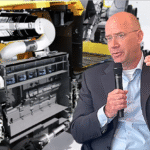
This aligns perfectly with what Siemens' PLM Chief, Joe Bohman (pictured), stated in Detroit during 2026 Realize LIVE:
”By seamlessly weaving together PLM, CAD, CAM, CAE—such as the new Simcenter—and Opcenter, Teamcenter delivers an unbroken digital thread that stretches from the very first design requirement all the way to shop-floor manufacturing and IoT monitoring. This unified ecosystem allows Siemens' customers to sprint to market, leaving competitors with fragmented systems trailing far behind.”
On the downside, Gartner points out that the sheer breadth of Siemens' sprawling portfolio can make it tricky for clients to fully grasp the total cost of ownership when migrating to SaaS and cloud subscriptions.
Meanwhile, PTC Windchill secures its spot as the overall runner-up in the Leaders Quadrant. Gartner highlights its razor-sharp support for industries dealing with complex products that demand tight integration between mechanical and software development solutions. The analyst firm also praises PTC's laser focus on core PLM strengths, alongside its practical, real-world AI capabilities designed for part reuse and product change impact analysis—tools that actively smoothen daily engineering workflows. On the negative side, customers note that the AI-driven modernization of the Windchill platform is moving at a sluggish pace.
Click on the headline to read the full report on PLM&ERP News.
Today’s PLM landscape is undergoing a radical evolution, shifting from passive databases to active, actionable, and intelligent platforms that orchestrate entire product realization chains. As a result, market players are rethinking the role of PLM in a production world where the digital thread, lifecycle intelligence, and AI are rapidly gaining ground. But who truly masters the art?
Following a multi-year hiatus, analyst firm Gartner has published a fresh PLM evaluation tailored to manufacturing: the 2026 Gartner Magic Quadrant for PLM Software in Discrete Manufacturing Industries. This report weaves in the latest industry trends, revealing that, unsurprisingly, the companies best equipped to meet them are The Big Three—Siemens, PTC, and Dassault Systèmes—which all claim their spots in the coveted Leaders Quadrant, as does Aras PLM.
From a visionary perspective, Siemens' PLM platform, Teamcenter, emerges as the clear frontrunner, while holding its ground strong as number two in "ability to execute." In the execution category, PTC’s Windchill clinches the top rank, though its visionary placement lands it fourth within the Leaders Quadrant. Dassault is also in the vanguard with a prominent second-place finish for vision, but ranks fourth in execution.
When weighing execution against vision, the overall picture cements a commanding lead for Siemens Teamcenter. The platform boasts the sharpest vision and ranks second highest for its ability to bring those visions to life. The analyst specifically praises its high level of integration, AI-assisted productivity, and underscores its powerful simulation and analytics capabilities—particularly within its enhanced digital twin environment.
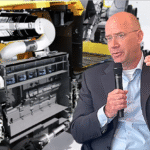
This aligns perfectly with what Siemens' PLM Chief, Joe Bohman (pictured), stated in Detroit during 2026 Realize LIVE:
”By seamlessly weaving together PLM, CAD, CAM, CAE—such as the new Simcenter—and Opcenter, Teamcenter delivers an unbroken digital thread that stretches from the very first design requirement all the way to shop-floor manufacturing and IoT monitoring. This unified ecosystem allows Siemens' customers to sprint to market, leaving competitors with fragmented systems trailing far behind.”
On the downside, Gartner points out that the sheer breadth of Siemens' sprawling portfolio can make it tricky for clients to fully grasp the total cost of ownership when migrating to SaaS and cloud subscriptions.
Meanwhile, PTC Windchill secures its spot as the overall runner-up in the Leaders Quadrant. Gartner highlights its razor-sharp support for industries dealing with complex products that demand tight integration between mechanical and software development solutions. The analyst firm also praises PTC's laser focus on core PLM strengths, alongside its practical, real-world AI capabilities designed for part reuse and product change impact analysis—tools that actively smoothen daily engineering workflows. On the negative side, customers note that the AI-driven modernization of the Windchill platform is moving at a sluggish pace.
Click on the headline to read the full report on PLM&ERP News.
Siemens Teamcenter på topp i analytikern Gartners Magiska Kvadrant för PLM inom tillverkning
…men konkurrensen från PTC Windchill är tuff.
Dagens PLM-utveckling präglas av en förflyttning från passiva databaser till aktiva, handlingsbara, och intelligenta plattformar som orkestrerar hela produktframtagnings-kedjor, inkluderat både produktutveckling och tillverkning. Det innebär bl a att marknadens tunga aktörer omprövar PLMs roll i denna produktionsvärld där den digitala tråden, livscykelintelligens och AI vinner alltmer mark. Men vilka spelare lyckas bäst på att hänga med in i framtiden?
Analytikern Gartner har efter några års paus publicerat en utvärdering inom PLM relterat till tillverkning, ”2026 Gartner Magic Quadrant for PLM Software in Discrete Manufacturing Industries.” I denna har analytikern vävt in de nya trenderna och det visar sig att de som bäst lyckas möta dem och de digitala behov de för med sig är De Tre Stora: Siemens, PTC och Dassault Systemes som håller sina positioner som marknadens dominanter i ledarkvadranten, men även Aras PLM har fått en plats.
I det visionära perspektivet är Siemens Digital Industries Software’s plattform Teamcenter den tydliga ledaren och den står sig bra även sett till förmågan att exekutera, där man positioneras som tvåa. Här rankas istället PTC Windchill högst, medan lösningen visionärt placeras som fyra i ledarkvadranten. Även Dassault Systemes finns med bland ledarna med en framskjuten placering ifråga om vision, tvåa, men å andra sidan placeras man bara som fyra när det gäller att exekutera.
Väger man samman förmåga att exekutera och det visionära landar bilden i en ledande position för Siemens Digital Industries Software, vilket är det formella namnet på PLM-divisionen. Med Teamcenter har man den bästa visionen och placeras näst högst gällande exekutiv kapacitet, eller förmågan att exekvera visionerna. Analytikern berömmer vidare specifikt den höga nivån av integration, den AI-assisterade produktiviteten–särskilt när det gäller lösningar för elektronik och mjukvarudefinierade produkter–och Gartner pekar även ut styrkan i simulerings- och analys-kapabiliteterna; inte minst relaterat till den digitala tvilling-miljön. Det hela stämmer väl överens med vad Siemens PLM-chef sa i Detroit under årets Realize LIVE:
”Genom att binda samman PLM, CAD, CAM, CAE–som nya Simcenter–och Opcenter, erbjuder Teamcenter en sömlös digital tråd, från första kravspecifikationen till tillverkning och IoT-uppföljning. Detta gör att Siemens kunder kan nå marknaden mycket snabbare än konkurrenter med splittrade system.”
Bland det som var mindre bra pekar Gartner på att den omfattande bredden i Siemens totala utbud av lösningar kan leda till vissa svårigheter att fullt ut greppa helhetskostnaderna för kunder som migrerar till de nya kapabla SaaS- och prenumerationsmodellerna.
För den mellan exekution och vision sammanvägda tvåan i ledarkvadranten, PTC Windchill, menar Gartner att plattformen ger vasst stöd för industrier som jobbar med komplexa produkter som kräver bra kopplingar mellan mekanik- och mjukvaruutvecklings-lösningar. Analytikern berömmer också PTCs fokus på kärn-PLM-styrkorna och praktiskt orienterade tillförda AI-kapaciteter kopplat till återvinning av delar och effekter av produktförändringar, som man menar ”förbättrar de dagliga flödena i ingenjörsarbetet.” Negativt på kundsidan är synpunkter på att innovations-arbetet och moderniseringen av Windchill-plattformen med AI går långsamt.
Klicka på rubriken för att läsa mer på PLM&ERP News.
Dagens PLM-utveckling präglas av en förflyttning från passiva databaser till aktiva, handlingsbara, och intelligenta plattformar som orkestrerar hela produktframtagnings-kedjor, inkluderat både produktutveckling och tillverkning. Det innebär bl a att marknadens tunga aktörer omprövar PLMs roll i denna produktionsvärld där den digitala tråden, livscykelintelligens och AI vinner alltmer mark. Men vilka spelare lyckas bäst på att hänga med in i framtiden?
Analytikern Gartner har efter några års paus publicerat en utvärdering inom PLM relterat till tillverkning, ”2026 Gartner Magic Quadrant for PLM Software in Discrete Manufacturing Industries.” I denna har analytikern vävt in de nya trenderna och det visar sig att de som bäst lyckas möta dem och de digitala behov de för med sig är De Tre Stora: Siemens, PTC och Dassault Systemes som håller sina positioner som marknadens dominanter i ledarkvadranten, men även Aras PLM har fått en plats.
I det visionära perspektivet är Siemens Digital Industries Software’s plattform Teamcenter den tydliga ledaren och den står sig bra även sett till förmågan att exekutera, där man positioneras som tvåa. Här rankas istället PTC Windchill högst, medan lösningen visionärt placeras som fyra i ledarkvadranten. Även Dassault Systemes finns med bland ledarna med en framskjuten placering ifråga om vision, tvåa, men å andra sidan placeras man bara som fyra när det gäller att exekutera.
Väger man samman förmåga att exekutera och det visionära landar bilden i en ledande position för Siemens Digital Industries Software, vilket är det formella namnet på PLM-divisionen. Med Teamcenter har man den bästa visionen och placeras näst högst gällande exekutiv kapacitet, eller förmågan att exekvera visionerna. Analytikern berömmer vidare specifikt den höga nivån av integration, den AI-assisterade produktiviteten–särskilt när det gäller lösningar för elektronik och mjukvarudefinierade produkter–och Gartner pekar även ut styrkan i simulerings- och analys-kapabiliteterna; inte minst relaterat till den digitala tvilling-miljön. Det hela stämmer väl överens med vad Siemens PLM-chef sa i Detroit under årets Realize LIVE:
”Genom att binda samman PLM, CAD, CAM, CAE–som nya Simcenter–och Opcenter, erbjuder Teamcenter en sömlös digital tråd, från första kravspecifikationen till tillverkning och IoT-uppföljning. Detta gör att Siemens kunder kan nå marknaden mycket snabbare än konkurrenter med splittrade system.”
Bland det som var mindre bra pekar Gartner på att den omfattande bredden i Siemens totala utbud av lösningar kan leda till vissa svårigheter att fullt ut greppa helhetskostnaderna för kunder som migrerar till de nya kapabla SaaS- och prenumerationsmodellerna.
För den mellan exekution och vision sammanvägda tvåan i ledarkvadranten, PTC Windchill, menar Gartner att plattformen ger vasst stöd för industrier som jobbar med komplexa produkter som kräver bra kopplingar mellan mekanik- och mjukvaruutvecklings-lösningar. Analytikern berömmer också PTCs fokus på kärn-PLM-styrkorna och praktiskt orienterade tillförda AI-kapaciteter kopplat till återvinning av delar och effekter av produktförändringar, som man menar ”förbättrar de dagliga flödena i ingenjörsarbetet.” Negativt på kundsidan är synpunkter på att innovations-arbetet och moderniseringen av Windchill-plattformen med AI går långsamt.
Klicka på rubriken för att läsa mer på PLM&ERP News.
From Green Ambitions to Smart Material Intelligence: Driving Sustainability in Design with ANSYS Granta
ANSYS’ Anne-Laure Chabrillat explores the solutions reshaping how manufacturers make sustainable design decisions.
Up to 80 percent of a product's environmental footprint is locked in before manufacturing even begins. Yet, many manufacturing companies struggle to translate ambitious climate targets into daily engineering workflows. The antidote? Material intelligence. Recently, tools like Ansys Granta MI have been embedded directly into the R&D process, empowering engineers with real-time visibility into carbon footprints and compliance mandates—right on their screens.
Today, many industrial manufacturers boast aggressive corporate climate goals. Far fewer possess the framework to embed them into daily design practices. At the recent PDSFORUM in Gothenburg, simulation and analysis expert Ansys showcased its Granta platform, featuring tools specifically engineered to bridge this gap. Traditionally, when an engineer selects a material at the drawing board, they lack concrete data on how that choice impacts the product's carbon footprint, lifecycle cost, and compliance with upcoming regulations.
The synergy between PTC and Ansys Granta relies on deep integration, enabling engineers to make sustainable, precise material choices directly within the design and lifecycle management process. At the heart of this partnership is the Ansys Granta MI platform, which integrates natively into the PTC ecosystem via its built-in Materials Gateway. Crucially, this creates seamless workflows across CAD and PLM environments—embedding Ansys Granta MI directly into PTC Creo (CAD) and PTC Windchill (PLM) to allow designers to search, select, and assign material properties without ever leaving their primary design environment.
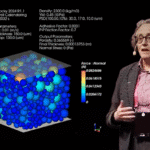
Speaking from the World of Volvo stage in Gothenburg during the PDSVISION Forum, Anne-Laure Chabrillat (pictured), product specialist at Ansys Granta, emphasized that the platform’s ultimate value lies in serving as a single source of truth for materials data. The platform empowers engineers to eliminate the guesswork, errors, and fragmented information that have historically plagued the material selection process. By injecting precise, quality-assured material data straight into the product development lifecycle, the system ensures that virtual simulations mirror real-world physical performance flawlessly. Chabrillat, alongside her Ansys colleague and application engineer Mickaël Capelli, further detailed how this advanced material intelligence is reshaping design decisions for manufacturing companies. As a prime example, they highlighted a European electrical infrastructure manufacturer that slashed its compliance reporting times from weeks down to mere seconds.
Click the headline to read Nicholas Christiansen’s Ansys Granta report on PLM&ERP News.
Up to 80 percent of a product's environmental footprint is locked in before manufacturing even begins. Yet, many manufacturing companies struggle to translate ambitious climate targets into daily engineering workflows. The antidote? Material intelligence. Recently, tools like Ansys Granta MI have been embedded directly into the R&D process, empowering engineers with real-time visibility into carbon footprints and compliance mandates—right on their screens.
Today, many industrial manufacturers boast aggressive corporate climate goals. Far fewer possess the framework to embed them into daily design practices. At the recent PDSFORUM in Gothenburg, simulation and analysis expert Ansys showcased its Granta platform, featuring tools specifically engineered to bridge this gap. Traditionally, when an engineer selects a material at the drawing board, they lack concrete data on how that choice impacts the product's carbon footprint, lifecycle cost, and compliance with upcoming regulations.
The synergy between PTC and Ansys Granta relies on deep integration, enabling engineers to make sustainable, precise material choices directly within the design and lifecycle management process. At the heart of this partnership is the Ansys Granta MI platform, which integrates natively into the PTC ecosystem via its built-in Materials Gateway. Crucially, this creates seamless workflows across CAD and PLM environments—embedding Ansys Granta MI directly into PTC Creo (CAD) and PTC Windchill (PLM) to allow designers to search, select, and assign material properties without ever leaving their primary design environment.
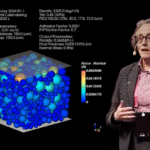
Speaking from the World of Volvo stage in Gothenburg during the PDSVISION Forum, Anne-Laure Chabrillat (pictured), product specialist at Ansys Granta, emphasized that the platform’s ultimate value lies in serving as a single source of truth for materials data. The platform empowers engineers to eliminate the guesswork, errors, and fragmented information that have historically plagued the material selection process. By injecting precise, quality-assured material data straight into the product development lifecycle, the system ensures that virtual simulations mirror real-world physical performance flawlessly. Chabrillat, alongside her Ansys colleague and application engineer Mickaël Capelli, further detailed how this advanced material intelligence is reshaping design decisions for manufacturing companies. As a prime example, they highlighted a European electrical infrastructure manufacturer that slashed its compliance reporting times from weeks down to mere seconds.
Click the headline to read Nicholas Christiansen’s Ansys Granta report on PLM&ERP News.
Från GRÖNA AMBITIONER till SMART MATERIALINTELLIGENS för hållbarhet i designarbetet
ANSYS’ Anne-Laure Chabrillat om lösningar som förändrar sättet som tillverkande företag fattar hållbara designbeslut på.
Upp till 80 procent av en produkts totala miljöpåverkan avgörs innan den ens har tillverkats. Ändå kämpar många tillverkande företag med att översätta ambitiösa klimatmål till det dagliga konstruktionsarbetet. Lösningen stavas materialintelligens – och på senare tid har verktyg som Ansys Granta MI integrerats direkt i utvecklingsprocessen för att ge ingenjörer full koll på koldioxidavtryck och lagkrav, direkt på skärmen.
Många tillverkande företag har idag högt satta och ambitiösa klimatmål. Färre har en metod för att föra in dem i det dagliga konstruktionsarbetet. På PDSFORUM i Göteborg för en tid sedan presenterade simulerings- och analysspecialisten Ansys sin Granta-plattform, som har verktyg som överbryggar bl a detta gap. När en ingenjör väljer material på ritbordet saknas ofta data om vad valet faktiskt innebär för produktens koldioxidavtryck, livscykel-kostnad och möjlighet att möta kommande lagkrav.
Sambandet mellan PTC och Ansys Granta bygger på en djup integration som gör det möjligt för ingenjörer att göra hållbara och exakta materialval direkt i design- och livscykelprocessen. Nyckeln i samarbetet är plattformen Ansys Granta MI, som fungerar direktintegrerat i PTCs ekosystem via den inbyggda Materials Gateway. De viktigaste kopplingarna i detta är de sömlösa kopplingarna i CAD och PLM där Ansys Granta MI integreras direkt med PTC Creo (CAD) och PTC Windchill (PLM), vilket gör att konstruktörer kan söka, välja och tilldela materialegenskaper utan att lämna sin designmiljö.
Under PDSVISION Forum konstaterade också Ansys Grantas produktspecialist, Anne-Laure Chabrillat (bilden), från World of Volvo-scenen i Göteborg, att plattformens avgörande fördel är dess roll som en absolut sanningskälla för materialintelligens. Plattformen ger ingenjörer kraften att eliminera de gissningar, misstag och den fragmenterade data som traditionellt sett har präglat materialvalsprocessen. Genom att integrera precisa och kvalitetssäkrade materialdata direkt i produktens utvecklingscykel, garanterar systemet att den virtuella simuleringen av en design blir en perfekt spegelbild av dess faktiska, fysiska prestanda i den verkliga världen.
Anne-Laure Chabrillat och ANSYS-kollegan, applikationsingenjören Mickaël Capelli, berättade vidare om hur den materialintelligens man nu utvecklat förändrar sättet tillverkande företag fattar designbeslut och hur ett europeiskt tillverkningsföretag inom elektrisk infrastruktur gått från veckor till sekunder i sin regelefterlevnads-rapportering.
Klicka på rubriken för att läsa hela Nicholas Christiansens rapport om Ansys Granta på PLM&ERP News.
Upp till 80 procent av en produkts totala miljöpåverkan avgörs innan den ens har tillverkats. Ändå kämpar många tillverkande företag med att översätta ambitiösa klimatmål till det dagliga konstruktionsarbetet. Lösningen stavas materialintelligens – och på senare tid har verktyg som Ansys Granta MI integrerats direkt i utvecklingsprocessen för att ge ingenjörer full koll på koldioxidavtryck och lagkrav, direkt på skärmen.
Många tillverkande företag har idag högt satta och ambitiösa klimatmål. Färre har en metod för att föra in dem i det dagliga konstruktionsarbetet. På PDSFORUM i Göteborg för en tid sedan presenterade simulerings- och analysspecialisten Ansys sin Granta-plattform, som har verktyg som överbryggar bl a detta gap. När en ingenjör väljer material på ritbordet saknas ofta data om vad valet faktiskt innebär för produktens koldioxidavtryck, livscykel-kostnad och möjlighet att möta kommande lagkrav.
Sambandet mellan PTC och Ansys Granta bygger på en djup integration som gör det möjligt för ingenjörer att göra hållbara och exakta materialval direkt i design- och livscykelprocessen. Nyckeln i samarbetet är plattformen Ansys Granta MI, som fungerar direktintegrerat i PTCs ekosystem via den inbyggda Materials Gateway. De viktigaste kopplingarna i detta är de sömlösa kopplingarna i CAD och PLM där Ansys Granta MI integreras direkt med PTC Creo (CAD) och PTC Windchill (PLM), vilket gör att konstruktörer kan söka, välja och tilldela materialegenskaper utan att lämna sin designmiljö.
Under PDSVISION Forum konstaterade också Ansys Grantas produktspecialist, Anne-Laure Chabrillat (bilden), från World of Volvo-scenen i Göteborg, att plattformens avgörande fördel är dess roll som en absolut sanningskälla för materialintelligens. Plattformen ger ingenjörer kraften att eliminera de gissningar, misstag och den fragmenterade data som traditionellt sett har präglat materialvalsprocessen. Genom att integrera precisa och kvalitetssäkrade materialdata direkt i produktens utvecklingscykel, garanterar systemet att den virtuella simuleringen av en design blir en perfekt spegelbild av dess faktiska, fysiska prestanda i den verkliga världen.
Anne-Laure Chabrillat och ANSYS-kollegan, applikationsingenjören Mickaël Capelli, berättade vidare om hur den materialintelligens man nu utvecklat förändrar sättet tillverkande företag fattar designbeslut och hur ett europeiskt tillverkningsföretag inom elektrisk infrastruktur gått från veckor till sekunder i sin regelefterlevnads-rapportering.
Klicka på rubriken för att läsa hela Nicholas Christiansens rapport om Ansys Granta på PLM&ERP News.

Why SAP Chief Christian Klein Thinks the AI Race is Misguided
SAP CEO Christian Klein is today's guest columnist for PLM&ERP News.
Is the AI revolution losing touch with operational reality by obsessing over chatbots instead of tackling complex business processes?
To deliver genuine value, AI must be deeply integrated with core data and operations, rather than merely serving up isolated, conversational responses. This is the core message from Christian Klein, CEO of the world-leading enterprise software developer SAP, in his recent guest column for PLM&ERP News.
Today, artificial intelligence threatens to become a superficial race for interface dominance. Klein observes that every week brings fresh headlines about smarter copilots, AI agents, and new orchestration layers designed to automate work across the enterprise. While technical progress is undeniable, a vast portion of the market fails to design solutions that actually align with how businesses operate on the ground.
That distinction is far more important than many realize: Enterprises do not run on prompts; they run on execution.
Klein illustrates this with clear, operational realities:
• Global Supply Chains: When a manufacturer must re-route supplies due to disruption, they need more than an isolated answer. AI must simultaneously evaluate supplier alternatives, inventory availability, customer commitments, and financial trade-offs.
• Financial Forecasting: A CFO looking to forecast cash flow risks in a volatile market requires a depth of context that a basic chatbot interaction simply cannot provide.
Ultimately, interconnected operational decisions shaped by dependencies, preferences, approvals, financial consequences, and compromises create ripple effects in real-time across the entire organization. Klein aghain: "In countless conversations with executives over the past year discussions inevitably pivot from AI’s theoretical capabilities to its actual, practical application. While the underlying models are improving at a breakneck pace, the critical question remains: Does AI truly understand the complex business environments in which it operates?”
”Too often, the current AI narrative assumes that better models automatically translate into better business outcomes. They don’t. Enterprises are discovering that intelligence disconnected from operational context—the processes, data, rules, and policies that govern and protect the organization—can generate activity without driving real progress. In some cases, it can even introduce greater fragmentation and risk,” writes Klein.
Click on the headline to read Christian Klein's full guest Column on PLM&ERP News.
Is the AI revolution losing touch with operational reality by obsessing over chatbots instead of tackling complex business processes?
To deliver genuine value, AI must be deeply integrated with core data and operations, rather than merely serving up isolated, conversational responses. This is the core message from Christian Klein, CEO of the world-leading enterprise software developer SAP, in his recent guest column for PLM&ERP News.
Today, artificial intelligence threatens to become a superficial race for interface dominance. Klein observes that every week brings fresh headlines about smarter copilots, AI agents, and new orchestration layers designed to automate work across the enterprise. While technical progress is undeniable, a vast portion of the market fails to design solutions that actually align with how businesses operate on the ground.
That distinction is far more important than many realize: Enterprises do not run on prompts; they run on execution.
Klein illustrates this with clear, operational realities:
• Global Supply Chains: When a manufacturer must re-route supplies due to disruption, they need more than an isolated answer. AI must simultaneously evaluate supplier alternatives, inventory availability, customer commitments, and financial trade-offs.
• Financial Forecasting: A CFO looking to forecast cash flow risks in a volatile market requires a depth of context that a basic chatbot interaction simply cannot provide.
Ultimately, interconnected operational decisions shaped by dependencies, preferences, approvals, financial consequences, and compromises create ripple effects in real-time across the entire organization. Klein aghain: "In countless conversations with executives over the past year discussions inevitably pivot from AI’s theoretical capabilities to its actual, practical application. While the underlying models are improving at a breakneck pace, the critical question remains: Does AI truly understand the complex business environments in which it operates?”
”Too often, the current AI narrative assumes that better models automatically translate into better business outcomes. They don’t. Enterprises are discovering that intelligence disconnected from operational context—the processes, data, rules, and policies that govern and protect the organization—can generate activity without driving real progress. In some cases, it can even introduce greater fragmentation and risk,” writes Klein.
Click on the headline to read Christian Klein's full guest Column on PLM&ERP News.


SAP-chefen Christian Klein ryter ifrån i dagens gästkrönika på PLM&ERP News: ”AI-kapplöpningen är felriktad”
Missar AI-utvecklingen företagens operativa verklighet genom att fokusera för mycket på chattbotar och för lite på komplexa affärsprocesser? För att skapa verkligt värde måste AI integreras med data och processer, snarare än att bara leverera isolerade svar, menar världsledande affärssystem-utvecklaren SAPs chef, Christian Klein, i dagens gästkrönika på PLM&ERP News.
AI tenderar idag att bli en tävling om gränssnitt, konstaterar han och pekar på en fond präglad av att ”det varje vecka kommer nya rapporter om smartare AI-assistenter, agenter och nya lösningar som ska automatisera arbete i hela verksamheten. Framstegen är odiskutabla. Men en stor del av marknaden missar att utforma sina lösningar efter hur företag faktiskt arbetar.”
Den skillnaden är viktigare än många inser, anser SAP-basen. ”Företag drivs inte av promptar, utan av att få saker att hända på riktigt,” skriver han och exemplifierar: ”En global tillverkare som ska lägga om lagerflödet under en störning i leveranskedjan behöver mer än bara ett enkelt svar. Här måste AI agera mycket mer komplext och utvärdera leverantörsalternativ, lagertillgång, kundåtaganden och finansiella avvägningar. En CFO som vill prognostisera likviditetsrisken i en volatil marknad behöver ett sammanhang som en enkel chattbotsinteraktion inte kan ge. Det handlar om sammanlänkade operativa beslut formade av beroenden, preferenser, godkännanden, finansiella konsekvenser och kompromisser som skapar ringar på vattnet i realtid genom hela verksamheten.”
Hela hanteringen landar i en komplex operativ verklighet. ”I otaliga samtal jag haft med chefer under det senaste året glider diskussionen förr eller senare från AI förmåga till operativ verklighet. Modellerna blir snabbt bättre. Den svårare frågan är om AI verkligen förstår de affärsmiljöer den verkar i,” skriver Klein och tillägger:
”I dag utgår alltför mycket av AI-samtalet från att bättre modeller automatiskt leder till bättre affärsutfall. Det gör de inte. Företag upptäcker att intelligens som är frånkopplad från det operativa sammanhanget, processerna, data, reglerna och policys som styr och skyddar organisationen, kan skapa aktivitet utan att driva verkliga framsteg. I vissa fall kan det till och med skapa mer fragmentering och risk.”
Klicka på rubriken för att läsa hela Christian Kleins gästkrönika på PLM&ERP News.
AI tenderar idag att bli en tävling om gränssnitt, konstaterar han och pekar på en fond präglad av att ”det varje vecka kommer nya rapporter om smartare AI-assistenter, agenter och nya lösningar som ska automatisera arbete i hela verksamheten. Framstegen är odiskutabla. Men en stor del av marknaden missar att utforma sina lösningar efter hur företag faktiskt arbetar.”
Den skillnaden är viktigare än många inser, anser SAP-basen. ”Företag drivs inte av promptar, utan av att få saker att hända på riktigt,” skriver han och exemplifierar: ”En global tillverkare som ska lägga om lagerflödet under en störning i leveranskedjan behöver mer än bara ett enkelt svar. Här måste AI agera mycket mer komplext och utvärdera leverantörsalternativ, lagertillgång, kundåtaganden och finansiella avvägningar. En CFO som vill prognostisera likviditetsrisken i en volatil marknad behöver ett sammanhang som en enkel chattbotsinteraktion inte kan ge. Det handlar om sammanlänkade operativa beslut formade av beroenden, preferenser, godkännanden, finansiella konsekvenser och kompromisser som skapar ringar på vattnet i realtid genom hela verksamheten.”
Hela hanteringen landar i en komplex operativ verklighet. ”I otaliga samtal jag haft med chefer under det senaste året glider diskussionen förr eller senare från AI förmåga till operativ verklighet. Modellerna blir snabbt bättre. Den svårare frågan är om AI verkligen förstår de affärsmiljöer den verkar i,” skriver Klein och tillägger:
”I dag utgår alltför mycket av AI-samtalet från att bättre modeller automatiskt leder till bättre affärsutfall. Det gör de inte. Företag upptäcker att intelligens som är frånkopplad från det operativa sammanhanget, processerna, data, reglerna och policys som styr och skyddar organisationen, kan skapa aktivitet utan att driva verkliga framsteg. I vissa fall kan det till och med skapa mer fragmentering och risk.”
Klicka på rubriken för att läsa hela Christian Kleins gästkrönika på PLM&ERP News.
Digitally Explosive: How Siemens Intelligence Center X is Forging the Future of Product Realization
Tony HEMMELGARN, Siemens’ PLM Boss: ”Moving from experimentation to industrial AI orchestration and scaling.”
Siemens Digital Industries Software is rapidly cementing its position as the market leader in industrial AI. Arguably, no other competitor has moved as fast in pioneering the convergence of AI, connected PLM, and smart manufacturing solutions.
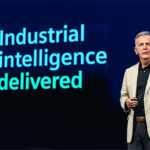
When Tony Hemmelgarn, CEO of Siemens Digital Industries Software, took the stage at the company’s flagship event, Realize LIVE 2026 in Detroit, the energy among the 3,000 attendees was palpable. His keynote on 'Industrial Intelligence' delivered a powerful message: his team is currently deploying disruptive digital solutions that could redefine both product realization and further extend Siemens' market lead.
But how does Siemens define Industrial Intelligence? It is the intersection of the comprehensive digital twin, lifecycle intelligence, and adaptive execution. Translating this ecosystem into actionable enterprise solutions will be a game-changer, Hemmelgarn noted:
"The future of technology and manufacturing belongs to companies that learn, predict, and optimize products before they are ever built—leveraging physics, AI, and real-world data."
While the vision is grand, Siemens backs it up with substance rather than mere corporate rhetoric. The concrete proof of this ambition is the newly unveiled Intelligence Center X. Hemmelgarn’s introduction of the platform in Detroit clearly struck a chord with the audience.
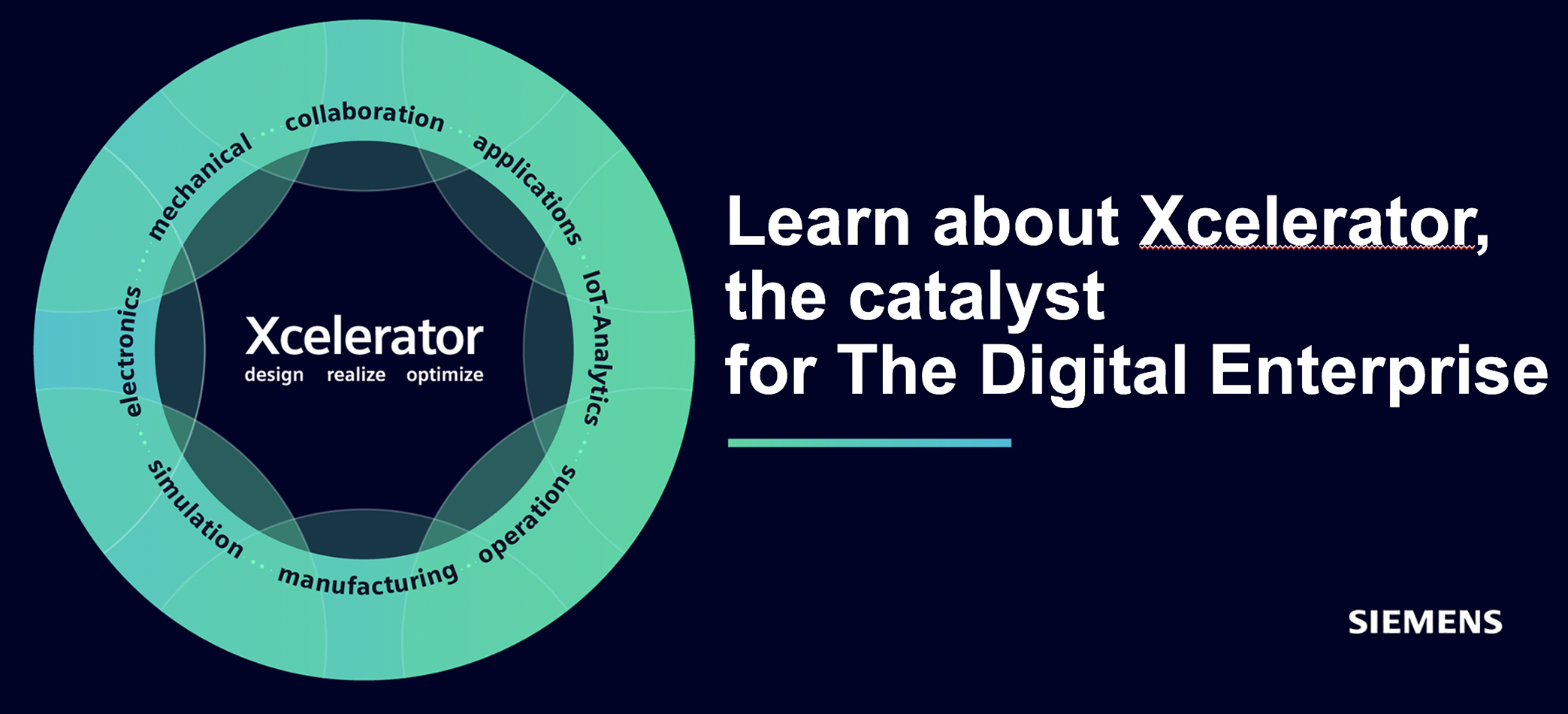
"It's a new software for industrial AI orchestration, helping organizations move from isolated experiments to scalable business impact," says Siemens PLM boss. ”As part of Siemens Xcelerator, the platform combines Mendix—the low-code engine—with Graph Studio and AI Studio from the RapidMiner portfolio. This allows humans and AI agents to collaborate seamlessly within a hybrid workforce, featuring shared context, coordinated workflows, and complete traceability.”
This system also proves that last year's $10.6 billion acquisition of Altair Engineering is already paying dividends. Siemens’ digital edge is increasingly defined by Altair’s HPC, simulation, and analysis capabilities, combined with the power of the NVIDIA partnership. All of this innovation is directed by Tony Hemmelgarn, who has emerged as a leading visionary in the PLM industry.
To read the full report on Hemmelgarn—and to see what Zandra Nilsson, Siemens' Nordic manager, has to say about the platform—click here to read the full article on PLM&ERP News.
Siemens Digital Industries Software is rapidly cementing its position as the market leader in industrial AI. Arguably, no other competitor has moved as fast in pioneering the convergence of AI, connected PLM, and smart manufacturing solutions.
When Tony Hemmelgarn, CEO of Siemens Digital Industries Software, took the stage at the company’s flagship event, Realize LIVE 2026 in Detroit, the energy among the 3,000 attendees was palpable. His keynote on 'Industrial Intelligence' delivered a powerful message: his team is currently deploying disruptive digital solutions that could redefine both product realization and further extend Siemens' market lead.
But how does Siemens define Industrial Intelligence? It is the intersection of the comprehensive digital twin, lifecycle intelligence, and adaptive execution. Translating this ecosystem into actionable enterprise solutions will be a game-changer, Hemmelgarn noted:
"The future of technology and manufacturing belongs to companies that learn, predict, and optimize products before they are ever built—leveraging physics, AI, and real-world data."
While the vision is grand, Siemens backs it up with substance rather than mere corporate rhetoric. The concrete proof of this ambition is the newly unveiled Intelligence Center X. Hemmelgarn’s introduction of the platform in Detroit clearly struck a chord with the audience.
"It's a new software for industrial AI orchestration, helping organizations move from isolated experiments to scalable business impact," says Siemens PLM boss. ”As part of Siemens Xcelerator, the platform combines Mendix—the low-code engine—with Graph Studio and AI Studio from the RapidMiner portfolio. This allows humans and AI agents to collaborate seamlessly within a hybrid workforce, featuring shared context, coordinated workflows, and complete traceability.”
This system also proves that last year's $10.6 billion acquisition of Altair Engineering is already paying dividends. Siemens’ digital edge is increasingly defined by Altair’s HPC, simulation, and analysis capabilities, combined with the power of the NVIDIA partnership. All of this innovation is directed by Tony Hemmelgarn, who has emerged as a leading visionary in the PLM industry.
To read the full report on Hemmelgarn—and to see what Zandra Nilsson, Siemens' Nordic manager, has to say about the platform—click here to read the full article on PLM&ERP News.
Digital sprängkraft: Så stöper Siemens nya (AI) Intelligence Center X om framtidens produktframtagning
TONY HEMMELGARN, Siemens PLM-bas: ”Från experiment till industriell AI-orkestrering och skalning.”
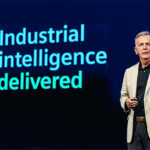
Siemens Digital Industries Software framstår allt tydligare som den ledande aktören inom industriell AI och PLM relaterat till produktframtagning; alltså inkluderande både produktutveckling och tillverkning. Inget bolag har kommit längre i utvecklingen av AI, sammankopplad PLM, och lösningar för smart tillverkning. Och när PLM-divisionens ledare, Tony Hemmelgarn, i veckan intog scenen under bolagets flaggskepps-event, Realize LIVE 2026 i amerikanska Detroit, var det väl få av de drygt 3000 deltagarna i Siemens communityn på plats, som tvivlade på detta sakernas tillstånd.
Det han hade att säga om årets centrala eventtema, Industriell Intelligens, var inga småsaker. Det hans team just nu utvecklar är digitalt sprängstoff som på ett dramatiskt vis kommer att stöpa om inte bara sättet man arbetar med produktframtagning inom tillverkningsindustri och liknande, utan också de kommersiella möjligheterna att utöka det försprång man tillskansat sig de senaste åren.
Men vad definierar Industriell Intelligens? I Siemens tappning är det konvergensen av den omfattande digitala tvillingen, livscykelintelligens och adaptiv exekvering. Denna integrerade ”kunskapskropp” och dess omsättning i praktiskt tillämpbara lösningar som detta banar väg för kommer att göra en enorm skillnad, menade Hemmelgarn:
”Framtiden för teknik och tillverkning handlar om företag som lär sig, förutspår och optimerar något innan det byggs, baserat på fysik, AI och verkliga data.”
Det låter ståtligt, men handlar i Siemens regi långt ifrån bara om vackra formuleringar och snygga powerpoints. Konkretion är en huvudpoäng och det tydligaste uttrycket för dessa ambitioner är nya Intelligence Center X. Hemmelgarn introducerade konceptet i Detroit och entusiasmen var påtaglig.
”Det är en ny mjukvara för industriell AI-orkestrering, som hjälper organisationer att gå från isolerade experiment till skalbar affärspåverkan. Som en del av Siemens Xcelerator kombinerar den Mendix––lågkodsplattformen–med Graph Studio och AI Studio från Rapidminer-portföljen, så att människor och AI-agenter kan arbeta tillsammans som en hybrid arbetsstyrka med delat sammanhang, koordinerade arbetsflöden och fullständig spårbarhet,” sa Siemens PLM-bas.
En spännande koppling i detta är att AI och värden deriverade ur Rapidminer-plattformen i sammanhanget ytterligare bevisar hur det spektakulära fjolårsköpet av Altair Engineering, över 10 miljarder dollar kostade kalaset, redan börjat betala sig. Sett till den digitala spets Siemens fått i sin industriella AI-utveckling har få komponenter betytt, och kommer att betyda, lika mycket som Altairs AI-, HPC-, simulerings- & analys-kapabiliteter och det som NVIDIA-partnerskapet tillfört, vid sidan av det Siemens redan hade. Allt i regi av Tony Hemmelgarn, som idag framstår som PLM-branschen nye ledande visionär.
Men det fanns mer: Hemmelgarn beskrev Siemens AI-strategi i tre sammansatta lager. Vad handlade det om?
Klicka på rubriken för att läsa mer på PLM&ERP News om Hemmelgarns diskussion kring Intelligence Center X och om bolagets Norden-chef Zandra Nilssons syn på saken.
Siemens Digital Industries Software framstår allt tydligare som den ledande aktören inom industriell AI och PLM relaterat till produktframtagning; alltså inkluderande både produktutveckling och tillverkning. Inget bolag har kommit längre i utvecklingen av AI, sammankopplad PLM, och lösningar för smart tillverkning. Och när PLM-divisionens ledare, Tony Hemmelgarn, i veckan intog scenen under bolagets flaggskepps-event, Realize LIVE 2026 i amerikanska Detroit, var det väl få av de drygt 3000 deltagarna i Siemens communityn på plats, som tvivlade på detta sakernas tillstånd.
Det han hade att säga om årets centrala eventtema, Industriell Intelligens, var inga småsaker. Det hans team just nu utvecklar är digitalt sprängstoff som på ett dramatiskt vis kommer att stöpa om inte bara sättet man arbetar med produktframtagning inom tillverkningsindustri och liknande, utan också de kommersiella möjligheterna att utöka det försprång man tillskansat sig de senaste åren.
Men vad definierar Industriell Intelligens? I Siemens tappning är det konvergensen av den omfattande digitala tvillingen, livscykelintelligens och adaptiv exekvering. Denna integrerade ”kunskapskropp” och dess omsättning i praktiskt tillämpbara lösningar som detta banar väg för kommer att göra en enorm skillnad, menade Hemmelgarn:
”Framtiden för teknik och tillverkning handlar om företag som lär sig, förutspår och optimerar något innan det byggs, baserat på fysik, AI och verkliga data.”
Det låter ståtligt, men handlar i Siemens regi långt ifrån bara om vackra formuleringar och snygga powerpoints. Konkretion är en huvudpoäng och det tydligaste uttrycket för dessa ambitioner är nya Intelligence Center X. Hemmelgarn introducerade konceptet i Detroit och entusiasmen var påtaglig.
”Det är en ny mjukvara för industriell AI-orkestrering, som hjälper organisationer att gå från isolerade experiment till skalbar affärspåverkan. Som en del av Siemens Xcelerator kombinerar den Mendix––lågkodsplattformen–med Graph Studio och AI Studio från Rapidminer-portföljen, så att människor och AI-agenter kan arbeta tillsammans som en hybrid arbetsstyrka med delat sammanhang, koordinerade arbetsflöden och fullständig spårbarhet,” sa Siemens PLM-bas.
En spännande koppling i detta är att AI och värden deriverade ur Rapidminer-plattformen i sammanhanget ytterligare bevisar hur det spektakulära fjolårsköpet av Altair Engineering, över 10 miljarder dollar kostade kalaset, redan börjat betala sig. Sett till den digitala spets Siemens fått i sin industriella AI-utveckling har få komponenter betytt, och kommer att betyda, lika mycket som Altairs AI-, HPC-, simulerings- & analys-kapabiliteter och det som NVIDIA-partnerskapet tillfört, vid sidan av det Siemens redan hade. Allt i regi av Tony Hemmelgarn, som idag framstår som PLM-branschen nye ledande visionär.
Men det fanns mer: Hemmelgarn beskrev Siemens AI-strategi i tre sammansatta lager. Vad handlade det om?
Klicka på rubriken för att läsa mer på PLM&ERP News om Hemmelgarns diskussion kring Intelligence Center X och om bolagets Norden-chef Zandra Nilssons syn på saken.

GÄSTKRÖNIKA: ”Om affärssystem som stjäl din tid – dags sluta slösa energi på generella...
JENNIFER SHERMAN, Produktchef Unit4: ”För att bryta detta mönster krävs en ny generation av affärssystem. I detta öppnar AI en ny möjlighet för system att verkligen bli lättanvända.”
Skiftet från att arbeta i verksamheten till att arbeta med verksamheten är bara möjligt när systemet har en djup förståelse för organisationens processer. Först då kan det avlasta de dagliga uppgifterna. Det skriver Jennifer Sherman, produktchef på Unit4, som efterlyser affärssystem som faktiskt förstår användarens vardag. Bolaget är främst känt för sina molnbaserade affärssystem (ERP) och programvaror för ekonomi-, HR- och projektstyrning. Systemen används av företag och organisationer – särskilt inom offentlig sektor, tjänstesektorn och ideella organisationer.
Traditionella affärssystem ställer ofta alldeles för höga krav på användaren. De är byggda för en bred massa av ekonomi- eller HR-experter, utan hänsyn till de specifika förutsättningar som faktiskt styr medarbetarens vardag. Resultatet blir generiska, fyrkantiga system som sällan levererar de utlovade effektivitetsvinsterna.
Inom psykologin talar man ibland om "skedteorin" – idén om att vi varje morgon vaknar med ett visst antal skedar energi, och att varje uppgift kostar en sked. I dagens arbetsliv slösas alldeles för många av dessa värdefulla skedar bort på ren systemadministration. Istället för att ladda medarbetarna med kraft, dränerar tekniken dem på den energi som i stället borde ha lagts på strategisk utveckling och innovation.
För att bryta detta mönster krävs en ny generation av affärssystem. System som inte kräver att människan anpassar sig efter maskinen, utan som är intelligenta nog att förstå verksamhetens unika sammanhang och proaktivt stötta medarbetaren. Först när vi slutar slösa energi på att hantera systemen, kan vi börja använda tekniken för att driva verksamheten framåt. I detta har AI en viktig roll, menar Sherman, hur då?
Klicka på rubriken för att läsa hela krönikan på PLM&ERP News.
Skiftet från att arbeta i verksamheten till att arbeta med verksamheten är bara möjligt när systemet har en djup förståelse för organisationens processer. Först då kan det avlasta de dagliga uppgifterna. Det skriver Jennifer Sherman, produktchef på Unit4, som efterlyser affärssystem som faktiskt förstår användarens vardag. Bolaget är främst känt för sina molnbaserade affärssystem (ERP) och programvaror för ekonomi-, HR- och projektstyrning. Systemen används av företag och organisationer – särskilt inom offentlig sektor, tjänstesektorn och ideella organisationer.
Traditionella affärssystem ställer ofta alldeles för höga krav på användaren. De är byggda för en bred massa av ekonomi- eller HR-experter, utan hänsyn till de specifika förutsättningar som faktiskt styr medarbetarens vardag. Resultatet blir generiska, fyrkantiga system som sällan levererar de utlovade effektivitetsvinsterna.
Inom psykologin talar man ibland om "skedteorin" – idén om att vi varje morgon vaknar med ett visst antal skedar energi, och att varje uppgift kostar en sked. I dagens arbetsliv slösas alldeles för många av dessa värdefulla skedar bort på ren systemadministration. Istället för att ladda medarbetarna med kraft, dränerar tekniken dem på den energi som i stället borde ha lagts på strategisk utveckling och innovation.
För att bryta detta mönster krävs en ny generation av affärssystem. System som inte kräver att människan anpassar sig efter maskinen, utan som är intelligenta nog att förstå verksamhetens unika sammanhang och proaktivt stötta medarbetaren. Först när vi slutar slösa energi på att hantera systemen, kan vi börja använda tekniken för att driva verksamheten framåt. I detta har AI en viktig roll, menar Sherman, hur då?
Klicka på rubriken för att läsa hela krönikan på PLM&ERP News.

Handshake Worth Billions: TCS Takes Over SKF’s Global IT and Lays the Foundation for...
"The coming decade of industrial manufacturing will be defined by how deeply companies integrate AI into design, production, and service delivery," notes SKF CEO Rickard Gustafson.
To lead this transformation, SKF has signed a strategic global agreement with IT consultant Tata Consultrancy Services (TCS) to drive the AI transformation of its operations. The deal entails TCS taking over the operation of SKF's global IT infrastructure—encompassing business systems, data security, and connectivity—across 130 countries. The overarching goal is to modernize the technology landscape, standardize workflows, and build a robust AI foundation for the entire group.
This decision is particularly intriguing given SKF's recent, highly active approach to IT. The company has already initiated a massive cloud migration and upgrade of its SAP S/4HANA Cloud system via ’RISE with SAP.´ This effort is designed to unify global operations on a single real-time platform, allowing SKF to integrate embedded AI and machine learning to streamline financial and order-processing workflows.
For TCS, this agreement represents a major milestone. While financial details remain undisclosed, industry analysts estimate the contract to be worth several hundred million dollars. It is a substantial investment, but one that will enable SKF to build a future-proof digital organization.
"The coming decade in industrial manufacturing will be defined by how deeply companies integrate AI into their design, production, and service delivery. SKF intends to lead that transformation,” he says, adding: ”With TCS as our partner, we are not just modernizing our technology; we are also building the operational and AI foundations that will set new standards for precision and customer value in our industry. This is a long-term commitment between two companies that share a clear vision for the future of industrial manufacturing."
TCS CEO K. Krithivasan agrees: "Our partnership will modernize their global IT environment and build a robust, scalable digital foundation for the future. Together, we are using data-driven intelligence and AI to create a nimble organization capable of adapting quickly to technological shifts. This collaboration reflects our shared commitment to making SKF an industry-leading, AI-driven manufacturer."
Behind the scenes, however, SKF's current industrial IT ecosystem remains a fragmented mix. In product development, the company relies primarily on PTC's Creo for CAD design and Windchill for managing e-BOMs (engineering Bills of Materials). Manufacturing operations introduce further variety: Siemens NX handles CAM design and processes, while the Gothenburg facility utilizes Siemens Teamcenter. Meanwhile, SAP serves as the overarching ERP backbone.
Click on the headline to read the full article on PLM&ERP News.
To lead this transformation, SKF has signed a strategic global agreement with IT consultant Tata Consultrancy Services (TCS) to drive the AI transformation of its operations. The deal entails TCS taking over the operation of SKF's global IT infrastructure—encompassing business systems, data security, and connectivity—across 130 countries. The overarching goal is to modernize the technology landscape, standardize workflows, and build a robust AI foundation for the entire group.
This decision is particularly intriguing given SKF's recent, highly active approach to IT. The company has already initiated a massive cloud migration and upgrade of its SAP S/4HANA Cloud system via ’RISE with SAP.´ This effort is designed to unify global operations on a single real-time platform, allowing SKF to integrate embedded AI and machine learning to streamline financial and order-processing workflows.
For TCS, this agreement represents a major milestone. While financial details remain undisclosed, industry analysts estimate the contract to be worth several hundred million dollars. It is a substantial investment, but one that will enable SKF to build a future-proof digital organization.
"The coming decade in industrial manufacturing will be defined by how deeply companies integrate AI into their design, production, and service delivery. SKF intends to lead that transformation,” he says, adding: ”With TCS as our partner, we are not just modernizing our technology; we are also building the operational and AI foundations that will set new standards for precision and customer value in our industry. This is a long-term commitment between two companies that share a clear vision for the future of industrial manufacturing."
TCS CEO K. Krithivasan agrees: "Our partnership will modernize their global IT environment and build a robust, scalable digital foundation for the future. Together, we are using data-driven intelligence and AI to create a nimble organization capable of adapting quickly to technological shifts. This collaboration reflects our shared commitment to making SKF an industry-leading, AI-driven manufacturer."
Behind the scenes, however, SKF's current industrial IT ecosystem remains a fragmented mix. In product development, the company relies primarily on PTC's Creo for CAD design and Windchill for managing e-BOMs (engineering Bills of Materials). Manufacturing operations introduce further variety: Siemens NX handles CAM design and processes, while the Gothenburg facility utilizes Siemens Teamcenter. Meanwhile, SAP serves as the overarching ERP backbone.
Click on the headline to read the full article on PLM&ERP News.