


On the bottom line, it boils down to ADMARES, with Siemens PLM technology and the MES solutions in the latter’s Opcenter software and automation platform, being able to create a cohesive chain where it becomes possible to apply extensive digital twin technology, advanced manufacturing, and automation technology to design, simulate, build, and operate sustainable, affordable housing.

A flexible and modular design in combination with a clean, digital-first, automated and newly built smart factory has also given ADMARES the opportunity to eliminate up to 75% of the carbon dioxide emissions associated with housing construction, including by generating 80% less material waste and producing at speeds with the potential to revolutionize the global housing crisis and develop the traditionally conservative construction industry.

“A Convincing example”
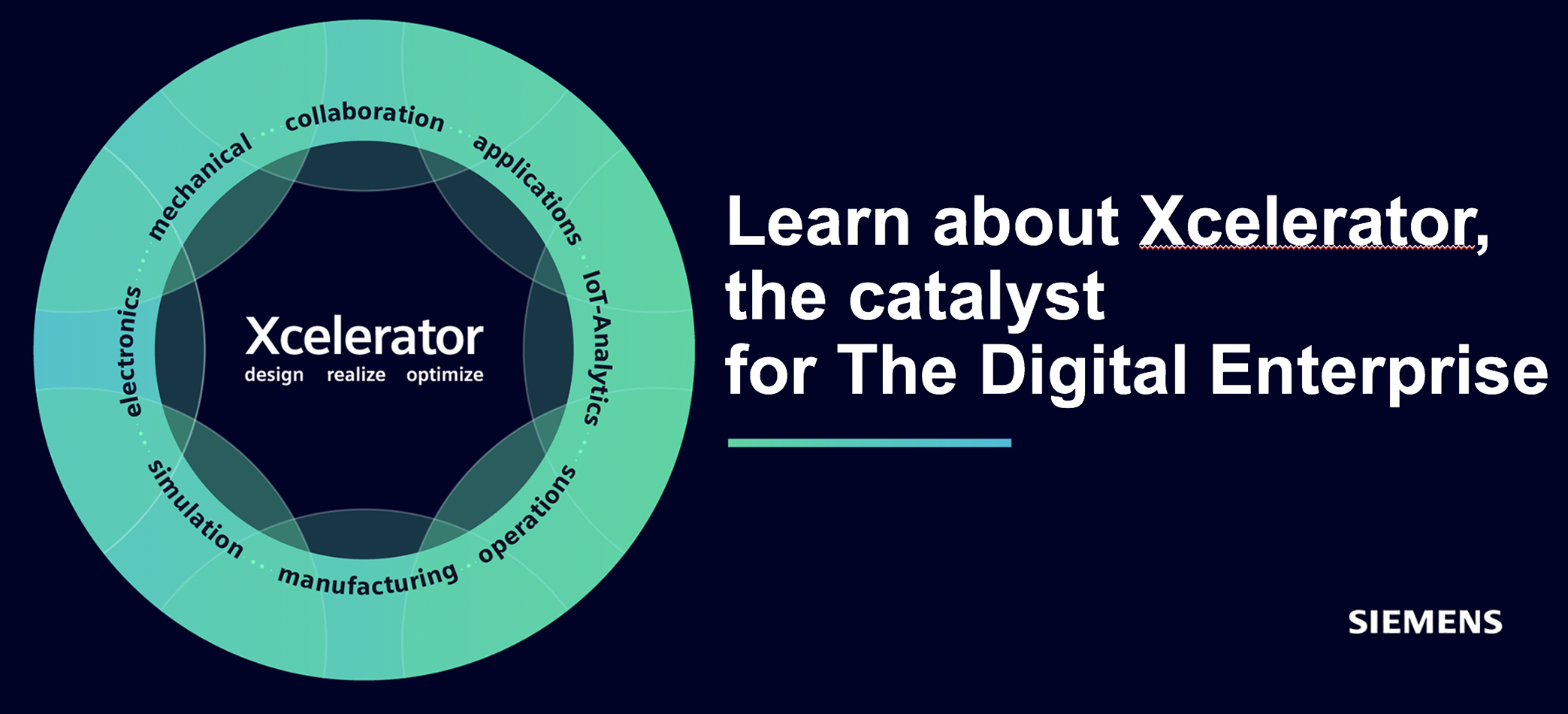
“The work that ADMARES is doing is a compelling example of how Siemens technology enables completely new business models. Building on the Siemens Xcelerator portfolio, ADMARES has transformed housing from a traditional construction process into a scalable, digitalized product,” says Eryn Devola, sustainability manager at Siemens Digital Industries. “Our digital twin, automation and manufacturing technologies have empowered them to industrialize homebuilding – cutting emissions, reducing waste, and accelerating delivery. This is the kind of industry reinvention Siemens Xcelerator was designed to make possible.”
A complete home in 45 minutes
At the core of the development is the Siemens Xcelerator portfolio of industry software. As stated in the introduction, ADMARES has used Siemens software Designcenter, Teamcenter and Simcenter to design, validate and test its modular house designs.
They are creating a comprehensive digital twin that accurately represents not only the final smart home but also contains key data about the manufacturing process used to develop and optimize their smart factory.
This factory, powered by Siemens manufacturing execution software and automation hardware from Opcenter, will achieve a lead time of 22.5 minutes per building unit, enabling the production of a complete 132 m² home in 45 minutes, delivered with building software for real-time monitoring of energy, water and air quality, making them fully connected smart homes.
What are the benefits of Siemens DESIGNCENTER?
The Siemens DesignCenter as a name and current content was first announced at CES 2025, but was introduced in practical form at Siemens Realize Live conference in June 2025. It is essentially the new brand for Siemens’ existing mechanical design software portfolio and more, which now also includes cloud-based solutions and enhanced AI tools. Here are the key pieces of the platform:

• Scalable product development: DesignCenter scales from startups to large enterprises with a tiered approach to its cloud-based CAD software, providing flexibility for different needs and budgets.
• Integrated CAD/CAM/CAE: It combines design (CAD), manufacturing (CAM), and engineering (CAE) tools into a single platform, enabling seamless data flow and workflows without silos.
• Cloud-based flexibility: Users can access and work with design tools via both desktop applications and web-based browser interfaces, supporting modern, distributed work styles.
• Digital thread and Collaboration: By connecting every step of the product lifecycle, from concept to production, Designcenter helps create a complete digital thread for collaboration across disciplines.
• NX and Solid Edge integration: The suite is built around Siemens’ powerful NX CAD software and includes Solid Edge for advanced 3D modeling, assemblies, and drafting.
• Token-based licensing: A reusable token system enables flexible access to different features, helping to reduce overhead and providing access to a wide range of add-on modules.
• AI-driven innovation: The platform uses next-generation AI tools, such as predictive modeling and generative design, to accelerate innovation, improve product quality, and streamline workflows.
• Siemens Xcelerator compatibility: Designcenter is fully compatible with the Siemens Xcelerator portfolio, enabling deeper integration with other Siemens products for areas such as simulation, electronics, and manufacturing.

