

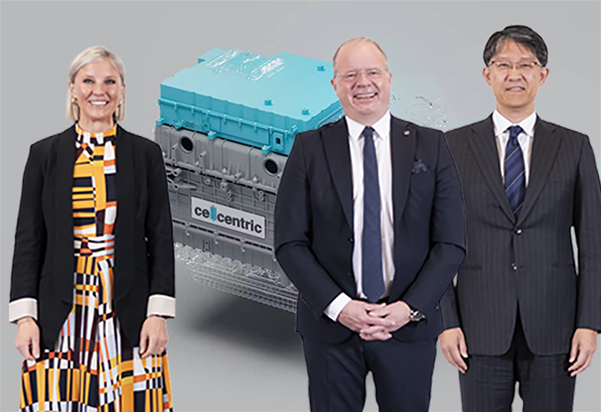

Cellcentric CEO Nicholas Loughlan expressed pride in Toyota’s intention to become a shareholder, calling it a significant vote of confidence. Loughlan stated the new structure provides an opportunity to substantially strengthen operations across the entire value chain.

Aims to Become a Global Leader
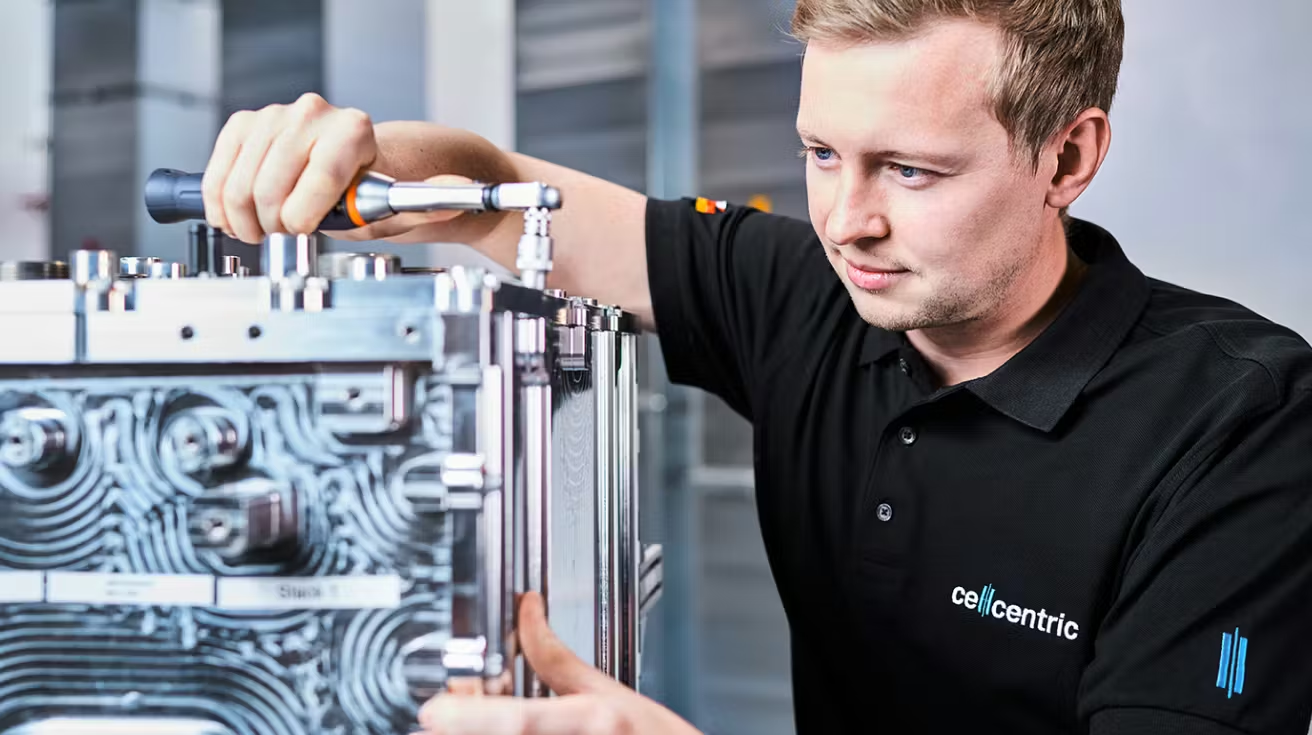
Cellcentric aims to become a global leader in producing and commercializing fuel cell systems for heavy-duty vehicles, leveraging decades of expertise from predecessors Volvo and Daimler. With over 560 specialists across Germany – Kirchheim/Teck, Esslingen, Stuttgart, and Canada – Burnaby – and a portfolio of 700 patents, the company is advancing sustainable, climate-neutral transport solutions.
A backdrop is that Volvo Group, Daimler Truck, and Toyota are positioning hydrogen as a key energy source to decarbonize transportation, leveraging their joint venture, Cellcentric, to accelerate fuel cell innovation. This initiative is designed to drive the realization of a hydrogen-powered society.

The combination of the parties’ complementary experience and expertise will support and accelerate their shared goal of developing, producing, and commercializing fuel cell systems for heavy-duty vehicles and other high-demand applications.
Toyota and Cellcentric plan to jointly develop and produce fuel cell units and associated control systems, leveraging their combined technology to deliver competitive, heavy-duty commercial solutions. The partnership, supported by all three shareholders, aims to solidify Cellcentric’s position as a market leader in the sector.
Bolstering Cellcentric’s Competitive Edge
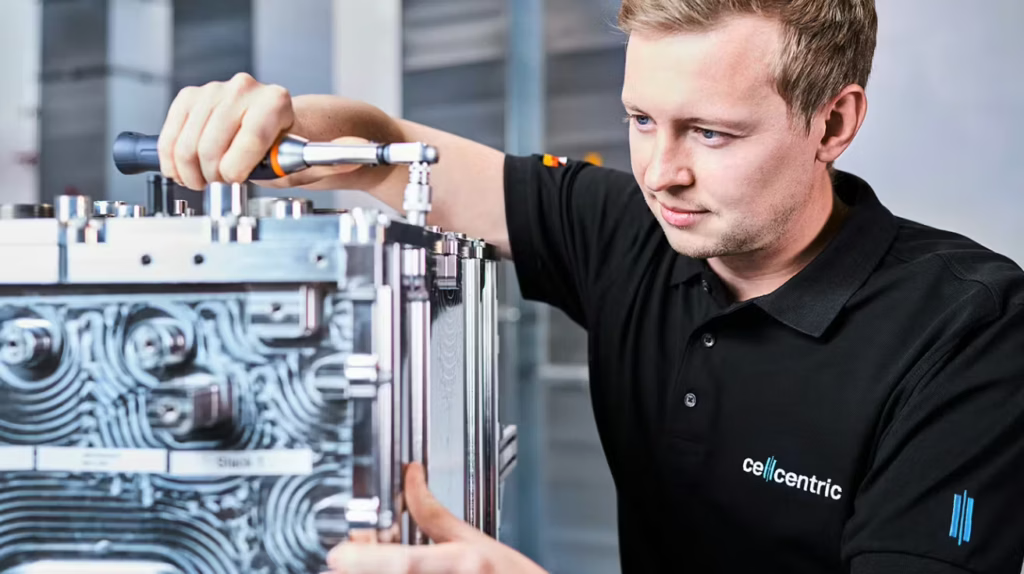
By merging Volvo and Daimler Truck’s extensive commercial vehicle expertise with Toyota’s proven capabilities in fuel cell development, production engineering, and manufacturing, the partnership aims to further accelerate Cellcentric’s technological advantages and market competitiveness.
Cellcentric aims to be the unified center of excellence for developing, producing, and commercializing fuel cell systems for heavy-duty on- and off-highway transport and comparable demanding applications. By collaborating with industry partners across the hydrogen value chain, the venture also seeks to actively foster the development of hydrogen supply and infrastructure in its early stages.
Koji Sato, President and CEO of Toyota, welcomes the proposed partnership with Daimler Truck and the Volvo Group, an alliance aimed at accelerating the development of a global hydrogen economy.
”By combining Cellcentric’s deep commercial expertise with Toyota’s over 30 years of fuel cell development in the passenger car sector, the partners aim to deliver a world-leading fuel cell system for heavy-duty commercial vehicles. Toyota will continue to drive the realization of a hydrogen society alongside like-minded partners,” asserts the Toyota executive.
Targeting Equal Ownership
Volvo, Daimler Truck, and Toyota are targeting equal ownership in Cellcentric, which will operate as an independent entity serving the heavy-duty road, off-road, and stationary sectors. While collaborating on fuel cells, the partners will maintain their independence in all other business areas, leveraging combined capabilities to achieve the scale and investment efficiency necessary to commercialize competitive systems.
As hydrogen fuel cells emerge as a pivotal technology for decarbonizing the global transportation sector, collaboration has become increasingly essential to align with the European Green Deal and Japan’s hydrogen society goals. The parties involved aim to share technical advancements and address common challenges, accelerating the sustainable rollout of heavy-duty fuel cell systems.
Discussions will continue toward a binding agreement, subject to final approvals from stakeholders and authorities.

