

As it turned out the core of the challenge lay not in the complexity of the tasks themselves. The actual engineering work—design modifications, validations, and approvals—remained largely unchanged. The real bottlenecks were rooted in waiting times, coordination hurdles, and a profound lack of transparency between teams and facilities. In other words, the problem was the processes surrounding the work, rather than the work itself.
In cost-conscious industries, the time spent maintaining legacy products directly chokes the resources available for new development. Reduce that burden, and your capacity for innovation will skyrocket almost automatically.
PLM as the Backbone of the Digital Thread
Finding a viable solution required more than incremental tweaks. Instead, Haldex chose to completely rethink its change management on a structural level. A key component of this strategy was adopting PTC Windchill as the global source of truth for all technical data, a deployment expertly implemented by PDSVISION.
The change process was streamlined and standardized into seven distinct workflows, covering everything from drawing revisions and new product development to supply chain shifts and manufacturing adjustments. Every change is spearheaded by a dedicated R&D center and supported by cross-functional teams across the affected facilities. Furthermore, new roles were introduced to optimize governance and streamline communication—most notably, a senior change manager acting as the ultimate gatekeeper, alongside liaison engineers who serve as the critical bridge between design and production.
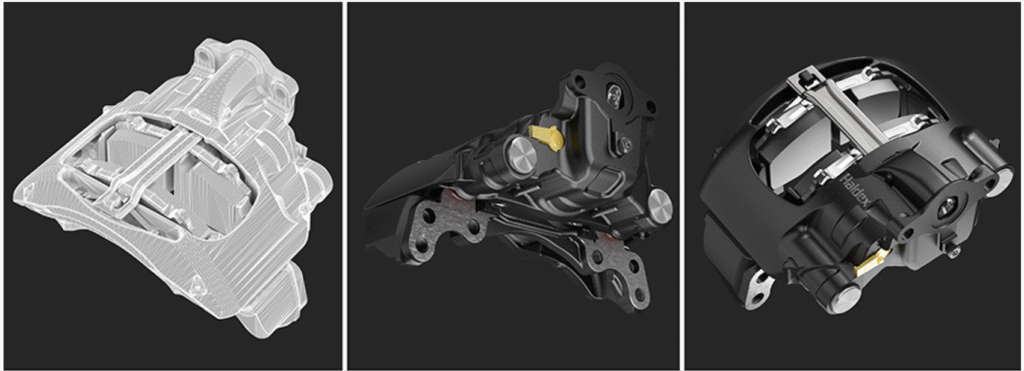
From Sequential Hand-offs to Parallel Workflows
The most profound shift was operational. Where change processes previously moved step-by-step between teams, the new setup enabled parallel workflows. Once a change was approved, tasks were generated automatically and distributed in real-time to all relevant production facilities. This eliminated downtime between activities—one of the hidden drivers of inefficiency in global organizations. Once the modification was finalized, technical data was transferred directly into the enterprise system, completely bypassing manual handling.
The system also provided a real-time overview. Engineers, product managers, and executives could instantly track the status of a change, see what remained to be done, and identify exactly who was responsible.
Quality assurance improved dramatically. PPAP—the Production Part Approval Process—was integrated directly into the change management workflow. This made it impossible to release a component to production without prior approval. Furthermore, all product-related information, change history, and specifications were centralized in one place, rather than scattered across disparate files and archives.
Standardized reporting and KPI tracking meant Haldex could now monitor how changes progressed across various functions and regions. Capacity could be visualized, bottlenecks identified, and resources reallocated as needed. For the first time, change management was not merely executed—it was actively measured and strategically steered.
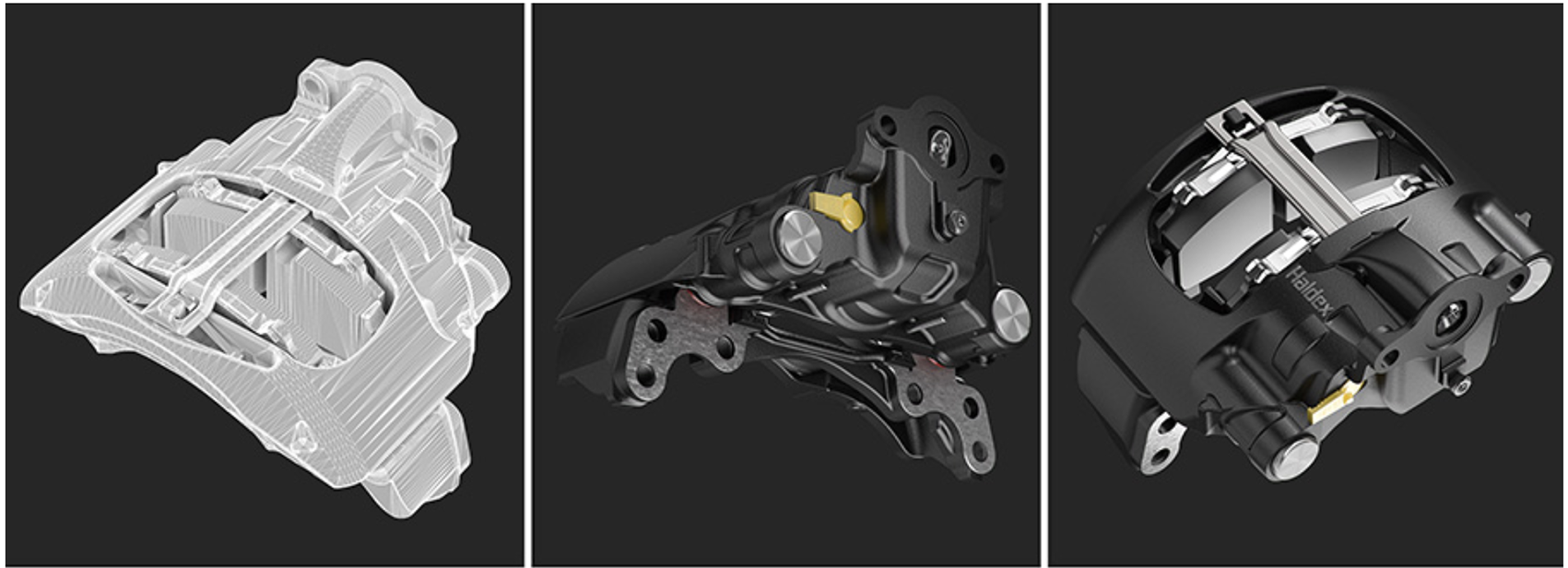
The Results: Freeing Up Time for Innovation
The numbers spoke for themselves: open cases plummeted from 1,500 to 500 globally, across all products and facilities. Lead times were slashed by 35% and stabilized. Yet, the most strategic victory was a different metric entirely. The time engineers spent on change administration was cut in half, dropping from 50% to 25%.
”That is 25 percent of our time that we can now redirect toward innovation and new product development,” says Sebastian Quick.
Beyond Efficiency
For Haldex, this transformation is about much more than streamlined processes or shorter ticket queues. It’s about fundamentally rewiring how the organization operates—how information flows, how decisions are made, and how global teams collaborate. In an industry defined by relentless cost pressure and mounting complexity, this operational shift is monumental. Ultimately, optimizing change management isn’t just about doing the same things a little better; it’s about creating the breathing room to do entirely new things.
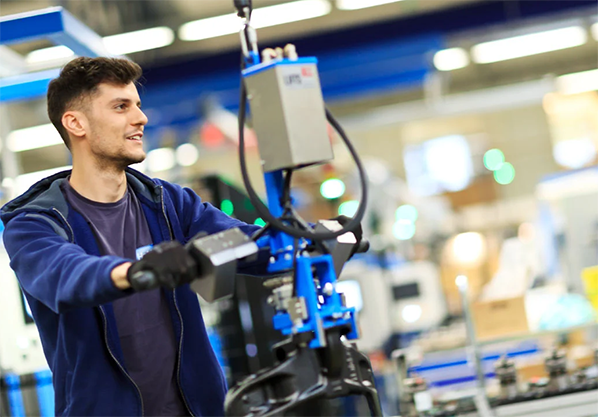
About Haldex and PDSVISION
Haldex is a premier manufacturer of heavy-duty brake systems and air suspension solutions, serving the world’s leading truck, bus, and trailer manufacturers across North America, Europe, and Asia. Since 2022, Haldex has proudly been a part of the SAF-Holland Group. At the core of Haldex’s operational excellence is a highly optimized digital ecosystem driven by PTC solutions:
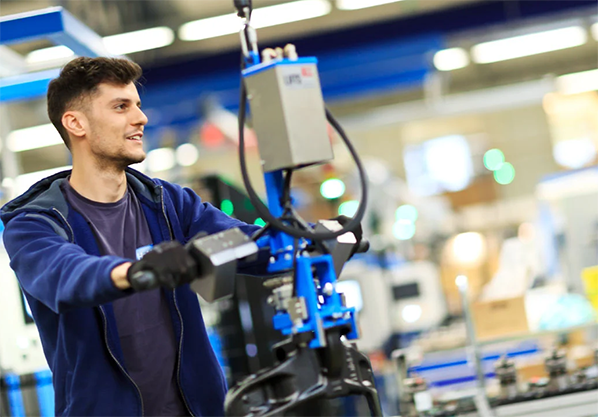
- PTC Windchill: Acts as the central nervous system for the product lifecycle, managing product data (PDM) and global engineering change workflows.
- CAD Integration: Engineering design operates in seamless harmony with CAD tools, such as PTC Creo.
- ERP Connectivity: The PLM (Product Lifecycle Management) environment is tightly connected to the SAP enterprise system, aligning perfectly with parent company SAF-Holland’s IT infrastructure.
PDSVISION is a leading global partner for PTC’s PLM, CAD, and ALM solutions, including Windchill, Creo, and Codebeamer. Acting as a trusted strategic advisor, the company assisted Haldex in implementing and integrating their robust PLM ecosystem—a transformative success story they proudly presented at PDSFORUM in Gothenburg in May 2026.

