
PTC CXO Summit 2024 in Stockholm: ”We’re at a Tipping Point – Can Your...
IN-DEPTH with PTC’s COO Mike DeTullio and Chalmers Professor Johan Stahre.
Who will be employed in your company in 2030? Who are your customers?
Professor Johan Stahre, head of the production systems division at Swedish Chalmers Institute of Technology, asked the questions from the stage during PLM developer PTC's event, CXO Summit, in Stockholm a few weeks ago. They may possibly sound a little secondary in the usual PLM context, but if you drill deeper, the answers contain serious and explosive issues in a time when technological and social development is challenging the industrial world like never before. Not least in the light of things like AI, intelligent product development technology, manufacturing automation, product-as-a-service concepts, and global security problems with, among other things, dramatically disrupted distribution chains.
The dynamics are powerful and it’s not a bad idea to look up not only to the technological horizon, but equally to the societal, social and demographic horizons too: How are social trends changing the way we do business? Can our production systems meet sustainability requirements? Are we moving towards "product-as-a-service" models instead of buying things? How does this affect PLM and product realization systems? And how do we meet the demographic development with an ever-smaller number of active workers who have to support an aging population? The questions are many, difficult, and the interaction between them means ending up in tough, balancing trade-offs. Therefore, definitive answers are hard to deliver, but, as professor Stahre emphasized during his keynote, "by discussing developments based on known facts, we gain a more secure foundation to stand on in the navigation of the future journey."
Wise words of course and for these reasons among others, it was an important event moderated by PTC leaders Erling Kvalheim, head of EMEA North, and Filip Stål, sales VP and Nordics MD, offered from the stage in Stockholm, with an audience from major PTC users like Volvo, Vestas, Electrolux Professional and Atlas Copco on site.
In today’s article we will also meet, PTC's COO, Mike DiTullio, who delivered an interesting keynote on the theme, "Transforming the Complexity of Product Lifecycle Processes." And transformed they have been, for example in 2011 it was predicted that software would eat the world. "In 2024, software has already eaten the world," DiTullio said, noting that the dramatic transformation is well illustrated by the more than 150 million lines of code in today’s cars.
“When Apollo 11 flew to the moon in 1969, it had 145,000 lines of code,” DiTullio added, also addressing several other trending factors complicating product realization, business models and end-customer usage: “AI is everywhere. Software, electricity and electronics have become dominant product features. At the same time, quality and regulatory issues have come into focus. This while industrial engineering and work step by step will be put in the hands of a non-documenting Google generation. This parallels the fact that sustainability issues have taken place as existential challenges. Bottom line: We’re at a tipping point and the question is: do we have the right PLM setup to handle these and other effects of market pressure?”
Click on the headline to read the full article on PLM&ERP News.
Who will be employed in your company in 2030? Who are your customers?
Professor Johan Stahre, head of the production systems division at Swedish Chalmers Institute of Technology, asked the questions from the stage during PLM developer PTC's event, CXO Summit, in Stockholm a few weeks ago. They may possibly sound a little secondary in the usual PLM context, but if you drill deeper, the answers contain serious and explosive issues in a time when technological and social development is challenging the industrial world like never before. Not least in the light of things like AI, intelligent product development technology, manufacturing automation, product-as-a-service concepts, and global security problems with, among other things, dramatically disrupted distribution chains.
The dynamics are powerful and it’s not a bad idea to look up not only to the technological horizon, but equally to the societal, social and demographic horizons too: How are social trends changing the way we do business? Can our production systems meet sustainability requirements? Are we moving towards "product-as-a-service" models instead of buying things? How does this affect PLM and product realization systems? And how do we meet the demographic development with an ever-smaller number of active workers who have to support an aging population? The questions are many, difficult, and the interaction between them means ending up in tough, balancing trade-offs. Therefore, definitive answers are hard to deliver, but, as professor Stahre emphasized during his keynote, "by discussing developments based on known facts, we gain a more secure foundation to stand on in the navigation of the future journey."
Wise words of course and for these reasons among others, it was an important event moderated by PTC leaders Erling Kvalheim, head of EMEA North, and Filip Stål, sales VP and Nordics MD, offered from the stage in Stockholm, with an audience from major PTC users like Volvo, Vestas, Electrolux Professional and Atlas Copco on site.
In today’s article we will also meet, PTC's COO, Mike DiTullio, who delivered an interesting keynote on the theme, "Transforming the Complexity of Product Lifecycle Processes." And transformed they have been, for example in 2011 it was predicted that software would eat the world. "In 2024, software has already eaten the world," DiTullio said, noting that the dramatic transformation is well illustrated by the more than 150 million lines of code in today’s cars.
“When Apollo 11 flew to the moon in 1969, it had 145,000 lines of code,” DiTullio added, also addressing several other trending factors complicating product realization, business models and end-customer usage: “AI is everywhere. Software, electricity and electronics have become dominant product features. At the same time, quality and regulatory issues have come into focus. This while industrial engineering and work step by step will be put in the hands of a non-documenting Google generation. This parallels the fact that sustainability issues have taken place as existential challenges. Bottom line: We’re at a tipping point and the question is: do we have the right PLM setup to handle these and other effects of market pressure?”
Click on the headline to read the full article on PLM&ERP News.

PTC CXO Summit 2024: ”Vi är vid en vändpunkt i utvecklingen – kan din...
PÅ DJUPET med PTCs COO Mike DeTullio och CHALMERS-PROFESSORN Johan Stahre under PTCs Stockholms-event.
Vilka är anställda i ditt företag 2030? Vilka är dina kunder?
Chalmers-professorn Johan Stahre, chef för produktionssystem-divisionen, ställde frågorna från scenen under PLM-utvecklaren PTCs event, CXO Summit, i Stockholm, för några veckor sedan. De kan möjligen låta lite sekundära i den ”vanliga” PLM-kontexten, men gräver man djupare innehåller svaren stort allvar och sprängstoff i en tid när den teknologiska och sociala utvecklingen utmanar industrivärlden som aldrig förr. Inte minst i skenet av sånt som AI, intelligent produktutvecklings-teknologi, tillverknings-automatisering, produkten som tjänst och globala säkerhetsproblem med bl a dramatiskt störda distributionskedjor.
Dynamiken är kraftfull och det är ingen dum idé att höja blicken, inte bara mot den teknologiska horisonten, utan i lika hög grad mot den samhälleliga, sociala och demografiska: Hur förändrar sociala trender affärslivet? Kan våra produktionssystem uppfylla hållbarhetskrav? Går vi mot "produkt-som-en-tjänst-modeller” istället för att köpa saker? Hur påverkar detta PLM och produktutvecklingssystem? Och hur möter vi den demografiska utvecklingen med allt färre aktiva yrkesarbetande som måste försörja en åldrande befolkning? Frågorna är många, svåra och interaktionen mellan dem landar i industriellt tuffa, balanskrävande avvägningar. Tvärsäkra svar är svårlevererade, men, som professor Stahre framhöll, ”genom att diskutera utvecklingen utifrån kända fakta får vi en säkrare grund att stå på i navigeringen av framtidsresan.”
Kloka ord förstås och bland annat av dessa skäl var det ett angeläget event modererande PTC-ledarna Erling Kvalheim, chef för EMEA North, och Filip Stål, Nordenbas, bjöd på från scenen i Stockholm, med folk från stora PTC-användare som Volvo, Vestas, Electrolux Professional och Atlas Copco på plats.
I dagens artikel möter vi också PTCs COO, Mike DiTullio, som levererade en intressant keynote på temat, "Transforming the Complexity of Product Lifecycle Processes." Och förvandlats har de, 2011 förutsåg man t ex att mjukvara kommer att ”äta världen”. ”2024 har mjukvara redan ätit upp världen,” sa DiTullio och konstaterade att transformationen är dramatisk och pekade bl a på dagens bilars mer än 150 miljoner rader mjukvarukod.
”När Aplollo 11 flög till månen 1969 hade man 145,000 rader kod,” tillade DiTullio och tog även upp flera trendande faktorer som komplicerar produktframtagning, affärsmodeller och slutkunds-användning: ”AI finns överallt. Mjukvara, el och elektronifiering har blivit dominanta produktinslag. Samtidigt har kvalitets- och regulatoriska frågor hamnat i fokus. Vidare tenderar arbetet att läggas i händerna på en icke-dokumenterande Google-generation. Detta parallellt med att hållbarhetsfrågorna tagit plats som existentiella utmaningar. Vi är vid en vändpunkt och frågan är: har vi rätt PLM-uppställning för att hantera dessa och andra effekter av marknadens förändringstryck?”
Klicka på rubriken för att läsa hela artikeln på PLM&ERP News.
Vilka är anställda i ditt företag 2030? Vilka är dina kunder?
Chalmers-professorn Johan Stahre, chef för produktionssystem-divisionen, ställde frågorna från scenen under PLM-utvecklaren PTCs event, CXO Summit, i Stockholm, för några veckor sedan. De kan möjligen låta lite sekundära i den ”vanliga” PLM-kontexten, men gräver man djupare innehåller svaren stort allvar och sprängstoff i en tid när den teknologiska och sociala utvecklingen utmanar industrivärlden som aldrig förr. Inte minst i skenet av sånt som AI, intelligent produktutvecklings-teknologi, tillverknings-automatisering, produkten som tjänst och globala säkerhetsproblem med bl a dramatiskt störda distributionskedjor.
Dynamiken är kraftfull och det är ingen dum idé att höja blicken, inte bara mot den teknologiska horisonten, utan i lika hög grad mot den samhälleliga, sociala och demografiska: Hur förändrar sociala trender affärslivet? Kan våra produktionssystem uppfylla hållbarhetskrav? Går vi mot "produkt-som-en-tjänst-modeller” istället för att köpa saker? Hur påverkar detta PLM och produktutvecklingssystem? Och hur möter vi den demografiska utvecklingen med allt färre aktiva yrkesarbetande som måste försörja en åldrande befolkning? Frågorna är många, svåra och interaktionen mellan dem landar i industriellt tuffa, balanskrävande avvägningar. Tvärsäkra svar är svårlevererade, men, som professor Stahre framhöll, ”genom att diskutera utvecklingen utifrån kända fakta får vi en säkrare grund att stå på i navigeringen av framtidsresan.”
Kloka ord förstås och bland annat av dessa skäl var det ett angeläget event modererande PTC-ledarna Erling Kvalheim, chef för EMEA North, och Filip Stål, Nordenbas, bjöd på från scenen i Stockholm, med folk från stora PTC-användare som Volvo, Vestas, Electrolux Professional och Atlas Copco på plats.
I dagens artikel möter vi också PTCs COO, Mike DiTullio, som levererade en intressant keynote på temat, "Transforming the Complexity of Product Lifecycle Processes." Och förvandlats har de, 2011 förutsåg man t ex att mjukvara kommer att ”äta världen”. ”2024 har mjukvara redan ätit upp världen,” sa DiTullio och konstaterade att transformationen är dramatisk och pekade bl a på dagens bilars mer än 150 miljoner rader mjukvarukod.
”När Aplollo 11 flög till månen 1969 hade man 145,000 rader kod,” tillade DiTullio och tog även upp flera trendande faktorer som komplicerar produktframtagning, affärsmodeller och slutkunds-användning: ”AI finns överallt. Mjukvara, el och elektronifiering har blivit dominanta produktinslag. Samtidigt har kvalitets- och regulatoriska frågor hamnat i fokus. Vidare tenderar arbetet att läggas i händerna på en icke-dokumenterande Google-generation. Detta parallellt med att hållbarhetsfrågorna tagit plats som existentiella utmaningar. Vi är vid en vändpunkt och frågan är: har vi rätt PLM-uppställning för att hantera dessa och andra effekter av marknadens förändringstryck?”
Klicka på rubriken för att läsa hela artikeln på PLM&ERP News.
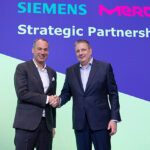
Smart Digital Manufacturing is the Heavy Point in Siemens’ Partnership With Global Pharmaceutical Giant...
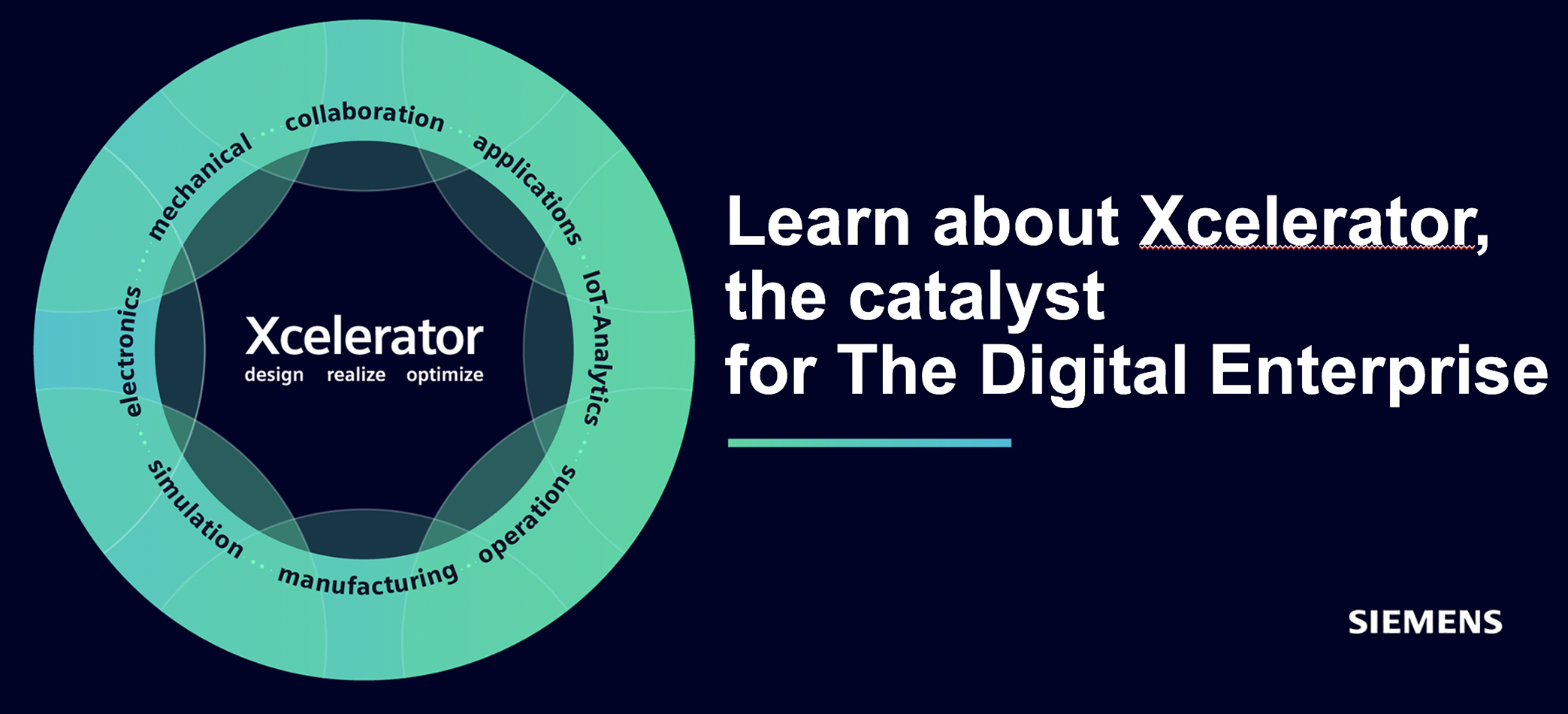
From MASS PRODUCTION to MODULAR PRODUCT REAZLIZATION built on the XCELERATOR PLATFORM sets a NEW STANDARD. Siemens Digital Industries and the pharmaceutical giant Merck have signed an MoU (Memorandum of Understanding) which involves sharpening production in three of Merck's business sectors: Health, Life Science and Electronics. The background is that Siemens, after introducing the Xcelerator platform at the company, together with Merck will take smart manufacturing to the next level. You can call it a partnership in that the companies will jointly develop the solutions, but a natural implication is also that Merck will invest in Siemens Digital Industries' solutions.
“By combining Merck's expertise in these important sectors with Siemens' cutting-edge hard and software, we are moving from a concept of mass production to one built on a modular approach, which saves time and increases flexibility. With the now signed MoU agreement, we are striving to set new global standards for future production," says Cedrik Neike, CEO of Siemens Digital Industries and board member of Siemens AG. From Merck, it was Kai Beckmann, CEO Electronics business and board member of the company, who signed the MoU.
An overall conclusion is that the MoU is about driving the digital transformation further at Merck through strategic projects in all three of the above-mentioned business sectors.
In the press material, the matter is described as an effort to reach the next level of automation. With Siemens and the Xcelerator platform as preferred partners/solution in this development work, Merck's Kai Beckmann claims that the goal is to bring new products to market faster, more cost-effectively and with an increased focus on sustainability. They talk about "Smartfacturing", which is an abbreviation for Smart Manufacturing.
"Smartfacturing is crucial to achieving the goals, and Siemens is a perfectively reasonable partner in this journey. Their deep domain expertise and longstanding familiarity with Merck uniquely positions them to rapidly implement and scale our vision," notes Beckman.
Central to this partnership is Siemens Xcelerator platform, which will provide Merck with the necessary soft and hardware solutions. A key factor is modular production based on the "plug & produce principle". This approach allows individual process modules to be easily added, removed or reconfigured, which significantly reduces time to market, increases flexibility, lowers investment costs and can help reduce CO2 emissions. This way of laying out the components of the product development work is very close to the so-called Product Innovation Platforms (PIP) jointly introduced by PLM analyst firms Gartner and CIMdata. A PIP was defined as a set of modular and easily exchangeable functional domains developed around processes, life cycles, technical domains, profitability management, quality and regulatory compliance.
Click on the headline to read the full article on PLM&ERP News.
“By combining Merck's expertise in these important sectors with Siemens' cutting-edge hard and software, we are moving from a concept of mass production to one built on a modular approach, which saves time and increases flexibility. With the now signed MoU agreement, we are striving to set new global standards for future production," says Cedrik Neike, CEO of Siemens Digital Industries and board member of Siemens AG. From Merck, it was Kai Beckmann, CEO Electronics business and board member of the company, who signed the MoU.
An overall conclusion is that the MoU is about driving the digital transformation further at Merck through strategic projects in all three of the above-mentioned business sectors.
In the press material, the matter is described as an effort to reach the next level of automation. With Siemens and the Xcelerator platform as preferred partners/solution in this development work, Merck's Kai Beckmann claims that the goal is to bring new products to market faster, more cost-effectively and with an increased focus on sustainability. They talk about "Smartfacturing", which is an abbreviation for Smart Manufacturing.
"Smartfacturing is crucial to achieving the goals, and Siemens is a perfectively reasonable partner in this journey. Their deep domain expertise and longstanding familiarity with Merck uniquely positions them to rapidly implement and scale our vision," notes Beckman.
Central to this partnership is Siemens Xcelerator platform, which will provide Merck with the necessary soft and hardware solutions. A key factor is modular production based on the "plug & produce principle". This approach allows individual process modules to be easily added, removed or reconfigured, which significantly reduces time to market, increases flexibility, lowers investment costs and can help reduce CO2 emissions. This way of laying out the components of the product development work is very close to the so-called Product Innovation Platforms (PIP) jointly introduced by PLM analyst firms Gartner and CIMdata. A PIP was defined as a set of modular and easily exchangeable functional domains developed around processes, life cycles, technical domains, profitability management, quality and regulatory compliance.
Click on the headline to read the full article on PLM&ERP News.
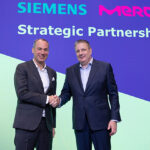
Smart digital tillverkning är en verkligt tung poäng i Siemens partnerskap med globala läkemedelsjätten...
Från massproduktion till modulär produktframtagning byggt på XCELERATOR-PLATTFORMEN sätter en NY STANDARD. Siemens Digital Industries och läkemedelsjätten Merck har signerat ett MoU (Memorandum of Understanding) som går ut på att vässa produktion inom tre av Mercks affärssektorer: Hälsa, Life Science och Electronics. Bakgrunden är att Siemens, efter att ha infört Xcelerator-plattformen på bolaget, tillsammans med Merck ska ta smart tillverkning till nästa nivå. Man kan kalla det för ett partnerskap i det att bolagen tillsammans ska utveckla lösningarna, men en naturlig innebörd är också att Merck kommer att investera i Siemens Digital Industries lösningar.
”Genom att kombinera Mercks expertis inom dessa viktiga sektorer med Siemens banbrytande hård- och mjukvara övergår vi från ett koncept med massproduktion till ett koncept byggt på ett modulärt tillvägagångssätt, vilket sparar tid och ökar flexibiliteten. Med det nu signerade MoU-avtalet strävar vi nu efter att sätta nya globala standarder för den framtida produktionen,” säger Cedrik Neike, CEO för Siemens Digital Industries och styrelsemedlem i Siemens AG. Från Merck var det Kai Beckmann, CEO Electronics business och styrelsemedlem i bolaget, som signerade MoU-avtalet.
Det hela handlar alltså i stor utsträckning om att driva den digitala transformationen vidare på Merck genom strategiska projekt inom alla de tre ovan angivna affärssektorerna.
I pressmaterialet beskrivs saken som en strävan att nå nästa nivå av automation. Med Siemens och Xcelerator-plattformen som föredragna partners/lösningar i detta utvecklingsarbete hävdar Mercks Kai Beckmann att målet är att få ut nya produkter på marknaden snabbare, mer kostnadseffektivt och med ett ökat fokus på hållbarhet. Man talar om ”Smartfacturing”, vilket är en förkortning för Smart Manufacturing.
”Smartfacturing är avgörande för att uppnå målen, och Siemens är en synnerligen rimlig partnern i denna resa. Deras djupa domänexpertis och mångåriga förtrogenhet med Merck positionerar dem unikt för att snabbt implementera och skala vår vision," konstaterar Beckman.
Centralt i detta partnerskap är Siemens Xcelerator-plattform, som kommer att förse Merck med de mjuk- och hårdvarulösningar som behövs. En nyckelfaktor är modulär produktion baserad på ”plug & produce-principen”. Detta tillvägagångssätt gör att individuella processmoduler enkelt kan läggas till, tas bort eller omkonfigureras, vilket avsevärt minskar tiden till marknaden, ökar flexibiliteten, sänker investeringskostnaderna och kan bidra till att minska CO2-utsläppen. Detta sätt att lägga upp komponenterna i produktframtagnings-arbetet ligger mycket nära de s k Product Innovation Plattformar (PIP) som de ledande PLM-analytikerna på Gartner och CIMdata gemensamt introducerade 2014. En produktinnovations-plattform definierades som en uppsättning modulära och lätt utbytara funktionella domäner som utvecklas kring processer, livscyklar och tekniska domäner som systemidéer, också med sånt som lönsamhetshantering, kvalitet och regelefterlevnad.
Klicka på rubriken för att läsa mer om detta på PLM&ERP News.
”Genom att kombinera Mercks expertis inom dessa viktiga sektorer med Siemens banbrytande hård- och mjukvara övergår vi från ett koncept med massproduktion till ett koncept byggt på ett modulärt tillvägagångssätt, vilket sparar tid och ökar flexibiliteten. Med det nu signerade MoU-avtalet strävar vi nu efter att sätta nya globala standarder för den framtida produktionen,” säger Cedrik Neike, CEO för Siemens Digital Industries och styrelsemedlem i Siemens AG. Från Merck var det Kai Beckmann, CEO Electronics business och styrelsemedlem i bolaget, som signerade MoU-avtalet.
Det hela handlar alltså i stor utsträckning om att driva den digitala transformationen vidare på Merck genom strategiska projekt inom alla de tre ovan angivna affärssektorerna.
I pressmaterialet beskrivs saken som en strävan att nå nästa nivå av automation. Med Siemens och Xcelerator-plattformen som föredragna partners/lösningar i detta utvecklingsarbete hävdar Mercks Kai Beckmann att målet är att få ut nya produkter på marknaden snabbare, mer kostnadseffektivt och med ett ökat fokus på hållbarhet. Man talar om ”Smartfacturing”, vilket är en förkortning för Smart Manufacturing.
”Smartfacturing är avgörande för att uppnå målen, och Siemens är en synnerligen rimlig partnern i denna resa. Deras djupa domänexpertis och mångåriga förtrogenhet med Merck positionerar dem unikt för att snabbt implementera och skala vår vision," konstaterar Beckman.
Centralt i detta partnerskap är Siemens Xcelerator-plattform, som kommer att förse Merck med de mjuk- och hårdvarulösningar som behövs. En nyckelfaktor är modulär produktion baserad på ”plug & produce-principen”. Detta tillvägagångssätt gör att individuella processmoduler enkelt kan läggas till, tas bort eller omkonfigureras, vilket avsevärt minskar tiden till marknaden, ökar flexibiliteten, sänker investeringskostnaderna och kan bidra till att minska CO2-utsläppen. Detta sätt att lägga upp komponenterna i produktframtagnings-arbetet ligger mycket nära de s k Product Innovation Plattformar (PIP) som de ledande PLM-analytikerna på Gartner och CIMdata gemensamt introducerade 2014. En produktinnovations-plattform definierades som en uppsättning modulära och lätt utbytara funktionella domäner som utvecklas kring processer, livscyklar och tekniska domäner som systemidéer, också med sånt som lönsamhetshantering, kvalitet och regelefterlevnad.
Klicka på rubriken för att läsa mer om detta på PLM&ERP News.

KONSULTERNA: Knowit vinner ramavtal värda miljardbelopp på digitalisering av NAV
IT-konsulten Knowit har vunnit upphandlingen om nya ramavtal med NAV, liktydigt med norska arbets- och välfärdsverket. De nya avtalen innebär att Knowit kommer fortsätta arbetet med att digitalisera NAV även kommande fyra år.
Avtalen har ett uppskattat värde om totalt 3,5 miljarder norska kronor och leverans sker i nära samarbete med ett fåtal huvudpartners. NAV har valt sina digitaliseringspartners för de kommande fyra åren, och Knowit är den leverantör som har tilldelats flest ramavtal. Totalt har NAV utlyst åtta parallella ramavtal där avtal tecknas med två till sex leverantörer per område. Knowit har tilldelats kontrakt på de sex områden som företaget lämnat anbud på: designtjänster, utveckling av tvärfunktionella team, agil coaching, systemutveckling i molnbaserade lösningar, lösningar samt plattformar och datakommunikation. Ytterligare två parallella ramavtal kommer att offentliggöras senare under 2024.
”Vi är självklart både stolta och ödmjuka över att ha blivit valda av NAV på nytt. Särskilt glädjande är det att vi får leverera tjänster inom så många av områdena,” säger avtalsansvarig Snorre Finanger i Knowit.
Om Knowit kan noteras att bolaget etablerades 1990 och har idag cirka 4 000 anställda, främst i Norden, men har även verksamhet i Tyskland och Polen. Bolaget, som är noterat på NASDAQ OMX Stockholm Mid Cap, omsatte 2023 nära 7,1 miljarder svenska kronor.
Till saken, relaterat tillk dagens avtalsnyhet med norska NAV hör att Knowit under de senaste åren samlat en hel del kunskaper om och erfarenheter av stora offentliga aktörer, som bland annat Statens Vegvesen, Skatteetaten, Polisen och NAV.
Fredrik Ekerhovd, Affärsområdeschef Knowit Solutions och ledare för Knowit i Norge, betonar att den här typen av uppdrag har stor betydelse för Knowit. ”Dessa uppdrag känns både givande och meningsfulla för våra anställda. Att kunna bidra med digital spetskompetens för att göra vårt samhälle till en bättre plats stämmer också helt med Knowits vision om att skapa ett mer hållbart och mänskligt samhälle,” kommenterar Ekerhovd.
Klicka på rubriken för att läsa mer på PLM&ERP News.
Avtalen har ett uppskattat värde om totalt 3,5 miljarder norska kronor och leverans sker i nära samarbete med ett fåtal huvudpartners. NAV har valt sina digitaliseringspartners för de kommande fyra åren, och Knowit är den leverantör som har tilldelats flest ramavtal. Totalt har NAV utlyst åtta parallella ramavtal där avtal tecknas med två till sex leverantörer per område. Knowit har tilldelats kontrakt på de sex områden som företaget lämnat anbud på: designtjänster, utveckling av tvärfunktionella team, agil coaching, systemutveckling i molnbaserade lösningar, lösningar samt plattformar och datakommunikation. Ytterligare två parallella ramavtal kommer att offentliggöras senare under 2024.
”Vi är självklart både stolta och ödmjuka över att ha blivit valda av NAV på nytt. Särskilt glädjande är det att vi får leverera tjänster inom så många av områdena,” säger avtalsansvarig Snorre Finanger i Knowit.
Om Knowit kan noteras att bolaget etablerades 1990 och har idag cirka 4 000 anställda, främst i Norden, men har även verksamhet i Tyskland och Polen. Bolaget, som är noterat på NASDAQ OMX Stockholm Mid Cap, omsatte 2023 nära 7,1 miljarder svenska kronor.
Till saken, relaterat tillk dagens avtalsnyhet med norska NAV hör att Knowit under de senaste åren samlat en hel del kunskaper om och erfarenheter av stora offentliga aktörer, som bland annat Statens Vegvesen, Skatteetaten, Polisen och NAV.
Fredrik Ekerhovd, Affärsområdeschef Knowit Solutions och ledare för Knowit i Norge, betonar att den här typen av uppdrag har stor betydelse för Knowit. ”Dessa uppdrag känns både givande och meningsfulla för våra anställda. Att kunna bidra med digital spetskompetens för att göra vårt samhälle till en bättre plats stämmer också helt med Knowits vision om att skapa ett mer hållbart och mänskligt samhälle,” kommenterar Ekerhovd.
Klicka på rubriken för att läsa mer på PLM&ERP News.

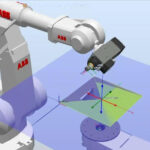
ELECTRONICS MANUFACTURING: Study Shows Robotic Machining Can Increase Productivity by 33% and Return on...
INTERESTING SOLUTIONS for pressed manufacturers of CONSUMER ELECTRONICS in ABB and PORSCHE CONSULTING's report. Although robotic automation solutions have become cheaper, the electronics industry has been slow to adopt smart factory technologies.
This is one of the important conclusions in a report that ABB Robotics produced together with Porsche Consulting. The area that the study deals with is undeniably also very current and interesting: surface finishing solutions related to electronics manufacturing.
A major point in the study carried out by the companies is that robotic automation can improve productivity, production capacity and, ultimately, also profitability in electronics manufacturing. Among other things, they state that robotic processing can increase productivity by 33 percent, which they claim can provide a return on investment of 1,200 percent.
The report "Capitalize surface finishing with technology empowered robotic solutions" encourages manufacturers to adopt the latest findings in robotic machining to increase their production capacity and sustainability through less waste and lower costs.
"Tough competition, along with low profit margins, is one of the most critical challenges facing consumer electronics manufacturers today," notes Craig McDonnell, Director of Business Line Industries, ABB Robotics. He continues: "With rapid advances in product design and growing customer demand, manufacturers are under pressure to minimize production costs while increasing capacity. By leveraging advanced robotic software and digital technologies, electronics manufacturing service (EMS) companies can potentially transform their productivity by 33 percent or more, while enhancing their sustainability through waste minimization.” According to another cross-industry survey1 by Porsche Consulting, based on interviews with 48 senior executives in the electronics industry, including CEOs and COOs, productivity, reliability, flexibility, sustainability and employee attractiveness are the five most important goals underlying companies' efforts to optimize their production networks . The results show that while 96% of companies have begun their transition to smart factories to achieve these goals, only 8% of organizations in the survey have fully realized expectations. It is due to a limited view that focuses on the automation of physical processes. What are the related factors that can sharpen smart factories?
Click on the headline to read the full article on PLM&ERP News.
This is one of the important conclusions in a report that ABB Robotics produced together with Porsche Consulting. The area that the study deals with is undeniably also very current and interesting: surface finishing solutions related to electronics manufacturing.
A major point in the study carried out by the companies is that robotic automation can improve productivity, production capacity and, ultimately, also profitability in electronics manufacturing. Among other things, they state that robotic processing can increase productivity by 33 percent, which they claim can provide a return on investment of 1,200 percent.
The report "Capitalize surface finishing with technology empowered robotic solutions" encourages manufacturers to adopt the latest findings in robotic machining to increase their production capacity and sustainability through less waste and lower costs.
"Tough competition, along with low profit margins, is one of the most critical challenges facing consumer electronics manufacturers today," notes Craig McDonnell, Director of Business Line Industries, ABB Robotics. He continues: "With rapid advances in product design and growing customer demand, manufacturers are under pressure to minimize production costs while increasing capacity. By leveraging advanced robotic software and digital technologies, electronics manufacturing service (EMS) companies can potentially transform their productivity by 33 percent or more, while enhancing their sustainability through waste minimization.” According to another cross-industry survey1 by Porsche Consulting, based on interviews with 48 senior executives in the electronics industry, including CEOs and COOs, productivity, reliability, flexibility, sustainability and employee attractiveness are the five most important goals underlying companies' efforts to optimize their production networks . The results show that while 96% of companies have begun their transition to smart factories to achieve these goals, only 8% of organizations in the survey have fully realized expectations. It is due to a limited view that focuses on the automation of physical processes. What are the related factors that can sharpen smart factories?
Click on the headline to read the full article on PLM&ERP News.
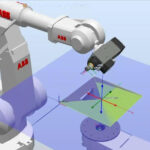
ELEKTRONIKTILLVERKNING: Studie visar att robotbearbetning kan öka produktiviteten med 33% och ge en avkastning...
INTRESSANTA LÖSNINGAR för pressade tillverkare av KONSUMENTELEKTRONIK i ABBs och PORSCHE CONSULTINGs rapport. Trots att lösningarna för robotautomation har blivit billigare har elektronikindustrin varit sen med att ta till sig smarta fabriksteknologier. Det är en av de viktiga konklusionerna i en rapport som ABB Robotics tagit fram tillsammans med Porsche Consulting. Området som studien behandlar är onekligen också mycket aktuellt och intressant, ytbehandlingslösningar relaterat till elektroniktillverkning.
En tung poängen i den studie bolagen gjort är att man med robotautomation kan förbättra produktivitet, produktionskapacitet och på sista vraden därmed också lönsamheten ordentligt inom elektroniktillverkning. Bland annat uppger man att robotbearbetning kan öka produktiviteten med 33 procent, vilket man hävdar kan ge en avkastning på gjord investering med 1 200 procent.
Rapporten ”Capitalize surface finishing with technology empowered robotic solutions” uppmuntrar tillverkarna att ta till sig de senaste rönen inom robotbearbetning för att öka sin produktionskapacitet och hållbarhet genom mindre spill och lägre kostnader.
”Den tuffa konkurrensen hör, tillsammans med låga vinstmarginaler, till de mest kritiska utmaningarna som tillverkare av konsumentelektronik ställs inför idag”, konstaterar Craig McDonnell, direktör med ansvar för Business Line Industries, på ABB Robotics.Han fortsätter: ”Med snabba framsteg inom produktdesign och en växande efterfrågan hos kunderna har tillverkarna tryck på sig att minimera produktionskostnaderna samtidigt som kapaciteten ökas. Genom att dra nytta av avancerade robotprogramvaror och digitala teknologier kan EMS-företagen (electronics manufacturing service, tjänster inom elektronisk tillverkning) potentiellt omvandla sin produktivitet med 33 procent eller ännu mer, samtidigt som deras hållbarhet stärks tack vare minimering av spillet.”
Enligt en annan branschövergripande undersökning1av Porsche Consulting, baserad på intervjuer med 48 högre chefer inom elektronikindustrin, inklusive CEO och COO, är produktivitet, pålitlighet, flexibilitet, hållbarhet och attraktionskraft för personal de fem viktigaste målen som ligger till grund för företagens satsningar att optimera sina produktionsnätverk.
Resultatet visar att även om 96 procent av företagen har påbörjat sin omställning till smarta fabriker för att uppnå dessa mål, är det bara åtta procent av organisationerna i undersökningen som har förverkligat förväntningarna till fullo. Det beror på en begränsad syn som fokuserar på automatiseringen av fysiska processer. Vilka är faktorerna som kan vässa smarta fabriker? Klicka på rubriken för att läsa mer på PLM&ERP News.
En tung poängen i den studie bolagen gjort är att man med robotautomation kan förbättra produktivitet, produktionskapacitet och på sista vraden därmed också lönsamheten ordentligt inom elektroniktillverkning. Bland annat uppger man att robotbearbetning kan öka produktiviteten med 33 procent, vilket man hävdar kan ge en avkastning på gjord investering med 1 200 procent.
Rapporten ”Capitalize surface finishing with technology empowered robotic solutions” uppmuntrar tillverkarna att ta till sig de senaste rönen inom robotbearbetning för att öka sin produktionskapacitet och hållbarhet genom mindre spill och lägre kostnader.
”Den tuffa konkurrensen hör, tillsammans med låga vinstmarginaler, till de mest kritiska utmaningarna som tillverkare av konsumentelektronik ställs inför idag”, konstaterar Craig McDonnell, direktör med ansvar för Business Line Industries, på ABB Robotics.Han fortsätter: ”Med snabba framsteg inom produktdesign och en växande efterfrågan hos kunderna har tillverkarna tryck på sig att minimera produktionskostnaderna samtidigt som kapaciteten ökas. Genom att dra nytta av avancerade robotprogramvaror och digitala teknologier kan EMS-företagen (electronics manufacturing service, tjänster inom elektronisk tillverkning) potentiellt omvandla sin produktivitet med 33 procent eller ännu mer, samtidigt som deras hållbarhet stärks tack vare minimering av spillet.”
Enligt en annan branschövergripande undersökning1av Porsche Consulting, baserad på intervjuer med 48 högre chefer inom elektronikindustrin, inklusive CEO och COO, är produktivitet, pålitlighet, flexibilitet, hållbarhet och attraktionskraft för personal de fem viktigaste målen som ligger till grund för företagens satsningar att optimera sina produktionsnätverk.
Resultatet visar att även om 96 procent av företagen har påbörjat sin omställning till smarta fabriker för att uppnå dessa mål, är det bara åtta procent av organisationerna i undersökningen som har förverkligat förväntningarna till fullo. Det beror på en begränsad syn som fokuserar på automatiseringen av fysiska processer. Vilka är faktorerna som kan vässa smarta fabriker? Klicka på rubriken för att läsa mer på PLM&ERP News.

The Art of Mastering Chaos – About Model-Based Systems Engineering at Kongsberg Defence &...
On TECHNIA's EVENT, "EXPLORING the FRONTIERS in DIGITAL ENGINEERING". When Addnode-owned PLM consultant and Dassault's globally leading VAR (Value Added Reseller), TECHNIA, kicks off the fall event season tomorrow (September 26), MBSE is a heavy focus. As well as examples of how to work with this at Kongsberg Defence & Aerospace, a leading supplier of defence products and systems. There are good reasons for this, MBSE, Model-Based Systems Engineering, has come more and more and is changing the development of complex products and systems. An MBSE model is a digital representation of a system or product, which among other things enables the simulation of behaviors and full traceability from requirements to validation.
An interesting aspect of this is the connections to digital twins. With these in place, engineering teams can iterate and respond more quickly to changing requirements. In line with increasing complexity of systems and products, there is also a rising demand for optimization of these. Digital twins are used to manage the performance, "health" and status of a physical system by virtualizing it. The creation of digital twins made possible by the MBSE concept has, for example, helped to increase system interconnection and simplified the system optimization process.
TECHNIA's CTO, Johannes Storvik, one of the keynote speakers during the event, also points to the value of this:
“Unlike traditional methods that rely heavily on documents, MBSE uses models as the primary basis for information exchange and decision-making. With this methodology, efficiency increases, while the number of errors tends to decrease and we get a clearer and more consistent framework for all phases of the system's life cycle,” he says.
One of the companies that invested in MBSE, and which presents at the event, is Norwegian Kongsberg Defense & Aerospace (KAD). Storvik regard the company as a forerunner when it comes to replacing traditional document-based methods with state-of-the-art model-based tools and techniques.
"What the company has done is exciting and well worth exploring, not least from the perspective of how Digital Engineering, a development of MBSE, changes development of complex products and systems," says Storvik, emphasizing the power of the Dassault Systemes platform, 3DEXPERIENCE, and the Digital Engineering methodology.
The backdrop is that TECHNIA delivers and contributes with the implementation of Dassault solutions to KAD.
"They have a large digitization project and at the same time embarked on a journey to build up production globally. One of their 'MBSE pilots' will tell us more about this,” says TECHNIA's sales executive, Ketil Aamold.
From Kongsberg Innovation, Ole Hoen presents their new System Engineering CATAPULT and Kongsberg Defense & Aerospace's Trygve Røste, Systems Architect tells more about MBSE. Other presenters are Dassault's Romain André and Tony Parez-Edo, Swift Navigation's James Tidd and SINTEF's Odd Myklebust.
Click on the title to read more on PLM&ERP News.
An interesting aspect of this is the connections to digital twins. With these in place, engineering teams can iterate and respond more quickly to changing requirements. In line with increasing complexity of systems and products, there is also a rising demand for optimization of these. Digital twins are used to manage the performance, "health" and status of a physical system by virtualizing it. The creation of digital twins made possible by the MBSE concept has, for example, helped to increase system interconnection and simplified the system optimization process.
TECHNIA's CTO, Johannes Storvik, one of the keynote speakers during the event, also points to the value of this:
“Unlike traditional methods that rely heavily on documents, MBSE uses models as the primary basis for information exchange and decision-making. With this methodology, efficiency increases, while the number of errors tends to decrease and we get a clearer and more consistent framework for all phases of the system's life cycle,” he says.
One of the companies that invested in MBSE, and which presents at the event, is Norwegian Kongsberg Defense & Aerospace (KAD). Storvik regard the company as a forerunner when it comes to replacing traditional document-based methods with state-of-the-art model-based tools and techniques.
"What the company has done is exciting and well worth exploring, not least from the perspective of how Digital Engineering, a development of MBSE, changes development of complex products and systems," says Storvik, emphasizing the power of the Dassault Systemes platform, 3DEXPERIENCE, and the Digital Engineering methodology.
The backdrop is that TECHNIA delivers and contributes with the implementation of Dassault solutions to KAD.
"They have a large digitization project and at the same time embarked on a journey to build up production globally. One of their 'MBSE pilots' will tell us more about this,” says TECHNIA's sales executive, Ketil Aamold.
From Kongsberg Innovation, Ole Hoen presents their new System Engineering CATAPULT and Kongsberg Defense & Aerospace's Trygve Røste, Systems Architect tells more about MBSE. Other presenters are Dassault's Romain André and Tony Parez-Edo, Swift Navigation's James Tidd and SINTEF's Odd Myklebust.
Click on the title to read more on PLM&ERP News.

ERP: Why the World Player in Renewable Energy Decided to Bet on IFS Cloud
SUSTAINABILITY & AI: RES - a NICE FEATHER IN THE CAP FOR IFS. The energy area is one of the industrial focus segments of the business system developer, IFS. Related to this, the company has also launched a series of interesting initiatives in the AI, cloud and sustainability domains, linked to, among other things, the energy area. With this as a background, IFS has recently announced a nice feather in its cap on the customer side: RES, the world's largest independent renewable energy company, has chosen IFS Cloud to support its operations as it strives to adapt operational procedures and continued global growth.
RES has operations in 24 countries within wind, solar, energy storage, biomass, hydropower, green hydrogen, transmission and distribution. In this regard, the company is an innovator that has delivered renewable energy projects with more than 26 GW of power effect (GE=GigaWatt) all over the world. Future plans also include adding more than 22 GW of new capacity online over the next five years. 1 GW gigawatt is equal to one billion watts, which in the perspective that the light bulbs in our homes are usually between 60 and 100 watts, says something about the size of RES’ capacity.
Why did they choose IFS Cloud?
"Investing in this solution gives us enhanced control over all our business activities, which will help us drive operational efficiency. With IFS Cloud, we will have access to clear business information for decision-making and will be able to achieve faster decision times as a result," sums up Henrik Brandt, CFO, Chief Financial Officer, at RES, the matter.
It is also clear that with IFS Cloud solutions you can benefit from a new level of valuable AI functions and innovation relevant to the energy industry. Not least, these are valuable capabilities at a time when regulations in Europe and the US force companies to take measures to determine and manage their sustainability commitments. With IFS's new AI-powered functions, companies get the essential support they need to sharpen their operations and report their progress.
Commenting on the announced order from RES, IFS CEO Mark Moffat pointed to the strategic value of the asset and service-centric ERP software offered by IFS Cloud:
" RES is a bold, innovative renewable energy company that fully understands the strategic importance of asset and service centric ERP software and the potential of harnessing it to drive efficiencies across its business. We are confident that IFS Cloud will allow them to manage development and construction projects, deliver efficient asset operations, get visibility into project costs, and standardize processes across their entire business more effectively.”
Click on the headline to read the full article on PLM&ERP News.
RES has operations in 24 countries within wind, solar, energy storage, biomass, hydropower, green hydrogen, transmission and distribution. In this regard, the company is an innovator that has delivered renewable energy projects with more than 26 GW of power effect (GE=GigaWatt) all over the world. Future plans also include adding more than 22 GW of new capacity online over the next five years. 1 GW gigawatt is equal to one billion watts, which in the perspective that the light bulbs in our homes are usually between 60 and 100 watts, says something about the size of RES’ capacity.
Why did they choose IFS Cloud?
"Investing in this solution gives us enhanced control over all our business activities, which will help us drive operational efficiency. With IFS Cloud, we will have access to clear business information for decision-making and will be able to achieve faster decision times as a result," sums up Henrik Brandt, CFO, Chief Financial Officer, at RES, the matter.
It is also clear that with IFS Cloud solutions you can benefit from a new level of valuable AI functions and innovation relevant to the energy industry. Not least, these are valuable capabilities at a time when regulations in Europe and the US force companies to take measures to determine and manage their sustainability commitments. With IFS's new AI-powered functions, companies get the essential support they need to sharpen their operations and report their progress.
Commenting on the announced order from RES, IFS CEO Mark Moffat pointed to the strategic value of the asset and service-centric ERP software offered by IFS Cloud:
" RES is a bold, innovative renewable energy company that fully understands the strategic importance of asset and service centric ERP software and the potential of harnessing it to drive efficiencies across its business. We are confident that IFS Cloud will allow them to manage development and construction projects, deliver efficient asset operations, get visibility into project costs, and standardize processes across their entire business more effectively.”
Click on the headline to read the full article on PLM&ERP News.

ERP: Därför satsar världsspelaren inom förnybar energi på IFS Cloud
HÅLLBARHET & AI: EN FIN FJÄDER I HATTEN FÖR IFS. Energiområdet är ett av affärssystem-utvecklarens, IFS, industriella fokussegment. Bolaget har relaterat till detta också en rad intressanta initiativ igång när det gäller AI-, molnet- och hållbarhets-domänerna, kopplat till bl a just energiområdet. Med detta som bakgrund har den svenska ERP-utvecklaren i dagarna annonserat en fin fjäder i hatten när det gäller kundsidan: Det är RES, världens största oberoende företag för förnybar energi, som har valt IFS Cloud för att stödja sin verksamhet när det strävar efter att anpassa operativa procedurer och fortsatt global tillväxt.
RES har verksamhet i 24 länder inom vind, sol, energilagring, biomassa, vattenkraft, grönt väte, transmission och distribution. Bolaget är i detta en innovatör som över hela världen har levererat förnybara energiprojekt med mer än 26 GWs effekt (GE=GigaWatt). I framtidsplanerna finns dessutom planer på att lägga till mer än 22 GW ny kapacitet online under de kommande fem åren. Då ska man komma ihåg att 1 GW gigawatt är lika med en miljard watt, vilket i perspektivet av att glödlamporna i våra hem vanligtvis ligger på mellan 60 och 100 watt, säger något om storleken på RES-kapaciteten.
Varför väljer man IFS Cloud?
"Att investera i denna lösning ger oss ökad kontroll över alla våra affärsaktiviteter, vilket kommer att hjälpa oss att driva operativ effektivitet. Med IFS Cloud kommer vi att ha tillgång till tydlig affärsinformation för beslutsfattande och kommer att kunna uppnå snabbare beslutstid som ett resultat,” summerar Henrik Brandt, CFO, Chief Financial Officer, på RES, saken.
Klart är också att man med IFS Cloud-lösningar kan dra nytta av en ny nivå av värdefulla AI-funktioner och innovation som är relevant för energibranschen. Inte minst är detta värdefulla kapabiliteter i en tid när regleringar i Europa och USA tvingar företag att vidta åtgärder för att fastställa och hantera sina hållbarhetsåtaganden. Med IFS nya AI-drivna funktioner får företag i allt väsentligt nödvändigt stöd för att vässa sin verksamhet och rapportera sina framsteg.
IFS-chefen, Mark Moffat, pekade i en kommenter kring den annonserade ordern från RES på det strategiska värdet av den tillgångs- och tjänstecentrerade ERP-mjukvara som IFS Cloud erbjuder:
"RES är ett djärvt, innovativt företag för förnybar energi som till fullo inser potentialen i att utnyttja denna mjukvara för att öka effektiviteten i hela sin verksamhet. Vi är övertygade om att IFS Cloud kommer att tillåta dem att hantera utvecklings- och byggprojekt, leverera effektiv tillgångsdrift, få insyn i projektkostnader och mer effektivt standardisera processer över hela sin verksamhet.”
Klicka på rubriken för att läsa mer på PLM&ERP News.
RES har verksamhet i 24 länder inom vind, sol, energilagring, biomassa, vattenkraft, grönt väte, transmission och distribution. Bolaget är i detta en innovatör som över hela världen har levererat förnybara energiprojekt med mer än 26 GWs effekt (GE=GigaWatt). I framtidsplanerna finns dessutom planer på att lägga till mer än 22 GW ny kapacitet online under de kommande fem åren. Då ska man komma ihåg att 1 GW gigawatt är lika med en miljard watt, vilket i perspektivet av att glödlamporna i våra hem vanligtvis ligger på mellan 60 och 100 watt, säger något om storleken på RES-kapaciteten.
Varför väljer man IFS Cloud?
"Att investera i denna lösning ger oss ökad kontroll över alla våra affärsaktiviteter, vilket kommer att hjälpa oss att driva operativ effektivitet. Med IFS Cloud kommer vi att ha tillgång till tydlig affärsinformation för beslutsfattande och kommer att kunna uppnå snabbare beslutstid som ett resultat,” summerar Henrik Brandt, CFO, Chief Financial Officer, på RES, saken.
Klart är också att man med IFS Cloud-lösningar kan dra nytta av en ny nivå av värdefulla AI-funktioner och innovation som är relevant för energibranschen. Inte minst är detta värdefulla kapabiliteter i en tid när regleringar i Europa och USA tvingar företag att vidta åtgärder för att fastställa och hantera sina hållbarhetsåtaganden. Med IFS nya AI-drivna funktioner får företag i allt väsentligt nödvändigt stöd för att vässa sin verksamhet och rapportera sina framsteg.
IFS-chefen, Mark Moffat, pekade i en kommenter kring den annonserade ordern från RES på det strategiska värdet av den tillgångs- och tjänstecentrerade ERP-mjukvara som IFS Cloud erbjuder:
"RES är ett djärvt, innovativt företag för förnybar energi som till fullo inser potentialen i att utnyttja denna mjukvara för att öka effektiviteten i hela sin verksamhet. Vi är övertygade om att IFS Cloud kommer att tillåta dem att hantera utvecklings- och byggprojekt, leverera effektiv tillgångsdrift, få insyn i projektkostnader och mer effektivt standardisera processer över hela sin verksamhet.”
Klicka på rubriken för att läsa mer på PLM&ERP News.