



LIVE CAD in the Industrial Metaverse: Siemens and Sony Man the Immersive Barricade
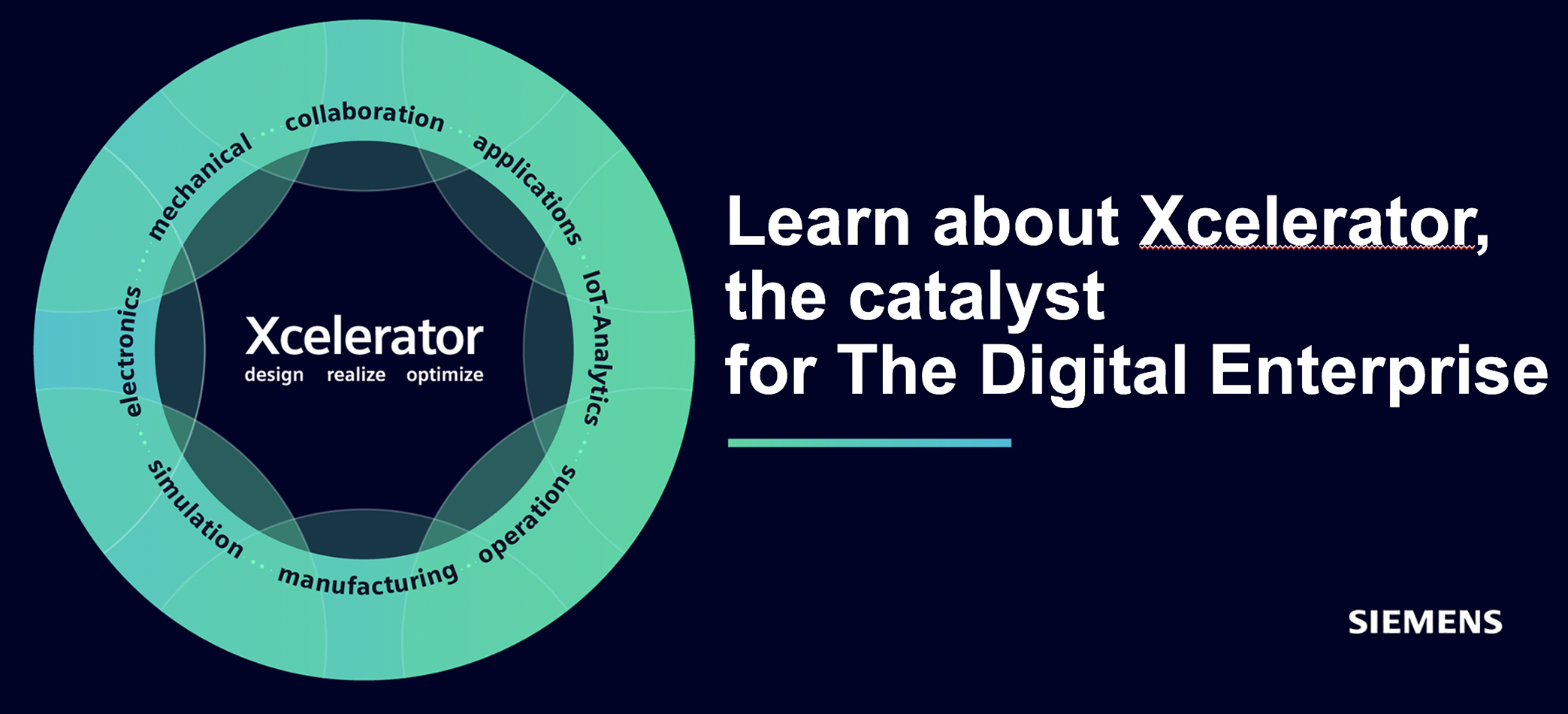
HANDS-ON THE NEW TECHNOLOGY on JANUARY 23 in STOCKHOLM. Immersive design using Siemens NX CAD and a new specially developed head-mounted display from Japanese electronics giant Sony – could that be your next digital tool option? Don't miss the chance to try out what many observers believe will become a mainstay in not only product development and the industrial metaverse concept, but which will also have productive offshoots in both maintenance and marketing. At an event in central Stockholm on Thursday, January 23, at 10:30am at Scandic Continental, Siemens Digital Industries Software's Nordic operation and Sony will showcase this interesting technology.
The immersive solution that Siemens and Sony have now developed was shown during last week's gigantic electronics event CES 2025, in Las Vegas, where the companies' joint in-depth project were among the news that attracted the most interest. The constellation has developed a coherent solution where Siemens stands for design technology via the NX CAD platform, while Sony develops the new high-level head-mounted display technology.
Immersive CAD design work with the help of these displays is an area that is increasingly emerging. Being able to both literally and figuratively step into and review, manipulate, interact and collaborate on digital 3D models provides unimagined opportunities to develop completely new levels of innovative product solutions.
PLM&ERP News has previously reported on the case where Volvo Trucks managed to test immersive interaction in the development work of the all-electric Volvo truck, the VNR Electric. This involved a digital scale one-to-one model, including all of the vehicle's more than 12,000 parts, which was run in VR to validate new design, assembly and maintenance processes.
“But the new technology combo we have developed is not just for OEMs, but is equally useful for smaller players. Today, it is not only an important future design track, but is a technology that has already received such good solution platforms that they will play important roles when the industrial metaverse now takes off,” sums up Siemens Digital Industries Software’s Nordic manager, Mats Friberg.
Among the leading developers, Siemens has advanced to one of the leading positions in recent years, not least based on the deep collaboration with its partner on the display side, Sony. The XR HMD (SRH-S1) has Sony’s high-resolution 1.3-type OLED micro-displays with 4K resolution, and a proprietary rendering technology for real-time, high-resolution and realistic rendering of 3D objects.
“Together with the Siemens Immersive Engineering toolkit, the development brings the power of ‘mixed reality’ to product development,” says Siemens CAD manager, senior VP, Bob Haubrock.
Click on the headline to read the full article on PLM&ERP News.
The immersive solution that Siemens and Sony have now developed was shown during last week's gigantic electronics event CES 2025, in Las Vegas, where the companies' joint in-depth project were among the news that attracted the most interest. The constellation has developed a coherent solution where Siemens stands for design technology via the NX CAD platform, while Sony develops the new high-level head-mounted display technology.
Immersive CAD design work with the help of these displays is an area that is increasingly emerging. Being able to both literally and figuratively step into and review, manipulate, interact and collaborate on digital 3D models provides unimagined opportunities to develop completely new levels of innovative product solutions.
PLM&ERP News has previously reported on the case where Volvo Trucks managed to test immersive interaction in the development work of the all-electric Volvo truck, the VNR Electric. This involved a digital scale one-to-one model, including all of the vehicle's more than 12,000 parts, which was run in VR to validate new design, assembly and maintenance processes.
“But the new technology combo we have developed is not just for OEMs, but is equally useful for smaller players. Today, it is not only an important future design track, but is a technology that has already received such good solution platforms that they will play important roles when the industrial metaverse now takes off,” sums up Siemens Digital Industries Software’s Nordic manager, Mats Friberg.
Among the leading developers, Siemens has advanced to one of the leading positions in recent years, not least based on the deep collaboration with its partner on the display side, Sony. The XR HMD (SRH-S1) has Sony’s high-resolution 1.3-type OLED micro-displays with 4K resolution, and a proprietary rendering technology for real-time, high-resolution and realistic rendering of 3D objects.
“Together with the Siemens Immersive Engineering toolkit, the development brings the power of ‘mixed reality’ to product development,” says Siemens CAD manager, senior VP, Bob Haubrock.
Click on the headline to read the full article on PLM&ERP News.

LIVE CAD i det industriella metaverset: Siemens och Sony kliver upp på den IMMERSIVA...
PROVA PÅ på den NYA TEKNIKEN den 23/1. Immersiv, eller omslutande design med hjälp av ett CAD-program, Siemens NX, och en ny spelcialutvecklad huvudmonterad display från elektronikjätten Sony – kan det vara något? Missa inte chansen att prova på det som bedömare menar blir en grundpelare inom produktutvecklingen och det industriella metaverse-konceptet, men som också får avläggare inom både underhåll och marknadsföring. På ett event i Stockholm torsdagen den 23 januari, kl 10.30, på Scandic Continental, kommer Siemens Digital Industries Software Norden och Sony att visa upp denna intressanta teknologi.
Den immersiva lösning som Siemens och Sony nu tagit fram står ut i teknologiskt hänseende. Något som inte minst visades under förra veckans gigantiska elektronikevent CES 2025, i Las Vegas, där bolagens nya immersiva projekt var bland det som väckte mest intresse. Konstellationen har utvecklat en sammanhållen lösning där Siemens står för designteknologin via NX CAD-plattformen, medan Sony utvecklat de huvudmonterade displayerna.
Immersivt designarbete med hjälp av denna display-typ är ett område som kommer allt mer. Att kunna kliva in i och granska, manipulera, interagera och samarbeta kring 3D-modeller live ger oanade möjligheter att utveckla helt nya nivåer av innovativa produkter. PLM&ERP News har tidigare rapporterat om caset där Volvo Trucks framgångsrikt testat immersiv interaktion i utvecklingsarbetet av den helelektriska Volvo-lastbilen, VNR Electric. Det handlade här om en digital skala ett-till-ett-modell, inkluderat alla fordonets mer än 12 000 delar, som kördes i VR för att validera nya design-, monterings- och underhållsprocesser.
”Men teknologin som vi nu har tagit fram är inte bara något för OEM-bolag, utan är lika användbar för mindre aktörer. Det är idag inte bara ett viktigt framtida designspår, utan är en teknologi som redan nu fått så bra lösningsplattformar att de kommer att spela tunga roller när den industriella metaversen nu tar fart,” summerar Siemens Digital Industries Softwares nordiske chef, Mats Friberg.
Bland spetsutvecklarna har Siemens under de senaste åren avancerat upp i en av de ledande positionerna, inte minst då baserat på det djupa samarbetet med partnern på displaysidan, Sony. XR HMD (SRH-S1) har Sonys högupplösta 1.3-typ OLED-mikroskärmar med 4K-upplösning, och en egenutvecklad renderingsteknik för realtid, högupplöst och realistisk rendering av 3D-objekt.
”Tillsammans med Siemens Immersive Engineering-verktygsuppsättning tillförs utvecklare kraften i ’mixed reality’ i produktutvecklingen,” säger Siemens CAD-chef, seniora VPn, Bob Haubrock.
Klicka på rubriken för att läsa mer på PLM&ERP News.
Den immersiva lösning som Siemens och Sony nu tagit fram står ut i teknologiskt hänseende. Något som inte minst visades under förra veckans gigantiska elektronikevent CES 2025, i Las Vegas, där bolagens nya immersiva projekt var bland det som väckte mest intresse. Konstellationen har utvecklat en sammanhållen lösning där Siemens står för designteknologin via NX CAD-plattformen, medan Sony utvecklat de huvudmonterade displayerna.
Immersivt designarbete med hjälp av denna display-typ är ett område som kommer allt mer. Att kunna kliva in i och granska, manipulera, interagera och samarbeta kring 3D-modeller live ger oanade möjligheter att utveckla helt nya nivåer av innovativa produkter. PLM&ERP News har tidigare rapporterat om caset där Volvo Trucks framgångsrikt testat immersiv interaktion i utvecklingsarbetet av den helelektriska Volvo-lastbilen, VNR Electric. Det handlade här om en digital skala ett-till-ett-modell, inkluderat alla fordonets mer än 12 000 delar, som kördes i VR för att validera nya design-, monterings- och underhållsprocesser.
”Men teknologin som vi nu har tagit fram är inte bara något för OEM-bolag, utan är lika användbar för mindre aktörer. Det är idag inte bara ett viktigt framtida designspår, utan är en teknologi som redan nu fått så bra lösningsplattformar att de kommer att spela tunga roller när den industriella metaversen nu tar fart,” summerar Siemens Digital Industries Softwares nordiske chef, Mats Friberg.
Bland spetsutvecklarna har Siemens under de senaste åren avancerat upp i en av de ledande positionerna, inte minst då baserat på det djupa samarbetet med partnern på displaysidan, Sony. XR HMD (SRH-S1) har Sonys högupplösta 1.3-typ OLED-mikroskärmar med 4K-upplösning, och en egenutvecklad renderingsteknik för realtid, högupplöst och realistisk rendering av 3D-objekt.
”Tillsammans med Siemens Immersive Engineering-verktygsuppsättning tillförs utvecklare kraften i ’mixed reality’ i produktutvecklingen,” säger Siemens CAD-chef, seniora VPn, Bob Haubrock.
Klicka på rubriken för att läsa mer på PLM&ERP News.

HEXAGON acquires company with groundbreaking positioning solution for navigation and autonomous applications
RELIABLE POSITIONING, down to the CENTIMETER LEVEL in everything from AUTOMOTIVE and UAVs to CONSTRUCTION and LOGISTICS. Hexagon, a Swedish industry group that supplies measurement and positioning systems for objects in both the micro and macro segments, announces the acquisition of the Belgian company Septentrio NV. The latter is a market leader and OEM provider of technologies for global navigation satellite systems, Global Navigation Satellite System (GNSS), to drive innovation and expand the market reach of Resilient Assured Positioning solutions. More specifically, Septentrio designs, manufactures and sells high-precision multi-frequency and constellation GNSS receivers for use in demanding applications.
”The company's receivers deliver accurate and reliable positioning, down to the centimeter level,” says,” Norbert Hanke, interim CEO of Hexagon.
Currently, GNSS/GPS is used in a variety of areas where the use of accurate, constantly available position and time information is required. Reliable centimeter-level positioning enables, for example, machine automation that improves efficiency and safety. In this, Septentrio provides solutions for industrial applications such as robotics, construction, mapping and surveying, maritime, logistics and unmanned aerial vehicles (UAV). In terms of industry, it is found in agriculture, transportation, machine control, marine navigation, vehicle navigation, mobile communications and, interestingly, also athletics.
By combining Septentrio's GNSS platform with Hexagon's extensive positioning portfolio, including sensor fusion, anti-jamming, correction services and perception technologies, Hexagon believes that, "it will enable groundbreaking solutions for various markets and applications that ensure greater accessibility to high-precision and high-performance positioning technology with low SWaP (Size, Weight and Power) characteristics. ”
Norbert Hanke, claims that today’s announced acquisition will accelerate the adoption of autonomous systems in existing markets and meet the needs of emerging high-growth segments such as robotics, UAVs, autonomy and other mission-critical applications.
“The combination of Hexagon and Septentrio will transform the positioning industry across existing and new markets and set new standards for the accuracy, resilience and scalability of positioning technologies, necessary to support and accelerate the journey towards full autonomy,” he says in a comment.
Examples of Septentrio customers are Swedish defense giant Saab Group and Xenomatix, an established tier II automotive supplier providing LiDAR based solutions enabling autonomous driving.
How will the now announced purchase strengthen Hexagon? Click on the headline to read the full story on PLM&ERP News.
”The company's receivers deliver accurate and reliable positioning, down to the centimeter level,” says,” Norbert Hanke, interim CEO of Hexagon.
Currently, GNSS/GPS is used in a variety of areas where the use of accurate, constantly available position and time information is required. Reliable centimeter-level positioning enables, for example, machine automation that improves efficiency and safety. In this, Septentrio provides solutions for industrial applications such as robotics, construction, mapping and surveying, maritime, logistics and unmanned aerial vehicles (UAV). In terms of industry, it is found in agriculture, transportation, machine control, marine navigation, vehicle navigation, mobile communications and, interestingly, also athletics.
By combining Septentrio's GNSS platform with Hexagon's extensive positioning portfolio, including sensor fusion, anti-jamming, correction services and perception technologies, Hexagon believes that, "it will enable groundbreaking solutions for various markets and applications that ensure greater accessibility to high-precision and high-performance positioning technology with low SWaP (Size, Weight and Power) characteristics. ”
Norbert Hanke, claims that today’s announced acquisition will accelerate the adoption of autonomous systems in existing markets and meet the needs of emerging high-growth segments such as robotics, UAVs, autonomy and other mission-critical applications.
“The combination of Hexagon and Septentrio will transform the positioning industry across existing and new markets and set new standards for the accuracy, resilience and scalability of positioning technologies, necessary to support and accelerate the journey towards full autonomy,” he says in a comment.
Examples of Septentrio customers are Swedish defense giant Saab Group and Xenomatix, an established tier II automotive supplier providing LiDAR based solutions enabling autonomous driving.
How will the now announced purchase strengthen Hexagon? Click on the headline to read the full story on PLM&ERP News.
HEXAGON köper bolag med banbrytande lösning för positionering inom navigering och för autonoma applikationer
EXAKT och PÅLITLIG POSITIONERING, ner PÅ CENTIMETERNIVÅ. Hexagon meddelar att man köper det belgiska bolaget Septentrio NV, en marknadsledare och OEM-leverantör av teknologier för globala satellitbaserade navigations-system, Global Navigation Satellite System (GNSS), för att driva innovation och utöka marknadsräckvidden för Resilient Assured Positioning-lösningar.
Mer detaljerat designar, tillverkar och säljer Septentrio högprecisions multi-frekvens och -konstellations GNSS-mottagare för användning i krävande applikationer. Bolagets mottagare levererar exakt och pålitlig positionering, t o m ner på centimeternivå.
För närvarande används GNSS/GPS inom en mängd olika områden där användningen av exakt, ständigt tillgänglig positions- och tidsinformation krävs. Pålitlig positionering på centimeternivå möjliggör t ex maskinautomatisering som förbättrar effektivitet och säkerhet. I detta tillhandahåller Septentrio positioneringslösningar för industriella tillämpningar som robotik, konstruktion, kartläggning och kartläggning, sjöfart, logistik och obemannade flygfarkoster (UAV). Branschmässig finns man inom jordbruk, transport, maskinkontroll, marin navigation, fordonsnavigering, mobil kommunikation och intressant nog också friidrott.
Genom att kombinera Septentrios GNSS-plattform med Hexagons omfattande positioneringsportfölj, inklusive sensorfusion, anti-jamming, korrigeringstjänster och perceptionsteknologier, menar Hexagon att man, ”kommer det att möjliggöra banbrytande lösningar för olika marknader och applikationer som säkerställer större tillgänglighet till hög precision och högpresterande positioneringsteknik med låga SWaP-egenskaper (Size, Weight and Power).”
Interims-CEOn för Hexagon, Norbert Hanke, hävdar att dagens annonserade förvärv kommer att påskynda införandet av autonoma system på befintliga marknader och tillgodose behoven hos framväxande högtillväxtsegment som robotik, UAV, autonomi och andra verksamhetskritiska applikationer.
"Kombinationen av Hexagon och Septentrio kommer att omvandla positioneringsindustrin över befintliga och nya marknader och sätta nya standarder för noggrannhet, motståndskraft och skalbarhet hos positioneringsteknologier, nödvändiga för att stödja och påskynda resan mot full autonomi", säger han i en kommentar.
Hur kan det nu annonserade köpet stärka Hexagon? Klicka på rubriken för att läsa mer på PLM&ERP News.
Mer detaljerat designar, tillverkar och säljer Septentrio högprecisions multi-frekvens och -konstellations GNSS-mottagare för användning i krävande applikationer. Bolagets mottagare levererar exakt och pålitlig positionering, t o m ner på centimeternivå.
För närvarande används GNSS/GPS inom en mängd olika områden där användningen av exakt, ständigt tillgänglig positions- och tidsinformation krävs. Pålitlig positionering på centimeternivå möjliggör t ex maskinautomatisering som förbättrar effektivitet och säkerhet. I detta tillhandahåller Septentrio positioneringslösningar för industriella tillämpningar som robotik, konstruktion, kartläggning och kartläggning, sjöfart, logistik och obemannade flygfarkoster (UAV). Branschmässig finns man inom jordbruk, transport, maskinkontroll, marin navigation, fordonsnavigering, mobil kommunikation och intressant nog också friidrott.
Genom att kombinera Septentrios GNSS-plattform med Hexagons omfattande positioneringsportfölj, inklusive sensorfusion, anti-jamming, korrigeringstjänster och perceptionsteknologier, menar Hexagon att man, ”kommer det att möjliggöra banbrytande lösningar för olika marknader och applikationer som säkerställer större tillgänglighet till hög precision och högpresterande positioneringsteknik med låga SWaP-egenskaper (Size, Weight and Power).”
Interims-CEOn för Hexagon, Norbert Hanke, hävdar att dagens annonserade förvärv kommer att påskynda införandet av autonoma system på befintliga marknader och tillgodose behoven hos framväxande högtillväxtsegment som robotik, UAV, autonomi och andra verksamhetskritiska applikationer.
"Kombinationen av Hexagon och Septentrio kommer att omvandla positioneringsindustrin över befintliga och nya marknader och sätta nya standarder för noggrannhet, motståndskraft och skalbarhet hos positioneringsteknologier, nödvändiga för att stödja och påskynda resan mot full autonomi", säger han i en kommentar.
Hur kan det nu annonserade köpet stärka Hexagon? Klicka på rubriken för att läsa mer på PLM&ERP News.

Blazing the Trail in CES 2025: Siemens is on the Move with New Industrial...
“WHAT HAPPENS IN LAS VEGAS doesn’t necessarily stay in Las Vegas – CES 2025 is the proof…” An early sign of spring in PLM and cutting-edge technology development is the CES tech trade show in Las Vegas. When it started today, Siemens was one of the most visible actors among the major PLM players. Several big things are poster pillars for the company, but not surprisingly, AI is the area most heavily promoted. The company’s CTO and Chief Strategy Officer, Peter Koerte, spoke, among other things, about a vision for the future where data, AI and software-defined automation will converge to, “enable unprecedented flexibility, optimization and continuous improvement across the world’s industries, for companies of all sizes.” Big ambitions of course, but also a message at the heart of Siemens’ presence at CES 2025, one of the world’s most influential technology events. Siemens is, Koerte noted, a global leader in industrial software and pointed to the fact that it is now taking bold new steps in industrial innovation.
“Industrial AI is a game changer that will create significant positive impacts in the real world across all industries,” he said and adden: “It allows us to harness the enormous amounts of data generated in industrial environments and transform them into insights that drive businesses. We are adding new AI capabilities across the entire Siemens Xcelerator portfolio to enable our customers to remain competitive, resilient and sustainable in an increasingly complex world.”
Among the pieces he specifically noted was that it is now bringing AI directly to the shop floor with the new “Industrial Copilot for Operations” solution. Among several benefits is that AI tasks can be run as close to machines as possible via edge computing. This facilitates rapid, real-time decision-making for operators and maintenance engineers, increasing productivity and minimizing downtime.
The Industrial Copilot ecosystem is continuously evolving to offer AI capabilities across the entire industrial value chain and to sectors including discrete and process manufacturing, infrastructure and mobility. This suite of copilots can improve human-machine collaboration across all experience levels, helping to accelerate development times and innovation cycles. Siemens Industrial Copilot will integrate with the Industrial Edge ecosystem, which has been enhanced with AI to deploy, operate and manage AI models within the production environment.
But there was more on the menu; such as Siemens' NVIDIA collaboration to deliver physically based visualization for product lifecycle management, an exciting customer collaboration with startup JetZero on an aircraft solution that paves the way towards net-zero operation via partial hydrogen propulsion, and the collaboration with Sony, which was already announced at CES last year, where the companies are now delivering immersive design opportunities with mixed-reality headsets and NX CAD software in combo.
Click on the title to read the full report on Siemens at CES 2025.
“Industrial AI is a game changer that will create significant positive impacts in the real world across all industries,” he said and adden: “It allows us to harness the enormous amounts of data generated in industrial environments and transform them into insights that drive businesses. We are adding new AI capabilities across the entire Siemens Xcelerator portfolio to enable our customers to remain competitive, resilient and sustainable in an increasingly complex world.”
Among the pieces he specifically noted was that it is now bringing AI directly to the shop floor with the new “Industrial Copilot for Operations” solution. Among several benefits is that AI tasks can be run as close to machines as possible via edge computing. This facilitates rapid, real-time decision-making for operators and maintenance engineers, increasing productivity and minimizing downtime.
The Industrial Copilot ecosystem is continuously evolving to offer AI capabilities across the entire industrial value chain and to sectors including discrete and process manufacturing, infrastructure and mobility. This suite of copilots can improve human-machine collaboration across all experience levels, helping to accelerate development times and innovation cycles. Siemens Industrial Copilot will integrate with the Industrial Edge ecosystem, which has been enhanced with AI to deploy, operate and manage AI models within the production environment.
But there was more on the menu; such as Siemens' NVIDIA collaboration to deliver physically based visualization for product lifecycle management, an exciting customer collaboration with startup JetZero on an aircraft solution that paves the way towards net-zero operation via partial hydrogen propulsion, and the collaboration with Sony, which was already announced at CES last year, where the companies are now delivering immersive design opportunities with mixed-reality headsets and NX CAD software in combo.
Click on the title to read the full report on Siemens at CES 2025.


Siemens på hugget under CES 2025: Innovationer inom industriell AI och digital tvillingar väcker...
”DET SOM HÄNDER I LAS VEGAS stannar inte nödvändigtvis i Las Vegas – det är CES 2025 beviset på…” Ett tidigt tecken på att vårsäsongen inom PLM, automation och allmänt när det gäller vass teknologiutveckling är den stora CES-mässan i Las Vegas, där alla med stora teknologi-ambitioner vill synas. När det startade idag, den 7 januari var Siemens en av de mest synliga aktörerna bland de stora PLM-spelarna. Flera saker stora saker är affischpelare för denna ledande PLM- och automationsspelare. Men inte överraskande är AI ett av de området man slår på trumman för. Bolagets styrelsemedlem, CTO och strategichef, Peter Koerte, berättade bl a om en vision för framtiden där data, AI och mjukvarudefinierad automation kommer att konvergera för att, ”möjliggöra oöverträffad flexibilitet, optimering och ständiga förbättringar över världens industrier, för företag av alla storlekar.” Stora ambitioner förstås och kärnan i Siemens närvaro vid CES 2025, ett av världens mest inflytelserika teknikevenemang. Siemens är, konstaterade Koerte inte utan goda anledningar, en global ledaren inom industriell mjukvara och pekade på att man nu tar än mer djärva steg i industriell innovation.
"Industriell AI är en spelomvandlare som kommer att skapa betydande positiva effekter i den verkliga världen inom alla branscher. Industriell AI låter oss utnyttja de enorma mängderna data som genereras i industriella miljöer och omvandla den till insikter som driver verklig affärseffekt. Vi lägger till nya industriella AI-kapaciteter i hela Siemens Xcelerator-portfölj för att göra det möjligt för våra kunder att förbli konkurrenskraftiga, motståndskraftiga och hållbara i en allt mer komplex värld", sa han.
Bland de bitar han specifikt noterade var att man nu tar Industrial AI direkt till verkstadsgolvet med den nya ”Industrial Copilot for Operations-lösningen”. Bland flera fördelar är att AI-uppgifter kan köras så nära maskiner som möjligt, via ”edge computing.” Detta underlättar snabbt beslutsfattande i realtid för operatörer och underhållsingenjörer, vilket ökar produktiviteten och minimerar stilleståndstiden. Industrial Copilots ekosystem utvecklas kontinuerligt för att erbjuda AI-kapacitet över hela den industriella värdekedjan och till sektorer som inkluderar diskret och processtillverkning, infrastruktur och mobilitet. Denna svit av copiloter kan förbättra samarbete mellan människa och maskin över alla erfarenhetsnivåer, vilket hjälper till att påskynda utvecklingstider och innovationscykler. Siemens Industrial Copilot kommer att integreras med Industrial Edge-ekosystemet, som har förbättrats med AI för att distribuera, driva och hantera AI-modeller inom produktionsmiljön.
Men här fanns mer på menyn; som Siemens NVIDIA-samarbete för att leverera fysiskt baserad visualisering för produktlivscykel-hantering, ett spännande kundsamarbete med startupen JetZero kring en flygplanslösning som banar väg mot netto-noll-drift via partitiell vätedrift, och samarbetet med Sony, som annonserades redan på CES ifjol, där bolagen nu levererar immersiva design-möjligheter med mixed-reality-headset och NX CAD-programvara i kombo.
Klicka på rubriken för att läsa hela reportaget kring Siemens på CES 2025.
"Industriell AI är en spelomvandlare som kommer att skapa betydande positiva effekter i den verkliga världen inom alla branscher. Industriell AI låter oss utnyttja de enorma mängderna data som genereras i industriella miljöer och omvandla den till insikter som driver verklig affärseffekt. Vi lägger till nya industriella AI-kapaciteter i hela Siemens Xcelerator-portfölj för att göra det möjligt för våra kunder att förbli konkurrenskraftiga, motståndskraftiga och hållbara i en allt mer komplex värld", sa han.
Bland de bitar han specifikt noterade var att man nu tar Industrial AI direkt till verkstadsgolvet med den nya ”Industrial Copilot for Operations-lösningen”. Bland flera fördelar är att AI-uppgifter kan köras så nära maskiner som möjligt, via ”edge computing.” Detta underlättar snabbt beslutsfattande i realtid för operatörer och underhållsingenjörer, vilket ökar produktiviteten och minimerar stilleståndstiden. Industrial Copilots ekosystem utvecklas kontinuerligt för att erbjuda AI-kapacitet över hela den industriella värdekedjan och till sektorer som inkluderar diskret och processtillverkning, infrastruktur och mobilitet. Denna svit av copiloter kan förbättra samarbete mellan människa och maskin över alla erfarenhetsnivåer, vilket hjälper till att påskynda utvecklingstider och innovationscykler. Siemens Industrial Copilot kommer att integreras med Industrial Edge-ekosystemet, som har förbättrats med AI för att distribuera, driva och hantera AI-modeller inom produktionsmiljön.
Men här fanns mer på menyn; som Siemens NVIDIA-samarbete för att leverera fysiskt baserad visualisering för produktlivscykel-hantering, ett spännande kundsamarbete med startupen JetZero kring en flygplanslösning som banar väg mot netto-noll-drift via partitiell vätedrift, och samarbetet med Sony, som annonserades redan på CES ifjol, där bolagen nu levererar immersiva design-möjligheter med mixed-reality-headset och NX CAD-programvara i kombo.
Klicka på rubriken för att läsa hela reportaget kring Siemens på CES 2025.

X-mas & New Year’s Greetings From PLM&ERP News Team
To all the great people in the PLM, Automation and ERP Businesses – few can do so much to PROVIDE a BETTER WORLD than you. Technology and innovation mean a lot for human progress and all efforts and contributions are important. Thanks a lot for 2024 and let’s join forces for new exiting advancements during 2025.
All the best from Verdi Ogewell and PLM&ERP News' Editorial Team!
All the best from Verdi Ogewell and PLM&ERP News' Editorial Team!

Why the Codebeamer Purchase Can Develop to Become PTC’s Smartest Move in Years
“THE BEST of both worlds,” when MICROSOFT and VOLKSWAGEN together with PTC develop a generative AI-based Copilot for the ALM solution Codebeamer.
SOFTWARE/AUTOMOTIVE: One of the most interesting news on the PLM front in terms of software development this month is the announcement that PTC, Microsoft and Volkswagen Group are developing a copilot for generative AI based on PTC’s ALM solution Codebeamer. This copilot will support software development in physical products by enabling software engineers to create and manage product requirements more efficiently, as well as test, validate and release them.
The news raises the question of whether PTC’s purchase of Codebeamer in 2022 is not one of the company’s smartest moves in years. The solution was acquired by PTC, as part of the purchase of German Intland Software, and fits well into an industrial world where software has become a key domain. Not least on the automotive side where cars are increasingly living up to the image of “computers on four wheels,” or more correctly, SDVs (Software Defined Vehicles). How does PTC Codebeamer fit into this?
Mainly because it is a capable Application Lifecycle Management (ALM) solution for advanced software development. The open platform extends ALM functions with flexible configuration options for different product lines, thereby providing unique configurability in complex processes. Manufacturers are increasingly using software to differentiate their products and create different versions of them. In particular, car manufacturers require tightly integrated ALM and variant-based software management solutions to plan and deliver their different configurations.
On the user side, PTC's latest acquisition, Pure Systeme's pure::variants solution, plays a complementary role in the Codebeamer environment; manufacturing companies use this solution to manage different variants of software and system technology assets across their product configurations, especially in regulated industries such as automotive, aerospace and medical technology.
But now PTC, together with Microsoft and Volkswagen, is taking new development steps. They involve embedding generative AI via Microsoft Azure's AI capabilities. The background is that the VW Group made a decision in principle a little over a year ago that Codebeamer should be used to integrate, develop and cost-effectively maintain the increasingly complex software. The development of Codebeamer Copilot builds on VW's adoption of this ALM platform across all of the company's brands.
Undeniably a substantial order from the German automotive giant–which also owns the Audi, Porsche, Seat and Skoda brands–which can lead as far as desired, both technically and commercially. It is not just VW that is interested in Codebeamer…
"Microsoft Azure AI in the Codebeamer software can help us create new specifications and test cases. It can also improve the quality of our requirements by removing duplicates and checking against existing quality standards," says Robert Kattner, Head of IT Technology at the VW Group.
"The best of both worlds," says PTC's CPO, Kevin Wrenn.
Click on the headline to read more on PLM&ERP News.
The news raises the question of whether PTC’s purchase of Codebeamer in 2022 is not one of the company’s smartest moves in years. The solution was acquired by PTC, as part of the purchase of German Intland Software, and fits well into an industrial world where software has become a key domain. Not least on the automotive side where cars are increasingly living up to the image of “computers on four wheels,” or more correctly, SDVs (Software Defined Vehicles). How does PTC Codebeamer fit into this?
Mainly because it is a capable Application Lifecycle Management (ALM) solution for advanced software development. The open platform extends ALM functions with flexible configuration options for different product lines, thereby providing unique configurability in complex processes. Manufacturers are increasingly using software to differentiate their products and create different versions of them. In particular, car manufacturers require tightly integrated ALM and variant-based software management solutions to plan and deliver their different configurations.
On the user side, PTC's latest acquisition, Pure Systeme's pure::variants solution, plays a complementary role in the Codebeamer environment; manufacturing companies use this solution to manage different variants of software and system technology assets across their product configurations, especially in regulated industries such as automotive, aerospace and medical technology.
But now PTC, together with Microsoft and Volkswagen, is taking new development steps. They involve embedding generative AI via Microsoft Azure's AI capabilities. The background is that the VW Group made a decision in principle a little over a year ago that Codebeamer should be used to integrate, develop and cost-effectively maintain the increasingly complex software. The development of Codebeamer Copilot builds on VW's adoption of this ALM platform across all of the company's brands.
Undeniably a substantial order from the German automotive giant–which also owns the Audi, Porsche, Seat and Skoda brands–which can lead as far as desired, both technically and commercially. It is not just VW that is interested in Codebeamer…
"Microsoft Azure AI in the Codebeamer software can help us create new specifications and test cases. It can also improve the quality of our requirements by removing duplicates and checking against existing quality standards," says Robert Kattner, Head of IT Technology at the VW Group.
"The best of both worlds," says PTC's CPO, Kevin Wrenn.
Click on the headline to read more on PLM&ERP News.

Det bästa från två världar när MICROSOFT och VOLKSWAGEN tillsammans med PTC utvecklar en...
Mjukvarutveckling: Är KÖPET av Codebeamer 2022 ett av PTCs SMARTASTE DRAG hittills? En av månadens mest intressanta nyheter på PLM-fronten ifråga om mjukvarutveckling är beskedet att PTC, Microsoft och Volkswagen utvecklar en copilot för generativ AI baserad på PTC’s ALM-lösning Codebeamer. Denna copilot kommer att stödja mjukvaruutveckling i fysiska produkter genom att göra det möjligt för mjukvaruingenjörer att skapa och hantera produktkrav mer effektivt, samt testa, validera och releasa dem.
Nyheten väcker frågan är om inte PTCs köp av Codebeamer 2022 är ett av bolagets smartaste drag de senaste tio åren. Lösningen förvärvades av PTC, som en del i köpet av tyska Intland Software, och passar väl in i en industrivärld där mjukvara, tillsammans med el/elektronik (E/E), blivit en nyckeldomän. Inte minst på fordonssidan där bilar i allt högre grad lever upp till bilden av ”datorer på fyra hjul,” eller mer korrekt, SDVs (Software Defined Vehicles). Hur passar PTC Codebeamer in i detta?
Främst för att Codebeamer är en kapabel Application Lifecycle Management-lösning (ALM) för avancerad mjukvaruutveckling. Den öppna plattformen utökar ALM-funktioner med flexibla konfigurationsmöjligheter för olika produktlinjer och ger i detta en unik konfigurerbarhet i de komplexa processerna. Tillverkare använder sig allmänt alltmer av mjukvara för att differentiera sina produkter och för att skapa olika versioner av dem. I synnerhet biltillverkare kräver tätt integrerade ALM- och variantbaserade lösningar för mjukvaruhantering för att planera och leverera de olika konfigurationerna som driver deras utbud.
På användarsidan spelar f ö PTCs senaste köp, Pure Systemes pure::variants-lösning, en kompletterande roll i Codebeamer-miljön; tillverkningsföretag utnyttjar denna lösning för att hantera olika varianter av mjukvaru- och systemtekniska tillgångar över sina produktkonfigurationer. Framför allt då inom reglerade industrier som fordons-, flyg- och medicinteknik-marknaderna.
Men nu tar PTC alltså tillsammans med Microsoft och Volkswagen Group nya utvecklingssteg, som går ut på att man ska bädda in generativ AI via Microsoft Azures AI-kapabiliteter. Till bakgrunden hör att Volkswagen-koncernen för ett drygt år sedan tog ett principbeslut på en Codebeamer-satsning, där lösningen ska användas för att integrera, utveckla och kostnadseffektivt underhålla de allt komplexare mjukvarorna. Utvecklingen av Codebeamer Copilot bygger alltså på VWs upptag av ALM-plattformen över alla bolagets märken och fordonsprojekt.
Onekligen en substantiell beställning från den tyska fordonsjätten–som bl a också äger Audi-, Porsche-, Seat- och Skoda-märkena–som både tekniskt och kommersiellt kan leda hur långt som helst. Det är inte heller bara VW som är intresserade av Codebeamer…
I en kommentar säger Robert Kattner, chef för IT-teknik på VW Group: "Microsoft Azure AI i Codebeamer-mjukvaran kan hjälpa oss med att skapa nya specifikationer och testfall. Det kan också förbättra kvaliteten på våra krav genom att ta bort dubbletter och kontrollera mot befintliga kvalitetsstandarder.”
"Det bästa från två världar," säger PTCs CPO, Kevin Wrenn.
Klicka på rubriken för att läsa mer på PLM&ERP News.
Nyheten väcker frågan är om inte PTCs köp av Codebeamer 2022 är ett av bolagets smartaste drag de senaste tio åren. Lösningen förvärvades av PTC, som en del i köpet av tyska Intland Software, och passar väl in i en industrivärld där mjukvara, tillsammans med el/elektronik (E/E), blivit en nyckeldomän. Inte minst på fordonssidan där bilar i allt högre grad lever upp till bilden av ”datorer på fyra hjul,” eller mer korrekt, SDVs (Software Defined Vehicles). Hur passar PTC Codebeamer in i detta?
Främst för att Codebeamer är en kapabel Application Lifecycle Management-lösning (ALM) för avancerad mjukvaruutveckling. Den öppna plattformen utökar ALM-funktioner med flexibla konfigurationsmöjligheter för olika produktlinjer och ger i detta en unik konfigurerbarhet i de komplexa processerna. Tillverkare använder sig allmänt alltmer av mjukvara för att differentiera sina produkter och för att skapa olika versioner av dem. I synnerhet biltillverkare kräver tätt integrerade ALM- och variantbaserade lösningar för mjukvaruhantering för att planera och leverera de olika konfigurationerna som driver deras utbud.
På användarsidan spelar f ö PTCs senaste köp, Pure Systemes pure::variants-lösning, en kompletterande roll i Codebeamer-miljön; tillverkningsföretag utnyttjar denna lösning för att hantera olika varianter av mjukvaru- och systemtekniska tillgångar över sina produktkonfigurationer. Framför allt då inom reglerade industrier som fordons-, flyg- och medicinteknik-marknaderna.
Men nu tar PTC alltså tillsammans med Microsoft och Volkswagen Group nya utvecklingssteg, som går ut på att man ska bädda in generativ AI via Microsoft Azures AI-kapabiliteter. Till bakgrunden hör att Volkswagen-koncernen för ett drygt år sedan tog ett principbeslut på en Codebeamer-satsning, där lösningen ska användas för att integrera, utveckla och kostnadseffektivt underhålla de allt komplexare mjukvarorna. Utvecklingen av Codebeamer Copilot bygger alltså på VWs upptag av ALM-plattformen över alla bolagets märken och fordonsprojekt.
Onekligen en substantiell beställning från den tyska fordonsjätten–som bl a också äger Audi-, Porsche-, Seat- och Skoda-märkena–som både tekniskt och kommersiellt kan leda hur långt som helst. Det är inte heller bara VW som är intresserade av Codebeamer…
I en kommentar säger Robert Kattner, chef för IT-teknik på VW Group: "Microsoft Azure AI i Codebeamer-mjukvaran kan hjälpa oss med att skapa nya specifikationer och testfall. Det kan också förbättra kvaliteten på våra krav genom att ta bort dubbletter och kontrollera mot befintliga kvalitetsstandarder.”
"Det bästa från två världar," säger PTCs CPO, Kevin Wrenn.
Klicka på rubriken för att läsa mer på PLM&ERP News.

”A Digital Milestone”: EPLAN and Siemens Establish Seamless Compatibility in Machine Engineering
ABB, TESLA and SpaceX among EPLAN's users. When it comes to software and service solutions in electrical engineering, automation and mechatronics, German EPLAN is undoubtedly one of the more prominent players. The company specializes above all in machine, line and panel builders. Not least for this reason, today's announced extended collaboration with Siemens Digital Industries Software is of great interest: The companies are deepening the collaboration and connections between EPLAN's software and the Siemens Xcelerator portfolio. They thereby significantly increase the compatibility between their products. It is generally about automated interactions between Siemens Teamcenter X software and TIA Portal on the one hand, and EPLAN Electric P8 and Pro Panel on the other.
A heavy point is that all technical information now becomes available directly in EPLAN and vice versa; in other words, factors that allow you to directly benefit from a more efficient tool chain for machine and line technology, which also contributes to the fact that the electrical work can be done much faster and the risks of errors are reduced.
In the press material, it is pointed out that the collaboration on both sides expands the companies' partner ecosystem: Siemens Xcelerator's open digital business platform and EPLAN's Partner Network. The effects are as follows:
• Seamless data exchange between Siemens Teamcenter X, TIA-Selection Tool and EPLAN's software
• Collaboration improves the tool chain in mechanical engineering
• Machine builders can realize their projects in construction, operation and expansion faster and more efficiently.
"The partnership between Siemens and EPLAN is a milestone in digital technology. The optimized data exchange makes it possible to realize your projects in construction, operation and expansion faster and more efficiently," says Cedrik Neike, board member of Siemens AG and CEO of Digital Industries. "Through this collaboration, we strengthen the Siemens Xcelerator ecosystem and create greater value for customers than any of us could do individually."
EPLAN's CEO, Sebastian Seitz adds:
"With this collaboration, Eplan and Siemens combine their broad experiences in mechanical engineering to provide our joint customers with comprehensive tool chain. This makes engineering processes much faster and less prone to errors."
Companies using EPLAN include well-known players such as ABB, Tesla, Neilsoft, Bachner Elektro and SpaceX.
Click on the headline to read more on PLM&ERP News.
Click on the headline to read more on PLM&ERP News.