
”En digital milstolpe”: EPLAN och Siemens etablerar sömlöst kompatibel maskinteknik
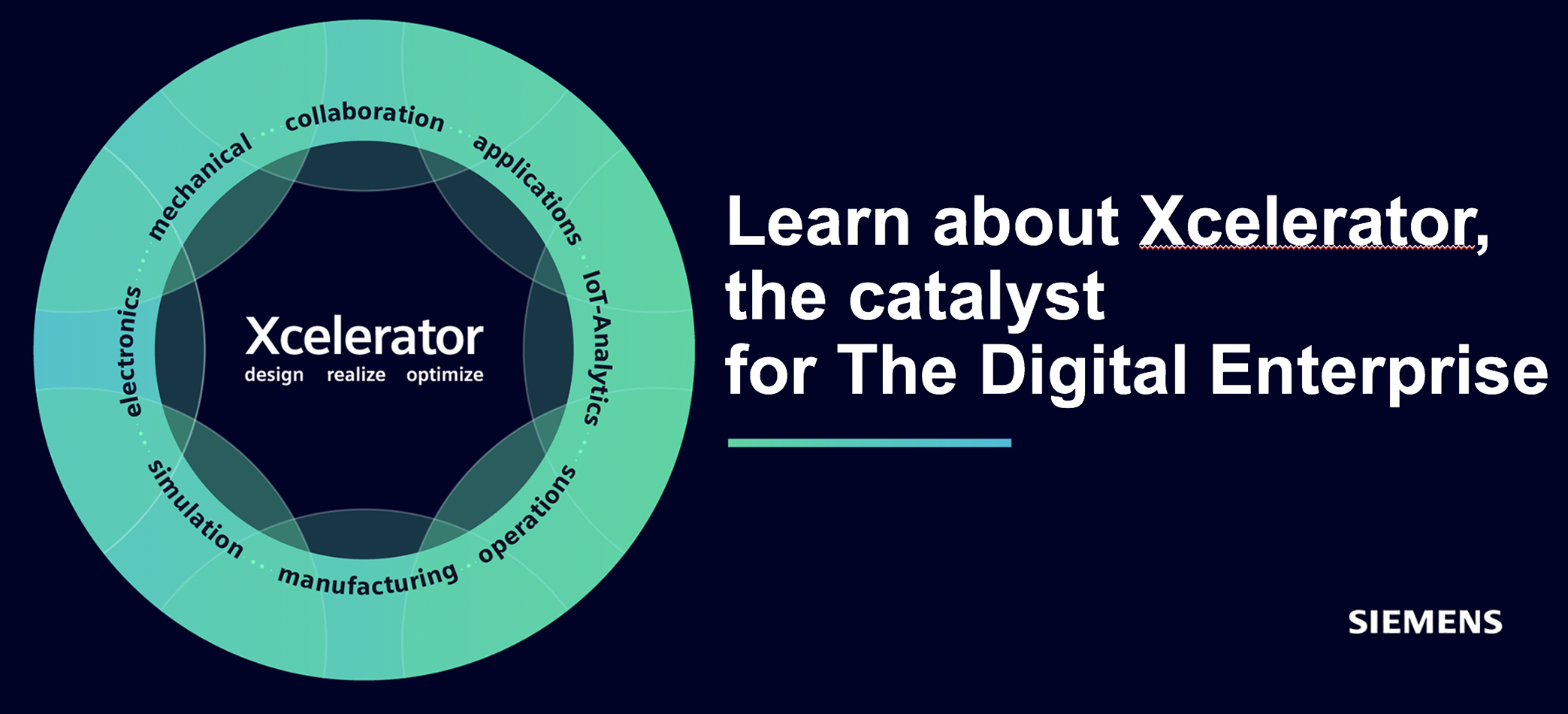
ABB, TESLA och SpaceX bland EPLANs användare. När det gäller mjukvaru- och servicelösningar inom elektroteknik, automation och mekatronik är tyska EPLAN tveklöst en av de mer framstående aktörerna. Bolaget spetsar framför allt för maskin-, linje- och panelbyggare. Inte minst av detta skäl är dagens annonserade utökade samarbete med Siemens Digital Industries Software av stort intresse: Bolagen fördjupar samarbetet och kopplingarna mellan EPLANs programvaror och Siemens Xcelerator portfölj. Man utökar därmed kompatibiliteten avsevärt mellan sina produkter. Det handlar övergripande om automatiserade interaktioner mellan Siemens Teamcenter X-mjukvara och TIA Portal å ena sidan, och EPLAN Electric P8 och Pro Panel å den andra.
En tung poäng är att all teknisk information nu blir tillgänglig direkt i EPLAN och vice versa; alltså faktorer som gör att man direkt kan dra nytta av en effektivare verktygskedja för maskin- och linjeteknik, vilket också bidrar till att det eltekniska arbetet kan göras mycket snabbare och riskerna för fel minskar.
I pressmaterialet pekar man på att samarbetet på båda sidor utökar bolagens partner-ekosystem: Siemens Xcelerators öppna digitala affärsplattform och EPLANs Partner Network. Effekterna blir följande:
• Sömlöst datautbyte mellan Siemens Teamcenter X, TIA-Selection Tool och EPLANs programvaror
• Samarbete förbättrar verktygskedjan inom maskinteknik
• Maskinbyggare kan förverkliga sina projekt inom konstruktion, drift och utbyggnad snabbare och effektivare.
"Partnerskapet mellan Siemens och EPLAN är en milstolpe inom digital teknik. Det optimerade datautbytet gör det möjligt för att kunna realisera sina projekt inom byggnation, drift och utbyggnad snabbare och effektivare", säger Cedrik Neike, styrelseledamot för Siemens AG och CEO för Digital Industries. "Genom detta samarbete förstärker vi Siemens Xcelerator-ekosystemet och skapar ett större värde för kunderna, än vad var och en av oss skulle kunna göra individuellt."
EPLANs CEO, Sebastian Seitz tillägger:
"Med detta samarbete slår EPLAN och Siemens ihop sina breda erfarenheter inom maskinteknik för att ge våra gemensamma kunder och heltäckande verktygskedja. Detta gör ingenjörsprocesser mycket snabbare och mindre benägna för fel."
Bland företag som använder EPLAN finns välkända spelare som ABB, Tesla, Neilsoft, Bachner Elektro och SpaceX.
En tung poäng är att all teknisk information nu blir tillgänglig direkt i EPLAN och vice versa; alltså faktorer som gör att man direkt kan dra nytta av en effektivare verktygskedja för maskin- och linjeteknik, vilket också bidrar till att det eltekniska arbetet kan göras mycket snabbare och riskerna för fel minskar.
I pressmaterialet pekar man på att samarbetet på båda sidor utökar bolagens partner-ekosystem: Siemens Xcelerators öppna digitala affärsplattform och EPLANs Partner Network. Effekterna blir följande:
• Sömlöst datautbyte mellan Siemens Teamcenter X, TIA-Selection Tool och EPLANs programvaror
• Samarbete förbättrar verktygskedjan inom maskinteknik
• Maskinbyggare kan förverkliga sina projekt inom konstruktion, drift och utbyggnad snabbare och effektivare.
"Partnerskapet mellan Siemens och EPLAN är en milstolpe inom digital teknik. Det optimerade datautbytet gör det möjligt för att kunna realisera sina projekt inom byggnation, drift och utbyggnad snabbare och effektivare", säger Cedrik Neike, styrelseledamot för Siemens AG och CEO för Digital Industries. "Genom detta samarbete förstärker vi Siemens Xcelerator-ekosystemet och skapar ett större värde för kunderna, än vad var och en av oss skulle kunna göra individuellt."
EPLANs CEO, Sebastian Seitz tillägger:
"Med detta samarbete slår EPLAN och Siemens ihop sina breda erfarenheter inom maskinteknik för att ge våra gemensamma kunder och heltäckande verktygskedja. Detta gör ingenjörsprocesser mycket snabbare och mindre benägna för fel."
Bland företag som använder EPLAN finns välkända spelare som ABB, Tesla, Neilsoft, Bachner Elektro och SpaceX.

The Manufacturing Industry’s New Paths: Real Time Data, IoT/IIoT and Networks Drive the Industry...
COGNIZANT's HAMPUS LINDVALL and BIRGITTE VILLADSEN on IoT/IIoT (Industrial IoT) and SMART MANUFACTURING. The rapid development in networking and IoT is driving a change in the manufacturing industry. Production lines, machines and factories are increasingly connected, creating a digital ecosystem where real-time data drives the next phase of smart manufacturing.
This is claimed in today's guest column by Hampus Lindvall, Automation Consultant and Birgitte Villadsen, Director IoT and Engineering, at the global IT and technology consultant Cognizant.
"IoT is an important enabler where physical assets are connected with the digital world. It gives manufacturers increased visibility into operations and promotes efficiency, flexibility and sustainability. From predictive maintenance to intelligent supply chains, IoT enables optimized processes, reduced downtime and customized production,” they write, arguing that business transformation is driven by generative AI (Gen AI), which augments human expertise using machine learning (ML). “Combined with IoT, Gen AI improves decision-making, automates routine tasks and promotes innovation by analyzing data from IoT systems. These technologies form the basis of the smart factories of the future, where human creativity and machine intelligence work together.”
But the current trends in networking, IoT and AI in the manufacturing industry are not only about technology, but also about changing business models and processes and creating a more sustainable and stable industrial future:
"Many organizations lack the ability to take advantage of the new opportunities. Digitization and implementation of connected devices is crucial. Organizations that have been lagging behind are now rushing to catch up and begin their journey towards Industry 4.0. According to Mobica, the IIoT market is worth $865 billion, with projected growth to $33.3 trillion by 2030,” the authors write.
Click on the headline to read the full article on PLM&ERP News.
This is claimed in today's guest column by Hampus Lindvall, Automation Consultant and Birgitte Villadsen, Director IoT and Engineering, at the global IT and technology consultant Cognizant.
"IoT is an important enabler where physical assets are connected with the digital world. It gives manufacturers increased visibility into operations and promotes efficiency, flexibility and sustainability. From predictive maintenance to intelligent supply chains, IoT enables optimized processes, reduced downtime and customized production,” they write, arguing that business transformation is driven by generative AI (Gen AI), which augments human expertise using machine learning (ML). “Combined with IoT, Gen AI improves decision-making, automates routine tasks and promotes innovation by analyzing data from IoT systems. These technologies form the basis of the smart factories of the future, where human creativity and machine intelligence work together.”
But the current trends in networking, IoT and AI in the manufacturing industry are not only about technology, but also about changing business models and processes and creating a more sustainable and stable industrial future:
"Many organizations lack the ability to take advantage of the new opportunities. Digitization and implementation of connected devices is crucial. Organizations that have been lagging behind are now rushing to catch up and begin their journey towards Industry 4.0. According to Mobica, the IIoT market is worth $865 billion, with projected growth to $33.3 trillion by 2030,” the authors write.
Click on the headline to read the full article on PLM&ERP News.

Is the Manufacturing Industry Suffering From Digital Action Paralysis?
"A SURVEY from IFS shows that 68% of companies are STUCK IN THE EARLY STAGE OF DIGITALIZATION." That is perhaps the most startling conclusion in a study produced for business system developer IFS, which takes the pace of digital maturity in the manufacturing industry. The company's Nordics leader, CEO Ann-Kristin Sander, says in a comment:
"The background is that the manufacturing industry is at a crossroads," she says, pointing out that the survey shows that a full 68% of Swedish companies are stuck in the early stages of digitalization without any concrete plans on how to proceed. At the same time, most manufacturing companies know that they need to invest in digitalization to survive in the long term. Nevertheless, less than 10% can be described as digital role models, according to the survey from IFS.
The results are interesting, not least because it is a fairly extensive study in which 815 manufacturing companies, from among others Europe, North America, and the Nordics, participated.
A reasonable interpretation of the answers in the study is that many manufacturing companies are fumbling with their digitalization and have difficulty prioritizing which technology to invest in. They stand more or less still. At the same time, 79% realize that a stronger commitment to the digitalization of the business is crucial for its future, and that the business will not survive more than 1-3 years if it does not carry out modernization of its digital technology.
As noted above one aspect of the problem seems to have to do with difficulties with technical priorities. According to the study, 89% of the Swedish manufacturing companies have problems choosing which technology is the most important to invest in and marked as “essential” in the answer boxes all technology areas that were included as alternatives. This is more than the global average of 80 percent. The domains covered were: • Artificial intelligence • Data analysis • Large language models (LLM) • IoT • Augmented reality
In the press material IFS characterized the study’s results as an indication of a kind of paralysis of action within the manufacturing industry; a paralysis that appears even heavier when you look more closely at how the companies internally pull in different directions: It turns out that the expectations for digitalization are different depending on where you are in the organization. Almost all managers of the Swedish companies (97%) believe that virtual/augmented reality is the most important technology to invest in, while only 78% of operational decision makers believe that this technology is the most important. The technology investment that both executives (96%) and operational decision makers (89%) most agree is important is IoT.
“Many understand the urgency, but get stuck due to indecision, waiting for others to invest in the technology first so they can see the results. Or they wait for guidance from a trusted partner before taking action. This means that they stop in their development and risk falling behind their competitors,” says Sander.
Click on the headline to read the full article on PLM&ERP News.
"The background is that the manufacturing industry is at a crossroads," she says, pointing out that the survey shows that a full 68% of Swedish companies are stuck in the early stages of digitalization without any concrete plans on how to proceed. At the same time, most manufacturing companies know that they need to invest in digitalization to survive in the long term. Nevertheless, less than 10% can be described as digital role models, according to the survey from IFS.
The results are interesting, not least because it is a fairly extensive study in which 815 manufacturing companies, from among others Europe, North America, and the Nordics, participated.
A reasonable interpretation of the answers in the study is that many manufacturing companies are fumbling with their digitalization and have difficulty prioritizing which technology to invest in. They stand more or less still. At the same time, 79% realize that a stronger commitment to the digitalization of the business is crucial for its future, and that the business will not survive more than 1-3 years if it does not carry out modernization of its digital technology.
As noted above one aspect of the problem seems to have to do with difficulties with technical priorities. According to the study, 89% of the Swedish manufacturing companies have problems choosing which technology is the most important to invest in and marked as “essential” in the answer boxes all technology areas that were included as alternatives. This is more than the global average of 80 percent. The domains covered were: • Artificial intelligence • Data analysis • Large language models (LLM) • IoT • Augmented reality
In the press material IFS characterized the study’s results as an indication of a kind of paralysis of action within the manufacturing industry; a paralysis that appears even heavier when you look more closely at how the companies internally pull in different directions: It turns out that the expectations for digitalization are different depending on where you are in the organization. Almost all managers of the Swedish companies (97%) believe that virtual/augmented reality is the most important technology to invest in, while only 78% of operational decision makers believe that this technology is the most important. The technology investment that both executives (96%) and operational decision makers (89%) most agree is important is IoT.
“Many understand the urgency, but get stuck due to indecision, waiting for others to invest in the technology first so they can see the results. Or they wait for guidance from a trusted partner before taking action. This means that they stop in their development and risk falling behind their competitors,” says Sander.
Click on the headline to read the full article on PLM&ERP News.

The New Paths in Manufacturing: Real Time Data, IoT/IIoT and Networks Drive the Industry...
COGNIZANT's HAMPUS LINDVALL and BIRGITTE VILLADSEN on IoT/IIoT (Industrial IoT) and SMART MANUFACTURING. The rapid development in networking and IoT is driving a change in the manufacturing industry. Production lines, machines and factories are increasingly connected, creating a digital ecosystem where real-time data drives the next phase of smart manufacturing.
This is claimed in today's guest column by Hampus Lindvall, Automation Consultant and Birgitte Villadsen, Director IoT and Engineering, at the global IT and technology consultant Cognizant.
"IoT is an important enabler where physical assets are connected with the digital world. It gives manufacturers increased visibility into operations and promotes efficiency, flexibility and sustainability. From predictive maintenance to intelligent supply chains, IoT enables optimized processes, reduced downtime and customized production,” they write, arguing that business transformation is driven by generative AI (Gen AI), which augments human expertise using machine learning (ML). “Combined with IoT, Gen AI improves decision-making, automates routine tasks and promotes innovation by analyzing data from IoT systems. These technologies form the basis of the smart factories of the future, where human creativity and machine intelligence work together.”
But the current trends in networking, IoT and AI in the manufacturing industry are not only about technology, but also about changing business models and processes and creating a more sustainable and stable industrial future:
"Many organizations lack the ability to take advantage of the new opportunities. Digitization and implementation of connected devices is crucial. Organizations that have been lagging behind are now rushing to catch up and begin their journey towards Industry 4.0. According to Mobica, the IIoT market is worth $865 billion, with projected growth to $33.3 trillion by 2030,” the authors write.
Click on the headline to read the full column on PLM&ERP News.
This is claimed in today's guest column by Hampus Lindvall, Automation Consultant and Birgitte Villadsen, Director IoT and Engineering, at the global IT and technology consultant Cognizant.
"IoT is an important enabler where physical assets are connected with the digital world. It gives manufacturers increased visibility into operations and promotes efficiency, flexibility and sustainability. From predictive maintenance to intelligent supply chains, IoT enables optimized processes, reduced downtime and customized production,” they write, arguing that business transformation is driven by generative AI (Gen AI), which augments human expertise using machine learning (ML). “Combined with IoT, Gen AI improves decision-making, automates routine tasks and promotes innovation by analyzing data from IoT systems. These technologies form the basis of the smart factories of the future, where human creativity and machine intelligence work together.”
But the current trends in networking, IoT and AI in the manufacturing industry are not only about technology, but also about changing business models and processes and creating a more sustainable and stable industrial future:
"Many organizations lack the ability to take advantage of the new opportunities. Digitization and implementation of connected devices is crucial. Organizations that have been lagging behind are now rushing to catch up and begin their journey towards Industry 4.0. According to Mobica, the IIoT market is worth $865 billion, with projected growth to $33.3 trillion by 2030,” the authors write.
Click on the headline to read the full column on PLM&ERP News.

Så förändras tillverkningsindustrin: IoT och nätverk driver Industri 4.0
COGNIZANTs HAMPUS LINDVALL och BIRGITTE VILLADSEN om IoT/IIoT (Industrial IoT)och transformation till SMART TILLVERKNING. Den snabba utvecklingen inom nätverk och IoT driver en förändring inom tillverkningsindustrin. Produktionslinjer, maskiner och fabriker blir alltmer sammankopplade, vilket skapar ett digitalt ekosystem där realtidsdata driver nästa fas av smart tillverkning.
Det menar Hampus Lindvall, Automation Consultant och Birgitte Villadsen, Director IoT and Engineering på globala IT- och teknikkonsulten Cognizant, i dagens gästkrönika.
”IoT är en viktig möjliggörare där fysiska tillgångar kopplas samman med den digitala världen. Det ger tillverkare ökad insyn i verksamheten och främjar effektivitet, flexibilitet och hållbarhet. Från prediktivt underhåll till intelligenta försörjningskedjor möjliggör IoT optimerade processer, minskade driftavbrott och anpassad produktion,” skriver de och hävdar att affärstransformationen drivs av generativ AI (Gen AI), som förstärker mänsklig expertis med hjälp av maskininlärning (ML). ”I kombination med IoT förbättrar Gen AI beslutsfattandet, automatiserar rutinuppgifter och främjar innovation genom att analysera data från IoT-system. Dessa teknologier utgör grunden för framtidens smarta fabriker, där mänsklig kreativitet och maskinintelligens samverkar.”
Men de aktuella trenderna inom nätverk, IoT och AI inom tillverkningsindustrin handlar inte bara om teknik, utan också om att förändra affärsmodeller och processer samt att skapa en mer hållbar och stabil industriell framtid:
”Många organisationer saknar förmågan att utnyttja de nya möjligheterna. Digitalisering och implementering av uppkopplade enheter är avgörande. Organisationer som har legat efter skyndar sig nu för att komma ikapp och påbörja sin resa mot Industri 4.0. Enligt Mobica är IIoT-marknaden värd 865 miljarder dollar, med en prognoserad tillväxt till 33,3 biljoner dollar år 2030,” skriver författarna.
Klicka på rubriken för att läsa hela krönikan på PLM&ERP News.
Det menar Hampus Lindvall, Automation Consultant och Birgitte Villadsen, Director IoT and Engineering på globala IT- och teknikkonsulten Cognizant, i dagens gästkrönika.
”IoT är en viktig möjliggörare där fysiska tillgångar kopplas samman med den digitala världen. Det ger tillverkare ökad insyn i verksamheten och främjar effektivitet, flexibilitet och hållbarhet. Från prediktivt underhåll till intelligenta försörjningskedjor möjliggör IoT optimerade processer, minskade driftavbrott och anpassad produktion,” skriver de och hävdar att affärstransformationen drivs av generativ AI (Gen AI), som förstärker mänsklig expertis med hjälp av maskininlärning (ML). ”I kombination med IoT förbättrar Gen AI beslutsfattandet, automatiserar rutinuppgifter och främjar innovation genom att analysera data från IoT-system. Dessa teknologier utgör grunden för framtidens smarta fabriker, där mänsklig kreativitet och maskinintelligens samverkar.”
Men de aktuella trenderna inom nätverk, IoT och AI inom tillverkningsindustrin handlar inte bara om teknik, utan också om att förändra affärsmodeller och processer samt att skapa en mer hållbar och stabil industriell framtid:
”Många organisationer saknar förmågan att utnyttja de nya möjligheterna. Digitalisering och implementering av uppkopplade enheter är avgörande. Organisationer som har legat efter skyndar sig nu för att komma ikapp och påbörja sin resa mot Industri 4.0. Enligt Mobica är IIoT-marknaden värd 865 miljarder dollar, med en prognoserad tillväxt till 33,3 biljoner dollar år 2030,” skriver författarna.
Klicka på rubriken för att läsa hela krönikan på PLM&ERP News.

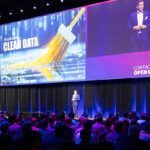
Digitization and AI Central Themes When German PLM Challanger CONTACT Drew Record Crowds
"DON'T WAIT, JUST DO IT NOW!" The German software developer CONTACT Software is a European PLM and IoT player, which is growing quite quickly. The company, founded by Karl Heinz Zachries, sees it as its mission to make complex product data more accessible and connect employees across technical and organizational boundaries. Pretty much spot on what most PLM developers are aiming for today. In terms of revenue, it is not one of the big names in the PLM industry, the company brings in just under 60 million dollars. But they are growing strongly and have almost doubled their revenue compared to 2020 ($32 million).
The main product, CIM Database, is an open and scalable PLM system. Its main advantages are solutions for collaboration and faster processes in projects reaching across disciplines, systems and organizations. The company claims that CIM Database's component architecture, "simplifies deployment and helps companies respond to new demands with agility." In this, it can be noted that the underlying open platform CONTACT Elements means that CIM Database PLM can be easily connected to IoT systems, such as Contact's own digital twin platform "Elements for IoT." This, says Contact leader, CEO Maximilian Zachries, means that you can fully exploit the potential for innovative product development with a digital thread end-to-end throughout the entire product life cycle. What makes Contact Software relevant right now is that it recently held a global user event in Munich that bears witness to the power of growth: Contact Open World 2024 actually attracted around 700 participants from 20 countries which was a new visitor record.
Generally, during the event, the company emphasized its position as a digitization partner and presented innovative solutions in the areas of PLM, IoT and AI, artificial intelligence, together with customers and partners. All under the motto "Fast Forward Digital Transformation". PIA Automation's Thomas Ernst's advice to the audience in connection with his case study was typical: "Don't wait, others are doing it now!"
From the opening keynote by CEO Maximilian Zachries to the presentations by science journalist Ranga Yogeshwar and AI expert Kenza Ait Si Abbou Lyadini, two topics unsurprisingly took center stage: AI and the interconnection of sustainability and economic efficiency.
Zacharies emphasized that systematic and rapid digitization is essential to navigate the challenging times of the age: "Pure data is the foundation - not just for AI, but for digitization as a whole," he said.
The company's AI manager, CIAO, Dr. Udo Göbel, also introduced upcoming AI applications in CONTACT's Elements platform, including a search solution for similar CAD models.
Click on the headline below to read the full article on PLM&ERP News.
The main product, CIM Database, is an open and scalable PLM system. Its main advantages are solutions for collaboration and faster processes in projects reaching across disciplines, systems and organizations. The company claims that CIM Database's component architecture, "simplifies deployment and helps companies respond to new demands with agility." In this, it can be noted that the underlying open platform CONTACT Elements means that CIM Database PLM can be easily connected to IoT systems, such as Contact's own digital twin platform "Elements for IoT." This, says Contact leader, CEO Maximilian Zachries, means that you can fully exploit the potential for innovative product development with a digital thread end-to-end throughout the entire product life cycle. What makes Contact Software relevant right now is that it recently held a global user event in Munich that bears witness to the power of growth: Contact Open World 2024 actually attracted around 700 participants from 20 countries which was a new visitor record.
Generally, during the event, the company emphasized its position as a digitization partner and presented innovative solutions in the areas of PLM, IoT and AI, artificial intelligence, together with customers and partners. All under the motto "Fast Forward Digital Transformation". PIA Automation's Thomas Ernst's advice to the audience in connection with his case study was typical: "Don't wait, others are doing it now!"
From the opening keynote by CEO Maximilian Zachries to the presentations by science journalist Ranga Yogeshwar and AI expert Kenza Ait Si Abbou Lyadini, two topics unsurprisingly took center stage: AI and the interconnection of sustainability and economic efficiency.
Zacharies emphasized that systematic and rapid digitization is essential to navigate the challenging times of the age: "Pure data is the foundation - not just for AI, but for digitization as a whole," he said.
The company's AI manager, CIAO, Dr. Udo Göbel, also introduced upcoming AI applications in CONTACT's Elements platform, including a search solution for similar CAD models.
Click on the headline below to read the full article on PLM&ERP News.
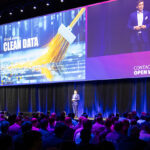
Digitalisering och AI centrala teman när tyska PLM-bubblaren CONTACT drog rekordpublik
"VÄNTA INTE, GÖR DET NU BARA!" Tyska mjukvaru-utvecklaren CONTACT Software är något av de senaste årens europeiska bubblare på PLM- och IoT-området, som växer tämligen snabbt. Bolaget, grundat av Karl Heinz Zachries, ser det som sin mission att göra komplexa produktdata mer tillgängliga och koppla samman anställda över tekniska och organisatoriska gränser. Tämligen mitt i prick alltså i förhållande till vad de flesta PLM-utvecklare idag tagit sikte på. Intäktsmässigt tillhör man inte PLM-branschens stora, bolaget drar in strax under 60 miljoner dollar, motsvarande i trakterna av 650 miljoner svenska kronor. Men man växer starkt och har nära nog fördubblat intäkterna jämfört med 2020 (december).
Huvudprodukten, CIM Database, är ett öppet och skalbart PLM-system. Dess främsta fördelar handlar om lösningar för samarbete och snabbare processer i projekt och över discipliner, system och organisationer. Bolaget hävdar att CIM Databases komponentarkitektur, ”förenklar driftsättning och hjälper företag att svara på nya krav med smidighet.” I detta kan noteras att den underliggande öppna plattformen CONTACT Elements gör att CIM Database PLM enkelt kan kopplas till IoT-system, som bolagets egna digitala tvillingplattform ”Elements for IoT.” Detta, menar Contact-chefen, Maximilian Zachries, gör att man fullt ut kan utnyttja potentialen för innovativ produktutveckling med en digital tråd end-to-end under hela produktlivscykeln.
Det som aktualiserar Contact Software just nu är att man nyligen genomfört ett globalt användarevent i München som bär vittne om tillväxtens kraft: Contact Open World 2024 drog faktiskt till sig omkring 700 deltagare från 20 länder och innebar att man satte nytt besöksrekord.
Allmänt under eventet betonade företaget sin position som digitaliseringspartner och presenterade innovativa lösningar inom områdena PLM, IoT och AI, artificiell intelligens, tillsammans med kunder och partners. Allt under mottot "Fast Forward Digital Transformation". PIA Automation's Thomas Ernst råd till publiken i samband med sin fallstudie var typisk: "Vänta inte, andra gör det nu bara!"
Från den inledande keynoten av CEO Maximilian Zachries till presentationerna av vetenskapsjournalisten Ranga Yogeshwar och AI-experten Kenza Ait Si Abbou Lyadini, stod inte överraskande två ämnen i centrum: artificiell intelligens (AI) och sammankoppling av hållbarhet och ekonomisk effektivitet.
Zacharies betonade att systematisk och snabb digitalisering är avgörande för att navigera i deagens utmanande tider:
"Ren data är grunden - inte bara för AI, utan för digitalisering som helhet."
Bolagets AI-chef, CIAO, dr Udo Göbel, introducerade också kommande AI-applikationer i CONTACTs Elements-plattform, inklusive en lösning för sökning av liknande CAD-modeller.
Klicka på rubriken för att läsa mer på PLM&ERP News.
Huvudprodukten, CIM Database, är ett öppet och skalbart PLM-system. Dess främsta fördelar handlar om lösningar för samarbete och snabbare processer i projekt och över discipliner, system och organisationer. Bolaget hävdar att CIM Databases komponentarkitektur, ”förenklar driftsättning och hjälper företag att svara på nya krav med smidighet.” I detta kan noteras att den underliggande öppna plattformen CONTACT Elements gör att CIM Database PLM enkelt kan kopplas till IoT-system, som bolagets egna digitala tvillingplattform ”Elements for IoT.” Detta, menar Contact-chefen, Maximilian Zachries, gör att man fullt ut kan utnyttja potentialen för innovativ produktutveckling med en digital tråd end-to-end under hela produktlivscykeln.
Det som aktualiserar Contact Software just nu är att man nyligen genomfört ett globalt användarevent i München som bär vittne om tillväxtens kraft: Contact Open World 2024 drog faktiskt till sig omkring 700 deltagare från 20 länder och innebar att man satte nytt besöksrekord.
Allmänt under eventet betonade företaget sin position som digitaliseringspartner och presenterade innovativa lösningar inom områdena PLM, IoT och AI, artificiell intelligens, tillsammans med kunder och partners. Allt under mottot "Fast Forward Digital Transformation". PIA Automation's Thomas Ernst råd till publiken i samband med sin fallstudie var typisk: "Vänta inte, andra gör det nu bara!"
Från den inledande keynoten av CEO Maximilian Zachries till presentationerna av vetenskapsjournalisten Ranga Yogeshwar och AI-experten Kenza Ait Si Abbou Lyadini, stod inte överraskande två ämnen i centrum: artificiell intelligens (AI) och sammankoppling av hållbarhet och ekonomisk effektivitet.
Zacharies betonade att systematisk och snabb digitalisering är avgörande för att navigera i deagens utmanande tider:
"Ren data är grunden - inte bara för AI, utan för digitalisering som helhet."
Bolagets AI-chef, CIAO, dr Udo Göbel, introducerade också kommande AI-applikationer i CONTACTs Elements-plattform, inklusive en lösning för sökning av liknande CAD-modeller.
Klicka på rubriken för att läsa mer på PLM&ERP News.

Mot 2025 – om värdet av att möta den digitala transformationen med en helhetsmässig...
"Ökad komplexitet och ett tufft marknadstryck skapar nya spelplaner." De senaste åren har utan tvekan varit dramatiska inom industriell produktframtagning. På alla nivåer har digitaliseringstrenden, AI, digitala tvillingar, trådar, industriella metaverse och annat fört med sig vad som ser ut att landa i helt nya spelplaner. I detta ska vi heller inte bortse från påfrestningar som det ofta osäkra omvärldsläget skapar.
Det är utan tvekan värt att fundera över, analysera och agera på detta när vi går in i ett nytt år om några veckor. Dagens gästkrönikör på PLM&ERP News, Dale Tutt, VP för Global Industry Strategy, Siemens Digital Industries Software, noterar att han under vart och ett av de senaste åren reflekterat över de stora trenderna och utmaningarna som PLM-branschen har upplevt och delat sitt perspektiv på hur dessa krafter kommer att utvecklas och vilka nya strategier eller tillvägagångssätt dynamiken motiverar.
"Förra året undersökte jag hur förändringar i stora industriella trender hade skapat ett tryck på företagen och vilka effekter detta skulle ha på företagen 2024. Detta marknadstryck har knappast minskat inför 2025. Komplexiteten i produkter, tillverkningsprocesser och leveranskedjor fortsätter att öka, särskilt eftersom avancerad elektronik och mjukvara står för en större andel av produktfunktionaliteten. Tillväxten i komplexitet inom flera områden görs mer pressande av en acceleration i produktutvecklings-cykler mellan branscher eftersom företag söker konkurrensfördelar genom innovation. Samtidigt försvårar nya hållbarhetsregleringar och intensiv konkurrens om medarbetare med nyckelkompetenser uppgiften att vägleda ett företag genom detta tryck", skriver han och pekar på värdet av att bygga en holistisk strategi på vägen framåt.
I Siemens PLM-division, Siemens Digital Industries Software, leder Dale Tutt ett team av experter för att utveckla och genomföra branschspecifika produkt- och marknadsföringsstrategier i samarbete med de globala produkt-, försäljnings- och affärsutvecklingsteamen. Med över fem års erfarenhet i denna roll kombinerat med lång erfarenhet inom flyg- och försvarsindustrin, har Tutt en djup förståelse för de utmaningar och möjligheter som företag står inför i sina digitala transformationsresor.
"När jag blickar framåt mot 2025, skulle jag vilja fokusera på de grundläggande skälen till varför företag bör driva digital transformation och utforska hela omfattningen av vad digital transformation innebär", skriver han och noterar att det finns samtidiga osäkerheter på marknaden som kan skapa ett industriellt landskap som känns kaotiskt, som förändras snabbt och utan förvarning. "Vår instinkt är att agera som svar på kaos. Men när det gäller att bygga för industrins framtid är det avgörande att vi reagerar först genom att analysera situationen, för det andra genom att göra en plan och för det tredje genom att genomföra den planen. Sann digital transformation är en långsiktig strävan som kommer att ge kraftfulla fördelar för företag som använder teknologier inom nyckelområden,” summerar han. Vad handlar detta om?
Klicka på rubriken för att läsa hela artikeln på PLM&ERP News.
Det är utan tvekan värt att fundera över, analysera och agera på detta när vi går in i ett nytt år om några veckor. Dagens gästkrönikör på PLM&ERP News, Dale Tutt, VP för Global Industry Strategy, Siemens Digital Industries Software, noterar att han under vart och ett av de senaste åren reflekterat över de stora trenderna och utmaningarna som PLM-branschen har upplevt och delat sitt perspektiv på hur dessa krafter kommer att utvecklas och vilka nya strategier eller tillvägagångssätt dynamiken motiverar.
"Förra året undersökte jag hur förändringar i stora industriella trender hade skapat ett tryck på företagen och vilka effekter detta skulle ha på företagen 2024. Detta marknadstryck har knappast minskat inför 2025. Komplexiteten i produkter, tillverkningsprocesser och leveranskedjor fortsätter att öka, särskilt eftersom avancerad elektronik och mjukvara står för en större andel av produktfunktionaliteten. Tillväxten i komplexitet inom flera områden görs mer pressande av en acceleration i produktutvecklings-cykler mellan branscher eftersom företag söker konkurrensfördelar genom innovation. Samtidigt försvårar nya hållbarhetsregleringar och intensiv konkurrens om medarbetare med nyckelkompetenser uppgiften att vägleda ett företag genom detta tryck", skriver han och pekar på värdet av att bygga en holistisk strategi på vägen framåt.
I Siemens PLM-division, Siemens Digital Industries Software, leder Dale Tutt ett team av experter för att utveckla och genomföra branschspecifika produkt- och marknadsföringsstrategier i samarbete med de globala produkt-, försäljnings- och affärsutvecklingsteamen. Med över fem års erfarenhet i denna roll kombinerat med lång erfarenhet inom flyg- och försvarsindustrin, har Tutt en djup förståelse för de utmaningar och möjligheter som företag står inför i sina digitala transformationsresor.
"När jag blickar framåt mot 2025, skulle jag vilja fokusera på de grundläggande skälen till varför företag bör driva digital transformation och utforska hela omfattningen av vad digital transformation innebär", skriver han och noterar att det finns samtidiga osäkerheter på marknaden som kan skapa ett industriellt landskap som känns kaotiskt, som förändras snabbt och utan förvarning. "Vår instinkt är att agera som svar på kaos. Men när det gäller att bygga för industrins framtid är det avgörande att vi reagerar först genom att analysera situationen, för det andra genom att göra en plan och för det tredje genom att genomföra den planen. Sann digital transformation är en långsiktig strävan som kommer att ge kraftfulla fördelar för företag som använder teknologier inom nyckelområden,” summerar han. Vad handlar detta om?
Klicka på rubriken för att läsa hela artikeln på PLM&ERP News.

A Holistic Approach to Digital Business Transformation
“THOUGHTS AROUND THE NAVIGATION OF THE DIGITAL TRANSFORMATION JOURNEY.” The last few years have undoubtedly been dramatic in industrial product realization. At all levels, the digitization trend, AI, digital twins, threads, industrial metaverse and other things have brought with them what can result in completely new game plans.
It is undoubtedly worth thinking about, analyzing and acting on this. Today's guest columnist on PLM&ERP News, Dale Tutt, VP of Global Industry Strategy, Siemens Digital Industries Software, notes that in each of the past years, he has taken time to reflect on the major trends and challenges the industry has experienced and share his perspective on how these forces will to evolve and what new strategies or approaches these dynamics will motivate across industries in the coming years.
"Last year I investigated how major industrial pressures had changed and what effects these pressures would have on business in 2024. This year, we have seen many of these pressures continue. The complexity of products, manufacturing processes and supply chains continues to increase, especially as advanced electronics and software account for a greater proportion of product functionality. The growth in complexity across multiple areas is made more pressing by an acceleration in product development cycles across industries as companies seek competitive advantage through innovation. At the same time, new sustainability regulations and intense competition for workers with certain key skills complicate the task of guiding a company through this pressure," he writes, pointing at the value of building a holistic strategy in the path forward.
In Siemens PLM division, Siemens Digital Industries Software, Dale Tutt leads a team of experts to develop and execute industry-specific product and marketing strategies in collaboration with the global product, sales, and business development teams. With over 5 years of experience in this role combined with extensive experience in the aerospace and defense industry, Tutt has a deep understanding of the challenges and opportunities facing companies as they embark on their digital transformation journeys.
”Looking ahead to 2025, I’d like to refocus on the fundamental reasons why companies should pursue digital transformation and explore the full scope of what digital transformation entails,” he writes noting that there are simultaneous pressures on the market that can create an industrial landscape that feels chaotic, changing quickly and without warning. “Our instinct is to act in response to chaos. But, when it comes to building for the future of industry, it is critical that we respond first by analyzing the situation, second by making a plan, and third by executing that plan. True digital transformation is a long-term endeavor that will deliver powerful advantages to companies that adopt technologies in key areas,” he asserts. What is it about?
Click on the headline to read the full article on PLM&ERP News.
It is undoubtedly worth thinking about, analyzing and acting on this. Today's guest columnist on PLM&ERP News, Dale Tutt, VP of Global Industry Strategy, Siemens Digital Industries Software, notes that in each of the past years, he has taken time to reflect on the major trends and challenges the industry has experienced and share his perspective on how these forces will to evolve and what new strategies or approaches these dynamics will motivate across industries in the coming years.
"Last year I investigated how major industrial pressures had changed and what effects these pressures would have on business in 2024. This year, we have seen many of these pressures continue. The complexity of products, manufacturing processes and supply chains continues to increase, especially as advanced electronics and software account for a greater proportion of product functionality. The growth in complexity across multiple areas is made more pressing by an acceleration in product development cycles across industries as companies seek competitive advantage through innovation. At the same time, new sustainability regulations and intense competition for workers with certain key skills complicate the task of guiding a company through this pressure," he writes, pointing at the value of building a holistic strategy in the path forward.
In Siemens PLM division, Siemens Digital Industries Software, Dale Tutt leads a team of experts to develop and execute industry-specific product and marketing strategies in collaboration with the global product, sales, and business development teams. With over 5 years of experience in this role combined with extensive experience in the aerospace and defense industry, Tutt has a deep understanding of the challenges and opportunities facing companies as they embark on their digital transformation journeys.
”Looking ahead to 2025, I’d like to refocus on the fundamental reasons why companies should pursue digital transformation and explore the full scope of what digital transformation entails,” he writes noting that there are simultaneous pressures on the market that can create an industrial landscape that feels chaotic, changing quickly and without warning. “Our instinct is to act in response to chaos. But, when it comes to building for the future of industry, it is critical that we respond first by analyzing the situation, second by making a plan, and third by executing that plan. True digital transformation is a long-term endeavor that will deliver powerful advantages to companies that adopt technologies in key areas,” he asserts. What is it about?
Click on the headline to read the full article on PLM&ERP News.

A New AI-Powered Vibration Analysis Tool Aimed at Revolutionize Maintenance
SIMULATION & ANALYSIS. World leading manufacturer of paper and dissolving pulp, SÖDRA CELL, has successfully tested a solution that analyzes data across thousands of machines without requiring things like machine-specific details, preset manual alarm thresholds or machine type classifications. The software, Viking's Analytic’s MultiViz Vibration, has been installed on a small scale, but already shows promising savings and effectivization potential.
An interesting aspect of state-of-the-art maintenance work concerns the increasing importance of digitization and sensors for highly productive industrial plants. This parallels the fact that more and more concepts based on predictive maintenance instead of emergency and remedial interventions have gained a significantly stronger foothold. Like the fact that more and more companies are starting to look at what AI can do in this context.
During a recent maintenance event, organized by the National Organization for Swedish Maintenance, a number of aspects of these factors were presented and a particularly interesting case study–involving AI, sensors and predictive maintenance–was the Södra Cell case story. The company has an extensive machinery park and Södra Cell's David Svahn, Data Engineer Vibration SCTD, and Viking Analytics’ COO, Stefan Lagerqvists, gave an account at the event of an interesting investment in sensors and vibration analysis under the heading, "Can AI streamline vibration analysis and predictive maintenance at manufacturing companies?"
From a maintenance point of view, vibration analysis can be of fundamental importance. Vibrations can affect mechanical movements, which in turn can generate material stress and/or unwanted dynamic behavior in a system.
At Södra Cell, this is a reality to take into account. In their presentation, Svahn and Lagerqvist said that the company is now moving away from traditional hand-held vibration measurement instruments in favor of wireless sensors. Currently, 3,000 sensors are installed, with the goal of completing the transition by 2027–2028. The new sensors offer continuous monitoring, eliminating the need for manual measures. But despite the progress, the system generates about 1,100 alarms per week, which are handled by just two engineers. Alarm thresholds are often determined based on intuition and require frequent updates. While existing tools, such as data filtering, offer some relief, the need for more robust solutions is clear.
Viking Analytic’s AI-driven tool, MultiViz, could be exactly that robust solution. It is currently tested on 5% of Södra Cell's wireless Airius sensors with temperature measurement that transfer vibration data via the mobile network. Initial results show a significant reduction in workload, saving engineers 2-3 hours of analysis daily with just the 5% sensor coverage. A reasonable indication is that full-scale implementation can result in much greater time and cost efficiency.
Click on the headline to read the full article on PLM&ERP News.
An interesting aspect of state-of-the-art maintenance work concerns the increasing importance of digitization and sensors for highly productive industrial plants. This parallels the fact that more and more concepts based on predictive maintenance instead of emergency and remedial interventions have gained a significantly stronger foothold. Like the fact that more and more companies are starting to look at what AI can do in this context.
During a recent maintenance event, organized by the National Organization for Swedish Maintenance, a number of aspects of these factors were presented and a particularly interesting case study–involving AI, sensors and predictive maintenance–was the Södra Cell case story. The company has an extensive machinery park and Södra Cell's David Svahn, Data Engineer Vibration SCTD, and Viking Analytics’ COO, Stefan Lagerqvists, gave an account at the event of an interesting investment in sensors and vibration analysis under the heading, "Can AI streamline vibration analysis and predictive maintenance at manufacturing companies?"
From a maintenance point of view, vibration analysis can be of fundamental importance. Vibrations can affect mechanical movements, which in turn can generate material stress and/or unwanted dynamic behavior in a system.
At Södra Cell, this is a reality to take into account. In their presentation, Svahn and Lagerqvist said that the company is now moving away from traditional hand-held vibration measurement instruments in favor of wireless sensors. Currently, 3,000 sensors are installed, with the goal of completing the transition by 2027–2028. The new sensors offer continuous monitoring, eliminating the need for manual measures. But despite the progress, the system generates about 1,100 alarms per week, which are handled by just two engineers. Alarm thresholds are often determined based on intuition and require frequent updates. While existing tools, such as data filtering, offer some relief, the need for more robust solutions is clear.
Viking Analytic’s AI-driven tool, MultiViz, could be exactly that robust solution. It is currently tested on 5% of Södra Cell's wireless Airius sensors with temperature measurement that transfer vibration data via the mobile network. Initial results show a significant reduction in workload, saving engineers 2-3 hours of analysis daily with just the 5% sensor coverage. A reasonable indication is that full-scale implementation can result in much greater time and cost efficiency.
Click on the headline to read the full article on PLM&ERP News.