
EDA: ”Flera tekniska genombrott när Siemens täpper till produktivitetsgap inom IC-verifiering med AI”
ABHI KOLPEKWAR, VP & GM, på Siemens Digital Industries Sogtware, för Digital Verification Technologies: ”BRYTER FLASKHALSEN av Verification Productivity Gap 2.0.”
Verifiering av IC, integrerade kretsar, är ett avgörande kvalitativt inslag i utveckling inom elektronikdesign. Det är den aktivitet som säkerställer att designen uppfyller de specifikationer som krävs för att produkter ska fungera korrekt. Samtidigt är EDA-området komplext och trenden är att komplexiteten ökar exponentiellt, vilket ger design-verifieringen av IC en allt viktigare roll. I takt med de växande inslagen av elektronik i de flesta av dagens produkter får dessutom kretsarna fler funktioner, placeringar i fler positioner och fler interaktioner, vilket innebär att verifierings-processen måste kunna hantera det som kommer med detta. Härav följer att IC-designverifiering har många utmaningar. En fråga är: Hur effektiviserar man hanteringen på rationellast möjliga sätt?
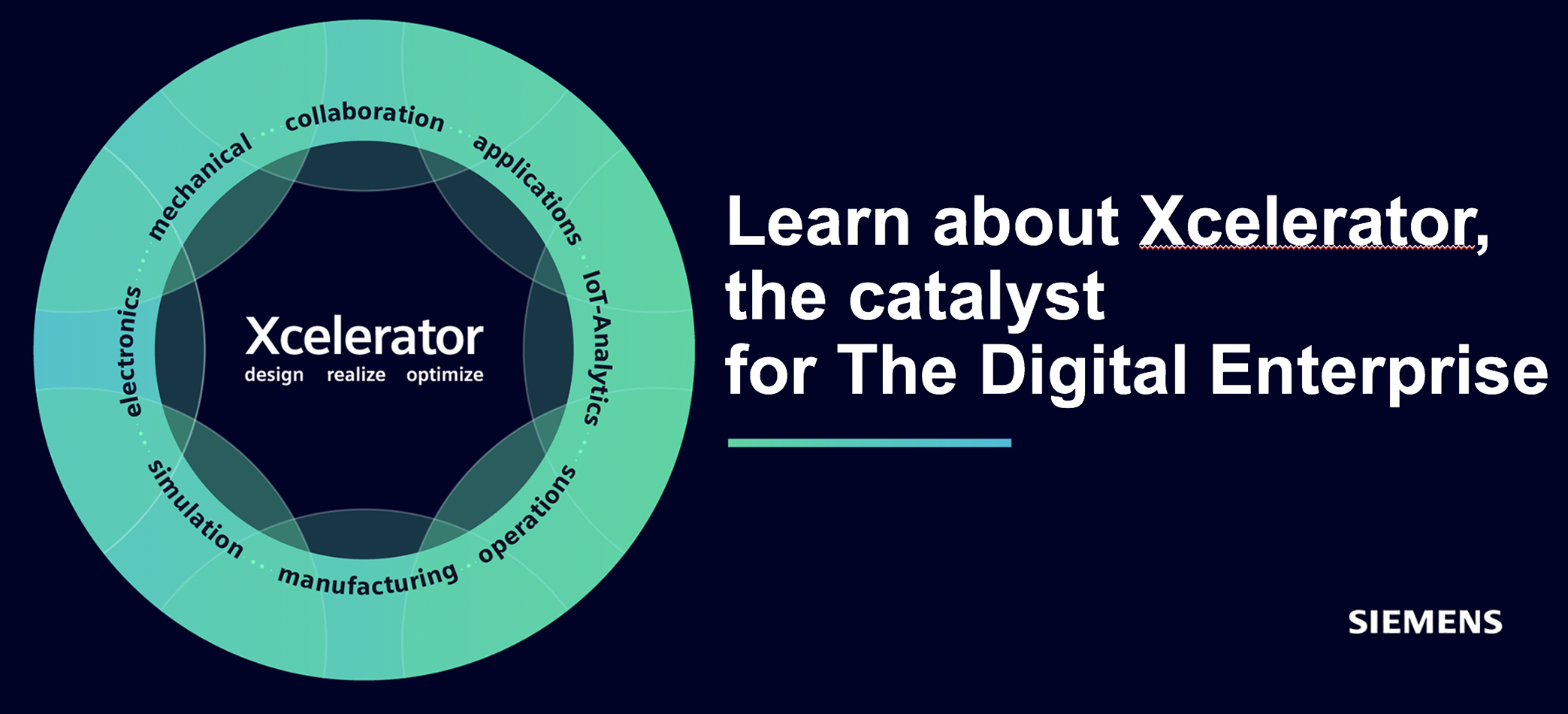
Ett intressant svar kommer med en av veckans stora nyheter på området - Siemens Digital Industries Software lansering av Questa One-portföljen för smarta verifieringsprogram. Det är en välkommen addering av kapabiliterna som nu samlas i en portfölj. Bolagets Abhi Kolpekwar, konstaterar att man inom ramen för denna portfölj nu kombinerat sånt som lösningar för uppkoppling, datadriven strategi och skalbarhet med AI för att tänja på gränserna för verifieringsprocessen med integrerade kretsar (IC) och göra ingenjörsteam mer produktiva. Questa One levererar snabbare motorer, möjliggör snabbare ingenjörsarbete och kräver färre arbetsbelastningar för att stödja de största, mest komplexa designerna från IP till System-on-a-chip (SoC) till Systems, och utvecklades med avancerade 3D-IC:er, chipletbaserade konstruktioner och mjukvarudefinierade arkitekturer i åtanke.
"Questa One förvandlar IC-designprocessen för att ta itu med produktivitetsgapet inom verifieringen och löser IC-branschens snabbt växande utmaningar förknippade med de allt mer komplexa konstruktioner", säger Kolpekwar. "Questa One använder kort sagt nya tekniska framsteg för att leverera de snabbaste funktionella, felsöknings- och formella verifieringsmotorerna som finns tillgängliga. Allt i kombination med vår tillämpning av AI."
Han påpekar vidare att Siemens har tagit fram portföljen i samarbete med branschledare för att utveckla denna smarta verifieringslösning.
”Questa One som levererar en uppkopplad, datadriven, skalbar lösning som bryter flaskhalsen Verification Productivity Gap 2.0, där den ökande komplexiteten hos teknologier som 3D-IC, chipletbaserade konstruktioner och mjukvarudefinierade arkitekturer förvärras ytterligare av ökade säkerhetskrav, ökad efterfrågan och ökad förbrukning av säkerhet, ökad kapacitet och ökade fkrav på hållbarhet.”
Klicka på rubriken för att läsa hela artikeln på PLM&ERP News.
Verifiering av IC, integrerade kretsar, är ett avgörande kvalitativt inslag i utveckling inom elektronikdesign. Det är den aktivitet som säkerställer att designen uppfyller de specifikationer som krävs för att produkter ska fungera korrekt. Samtidigt är EDA-området komplext och trenden är att komplexiteten ökar exponentiellt, vilket ger design-verifieringen av IC en allt viktigare roll. I takt med de växande inslagen av elektronik i de flesta av dagens produkter får dessutom kretsarna fler funktioner, placeringar i fler positioner och fler interaktioner, vilket innebär att verifierings-processen måste kunna hantera det som kommer med detta. Härav följer att IC-designverifiering har många utmaningar. En fråga är: Hur effektiviserar man hanteringen på rationellast möjliga sätt?
Ett intressant svar kommer med en av veckans stora nyheter på området - Siemens Digital Industries Software lansering av Questa One-portföljen för smarta verifieringsprogram. Det är en välkommen addering av kapabiliterna som nu samlas i en portfölj. Bolagets Abhi Kolpekwar, konstaterar att man inom ramen för denna portfölj nu kombinerat sånt som lösningar för uppkoppling, datadriven strategi och skalbarhet med AI för att tänja på gränserna för verifieringsprocessen med integrerade kretsar (IC) och göra ingenjörsteam mer produktiva. Questa One levererar snabbare motorer, möjliggör snabbare ingenjörsarbete och kräver färre arbetsbelastningar för att stödja de största, mest komplexa designerna från IP till System-on-a-chip (SoC) till Systems, och utvecklades med avancerade 3D-IC:er, chipletbaserade konstruktioner och mjukvarudefinierade arkitekturer i åtanke.
"Questa One förvandlar IC-designprocessen för att ta itu med produktivitetsgapet inom verifieringen och löser IC-branschens snabbt växande utmaningar förknippade med de allt mer komplexa konstruktioner", säger Kolpekwar. "Questa One använder kort sagt nya tekniska framsteg för att leverera de snabbaste funktionella, felsöknings- och formella verifieringsmotorerna som finns tillgängliga. Allt i kombination med vår tillämpning av AI."
Han påpekar vidare att Siemens har tagit fram portföljen i samarbete med branschledare för att utveckla denna smarta verifieringslösning.
”Questa One som levererar en uppkopplad, datadriven, skalbar lösning som bryter flaskhalsen Verification Productivity Gap 2.0, där den ökande komplexiteten hos teknologier som 3D-IC, chipletbaserade konstruktioner och mjukvarudefinierade arkitekturer förvärras ytterligare av ökade säkerhetskrav, ökad efterfrågan och ökad förbrukning av säkerhet, ökad kapacitet och ökade fkrav på hållbarhet.”
Klicka på rubriken för att läsa hela artikeln på PLM&ERP News.

”Industrins starkaste AI-lösningar” ger IFS-chefen tunga argument i jakten på att få över SAP-kunder
MARK MOFFAT, CEO: ”Vi räknar dessutom med att lägga 50 % av R&D på AI under 2025.” Självförtroendet var på topp när affärssystem-utvecklaren IFS i förra veckan genomförde årets upplaga av bolagets stora användar-event IFS Connect 2025, på Quality Hotell Strawberrys konferensanläggning i Solna, utanför Stockholm. Det är satsningen på industriell AI, men också moln-framgångarna, som får upp stämningen på topp i bolaget.
Från scenen deklarerade chefen, Mark Moffat, att IFS uppbyggnad av inbäddad industriell AI utvecklat IFS Cloud och mjukvaruutbudet till marknadens starkaste: ”AI är som ett trollspö och vi är nu den odiskutabla ledaren på området,” hävdade han. Påståendet kan förstås diskuteras, men icke desto mindre fick han fick ett entusiastiskt mottagande från den rekordstora, 700 personer starka publiken.
Från scenen fortsatte AI-euforin. Norden-chefen, Ann-Kristin Sander, IFS CTO, teknikbasen Dan Matthews, och seniora VPn för produkt- och partner-strategi, Martin Gunnarsson, alla deras presentationer präglades av stark övertygelse. ”Det finns inga gränser för hur långt man kan komma med AI,” var känslan de förmedlade.
Klart är också att IFS vuxit kraftfullt med sitt fokus på sina sex specialområden: Industriellt inriktade affärssystem för flyg & försvar, energi, bygg & anläggning, tillverkning, tjänster och telekom. Men inte bara det, man har fått intressanta erkännanden från globala analytiker och kunder på toppnivå. Gartner utsåg t ex IFS till “Kundernas Val” 2024 i rapporten, “Voice of the Customer for Cloud ERP for Product-Centric Enterprises.” Annat är den kraftfulla tillväxten 2024, där inte minst efterfrågan på industriell AI och molnet drev upp den totala omsättningen till knappt 1,3 miljarder euro, motsvarande, motsvarande ca 13,4 miljarder kronor. Liksom att investerarna tror på bolaget: När en av huvudägarna, EQT, nyligen sålde av en andel för 3 miljarder euro innebar det att IFS totala värdet i stort sett fördubblats på tre år till 15 miljarder euro (163 miljarder SEK).
Med detta i minnet och bolagets starka teknologiska utveckling inom AI- och molnet är det inte märkligt att målsättningarna fått en ny substans: IFS har det som behövs för att på allvar gå efter marknadsettan SAPs kunder. Bara under den senaste månaden har vi sett bra exempel på verktyg som ska locka till en övergång: Nya Nexus Black-konceptet för ett snabbare och förenklat upptag av AI inom industriella ERP-system, med speciallösningar för migration från SAP till IFS Cloud är ett bra exempel.
”Det som händer nu går snabbare än vad vi någonsin kunde tro,” konstaterar Moffat och tillade att IFS la 25 procent av R&D-investeringarna på AI 2025. ”Men i år blir det ännu mer, vi räknar med att lägga 50 procent av R&D-satsningen på AI. Därmed tar vi sjumilakliv på AI-sidan genom höga ambitioner i kombination med stora resuser.”
Ann-Kristin Sander höll med och pekade särskilt på utvecklingens explosivitet: ”Det som var en vision ifjol under Connect i Köpenhamn, är nu realiserat. Så fort går det.”
Men vad är det med IFS AI som får den att stå ut i konkurrensen? CTO Dan Matthews utvecklar saken i dagens artikel.
Klicka på rubriken för att läsa mer på PLM&ERP News.
Från scenen deklarerade chefen, Mark Moffat, att IFS uppbyggnad av inbäddad industriell AI utvecklat IFS Cloud och mjukvaruutbudet till marknadens starkaste: ”AI är som ett trollspö och vi är nu den odiskutabla ledaren på området,” hävdade han. Påståendet kan förstås diskuteras, men icke desto mindre fick han fick ett entusiastiskt mottagande från den rekordstora, 700 personer starka publiken.
Från scenen fortsatte AI-euforin. Norden-chefen, Ann-Kristin Sander, IFS CTO, teknikbasen Dan Matthews, och seniora VPn för produkt- och partner-strategi, Martin Gunnarsson, alla deras presentationer präglades av stark övertygelse. ”Det finns inga gränser för hur långt man kan komma med AI,” var känslan de förmedlade.
Klart är också att IFS vuxit kraftfullt med sitt fokus på sina sex specialområden: Industriellt inriktade affärssystem för flyg & försvar, energi, bygg & anläggning, tillverkning, tjänster och telekom. Men inte bara det, man har fått intressanta erkännanden från globala analytiker och kunder på toppnivå. Gartner utsåg t ex IFS till “Kundernas Val” 2024 i rapporten, “Voice of the Customer for Cloud ERP for Product-Centric Enterprises.” Annat är den kraftfulla tillväxten 2024, där inte minst efterfrågan på industriell AI och molnet drev upp den totala omsättningen till knappt 1,3 miljarder euro, motsvarande, motsvarande ca 13,4 miljarder kronor. Liksom att investerarna tror på bolaget: När en av huvudägarna, EQT, nyligen sålde av en andel för 3 miljarder euro innebar det att IFS totala värdet i stort sett fördubblats på tre år till 15 miljarder euro (163 miljarder SEK).
Med detta i minnet och bolagets starka teknologiska utveckling inom AI- och molnet är det inte märkligt att målsättningarna fått en ny substans: IFS har det som behövs för att på allvar gå efter marknadsettan SAPs kunder. Bara under den senaste månaden har vi sett bra exempel på verktyg som ska locka till en övergång: Nya Nexus Black-konceptet för ett snabbare och förenklat upptag av AI inom industriella ERP-system, med speciallösningar för migration från SAP till IFS Cloud är ett bra exempel.
”Det som händer nu går snabbare än vad vi någonsin kunde tro,” konstaterar Moffat och tillade att IFS la 25 procent av R&D-investeringarna på AI 2025. ”Men i år blir det ännu mer, vi räknar med att lägga 50 procent av R&D-satsningen på AI. Därmed tar vi sjumilakliv på AI-sidan genom höga ambitioner i kombination med stora resuser.”
Ann-Kristin Sander höll med och pekade särskilt på utvecklingens explosivitet: ”Det som var en vision ifjol under Connect i Köpenhamn, är nu realiserat. Så fort går det.”
Men vad är det med IFS AI som får den att stå ut i konkurrensen? CTO Dan Matthews utvecklar saken i dagens artikel.
Klicka på rubriken för att läsa mer på PLM&ERP News.

Mölnlycke Health Care Upgrades Its SAP System and Boosts the Internal Core Competence
Working in SAP's S/HANA in ERP and 3DEXPERIENCE from Dassault Systemes in PLM. Swedish medical technology company Mölnlycke Health Care has recently taken a big step forward on the digitalization side and when it comes to its business systems. This is through the deployment of a cloud-based system from SAP, a change that affects nearly 1,900 employees globally. The company is a world leader in its field with solutions that equip healthcare professionals around the globe with clinical material specialized in innovative solutions for wound care and surgical procedures.
When it comes to business systems, they have been working in SAP environment since 2000, while when it comes to product development, they work on Dassault Systemes' 3DEXPERIENCE platform. The latter is a state-of-the-art PLM platform that has meant a lot in terms of lead time savings within Mölnycke, which will be discussed in a coming article based on a presentation at PLM consultant TECHNIA's Innovation Forum 2024.
But it is on the ERP side that the company has now launched an upgrade to SAP's cloud-based solution, S/4HANA Private Cloud. The background is that Mölnycke has expanded considerably since the introduction of SAP around the turn of the millennium, which has created new needs for what the business system should be able to handle.
It was at the turn of the year 2024/25 that the decision was made to upgrade to S/4HANA Private Cloud, using the 'RISE with SAP' concept to accelerate continued digital development. RISE with SAP is a transformation set up that supports cloud migration with proven methodology, advanced tools and expert guidance.
Before the start of the project, Mölnlycke realized that much of the expertise surrounding the existing business system was in the hands of external service partners and to strengthen its own capabilities, the company has now chosen to invest in an internal skills upgrade to drive digitalization forward.
“Exactly, we are experienced SAP users and our business system already handles around half a million transaction events every day. However, we have noticed that much of the knowledge about what SAP can do for us has disappeared over time and therefore we have now chosen to invest a large part of the budget in a skills upgrade for our own employees. In this way, we secure our core competence in the long term,” says Mikael Björk, IT Manager at Mölnlycke.
It is noteworthy in this context that sustainability and digitalization efforts are at the center of the execution of the company’s mission towards its customers around the world. The IT department is organized around teams that take ultimate responsibility for solutions within different business areas, currently four: Wound Care, Operating Room Solutions, Gloves and Antiseptics. Mölnlycke’s current IT landscape is characterized by large COTS/SaaS platforms for ERP, CRM and PLM, which primarily support the internal core processes. In this perspective, they work according to agile development and DevOps methods, including end-to-end Software Delivery Lifecycle processes.
Initially, approximately 80–85 percent of existing processes will be moved to the new system – but what does the rest of the journey look like? How does AI come into play?
Click on the headline to read the full story on PLM&ERP News.
When it comes to business systems, they have been working in SAP environment since 2000, while when it comes to product development, they work on Dassault Systemes' 3DEXPERIENCE platform. The latter is a state-of-the-art PLM platform that has meant a lot in terms of lead time savings within Mölnycke, which will be discussed in a coming article based on a presentation at PLM consultant TECHNIA's Innovation Forum 2024.
But it is on the ERP side that the company has now launched an upgrade to SAP's cloud-based solution, S/4HANA Private Cloud. The background is that Mölnycke has expanded considerably since the introduction of SAP around the turn of the millennium, which has created new needs for what the business system should be able to handle.
It was at the turn of the year 2024/25 that the decision was made to upgrade to S/4HANA Private Cloud, using the 'RISE with SAP' concept to accelerate continued digital development. RISE with SAP is a transformation set up that supports cloud migration with proven methodology, advanced tools and expert guidance.
Before the start of the project, Mölnlycke realized that much of the expertise surrounding the existing business system was in the hands of external service partners and to strengthen its own capabilities, the company has now chosen to invest in an internal skills upgrade to drive digitalization forward.
“Exactly, we are experienced SAP users and our business system already handles around half a million transaction events every day. However, we have noticed that much of the knowledge about what SAP can do for us has disappeared over time and therefore we have now chosen to invest a large part of the budget in a skills upgrade for our own employees. In this way, we secure our core competence in the long term,” says Mikael Björk, IT Manager at Mölnlycke.
It is noteworthy in this context that sustainability and digitalization efforts are at the center of the execution of the company’s mission towards its customers around the world. The IT department is organized around teams that take ultimate responsibility for solutions within different business areas, currently four: Wound Care, Operating Room Solutions, Gloves and Antiseptics. Mölnlycke’s current IT landscape is characterized by large COTS/SaaS platforms for ERP, CRM and PLM, which primarily support the internal core processes. In this perspective, they work according to agile development and DevOps methods, including end-to-end Software Delivery Lifecycle processes.
Initially, approximately 80–85 percent of existing processes will be moved to the new system – but what does the rest of the journey look like? How does AI come into play?
Click on the headline to read the full story on PLM&ERP News.

Double-Digit Growth Rate for the Automotive Industry in United States on the Robotics...
…but the majority of robots are IMPORTED from JAPAN, CHINA and GERMANY. How is the US automotive industry developing in terms of automation? The question is extremely relevant, not least in light of president Donald Trump's ambitions to bring home as much industrial production as possible, most recently via his widely criticized tariff program. Therefore, it is interesting to take a look at the figures that the IRF, the International Federation of Robotics, presents today regarding the pace of investments and installations of new industrial robots. It now turns out that even under Trump's predecessor in office, Joe Biden, a lot happened on the robotization front in 2024: The automotive industry in the United States increased its investments in industrial robots by 10.7 percent, which means that in 2024 it reached 13,700 units, according to the preliminary IFR results for the year.
"The United States has one of the most automated automotive industries in the world: The ratio of robots to factory workers is in fifth place, tied with Japan and Germany and ahead of China," notes Takayuki Ito, president of the International Federation of Robotics. "This is a major modernization achievement. However," he added, "in other key areas of manufacturing automation, the United States lags behind its competitors." However, it should be noted that the majority of industrial robots are imports from abroad, which is a consequence of the fact that there are few robot manufacturers producing in the United States. Globally, four countries in particular are the leaders in robot production: 70% of installations emanate from units manufactured in Japan, China, Germany and South Korea.
Within this group, Chinese manufacturers are the most dynamic. They have production for their huge domestic market, which has more than tripled in five years (2019-2023). This places them in second place after Japan. China's success is based on its national robotics strategy. Its manufacturing industry installed a total of around 280,000 units per year between 2021 and 2023, compared to a total of 34,300 installations in the United States in 2024.
In China, robotics and automation are penetrating all levels of production. This is evidenced by its high robot density of 470 robots per 10,000 manufacturing employees – the third highest in the world, surpassed only by Germany and Japan in 2023.
The US, on the other hand, ranks only tenth among the world’s most automated manufacturing countries with a robot density of 2,900 robots per 100 employees. The country’s automation is heavily concentrated in the automotive sector: Around 40% of all new industrial robot installations in 2024 will be in the automotive industry. This is followed by the metal and mechanical engineering industry with 3,800 units representing an 11% market share. Installations in the US electrical and electronics industry have a 9% market share with 2,900 units sold.
Click on the headline to read more on PLM&ERP News.
"The United States has one of the most automated automotive industries in the world: The ratio of robots to factory workers is in fifth place, tied with Japan and Germany and ahead of China," notes Takayuki Ito, president of the International Federation of Robotics. "This is a major modernization achievement. However," he added, "in other key areas of manufacturing automation, the United States lags behind its competitors." However, it should be noted that the majority of industrial robots are imports from abroad, which is a consequence of the fact that there are few robot manufacturers producing in the United States. Globally, four countries in particular are the leaders in robot production: 70% of installations emanate from units manufactured in Japan, China, Germany and South Korea.
Within this group, Chinese manufacturers are the most dynamic. They have production for their huge domestic market, which has more than tripled in five years (2019-2023). This places them in second place after Japan. China's success is based on its national robotics strategy. Its manufacturing industry installed a total of around 280,000 units per year between 2021 and 2023, compared to a total of 34,300 installations in the United States in 2024.
In China, robotics and automation are penetrating all levels of production. This is evidenced by its high robot density of 470 robots per 10,000 manufacturing employees – the third highest in the world, surpassed only by Germany and Japan in 2023.
The US, on the other hand, ranks only tenth among the world’s most automated manufacturing countries with a robot density of 2,900 robots per 100 employees. The country’s automation is heavily concentrated in the automotive sector: Around 40% of all new industrial robot installations in 2024 will be in the automotive industry. This is followed by the metal and mechanical engineering industry with 3,800 units representing an 11% market share. Installations in the US electrical and electronics industry have a 9% market share with 2,900 units sold.
Click on the headline to read more on PLM&ERP News.

Tvåsiffrig ökningstakt för USAs fordonsindustri på robotsidan under 2024
…men majoriteten av robotarna IMPORTERAS från JAPAN, KINA och TYSKLAND. Hur utvecklas den amerikanska fordonsindustrin ifråga om automation? Frågan är hyperaktuell, inte minst i skenet av president Donald Trumps ambitioner att få hem så mycket industriproduktion som möjligt, nu senast via sitt på många håll hårt kritiserade tulltariff-program. Därför är det intressant att ta del av de siffror som IRF, International Federation of Robotics, presenterar idag kring takten ifråga om nya industrirobotar. Det visar sig nu att redan under Trumps föregångare på posten, Joe Biden, hände det mycket på robotiseringsfronten under 2024: Det visar sig att fordonsindustrin i USA ökat på sina satsningar på industrirobotar med 10,7 procent, vilket innebär att man under 2024 nådde 13 700 enheter, enligt de preliminära resultaten för året.
"USA har en av de mest automatiserade bilindustrierna i världen: Förhållandet mellan robotar och fabriksarbetare ligger på femte plats, knutet till Japan och Tyskland och före Kina", konstaterar Takayuki Ito, ordförande för International Federation of Robotics. "Detta är en stor moderniseringsprestation. Men,” tillade han, ”på andra nyckelområden inom tillverkningsautomation släpar USA efter sina konkurrenter."
Dock ska noteras att majoriteten av industrirobotarna är import från utlandet, vilket är en konsekvens av att det finns få robottillverkare som producerar i USA. Globalt är det framför allt fyra länder som är ledande när det gäller robotproduktion: 70 % av installationerna emanerar från enheter tillverkade i Japan, Kina, Tyskland och Sydkorea.
Inom denna grupp är kinesiska tillverkare de mest dynamiska. I ryggen har de produktionen för sin enorma hemmamarknad, som mer än tredubblats på fem år (2019-2023). Detta placerar dem på andra plats efter Japan. Kinas framgång bygger på deras nationella robotstrategi. Dess tillverkningsindustri installerade totalt cirka 280 000 enheter per år mellan 2021 och 2023, jämfört med totalt 34 300 installationer i USA 2024.
I Kina tränger robotik och automation igenom alla produktionsnivåer. Detta bevisas av dess höga robottäthet på 470 robotar per 10 000 anställda i tillverkningen – den tredje högsta i världen, överträffade bara av Tyskland och Japan 2023.
USA å andra sidan rankas bara på tionde plats bland världens mest automatiserade tillverkningsländer med en robottäthet på 2900 robotar per 100 anställda. Landets automation är starkt koncentrerad till bilsektorn: Cirka 40 % av alla nya industrirobotinstallationer år 2024 är inom fordonsindustrin. Därefter följer metall- och maskinindustrin med 3 800 enheter som representerar en marknadsandel på 11 %. Installationer i den amerikanska el- och elektronikindustrin har en marknadsandel på 9% med 2 900 sålda enheter.
Klicka på rubriken för att läsa mer på PLM&ERP News.
"USA har en av de mest automatiserade bilindustrierna i världen: Förhållandet mellan robotar och fabriksarbetare ligger på femte plats, knutet till Japan och Tyskland och före Kina", konstaterar Takayuki Ito, ordförande för International Federation of Robotics. "Detta är en stor moderniseringsprestation. Men,” tillade han, ”på andra nyckelområden inom tillverkningsautomation släpar USA efter sina konkurrenter."
Dock ska noteras att majoriteten av industrirobotarna är import från utlandet, vilket är en konsekvens av att det finns få robottillverkare som producerar i USA. Globalt är det framför allt fyra länder som är ledande när det gäller robotproduktion: 70 % av installationerna emanerar från enheter tillverkade i Japan, Kina, Tyskland och Sydkorea.
Inom denna grupp är kinesiska tillverkare de mest dynamiska. I ryggen har de produktionen för sin enorma hemmamarknad, som mer än tredubblats på fem år (2019-2023). Detta placerar dem på andra plats efter Japan. Kinas framgång bygger på deras nationella robotstrategi. Dess tillverkningsindustri installerade totalt cirka 280 000 enheter per år mellan 2021 och 2023, jämfört med totalt 34 300 installationer i USA 2024.
I Kina tränger robotik och automation igenom alla produktionsnivåer. Detta bevisas av dess höga robottäthet på 470 robotar per 10 000 anställda i tillverkningen – den tredje högsta i världen, överträffade bara av Tyskland och Japan 2023.
USA å andra sidan rankas bara på tionde plats bland världens mest automatiserade tillverkningsländer med en robottäthet på 2900 robotar per 100 anställda. Landets automation är starkt koncentrerad till bilsektorn: Cirka 40 % av alla nya industrirobotinstallationer år 2024 är inom fordonsindustrin. Därefter följer metall- och maskinindustrin med 3 800 enheter som representerar en marknadsandel på 11 %. Installationer i den amerikanska el- och elektronikindustrin har en marknadsandel på 9% med 2 900 sålda enheter.
Klicka på rubriken för att läsa mer på PLM&ERP News.


Tunga automotiveleverantören Schaeffler kliver upp i molnet med PTCs Plattform Windchill+
PLM/"Vår MOLNET-FÖRST-STRATEGI är en topprioritet", säger RAINER EIDLOTH, på Schaeffler. När PLM-utvecklaren PTC förra veckan meddelade att en av företagets stora kunder inom fordonssektorn, Schaeffler, går från en lokal PLM-installation och istället hoppar på molntåget, var det ytterligare en bekräftelse på en av dagens viktiga PLM-trender: Det är molnet och SaaS PLM som gäller företag med ambitioner att snabbt utveckla konkurrenskraft på en marknad där de övergripande kraven handlar om snabbare produktutveckling, flexibilitet, skalbarhet och globalt samarbete i realtid. På samma sätt behöver alla som vill få ut det mesta av AI molnet som teknisk plattform.
För en tier 1 leverantör till fordonsindustrin, som Schaeffler – bolaget har intäkter på runt 200 miljarder kronor och cirka 115 000 anställda - är bakgrunden den explosiva framväxten av ett tekniskt nytt produktlandskap. Sättet vi tar oss fram med fordon av alla typer förändras drastiskt. Elektrifiering, mer autonom funktionalitet, en massiv övergång till mjukvara, SDV:er (Software Defined Vehicles) och elektronik är faktorer som ställer nya krav på denna aktör, som utvecklar och levererar några av de mest avancerade och differentierade lösningarna inom fordonsindustrin, inklusive motorer, transmissionslösningar, chassi och elektriska framdrivningssystem, med mera.
Resultatet för Schaeffler är nya attackvinklar i produktutvecklingsstödet och Rainer Eidloth, senior VP of Engineering Digitalization & IT, säger att övergången till vad molnet kan erbjuda är avgörande skäl bakom satsningen på PTC:s Windchill+.
"Som långvarig industriledare inser vi vikten av fortsatt transformation inom digitalisering för att leverera produkter i världsklass. Att accelerera produktutvecklings-processen och anta en moln-först-strategi är två av våra högsta prioriteringar," noterade Eidloth och påpekade att PTCs PLM-verktyg har varit nyckelkomponenter i produktutvecklingen under det senaste decenniet.
För PTC-kunder är Windchill+-plattformen ett bra svar på frågan om hur man mest effektivt tar de nödvändiga stegen i denna riktning. En nyckel i sammanhanget är SaaS PLM-upplägget, vilket innebär att användare har tillgång till samma konfigurerbara arbetsflöden, förändringshanterings-processer och BOM-funktioner, tillsammans med kontinuerliga uppgraderingar, friktionsfri användning av nya moduler och inbyggd säkerhet, som i de mest avancerade lokalt installerade Windchill-versionerna. Med ”plusversionen” får Schaeffler kort och gott en funktionsrik PLM-lösning levererad som en tjänst i molnet med flexibel tillgång till mjukvarufunktioner och skalbar infrastruktur (IaaS, Infrastructure-as-a-Service). Inte minst värdefullt med SaaS-modellen är att man kan få en helt uppkopplad digital tråd.
"Precis, värdena är många och vi är övertygade om att fördelarna med Windchill+ - inklusive samarbete, användarvänlighet och att alltid ha den senaste versionen med de senaste funktionerna - kommer att göra det möjligt för Schaeffler att accelerera sina produktutvecklingsprocesser och bygga vidare på sin position som branschledare", kommenterar PTC-chefen, CEO Neil Barua.
Men hur har PLM utvecklats hittills på Schaeffler? Och vad är kärnan i PTCs erbjudande och molnmodell?
Klicka på rubriken för att läsa mer på PLM&EWRP News.
För en tier 1 leverantör till fordonsindustrin, som Schaeffler – bolaget har intäkter på runt 200 miljarder kronor och cirka 115 000 anställda - är bakgrunden den explosiva framväxten av ett tekniskt nytt produktlandskap. Sättet vi tar oss fram med fordon av alla typer förändras drastiskt. Elektrifiering, mer autonom funktionalitet, en massiv övergång till mjukvara, SDV:er (Software Defined Vehicles) och elektronik är faktorer som ställer nya krav på denna aktör, som utvecklar och levererar några av de mest avancerade och differentierade lösningarna inom fordonsindustrin, inklusive motorer, transmissionslösningar, chassi och elektriska framdrivningssystem, med mera.
Resultatet för Schaeffler är nya attackvinklar i produktutvecklingsstödet och Rainer Eidloth, senior VP of Engineering Digitalization & IT, säger att övergången till vad molnet kan erbjuda är avgörande skäl bakom satsningen på PTC:s Windchill+.
"Som långvarig industriledare inser vi vikten av fortsatt transformation inom digitalisering för att leverera produkter i världsklass. Att accelerera produktutvecklings-processen och anta en moln-först-strategi är två av våra högsta prioriteringar," noterade Eidloth och påpekade att PTCs PLM-verktyg har varit nyckelkomponenter i produktutvecklingen under det senaste decenniet.
För PTC-kunder är Windchill+-plattformen ett bra svar på frågan om hur man mest effektivt tar de nödvändiga stegen i denna riktning. En nyckel i sammanhanget är SaaS PLM-upplägget, vilket innebär att användare har tillgång till samma konfigurerbara arbetsflöden, förändringshanterings-processer och BOM-funktioner, tillsammans med kontinuerliga uppgraderingar, friktionsfri användning av nya moduler och inbyggd säkerhet, som i de mest avancerade lokalt installerade Windchill-versionerna. Med ”plusversionen” får Schaeffler kort och gott en funktionsrik PLM-lösning levererad som en tjänst i molnet med flexibel tillgång till mjukvarufunktioner och skalbar infrastruktur (IaaS, Infrastructure-as-a-Service). Inte minst värdefullt med SaaS-modellen är att man kan få en helt uppkopplad digital tråd.
"Precis, värdena är många och vi är övertygade om att fördelarna med Windchill+ - inklusive samarbete, användarvänlighet och att alltid ha den senaste versionen med de senaste funktionerna - kommer att göra det möjligt för Schaeffler att accelerera sina produktutvecklingsprocesser och bygga vidare på sin position som branschledare", kommenterar PTC-chefen, CEO Neil Barua.
Men hur har PLM utvecklats hittills på Schaeffler? Och vad är kärnan i PTCs erbjudande och molnmodell?
Klicka på rubriken för att läsa mer på PLM&EWRP News.

Automotive Top Tier Supplier Schaeffler to Conquer the Cloud with PTC’s Windchill+ Platform
“Our CLOUD-FIRST STRATEGY is A TOP PRIORITY,” says RAINER EIDLOTH, at Schaeffler. When PLM developer PTC announced last week that one of the company’s major customers in the automotive sector, Schaeffler, is jumping on the cloud bandwagon, it was further confirmation of one of today’s important PLM trends: It is the cloud and SaaS PLM that apply to companies with ambitions to quickly develop competitiveness in a market where the overall requirements are about faster product development, flexibility, scalability, access to state-of-the-art technology, fast distribution and real-time global collaboration. Similarly, anyone who wants to get the most out of AI, needs the cloud as technical platform.
For an automotive player like Schaeffler, a $20 billion revenue company with around 115,000 employees, the backdrop is the explosive emergence of a technologically new product landscape. The way we get around with vehicles of all types is drastically changing. Electrification, more and more autonomous driving, a massive tip over to software, SDVs (Software Defined Vehicles), and electronics are factors that produces new demands for a player that develops and delivers some of the most advanced and differentiated solutions in automotive, including engines, transmission solutions, chassis and electrical propulsion systems, and more.
The result is “new balls” for Schaeffler and Rainer Eidloth, senior VP of Engineering Digitalization & IT, says in a comment that moving to what the cloud can offer are decisive reasons behind the bet on PTC’s Windchill+.
"As a long-standing industry leader, we recognize the importance of continued transformation in digitalization to deliver world-class products to our global customers. Accelerating the product development process and adopting a cloud-first strategy are two of our top priorities," Eidloth noted pointing out that PTC's PLM tools have been a key component in product development for the past decade.
For PTC customers, the Windchill+ platform is a good answer to the question of how to most effectively take the necessary steps in this direction. A key point in the context is the SaaS PLM approach, which means that users have access to the same configurable workflows, change management processes and BOM functions, along with predictable upgrades, frictionless use of new modules and built-in security, as with the most advanced locally installed Windchill versions (on premise). With the “plus version”, Schaeffler gets, in short, a feature-rich PLM solution delivered as a service in the cloud with a continuously updated, flexible access to software functionalities and scalable infrastructure (IaaS, Infrastructure-as-a-Service). Not least valuable with the SaaS model is that you can get a fully connected digital thread.
"Exactly, the values are many and we are convinced that the benefits of Windchill+ - including collaboration, ease of use and always having the latest version with the latest features - will enable Schaeffler to accelerate its product development processes and build on its position as an industry leader," comments PTC CEO Neil Barua.
How has PLM developed so far at Schaeffler? And what’s the core of PTC’s offer?
Click on the headline to read the full story on PLM&ERP News.
For an automotive player like Schaeffler, a $20 billion revenue company with around 115,000 employees, the backdrop is the explosive emergence of a technologically new product landscape. The way we get around with vehicles of all types is drastically changing. Electrification, more and more autonomous driving, a massive tip over to software, SDVs (Software Defined Vehicles), and electronics are factors that produces new demands for a player that develops and delivers some of the most advanced and differentiated solutions in automotive, including engines, transmission solutions, chassis and electrical propulsion systems, and more.
The result is “new balls” for Schaeffler and Rainer Eidloth, senior VP of Engineering Digitalization & IT, says in a comment that moving to what the cloud can offer are decisive reasons behind the bet on PTC’s Windchill+.
"As a long-standing industry leader, we recognize the importance of continued transformation in digitalization to deliver world-class products to our global customers. Accelerating the product development process and adopting a cloud-first strategy are two of our top priorities," Eidloth noted pointing out that PTC's PLM tools have been a key component in product development for the past decade.
For PTC customers, the Windchill+ platform is a good answer to the question of how to most effectively take the necessary steps in this direction. A key point in the context is the SaaS PLM approach, which means that users have access to the same configurable workflows, change management processes and BOM functions, along with predictable upgrades, frictionless use of new modules and built-in security, as with the most advanced locally installed Windchill versions (on premise). With the “plus version”, Schaeffler gets, in short, a feature-rich PLM solution delivered as a service in the cloud with a continuously updated, flexible access to software functionalities and scalable infrastructure (IaaS, Infrastructure-as-a-Service). Not least valuable with the SaaS model is that you can get a fully connected digital thread.
"Exactly, the values are many and we are convinced that the benefits of Windchill+ - including collaboration, ease of use and always having the latest version with the latest features - will enable Schaeffler to accelerate its product development processes and build on its position as an industry leader," comments PTC CEO Neil Barua.
How has PLM developed so far at Schaeffler? And what’s the core of PTC’s offer?
Click on the headline to read the full story on PLM&ERP News.

”Difficult to Gain Clarity About the Environmental Impact of AI Bets,” new report from...
"Companies are often groping in the dark when it comes to the hidden climate costs of the AI revolution," according to the new Capgemini study. Generative AI is becoming increasingly popular, but its increasing use comes with a hidden cost: a growing climate footprint. The new Capgemini report reveals that many business leaders are aware of the problem, but few actually have control on how much their own AI bets contribute to emissions.
Estimates based on data previously shared by OpenAI about GPT-3 indicate that training a modern generative AI alone can consume as much energy as 5,000 households use in a year.
Capgemini’s new report “Developing Sustainable Gen AI” shows that almost half of decision-makers at organizations with active AI projects are aware that their use of the technology has contributed to increased greenhouse gas emissions. At the same time, only 12 percent have investigated how much their AI investments contribute to increased emissions.
“But it’s not about disinterest,” says Caroline Segerstéen Runervik, Nordic Head at Capgemini. “The problem is that it is extremely difficult to obtain reliable data on AI’s environmental impact. Public information is often outdated and the tech giants are tight-lipped about their secrets.”
She believes that the difficulty in obtaining actual information about the climate footprint of AI is an important part of the explanation for the fact that only 20 percent of respondents in the survey include environmental impact among the five most important factors when deciding on AI investments. The report also highlights the fact that 74 percent of those surveyed state that they have difficulty finding reliable information due to a lack of transparency from technology giants and AI specialists.
“Here, the industry, together with decision-makers, has a lot of work to do to increase the opportunities for organizations to make well-founded and long-term sustainable decisions about investments in AI,” says Caroline Segerstéen Runervik.
Click on the headline to read more on PLM&ERP News.
Estimates based on data previously shared by OpenAI about GPT-3 indicate that training a modern generative AI alone can consume as much energy as 5,000 households use in a year.
Capgemini’s new report “Developing Sustainable Gen AI” shows that almost half of decision-makers at organizations with active AI projects are aware that their use of the technology has contributed to increased greenhouse gas emissions. At the same time, only 12 percent have investigated how much their AI investments contribute to increased emissions.
“But it’s not about disinterest,” says Caroline Segerstéen Runervik, Nordic Head at Capgemini. “The problem is that it is extremely difficult to obtain reliable data on AI’s environmental impact. Public information is often outdated and the tech giants are tight-lipped about their secrets.”
She believes that the difficulty in obtaining actual information about the climate footprint of AI is an important part of the explanation for the fact that only 20 percent of respondents in the survey include environmental impact among the five most important factors when deciding on AI investments. The report also highlights the fact that 74 percent of those surveyed state that they have difficulty finding reliable information due to a lack of transparency from technology giants and AI specialists.
“Here, the industry, together with decision-makers, has a lot of work to do to increase the opportunities for organizations to make well-founded and long-term sustainable decisions about investments in AI,” says Caroline Segerstéen Runervik.
Click on the headline to read more on PLM&ERP News.

Svårt att få klarhet kring AI-satsningars miljöpåverkan, visar ny rapport från Capgemini
”Företag famlar ofta i mörkret när det gäller AI-revolutionens dolda klimatkostnader,” enligt Capgemini-studie. Generativ AI blir allt mer populär, men den ökande användningen kommer med en dold kostnad: ett växande klimatavtryck. En ny Capgemini-rapport avslöjar att många företagsledare är medvetna om problemet, men få har faktiskt koll på hur mycket deras egna AI-satsningar bidrar till utsläppen.
Uppskattningar baserade på data som OpenAI tidigare delat med sig kring GPT-3 pekar på att enbart själva träningen av en modern generativ AI kan konsumera lika mycket energi som 5000 hushåll använder på ett år.
Capgeminis nya rapport ”Developing Sustainable Gen AI” visar att närmare hälften av beslutsfattare på organisationer som har aktiva AI-projekt är medvetna om att deras användning av tekniken har bidragit till ökade utsläpp av växthusgaser. Samtidigt är det bara 12 procent som har undersökt hur mycket deras AI-satsningar bidrar till ökade utsläpp.
”Men det handlar inte om ointresse”, säger Caroline Segerstéen Runervik, Nordenchef på Capgemini. ”Problemet är att det är extremt svårt att få fram tillförlitliga data om AIs miljöpåverkan. Offentlig information är ofta föråldrad och teknikjättarna håller hårt på sina hemligheter”.
Att det är svårt att få fram faktisk information om klimatavtrycket från AI tror hon är en viktig delförklaring till att bara 20 procent av respondenterna i undersökningen inkluderar miljöpåverkan bland de fem viktigaste faktorerna när man beslutar om AI-satsningar. Rapporten lyfter också fram det faktum att 74 procent av de tillfrågade uppger att de har svårt att hitta tillförlitlig information på grund av bristande transparens från teknikjättar och AI-specialister.
”Här har branschen tillsammans med beslutsfattare ett stort arbete att göra för att öka möjligheterna för organisationer att fatta välgrundade och långsiktigt hållbara beslut kring investeringar i AI”, säger Caroline Segerstéen Runervik.
Uppskattningar baserade på data som OpenAI tidigare delat med sig kring GPT-3 pekar på att enbart själva träningen av en modern generativ AI kan konsumera lika mycket energi som 5000 hushåll använder på ett år.
Capgeminis nya rapport ”Developing Sustainable Gen AI” visar att närmare hälften av beslutsfattare på organisationer som har aktiva AI-projekt är medvetna om att deras användning av tekniken har bidragit till ökade utsläpp av växthusgaser. Samtidigt är det bara 12 procent som har undersökt hur mycket deras AI-satsningar bidrar till ökade utsläpp.
”Men det handlar inte om ointresse”, säger Caroline Segerstéen Runervik, Nordenchef på Capgemini. ”Problemet är att det är extremt svårt att få fram tillförlitliga data om AIs miljöpåverkan. Offentlig information är ofta föråldrad och teknikjättarna håller hårt på sina hemligheter”.
Att det är svårt att få fram faktisk information om klimatavtrycket från AI tror hon är en viktig delförklaring till att bara 20 procent av respondenterna i undersökningen inkluderar miljöpåverkan bland de fem viktigaste faktorerna när man beslutar om AI-satsningar. Rapporten lyfter också fram det faktum att 74 procent av de tillfrågade uppger att de har svårt att hitta tillförlitlig information på grund av bristande transparens från teknikjättar och AI-specialister.
”Här har branschen tillsammans med beslutsfattare ett stort arbete att göra för att öka möjligheterna för organisationer att fatta välgrundade och långsiktigt hållbara beslut kring investeringar i AI”, säger Caroline Segerstéen Runervik.

Siemens Supplyframe Boosted with the WEVOLVER Acquisition: ”A New Era,” Says PLM Chief Tony...
Reaching 12 MILLION ELECTRONICS ENGINEERS with data on over 1 BILLION ELECTRONIC COMPONENTS. What are the latest developments in technologies such as electronics, semiconductors, AI, robotics and manufacturing processes? Can a Design-to-Source Intelligence (DSI) network contribute to smarter design decisions in product development in, for example, electronics? Does the solution you are developing already exist? What is the demand and supply situation? What are the risks? Are you working with the latest technology?
Questions like these are of great importance to the millions of engineers and development teams working to realize innovative solutions related to electronics. This is something that Siemens Digital Industries has worked hard to find good answers to. The company has great ambitions in electronics and is currently at the forefront of the field, after a series of acquisitions and its own organic integration development.
Among the fundamentally interesting acquisitions when it comes to Design-to-Source Intelligence networks is Siemens’ Supplyframe and its DSI platform, which was purchased in 2021. This serves as an intelligence resource for the electronics industry and collects and utilizes billions of continuous pieces of information about design intent, demand, supply and risk factors. Among other things Supplyframe provides access to data on over 1 billion electronic components.
But it doesn't stop there. Siemens wants more and this week they announced the purchase of another player in the DIS field to strengthen Supplyframe's reach: Wevolver. This new combination brings together Supplyframe’s global DSI network of more than 12 million electronics engineers and procurement professionals with Wevolver’s large and growing global audience of hardware and software engineers.
“This powerful combination will unite Supplyframe’s Design-to-Source Intelligence (DSI) network with Wevolver’s global audience of hardware and software engineers, fostering an innovative engineering community and accelerating a new era of design-to-source intelligence that is data-driven and built for the speed of tomorrow’s manufacturing,” said Tony Hemmelgarn, head of Siemens Digital Industries Software.
Other benefits of the Wevolver acquisition include enhancing Supplyframe’s product portfolio and combining digital marketing and integrated campaign programs that include go-to-market support and content creation. Wevolver’s expertise comes from sources such as universities, technology companies, individual community members and the platform editorial team.
"The future of product development starts with smarter design decisions - and that means meeting engineers where innovation begins," said Steve Flagg, CEO and founder, Supplyframe. "With Wevolver, we are accelerating a new era of DSI that is collaborative, data-driven and built for tomorrow’s speed of manufacturing."
Wevolver’s CEO, Bram Geenen, pointed at what Wevolver can bring to Siemens table: “Our content has been accessed more than 1 billion times."
Click on the headline to read more on PLM&ERP News.
Questions like these are of great importance to the millions of engineers and development teams working to realize innovative solutions related to electronics. This is something that Siemens Digital Industries has worked hard to find good answers to. The company has great ambitions in electronics and is currently at the forefront of the field, after a series of acquisitions and its own organic integration development.
Among the fundamentally interesting acquisitions when it comes to Design-to-Source Intelligence networks is Siemens’ Supplyframe and its DSI platform, which was purchased in 2021. This serves as an intelligence resource for the electronics industry and collects and utilizes billions of continuous pieces of information about design intent, demand, supply and risk factors. Among other things Supplyframe provides access to data on over 1 billion electronic components.
But it doesn't stop there. Siemens wants more and this week they announced the purchase of another player in the DIS field to strengthen Supplyframe's reach: Wevolver. This new combination brings together Supplyframe’s global DSI network of more than 12 million electronics engineers and procurement professionals with Wevolver’s large and growing global audience of hardware and software engineers.
“This powerful combination will unite Supplyframe’s Design-to-Source Intelligence (DSI) network with Wevolver’s global audience of hardware and software engineers, fostering an innovative engineering community and accelerating a new era of design-to-source intelligence that is data-driven and built for the speed of tomorrow’s manufacturing,” said Tony Hemmelgarn, head of Siemens Digital Industries Software.
Other benefits of the Wevolver acquisition include enhancing Supplyframe’s product portfolio and combining digital marketing and integrated campaign programs that include go-to-market support and content creation. Wevolver’s expertise comes from sources such as universities, technology companies, individual community members and the platform editorial team.
"The future of product development starts with smarter design decisions - and that means meeting engineers where innovation begins," said Steve Flagg, CEO and founder, Supplyframe. "With Wevolver, we are accelerating a new era of DSI that is collaborative, data-driven and built for tomorrow’s speed of manufacturing."
Wevolver’s CEO, Bram Geenen, pointed at what Wevolver can bring to Siemens table: “Our content has been accessed more than 1 billion times."
Click on the headline to read more on PLM&ERP News.