


Tough Challenges for HEXAGON’s New CEO, Anders Svensson – But the Group is Standing...
UNEXPECTED CHOICE OF OLA ROLLÉN, BUT HEXAGON's SO HAS SURPRISED BEFORE… Last week's most interesting news on the leadership front in digital industrial technology, automation, PLM, and EAM was undoubtedly Hexagon's recruitment of Konecranes CEO, Anders Svensson, to the role of President and CEO. Svensson, who has been leading the material handling group Konecrane for about two years, will take the helm on July 20 and replace acting CEO, Norbert Hanke. The latter had to step in as a temporary leader when Paolo Guglielmini who, in November 2024, after barely two years in the post, had to leave the job.
A general observation is that it isn’t entirely easy to find a replacement who can live up to and match Ola Rollén's exceptionally dynamic and entrepreneurial leadership. During his 20-year tenure as CEO, which ended 2022, Hexagon developed from a disparate industrial conglomerate with questionable growth prospects into a successful international technology group with revenues of approximately $5.5 billion.
Above all, the growth was built on advanced metrology equipment, sensors, software and digital industrial production technology with a portfolio consisting of both hardware and software. Through the acquisition of a large number of companies and brands, the group grew into a world player in digital reality solutions, combining sensor, software and autonomous technologies. Among the acquisitions are Brown & Sharpe (Metrology) and Leica Geosystems (Geomatics). In the PLM and EAM areas, the purchases of Intergraph (3D CAD, Advanced Process Engineering), MSC Software (Simulation & Analysis/CAE), Vero Software (CAM, including EdgeCAM), DP Technology (CAM, Esprit) and Infor (EAM, Enterprise Asset Management) stand out. Hexagon actually bought more than 150 companies during Rollén's years as executive manager.
The man who has now taken on the challenges that come with the leadership position at Hexagon, Anders Svensson, comes from Finnish Konecranes, where he has been President and CEO since October 2022. Before his current role, Svensson has held senior positions within Sandvik since 2008. Most recently as CEO of Sandvik Rock Processing Solutions and member of Sandvik's Group Management. Incidentally, a group where Ola Rollén himself worked when he became CEO of Sandvik Stål (today Sandvik Materials Technology) in 1999.
"Anders Svensson has a strong track record of leadership experience, improved corporate culture, customer focus and delivery of strong growth and improved profitability. Under his leadership, Hexagon will be well positioned to capture the significant opportunities ahead," says Ola Rollén, now Hexagon's Chairman of the Board.
Svensson himself comments on his new job by saying that he joins the company at an exciting time:
"With market-leading positions in both sensors and software, a history of innovation and a strong industrial culture, Hexagon is uniquely positioned to capture disruptive growth opportunities in areas such as autonomy, robotics, digital twins and the application of AI," he says.
Among the challenges are targets for very aggressive growth and, not least, driving forward Hexagon's plans to spin off the Asset Lifecycle Intelligence (ALI) division.
Click on the headline to read the full article on PLM&ERP News.
A general observation is that it isn’t entirely easy to find a replacement who can live up to and match Ola Rollén's exceptionally dynamic and entrepreneurial leadership. During his 20-year tenure as CEO, which ended 2022, Hexagon developed from a disparate industrial conglomerate with questionable growth prospects into a successful international technology group with revenues of approximately $5.5 billion.
Above all, the growth was built on advanced metrology equipment, sensors, software and digital industrial production technology with a portfolio consisting of both hardware and software. Through the acquisition of a large number of companies and brands, the group grew into a world player in digital reality solutions, combining sensor, software and autonomous technologies. Among the acquisitions are Brown & Sharpe (Metrology) and Leica Geosystems (Geomatics). In the PLM and EAM areas, the purchases of Intergraph (3D CAD, Advanced Process Engineering), MSC Software (Simulation & Analysis/CAE), Vero Software (CAM, including EdgeCAM), DP Technology (CAM, Esprit) and Infor (EAM, Enterprise Asset Management) stand out. Hexagon actually bought more than 150 companies during Rollén's years as executive manager.
The man who has now taken on the challenges that come with the leadership position at Hexagon, Anders Svensson, comes from Finnish Konecranes, where he has been President and CEO since October 2022. Before his current role, Svensson has held senior positions within Sandvik since 2008. Most recently as CEO of Sandvik Rock Processing Solutions and member of Sandvik's Group Management. Incidentally, a group where Ola Rollén himself worked when he became CEO of Sandvik Stål (today Sandvik Materials Technology) in 1999.
"Anders Svensson has a strong track record of leadership experience, improved corporate culture, customer focus and delivery of strong growth and improved profitability. Under his leadership, Hexagon will be well positioned to capture the significant opportunities ahead," says Ola Rollén, now Hexagon's Chairman of the Board.
Svensson himself comments on his new job by saying that he joins the company at an exciting time:
"With market-leading positions in both sensors and software, a history of innovation and a strong industrial culture, Hexagon is uniquely positioned to capture disruptive growth opportunities in areas such as autonomy, robotics, digital twins and the application of AI," he says.
Among the challenges are targets for very aggressive growth and, not least, driving forward Hexagon's plans to spin off the Asset Lifecycle Intelligence (ALI) division.
Click on the headline to read the full article on PLM&ERP News.

Tuffa utmaningar för HEXAGONs nye CEO, Anders Svensson: ”Aggressiv tillväxt och ökade vinster inom...
OVÄNTAT VAL AV OLA ROLLÉN, MEN HEXAGONS SO HAR ÖVERRASKAT FÖRR. Förra veckans mest intressanta nyhet på ledarfronten inom digital industriteknik, PLM, EAM och automation var tveklöst Hexagons värvning av Konecranes koncernchef, Anders Svensson, till rollen som ny President och CEO för bolaget. Svensson, som suttit runt två på chefsstolen på Konecranes, tillträder jobbet den 20 juli och ersätter då tillförordnade chefen, Norbert Hanke, som i sin tur fick hoppa in som ersättare för på jobbet för Paolo Guglielmini som i november 2024, efter knappt två år på posten, fick gå på dagen.
Indikationen är att det inte tycks ha varit helt lätt att hitta en ersättare som kan leva upp till och matcha Ola Rolléns synnerligen dynamiska och entreprenöriella ledarskap. Under hans 20-åriga chefstid utvecklades Hexagon från ett disparat industrikonglomerat med tveksamma tillväxtutsikter till en framgångsrik internationell teknologikoncern med intäkter på ca 5,5 miljarder dollar, med dagens kurs motsvarande drygt tio gånger så mycket i kronor.
Framför allt byggde tillväxten på avancerad mätutrustning, sensorer och digital industriell produktionsteknik med en portfölj bestående av både hård- och mjukvaror. Genom uppköp av ett stort antal företag och varumärken växte bolaget till en världsspelare inom digital industriproduktion. Bland förvärven märks bl a Brown & Sharpe (Metrologi) och Leica Geosystems (Geomatik). På PLM- och EAM-områdena står köpen av Intergraph (3D CAD, Advanced Process Engineering), MSC Software (Simulering & Analys/CAE), Vero Software (CAM, bl a EdgeCAM), DP Technology (CAM, Esprit) och Infor (EAM, Enterprise Asset Management) ut. Hexagon köpte faktiskt fler än 150 bolag under Rolléns 20-åriga exekutiva chefssejour.
Mannen som nu antagit utmaningarna som följer med ledartaburetten på Hexagon, Anders Svensson, kommer alltså från finska Konecranes, en global ledare inom materialhanteringslösningar, där han har varit VD och koncernchef sedan oktober 2022. Före sin nuvarande roll har Svensson haft ledande befattningar inom Sandvik sedan 2008. Senast som. CEO för Sandvik Rock Processing Solutions och medlem av Sandviks koncernledning. För övrigt en koncern där Ola Rollén själv jobbat då han1999 blev han CEO på Sandvik Stål (numera Sandvik Materials Technology).
"Anders Svensson har en stark meritlista när det gäller ledarskapserfarenhet, förbättrad företagskultur, kundcentrering och leverans av stark tillväxt och förbättrad lönsamhet. Under hans ledning kommer Hexagon att ha goda förutsättningar att fånga de stora möjligheter som ligger framför oss,” säger Ola Rollén, numera Hexagons styrelseordförande.
Svensson själv säger i en kommentar att han kommer till bolaget i en spännande tid:
”Med marknadsledande positioner inom både sensorer och mjukvara, historia av innovation och stark industrikultur är Hexagon unikt placerat för att fånga disruptiva tillväxtmöjligheter inom sånt som autonomi, robotlösningar, digitala tvillingar och tillämpningen av AI,” säger han.
Bland utmaningarna finns målsättningar om en mycket aggressiv tillväxt och inte minst att driva vidare Hexagons planer på att knoppa av Asset Lifecycle Intelligence-divisionen (ALI).
Klicka på rubriken för att läsa mer på PLM&ERP News.
Indikationen är att det inte tycks ha varit helt lätt att hitta en ersättare som kan leva upp till och matcha Ola Rolléns synnerligen dynamiska och entreprenöriella ledarskap. Under hans 20-åriga chefstid utvecklades Hexagon från ett disparat industrikonglomerat med tveksamma tillväxtutsikter till en framgångsrik internationell teknologikoncern med intäkter på ca 5,5 miljarder dollar, med dagens kurs motsvarande drygt tio gånger så mycket i kronor.
Framför allt byggde tillväxten på avancerad mätutrustning, sensorer och digital industriell produktionsteknik med en portfölj bestående av både hård- och mjukvaror. Genom uppköp av ett stort antal företag och varumärken växte bolaget till en världsspelare inom digital industriproduktion. Bland förvärven märks bl a Brown & Sharpe (Metrologi) och Leica Geosystems (Geomatik). På PLM- och EAM-områdena står köpen av Intergraph (3D CAD, Advanced Process Engineering), MSC Software (Simulering & Analys/CAE), Vero Software (CAM, bl a EdgeCAM), DP Technology (CAM, Esprit) och Infor (EAM, Enterprise Asset Management) ut. Hexagon köpte faktiskt fler än 150 bolag under Rolléns 20-åriga exekutiva chefssejour.
Mannen som nu antagit utmaningarna som följer med ledartaburetten på Hexagon, Anders Svensson, kommer alltså från finska Konecranes, en global ledare inom materialhanteringslösningar, där han har varit VD och koncernchef sedan oktober 2022. Före sin nuvarande roll har Svensson haft ledande befattningar inom Sandvik sedan 2008. Senast som. CEO för Sandvik Rock Processing Solutions och medlem av Sandviks koncernledning. För övrigt en koncern där Ola Rollén själv jobbat då han1999 blev han CEO på Sandvik Stål (numera Sandvik Materials Technology).
"Anders Svensson har en stark meritlista när det gäller ledarskapserfarenhet, förbättrad företagskultur, kundcentrering och leverans av stark tillväxt och förbättrad lönsamhet. Under hans ledning kommer Hexagon att ha goda förutsättningar att fånga de stora möjligheter som ligger framför oss,” säger Ola Rollén, numera Hexagons styrelseordförande.
Svensson själv säger i en kommentar att han kommer till bolaget i en spännande tid:
”Med marknadsledande positioner inom både sensorer och mjukvara, historia av innovation och stark industrikultur är Hexagon unikt placerat för att fånga disruptiva tillväxtmöjligheter inom sånt som autonomi, robotlösningar, digitala tvillingar och tillämpningen av AI,” säger han.
Bland utmaningarna finns målsättningar om en mycket aggressiv tillväxt och inte minst att driva vidare Hexagons planer på att knoppa av Asset Lifecycle Intelligence-divisionen (ALI).
Klicka på rubriken för att läsa mer på PLM&ERP News.

CAE – The updated SIMCENTER platform: ”A Boost for Vehicle and Aerospace Simulation”
"WE ARE CHANGING ENGINEERING SIMULATION," says Siemens JEAN-CLAUDE ERCOLANELLI. When Siemens Digital Industries Software releases the update of the simulation and analysis platform Simcenter, the advances in aerostructure analysis, electric motor design, gear optimization and smart virtual sensing are what stand out the most. The ambitions to streamline workflows and provide deeper insights into performance are high. Much is linked to the automotive and aviation side, which is not surprising: Siemens is big in these areas and in the light of that the Aerospace & Defense and Automotive & Transportation segments account for almost half of the world's total investments in simulation and analysis (S&A), the features of the improvement work appear well thought out in terms of industry targets.
In total, investments–measured in the CAE developers' revenues–in these specific areas amount to around $5 billion, while the entire CAE market globally totals over $11 billion, software and services included. Even more interesting is that the future looks very bright: Until 2027, PLM analyst CIMdata predicts that S&A investments will be one of the sub-PLM areas with the greatest growth. The forecast is that the world's S&A users will bet a total of about $15 billion by 2027.
No one needs to doubt that automotive and aerospace are in dynamic development loops. Electrification, autonomous solutions, ADAS and sustainability requirements are some of the most important factors driving technology development and the need for sharp PLM support in general and simulation and analysis support in particular is a fact. There are several reflections of this; among other things, the commercially and technically leading players have strengthened their positions with acquisitions, such as Siemens' purchase of Altair. Once consolidated this will move them up to the second place among the top ten CAE players. Moreover, heavy organic investments in technology are being made, where not least Siemens Digital Industries Software plays a leading role in building a broad integrated platform with the simulation pieces seamlessly connected with other design capabilities. In this, the Xcelerator PLM portfolio with the Simcenter platform has perhaps the most functionally capable and deeply integrated S&A solution.
In today’s article Jean-Claude Ercolanelli, senior VP for Simulation and Test Solutions, claims that Siemens is leading the development in terms of what the new product technologies require and that Simcenter is changing engineering simulation. How so?
"The updates we’ve made provide unique opportunities to meet the growing challenges of electrification and advanced air mobility. We deliver tools that drive innovation, sharpen efficiency and support a sustainable and connected future," he says.
But what are the key improvements in more detail? What is the most important benefit of automated free-body diagram creation in Integrated Aerostructure Analysis? How can Simcenter enable faster design with seamless transition to 3D simulations for electromagnetic, thermal and mechanical performance assessments in engine development?
Click on the headline to read the full article on PLM&ERP News.
In total, investments–measured in the CAE developers' revenues–in these specific areas amount to around $5 billion, while the entire CAE market globally totals over $11 billion, software and services included. Even more interesting is that the future looks very bright: Until 2027, PLM analyst CIMdata predicts that S&A investments will be one of the sub-PLM areas with the greatest growth. The forecast is that the world's S&A users will bet a total of about $15 billion by 2027.
No one needs to doubt that automotive and aerospace are in dynamic development loops. Electrification, autonomous solutions, ADAS and sustainability requirements are some of the most important factors driving technology development and the need for sharp PLM support in general and simulation and analysis support in particular is a fact. There are several reflections of this; among other things, the commercially and technically leading players have strengthened their positions with acquisitions, such as Siemens' purchase of Altair. Once consolidated this will move them up to the second place among the top ten CAE players. Moreover, heavy organic investments in technology are being made, where not least Siemens Digital Industries Software plays a leading role in building a broad integrated platform with the simulation pieces seamlessly connected with other design capabilities. In this, the Xcelerator PLM portfolio with the Simcenter platform has perhaps the most functionally capable and deeply integrated S&A solution.
In today’s article Jean-Claude Ercolanelli, senior VP for Simulation and Test Solutions, claims that Siemens is leading the development in terms of what the new product technologies require and that Simcenter is changing engineering simulation. How so?
"The updates we’ve made provide unique opportunities to meet the growing challenges of electrification and advanced air mobility. We deliver tools that drive innovation, sharpen efficiency and support a sustainable and connected future," he says.
But what are the key improvements in more detail? What is the most important benefit of automated free-body diagram creation in Integrated Aerostructure Analysis? How can Simcenter enable faster design with seamless transition to 3D simulations for electromagnetic, thermal and mechanical performance assessments in engine development?
Click on the headline to read the full article on PLM&ERP News.

CAE – Uppdateringen av SIMCENTER-plattformen: ”Ett lyft för fordons- och flygsimulering”
”VI FÖRÄNDRAR INGENJÖRSSIMULERINGEN,” säger Siemens JEAN-CLAUDE ERCOLANELLI.
När Siemens Digital Industries Software nu släpper uppdateringen av simulerings- och analys-plattformen Simcenter, är framstegen inom aerostruktur-analys, elmotordesign, växeloptimering och smart virtuell avkänning det som står ut mest. Ambitionerna att effektivisera arbetsflöden och ge djupare insikter i prestanda är höga. Mycket är kopplat till automotive- och flygsidan, vilket inte är överraskande: Siemens är stort inom dessa bitar och i skenet av att Aerospace & Defense och Automotive & Transportation står för runt hälften av världens samlade investeringar i simulering och analys, framstår dragen i förbättringsarbetet som välbetänkt.
Totalt ligger investeringarna - mätt i CAE-utvecklarnas sammantagna intäkter - inom dessa specifika områden på drygt 5 miljarder dollar, medan hela CAE-sidan globalt totalt ligger på drygt 10 miljarder dollar. I kronor motsvarar detta tio gånger så mycket. Fram till 2027 förutspår PLM-analytikern CIMdata dessutom att S&A-investeringarna kommer att vara ett av områdena med störst tillväxt: Prognosen är att världens S&A-användare totalt kommer att satsa ca 15 miljarder dollar.
Ingen behöver heller tvivla över att automotive och aerospace befinner sig i dynamiska utvecklingsloopar. Elektrifiering, autonoma lösningar, ADAS och hållbarhetskrav är några av de tyngsta faktorerna som driver teknikutvecklingen och behoven av vasst PLM-stöd i allmänhet och simulerings- och analys-stöd i synnerhet.
Speglingarna av detta är flera; bl a att de kommersiellt och tekniskt ledande aktörerna stärkt positionerna med förvärv, typ Siemens köp av Altair. Men också att tunga organiska satsningar i tekniken görs, där inte minst Siemens Digital Industries Software spelar en ledande roll i att bygga upp en bred integrerad plattform med simuleringsbitarna sömlöst ihopkopplade med övriga design-kapabiliteter. I detta har PLM-portföljen Xcelerator med Simcenter-plattformen den funktionellt kanske mest multipelt kapabla S&A-lösningen.
Jean-Claude Ercolanelli, senior VP för Simulation and Test Solutions, menar att Siemens leder utvecklingen när det gäller vad de nya produktteknologierna kräver och att Simcenter förändrar ingenjörssimuleringen. Hur då?
"De uppdateringar vi gjort ger unika möjligheter att möta de växande utmaningarna med elektrifiering och avancerad luftmobilitet. Vi levererar verktyg som driver innovation, vässar effektiviteten och stödjer en hållbar och uppkopplad framtid.”
Men vad handlar de viktigaste förbättringarna om mer i detalj? Vilken är t ex den viktigaste vinsten med automatiserat skapande av frikroppsdiagram? Hur kan Simcenter möjliggöra snabbare design med sömlös övergång till till 3D-simuleringar för elektromagnetiska, termiska och mekaniska prestandabedömningar vid motorutveckling?
Klicka på rubriken för att läsa mer på PLM&ERP News.
Klicka på rubriken för att läsa mer på PLM&ERP News.

AUTOMOTIVE: Hexagon Ramps Up Competitive Cloud-Based ADAS Development Simulation
AUTOMOTIVE/Virtual Test Drive X leverages HYPERSCALE COMPUTING and AUTOMATION in the cloud for validation of SOFTWARE QUALITY and FUNCTION. The concept of software-defined vehicles (SDVs) is putting heavy pressure on automotive development teams to deliver increasingly capable solutions. In short, ADAS (Advanced Driver-Assistance Systems) and autonomous vehicle systems mean an almost exponential increase in the need to integrate more sensors, more advanced data chips and operating systems that apply complex AI and software algorithms. This has several tough effects, and it is not uncommon for software development and testing to create bottlenecks that delay vehicle launches and feature function distribution.
In terms of market, ADAS simulation is a rapidly growing segment: According to KVB Research, it was worth nearly $5 billion in 2023 and is expected to grow to around $23 billion by 2031.
But the challenges are significant as driver assistance systems, automated driving and autonomous vehicle development require millions of miles of testing every month. To manage the flows of this development work, PLM-related software plays a crucial role, specifically simulation. Those developing next-generation cars must therefore sharpen their existing simulation technology and also adopt new ones.
This is the background to Hexagon's Manufacturing Intelligence division's introduction of a new cloud-based SaaS service for testing, training and validating ADAS and autonomous vehicle systems. Virtual Test Drive X (VTDx) uses hyperscale computing and automation to enable the automotive industry to automatically validate software quality and functionality against thousands of real-world scenarios, saving significant time. Hexagons SaaS solution has great potential in this with its ability to leverage the power of cloud computing and the automation solutions in Hexagon’s Nexus platform. This allows software teams to build rigorous models into their continuous testing and integration workflows for ADAS and autonomous vehicle systems.
Hexagon GM, Mahesh Kailasam – whose specialty includes innovative physics-based simulation – claims that VTDx addresses all the dramatic changes that characterize ADAS development. Not least the centralization of electrical/electronic (E/E) architectures; that brings stricter regulations to the table. He notes that this new SDV test strategy aligns with modern software development practices and embeds key physical safety testing methods unique to the ADAS component in the vehicle code base. Its high-productivity, scalable code testing and integration methodology enables, among other things, continuous integration and continuous testing (CI/CT) in the development loop, resulting in faster iterations and releases.
"We began the journey to build our cloud-based ADAS simulation software from the ground up with CI/CT processes in mind. Whether the goal is to increase test coverage, shorten cycles or automate flows, the VTDx solution provides significant benefits," says Kailasam.
Click on the headline to read the full article on PLM&ERP News.
In terms of market, ADAS simulation is a rapidly growing segment: According to KVB Research, it was worth nearly $5 billion in 2023 and is expected to grow to around $23 billion by 2031.
But the challenges are significant as driver assistance systems, automated driving and autonomous vehicle development require millions of miles of testing every month. To manage the flows of this development work, PLM-related software plays a crucial role, specifically simulation. Those developing next-generation cars must therefore sharpen their existing simulation technology and also adopt new ones.
This is the background to Hexagon's Manufacturing Intelligence division's introduction of a new cloud-based SaaS service for testing, training and validating ADAS and autonomous vehicle systems. Virtual Test Drive X (VTDx) uses hyperscale computing and automation to enable the automotive industry to automatically validate software quality and functionality against thousands of real-world scenarios, saving significant time. Hexagons SaaS solution has great potential in this with its ability to leverage the power of cloud computing and the automation solutions in Hexagon’s Nexus platform. This allows software teams to build rigorous models into their continuous testing and integration workflows for ADAS and autonomous vehicle systems.
Hexagon GM, Mahesh Kailasam – whose specialty includes innovative physics-based simulation – claims that VTDx addresses all the dramatic changes that characterize ADAS development. Not least the centralization of electrical/electronic (E/E) architectures; that brings stricter regulations to the table. He notes that this new SDV test strategy aligns with modern software development practices and embeds key physical safety testing methods unique to the ADAS component in the vehicle code base. Its high-productivity, scalable code testing and integration methodology enables, among other things, continuous integration and continuous testing (CI/CT) in the development loop, resulting in faster iterations and releases.
"We began the journey to build our cloud-based ADAS simulation software from the ground up with CI/CT processes in mind. Whether the goal is to increase test coverage, shorten cycles or automate flows, the VTDx solution provides significant benefits," says Kailasam.
Click on the headline to read the full article on PLM&ERP News.

AUTOMOTIVE: Hur står sig Hexagons ADAS-kapabiliteter i den nya molnbaserade SaaS-tjänsten för simulering och...
NYA Virtual Test Drive X utnyttjar HYPERSKALIGA BERÄKNINGAR och AUTOMATISERING i molnet för validering av PROGRAMKVALITET och FUNKTION. När nästa generations fordon nu tar form står mjukvara i centrum. Koncepten kring mjukvarudefinierade fordon (SDVs) sätter tung press på utvecklingsteamen inom automotive-industrin att leverera allt mer kapabla lösningar. ADAS-funktioner (Advanced Driver-Assistance Systems) och autonoma fordonssystem innebär kort sagt en närmast exponentiell ökning av behoven att integrera fler sensorer, fler och mer avancerade datachips och operativsystem som tillämpar komplexa AI- och mjukvarualgoritmer. Det här för med sig flera tuffa effekter och det tillhör inte ovanligheterna att mjukvaruutveckling och testning skapar flaskhalsar som försenar fordonslanseringar och funktionsdistribution.
Marknadsmässigt är ADAS-simulering ett kraftfullt växande segment: Enligt KVB Research var den 2023 värd nära 5 miljarder dollar och per 2031 beräknas den ligga på ca 23 miljarder dollar.
Utmaningarna är betydande då förarstödsystem, automatiserad körning och autonom fordonsutveckling kräver miljontals mil av testning varje månad. För att klara av att hantera flödena i detta utvecklingsarbete spelar PLM-relaterad mjukvara en avgörande roll, mer specifikt bl a utnyttjandet av simulering. De som utvecklar nästa generations bilar måste därför vässa sin befintliga simuleringsteknik, men också ta till sig nya.
Detta är bakgrunden till Hexagons Manufacturing Intelligence-divisions introduktion av en ny molnbaserad SaaS-tjänst för att testa, träna och validera ADAS- och autonoma fordonssystem. Virtual Test Drive X (VTDx), som lösningen heter, använder hyperskaliga beräkningar och automatisering och gör det möjligt för bilindustrin att automatiskt validera programvaru-kvalitet och funktion mot tusentals verkliga scenarier, vilket sparar mycket tid för att säkra innovationer. Denna SaaS-lösning ser stark ut med sin kapacitet att utnyttja kraften i molnberäkning och med automationslösningarna i Hexagons Nexus-plattform. Mjukvaruteam kan i detta bygga in rigorösa tester i sina kontinuerliga test- och integrationsarbetsflöden för ADAS och autonoma fordonssystem.
Hexagon Manufacturing Intelligences GM, Mahesh Kailasam – med bl a innovativ fysikbaserad simulering som specialitet - hävdar att VTDx tar itu med alla de dramatiska förändringarna som präglar ADAS-utvecklingen. Inte minst centraliseringen av elektriska/elektroniska (E/E) arkitekturer; något som för med sig strängare regler. Han konstaterar att detta nya SDV-teststrategier i linje med modern mjukvaruutvecklings-praxis och bäddar in viktiga fysiska testmetoder för säkerhet, unika för ADAS-komponenten i fordonskod-basen. Dess högproduktiva, mycket skalbara kodtest och integrationsmetod möjliggör bl a kontinuerlig integration och kontinuerlig testning (CI/CT) i utvecklings-, integrations- och testningsarbetet, vilket ger snabbare iterationer och releaser.
"Vi påbörjade också resan för att bygga vår molnbaserade ADAS-simuleringsmjukvara från grunden med CI/CT-processer i åtanke. Oavsett om man syftar till att öka testtäckningen, förkorta cyklerna eller automatisera flödena, ger VTDx-lösningen betydande fördelar," säger Kailasam.
Klicka på rubriken förr att läsa hela artikeln på PLM&ERP News.
Marknadsmässigt är ADAS-simulering ett kraftfullt växande segment: Enligt KVB Research var den 2023 värd nära 5 miljarder dollar och per 2031 beräknas den ligga på ca 23 miljarder dollar.
Utmaningarna är betydande då förarstödsystem, automatiserad körning och autonom fordonsutveckling kräver miljontals mil av testning varje månad. För att klara av att hantera flödena i detta utvecklingsarbete spelar PLM-relaterad mjukvara en avgörande roll, mer specifikt bl a utnyttjandet av simulering. De som utvecklar nästa generations bilar måste därför vässa sin befintliga simuleringsteknik, men också ta till sig nya.
Detta är bakgrunden till Hexagons Manufacturing Intelligence-divisions introduktion av en ny molnbaserad SaaS-tjänst för att testa, träna och validera ADAS- och autonoma fordonssystem. Virtual Test Drive X (VTDx), som lösningen heter, använder hyperskaliga beräkningar och automatisering och gör det möjligt för bilindustrin att automatiskt validera programvaru-kvalitet och funktion mot tusentals verkliga scenarier, vilket sparar mycket tid för att säkra innovationer. Denna SaaS-lösning ser stark ut med sin kapacitet att utnyttja kraften i molnberäkning och med automationslösningarna i Hexagons Nexus-plattform. Mjukvaruteam kan i detta bygga in rigorösa tester i sina kontinuerliga test- och integrationsarbetsflöden för ADAS och autonoma fordonssystem.
Hexagon Manufacturing Intelligences GM, Mahesh Kailasam – med bl a innovativ fysikbaserad simulering som specialitet - hävdar att VTDx tar itu med alla de dramatiska förändringarna som präglar ADAS-utvecklingen. Inte minst centraliseringen av elektriska/elektroniska (E/E) arkitekturer; något som för med sig strängare regler. Han konstaterar att detta nya SDV-teststrategier i linje med modern mjukvaruutvecklings-praxis och bäddar in viktiga fysiska testmetoder för säkerhet, unika för ADAS-komponenten i fordonskod-basen. Dess högproduktiva, mycket skalbara kodtest och integrationsmetod möjliggör bl a kontinuerlig integration och kontinuerlig testning (CI/CT) i utvecklings-, integrations- och testningsarbetet, vilket ger snabbare iterationer och releaser.
"Vi påbörjade också resan för att bygga vår molnbaserade ADAS-simuleringsmjukvara från grunden med CI/CT-processer i åtanke. Oavsett om man syftar till att öka testtäckningen, förkorta cyklerna eller automatisera flödena, ger VTDx-lösningen betydande fördelar," säger Kailasam.
Klicka på rubriken förr att läsa hela artikeln på PLM&ERP News.
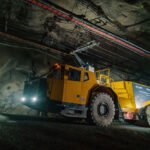
SUSTAINABILITY: ABB and Epiroc Deepen Collaboration on Battery Electric Systems After Milestone Implementation
…and more on EPIROC's PLM bet in PTC and Siemens ENVIRONMENTS. When ABB and Epiroc announced in April 2024 that they had implemented the world's first fully battery-electric trolley truck system on an 800-meter-long underground mine test track at Boliden's Kristineberg mine (Sweden), a milestone was passed that gave lust for more. Today, they are announcing a memorandum of understanding (MoU) on the continued development of underground trolley equipment. The aim is to collaborate on comprehensive and integrated solutions for the mining industry that increase productivity, while meeting the goals for reduced carbon emissions.
According to the agreement, teams from both companies will conduct an extensive feasibility study on joint offerings. The aim is to meet strict requirements for industrial applications in mining, with productivity, sustainability and powerful, automated and safe operation in mind.
What are the companies' chances of bringing this project to fruition? Excellent, not least in view to the first battery electric trolley truck system related above. But technological development is only one side of the coin, the other is about demand and there are bright spots here: According to ABB’s Mining’s Moment report, 76% of global mining companies believe that electrification of vehicles will bring significant benefits in terms of both sustainability and efficiency. In addition, 42% plan to make investments to reduce carbon emissions from their vehicle fleets by 2026.
“Industry collaboration is essential to accelerate the development of our mining customers’ journey towards reduced emissions,” says Wayne Symes, President of Epiroc’s Underground Division. “We are deepening our partnership with ABB to develop a strategic plan for sustainable and innovative mining, starting with reducing carbon emissions for mining trucks. This will allow us to expand the trolley system to meet the broader needs of the industry.”
An interesting aspect in the context is the use of PLM tools in the development work and not least how Epiroc’s ambitious investment in the area colors collaborative projects of this magnitude. PLM&ERP News recently published a deep dive into this Epiroc project. The company works with tools such as PTC's CREO CAD (Design), Siemens TEAMCENTER (PLM/PDM), and Infor M3 (ERP). EPIROC's digitalization leader, JOHN NYDAHL, explained the vision: "What we see is the need for an integrated platform solution that can hold together the digital thread with everything from the optimal product, the design in the R&D department and a product configurator, to digital twins and representations of our products with the capacity to simulate product behavior."
Click on the headline to read more on PLM&ERP News.
According to the agreement, teams from both companies will conduct an extensive feasibility study on joint offerings. The aim is to meet strict requirements for industrial applications in mining, with productivity, sustainability and powerful, automated and safe operation in mind.
What are the companies' chances of bringing this project to fruition? Excellent, not least in view to the first battery electric trolley truck system related above. But technological development is only one side of the coin, the other is about demand and there are bright spots here: According to ABB’s Mining’s Moment report, 76% of global mining companies believe that electrification of vehicles will bring significant benefits in terms of both sustainability and efficiency. In addition, 42% plan to make investments to reduce carbon emissions from their vehicle fleets by 2026.
“Industry collaboration is essential to accelerate the development of our mining customers’ journey towards reduced emissions,” says Wayne Symes, President of Epiroc’s Underground Division. “We are deepening our partnership with ABB to develop a strategic plan for sustainable and innovative mining, starting with reducing carbon emissions for mining trucks. This will allow us to expand the trolley system to meet the broader needs of the industry.”
An interesting aspect in the context is the use of PLM tools in the development work and not least how Epiroc’s ambitious investment in the area colors collaborative projects of this magnitude. PLM&ERP News recently published a deep dive into this Epiroc project. The company works with tools such as PTC's CREO CAD (Design), Siemens TEAMCENTER (PLM/PDM), and Infor M3 (ERP). EPIROC's digitalization leader, JOHN NYDAHL, explained the vision: "What we see is the need for an integrated platform solution that can hold together the digital thread with everything from the optimal product, the design in the R&D department and a product configurator, to digital twins and representations of our products with the capacity to simulate product behavior."
Click on the headline to read more on PLM&ERP News.

LIVE CAD in the Industrial Metaverse: Siemens and Sony Man the Immersive Barricade
HANDS-ON THE NEW TECHNOLOGY on JANUARY 23 in STOCKHOLM. Immersive design using Siemens NX CAD and a new specially developed head-mounted display from Japanese electronics giant Sony – could that be your next digital tool option? Don't miss the chance to try out what many observers believe will become a mainstay in not only product development and the industrial metaverse concept, but which will also have productive offshoots in both maintenance and marketing. At an event in central Stockholm on Thursday, January 23, at 10:30am at Scandic Continental, Siemens Digital Industries Software's Nordic operation and Sony will showcase this interesting technology.
The immersive solution that Siemens and Sony have now developed was shown during last week's gigantic electronics event CES 2025, in Las Vegas, where the companies' joint in-depth project were among the news that attracted the most interest. The constellation has developed a coherent solution where Siemens stands for design technology via the NX CAD platform, while Sony develops the new high-level head-mounted display technology.
Immersive CAD design work with the help of these displays is an area that is increasingly emerging. Being able to both literally and figuratively step into and review, manipulate, interact and collaborate on digital 3D models provides unimagined opportunities to develop completely new levels of innovative product solutions.
PLM&ERP News has previously reported on the case where Volvo Trucks managed to test immersive interaction in the development work of the all-electric Volvo truck, the VNR Electric. This involved a digital scale one-to-one model, including all of the vehicle's more than 12,000 parts, which was run in VR to validate new design, assembly and maintenance processes.
“But the new technology combo we have developed is not just for OEMs, but is equally useful for smaller players. Today, it is not only an important future design track, but is a technology that has already received such good solution platforms that they will play important roles when the industrial metaverse now takes off,” sums up Siemens Digital Industries Software’s Nordic manager, Mats Friberg.
Among the leading developers, Siemens has advanced to one of the leading positions in recent years, not least based on the deep collaboration with its partner on the display side, Sony. The XR HMD (SRH-S1) has Sony’s high-resolution 1.3-type OLED micro-displays with 4K resolution, and a proprietary rendering technology for real-time, high-resolution and realistic rendering of 3D objects.
“Together with the Siemens Immersive Engineering toolkit, the development brings the power of ‘mixed reality’ to product development,” says Siemens CAD manager, senior VP, Bob Haubrock.
Click on the headline to read the full article on PLM&ERP News.
The immersive solution that Siemens and Sony have now developed was shown during last week's gigantic electronics event CES 2025, in Las Vegas, where the companies' joint in-depth project were among the news that attracted the most interest. The constellation has developed a coherent solution where Siemens stands for design technology via the NX CAD platform, while Sony develops the new high-level head-mounted display technology.
Immersive CAD design work with the help of these displays is an area that is increasingly emerging. Being able to both literally and figuratively step into and review, manipulate, interact and collaborate on digital 3D models provides unimagined opportunities to develop completely new levels of innovative product solutions.
PLM&ERP News has previously reported on the case where Volvo Trucks managed to test immersive interaction in the development work of the all-electric Volvo truck, the VNR Electric. This involved a digital scale one-to-one model, including all of the vehicle's more than 12,000 parts, which was run in VR to validate new design, assembly and maintenance processes.
“But the new technology combo we have developed is not just for OEMs, but is equally useful for smaller players. Today, it is not only an important future design track, but is a technology that has already received such good solution platforms that they will play important roles when the industrial metaverse now takes off,” sums up Siemens Digital Industries Software’s Nordic manager, Mats Friberg.
Among the leading developers, Siemens has advanced to one of the leading positions in recent years, not least based on the deep collaboration with its partner on the display side, Sony. The XR HMD (SRH-S1) has Sony’s high-resolution 1.3-type OLED micro-displays with 4K resolution, and a proprietary rendering technology for real-time, high-resolution and realistic rendering of 3D objects.
“Together with the Siemens Immersive Engineering toolkit, the development brings the power of ‘mixed reality’ to product development,” says Siemens CAD manager, senior VP, Bob Haubrock.
Click on the headline to read the full article on PLM&ERP News.

Blazing the Trail in CES 2025: Siemens is on the Move with New Industrial...
“WHAT HAPPENS IN LAS VEGAS doesn’t necessarily stay in Las Vegas – CES 2025 is the proof…” An early sign of spring in PLM and cutting-edge technology development is the CES tech trade show in Las Vegas. When it started today, Siemens was one of the most visible actors among the major PLM players. Several big things are poster pillars for the company, but not surprisingly, AI is the area most heavily promoted. The company’s CTO and Chief Strategy Officer, Peter Koerte, spoke, among other things, about a vision for the future where data, AI and software-defined automation will converge to, “enable unprecedented flexibility, optimization and continuous improvement across the world’s industries, for companies of all sizes.” Big ambitions of course, but also a message at the heart of Siemens’ presence at CES 2025, one of the world’s most influential technology events. Siemens is, Koerte noted, a global leader in industrial software and pointed to the fact that it is now taking bold new steps in industrial innovation.
“Industrial AI is a game changer that will create significant positive impacts in the real world across all industries,” he said and adden: “It allows us to harness the enormous amounts of data generated in industrial environments and transform them into insights that drive businesses. We are adding new AI capabilities across the entire Siemens Xcelerator portfolio to enable our customers to remain competitive, resilient and sustainable in an increasingly complex world.”
Among the pieces he specifically noted was that it is now bringing AI directly to the shop floor with the new “Industrial Copilot for Operations” solution. Among several benefits is that AI tasks can be run as close to machines as possible via edge computing. This facilitates rapid, real-time decision-making for operators and maintenance engineers, increasing productivity and minimizing downtime.
The Industrial Copilot ecosystem is continuously evolving to offer AI capabilities across the entire industrial value chain and to sectors including discrete and process manufacturing, infrastructure and mobility. This suite of copilots can improve human-machine collaboration across all experience levels, helping to accelerate development times and innovation cycles. Siemens Industrial Copilot will integrate with the Industrial Edge ecosystem, which has been enhanced with AI to deploy, operate and manage AI models within the production environment.
But there was more on the menu; such as Siemens' NVIDIA collaboration to deliver physically based visualization for product lifecycle management, an exciting customer collaboration with startup JetZero on an aircraft solution that paves the way towards net-zero operation via partial hydrogen propulsion, and the collaboration with Sony, which was already announced at CES last year, where the companies are now delivering immersive design opportunities with mixed-reality headsets and NX CAD software in combo.
Click on the title to read the full report on Siemens at CES 2025.
“Industrial AI is a game changer that will create significant positive impacts in the real world across all industries,” he said and adden: “It allows us to harness the enormous amounts of data generated in industrial environments and transform them into insights that drive businesses. We are adding new AI capabilities across the entire Siemens Xcelerator portfolio to enable our customers to remain competitive, resilient and sustainable in an increasingly complex world.”
Among the pieces he specifically noted was that it is now bringing AI directly to the shop floor with the new “Industrial Copilot for Operations” solution. Among several benefits is that AI tasks can be run as close to machines as possible via edge computing. This facilitates rapid, real-time decision-making for operators and maintenance engineers, increasing productivity and minimizing downtime.
The Industrial Copilot ecosystem is continuously evolving to offer AI capabilities across the entire industrial value chain and to sectors including discrete and process manufacturing, infrastructure and mobility. This suite of copilots can improve human-machine collaboration across all experience levels, helping to accelerate development times and innovation cycles. Siemens Industrial Copilot will integrate with the Industrial Edge ecosystem, which has been enhanced with AI to deploy, operate and manage AI models within the production environment.
But there was more on the menu; such as Siemens' NVIDIA collaboration to deliver physically based visualization for product lifecycle management, an exciting customer collaboration with startup JetZero on an aircraft solution that paves the way towards net-zero operation via partial hydrogen propulsion, and the collaboration with Sony, which was already announced at CES last year, where the companies are now delivering immersive design opportunities with mixed-reality headsets and NX CAD software in combo.
Click on the title to read the full report on Siemens at CES 2025.

Siemens på hugget under CES 2025: Innovationer inom industriell AI och digital tvillingar väcker...
”DET SOM HÄNDER I LAS VEGAS stannar inte nödvändigtvis i Las Vegas – det är CES 2025 beviset på…” Ett tidigt tecken på att vårsäsongen inom PLM, automation och allmänt när det gäller vass teknologiutveckling är den stora CES-mässan i Las Vegas, där alla med stora teknologi-ambitioner vill synas. När det startade idag, den 7 januari var Siemens en av de mest synliga aktörerna bland de stora PLM-spelarna. Flera saker stora saker är affischpelare för denna ledande PLM- och automationsspelare. Men inte överraskande är AI ett av de området man slår på trumman för. Bolagets styrelsemedlem, CTO och strategichef, Peter Koerte, berättade bl a om en vision för framtiden där data, AI och mjukvarudefinierad automation kommer att konvergera för att, ”möjliggöra oöverträffad flexibilitet, optimering och ständiga förbättringar över världens industrier, för företag av alla storlekar.” Stora ambitioner förstås och kärnan i Siemens närvaro vid CES 2025, ett av världens mest inflytelserika teknikevenemang. Siemens är, konstaterade Koerte inte utan goda anledningar, en global ledaren inom industriell mjukvara och pekade på att man nu tar än mer djärva steg i industriell innovation.
"Industriell AI är en spelomvandlare som kommer att skapa betydande positiva effekter i den verkliga världen inom alla branscher. Industriell AI låter oss utnyttja de enorma mängderna data som genereras i industriella miljöer och omvandla den till insikter som driver verklig affärseffekt. Vi lägger till nya industriella AI-kapaciteter i hela Siemens Xcelerator-portfölj för att göra det möjligt för våra kunder att förbli konkurrenskraftiga, motståndskraftiga och hållbara i en allt mer komplex värld", sa han.
Bland de bitar han specifikt noterade var att man nu tar Industrial AI direkt till verkstadsgolvet med den nya ”Industrial Copilot for Operations-lösningen”. Bland flera fördelar är att AI-uppgifter kan köras så nära maskiner som möjligt, via ”edge computing.” Detta underlättar snabbt beslutsfattande i realtid för operatörer och underhållsingenjörer, vilket ökar produktiviteten och minimerar stilleståndstiden. Industrial Copilots ekosystem utvecklas kontinuerligt för att erbjuda AI-kapacitet över hela den industriella värdekedjan och till sektorer som inkluderar diskret och processtillverkning, infrastruktur och mobilitet. Denna svit av copiloter kan förbättra samarbete mellan människa och maskin över alla erfarenhetsnivåer, vilket hjälper till att påskynda utvecklingstider och innovationscykler. Siemens Industrial Copilot kommer att integreras med Industrial Edge-ekosystemet, som har förbättrats med AI för att distribuera, driva och hantera AI-modeller inom produktionsmiljön.
Men här fanns mer på menyn; som Siemens NVIDIA-samarbete för att leverera fysiskt baserad visualisering för produktlivscykel-hantering, ett spännande kundsamarbete med startupen JetZero kring en flygplanslösning som banar väg mot netto-noll-drift via partitiell vätedrift, och samarbetet med Sony, som annonserades redan på CES ifjol, där bolagen nu levererar immersiva design-möjligheter med mixed-reality-headset och NX CAD-programvara i kombo.
Klicka på rubriken för att läsa hela reportaget kring Siemens på CES 2025.
"Industriell AI är en spelomvandlare som kommer att skapa betydande positiva effekter i den verkliga världen inom alla branscher. Industriell AI låter oss utnyttja de enorma mängderna data som genereras i industriella miljöer och omvandla den till insikter som driver verklig affärseffekt. Vi lägger till nya industriella AI-kapaciteter i hela Siemens Xcelerator-portfölj för att göra det möjligt för våra kunder att förbli konkurrenskraftiga, motståndskraftiga och hållbara i en allt mer komplex värld", sa han.
Bland de bitar han specifikt noterade var att man nu tar Industrial AI direkt till verkstadsgolvet med den nya ”Industrial Copilot for Operations-lösningen”. Bland flera fördelar är att AI-uppgifter kan köras så nära maskiner som möjligt, via ”edge computing.” Detta underlättar snabbt beslutsfattande i realtid för operatörer och underhållsingenjörer, vilket ökar produktiviteten och minimerar stilleståndstiden. Industrial Copilots ekosystem utvecklas kontinuerligt för att erbjuda AI-kapacitet över hela den industriella värdekedjan och till sektorer som inkluderar diskret och processtillverkning, infrastruktur och mobilitet. Denna svit av copiloter kan förbättra samarbete mellan människa och maskin över alla erfarenhetsnivåer, vilket hjälper till att påskynda utvecklingstider och innovationscykler. Siemens Industrial Copilot kommer att integreras med Industrial Edge-ekosystemet, som har förbättrats med AI för att distribuera, driva och hantera AI-modeller inom produktionsmiljön.
Men här fanns mer på menyn; som Siemens NVIDIA-samarbete för att leverera fysiskt baserad visualisering för produktlivscykel-hantering, ett spännande kundsamarbete med startupen JetZero kring en flygplanslösning som banar väg mot netto-noll-drift via partitiell vätedrift, och samarbetet med Sony, som annonserades redan på CES ifjol, där bolagen nu levererar immersiva design-möjligheter med mixed-reality-headset och NX CAD-programvara i kombo.
Klicka på rubriken för att läsa hela reportaget kring Siemens på CES 2025.