



BMW växlar upp: Standardiserar kravhanteringen på PTC’s ALM-plattform Codebeamer
PTC's CRO Robert DAHDAH: "Så skapar Codebeamer en robust databas för integrerad mekatronik och AI-driven teknik på BMW"
Tveklöst är PLM-utvecklaren PTC’s köp 2022 av tyska Intlands ALM-mjukvara Codebeamer för 280 miljoner dollar en av bolagets smartaste programinvesteringar. Inte minst var det vältajmat i ett läge när dels PTC’s äldre lösning Integrity började bli lite kapacitetsmässigt ålderstigen och dels vid en tidpunkt när SDV-trenden, alltså Software-Defined Vehicles, tagit fart. Med sitt geografiska ursprung hade Codebeamer också börjat resan med att arbeta sig in i den tyska fordonsindustrin. Inte minst hade man t ex den gigantiska VW-koncernen på kundlistan.
Detta sagt som en bakgrund till förra veckans stora nyhet inom ALM och automotive där man avslöjade att BMW gör en stor koncern-satsning på just Codbeamer. Men vad är det som gör lösningen till en så stark pretendent på ALM-tronen?
Allmänt är Codebeamer en är en avancerad, molnbaserad plattform för Application Lifecycle Management (ALM) och produktutveckling. Den används för att hantera krav, mjukvaruutveckling, testning och riskhantering i en och samma integrerade miljö, med särskilt fokus på komplexa, reglerade branscher som fordons-, flyg- och medicinteknik. I en fordonsindustri under stark förändring genom tunga trender som elektrifiering, elektronikexpansion och trenden med SDV-fordon, Software-Defined Vehicles, skapas en helt ny bild av hur rationell produktframtagning ska utföras och i detta kan Codebeamer spela en huvudroll inte bara i den gigantiska tyska fordonsindustrin, utan även i ett globalt perspektiv.
BMW Groups beslut att implementera och göra Codebeamer till nästa generations digitala teknik inom ALM är en milstolpe. Bl a återspeglar den BMWs övergång från fragmenterade äldre kravhanteringslösningar över hundratals system till en enda enhetlig datamodell inom Codebeamer. För övrigt synnerligen värdefullt i en koncern som i ett PLM-perspektiv är bland branschens mer spretiga vad avser programfloran.
Med en delad datamodell erbjuder Codebeamer konsekventa processer, starkare spårbarhet och digital kontinuitet över mekaniska, elektriska och mjukvarudiscipliner. Detta ger betydande holistiska fördelar, menar Robert Dahdah, Chief Revenue Officer, på PTC, Robert Dahdah, Chief Revenue Officer, PTC, och pekar på Codebeamer som en del i PTC-visionen om ”Den Intelligenta Produktlivscykeln”, som bl a handlar om värdet av att göra det möjligt för tillverkare att bygga en produktdatabas inom teknik, utöka värdet av dessa data över hela företaget och etablera AI-driven transformation.
”BMW visar hur ett verkligt digitalt ledarskap inom ingenjörskonst ser ut”, säger Robert Dahdah. ”Att centralisera kravhanteringen på Codebeamer skapar en robust databas för integrerad mekatronik och AI-driven teknik, vilket stöder framtidens fordonsinnovation.”
Klicka på rubriken för att läsa mer på PLM&ERP News.
Tveklöst är PLM-utvecklaren PTC’s köp 2022 av tyska Intlands ALM-mjukvara Codebeamer för 280 miljoner dollar en av bolagets smartaste programinvesteringar. Inte minst var det vältajmat i ett läge när dels PTC’s äldre lösning Integrity började bli lite kapacitetsmässigt ålderstigen och dels vid en tidpunkt när SDV-trenden, alltså Software-Defined Vehicles, tagit fart. Med sitt geografiska ursprung hade Codebeamer också börjat resan med att arbeta sig in i den tyska fordonsindustrin. Inte minst hade man t ex den gigantiska VW-koncernen på kundlistan.
Detta sagt som en bakgrund till förra veckans stora nyhet inom ALM och automotive där man avslöjade att BMW gör en stor koncern-satsning på just Codbeamer. Men vad är det som gör lösningen till en så stark pretendent på ALM-tronen?
Allmänt är Codebeamer en är en avancerad, molnbaserad plattform för Application Lifecycle Management (ALM) och produktutveckling. Den används för att hantera krav, mjukvaruutveckling, testning och riskhantering i en och samma integrerade miljö, med särskilt fokus på komplexa, reglerade branscher som fordons-, flyg- och medicinteknik. I en fordonsindustri under stark förändring genom tunga trender som elektrifiering, elektronikexpansion och trenden med SDV-fordon, Software-Defined Vehicles, skapas en helt ny bild av hur rationell produktframtagning ska utföras och i detta kan Codebeamer spela en huvudroll inte bara i den gigantiska tyska fordonsindustrin, utan även i ett globalt perspektiv.
BMW Groups beslut att implementera och göra Codebeamer till nästa generations digitala teknik inom ALM är en milstolpe. Bl a återspeglar den BMWs övergång från fragmenterade äldre kravhanteringslösningar över hundratals system till en enda enhetlig datamodell inom Codebeamer. För övrigt synnerligen värdefullt i en koncern som i ett PLM-perspektiv är bland branschens mer spretiga vad avser programfloran.
Med en delad datamodell erbjuder Codebeamer konsekventa processer, starkare spårbarhet och digital kontinuitet över mekaniska, elektriska och mjukvarudiscipliner. Detta ger betydande holistiska fördelar, menar Robert Dahdah, Chief Revenue Officer, på PTC, Robert Dahdah, Chief Revenue Officer, PTC, och pekar på Codebeamer som en del i PTC-visionen om ”Den Intelligenta Produktlivscykeln”, som bl a handlar om värdet av att göra det möjligt för tillverkare att bygga en produktdatabas inom teknik, utöka värdet av dessa data över hela företaget och etablera AI-driven transformation.
”BMW visar hur ett verkligt digitalt ledarskap inom ingenjörskonst ser ut”, säger Robert Dahdah. ”Att centralisera kravhanteringen på Codebeamer skapar en robust databas för integrerad mekatronik och AI-driven teknik, vilket stöder framtidens fordonsinnovation.”
Klicka på rubriken för att läsa mer på PLM&ERP News.
Drivetrain Analyzer Onsite och andra lösningar som ger Siemens ledningen i det industriella AI-racet
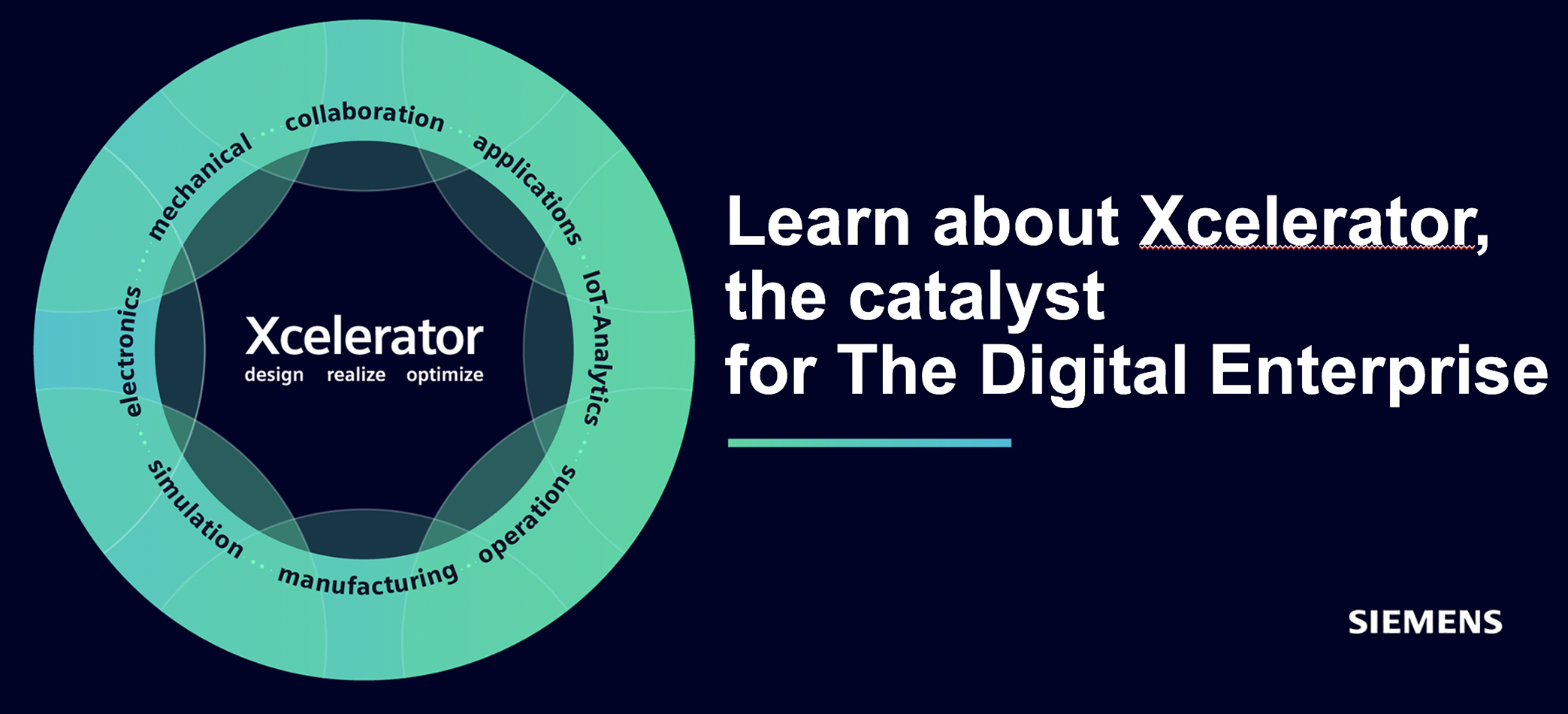
Siemens-chefen, ROLAND BUSCH, har bråda dagar. Det är inte svårt att förstå varför – på PLM-sidan, kopplat till AI, och smart tillverkning, är det ingen utvecklare som har ett högre tempo eller en vassare paketerad och mer integrerad helhetslösning för produktframtagning än vad den globala PLM- och fabriksautomations-ledaren har i sin Xcelerator-portfölj.
Det handlar om flera broar till genombrott för industriell AI med siktet inställt på att skapa ett sammanhängande system, Industrial AI Operating System. Busch brukar beskriva saken som, ”en satsning syftar till att flytta AI från att vara en isolerad funktion till att bli en drivande kraft genom hela värdekedjan.”
Förra veckans lansering av Drivetrain Analyzer Onsite (DTA Onsite) är ett bra exempel. Det handlar om en funktion där toppmodern AI-teknologi kan göra mycket intressanta avtryck. DTA, finns i och för sig redan som moln-lösning, men i den nu aktuella lanseringen är det istället en ny on-premise analyslösning. En tung poäng är att man med denna mjukvara använder lokal AI för att upptäcka mönster och anomalier i drivsystem utan att data behöver lämna användarens infrastruktur.
Sammanfattningsvis överbryggar mjukvaran klyftan mellan isolerade maskiner och molnbaserade plattformar och bearbetar drivdata helt inom användarens egen infrastruktur, inklusive integrerade industriella AI-funktioner.
Drivdata är den tekniska term som används inom industriell automation för data som rör olika slags motordrifter. Den täcker parametrar som vridmoment, hastighet, position, ström och temperatur, vilka är avgörande för att övervaka och styra maskiner. Drivparametrar används specifikt när man hänvisar till inställningar inom drivenheten (t ex Sercos-parametrar). Drivdata täcker parametrar som vridmoment, hastighet, position, ström, vibrationer och temperatur, vilka är avgörande för att övervaka och styra maskiner. Men varför är analys av dessa data så viktigt inom industriell produktion?
Kort sagt för att de är avgörande inom industriell produktion och att mjukvarans finess är att den omvandlar rå drivdata till handlingsbara insikter. Detta möjliggör högre effektivitet, färre driftsstopp och förbättrad produktkvalitet. Genom att utnyttja industriella IoT (IIoT)-sensorer och AI-driven analys kan tillverkare gå över från reaktivt underhåll till prediktiva strategier, optimera maskinens livslängd och minska den totala energiförbrukningen.
Men även om DTA Onsite är en vass AI-lösning, så är det bara en detalj i en bredare och djupintegrerad kedja digitala verktyg för hela produktframtagnings-processen; en kedja där Siemens Digital Industries, inklusive PLM-divisionen (”Software”), i dagsläget är den globala industriella marknadsledaren – vilka är skälen?
Klicka på rubriken för att läsa mer på PLM&ERP News.
Det handlar om flera broar till genombrott för industriell AI med siktet inställt på att skapa ett sammanhängande system, Industrial AI Operating System. Busch brukar beskriva saken som, ”en satsning syftar till att flytta AI från att vara en isolerad funktion till att bli en drivande kraft genom hela värdekedjan.”
Förra veckans lansering av Drivetrain Analyzer Onsite (DTA Onsite) är ett bra exempel. Det handlar om en funktion där toppmodern AI-teknologi kan göra mycket intressanta avtryck. DTA, finns i och för sig redan som moln-lösning, men i den nu aktuella lanseringen är det istället en ny on-premise analyslösning. En tung poäng är att man med denna mjukvara använder lokal AI för att upptäcka mönster och anomalier i drivsystem utan att data behöver lämna användarens infrastruktur.
Sammanfattningsvis överbryggar mjukvaran klyftan mellan isolerade maskiner och molnbaserade plattformar och bearbetar drivdata helt inom användarens egen infrastruktur, inklusive integrerade industriella AI-funktioner.
Drivdata är den tekniska term som används inom industriell automation för data som rör olika slags motordrifter. Den täcker parametrar som vridmoment, hastighet, position, ström och temperatur, vilka är avgörande för att övervaka och styra maskiner. Drivparametrar används specifikt när man hänvisar till inställningar inom drivenheten (t ex Sercos-parametrar). Drivdata täcker parametrar som vridmoment, hastighet, position, ström, vibrationer och temperatur, vilka är avgörande för att övervaka och styra maskiner. Men varför är analys av dessa data så viktigt inom industriell produktion?
Kort sagt för att de är avgörande inom industriell produktion och att mjukvarans finess är att den omvandlar rå drivdata till handlingsbara insikter. Detta möjliggör högre effektivitet, färre driftsstopp och förbättrad produktkvalitet. Genom att utnyttja industriella IoT (IIoT)-sensorer och AI-driven analys kan tillverkare gå över från reaktivt underhåll till prediktiva strategier, optimera maskinens livslängd och minska den totala energiförbrukningen.
Men även om DTA Onsite är en vass AI-lösning, så är det bara en detalj i en bredare och djupintegrerad kedja digitala verktyg för hela produktframtagnings-processen; en kedja där Siemens Digital Industries, inklusive PLM-divisionen (”Software”), i dagsläget är den globala industriella marknadsledaren – vilka är skälen?
Klicka på rubriken för att läsa mer på PLM&ERP News.

KONSULTERNA: TCS topprankas för hög kundnöjdhet i Sverige och Norden
TCS' Sverigechef, Ashish Jhunjhunwala: "Ett erkännande som förstärker det förtroende våra kunder har för TCS när de navigerar i ett alltmer komplext landskap format av AI,”
Globala storkonsulten Tata Consultancy Services (TCS) har rankats som nummer ett i Sverige för kundnöjdhet i 2026 års Whitelane Research IT Sourcing Study. Det är den största undersökningen i sitt slag av IT-köpande organisationer i regionen.
”TCS uppvisar tydligt ett kundcentrerat förhållningssätt och engagemang för excellens. Vår undersökning belyser deras konsekventa leverans av värde inom vitala domäner för företag som navigerar komplexa digitala transformationer,” säger Jef Loos, Head of Research, Europé på Whitelane Research.
Resultatet i Sverige, med en kundnöjdhet på 82 procent, bidrog också till att TCS kunde säkra topplaceringen för hela Norden. Undersökningen baseras på utvärderingar från över 450 ledande befattningshavare inom affärsverksamhet och IT från de organisationer som spenderar mest på IT i Norden.
Konsultens Sverige-chef sedan mitten av 2025, Ashish Jhunjhunwala, pekar i en kommentar särskilt ut vikten av att topprankas i tider när AI-expansionen präglar IT-landskapen bland företagen:
”Ja, absolut, att rankas som nummer ett av våra kunder i Sverige är inte bara en ära för hela vårt team utan också ett erkännande som förstärker det förtroende våra kunder har för TCS när de navigerar i ett alltmer komplext landskap format av AI,” säger han.
Till bakgrunden hör att TCS har varit närvarande i Norden i över 30 år och sedan starten 1991 har konsulten idag cirka 20 000 medarbetare som arbetar för kunder i Sverige, Finland, Norge och Danmark. Notabelt är också att framtidsutsikterna, enligt Whitelanse Researchs Jef Loos, ser bra ut inte bara för TCS utan också för hela IT-konsult-branschen, hur då?
Klicka på rubriken för att läsa mer på PLM&ERP News.
Globala storkonsulten Tata Consultancy Services (TCS) har rankats som nummer ett i Sverige för kundnöjdhet i 2026 års Whitelane Research IT Sourcing Study. Det är den största undersökningen i sitt slag av IT-köpande organisationer i regionen.
”TCS uppvisar tydligt ett kundcentrerat förhållningssätt och engagemang för excellens. Vår undersökning belyser deras konsekventa leverans av värde inom vitala domäner för företag som navigerar komplexa digitala transformationer,” säger Jef Loos, Head of Research, Europé på Whitelane Research.
Resultatet i Sverige, med en kundnöjdhet på 82 procent, bidrog också till att TCS kunde säkra topplaceringen för hela Norden. Undersökningen baseras på utvärderingar från över 450 ledande befattningshavare inom affärsverksamhet och IT från de organisationer som spenderar mest på IT i Norden.
Konsultens Sverige-chef sedan mitten av 2025, Ashish Jhunjhunwala, pekar i en kommentar särskilt ut vikten av att topprankas i tider när AI-expansionen präglar IT-landskapen bland företagen:
”Ja, absolut, att rankas som nummer ett av våra kunder i Sverige är inte bara en ära för hela vårt team utan också ett erkännande som förstärker det förtroende våra kunder har för TCS när de navigerar i ett alltmer komplext landskap format av AI,” säger han.
Till bakgrunden hör att TCS har varit närvarande i Norden i över 30 år och sedan starten 1991 har konsulten idag cirka 20 000 medarbetare som arbetar för kunder i Sverige, Finland, Norge och Danmark. Notabelt är också att framtidsutsikterna, enligt Whitelanse Researchs Jef Loos, ser bra ut inte bara för TCS utan också för hela IT-konsult-branschen, hur då?
Klicka på rubriken för att läsa mer på PLM&ERP News.

SAP’s CEO Christian Klein är dagens gästkrönikör på PLM&ERP News: ”AI dödar inte SaaS...
I mer än två tredjedelar av SAP:s molnkontrakt under det senaste kvartalet valde kunderna att inkludera AI-funktionalitet.
”Den senaste tidens försäljningsvåg av SaaS-aktier bygger på en missuppfattning av den verkliga omvälvningen. Den avslöjar varför programvara är viktigare än någonsin,” det skriver SAP-chefen Christian KLEIN i dagens gästkrönika på PLM&ERP News, och fortsätter:
”Artificiell intelligens är den mest betydelsefulla tekniska förändringen sedan internets genombrott och den som mest påverkat utvecklingen inom programvara. Inte för att AI utgör ett hot mot programvara i sig, utan för att AI är starkt beroende av den. Genombrotten inom resonemang, kodgenerering och autonoma agenter är verkliga och de kommer att förändra alla branscher.
Jag ser det med egna ögon. AI ger tvåsiffriga effektivitetsvinster i SAPs egen verksamhet. I mer än två tredjedelar av våra molnkontrakt under det senaste kvartalet valde kunderna att inkludera AI-funktionalitet. Tillverkningsföretag använder AI-agenter för att automatisera offertprocesser och avsevärt minska svarstiderna. Och konsultteam frigör nu upp till en fjärdedel av sin arbetsvecka för mer värdefulla uppgifter.
Alla större plattforms-förändringar följer ett välbekant mönster. I början samlas värdet i de lägre lagren av teknikstacken i form av datorkraft, modeller och infrastruktur. Med tiden flyttas det bestående värdet upp till applikationslagret där tekniken omvandlas till konkreta affärsresultat. Internet är ett tydligt exempel och molntjänster en bekräftelse på det. AI kommer inte att vara annorlunda – programvara är AIs superkraft.”
Klicka på rubriken för att läsa hela Christian Kleins krönika på PLM&ERP News.
”Den senaste tidens försäljningsvåg av SaaS-aktier bygger på en missuppfattning av den verkliga omvälvningen. Den avslöjar varför programvara är viktigare än någonsin,” det skriver SAP-chefen Christian KLEIN i dagens gästkrönika på PLM&ERP News, och fortsätter:
”Artificiell intelligens är den mest betydelsefulla tekniska förändringen sedan internets genombrott och den som mest påverkat utvecklingen inom programvara. Inte för att AI utgör ett hot mot programvara i sig, utan för att AI är starkt beroende av den. Genombrotten inom resonemang, kodgenerering och autonoma agenter är verkliga och de kommer att förändra alla branscher.
Jag ser det med egna ögon. AI ger tvåsiffriga effektivitetsvinster i SAPs egen verksamhet. I mer än två tredjedelar av våra molnkontrakt under det senaste kvartalet valde kunderna att inkludera AI-funktionalitet. Tillverkningsföretag använder AI-agenter för att automatisera offertprocesser och avsevärt minska svarstiderna. Och konsultteam frigör nu upp till en fjärdedel av sin arbetsvecka för mer värdefulla uppgifter.
Alla större plattforms-förändringar följer ett välbekant mönster. I början samlas värdet i de lägre lagren av teknikstacken i form av datorkraft, modeller och infrastruktur. Med tiden flyttas det bestående värdet upp till applikationslagret där tekniken omvandlas till konkreta affärsresultat. Internet är ett tydligt exempel och molntjänster en bekräftelse på det. AI kommer inte att vara annorlunda – programvara är AIs superkraft.”
Klicka på rubriken för att läsa hela Christian Kleins krönika på PLM&ERP News.

En ny affärsutmaning: Krocken mellan digital suveränitet och global hårdvarukris
”En perfekt storm blåser upp,” skriver dagens gästkolumnist på PLM&ERP News, Mats Ericson, chef för Norden och Baltikum på Nutanix, hur då? En bakgrund är, som Dagens Industri noterar, att ”molnjättarnas AI-investeringar växer så det knakar – och mer ska det bli. Men bakom uppgångarna lurar ’chipflation,’ påpiskad av skenande priser på minne.” Men det stannar inte där: Intel och AMD varnar för upp till sex månaders väntetid på processorer i Kina, vilket förvärrar bristen och höjer priserna. Förseningarna kan drabba kinesiska AI-bolag negativt och drivit upp kostnaderna för andra komponenter med 10 procent.
Priserna på kritiska minneskomponenter rusar alltså, samtidigt som ledtiderna för processorer förlängs. På samma gång ökar behovet av svenskt och europeiskt oberoende av de stora publika molnleverantörerna. Den här situationen gör att brant stigande kostnader för egna datacenter, så kallade private cloud-lösningar, kan ställa till med stora störningar för svenska företagsverksamheter, investeringsplaner och tillväxt.
Molninfrastruktur är idag en grundsten för moderna och framgångsrika företag. OECD-forskning visar att digital infrastruktur är avgörande för produktivitet och innovation. Samtidigt växer AIs behov av datorkraft och minne medan tillgången på dessa resurser är begränsad och koncentrerad till några få leverantörer. Vilket är det som driver upp kostnaderna.
Eftersom de största publika molnleverantörerna säkrar sin hårdvara via stora volymavtal hamnar enskilda företag, oavsett storlek och tekniskt kunnande, sist i kön. För de som bygger egna datacenter och ”private cloud” innebär detta inte bara högre kostnader, utan också månader av väntan på kritisk utrustning.
Samtidigt ökar tillsynen på hur företag hanterar sina molnlösningar. EU Cloud and AI Development Act är ett försök från EU att minska beroendet från USA och öka den tekniska förmågan inom EU. I Storbritannien har ett nytt program, övervakat av Bank of England, infört direkt reglering av outsourcingtjänster inom framförallt finanssektorn, där man vill hantera störningar hos ett fåtal kritiska leverantörer som kan sprida sig till företag, marknader och i slutändan hela ekonomin. Detta visar hur molninfrastruktur påverkar hela ekonomin.
Eftersom trycket på minnesförsörjningen förväntas fortsätta under flera år är det viktigt för svenska företag att agera nu. Att skjuta upp investeringar riskerar att leda till tappad produktivitet och förlorad konkurrenskraft. En bra start är att lyfta upp frågan på ledningsnivå och föra en strukturerad diskussion.
Fyra frågeställningar förtjänar att toppa agendan inom den närmaste månaden – vilka är de? Klicka på rubriken för att läsa hela artikeln på PLM&ERP News.
Priserna på kritiska minneskomponenter rusar alltså, samtidigt som ledtiderna för processorer förlängs. På samma gång ökar behovet av svenskt och europeiskt oberoende av de stora publika molnleverantörerna. Den här situationen gör att brant stigande kostnader för egna datacenter, så kallade private cloud-lösningar, kan ställa till med stora störningar för svenska företagsverksamheter, investeringsplaner och tillväxt.
Molninfrastruktur är idag en grundsten för moderna och framgångsrika företag. OECD-forskning visar att digital infrastruktur är avgörande för produktivitet och innovation. Samtidigt växer AIs behov av datorkraft och minne medan tillgången på dessa resurser är begränsad och koncentrerad till några få leverantörer. Vilket är det som driver upp kostnaderna.
Eftersom de största publika molnleverantörerna säkrar sin hårdvara via stora volymavtal hamnar enskilda företag, oavsett storlek och tekniskt kunnande, sist i kön. För de som bygger egna datacenter och ”private cloud” innebär detta inte bara högre kostnader, utan också månader av väntan på kritisk utrustning.
Samtidigt ökar tillsynen på hur företag hanterar sina molnlösningar. EU Cloud and AI Development Act är ett försök från EU att minska beroendet från USA och öka den tekniska förmågan inom EU. I Storbritannien har ett nytt program, övervakat av Bank of England, infört direkt reglering av outsourcingtjänster inom framförallt finanssektorn, där man vill hantera störningar hos ett fåtal kritiska leverantörer som kan sprida sig till företag, marknader och i slutändan hela ekonomin. Detta visar hur molninfrastruktur påverkar hela ekonomin.
Eftersom trycket på minnesförsörjningen förväntas fortsätta under flera år är det viktigt för svenska företag att agera nu. Att skjuta upp investeringar riskerar att leda till tappad produktivitet och förlorad konkurrenskraft. En bra start är att lyfta upp frågan på ledningsnivå och föra en strukturerad diskussion.
Fyra frågeställningar förtjänar att toppa agendan inom den närmaste månaden – vilka är de? Klicka på rubriken för att läsa hela artikeln på PLM&ERP News.


Jakten på smartare fabriker: Capgemini vässar sin PLM-satsning med köpet av Piterion
Veckans stora affärsnyhet på PLM-området är globala konsulten Capgeminis köp av tyska Piterion, en ledande, oberoende specialist inom PLM och operativ tillverkningshantering på MOM-området.
Klart är att köpet representerar en förstärkning av Capgeminis PLM-relaterade verksamhet, både finansiellt och tekniskt. Capgemini avslöjar inte i sina redovisningar de utbrutna siffrorna för de PLM-relaterade intäkterna, men sett till hela bolagets intäkter på runt 22,5 miljarder euro 2025 torde det handla om en liten del. Analytikern CIMdata räknade i sin 2025-rapport med att bolaget på cPDm-området (collaborative Product Definition management) drog in runt 400 miljoner dollar på PLM-tjänstesidan, vilket gav en åttonde placering avseende 2024 på topplistan över tjänsteproducenter. Denna lista toppades av Accenture (ca 2,2 miljarder dollar), med TCS (knappt 1 miljard dollar) på silverplats och IBM (runt 750 miljoner dollar) på bronsplats.
Capgeminis styrkor inom Product Lifecycle Management (PLM) ligger i deras kapacitet för digital transformation end-to-end, djupgående branschspecifik expertis inom tillverkning för framför allt fordons- och flygindustrin), och ett starkt, strategiskt partnerekosystem med de tre stora PLM-programvaruleverantörerna: Siemens Digital Industries (Teamcenter, Polarion), Dassault Systèmes (3DEXPERIENCE) och PTC (Windchill).
Capgemini, som erkänts som en "Winner's Circle"-deltagare av HfS Research, betonar "Digital kontinuitet", som kopplar samman produktdesign, tillverkning och service. Just i detta spår ligger också att Capgemini kapabilitet att möjliggöra en "digital tråd" som överbryggar teknik och service, vilket förbättrar datakonsistens och integration över hela produktens livscykel.
Vad innebär då köpet av Piterion, vid sidan av en möjlig intäktsförstärkning på närmare 40 miljoner dollar? Med PLM och MOM som de starka domänerna i utbudet har Piterion sedan bolaget grundades 2002 byggt upp en stark position i Tyskland, med huvudkontor i Stuttgart. Men har också expanderat verksamheten genom dotterbolag i Italien, Tunisien och Indien. Genom att integrera mekanisk, elektronisk och mjukvaruutveckling stöder deras team på över 200 personer en rad välkända kunder inom konsument- och kommersiell fordonsindustri, flyg- och försvarsindustri, life science och högteknologi – sektorer där Capgemini också är djupt aktiva.
"Kunderna vill i allt högre grad optimera sina industriella tekniska processer genom digitalisering och AI,” kommenterar dr Michael Schulte, CEO för Capgemini Engineering och koncernlednings-medlem. ”Piterion är en ledande aktör inom PLM och MOM och med deras starka tyska närvaro och internationella leveranskapacitet kommer köpet att stärka Capgeminis globala PLM-verksamhet, utöka utnyttjandet av våra AI-agentbaserade lösningar, fördjupa strategiska kundrelationer och bidra till att accelerera tillväxten.”
”I tider där AI, moln och uppkopplade produktekosystem omformar industriella värdekedjor skapar denna kombination nya möjligheter för våra kunder,” summerar Ravi Nirankari, medgrundare av Piterion.
Ingen köpeskilling avslöjas i pressmaterialet.
Klicka på rubriken för att läsa mer på PLM&ERP News.
Klart är att köpet representerar en förstärkning av Capgeminis PLM-relaterade verksamhet, både finansiellt och tekniskt. Capgemini avslöjar inte i sina redovisningar de utbrutna siffrorna för de PLM-relaterade intäkterna, men sett till hela bolagets intäkter på runt 22,5 miljarder euro 2025 torde det handla om en liten del. Analytikern CIMdata räknade i sin 2025-rapport med att bolaget på cPDm-området (collaborative Product Definition management) drog in runt 400 miljoner dollar på PLM-tjänstesidan, vilket gav en åttonde placering avseende 2024 på topplistan över tjänsteproducenter. Denna lista toppades av Accenture (ca 2,2 miljarder dollar), med TCS (knappt 1 miljard dollar) på silverplats och IBM (runt 750 miljoner dollar) på bronsplats.
Capgeminis styrkor inom Product Lifecycle Management (PLM) ligger i deras kapacitet för digital transformation end-to-end, djupgående branschspecifik expertis inom tillverkning för framför allt fordons- och flygindustrin), och ett starkt, strategiskt partnerekosystem med de tre stora PLM-programvaruleverantörerna: Siemens Digital Industries (Teamcenter, Polarion), Dassault Systèmes (3DEXPERIENCE) och PTC (Windchill).
Capgemini, som erkänts som en "Winner's Circle"-deltagare av HfS Research, betonar "Digital kontinuitet", som kopplar samman produktdesign, tillverkning och service. Just i detta spår ligger också att Capgemini kapabilitet att möjliggöra en "digital tråd" som överbryggar teknik och service, vilket förbättrar datakonsistens och integration över hela produktens livscykel.
Vad innebär då köpet av Piterion, vid sidan av en möjlig intäktsförstärkning på närmare 40 miljoner dollar? Med PLM och MOM som de starka domänerna i utbudet har Piterion sedan bolaget grundades 2002 byggt upp en stark position i Tyskland, med huvudkontor i Stuttgart. Men har också expanderat verksamheten genom dotterbolag i Italien, Tunisien och Indien. Genom att integrera mekanisk, elektronisk och mjukvaruutveckling stöder deras team på över 200 personer en rad välkända kunder inom konsument- och kommersiell fordonsindustri, flyg- och försvarsindustri, life science och högteknologi – sektorer där Capgemini också är djupt aktiva.
"Kunderna vill i allt högre grad optimera sina industriella tekniska processer genom digitalisering och AI,” kommenterar dr Michael Schulte, CEO för Capgemini Engineering och koncernlednings-medlem. ”Piterion är en ledande aktör inom PLM och MOM och med deras starka tyska närvaro och internationella leveranskapacitet kommer köpet att stärka Capgeminis globala PLM-verksamhet, utöka utnyttjandet av våra AI-agentbaserade lösningar, fördjupa strategiska kundrelationer och bidra till att accelerera tillväxten.”
”I tider där AI, moln och uppkopplade produktekosystem omformar industriella värdekedjor skapar denna kombination nya möjligheter för våra kunder,” summerar Ravi Nirankari, medgrundare av Piterion.
Ingen köpeskilling avslöjas i pressmaterialet.
Klicka på rubriken för att läsa mer på PLM&ERP News.

The Blueprint for the Intelligent Industry: Capgemini’s Strategic Play for Piterion Group
Dr Michael Schulte, CEO of Capgemini Engineering: "Leveraging World-Class PLM, with AI and MOM (Manufacturing Operations Management)."
The major business headline in the PLM sector this week is global consultancy Capgemini’s agreement to acquire the Piterion Group. A premier German independent specialist in PLM and MOM, Piterion’s integration significantly strengthens Capgemini’s capabilities, particularly for clients in complex industrial fields such as automotive and aerospace. By integrating Piterion's agent-based AI with its own portfolio, Capgemini aims to optimize product lifecycles, accelerate time-to-market, and drive cost efficiencies, strengthening its position against industry leaders.
But the move also represents a significant consolidation of Capgemini’s PLM service revenues. While the group does not disclose specific PLM revenue—a small fraction of its total €22.5 billion turnover in 2025—industry analysts at CIMdata estimate the firm’s 2024 collaborative Product Definition management (cPDm) service revenue at approximately $400 million. This places Capgemini eighth globally in a services market currently dominated by titans like Accenture ($2.2B), TCS ($1B), and IBM ($750M), signaling an aggressive, strategic move to close the gap on the leaders.
Capgemini’s prowess in PLM is increasingly defined by its end-to-end digital transformation capabilities and deep-tier manufacturing expertise. This position is underpinned by a sophisticated ecosystem of strategic software partners, most notably the "Big Three": Siemens Digital Industries Software, Dassault Systèmes, and PTC.
Long recognised as a leader in the field, Capgemini continues to champion "digital continuity"—a strategic thread that seamlessly stitches together product design, manufacturing, and maintenance. The firm’s latest move, the acquisition of Stuttgart-based Piterion, is set to further strengthen this "digital thread," ensuring data consistency across the entire industrial lifecycle.
Beyond a $30–40 million revenue boost, the acquisition brings Piterion’s team of over 200 experts into the fold, expanding Capgemini’s footprint across Germany, Italy, Tunisia, and India. Piterion’s expertise in integrating mechanical, electronic, and software solutions for the automotive and aerospace sectors aligns precisely with Capgemini’s industrial focus.
Dr Michael Schulte, CEO of Capgemini Engineering, noted that clients are "increasingly looking to optimise their industrial engineering processes through digitalisation and AI," adding that the acquisition will "expand our agent-based solution offerings and help accelerate growth."
Ravi Nirankari, Co-Founder of Piterion, echoed this sentiment, suggesting that the convergence of AI and connected product ecosystems is "unlocking new opportunities" for global clients. While the purchase price remains undisclosed, the strategic value of the tie-up is clear: a more robust, AI-ready offering for an era of intelligent industry.
Click on thge headline to read more on PLM&ERP News.
The major business headline in the PLM sector this week is global consultancy Capgemini’s agreement to acquire the Piterion Group. A premier German independent specialist in PLM and MOM, Piterion’s integration significantly strengthens Capgemini’s capabilities, particularly for clients in complex industrial fields such as automotive and aerospace. By integrating Piterion's agent-based AI with its own portfolio, Capgemini aims to optimize product lifecycles, accelerate time-to-market, and drive cost efficiencies, strengthening its position against industry leaders.
But the move also represents a significant consolidation of Capgemini’s PLM service revenues. While the group does not disclose specific PLM revenue—a small fraction of its total €22.5 billion turnover in 2025—industry analysts at CIMdata estimate the firm’s 2024 collaborative Product Definition management (cPDm) service revenue at approximately $400 million. This places Capgemini eighth globally in a services market currently dominated by titans like Accenture ($2.2B), TCS ($1B), and IBM ($750M), signaling an aggressive, strategic move to close the gap on the leaders.
Capgemini’s prowess in PLM is increasingly defined by its end-to-end digital transformation capabilities and deep-tier manufacturing expertise. This position is underpinned by a sophisticated ecosystem of strategic software partners, most notably the "Big Three": Siemens Digital Industries Software, Dassault Systèmes, and PTC.
Long recognised as a leader in the field, Capgemini continues to champion "digital continuity"—a strategic thread that seamlessly stitches together product design, manufacturing, and maintenance. The firm’s latest move, the acquisition of Stuttgart-based Piterion, is set to further strengthen this "digital thread," ensuring data consistency across the entire industrial lifecycle.
Beyond a $30–40 million revenue boost, the acquisition brings Piterion’s team of over 200 experts into the fold, expanding Capgemini’s footprint across Germany, Italy, Tunisia, and India. Piterion’s expertise in integrating mechanical, electronic, and software solutions for the automotive and aerospace sectors aligns precisely with Capgemini’s industrial focus.
Dr Michael Schulte, CEO of Capgemini Engineering, noted that clients are "increasingly looking to optimise their industrial engineering processes through digitalisation and AI," adding that the acquisition will "expand our agent-based solution offerings and help accelerate growth."
Ravi Nirankari, Co-Founder of Piterion, echoed this sentiment, suggesting that the convergence of AI and connected product ecosystems is "unlocking new opportunities" for global clients. While the purchase price remains undisclosed, the strategic value of the tie-up is clear: a more robust, AI-ready offering for an era of intelligent industry.
Click on thge headline to read more on PLM&ERP News.

An Electronics Engineering Powerhouse: Why the Cadence Boss Completed a $3.2B Simulation Acquisition
ANIRUDH DEVGAN, Cadence CEO: "World-class solutions [are created] when our software and AI are combined with MSC Software’s structural and physics-based analysis technologies."
Leading Electronic Design Automation (EDA) player Cadence has announced the completion of its acquisition of Hexagon’s Design & Engineering (D&E) division.
This acquisition confirms a key industry trend: EDA software developers are expanding into broader domains beyond traditional IC design and verification. Major industry leaders such as Synopsys, Siemens EDA, and now Cadence are moving away from offering specialized, siloed tools toward integrated platforms that span the entire silicon-to-systems product lifecycle, including integrated simulation and analysis.
Cadence purchased Hexagon’s D&E division with this exact strategy in mind. With the Hexagon division's tools in its arsenal, Cadence can accelerate its Intelligent System Design strategy, expanding from pure electronics design automation to comprehensive, multiphysics simulation. The acquisition strengthens the company through Hexagon D&E’s expertise in structural analysis, acoustics, and multibody dynamics.
The integration of flagship MSC Software solutions—including MSC Nastran and Adams—with Cadence’s existing multiphysics portfolio (which covers electronics, computational fluid dynamics (CFD), and BETA CAE’s structural pre- and post-processing technologies) enables Cadence to deliver a powerful, comprehensive end-to-end platform for multiphysics.
Anirudh Devgan, President and CEO of Cadence, notes that the combined portfolio places Cadence at the forefront of the physical AI era by bridging high-fidelity, physics-based simulation with AI-driven design exploration. This will enable customers to create virtual representations of real-world systems, predicting system behavior under complex operating conditions." With advanced capabilities spanning motion, vibration, structural response, and fluid-structure interaction, engineers can generate physics-based data to train and validate AI models.
"Precisely," he says, adding: "This acquisition marks a pivotal milestone in advancing our vision for intelligent system design. By combining our industry-leading computational software and AI-driven design expertise with MSC Software’s world-class structural and physics-based simulation technologies, we are empowering customers to pioneer the future of autonomous systems and transportation."
However, achieving world-class status—with a client roster including the likes of VW, BMW, Boeing, and Lockheed Martin—comes at a premium. The purchase price is estimated at approximately $3.2 billion.
Click on the headline to read the full story on PLM&ERP News.
Leading Electronic Design Automation (EDA) player Cadence has announced the completion of its acquisition of Hexagon’s Design & Engineering (D&E) division.
This acquisition confirms a key industry trend: EDA software developers are expanding into broader domains beyond traditional IC design and verification. Major industry leaders such as Synopsys, Siemens EDA, and now Cadence are moving away from offering specialized, siloed tools toward integrated platforms that span the entire silicon-to-systems product lifecycle, including integrated simulation and analysis.
Cadence purchased Hexagon’s D&E division with this exact strategy in mind. With the Hexagon division's tools in its arsenal, Cadence can accelerate its Intelligent System Design strategy, expanding from pure electronics design automation to comprehensive, multiphysics simulation. The acquisition strengthens the company through Hexagon D&E’s expertise in structural analysis, acoustics, and multibody dynamics.
The integration of flagship MSC Software solutions—including MSC Nastran and Adams—with Cadence’s existing multiphysics portfolio (which covers electronics, computational fluid dynamics (CFD), and BETA CAE’s structural pre- and post-processing technologies) enables Cadence to deliver a powerful, comprehensive end-to-end platform for multiphysics.
Anirudh Devgan, President and CEO of Cadence, notes that the combined portfolio places Cadence at the forefront of the physical AI era by bridging high-fidelity, physics-based simulation with AI-driven design exploration. This will enable customers to create virtual representations of real-world systems, predicting system behavior under complex operating conditions." With advanced capabilities spanning motion, vibration, structural response, and fluid-structure interaction, engineers can generate physics-based data to train and validate AI models.
"Precisely," he says, adding: "This acquisition marks a pivotal milestone in advancing our vision for intelligent system design. By combining our industry-leading computational software and AI-driven design expertise with MSC Software’s world-class structural and physics-based simulation technologies, we are empowering customers to pioneer the future of autonomous systems and transportation."
However, achieving world-class status—with a client roster including the likes of VW, BMW, Boeing, and Lockheed Martin—comes at a premium. The purchase price is estimated at approximately $3.2 billion.
Click on the headline to read the full story on PLM&ERP News.

Klart med Cadence miljardköp av Hexagon D&E-division: ”En milstolpe på vägen mot intelligent elektronisk...
Anirudh DEVGAN, Cadence CEO: ”Lösningar i världsklass när vår mjukvara och AI kombineras med MSC Softwares strukturella och fysikbaserade analystekniker.”
Framstående EDA-spelaren, Electronic Design Automation, Cadence meddelar att köpet av Hexagon’s Design&Engineeing-division är klart.
Förvärvet bekräftar en viktig trend inom elektronisk design: EDA-programutvecklare expanderar till bredare områden bortom traditionell IC-design och verifiering. Exemplen är flera där ledande företrädare inom branschen som Synopsys, Siemens EDA, och nu Cadence, går från att erbjuda specialiserade, silofierade verktyg till integrerade plattformar som spänner över hela kisel-till-system-produktlivscykeln, inkluderat integrerad simulering & analys.
Cadence köpte Hexagons D&E division med siktet inställt på bland annat detta. Med Hegagon-divisionens verktyg i sin arsenal kan Cadence accelerera sin "Intelligent System Design-strategi" och expandera från ren elektronisk designautomation till omfattande, multifysisk simulering. Förvärvet hjälper till att utveckla bolaget inte minst baserat på Hexagon D&E:s närvaro inom strukturanalys, akustik och multikroppsdynamik. Integration av framför allt flaggskepps-lösningarna inom MSC Software – inklusive MSC Nastran och Adams – med Cadences multifysikportfölj, som omfattar elektronik, vätskeberäkningsdynamik (CFD) och BETA CAEs strukturella för- och efterbehandlings-tekniker, kommer att göra det möjligt för Cadence att leverera en intressant heltäckande plattform för multifysik.
Cadence-basen Anirudh Devgan (bilden), CEO, konstaterar att "den kombinerade portföljen placerar Cadence i framkant av den fysiska AI-eran genom att koppla högkvalitativ, fysikbaserad simulering med AI-driven designutforskning. Detta kommer att göra det möjligt för kunder att skapa virtuella representationer av verkliga system som förutsäger systembeteende under komplexa driftförhållanden." Med avancerade funktioner som spänner över rörelse, vibration, strukturell respons och interaktioner mellan vätska och struktur kan ingenjörer generera fysiska jordade data för att träna och validera AI-modeller.
”Precis så är det,” säger han och tillägger: "Detta förvärvade markörer och viktiga milstolpe i att främja vår vision för intelligent systemdesign. Genom att kombinera vår branschledande beräkningsprogramvara och AI-drivna designexpertis med MSC Softwares världsledande strukturella och fysikbaserade framtida analystekniker som är avancerade, ger vi kunderna möjlighet att föra vad som kan vara autonoma system och transporter."
Men det kostar att uppnå världsklass med användare på Hexagon D&E’s kundlista som VW, BMW, Boeing, och Lockheed Martin. Köpeskillingen landar på cirka 2,7 miljarder euro.
Klicka på länken för att läsa mer på PLM&ERP News.
Klicka på rubriken för att läsa mer på PLM&ERP News.
Framstående EDA-spelaren, Electronic Design Automation, Cadence meddelar att köpet av Hexagon’s Design&Engineeing-division är klart.
Förvärvet bekräftar en viktig trend inom elektronisk design: EDA-programutvecklare expanderar till bredare områden bortom traditionell IC-design och verifiering. Exemplen är flera där ledande företrädare inom branschen som Synopsys, Siemens EDA, och nu Cadence, går från att erbjuda specialiserade, silofierade verktyg till integrerade plattformar som spänner över hela kisel-till-system-produktlivscykeln, inkluderat integrerad simulering & analys.
Cadence köpte Hexagons D&E division med siktet inställt på bland annat detta. Med Hegagon-divisionens verktyg i sin arsenal kan Cadence accelerera sin "Intelligent System Design-strategi" och expandera från ren elektronisk designautomation till omfattande, multifysisk simulering. Förvärvet hjälper till att utveckla bolaget inte minst baserat på Hexagon D&E:s närvaro inom strukturanalys, akustik och multikroppsdynamik. Integration av framför allt flaggskepps-lösningarna inom MSC Software – inklusive MSC Nastran och Adams – med Cadences multifysikportfölj, som omfattar elektronik, vätskeberäkningsdynamik (CFD) och BETA CAEs strukturella för- och efterbehandlings-tekniker, kommer att göra det möjligt för Cadence att leverera en intressant heltäckande plattform för multifysik.
Cadence-basen Anirudh Devgan (bilden), CEO, konstaterar att "den kombinerade portföljen placerar Cadence i framkant av den fysiska AI-eran genom att koppla högkvalitativ, fysikbaserad simulering med AI-driven designutforskning. Detta kommer att göra det möjligt för kunder att skapa virtuella representationer av verkliga system som förutsäger systembeteende under komplexa driftförhållanden." Med avancerade funktioner som spänner över rörelse, vibration, strukturell respons och interaktioner mellan vätska och struktur kan ingenjörer generera fysiska jordade data för att träna och validera AI-modeller.
”Precis så är det,” säger han och tillägger: "Detta förvärvade markörer och viktiga milstolpe i att främja vår vision för intelligent systemdesign. Genom att kombinera vår branschledande beräkningsprogramvara och AI-drivna designexpertis med MSC Softwares världsledande strukturella och fysikbaserade framtida analystekniker som är avancerade, ger vi kunderna möjlighet att föra vad som kan vara autonoma system och transporter."
Men det kostar att uppnå världsklass med användare på Hexagon D&E’s kundlista som VW, BMW, Boeing, och Lockheed Martin. Köpeskillingen landar på cirka 2,7 miljarder euro.
Klicka på länken för att läsa mer på PLM&ERP News.
Klicka på rubriken för att läsa mer på PLM&ERP News.

Dassault’s 2025 Pivot: Prioritizing Industrial AI Development Over Short-Term Growth
PASCAL DALOZ Dassault Systemès Boss: "True AI transformation takes time; that is why we are focusing on AI implementation throughout 2025 and 2026."
For the world’s second-largest PLM provider (after Siemens PLM), 2025 served as a transitional year, characterized by sluggish sales and nearly flat revenue growth.
Total revenue for 2025 reached $7.44 billion, representing a marginal 4% increase year-over-year. Software revenue mirrored this trend, rising 4% to $6.6 billion. Behind these figures lies a complex mix of stagnant markets, a strategic shift in the business model, and heavy investments in artificial intelligence.
The transition to a SaaS and subscription-based model created short-term headwinds. Furthermore, key European markets—particularly the automotive sectors in Germany, France, Spain, and Italy—showed significant weakness. This was compounded by declining revenues in the Life Sciences division, where Medidata saw a 2% contraction, and a slowdown for the former growth engine, Centric PLM.
Despite the weak figures, Daloz remains steadfast in his commitment to AI. He views the technology as the cornerstone of the company’s future:
"2025 looks to be a demanding year for Dassault Systèmes, but our ambition remains clear: we will lead the industrial AI transformation through 3D UNIV+RSEs. This is a long-term commitment that redefines how industries innovate, operate, and compete. Our vision is built on decades of industrial and scientific expertise, and we are now building the capacity to turn that vision into reality. However, true transformation takes time, and leadership in industrial AI starts with strong foundations. That is why, throughout 2025 and 2026, we are focusing on disciplined AI implementation and aligning resources around our strategic priorities to deliver measurable, industry-defining impact," stated the Dassault CEO.
Highlighting progress, Pascal Daloz detailed the launch of three AI-native generative solutions: virtual companions, generative experiences, and virtual twins as a service. This, he said, combined with the NVIDIA collaboration, has solidified DS’s market leadership.With AI now central to its business and technology strategy, the next step is sustaining that investment. But among financial and stock market analysts there was a shaky reaction to DS's latest report. As growth slows and the "SaaS Apocalypse" trade gains momentum, Dassault Systèmes finds itself at a crossroads. Click on the headline to read the full story on PLM&ERP News.
For the world’s second-largest PLM provider (after Siemens PLM), 2025 served as a transitional year, characterized by sluggish sales and nearly flat revenue growth.
Total revenue for 2025 reached $7.44 billion, representing a marginal 4% increase year-over-year. Software revenue mirrored this trend, rising 4% to $6.6 billion. Behind these figures lies a complex mix of stagnant markets, a strategic shift in the business model, and heavy investments in artificial intelligence.
The transition to a SaaS and subscription-based model created short-term headwinds. Furthermore, key European markets—particularly the automotive sectors in Germany, France, Spain, and Italy—showed significant weakness. This was compounded by declining revenues in the Life Sciences division, where Medidata saw a 2% contraction, and a slowdown for the former growth engine, Centric PLM.
Despite the weak figures, Daloz remains steadfast in his commitment to AI. He views the technology as the cornerstone of the company’s future:
"2025 looks to be a demanding year for Dassault Systèmes, but our ambition remains clear: we will lead the industrial AI transformation through 3D UNIV+RSEs. This is a long-term commitment that redefines how industries innovate, operate, and compete. Our vision is built on decades of industrial and scientific expertise, and we are now building the capacity to turn that vision into reality. However, true transformation takes time, and leadership in industrial AI starts with strong foundations. That is why, throughout 2025 and 2026, we are focusing on disciplined AI implementation and aligning resources around our strategic priorities to deliver measurable, industry-defining impact," stated the Dassault CEO.
Highlighting progress, Pascal Daloz detailed the launch of three AI-native generative solutions: virtual companions, generative experiences, and virtual twins as a service. This, he said, combined with the NVIDIA collaboration, has solidified DS’s market leadership.