



PLM: TECHNIA köper ännu en Dassault-partner: ”En kombination med potential för snabb tillväxt”
”Med X10D Solutions får man en guldcertifierad VAR som tar in 40 miljoner om året.”
Addnodeägda PLM-konsulten TECHNIA fortsätter sin expansion inom sin specialsfär, det vill säga köp av bolag som är Dassault Systemes-partners, eller som har till DS knutna delverksamheter. Dagens intressanta besked är att Addnode förvärvar svenska guldcertifierade DS-partnern X10D Solutions.
Det nu förvärvade bolaget har 17 anställda, omsatte under 2024 drygt 40 miljoner kronor och uppvisade en vinst på nära 6 miljoner kronor. Verksamheten i sig ser ut att passa som hand i handske för TECHNIA, som genom en kraftfull expansion utvecklats till att bli Dassault Systemes globalt största VAR-partner (Value Added Reseller).
Det X10D Solutions man nu köper har sedan starten 2012 i Askim, Göteborg, etablerat sig som en habil DS-partner och en pålitlig leverantör av avancerade PLM-lösningar byggda på DS-mjukvaruplattform, 3DEXPERIENCE. Med denna som bas tillhandahåller X10D Solutions licensiering, tjänster, utbildning och support för DS-applikationer över hela fältet, inklusive 3DEXPERIENCE, ENOVIA (PDM), CATIA (CAD), EXALEAD OnePart (återanvändning av delar), 3DVIA (Immersiv 3D), SIMULIA (Simulering & Analys) och DELMIA (Digital tillverkningshantering), d v s ett program som rakt av är i paritet med det som är TECHNIAS främsta distanser. Företagets namn emanerar f ö från de egna programvarutillägg man gjort till 3DEXPERIENCE-plattformen – X10D. Bolaget har i dagsläget kontor i Göteborg, Växjö och Jönköping, och har kommersiellt sett uppnått en stadig tillväxt genom en expanderande licens- och tjänsteverksamhet. 2024 växte man exempelvis med drygt 10 % jämfört med 2023.
”Förvärvet av X10D Solutions stärker våra strategiska förmågor i Euro-North-regionen. Deras beprövade expertis inom avancerad PLM och systemintegration kompletterar våra 3DEXPERIENCE- och konnektivitets-portföljer. Tillsammans är vi väl positionerade för att utöka vår programvara och våra tjänster till en bredare kundbas, som spänner över både etablerade och framväxande branscher,” kommenterar TECHNIA-chefen, Magnus Falkman, köpet.
Han pekar också på att X10D Solutions genom samgåendet med TECHNIA kombinerar sin starka lokala närvaro, kundrelationer och egenutvecklade programvarutillägg (X10D) med TECHNIAS globala skala, branschövergripande expertis och omfattande 3DX-portfölj och kopplade lösningar. Denna kombination vässar, hävdar Falkman, möjligheten att betjäna både medelstora företag och stora globala kunder.
”Precis,” tillägger Rikard Torkelsson, CEO för X10D Solutions. ”Med TECHNIA kan vi adressera en större marknad mer heltäckande och leverera PLM-programvara, expertis inom 3DEXPERIENCE-plattformen och systemintegration i stor skala för våra kunder.”
Allmänt förstärker dagens köp TECHNIA kommersiellt med en potential för accelererad tillväxt och med avseende på lokal representation av DS-portföljen – kompetensen hade man i huvudsak redan.
Klicka på rubriken för att läsa mer på PLM&ERP News.
Det nu förvärvade bolaget har 17 anställda, omsatte under 2024 drygt 40 miljoner kronor och uppvisade en vinst på nära 6 miljoner kronor. Verksamheten i sig ser ut att passa som hand i handske för TECHNIA, som genom en kraftfull expansion utvecklats till att bli Dassault Systemes globalt största VAR-partner (Value Added Reseller).
Det X10D Solutions man nu köper har sedan starten 2012 i Askim, Göteborg, etablerat sig som en habil DS-partner och en pålitlig leverantör av avancerade PLM-lösningar byggda på DS-mjukvaruplattform, 3DEXPERIENCE. Med denna som bas tillhandahåller X10D Solutions licensiering, tjänster, utbildning och support för DS-applikationer över hela fältet, inklusive 3DEXPERIENCE, ENOVIA (PDM), CATIA (CAD), EXALEAD OnePart (återanvändning av delar), 3DVIA (Immersiv 3D), SIMULIA (Simulering & Analys) och DELMIA (Digital tillverkningshantering), d v s ett program som rakt av är i paritet med det som är TECHNIAS främsta distanser. Företagets namn emanerar f ö från de egna programvarutillägg man gjort till 3DEXPERIENCE-plattformen – X10D. Bolaget har i dagsläget kontor i Göteborg, Växjö och Jönköping, och har kommersiellt sett uppnått en stadig tillväxt genom en expanderande licens- och tjänsteverksamhet. 2024 växte man exempelvis med drygt 10 % jämfört med 2023.
”Förvärvet av X10D Solutions stärker våra strategiska förmågor i Euro-North-regionen. Deras beprövade expertis inom avancerad PLM och systemintegration kompletterar våra 3DEXPERIENCE- och konnektivitets-portföljer. Tillsammans är vi väl positionerade för att utöka vår programvara och våra tjänster till en bredare kundbas, som spänner över både etablerade och framväxande branscher,” kommenterar TECHNIA-chefen, Magnus Falkman, köpet.
Han pekar också på att X10D Solutions genom samgåendet med TECHNIA kombinerar sin starka lokala närvaro, kundrelationer och egenutvecklade programvarutillägg (X10D) med TECHNIAS globala skala, branschövergripande expertis och omfattande 3DX-portfölj och kopplade lösningar. Denna kombination vässar, hävdar Falkman, möjligheten att betjäna både medelstora företag och stora globala kunder.
”Precis,” tillägger Rikard Torkelsson, CEO för X10D Solutions. ”Med TECHNIA kan vi adressera en större marknad mer heltäckande och leverera PLM-programvara, expertis inom 3DEXPERIENCE-plattformen och systemintegration i stor skala för våra kunder.”
Allmänt förstärker dagens köp TECHNIA kommersiellt med en potential för accelererad tillväxt och med avseende på lokal representation av DS-portföljen – kompetensen hade man i huvudsak redan.
Klicka på rubriken för att läsa mer på PLM&ERP News.

PLM and Digital Twin Technology Driving Innovative Industrialization of Mass-Produced Sustainable Housing
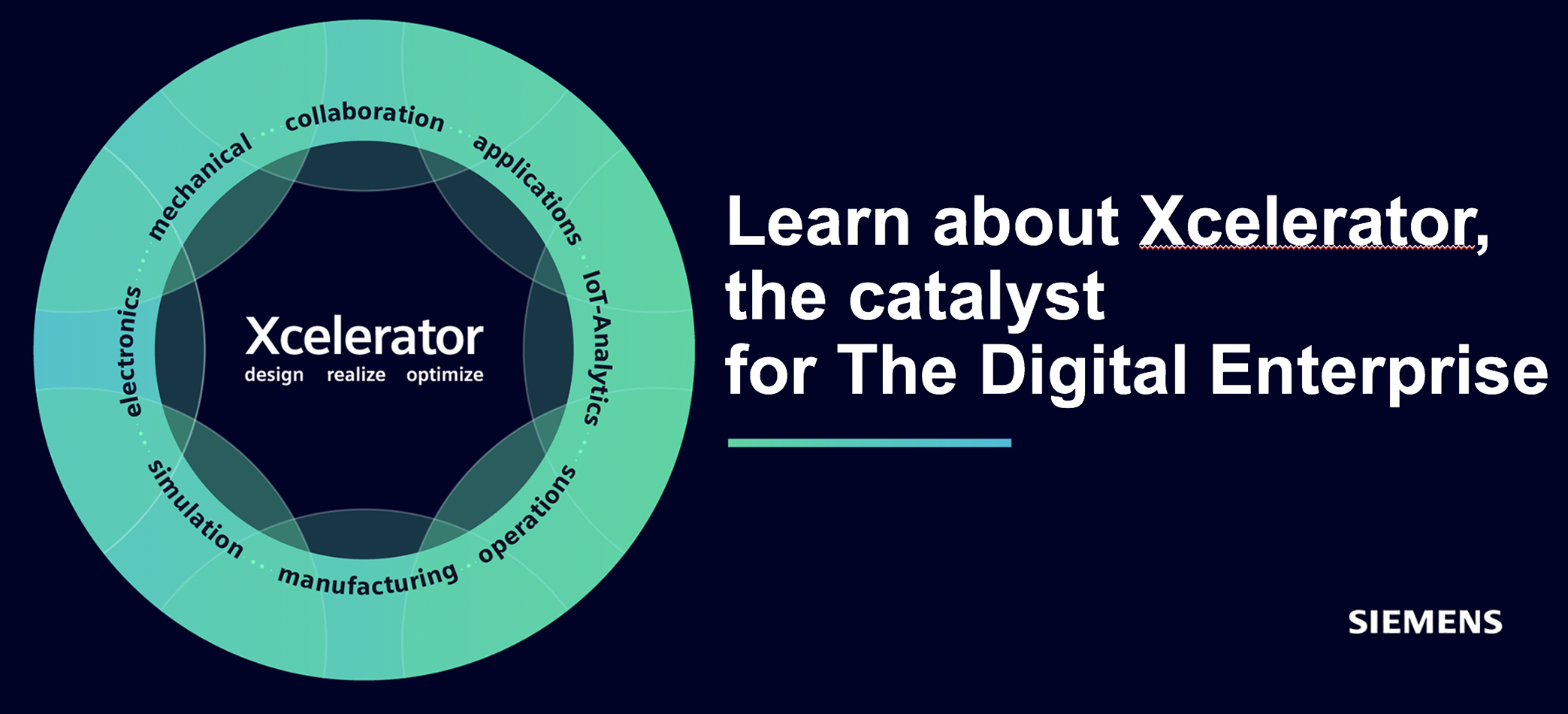
"ADMARES' SUCCESS RECIPE: Using Siemens Xcelerator to productify complex building processes."
Finnish ADMARES is not a traditional construction company. However, it has developed and refined an idea about construction that in itself is not new. Nevertheless, with state-of-the-art PLM and digital twin technology, it has been able to lift it to completely new levels of efficiency. The company has developed a product concept out of what is traditionally a very complex logistics and construction process. The results of moving the construction process into a smart factory guided by modular thinking, state-of-the-art PLM, digital twin technology, and manufacturing automation from Siemens Digital Industries are promising in an almost astonishing ways:
• Partly, the production time has been reduced to 22.5 minutes per construction unit, meaning that a complete 132 m2 home can be produced in 45 minutes
• Partly, they have managed to eliminate 75% of the CO2 emissions normally associated with on-site construction by reducing material waste by up to 80%.
One of today's major problems with residential construction is cost development. It has tended to explode as an aggregate effect of cost-driving factors like increasing material prices, extensive regulations, complex logistics, high taxes, and high wage costs contribute, as does a lack of competition and the fact that it often involves new construction projects. But there's a factor rarely talked about in today's highly politicized construction debate: What can standardization, modularization, and industrialization do to alleviate the problems?
”A lot,” claims ADMARES CEO Mikael Hedberg and his colleagues, who, with the help of PLM, digital twin technology and advanced automation, have shown that affordable, smart, connected and sustainable homes can be built with revolutionary speed and cost-effectiveness. ADMARES, which started operations in 2016, can mass-produce homes and other buildings in a greenfield smart factory using automated and robotic processes with its "productification” approach. They use a fully digitalized and industrialized method of construction, which results in high speed, precision and quality for everything from single-family homes to apartment buildings. At the same time, the sustainability effects are significant.
The company is now also planning to open a $750 million factory in US.
PLM and digital twin technology is therefore a heavy point. ADMARES uses Siemens Xcelerator's open business platform for this. With Siemens Designcenter, a cloud-based SaaS platform containing a set of integrated CAD/CAM/CAE tools, including NX CAD and Solid Edge, they have set up a digital tool arsenal, which together with Teamcenter (PLM/PDM) and Simcenter (Simulation & Analysis) is the basis for the company's design, validation and testing of its modular house designs.
"Siemens technology has made it possible for us to make affordable housing a product, rather than a process that is dependent on construction labor - of which there is a global shortage," sums up Mikael Hedberg, CEO of ADMARES.
How does this work? Click on the link to read more on PLM&ERP News.
One of today's major problems with residential construction is cost development. It has tended to explode as an aggregate effect of cost-driving factors like increasing material prices, extensive regulations, complex logistics, high taxes, and high wage costs contribute, as does a lack of competition and the fact that it often involves new construction projects. But there's a factor rarely talked about in today's highly politicized construction debate: What can standardization, modularization, and industrialization do to alleviate the problems?
”A lot,” claims ADMARES CEO Mikael Hedberg and his colleagues, who, with the help of PLM, digital twin technology and advanced automation, have shown that affordable, smart, connected and sustainable homes can be built with revolutionary speed and cost-effectiveness. ADMARES, which started operations in 2016, can mass-produce homes and other buildings in a greenfield smart factory using automated and robotic processes with its "productification” approach. They use a fully digitalized and industrialized method of construction, which results in high speed, precision and quality for everything from single-family homes to apartment buildings. At the same time, the sustainability effects are significant.
The company is now also planning to open a $750 million factory in US.
PLM and digital twin technology is therefore a heavy point. ADMARES uses Siemens Xcelerator's open business platform for this. With Siemens Designcenter, a cloud-based SaaS platform containing a set of integrated CAD/CAM/CAE tools, including NX CAD and Solid Edge, they have set up a digital tool arsenal, which together with Teamcenter (PLM/PDM) and Simcenter (Simulation & Analysis) is the basis for the company's design, validation and testing of its modular house designs.
"Siemens technology has made it possible for us to make affordable housing a product, rather than a process that is dependent on construction labor - of which there is a global shortage," sums up Mikael Hedberg, CEO of ADMARES.
How does this work? Click on the link to read more on PLM&ERP News.

AI and Digitalization in Focus when HCLTech Bags Renewed Strategic Billion Dollar IT Deal...
PANKAJ TAGRA, Corporate VP at HCLTech: “An agreement that strengthen HCLTech’s leadership in global automotive.” IT consultant HCLTech has announced that it has signed an agreement with “one of the world’s largest manufacturers of commercial vehicles, headquartered in Sweden.” The name of this giant is not disclosed in the press release, but it is not a wild guess that it is about Volvo Group. Not least because the release adds that the agreement was signed with, “one of the world’s leading manufacturers of trucks, buses, construction equipment, marine and industrial engines and comprehensive transportation solutions.”
In any case, under the renewed and expanded multi-year contract HCLTech will enhance and modernize Volvo Group’s IT infrastructure and develop AI-driven services. By leveraging its proprietary GenAI-led service transformation platform, AI Force, HCLTech will moreover deliver platform-based managed services, hyper automation and full-stack observability. The AI-powered solutions will enable ”one-click provisioning of IT services and will help optimize operational efficiency and enhance the employee and customer experience.”
On the bottom line, this means that Volvo Group is now modernizing and improving its IT infrastructure and at the same time transforming its digital core services. Additionally, the development of cutting-edge sustainability solutions is on the agenda.
“This renewal and expanded scope reflect the strong foundation we’ve built together over the years. The expansion of this strategic agreement further reinforces HCLTech’s leadership in the global automotive vertical, which is amongst the company's key growth areas,” notes Pankaj Tagra, Corporate VP at HCLTech.
The background behind today’s agreement is that in 2016, the Volvo Group sold its external IT operations to HCLTech, a deal that meant that IT operations were taken over by HCLTech and that Volvo outsourced its IT infrastructure management to the technology consultant. Incidentally, Volvo Cars has also followed in similar footsteps with HCLTech as a strategic supplier of engineering services, with a focus on driving innovation and digital transformation.
The press material about the renewed agreement between HCLTech and Volvo does not say anything about the financial size of the deal, but when HCL bought the Volvo Group's external IT operations for $138 million in 2015, the acquisition was estimated, according to various sources, to generate between $1-1.75 billion in revenue over a five-year period.
When it comes to product development and PLM/PDM tools, it can be noted that Volvo Group primarily works on PTC's Windchill platform and PTC's Creo as a group-wide CAD and PLM environment. This also includes the integration of PTC's IIoT and AR solutions, such as ThingWorx and Vuforia.
In any case, under the renewed and expanded multi-year contract HCLTech will enhance and modernize Volvo Group’s IT infrastructure and develop AI-driven services. By leveraging its proprietary GenAI-led service transformation platform, AI Force, HCLTech will moreover deliver platform-based managed services, hyper automation and full-stack observability. The AI-powered solutions will enable ”one-click provisioning of IT services and will help optimize operational efficiency and enhance the employee and customer experience.”
On the bottom line, this means that Volvo Group is now modernizing and improving its IT infrastructure and at the same time transforming its digital core services. Additionally, the development of cutting-edge sustainability solutions is on the agenda.
“This renewal and expanded scope reflect the strong foundation we’ve built together over the years. The expansion of this strategic agreement further reinforces HCLTech’s leadership in the global automotive vertical, which is amongst the company's key growth areas,” notes Pankaj Tagra, Corporate VP at HCLTech.
The background behind today’s agreement is that in 2016, the Volvo Group sold its external IT operations to HCLTech, a deal that meant that IT operations were taken over by HCLTech and that Volvo outsourced its IT infrastructure management to the technology consultant. Incidentally, Volvo Cars has also followed in similar footsteps with HCLTech as a strategic supplier of engineering services, with a focus on driving innovation and digital transformation.
The press material about the renewed agreement between HCLTech and Volvo does not say anything about the financial size of the deal, but when HCL bought the Volvo Group's external IT operations for $138 million in 2015, the acquisition was estimated, according to various sources, to generate between $1-1.75 billion in revenue over a five-year period.
When it comes to product development and PLM/PDM tools, it can be noted that Volvo Group primarily works on PTC's Windchill platform and PTC's Creo as a group-wide CAD and PLM environment. This also includes the integration of PTC's IIoT and AR solutions, such as ThingWorx and Vuforia.

SAS Does What SolidWorks and Mercedes Did: Using Gaming Solutions to Reimagine Industrial Digital...
…with game developer Epic’s Unreal Engine and AI analytics as heavy elements, SAS Institute is piloting factory simulation of AGVs at global American paper products manufacturer Georgia-Pacific.
It’s not just the usual big names in PLM, such as Siemens Digital Industries and Dassault Systemes, etc., who are working with solutions based on digital twins and AI aimed at the manufacturing industry. One player now stepping into this is SAS Institute, which recently introduced what it describes as, “enhanced digital twins that combine powerful AI and advanced analytics with a solution from the gaming industry, the Unreal Engine from Epic Games.”
This is not in itself a new approach to sharpen 3D solutions; former SolidWorks CEO John McEleny in the early 2000s asked his product developers to look at how they could leverage the graphics developed in the gaming industry to produce better 3D solutions for manufacturing.” Other relevant industrial examples include the use of Unreal Engine within the German car group Mercedes, where the solution was used in its Engineering Hub from 2019, built on the Epic engine for real-time visualization and collaboration in technical processes. The platform enabled immersive design and collaboration to review and fix problems in real time. This required CAD data and PDM-integrated management, in Mercedes' case Siemens NX CAD models and the Siemens Teamcenter-based PLM/PDM solution. It can be added that digital twins in production are constantly developing and, among other things, since 2024, Mercedes has introduced new manufacturing approaches for production using NVIDIA Omniverse. The latter is a platform for developing applications for Universal Scene Description (OpenUSD) to design, collaborate, plan and operate manufacturing and assembly plants.
So, the gaming industry has in certain limited perspectives been ahead of some industrial solutions - and that may still be the case today. The gaming sector has continued to develop rapidly with large resources, which means that there is something that can be industrially valuable.
The solution that SAS is now introducing is being used in a pilot project at the American Georgia-Pacific, a global player in paper and wood-based building products. The company is piloting SAS technology at its Savannah River Mill facility, where it manufactures products such as napkins, etc. The company simulates automated guided vehicles (AGVs) using the Unreal Engine as one of several pieces.
“With the help of SAS, we can create realistic simulations of factory operations. This makes it possible to see how AGVs navigate a busy factory floor and react to obstacles and warnings in real time,” says Roshan Shah, VP of AI & Products at Georgia-Pacific. “The simulations support decision-making and can increase production levels at Savannah River Mill.”
Click on the headline to read the full story on PLM&ERP News.
It’s not just the usual big names in PLM, such as Siemens Digital Industries and Dassault Systemes, etc., who are working with solutions based on digital twins and AI aimed at the manufacturing industry. One player now stepping into this is SAS Institute, which recently introduced what it describes as, “enhanced digital twins that combine powerful AI and advanced analytics with a solution from the gaming industry, the Unreal Engine from Epic Games.”
This is not in itself a new approach to sharpen 3D solutions; former SolidWorks CEO John McEleny in the early 2000s asked his product developers to look at how they could leverage the graphics developed in the gaming industry to produce better 3D solutions for manufacturing.” Other relevant industrial examples include the use of Unreal Engine within the German car group Mercedes, where the solution was used in its Engineering Hub from 2019, built on the Epic engine for real-time visualization and collaboration in technical processes. The platform enabled immersive design and collaboration to review and fix problems in real time. This required CAD data and PDM-integrated management, in Mercedes' case Siemens NX CAD models and the Siemens Teamcenter-based PLM/PDM solution. It can be added that digital twins in production are constantly developing and, among other things, since 2024, Mercedes has introduced new manufacturing approaches for production using NVIDIA Omniverse. The latter is a platform for developing applications for Universal Scene Description (OpenUSD) to design, collaborate, plan and operate manufacturing and assembly plants.
So, the gaming industry has in certain limited perspectives been ahead of some industrial solutions - and that may still be the case today. The gaming sector has continued to develop rapidly with large resources, which means that there is something that can be industrially valuable.
The solution that SAS is now introducing is being used in a pilot project at the American Georgia-Pacific, a global player in paper and wood-based building products. The company is piloting SAS technology at its Savannah River Mill facility, where it manufactures products such as napkins, etc. The company simulates automated guided vehicles (AGVs) using the Unreal Engine as one of several pieces.
“With the help of SAS, we can create realistic simulations of factory operations. This makes it possible to see how AGVs navigate a busy factory floor and react to obstacles and warnings in real time,” says Roshan Shah, VP of AI & Products at Georgia-Pacific. “The simulations support decision-making and can increase production levels at Savannah River Mill.”
Click on the headline to read the full story on PLM&ERP News.

SAS Institute gör som SolidWorks och Mercedes: Utnyttjar spelindustrin för att vässa industriella digitala...
…med spelutvecklaren Epics Unreal Engine-motor och AI som tunga inslag pilottestar SAS fabrikssimulering av AGVer hos den globala amerikanska pappersprodukt-tillverkaren Georgia-Pacific.
Det är inte bara de vanliga storheterna inom PLM, som Siemens Digital Industries och Dassault Systemes, m fl, som jobbar med lösningar baserat på digitala tvillingar och AI riktat mot tillverkningsindustrin. En aktör som nu kliver in i detta är SAS Institute, som nyligen introducerade vad man beskriver som, ”förbättrade digitala tvillingar som kombinerar kraftfull AI och avancerad analys med en lösning från spelindustrin, Unreal Engine från Epic Games.”
Detta är i sig ingen ny väg att vässa 3D-lösningar; redan förre SolidWorks-chefen, John McEleny, berättade i början av 2000-talet att han bett sina, ”produktutvecklare att titta på hur man kunde utnyttja grafiken som utvecklades inom spelindustrin för att få fram ännu bättre 3D-lösningar för tillverkning.” Andra relevanta industriella exempel är att Unreal Engine använts inom den tyska bilkoncernen Mercedes där lösningen utnyttjats i bolagets Engineering Hub från 2019, byggd på Epic-motorn för realtidsvisualisering och samarbete i tekniska processer (bildbakgrunden ovan). Plattformen möjliggjorde immersiv design och samarbete för att granska och åtgärda problem i realtid. För detta krävdes CAD-data och PDM-integrerad hantering, i Mercedes fall med CAD-modeller designade i Siemens NX och bolagets Teamcenter-baserade PLM/PDM-lösning.
Så var det då – spelindustrin har i vissa perspektiv legat före en del industriella lösningar som fanns – och så kan det vara även idag. Spelindustrin har fortsatt att utvecklas snabbt med stora resurser, vilket ger att det finns lösningar som fortfarande kan vara industriellt värdefulla.
Den lösning som SAS nu introducerar används i ett pilotprojekt hos amerikanska Georgia-Pacific, en global aktör inom pappers- och träbaserade byggprodukter. Bolaget pilottestar SAS-tekniken vid sin anläggning Savannah River Mill, där man tillverkar produkter typ servetter, etc. Företaget simulerar bl a automatiskt styrda fordon (AGV) med Unreal Engine-motorn som en av flera bitar.
”Med hjälp av SAS och Unreal Engine kan vi skapa realistiska simuleringar av fabriksdriften. Det gör det möjligt att se hur AGVer navigerar genom ett livligt fabriksgolv och reagerar på hinder och varningar i realtid,” säger Roshan Shah (bilden), VP för AI & Products på Georgia-Pacific. ”Simuleringarna ger stöd i beslutsfattandet och kan höja produktionsnivån vid Savannah River Mill.”
Klicka på rubriken för att läsa mer på PLM&ERPÅ News.
Det är inte bara de vanliga storheterna inom PLM, som Siemens Digital Industries och Dassault Systemes, m fl, som jobbar med lösningar baserat på digitala tvillingar och AI riktat mot tillverkningsindustrin. En aktör som nu kliver in i detta är SAS Institute, som nyligen introducerade vad man beskriver som, ”förbättrade digitala tvillingar som kombinerar kraftfull AI och avancerad analys med en lösning från spelindustrin, Unreal Engine från Epic Games.”
Detta är i sig ingen ny väg att vässa 3D-lösningar; redan förre SolidWorks-chefen, John McEleny, berättade i början av 2000-talet att han bett sina, ”produktutvecklare att titta på hur man kunde utnyttja grafiken som utvecklades inom spelindustrin för att få fram ännu bättre 3D-lösningar för tillverkning.” Andra relevanta industriella exempel är att Unreal Engine använts inom den tyska bilkoncernen Mercedes där lösningen utnyttjats i bolagets Engineering Hub från 2019, byggd på Epic-motorn för realtidsvisualisering och samarbete i tekniska processer (bildbakgrunden ovan). Plattformen möjliggjorde immersiv design och samarbete för att granska och åtgärda problem i realtid. För detta krävdes CAD-data och PDM-integrerad hantering, i Mercedes fall med CAD-modeller designade i Siemens NX och bolagets Teamcenter-baserade PLM/PDM-lösning.
Så var det då – spelindustrin har i vissa perspektiv legat före en del industriella lösningar som fanns – och så kan det vara även idag. Spelindustrin har fortsatt att utvecklas snabbt med stora resurser, vilket ger att det finns lösningar som fortfarande kan vara industriellt värdefulla.
Den lösning som SAS nu introducerar används i ett pilotprojekt hos amerikanska Georgia-Pacific, en global aktör inom pappers- och träbaserade byggprodukter. Bolaget pilottestar SAS-tekniken vid sin anläggning Savannah River Mill, där man tillverkar produkter typ servetter, etc. Företaget simulerar bl a automatiskt styrda fordon (AGV) med Unreal Engine-motorn som en av flera bitar.
”Med hjälp av SAS och Unreal Engine kan vi skapa realistiska simuleringar av fabriksdriften. Det gör det möjligt att se hur AGVer navigerar genom ett livligt fabriksgolv och reagerar på hinder och varningar i realtid,” säger Roshan Shah (bilden), VP för AI & Products på Georgia-Pacific. ”Simuleringarna ger stöd i beslutsfattandet och kan höja produktionsnivån vid Savannah River Mill.”
Klicka på rubriken för att läsa mer på PLM&ERPÅ News.


Digital Transformation and PLM are Blazing the Trail for the New CCA Drones and...
In-Depth with TODD TUTHILL, VP of Aerospace & Defense, Siemens Digital Industries Software.
”The new Collaborative Combat Aircraft (CCA) is only one example of the transformation of the modern battlefield. To meet the demands of CCAs and new aircraft development, companies must continue investing in digital transformation, utilizing innovative tools like the comprehensive digital twin and AI to optimize drone designs and gear their production processes to meet desired volumes.”
This is claimed by Siemens' Todd Tuthill in today's article. The background is that the first increment of CCAs are about to take a leading position in the battle for supremacy in military air defense.
CCAs are a new type of unmanned, AI-enabled aircraft system being developed by the US Air Force as part of the Next Generation Air Dominance (NGAD) system family. These so-called “loyal wingman drones” are designed to work alongside manned fighter jets and bombers as force multipliers; they are expected to expand the US Navy’s capabilities on the aircraft carrier side and protect human pilots by taking on dangerous missions such as air combat, electronic warfare and reconnaissance. “Loyal wingmen” are also intended to cooperate with the next-generation manned fighter jets, including sixth-generation fighter jets and bombers.
There is of course more on the digital transformation agenda, Tuthhill notes, but a central role in terms of air combat capabilities will be played by these CCAs.
The concept is characterized by modularity and flexibility, and significant autonomy to work with and take direction from human pilots. They are also planned to be purchased in large numbers to provide cost-effective air power in future conflicts. A cost perspective is interesting: A single flight hour with an F-35 costs $42,000, while the equivalent cost for an MQ-9 Reaper drone is only $3,500.
However, notes Siemens’ A&D chief: “Although CCAs are cheaper to operate, the goal of CCAs is not to replace human pilots. Instead, they will augment the capabilities of the human pilots who will fly alongside them, by placing sensors in places where it is not safe for human pilots to operate. They bring AI to the battlefield to augment human pilots.”
Significant resources are now being invested in this by the US Department of Defense (DoD). For example, five major players already have contracts to develop this type of aircraft and control system for use within the framework of the US Navy's 11 aircraft carriers: General Atomics, Boeing, Anduril and Northrop Grumman, which will develop the conceptual design, while Lockheed Martin has a contract to build the common control system.
Incidentally, all of these are users of Siemens Xcelerator solutions to varying extents with software such as Teamcenter (PLM), NX (CAD), Simcenter (CAE), Capital (EDA), Polarion (ALM), and others.
Click on the headline to read the full story on PLM&ERP News.
”The new Collaborative Combat Aircraft (CCA) is only one example of the transformation of the modern battlefield. To meet the demands of CCAs and new aircraft development, companies must continue investing in digital transformation, utilizing innovative tools like the comprehensive digital twin and AI to optimize drone designs and gear their production processes to meet desired volumes.”
This is claimed by Siemens' Todd Tuthill in today's article. The background is that the first increment of CCAs are about to take a leading position in the battle for supremacy in military air defense.
CCAs are a new type of unmanned, AI-enabled aircraft system being developed by the US Air Force as part of the Next Generation Air Dominance (NGAD) system family. These so-called “loyal wingman drones” are designed to work alongside manned fighter jets and bombers as force multipliers; they are expected to expand the US Navy’s capabilities on the aircraft carrier side and protect human pilots by taking on dangerous missions such as air combat, electronic warfare and reconnaissance. “Loyal wingmen” are also intended to cooperate with the next-generation manned fighter jets, including sixth-generation fighter jets and bombers.
There is of course more on the digital transformation agenda, Tuthhill notes, but a central role in terms of air combat capabilities will be played by these CCAs.
The concept is characterized by modularity and flexibility, and significant autonomy to work with and take direction from human pilots. They are also planned to be purchased in large numbers to provide cost-effective air power in future conflicts. A cost perspective is interesting: A single flight hour with an F-35 costs $42,000, while the equivalent cost for an MQ-9 Reaper drone is only $3,500.
However, notes Siemens’ A&D chief: “Although CCAs are cheaper to operate, the goal of CCAs is not to replace human pilots. Instead, they will augment the capabilities of the human pilots who will fly alongside them, by placing sensors in places where it is not safe for human pilots to operate. They bring AI to the battlefield to augment human pilots.”
Significant resources are now being invested in this by the US Department of Defense (DoD). For example, five major players already have contracts to develop this type of aircraft and control system for use within the framework of the US Navy's 11 aircraft carriers: General Atomics, Boeing, Anduril and Northrop Grumman, which will develop the conceptual design, while Lockheed Martin has a contract to build the common control system.
Incidentally, all of these are users of Siemens Xcelerator solutions to varying extents with software such as Teamcenter (PLM), NX (CAD), Simcenter (CAE), Capital (EDA), Polarion (ALM), and others.
Click on the headline to read the full story on PLM&ERP News.

DIGITALISERING och PLM banar väg för de nya CCA-drönarna och lojala ”wingmen” inom militärt...
På djupet med TOD TUTHILL, VP för Aerospace & Defense, på Siemens Digital Industries Software.
”Vid utformningen av framtidens luftförsvar måste flyg- och försvarsindustrin (A&D) vidta åtgärder för att föra in ny teknik på slagfältet.” Avancerade AI-baserade kapabiliteter är tungt vägande skäl i detta, konstaterar Tuthill. Liksom att hålla kostnaderna på rimliga nivåer för både utveckling och användning när drönare och den första familjen av CAAer, Collaborative Combat Aircrafts, nu tar plats i kampen om framtidens militära luftherravälde.
CCAs är en ny typ av obemannat, AI-aktiverat flygplanssystem som utvecklas av det amerikanska flygvapnet som en del av Next Generation Air Dominance (NGAD) systemfamiljen. Dessa s k "lojala wingman-drönare” är utformade för att fungera tillsammans med bemannade stridsflyg och bombplan som kraftmultiplikatorer; de beräknas utöka bl a den amerikanska flottans kapacitet på hangarfartygssidan och skydda mänskliga piloter genom att ta sig an farliga uppdrag som luftstrid, elektronisk krigföring och spaning. ”Lojal wingmen”, alltså ett slags obemannade stridsflygfordon (UCAV), är framför allt tänkta att samarbeta med nästa generations bemannade stridsflygplan, inklusive sjätte generationens stridsflygplan och bombplan, som Northrop Grumman B-21 Raider.
Det finns förstås mer på den digitala transformations-agendan, konstaterar Tuthhill i dagens artikel på PLM&ERP News, men en central roll när det gäller luftstridskapacitet, kommer att spelas av dessa CCAer.
CCA-konceptet präglas av modularitet och flexibilitet, och betydande autonomi för att arbeta ihop med och ta direktiv från mänskliga piloter. De planeras också att köpas i stort antal för att klara kostnadseffektiv luftstridskraft i framtida konflikter. Perspektiven i detta är intressanta: En enda flygtimme med en F-35a kostar 42 000 dollar, medan motsvarande kostnad för en MQ-9 Reaper-drönare bara är 3 500 dollar.
Men, noterar Siemens A&D-chef: ”Även om CCAer är billigare att använda, är målet med CCAerna inte att ersätta mänskliga piloter. Istället kommer de att utöka kapaciteten hos de mänskliga piloter som kommer att flyga ihop med dem, detta genom att placera sensorer på platser där det inte är säkert för mänskliga piloter att operera. De tillför AI till slagfältet för att förstärka mänskliga piloter.”
Klart är hur som helst att stora resurser nu satsas på detta av det amerikanska försvarsdepartementet (Department of Defense, DoD). Fem tunga spelare har exempelvis redan nu kontrakt på att utveckla denna typ av flygplan och kontrollsystem för användning inom ramen för den amerikanska flottans, US Navy, 11 hangarfartyg: General Atomics, Boeing, Anduril och Northrop Grumman som ska utveckla den konceptuella designen, medan Lockheed Martin har kontrakt för att bygga det gemensamma kontrollsystemet.
Alla dessa är för övrigt användare av Siemens Xcelerator-lösningar i varierande omfattning med mjukkvaror som Teamcenter (PLM), NX (CAD), Simcenter (CAE), Capital (EDA), Polarion (ALM), med flera.
Klicka på rubriken för att läsa hela artikeln på PLM&ERP News.
”Vid utformningen av framtidens luftförsvar måste flyg- och försvarsindustrin (A&D) vidta åtgärder för att föra in ny teknik på slagfältet.” Avancerade AI-baserade kapabiliteter är tungt vägande skäl i detta, konstaterar Tuthill. Liksom att hålla kostnaderna på rimliga nivåer för både utveckling och användning när drönare och den första familjen av CAAer, Collaborative Combat Aircrafts, nu tar plats i kampen om framtidens militära luftherravälde.
CCAs är en ny typ av obemannat, AI-aktiverat flygplanssystem som utvecklas av det amerikanska flygvapnet som en del av Next Generation Air Dominance (NGAD) systemfamiljen. Dessa s k "lojala wingman-drönare” är utformade för att fungera tillsammans med bemannade stridsflyg och bombplan som kraftmultiplikatorer; de beräknas utöka bl a den amerikanska flottans kapacitet på hangarfartygssidan och skydda mänskliga piloter genom att ta sig an farliga uppdrag som luftstrid, elektronisk krigföring och spaning. ”Lojal wingmen”, alltså ett slags obemannade stridsflygfordon (UCAV), är framför allt tänkta att samarbeta med nästa generations bemannade stridsflygplan, inklusive sjätte generationens stridsflygplan och bombplan, som Northrop Grumman B-21 Raider.
Det finns förstås mer på den digitala transformations-agendan, konstaterar Tuthhill i dagens artikel på PLM&ERP News, men en central roll när det gäller luftstridskapacitet, kommer att spelas av dessa CCAer.
CCA-konceptet präglas av modularitet och flexibilitet, och betydande autonomi för att arbeta ihop med och ta direktiv från mänskliga piloter. De planeras också att köpas i stort antal för att klara kostnadseffektiv luftstridskraft i framtida konflikter. Perspektiven i detta är intressanta: En enda flygtimme med en F-35a kostar 42 000 dollar, medan motsvarande kostnad för en MQ-9 Reaper-drönare bara är 3 500 dollar.
Men, noterar Siemens A&D-chef: ”Även om CCAer är billigare att använda, är målet med CCAerna inte att ersätta mänskliga piloter. Istället kommer de att utöka kapaciteten hos de mänskliga piloter som kommer att flyga ihop med dem, detta genom att placera sensorer på platser där det inte är säkert för mänskliga piloter att operera. De tillför AI till slagfältet för att förstärka mänskliga piloter.”
Klart är hur som helst att stora resurser nu satsas på detta av det amerikanska försvarsdepartementet (Department of Defense, DoD). Fem tunga spelare har exempelvis redan nu kontrakt på att utveckla denna typ av flygplan och kontrollsystem för användning inom ramen för den amerikanska flottans, US Navy, 11 hangarfartyg: General Atomics, Boeing, Anduril och Northrop Grumman som ska utveckla den konceptuella designen, medan Lockheed Martin har kontrakt för att bygga det gemensamma kontrollsystemet.
Alla dessa är för övrigt användare av Siemens Xcelerator-lösningar i varierande omfattning med mjukkvaror som Teamcenter (PLM), NX (CAD), Simcenter (CAE), Capital (EDA), Polarion (ALM), med flera.
Klicka på rubriken för att läsa hela artikeln på PLM&ERP News.

Why HEXAGON’s Simulation & Analysis Solutions and Expertise can Boost CADENCE in Intelligent System...
ANIRUDH DEVGAN, Cadence CEO, on the goal behind the $3.2 billion bet on Hexagon D+E (Design+Engineering): ”Design that encompass the full spectrum of physical behavior.”
Last week's announcement of Cadence's purchase of Hexagon's design and engineering business is an interesting reflection of what’s generally is happening in PLM. With the stated aim of accelerating expansion in AI, system design, simulation and analysis, Cadence will spend €2.7 billion ($3.16 billion) on this acquisition to bring the Hexagon business into the fold to create a substantially broader and more capable platform. Not least notable is that the purchase includes Hexagon's MSC Software - a business characterized by pioneering work in technical simulation and analysis related to above all the simulation-heavy automotive industry where MSC has long been a common feature of software equipment in the CAE area.
A given conclusion of the purchase is that it accelerates Cadence's strategy for intelligent system design, significantly expands the Cadence System Design & Analysis portfolio and reinforces the company's commitment to delivering comprehensive solutions for demanding design challenges.
As the electronics elements in today's products have become increasingly important, the EDA (Electronic Design Automation) area has come to encompass a growing share of development work. Cadence's strengths in this context include enabling advanced design of products from chips to electromechanical systems. Related to this is the company's strong focus on AI and digital twins. In parallel, the need to utilize integrated simulation and analysis of design solutions not only to validate and functionality test individual electronical units, but also to ensuring that systems integration works flawlessly in the overall context. At the same time, most things point to AI fundamentally changing how EDA work is performed.
Undoubtedly a turbulent market where we have now seen players consolidate both technology, integration and broadened capabilities to cover new domains. Synopsys’s acquisition of Ansys and Siemens’ of Altair are perhaps the two most prominent reflections of this development, where also Cadence’s 2024 acquisition of Beta CAE for $1.2 billion fits in.
With Hexagon’s proven D&E technology and expertise Cadence together with what Beta CAE brought to the table can build a significantly stronger technical platform, and also establish a deeper commercial presence in the multi-billion dollar structural analysis market. Of particular interest in this context is Hexagon’s flagship products MSC Nastran and Adams, which are widely recognized as industry standards in structural and multi-body dynamics simulation. These technologies are integral to the design and validation of complex mechanical systems, particularly in the aerospace and automotive sectors, where performance, precision and reliability are paramount. In total, the business Cadence is now acquiring was worth approximately $280 million in 2024 and employed over 1,100 people in multiple global locations.
"By adding Hexagon's world-class simulation capabilities within D&E, we are expanding our vision of intelligent systems design to encompass the full spectrum of physical behavior – from electromagnetism and fluids to structures and motion," said Anirudh Devgan, Cadence CEO and President.
Click on the title to read more on PLM&ERP News.
A given conclusion of the purchase is that it accelerates Cadence's strategy for intelligent system design, significantly expands the Cadence System Design & Analysis portfolio and reinforces the company's commitment to delivering comprehensive solutions for demanding design challenges.
As the electronics elements in today's products have become increasingly important, the EDA (Electronic Design Automation) area has come to encompass a growing share of development work. Cadence's strengths in this context include enabling advanced design of products from chips to electromechanical systems. Related to this is the company's strong focus on AI and digital twins. In parallel, the need to utilize integrated simulation and analysis of design solutions not only to validate and functionality test individual electronical units, but also to ensuring that systems integration works flawlessly in the overall context. At the same time, most things point to AI fundamentally changing how EDA work is performed.
Undoubtedly a turbulent market where we have now seen players consolidate both technology, integration and broadened capabilities to cover new domains. Synopsys’s acquisition of Ansys and Siemens’ of Altair are perhaps the two most prominent reflections of this development, where also Cadence’s 2024 acquisition of Beta CAE for $1.2 billion fits in.
With Hexagon’s proven D&E technology and expertise Cadence together with what Beta CAE brought to the table can build a significantly stronger technical platform, and also establish a deeper commercial presence in the multi-billion dollar structural analysis market. Of particular interest in this context is Hexagon’s flagship products MSC Nastran and Adams, which are widely recognized as industry standards in structural and multi-body dynamics simulation. These technologies are integral to the design and validation of complex mechanical systems, particularly in the aerospace and automotive sectors, where performance, precision and reliability are paramount. In total, the business Cadence is now acquiring was worth approximately $280 million in 2024 and employed over 1,100 people in multiple global locations.
"By adding Hexagon's world-class simulation capabilities within D&E, we are expanding our vision of intelligent systems design to encompass the full spectrum of physical behavior – from electromagnetism and fluids to structures and motion," said Anirudh Devgan, Cadence CEO and President.
Click on the title to read more on PLM&ERP News.

Därför blir HEXAGONs simulerings- & analys-bitar ett lyft för CADENCE inom intelligent systemdesign
HAN lägger nära 30 MILJARDER på CADENCE köp av HEXAGON D+E (Design+Engineering). Förra veckans mest intressanta nyhet på PLM- och sub-PLM-området är Cadence köp av Hexagons design- och teknikverksamhet med det uttalade syftet att accelerera expansionen inom AI, systemdesign, simulering och analys. 2,7 miljarder euro (3,16 miljarder dollar) får Cadence-chefen, Anirudh Devgan, och hans bolag punga ut med för att få in Hexagon-verksamheten i boet. Inte minst notabelt är att köpet inkluderar Hexagons MSC Software-verksamhet – en verksamhet som präglats av ett tungt pionjärarbete inom tekniska simulerings- och analyslösningar. Inte minst då relaterat till den simuleringstunga automotive-industrin där MSC länge varit ett mycket vanligt inslag i mjukvaruutrustningen på CAE-området.
Några givna konklusioner av köpet är att det accelererar Cadences strategi för intelligent systemdesign, utökar Cadence System Design & Analysis-portföljen avsevärt och förstärker bolagets engagemang för att leverera heltäckande lösningar för världens mest krävande designutmaningar.
Ingen behöver sålunda tvivla på Cadence ambitioner att vara kvar som en fortsatt tung spelare på marknaden för elektronikdesign. Vartefter elektronik-inslagen i dagens produkter blivit allt viktigare och närmast lavinartat ökat i omfattning har EDA-området (Electronic Design Automation) vuxit i betydelse. Parallellt har behoven av att utnyttja integrerad simulering och analys av designlösningarna för sånt som att validera, checka funktionaliteter och se till att systemintegrationen fungerar klanderfritt blivit av avgörande vikt. Samtidigt pekar det mesta mot att AI fundamentalt kommer att förändra hur EDA-arbetet utförs. Tveklöst en mycket turbulent marknad där vi nu steg för steg fått se marknadsspelarna konsolidera teknologi, integration och skapandet av mer heltäckande sviter. Synopsys köp av Ansys och Siemens förvärv av Altair är två utstående speglingar i detta. Liksom Cadences förvärv 2024 av Beta CAE för 1,2 miljarder dollar.
Med Hexagons beprövade D&E-teknik och talanger i bagaget kan Cadence bygga vidare på Beta CAE-köpet och över tid bygga upp en betydligt tekniskt starkare och även en kommersiellt djupare närvaro på mångmiljardmarknaden för strukturanalys. Särskilt iuntressant i sammanhanget är Hexagons D&E-verksamhet, mest känd för flaggskeppsprodukterna MSC Nastran och Adams, som är allmänt erkända som branschstandarder inom strukturell och multikroppsdynamik-simulering. Dessa tekniker är integrerade i design och validering av komplexa mekaniska system, särskilt inom flyg- och fordonssektorn, där prestanda, precision och tillförlitlighet är av största vikt. Totalt drog den verksamhet Cadence nu köper in cirka 280 miljoner dollar 2024 och omfattade över 1 100 anställda på flera globala platser.
"Genom att lägga till Hexagons världsklasspräglade simuleringskapacitet inom D&E utökar vi vår vision om intelligent systemdesign till att omfatta hela spektrumet av fysiskt beteende – från elektromagnetism och vätskor till strukturer och rörelse,” summerade Anirudh Devgan, Cadences CEO och koncernchef.
Klicka på rubriken för att läsa mer på PLM&ERP News.
Några givna konklusioner av köpet är att det accelererar Cadences strategi för intelligent systemdesign, utökar Cadence System Design & Analysis-portföljen avsevärt och förstärker bolagets engagemang för att leverera heltäckande lösningar för världens mest krävande designutmaningar.
Ingen behöver sålunda tvivla på Cadence ambitioner att vara kvar som en fortsatt tung spelare på marknaden för elektronikdesign. Vartefter elektronik-inslagen i dagens produkter blivit allt viktigare och närmast lavinartat ökat i omfattning har EDA-området (Electronic Design Automation) vuxit i betydelse. Parallellt har behoven av att utnyttja integrerad simulering och analys av designlösningarna för sånt som att validera, checka funktionaliteter och se till att systemintegrationen fungerar klanderfritt blivit av avgörande vikt. Samtidigt pekar det mesta mot att AI fundamentalt kommer att förändra hur EDA-arbetet utförs. Tveklöst en mycket turbulent marknad där vi nu steg för steg fått se marknadsspelarna konsolidera teknologi, integration och skapandet av mer heltäckande sviter. Synopsys köp av Ansys och Siemens förvärv av Altair är två utstående speglingar i detta. Liksom Cadences förvärv 2024 av Beta CAE för 1,2 miljarder dollar.
Med Hexagons beprövade D&E-teknik och talanger i bagaget kan Cadence bygga vidare på Beta CAE-köpet och över tid bygga upp en betydligt tekniskt starkare och även en kommersiellt djupare närvaro på mångmiljardmarknaden för strukturanalys. Särskilt iuntressant i sammanhanget är Hexagons D&E-verksamhet, mest känd för flaggskeppsprodukterna MSC Nastran och Adams, som är allmänt erkända som branschstandarder inom strukturell och multikroppsdynamik-simulering. Dessa tekniker är integrerade i design och validering av komplexa mekaniska system, särskilt inom flyg- och fordonssektorn, där prestanda, precision och tillförlitlighet är av största vikt. Totalt drog den verksamhet Cadence nu köper in cirka 280 miljoner dollar 2024 och omfattade över 1 100 anställda på flera globala platser.
"Genom att lägga till Hexagons världsklasspräglade simuleringskapacitet inom D&E utökar vi vår vision om intelligent systemdesign till att omfatta hela spektrumet av fysiskt beteende – från elektromagnetism och vätskor till strukturer och rörelse,” summerade Anirudh Devgan, Cadences CEO och koncernchef.
Klicka på rubriken för att läsa mer på PLM&ERP News.

EXPLOSIVE FORCES in MOTION as GKN Aerospace Integrates Design & Simulation and Closes Manufacturing...
In depth with KARL-DAVID PETTERSSON, GKN Trollhättan, senior VP of Engineering. To use an understatement, developments within the industrial aerospace and defense industry are eventful. The turbulent global political and security situation has set explosive forces in motion. In parallel with disruptive technological leaps, with AI, sensorization, electrification and an increasing degree of Software-Defined Aviation as the main manifestations of exceptional progress, the aerospace industry journey has entered a dramatic phase where digital tools have come into focus more than ever. PLM is not surprisingly playing a leading role in establishing smooth processes, law and order in this technological hornet's nest where innovation, ability to adapt, exceptional accuracy, quality, material selection and faster time to market are crucial for competitiveness.
This is well known within the British high-tech supplier GKN Aerospace, specializing in commercial aerospace and defense technology with the production of aircraft structures, engine systems, landing gear, electrical interconnection systems and advanced components. The company is a major player in its segment, brought in around £3.5 billion ($4.64 billion) 2024, and employed around 16,000 people, of which 2,200 on the aircraft engine side in Trollhättan, Sweden - one of 36 facilities in 12 countries.
A cornerstone of the business is an interesting PLM development program, Project Decisive, which is the company's springboard into digital transformation.
One who has been along for the whole journey is Senior VP of Engineering, Karl-David Petterson. For 38 years, he has worked with the design & simulation parts on the aircraft engine side, stationed in Trollhättan (Volvo Aero's previous facilities that were purchased by GKN in 2012). PLM&ERP News met with this experienced industrialist for a discussion about challenges, opportunities and what the way forward in aerospace looks like.
In terms of PLM support, GKN Aerospace works mainly in environments from Siemens Digital Industries Software with solutions such as Teamcenter (PLM), NX CAD, Simcenter (CAE) and Opcenter (DM, Digital Manufacturing). The simulation & analysis (S&A) side plays a heavy role in the development work, which has meant that there is a divergent set of software in place. Siemens and ANSYS complement each other in this within CFD and FEM, while material databases such as Granta also play prominent roles. But solutions from the now Siemens-owned Altair are also in the race; all in all, a mixed set of CAE tools where it will be extremely interesting to see whether the changed market situation after Siemens' acquisition of Altair has any effects.
With the Decisive project, the company has a strong road map, which is about consolidating on Siemens Teamcenter (TC) as the backbone. Parts of the consolidation - 7 sites - have currently been completed, as well as an integration of SAP HANA and the ERP pieces into TC.
“Not least the S&A side is exciting in this with the integration of the simulations in Teamcenter, where we now have planning, programs, project management, systems engineering, DFEMEA, requirements, verification and the connected EBOM. The Ansys pieces are also included in this integration work,” says Karl-David Pettersson.
But what does it look like on the development side with, for example, AI? Why is the quality of data so important for the journey ahead? How do you close the loop between design and perfect manufacturing quality?
Click on the headline to read the full interview on PLM&ERP News.
This is well known within the British high-tech supplier GKN Aerospace, specializing in commercial aerospace and defense technology with the production of aircraft structures, engine systems, landing gear, electrical interconnection systems and advanced components. The company is a major player in its segment, brought in around £3.5 billion ($4.64 billion) 2024, and employed around 16,000 people, of which 2,200 on the aircraft engine side in Trollhättan, Sweden - one of 36 facilities in 12 countries.
A cornerstone of the business is an interesting PLM development program, Project Decisive, which is the company's springboard into digital transformation.
One who has been along for the whole journey is Senior VP of Engineering, Karl-David Petterson. For 38 years, he has worked with the design & simulation parts on the aircraft engine side, stationed in Trollhättan (Volvo Aero's previous facilities that were purchased by GKN in 2012). PLM&ERP News met with this experienced industrialist for a discussion about challenges, opportunities and what the way forward in aerospace looks like.
In terms of PLM support, GKN Aerospace works mainly in environments from Siemens Digital Industries Software with solutions such as Teamcenter (PLM), NX CAD, Simcenter (CAE) and Opcenter (DM, Digital Manufacturing). The simulation & analysis (S&A) side plays a heavy role in the development work, which has meant that there is a divergent set of software in place. Siemens and ANSYS complement each other in this within CFD and FEM, while material databases such as Granta also play prominent roles. But solutions from the now Siemens-owned Altair are also in the race; all in all, a mixed set of CAE tools where it will be extremely interesting to see whether the changed market situation after Siemens' acquisition of Altair has any effects.
With the Decisive project, the company has a strong road map, which is about consolidating on Siemens Teamcenter (TC) as the backbone. Parts of the consolidation - 7 sites - have currently been completed, as well as an integration of SAP HANA and the ERP pieces into TC.
“Not least the S&A side is exciting in this with the integration of the simulations in Teamcenter, where we now have planning, programs, project management, systems engineering, DFEMEA, requirements, verification and the connected EBOM. The Ansys pieces are also included in this integration work,” says Karl-David Pettersson.
But what does it look like on the development side with, for example, AI? Why is the quality of data so important for the journey ahead? How do you close the loop between design and perfect manufacturing quality?
Click on the headline to read the full interview on PLM&ERP News.