



Han blir ny chef för SAP Sverige när Antti Soini går vidare till nytt...
Möt nye SAP Sverige-basen MIKAEL FORSBERG i dagens intervju.
SAPs svenska bolag har utsett Mikael Forsberg till ny chef och ersättare för Antti Soini, som går vidare till ett toppjobb i EMEA. Efter 20-talet år i bolaget och fyra år som svensk chef kommer Soini att bli ny försäljningschef för SAP Services i EMEA.
Nye CEOn, Mikael Forsberg kommer onekligen till sin post i en tid präglad av dramatiska förändringar och utmaningar. Ingen spelare på den svenska affärssystem-marknaden kan leva på gamla meriter vid en tidpunkt när AI och molnet som teknisk plattform har en tendens att ställa mycket på huvudet. Vilka är utmaningarna?
För SAP handlar dessa på kort sikt om S/4HANA-migrationen och tidsbrist: En stor andel svenska företag använder fortfarande äldre versioner av SAP (ECC) och måste migrera till S/4HANA innan supporten för de äldre systemen löper ut. Många upplever svårigheter med att motivera kostnaden och hantera den tekniska komplexiteten i flytten. Det är den kanske tuffaste biten vid sidan av allt som har med AI-integration, digital suveränitet, kompetensbrist och regulativ efterlevnad att göra. Men Forsberg är beredd:
”Absolut,” säger han till PLM&ERP News. ”Det råder ingen tvekan om att framtidens konkurrenskraft kommer avgöras av hur väl företag lyckas kombinera sina applikationer, sin data och sin AI. Vi går mot en värld där intelligenta agenter arbetar sida vid sida med människor, där beslutsfattande blir snabbare och mer träffsäkert, och där varje del av organisationen förstärks av sammanhängande och tillförlitlig data. Det är här SAPs AI-first och Suite-first strategi kommer göra verklig skillnad.”
Han tillägger att innovation långt ifrån bara handlar om teknik och olika teknologier. När vi möter allt det nya är det viktigt att våga ta stegen som krävs för positiv förändring:
”Precis, det handlar om modet att förändra arbetssätt, kulturer och perspektiv. Sverige ligger långt fram och vår ambition är att hjälpa varje kund att omsätta potentialen i AI till mätbar effekt. Vi ska vara den partner som skapar trygghet i omställningen, men också den som vågar utmana och visa vad som faktiskt är möjligt.”
Mikael Forsberg tillträder den 1 april 2026. Han kommer också att fortsätta i sin roll som chef för SAP Business Technology Platform i Norden och Baltikum tills en efterträdare har utnämnts.
”Jag började min karriär inom SAP som trainee för 12 år sedan, och det är en stor ära att få ta över rollen som VD för SAP i Sverige. Jag är stolt över den starka grund som vårt plattforms- och datateam har byggt upp och ser fram emot att med både energi och ödmjukhet leda SAP Sverige framåt. Jag kommer att arbeta nära våra kunder, partner och kollegor för att hjälpa kunderna in i nästa era av innovation, där data och AI möts,” säger Mikael Forsberg.
Men hur vill han gå vidare?
Klicka på rubriken för att läsa mer på PLM&ERP News.
Nye CEOn, Mikael Forsberg kommer onekligen till sin post i en tid präglad av dramatiska förändringar och utmaningar. Ingen spelare på den svenska affärssystem-marknaden kan leva på gamla meriter vid en tidpunkt när AI och molnet som teknisk plattform har en tendens att ställa mycket på huvudet. Vilka är utmaningarna?
För SAP handlar dessa på kort sikt om S/4HANA-migrationen och tidsbrist: En stor andel svenska företag använder fortfarande äldre versioner av SAP (ECC) och måste migrera till S/4HANA innan supporten för de äldre systemen löper ut. Många upplever svårigheter med att motivera kostnaden och hantera den tekniska komplexiteten i flytten. Det är den kanske tuffaste biten vid sidan av allt som har med AI-integration, digital suveränitet, kompetensbrist och regulativ efterlevnad att göra. Men Forsberg är beredd:
”Absolut,” säger han till PLM&ERP News. ”Det råder ingen tvekan om att framtidens konkurrenskraft kommer avgöras av hur väl företag lyckas kombinera sina applikationer, sin data och sin AI. Vi går mot en värld där intelligenta agenter arbetar sida vid sida med människor, där beslutsfattande blir snabbare och mer träffsäkert, och där varje del av organisationen förstärks av sammanhängande och tillförlitlig data. Det är här SAPs AI-first och Suite-first strategi kommer göra verklig skillnad.”
Han tillägger att innovation långt ifrån bara handlar om teknik och olika teknologier. När vi möter allt det nya är det viktigt att våga ta stegen som krävs för positiv förändring:
”Precis, det handlar om modet att förändra arbetssätt, kulturer och perspektiv. Sverige ligger långt fram och vår ambition är att hjälpa varje kund att omsätta potentialen i AI till mätbar effekt. Vi ska vara den partner som skapar trygghet i omställningen, men också den som vågar utmana och visa vad som faktiskt är möjligt.”
Mikael Forsberg tillträder den 1 april 2026. Han kommer också att fortsätta i sin roll som chef för SAP Business Technology Platform i Norden och Baltikum tills en efterträdare har utnämnts.
”Jag började min karriär inom SAP som trainee för 12 år sedan, och det är en stor ära att få ta över rollen som VD för SAP i Sverige. Jag är stolt över den starka grund som vårt plattforms- och datateam har byggt upp och ser fram emot att med både energi och ödmjukhet leda SAP Sverige framåt. Jag kommer att arbeta nära våra kunder, partner och kollegor för att hjälpa kunderna in i nästa era av innovation, där data och AI möts,” säger Mikael Forsberg.
Men hur vill han gå vidare?
Klicka på rubriken för att läsa mer på PLM&ERP News.

Big PLM Industry Deal: New Main Owners Sets Sights on Global Expansion for World-Leading...
Bridgepoint and Polaris Form Partnership to Acquire Majority Stake in PDSVISION.
Leading PTC Value Added Reseller (VAR), PDSVISION, has secured new main owners. Finnish firm CapMan, the main owner since 2020, is exiting, with investors Bridgepoint and Polaris taking over. The two firms announced a partnership to acquire a majority stake in PDSVISION, though terms were not disclosed.
The investment highlights the strength of the PLM industry, which is critical to global manufacturing and product development. PDSVISION has experienced rapid growth, with founder and chairman Johan Klingvall overseeing a revenue increase from around $33.5 million to $190 million in five years. The company has established itself as an international leader in digital engineering, with a strong focus on the PTC portfolio, particularly the Windchill PLM suite and Creo CAD software. Today, PDSVISION operates in 15 countries, with over 500 employees, and spans Europe, North America, and Asia. Klingvall stated that following five years of rapid expansion, the company is now ready for the next phase of growth.
The announced bet from Bridgepoint and Polaris rests on a solid foundation: the PLM sector is a linchpin of global manufacturing. Within this space, PDSVISION has emerged as a standout performer developing solutions built on PTC’s powerful software portfolio to fuel its customer growth trajectory. In just five years, revenue has surged, propelling PDSVISION into the elite tier of global VARs alongside heavyweight VARs like TECHNIA in the Dassault Systèmes sphere and Symetri in the Autodesk sphere.
Today, it stands as an international powerhouse in digital engineering, and Johan Klingvall said that the company has completed another phase in its journey towards building a strong position in North America, Europe, and Asia.
It is time for the next step up, he said and added: “The partnership with Bridgepoint and Polaris unlocks a new chapter for PDSVISION. It enables our partners and us to continue building new capabilities, investing in new solution areas, and expanding into new markets. I am grateful for CapMan’s support and excited about what we can achieve with Bridgepoint and Polaris as our new partners.”
PDSVISION's CEO, Mats Oretorp, also points out the great potential that the PLM industry offers:
"In this, Bridgepoint and Polaris share our vision of the business opportunities ahead. Today's software and technology offer a huge opportunity to create value for industrial companies as they strive for shorter time-to-market, master market requirements, navigate complex system technology, and strive for more flexible and efficient manufacturing."
But who are the two new investors and main owners? Click on the title to read more on PLM&ERP news.
Leading PTC Value Added Reseller (VAR), PDSVISION, has secured new main owners. Finnish firm CapMan, the main owner since 2020, is exiting, with investors Bridgepoint and Polaris taking over. The two firms announced a partnership to acquire a majority stake in PDSVISION, though terms were not disclosed.
The investment highlights the strength of the PLM industry, which is critical to global manufacturing and product development. PDSVISION has experienced rapid growth, with founder and chairman Johan Klingvall overseeing a revenue increase from around $33.5 million to $190 million in five years. The company has established itself as an international leader in digital engineering, with a strong focus on the PTC portfolio, particularly the Windchill PLM suite and Creo CAD software. Today, PDSVISION operates in 15 countries, with over 500 employees, and spans Europe, North America, and Asia. Klingvall stated that following five years of rapid expansion, the company is now ready for the next phase of growth.
The announced bet from Bridgepoint and Polaris rests on a solid foundation: the PLM sector is a linchpin of global manufacturing. Within this space, PDSVISION has emerged as a standout performer developing solutions built on PTC’s powerful software portfolio to fuel its customer growth trajectory. In just five years, revenue has surged, propelling PDSVISION into the elite tier of global VARs alongside heavyweight VARs like TECHNIA in the Dassault Systèmes sphere and Symetri in the Autodesk sphere.
Today, it stands as an international powerhouse in digital engineering, and Johan Klingvall said that the company has completed another phase in its journey towards building a strong position in North America, Europe, and Asia.
It is time for the next step up, he said and added: “The partnership with Bridgepoint and Polaris unlocks a new chapter for PDSVISION. It enables our partners and us to continue building new capabilities, investing in new solution areas, and expanding into new markets. I am grateful for CapMan’s support and excited about what we can achieve with Bridgepoint and Polaris as our new partners.”
PDSVISION's CEO, Mats Oretorp, also points out the great potential that the PLM industry offers:
"In this, Bridgepoint and Polaris share our vision of the business opportunities ahead. Today's software and technology offer a huge opportunity to create value for industrial companies as they strive for shorter time-to-market, master market requirements, navigate complex system technology, and strive for more flexible and efficient manufacturing."
But who are the two new investors and main owners? Click on the title to read more on PLM&ERP news.

Storaffär i PLM-branschen: Nya huvudägare tar världsledande PTC-partnern PDSVISION till nästa nivå
BRIDGEPOINT och POLARIS i gemensam satsning för att bli nya huvudägare.
Veckans mest intressanta nyhet inom PLM är nyheten att världens ledande PTC VAR, Value Added Reseller, PDSVISION får nya huvudägare. Finska CapMan, som varit huvudägare sedan 2020 lämnar denna position och ersätts av två mycket intressanta investerare: Dels Bridgepoint, en av världens ledande medelstora investerare, och dels Polaris, som allmänt investerar i nordiska medelstora företag. Dessa båda bolag har meddelat att man har ingått ett partnerskap för att förvärva en majoritetsandel i PDSVISION. Hur mycket man lägger för att förvärva detta majoritetsägande framgår inte av pressmaterialet.
Klart är att investeringen man gör sker på goda grunder i en bransch, PLM, som spelar en nyckelroll inom global produktutveckling och tillverkning, och där PDSVISION tillhör den kategori av bolag som utvecklats synnerligen positivt. Grundat av bl a nuvarande ordföranden, Johan Klingvall, har denna PLM-konsult med PTCs mjukvaruarsenal på programmet – framför allt med PLM-sviten Windchill och CAD-klassikern Creo – ppå fem år vuxit från en intäktsnivå på runt 300 miljoner till dagens 1,7 miljarder kronor. Man har därmed sällat sig till de från start svenska partnerbolag till de stora PLM-utvecklarna, som Dassault Systemes och Autodesk, som inom sina respektive områden blivit de globalt största återförsäljarna på VAR-nivå.
Relaterat till PTC-mjukvaror har man därmed blivit en internationell ledare inom digital ingenjörskonst med verksamhet i Europa, Nordamerika, Indien och Sydostasien. Idag har företaget verksamhet i 15 länder och man har fler än 500 anställda.
Medgrundaren och PDSVISION-ordföranden, Johan Klingvall, säger i en kommentar att bolaget i och med utgången av de senaste fem åren avslutat ytterligare en fas i sin resa mot att bygga en stark position i Nordamerika, Europa och Asien. Nu är det nästa kliv uppåt som gäller, säger Klingvall: ”Partnerskapet med Bridgepoint och Polaris låser upp ett nytt kapitel för PDSVISION. Det gör det möjligt för våra partners och oss att fortsätta bygga nya kapaciteter, investera i nya lösningsområden och expandera till nya marknader. Jag är tacksam för CapMans stöd och entusiastisk över vad vi kan uppnå med Bridgepoint och Polaris som våra nya partners.“
PDSVISIONs CEO, Mats Oretorp, pekar i ett uttalande också på den stora potential som PLM-branschen erbjuder:
”I detta delar Bridgepoint och Polaris vår vision och syn på affärsmöjligheterna framöver. Dagens programvara och teknik erbjuder en enorm möjlighet att skapa värde för industriföretag när de strävar efter kortare time-to-market, bemästrar marknadskrav, navigerar komplex systemteknik och strävar efter mer flexibel och effektiv tillverkning. Att säkerställa enhetlighet i produktdata över produktutveckling och tillverkning är en absolut nödvändighet för att utnyttja potentialen inom automation, maskininlärning, dataanalys och insikter.”
Men vilka är de två nya investerarna och huvudägarna? Klicka på rubriken för att läsa mer på PLM&ERP news.
Veckans mest intressanta nyhet inom PLM är nyheten att världens ledande PTC VAR, Value Added Reseller, PDSVISION får nya huvudägare. Finska CapMan, som varit huvudägare sedan 2020 lämnar denna position och ersätts av två mycket intressanta investerare: Dels Bridgepoint, en av världens ledande medelstora investerare, och dels Polaris, som allmänt investerar i nordiska medelstora företag. Dessa båda bolag har meddelat att man har ingått ett partnerskap för att förvärva en majoritetsandel i PDSVISION. Hur mycket man lägger för att förvärva detta majoritetsägande framgår inte av pressmaterialet.
Klart är att investeringen man gör sker på goda grunder i en bransch, PLM, som spelar en nyckelroll inom global produktutveckling och tillverkning, och där PDSVISION tillhör den kategori av bolag som utvecklats synnerligen positivt. Grundat av bl a nuvarande ordföranden, Johan Klingvall, har denna PLM-konsult med PTCs mjukvaruarsenal på programmet – framför allt med PLM-sviten Windchill och CAD-klassikern Creo – ppå fem år vuxit från en intäktsnivå på runt 300 miljoner till dagens 1,7 miljarder kronor. Man har därmed sällat sig till de från start svenska partnerbolag till de stora PLM-utvecklarna, som Dassault Systemes och Autodesk, som inom sina respektive områden blivit de globalt största återförsäljarna på VAR-nivå.
Relaterat till PTC-mjukvaror har man därmed blivit en internationell ledare inom digital ingenjörskonst med verksamhet i Europa, Nordamerika, Indien och Sydostasien. Idag har företaget verksamhet i 15 länder och man har fler än 500 anställda.
Medgrundaren och PDSVISION-ordföranden, Johan Klingvall, säger i en kommentar att bolaget i och med utgången av de senaste fem åren avslutat ytterligare en fas i sin resa mot att bygga en stark position i Nordamerika, Europa och Asien. Nu är det nästa kliv uppåt som gäller, säger Klingvall: ”Partnerskapet med Bridgepoint och Polaris låser upp ett nytt kapitel för PDSVISION. Det gör det möjligt för våra partners och oss att fortsätta bygga nya kapaciteter, investera i nya lösningsområden och expandera till nya marknader. Jag är tacksam för CapMans stöd och entusiastisk över vad vi kan uppnå med Bridgepoint och Polaris som våra nya partners.“
PDSVISIONs CEO, Mats Oretorp, pekar i ett uttalande också på den stora potential som PLM-branschen erbjuder:
”I detta delar Bridgepoint och Polaris vår vision och syn på affärsmöjligheterna framöver. Dagens programvara och teknik erbjuder en enorm möjlighet att skapa värde för industriföretag när de strävar efter kortare time-to-market, bemästrar marknadskrav, navigerar komplex systemteknik och strävar efter mer flexibel och effektiv tillverkning. Att säkerställa enhetlighet i produktdata över produktutveckling och tillverkning är en absolut nödvändighet för att utnyttja potentialen inom automation, maskininlärning, dataanalys och insikter.”
Men vilka är de två nya investerarna och huvudägarna? Klicka på rubriken för att läsa mer på PLM&ERP news.

PTC lanserar en AI-motor med potential till miljonbesparingar i den allt komplexare delhanteringen
PTCs GM för Windchill, JOHN HALLER, om nya Windchill AI Parts Rationalization.
En central poäng i PTC’s nya PLM-vision efter förre CEOn Jim Heppelmanns breda holistiska målsättningar är formulerad i ”Den Intelligenta Produktlivcykeln”. I denna är AI huvudpoängen. Tanken är att förena produktdata med inbyggd AI för att bryta ner silos mellan ingenjörskonst, tillverkning och service. Syftet är att skapa en sammanhängande "digital tråd" som gör data tillgänglig och agerbar genom hela produktens livslängd. I detta ingår AI i arbetsflöden, en stark databasgrund, en utvecklad digital tråd och samverkan över domäner och silos. Visionen siktar också övergripande på att koppla samman mekanik, elektronik och mjukvara i en integrerad miljö (Integrated Product Engineering, IPE), något som nyligen visades upp tillsammans med Lamborghini vid CES 2026, där de demonstrerade hur man genom hela livscykeln kan korta utvecklingstider och öka kvaliteten.
Baserat på visionen om den intelligenta produktlivcykeln och koncept som integrerat ingenjörsarbete (IPE) tänker sig PTCs bolagschef, Neil Barua, och hans team att plocka hem vinster som:
* Snabbare tid till marknaden: Minska utvecklingscykler från år till månader.
* Hållbarhet: Integrera hållbarhetsval redan i designfasen där 80 % av en produkts miljöpåverkan avgörs.
* Minskade kostnader: Eliminera dubbelarbete och optimera resursanvändning.
De här vinsterna menar sig bolaget nu möta med sin allra senaste nyhet, lanserad i veckan: Windchill AI Parts Rationalization, vilket är en ny AI-funktion inbyggd i deras ledande PLM-plattform Windchill. Denna nya funktion för in AI direkt i arbetsflöden för delhantering, vilket hjälper tillverkare att hantera långvariga utmaningar som dubbletter av delar, långsamma eller felaktiga delsökningar och inkonsekventa deldata – problem som bidrar till högre kostnader och långsammare utvecklingscykler.
"Att få rätt deldata är grundläggande för modern produktutveckling, men det blir allt svårare att underhålla i takt med att produktlinjerna växer, systemen mångfaldigas och den organisatoriska komplexiteten ökar", säger John Haller, GM för Windchill, PTC. "Vi utformade AI Parts Rationalization-funktionen för att hjälpa våra kunder att minska den komplexiteten, så att de kan lägga mindre tid på att hantera dubbletter av delar och rensa upp data, och mer tid fokuserad på att bygga bättre produkter."
En grundtanke i allt detta är att är att AI bara är så bra som den data den har tillgång till. Genom att centralisera produktdata i en enhetlig bas (SaaS) kan företag skala sin AI-transformation utan att behöva bygga om sin infrastruktur. Bland nordiska företag som kan utbyttja detta finns t ex Volvo Group, som jobbar med PTC-lösningar som basmjukvaror i produktutvecklingen.
Klicka på rubriken för att läsa mer på PLM&ERP News.
En central poäng i PTC’s nya PLM-vision efter förre CEOn Jim Heppelmanns breda holistiska målsättningar är formulerad i ”Den Intelligenta Produktlivcykeln”. I denna är AI huvudpoängen. Tanken är att förena produktdata med inbyggd AI för att bryta ner silos mellan ingenjörskonst, tillverkning och service. Syftet är att skapa en sammanhängande "digital tråd" som gör data tillgänglig och agerbar genom hela produktens livslängd. I detta ingår AI i arbetsflöden, en stark databasgrund, en utvecklad digital tråd och samverkan över domäner och silos. Visionen siktar också övergripande på att koppla samman mekanik, elektronik och mjukvara i en integrerad miljö (Integrated Product Engineering, IPE), något som nyligen visades upp tillsammans med Lamborghini vid CES 2026, där de demonstrerade hur man genom hela livscykeln kan korta utvecklingstider och öka kvaliteten.
Baserat på visionen om den intelligenta produktlivcykeln och koncept som integrerat ingenjörsarbete (IPE) tänker sig PTCs bolagschef, Neil Barua, och hans team att plocka hem vinster som:
* Snabbare tid till marknaden: Minska utvecklingscykler från år till månader.
* Hållbarhet: Integrera hållbarhetsval redan i designfasen där 80 % av en produkts miljöpåverkan avgörs.
* Minskade kostnader: Eliminera dubbelarbete och optimera resursanvändning.
De här vinsterna menar sig bolaget nu möta med sin allra senaste nyhet, lanserad i veckan: Windchill AI Parts Rationalization, vilket är en ny AI-funktion inbyggd i deras ledande PLM-plattform Windchill. Denna nya funktion för in AI direkt i arbetsflöden för delhantering, vilket hjälper tillverkare att hantera långvariga utmaningar som dubbletter av delar, långsamma eller felaktiga delsökningar och inkonsekventa deldata – problem som bidrar till högre kostnader och långsammare utvecklingscykler.
"Att få rätt deldata är grundläggande för modern produktutveckling, men det blir allt svårare att underhålla i takt med att produktlinjerna växer, systemen mångfaldigas och den organisatoriska komplexiteten ökar", säger John Haller, GM för Windchill, PTC. "Vi utformade AI Parts Rationalization-funktionen för att hjälpa våra kunder att minska den komplexiteten, så att de kan lägga mindre tid på att hantera dubbletter av delar och rensa upp data, och mer tid fokuserad på att bygga bättre produkter."
En grundtanke i allt detta är att är att AI bara är så bra som den data den har tillgång till. Genom att centralisera produktdata i en enhetlig bas (SaaS) kan företag skala sin AI-transformation utan att behöva bygga om sin infrastruktur. Bland nordiska företag som kan utbyttja detta finns t ex Volvo Group, som jobbar med PTC-lösningar som basmjukvaror i produktutvecklingen.
Klicka på rubriken för att läsa mer på PLM&ERP News.

”Talk to Your Data:” HEXAGON Debuts Conversational AI in its EPP Platform EcoSys 9.4
”Replacing unstructured spreadsheets with a robust, integrated database.”
As the industrial sector seeks new ways to build more resilient and sustainable facilities, Hexagon has worked hard to position itself as a trusted partner for AI-led digital transformation. Today’s release of the company’s Asset Lifecycle Intelligence division’s EcoSys 9.4 is a good example. It is a major evolution of its industry-leading Enterprise Project Performance (EPP) platform. This web-based solution is engineered to manage and optimize large-scale, complex projects, providing organizations with centralized control over finances, schedules, and resources.
Since its acquisition by Hexagon in 2015, EcoSys has focused on capable sync with enterprise systems like SAP or Oracle Primavera P6.
According to Corey Short, VP of Product for the BUILD Pillar at Hexagon, this latest update provides decision-makers with unprecedented visibility and risk reduction across heavy industries, including oil and gas, construction, and infrastructure.
The standout feature of version 9.4 is the integration of HxGN Alix, Hexagon’s generative AI chat assistant. Designed to improve project efficiency, safety, and resilience, Alix uses real-time insights and predictive analytics to act as a digital expert that helps eliminate information silos. Built into EcoSys HxGN Alix enables users to interact with their project data through a conversational interface, asking questions, retrieving information, and even executing predefined actions based on user permissions.
Alix is accessible to all customers as a basic limited tier, and is designed to make project data more intuitive and actionable. Whether on Smart Cloud or on-premise, EcoSys users can start leveraging AI assistance to: • Ask EcoSys direct questions about projects, budgets, forecasts, or risks. • Retrieve or update project structures, look up project IDs, or create issues within EcoSys. • Generate summaries or reports faster, without the need to navigate multiple screens or menus.
“By integrating HxGN Alix into EcoSys, we are pushing the boundaries of project management,” comments Corey Short. “This enables teams to achieve significant improvements and deliver successful projects time after time”.
HxGN Alix provides personalized support by mimicking human expertise and is scheduled for a broader rollout across Hexagon’s entire portfolio later this year. This strategic move positions Hexagon at the forefront of the AI-led digital transformation within the industrial sector.
Klicka på rubriken för tt läsa mer på PLM&ERP News.
As the industrial sector seeks new ways to build more resilient and sustainable facilities, Hexagon has worked hard to position itself as a trusted partner for AI-led digital transformation. Today’s release of the company’s Asset Lifecycle Intelligence division’s EcoSys 9.4 is a good example. It is a major evolution of its industry-leading Enterprise Project Performance (EPP) platform. This web-based solution is engineered to manage and optimize large-scale, complex projects, providing organizations with centralized control over finances, schedules, and resources.
Since its acquisition by Hexagon in 2015, EcoSys has focused on capable sync with enterprise systems like SAP or Oracle Primavera P6.
According to Corey Short, VP of Product for the BUILD Pillar at Hexagon, this latest update provides decision-makers with unprecedented visibility and risk reduction across heavy industries, including oil and gas, construction, and infrastructure.
The standout feature of version 9.4 is the integration of HxGN Alix, Hexagon’s generative AI chat assistant. Designed to improve project efficiency, safety, and resilience, Alix uses real-time insights and predictive analytics to act as a digital expert that helps eliminate information silos. Built into EcoSys HxGN Alix enables users to interact with their project data through a conversational interface, asking questions, retrieving information, and even executing predefined actions based on user permissions.
Alix is accessible to all customers as a basic limited tier, and is designed to make project data more intuitive and actionable. Whether on Smart Cloud or on-premise, EcoSys users can start leveraging AI assistance to: • Ask EcoSys direct questions about projects, budgets, forecasts, or risks. • Retrieve or update project structures, look up project IDs, or create issues within EcoSys. • Generate summaries or reports faster, without the need to navigate multiple screens or menus.
“By integrating HxGN Alix into EcoSys, we are pushing the boundaries of project management,” comments Corey Short. “This enables teams to achieve significant improvements and deliver successful projects time after time”.
HxGN Alix provides personalized support by mimicking human expertise and is scheduled for a broader rollout across Hexagon’s entire portfolio later this year. This strategic move positions Hexagon at the forefront of the AI-led digital transformation within the industrial sector.
Klicka på rubriken för tt läsa mer på PLM&ERP News.


Siemens och NVIDIA gör verklighet av visionen: Inuti världens första industriella AI-operativsystem
ROLAND BUSCH (bilden till vänster), CEO, Siemens AG: "Ett typiskt exempel är övergången från passiv simulering av digitala tvillingar till aktiva autonoma intelligenta objekt."
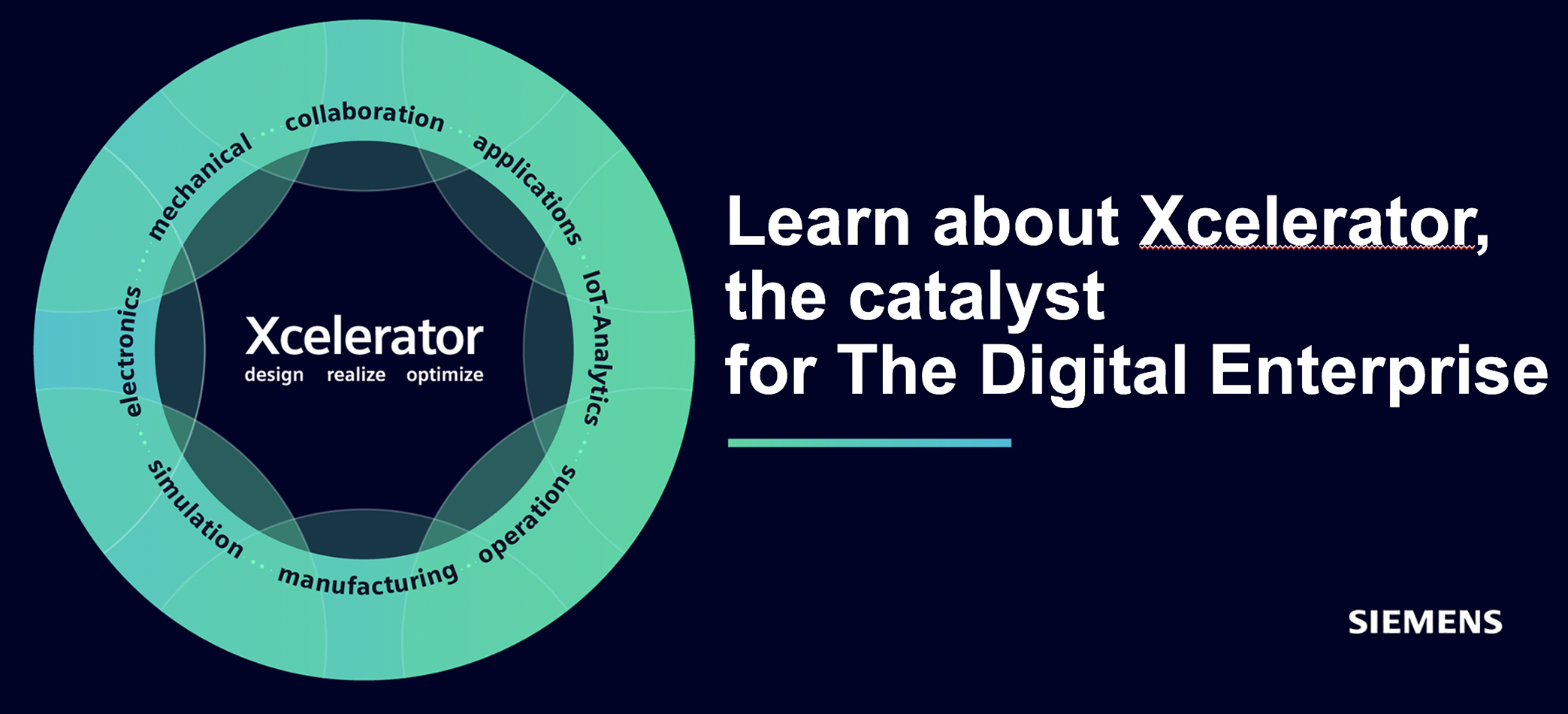
Det är en intressant AI-resa som Siemens och NVIDIA har påbörjat de senaste åren. Den representerar en betydande transformation som började med ett strategiskt partnerskap 2022 för att bygga Industrial Metaverse genom att koppla samman Siemens Xcelerator-plattformen med NVIDIA Omniverse. Idag har detta samarbete nått en mognad som kan bidra till att omdefiniera branschen genom att ta upp AI till en verkligt banbrytande nivå – hur då?
Två tunga aspekter är att å ena sidan innehåller Siemens Xcelerator-portfölj det mesta som krävs när det gäller integrerad mjukvara och hårdvara för produktframtagning. Å den andra sidan har NVIDIA Omniverse, en avancerad OpenUSD-baserad realtidsutvecklings-plattform, utvecklat kapaciteten att förena AI, robotik, simulering och edge computing i en miljö. Tillsammans bildar detta en tung grund i det planerade AI-operativsystemet.
Utvecklingstakten i branschen är explosionsartad. Det som fanns tillgängligt 2022 har visat sig vara en blygsam grund jämfört med dagens toppmoderna teknik. Klart i sammanhanget är också att även om NVIDIA utvecklats till att bli den kanske mest attraktiva samarbetspartnern för PLM-utvecklare, är det tveksamt om någon annan konstellation har den holistiska kapaciteten att driva AI lika långt som NVIDIA och Siemens kan.
Det viktigaste argumentet är att ingen annan PLM-utvecklare har kunnat kombinera PLM och fabriksautomation i världsklass till en fungerande enhet lika effektivt som Siemens. Detta bygger på den sömlösa integration av program- och hårdvara, hela vägen från produktframtagning med CAD, CAE, EDA, ALM och andra digitala verktyg till de breda kapabiliteterna inom mekanik-, el-/elektronik-, mjukvaru- och smarta fabriksautomations-domänerna.
"Det som har gjort NVIDIA så vasst i detta är vårt primära mål att vara mer än bara en kapabel GPU-motor (Graphic Processing Unit), säger NVIDIAs CEO, Jensen Huang, och pekar på hur bolagets utvecklingsteam har strävat efter att skapa en viktig differentiator genom integration av hårdvara (GPUer), programvara (CUDA-plattformen) och system (nätverks- och DGX-plattformarna)."
Dessutom menar Huang att i takt med att efterfrågan på AI exploderar, är processorer för allmänt bruk för ineffektiva. Siemenschefen, Roland Busch, håller med:
"Genom att kombinera NVIDIAs ledarskap inom accelererad databehandling och AI-plattformar med Siemens ledande hårdvara, PLM-mjukvara, industriell AI och data, gör vi det möjligt för kunder att utveckla produkter snabbare med de mest omfattande digitala tvillingarna, anpassa produktionen i realtid och accelerera tekniken ända från chip till AI-fabriker", säger han och påpekar att de nu gemensamt ska bygga världens första helt AI-drivna tillverkningsanläggning redan 2026: Siemens Electronics Factory i Erlangen, Tyskland."
Men hur ser detaljerna ut och varför spelar den nya Digital Twin Composer en nyckelroll?
Klicka på länken för att läsa hela artikeln på PLM&ERP News.
Det är en intressant AI-resa som Siemens och NVIDIA har påbörjat de senaste åren. Den representerar en betydande transformation som började med ett strategiskt partnerskap 2022 för att bygga Industrial Metaverse genom att koppla samman Siemens Xcelerator-plattformen med NVIDIA Omniverse. Idag har detta samarbete nått en mognad som kan bidra till att omdefiniera branschen genom att ta upp AI till en verkligt banbrytande nivå – hur då?
Två tunga aspekter är att å ena sidan innehåller Siemens Xcelerator-portfölj det mesta som krävs när det gäller integrerad mjukvara och hårdvara för produktframtagning. Å den andra sidan har NVIDIA Omniverse, en avancerad OpenUSD-baserad realtidsutvecklings-plattform, utvecklat kapaciteten att förena AI, robotik, simulering och edge computing i en miljö. Tillsammans bildar detta en tung grund i det planerade AI-operativsystemet.
Utvecklingstakten i branschen är explosionsartad. Det som fanns tillgängligt 2022 har visat sig vara en blygsam grund jämfört med dagens toppmoderna teknik. Klart i sammanhanget är också att även om NVIDIA utvecklats till att bli den kanske mest attraktiva samarbetspartnern för PLM-utvecklare, är det tveksamt om någon annan konstellation har den holistiska kapaciteten att driva AI lika långt som NVIDIA och Siemens kan.
Det viktigaste argumentet är att ingen annan PLM-utvecklare har kunnat kombinera PLM och fabriksautomation i världsklass till en fungerande enhet lika effektivt som Siemens. Detta bygger på den sömlösa integration av program- och hårdvara, hela vägen från produktframtagning med CAD, CAE, EDA, ALM och andra digitala verktyg till de breda kapabiliteterna inom mekanik-, el-/elektronik-, mjukvaru- och smarta fabriksautomations-domänerna.
"Det som har gjort NVIDIA så vasst i detta är vårt primära mål att vara mer än bara en kapabel GPU-motor (Graphic Processing Unit), säger NVIDIAs CEO, Jensen Huang, och pekar på hur bolagets utvecklingsteam har strävat efter att skapa en viktig differentiator genom integration av hårdvara (GPUer), programvara (CUDA-plattformen) och system (nätverks- och DGX-plattformarna)."
Dessutom menar Huang att i takt med att efterfrågan på AI exploderar, är processorer för allmänt bruk för ineffektiva. Siemenschefen, Roland Busch, håller med:
"Genom att kombinera NVIDIAs ledarskap inom accelererad databehandling och AI-plattformar med Siemens ledande hårdvara, PLM-mjukvara, industriell AI och data, gör vi det möjligt för kunder att utveckla produkter snabbare med de mest omfattande digitala tvillingarna, anpassa produktionen i realtid och accelerera tekniken ända från chip till AI-fabriker", säger han och påpekar att de nu gemensamt ska bygga världens första helt AI-drivna tillverkningsanläggning redan 2026: Siemens Electronics Factory i Erlangen, Tyskland."
Men hur ser detaljerna ut och varför spelar den nya Digital Twin Composer en nyckelroll?
Klicka på länken för att läsa hela artikeln på PLM&ERP News.

Real-World Impact at Scale: Inside SIEMENS’ and NVIDIA’s First AI Operating System
Roland Busch (pictured left), CEO, Siemens AG: "A typical example is the shift from passive simulation of digital twins to autonomous intelligent objects."
It is an interesting AI journey that Siemens and NVIDIA have embarked on in recent years. It represents a significant transformation that began with a strategic partnership in 2022 to build the Industrial Metaverse by connecting Siemens Xcelerator platform with NVIDIA Omniverse. Today this collaboration has reached a maturity where it is set to redefine the industry by advancing AI to a truly cutting-edge level.
On one hand, Siemens' Xcelerator portfolio contains most of what is required in terms of integrated product realization software and hardware. On the other hand, NVIDIA Omniverse, an advanced OpenUSD-based, real-time development platform, developed the capacity to unite AI, robotics, simulation, and edge computing in one environment.
The pace of development is explosive. What was available in 2022 has proven to be a modest foundation compared to today's state-of-the-art. While NVIDIA remains the superstar collaborator for PLM developers, it is doubtful if any other partnership has the holistic capacity to drive AI as far as NVIDIA and Siemens can.
The overall most important argument is that no other PLM developer has been able to combine PLM and world class factory automation to a working unity as far as Siemens. This capacity is build on the seamless integration of software and hardware, all the way from product realization in CAD, CAE, EDA, ALM, and other digital tools to cover the mechanical, electrical/electronics, software, and smart factory automation domains.
”What has made NVIDIA so sharp in this context is its primary goal to be more than just a capable GPU (Graphic Processing Unit) engine,” says NVIDIA CEO Jensen Huang (pictured right), pointing at how its development team have aimed to create a key differentiator through their integration of hardware (GPUs), software (CUDA platform), and systems (networking and DGX platforms).”
Moreover, Huang believes that as demand for AI explodes, general-purpose processors are too inefficient. Siemens boss, Roland Busch, agrees:
"By combining NVIDIA's leadership in accelerated computing and AI platforms with Siemens' leading hardware, software, industrial AI and data, we enable customers to develop products faster with the most comprehensive digital twins, adapt production in real time, and accelerate technologies from chip to AI factories," he says and points out that they now, "have a joint goal of building the world's first fully AI-driven, adaptive manufacturing site by 2026: Siemens Electronics Factory in Erlangen, Germany."
But what are the set up details and why does the new Digital Twin Composer play a key role?
Click on the link to read the full story on PLM&ERP News.
It is an interesting AI journey that Siemens and NVIDIA have embarked on in recent years. It represents a significant transformation that began with a strategic partnership in 2022 to build the Industrial Metaverse by connecting Siemens Xcelerator platform with NVIDIA Omniverse. Today this collaboration has reached a maturity where it is set to redefine the industry by advancing AI to a truly cutting-edge level.
On one hand, Siemens' Xcelerator portfolio contains most of what is required in terms of integrated product realization software and hardware. On the other hand, NVIDIA Omniverse, an advanced OpenUSD-based, real-time development platform, developed the capacity to unite AI, robotics, simulation, and edge computing in one environment.
The pace of development is explosive. What was available in 2022 has proven to be a modest foundation compared to today's state-of-the-art. While NVIDIA remains the superstar collaborator for PLM developers, it is doubtful if any other partnership has the holistic capacity to drive AI as far as NVIDIA and Siemens can.
The overall most important argument is that no other PLM developer has been able to combine PLM and world class factory automation to a working unity as far as Siemens. This capacity is build on the seamless integration of software and hardware, all the way from product realization in CAD, CAE, EDA, ALM, and other digital tools to cover the mechanical, electrical/electronics, software, and smart factory automation domains.
”What has made NVIDIA so sharp in this context is its primary goal to be more than just a capable GPU (Graphic Processing Unit) engine,” says NVIDIA CEO Jensen Huang (pictured right), pointing at how its development team have aimed to create a key differentiator through their integration of hardware (GPUs), software (CUDA platform), and systems (networking and DGX platforms).”
Moreover, Huang believes that as demand for AI explodes, general-purpose processors are too inefficient. Siemens boss, Roland Busch, agrees:
"By combining NVIDIA's leadership in accelerated computing and AI platforms with Siemens' leading hardware, software, industrial AI and data, we enable customers to develop products faster with the most comprehensive digital twins, adapt production in real time, and accelerate technologies from chip to AI factories," he says and points out that they now, "have a joint goal of building the world's first fully AI-driven, adaptive manufacturing site by 2026: Siemens Electronics Factory in Erlangen, Germany."
But what are the set up details and why does the new Digital Twin Composer play a key role?
Click on the link to read the full story on PLM&ERP News.

Accenture is the Leading Independent PLM/cPDm Service Provider – TCS & IBM finished Second...
Most people know who the largest leading developers of PLM platforms are, but what about the service providers? Industry analyst CIMdata has taken a closer look and in its 2025 reports identified who the leading players are in the PLM sector, focusing specifically on the critical area of collaborative Product Definition management (cPDm) which can be described as a more comprehensive evolution of Product Data Management (PDM) that manages complex product data across the enterprise.
Here is CIMdata's definition: "cPDm as a strategic business approach is using consistent solutions to manage the entire product or plant definition lifecycle across the extended enterprise (OEMs, suppliers, partners, customers) through best-practice processes and integrated technologies like PDM, collaboration, and visualization. It's about enabling real-time, unified access and control over product data (CAD, specs, changes) for all stakeholders, moving beyond internal data management to shared, collaborative management for faster, more efficient product development and reduced errors."
Given this definition, who are the ten largest independent players in terms of cPDm-related services revenues? CIMdata detailed it in their 2025 reports and a June webinar, highlighting the top players 2024.
Their results confirm established consultants as key independent service providers: Accenture leads the pack with approximately $2.2 billion in cPDm-related revenue, followed by Tata Consultancy Services (TCS) with nearly $1 billion, and IBM securing third place with about $780 million.
The remaining top ten, in descending order, include DXC Technology, HCLTech, Wipro, Deloitte, Capgemini, MHP, and Atos, reinforcing the dominance of major consulting firms in this specialized service area.
The digital tools and platforms that these service providers are using span the entire field. Accenture, for example, provides comprehensive PLM services, helping clients digitally transform engineering and R&D by managing products from concept to disposal, using platforms like Siemens Teamcenter, Dassault Systèmes 3DEXPERIENCE, and PTC's Windchill. Their offerings focus on integrating PLM with Digital Thread/Twin, BOM management, data governance, and AI, aiming to boost innovation, efficiency, and sustainability for manufacturers, as recognized by industry analysts like CIMdata.
The leading commercial software and platform developers in PLM, according to CIMdata’s latest 2025 reports – covering 2024 – are Siemens Digital Industries Software (revenues around $7.0 billion), Dassault Systemes ($6.7 billion), Autodesk ($5.5 billion), Ansys ($2.5 billion), and PTC ($2.3 billion).
Click on the headline to read more on PLM&ERP News.
Here is CIMdata's definition: "cPDm as a strategic business approach is using consistent solutions to manage the entire product or plant definition lifecycle across the extended enterprise (OEMs, suppliers, partners, customers) through best-practice processes and integrated technologies like PDM, collaboration, and visualization. It's about enabling real-time, unified access and control over product data (CAD, specs, changes) for all stakeholders, moving beyond internal data management to shared, collaborative management for faster, more efficient product development and reduced errors."
Given this definition, who are the ten largest independent players in terms of cPDm-related services revenues? CIMdata detailed it in their 2025 reports and a June webinar, highlighting the top players 2024.
Their results confirm established consultants as key independent service providers: Accenture leads the pack with approximately $2.2 billion in cPDm-related revenue, followed by Tata Consultancy Services (TCS) with nearly $1 billion, and IBM securing third place with about $780 million.
The remaining top ten, in descending order, include DXC Technology, HCLTech, Wipro, Deloitte, Capgemini, MHP, and Atos, reinforcing the dominance of major consulting firms in this specialized service area.
The digital tools and platforms that these service providers are using span the entire field. Accenture, for example, provides comprehensive PLM services, helping clients digitally transform engineering and R&D by managing products from concept to disposal, using platforms like Siemens Teamcenter, Dassault Systèmes 3DEXPERIENCE, and PTC's Windchill. Their offerings focus on integrating PLM with Digital Thread/Twin, BOM management, data governance, and AI, aiming to boost innovation, efficiency, and sustainability for manufacturers, as recognized by industry analysts like CIMdata.
The leading commercial software and platform developers in PLM, according to CIMdata’s latest 2025 reports – covering 2024 – are Siemens Digital Industries Software (revenues around $7.0 billion), Dassault Systemes ($6.7 billion), Autodesk ($5.5 billion), Ansys ($2.5 billion), and PTC ($2.3 billion).
Click on the headline to read more on PLM&ERP News.

PTC’s New Codebeamer AI: Engineering Precision at the Speed of Intelligence
"Plays a key role within the Volkswagen Group."
Although PLM developer PTC has scaled back its overall ambitions to bridge the gap between product development and manufacturing, it still has sharp solution suites in other domains. The ALM side and software management in product development are such. Doubtlessly, important pieces in industries such as automotive, medical technology, aerospace, and defense.
The core of this arsenal for PTC consists of Codebeamer, Codebeamer AI, and Pure Variants. Last week, the new versions were launched: Codebeamer 3.2, Codebeamer AI 1.0 and Pure Variants 7.2. These updates help organizations manage growing product complexity and regulatory requirements with greater confidence and control as products become increasingly software-driven.
PTC’s Enrique Krajmalnik, GM of the ALM pieces, claims that the launches strengthen the position of the company’s software management suite, stating that it is the leading system for software development and requirements management in the aforementioned regulated industries. This is done by strengthening traceability, change management, and introducing guided AI assistance that complies with regulatory and quality requirements.
“Our customers’ products are becoming increasingly complex and software-driven, and they need confidence that every change, requirement and decision is connected across the entire product lifecycle,” said Krajmalnik, claiming that they, “will help our customers continue to modernize their software development and requirements management efforts, build a stronger product database to manage complexity and apply AI effectively and responsibly.”
Clearly, the purchases of these solutions are among PTC’s smartest in recent years. Codebeamer was acquired in 2022 and fits well into an industrial world where software has become a key domain. Not least on the automotive side, where cars are increasingly becoming SDVs (Software Defined Vehicles). With the purchase of Codebeamer and other relevant software, such as Pure Variants (2023), and the addition of AI to the suite, a momentum has been created in the ALM domain.
• Pure Systems and the pure::variants solution are used by manufacturing companies to manage different variants of software and system technology assets in product configurations. Especially in regulated industries such as the automotive, aerospace, and medical technology markets.
• Another important piece of the puzzle is the large collaborative project around Codebeamer Copilot, together with the Volkswagen Group and Microsoft Azure AI. Here, the aim is to embed generative AI in the Codebeamer software. This is integrated with various tools for PLM, SCM (source code management), and MBSE (model-based system engineering) that are used throughout the VW family.
But what are the improvements in the new versions? Click on the title to read more on PLM&ERP News.
Although PLM developer PTC has scaled back its overall ambitions to bridge the gap between product development and manufacturing, it still has sharp solution suites in other domains. The ALM side and software management in product development are such. Doubtlessly, important pieces in industries such as automotive, medical technology, aerospace, and defense.
The core of this arsenal for PTC consists of Codebeamer, Codebeamer AI, and Pure Variants. Last week, the new versions were launched: Codebeamer 3.2, Codebeamer AI 1.0 and Pure Variants 7.2. These updates help organizations manage growing product complexity and regulatory requirements with greater confidence and control as products become increasingly software-driven.
PTC’s Enrique Krajmalnik, GM of the ALM pieces, claims that the launches strengthen the position of the company’s software management suite, stating that it is the leading system for software development and requirements management in the aforementioned regulated industries. This is done by strengthening traceability, change management, and introducing guided AI assistance that complies with regulatory and quality requirements.
“Our customers’ products are becoming increasingly complex and software-driven, and they need confidence that every change, requirement and decision is connected across the entire product lifecycle,” said Krajmalnik, claiming that they, “will help our customers continue to modernize their software development and requirements management efforts, build a stronger product database to manage complexity and apply AI effectively and responsibly.”
Clearly, the purchases of these solutions are among PTC’s smartest in recent years. Codebeamer was acquired in 2022 and fits well into an industrial world where software has become a key domain. Not least on the automotive side, where cars are increasingly becoming SDVs (Software Defined Vehicles). With the purchase of Codebeamer and other relevant software, such as Pure Variants (2023), and the addition of AI to the suite, a momentum has been created in the ALM domain.
• Pure Systems and the pure::variants solution are used by manufacturing companies to manage different variants of software and system technology assets in product configurations. Especially in regulated industries such as the automotive, aerospace, and medical technology markets.
• Another important piece of the puzzle is the large collaborative project around Codebeamer Copilot, together with the Volkswagen Group and Microsoft Azure AI. Here, the aim is to embed generative AI in the Codebeamer software. This is integrated with various tools for PLM, SCM (source code management), and MBSE (model-based system engineering) that are used throughout the VW family.
But what are the improvements in the new versions? Click on the title to read more on PLM&ERP News.

AI tar plats i förarsätet när PTC vässar Codebeamer och verktygen för programutveckling i...
”Spelar en nyckelroll inom Volkswagen Gruppen.”
Även om PLM-utvecklaren PTC skalat ner på sina helhetsambitioner i att också överbrygga gapet mellan produktutveckling och tillverkning har man kvar skarpa lösningssviter inom andra domäner. ALM-sidan och mjukvaruhanteringen inom produktutvecklingen är en sådan. Allt extremt viktiga bitar inom industrier som automotive, medicinteknik, flyg- & rymd- och försvarsindustri.
Kärnan i denna arsenal utgörs för PTC av Codebeamer, Codebeamer AI och Pure Variants. I förra veckan lanserades de nya versionerna: Codebeamer 3.2, Codebeamer AI 1.0 och Pure Variants 7.2. Dessa uppdateringar hjälper organisationer att hantera växande produktkomplexitet och regulatoriska krav med större förtroende och kontroll i takt med att produkter blir alltmer programvarudrivna.
PTCs Enrique Krajmalnik, GM för ALM-bitarna, hävdar att lanseringarna förstärker positionen för bolagets mjukvaruhanteringssvit och menade att den är det ledande systemet för programvaruutveckling och kravhantering inom de ovan nämnda reglerade branscherna. Detta genom att stärka spårbarhet, förändringshantering och introducera styrd AI-hjälp som överensstämmer med regulatoriska krav och kvalitetskrav.
"Våra kunders produkter blir alltmer komplexa och programvarudrivna, och de behöver förtroende för att varje förändring, krav och beslut är kopplade över hela produktens livscykel," sa Krajmalnik, och hävdade att de, ”kommer att hjälpa våra kunder att fortsätta modernisera sina programvaruutvecklings- och kravhanteringsinsatser, bygga en starkare produktdatabas för att hantera komplexitet och tillämpa AI effektivt och ansvarsfullt."
Klart är att köpen av de här lösningarna är bland PTCs smartaste under de senaste åren. Codebeamer förvärvades 2022 och passar väl in i en industriell värld där mjukvara har blivit en nyckeldomän. Inte minst på fordonssidan där bilar i allt högre grad blir SDVer (Software Defined Vehicles). Med köpet av Codebeamer och de andra mjukvarorna, som Pure Variants (2023), och tillägget av AI-bitarna till sviten, har man skapat något av ett momentum inom ALM-domänen.
• Pure Systemes och pure::variants-lösningen används av tillverkningsföretag för att hantera olika varianter av mjukvaru- och systemtekniska tillgångar i produktkonfigurationer. Framför allt då inom reglerade industrier som fordons-, flyg- och medicinteknik-marknaderna.
• En annat pusselbit av betydelse är det stora samarbetsprojektet kring Codebeamer Copilot tillsammans med Volkswagen-koncernen och Microsoft Azure AI. Här är siktet är inställt på att bädda in generativ AI i Codebeamer-mjukvaran. Denna integreras med olika verktyg för PLM, SCM (källkodshantering) och MBSE (modellbaserad systemteknik) som används i hela VW-familjen.
Men vilka är förbättringarna i de nya versionerna? Klicka på rubriken för att läsa mer på PLM&ERP News.
Även om PLM-utvecklaren PTC skalat ner på sina helhetsambitioner i att också överbrygga gapet mellan produktutveckling och tillverkning har man kvar skarpa lösningssviter inom andra domäner. ALM-sidan och mjukvaruhanteringen inom produktutvecklingen är en sådan. Allt extremt viktiga bitar inom industrier som automotive, medicinteknik, flyg- & rymd- och försvarsindustri.
Kärnan i denna arsenal utgörs för PTC av Codebeamer, Codebeamer AI och Pure Variants. I förra veckan lanserades de nya versionerna: Codebeamer 3.2, Codebeamer AI 1.0 och Pure Variants 7.2. Dessa uppdateringar hjälper organisationer att hantera växande produktkomplexitet och regulatoriska krav med större förtroende och kontroll i takt med att produkter blir alltmer programvarudrivna.
PTCs Enrique Krajmalnik, GM för ALM-bitarna, hävdar att lanseringarna förstärker positionen för bolagets mjukvaruhanteringssvit och menade att den är det ledande systemet för programvaruutveckling och kravhantering inom de ovan nämnda reglerade branscherna. Detta genom att stärka spårbarhet, förändringshantering och introducera styrd AI-hjälp som överensstämmer med regulatoriska krav och kvalitetskrav.
"Våra kunders produkter blir alltmer komplexa och programvarudrivna, och de behöver förtroende för att varje förändring, krav och beslut är kopplade över hela produktens livscykel," sa Krajmalnik, och hävdade att de, ”kommer att hjälpa våra kunder att fortsätta modernisera sina programvaruutvecklings- och kravhanteringsinsatser, bygga en starkare produktdatabas för att hantera komplexitet och tillämpa AI effektivt och ansvarsfullt."
Klart är att köpen av de här lösningarna är bland PTCs smartaste under de senaste åren. Codebeamer förvärvades 2022 och passar väl in i en industriell värld där mjukvara har blivit en nyckeldomän. Inte minst på fordonssidan där bilar i allt högre grad blir SDVer (Software Defined Vehicles). Med köpet av Codebeamer och de andra mjukvarorna, som Pure Variants (2023), och tillägget av AI-bitarna till sviten, har man skapat något av ett momentum inom ALM-domänen.
• Pure Systemes och pure::variants-lösningen används av tillverkningsföretag för att hantera olika varianter av mjukvaru- och systemtekniska tillgångar i produktkonfigurationer. Framför allt då inom reglerade industrier som fordons-, flyg- och medicinteknik-marknaderna.
• En annat pusselbit av betydelse är det stora samarbetsprojektet kring Codebeamer Copilot tillsammans med Volkswagen-koncernen och Microsoft Azure AI. Här är siktet är inställt på att bädda in generativ AI i Codebeamer-mjukvaran. Denna integreras med olika verktyg för PLM, SCM (källkodshantering) och MBSE (modellbaserad systemteknik) som används i hela VW-familjen.
Men vilka är förbättringarna i de nya versionerna? Klicka på rubriken för att läsa mer på PLM&ERP News.