

Daimler Truck and Volvo Group Move On with the Multi $100 Million Investment in...
JOHAN LUNDÉN, formerly Volvo Group, will be the head of the new Coretura. Volvo Group and Daimler Truck are continuing their collaboration in a multi $100 million investment around a jointly owned company, Coretura, which will develop a software-defined platform for commercial vehicles like trucks and buses. The project is of course extremely interesting, not least because it concerns the world's two largest truck manufacturers of heavier vehicles, who are on the one hand tough competitors and on the other hand have chosen to cooperate; partly in the now established Coretura, but also in a previously decided investment in joint research and development on hydrogen solutions.
The head of Coretura will be the former head of strategic product planning, projects and innovation within the Volvo Group, Johan Lundén. There will be 50 employees to start with.
“This joint venture combines the agility of a start-up with the stability and expertise of our major shareholders,” says Lundén.
The background to today's announcement is that Volvo and Daimler signed an agreement on this investment in October last year and, having received all the necessary regulatory approvals today, Coretura is now being established, with headquarters in Gothenburg, Sweden, and operations starting now in June 2025.
Coretura will enable the Volvo and Daimler and other future customers to provide differentiating standalone digital vehicle applications for their products. Coretura is therefore open to cooperation and invites new and traditional suppliers and partners.
Karin Rådström, CEO and President of Daimler Truck, says that the new company places a clear strategic focus on software development for commercial vehicles.
“Together, we are now starting the digitally driven future for trucks and buses, which ultimately makes commercial vehicles smarter, more connected and more efficient than ever before,” the Daimler boss states.
Martin Lundstedt, President and CEO of the Volvo Group, adds:
“By leveraging cutting-edge technology and collaborative innovations, we are setting the stage for a new era of connectivity and efficiency in the industry.”
The major investment now being made is undoubtedly a reflection of the increasingly important role of the software side in all vehicle development (SDV). This trend has now seriously reached transport vehicle development side. Coretura’s assignment is to build the non-differentiated core, a standardized and open software-defined vehicle platform and a dedicated operating system for commercial vehicles. This also includes the specification and procurement of centralized high-performance control units intended for commercial vehicles and capable of handling large amounts of data. This will decouple software and hardware development cycles, enabling end customers to purchase and update digital applications wirelessly "over the air", increasing safety, efficiency and customer experience.
Which software will be used remains to be seen, but generally Volvo Group works in PTC's PLM environments, while Daimler relies on Siemens Digital Industries Software's environments. But what solutions will Coretura rely on, for example when it comes to EDA and ALM?
Click on the headline to read more on PLM&ERP News.
“This joint venture combines the agility of a start-up with the stability and expertise of our major shareholders,” says Lundén.
The background to today's announcement is that Volvo and Daimler signed an agreement on this investment in October last year and, having received all the necessary regulatory approvals today, Coretura is now being established, with headquarters in Gothenburg, Sweden, and operations starting now in June 2025.
Coretura will enable the Volvo and Daimler and other future customers to provide differentiating standalone digital vehicle applications for their products. Coretura is therefore open to cooperation and invites new and traditional suppliers and partners.
Karin Rådström, CEO and President of Daimler Truck, says that the new company places a clear strategic focus on software development for commercial vehicles.
“Together, we are now starting the digitally driven future for trucks and buses, which ultimately makes commercial vehicles smarter, more connected and more efficient than ever before,” the Daimler boss states.
Martin Lundstedt, President and CEO of the Volvo Group, adds:
“By leveraging cutting-edge technology and collaborative innovations, we are setting the stage for a new era of connectivity and efficiency in the industry.”
The major investment now being made is undoubtedly a reflection of the increasingly important role of the software side in all vehicle development (SDV). This trend has now seriously reached transport vehicle development side. Coretura’s assignment is to build the non-differentiated core, a standardized and open software-defined vehicle platform and a dedicated operating system for commercial vehicles. This also includes the specification and procurement of centralized high-performance control units intended for commercial vehicles and capable of handling large amounts of data. This will decouple software and hardware development cycles, enabling end customers to purchase and update digital applications wirelessly "over the air", increasing safety, efficiency and customer experience.
Which software will be used remains to be seen, but generally Volvo Group works in PTC's PLM environments, while Daimler relies on Siemens Digital Industries Software's environments. But what solutions will Coretura rely on, for example when it comes to EDA and ALM?
Click on the headline to read more on PLM&ERP News.

Volvo Group och Daimler Truck går vidare med miljardsatsningen på mjukvarudefinierade lastbilar
JOHAN LUNDÉN, tidigare Volvo Group, blir chef för nya Coretura. Volvo Group och Daimler Truck ångar på i samarbetsspåret i en miljardsatsning kring ett samägt bolag, Coretura, som ska utveckla en mjukvarudefinierad plattform för kommersiella fordon, när det gäller lastbilar och bussar. Projektet är förstås hyperintressant inte minst för att det berör världens två största lastbilstillverkare av tyngre fordon, som å ena sidan är tuffa konkurrenter och å den andra valt att samarbeta; dels i det nu etablerade Coretura, men också i en tidigare beslutad satsning på gemensam forskning och utveckling kring vätgas-lösningar.
Chef för Coretura blir den tidigare ansvarige för strategisk produktplanering, projekt och innovation inom Volvokoncernen, Johan Lundén. 50 anställda blir det till att börja med.
”Detta joint venture kombinerar smidigheten hos en start-up med stabiliteten och expertisen hos våra större aktieägare,” säger Lundén.
Bakgrunden till dagens annonsering är att Volvo och Daimler i oktober förra året skrev på ett avtal om denna satsning och då man idag erhållit alla nödvändiga myndighetsgodkännanden etableras nu alltså Coretura, med säte i Göteborg, Sverige, och verksamhetsstart i början av juni 2025.
Coretura kommer att göra det möjligt för Volvo Group och Daimler Truck och andra framtida kunder att tillhandahålla differentierande fristående digitala fordonsapplikationer för sina produkter. Coretura är i så motto öppet för samarbete och bjuder in nya och traditionella leverantörer och partners.
I en kommentar säger Karin Rådström, CEO och koncernchef för Daimler Truck, att man med det nya bolaget sätter ett tydligt strategiskt fokus på mjukvaruutveckling för kommersiella fordon.
”Tillsammans startar vi nu den digitalt drivna framtiden för lastbilar och bussar, vilket i slutänden gör kommersiella fordon smartare, mer uppkopplade och mer effektiva än någonsin tidigare," konstaterar Daimler-basen.
Martin Lundstedt, VD och koncernchef för Volvokoncernen, tillägger:
"Genom att dra nytta av spjutspetsteknologi och samverkande innovationer sätter vi scenen för en ny era av uppkopplings-möjligheter och effektivitet i branschen."
Den stora satsning man nu gör är otvetydigt en spegling av mjukvarusidans allt viktigare roll inom all fordonsutveckling (SDV). Denna trend har nu på allvar nått in i transportfordonsutvecklingen. Det uppdrag Coretura fått är att bygga den icke-differentierade kärnan, en standardiserad och öppen mjukvarudefinierad fordonsplattform och ett dedikerat operativsystem för kommersiella fordon. Detta inkluderar även specifikation och upphandling av centraliserade högpresterande styrenheter avsedda för kommersiella fordon och som kan hantera stora mängder data. Detta kommer att frikoppla utvecklingscykler för mjukvara och hårdvara, vilket gör det möjligt för slutkunder att köpa och uppdatera digitala applikationer trådlöst "över luften", vilket ökar säkerhet, effektivitet och kundupplevelse.
Vilka mjukvaror som kommer att användas återstår att se, men allmänt jobbar Volvo Group i PTCs miljöer, medan Daimler bygger på Siemens Digital Industries Softwares miljöer.
Vilka mjukvaror som kommer att användas återstår att se, men allmänt jobbar Volvo Group i PTCs miljöer, medan Daimler bygger på Siemens Digital Industries Softwares miljöer. Men vilka lösningar kommer man att luta sig mot i Coretura, t ex när det gäller EDA och ALM?
Klicka på rubriken för att läsa hela artikeln på PLM&ERP News.
Chef för Coretura blir den tidigare ansvarige för strategisk produktplanering, projekt och innovation inom Volvokoncernen, Johan Lundén. 50 anställda blir det till att börja med.
”Detta joint venture kombinerar smidigheten hos en start-up med stabiliteten och expertisen hos våra större aktieägare,” säger Lundén.
Bakgrunden till dagens annonsering är att Volvo och Daimler i oktober förra året skrev på ett avtal om denna satsning och då man idag erhållit alla nödvändiga myndighetsgodkännanden etableras nu alltså Coretura, med säte i Göteborg, Sverige, och verksamhetsstart i början av juni 2025.
Coretura kommer att göra det möjligt för Volvo Group och Daimler Truck och andra framtida kunder att tillhandahålla differentierande fristående digitala fordonsapplikationer för sina produkter. Coretura är i så motto öppet för samarbete och bjuder in nya och traditionella leverantörer och partners.
I en kommentar säger Karin Rådström, CEO och koncernchef för Daimler Truck, att man med det nya bolaget sätter ett tydligt strategiskt fokus på mjukvaruutveckling för kommersiella fordon.
”Tillsammans startar vi nu den digitalt drivna framtiden för lastbilar och bussar, vilket i slutänden gör kommersiella fordon smartare, mer uppkopplade och mer effektiva än någonsin tidigare," konstaterar Daimler-basen.
Martin Lundstedt, VD och koncernchef för Volvokoncernen, tillägger:
"Genom att dra nytta av spjutspetsteknologi och samverkande innovationer sätter vi scenen för en ny era av uppkopplings-möjligheter och effektivitet i branschen."
Den stora satsning man nu gör är otvetydigt en spegling av mjukvarusidans allt viktigare roll inom all fordonsutveckling (SDV). Denna trend har nu på allvar nått in i transportfordonsutvecklingen. Det uppdrag Coretura fått är att bygga den icke-differentierade kärnan, en standardiserad och öppen mjukvarudefinierad fordonsplattform och ett dedikerat operativsystem för kommersiella fordon. Detta inkluderar även specifikation och upphandling av centraliserade högpresterande styrenheter avsedda för kommersiella fordon och som kan hantera stora mängder data. Detta kommer att frikoppla utvecklingscykler för mjukvara och hårdvara, vilket gör det möjligt för slutkunder att köpa och uppdatera digitala applikationer trådlöst "över luften", vilket ökar säkerhet, effektivitet och kundupplevelse.
Vilka mjukvaror som kommer att användas återstår att se, men allmänt jobbar Volvo Group i PTCs miljöer, medan Daimler bygger på Siemens Digital Industries Softwares miljöer.
Vilka mjukvaror som kommer att användas återstår att se, men allmänt jobbar Volvo Group i PTCs miljöer, medan Daimler bygger på Siemens Digital Industries Softwares miljöer. Men vilka lösningar kommer man att luta sig mot i Coretura, t ex när det gäller EDA och ALM?
Klicka på rubriken för att läsa hela artikeln på PLM&ERP News.

Hexagon and Consultant Prevas in Strategic Partnership on Digital Asset Management in the Nordics
Prevas CEO MAGNUS WELÉN: “Initially, we are focusing on HxGN EAM and HxGN APM – but with plans to broaden to more Hexagon solutions in the future.”
Yesterday’s announcement from Hexagon’s Asset Lifecycle Intelligence division that it has entered into a strategic partnership with Prevas comes as no surprise. Industrial consultant Prevas has long been a competent service provider to Hexagon and has been particularly successful on the EAM side with decades of experience in asset management and industrial digitalization. The partnership focuses on delivering value-added solutions within Enterprise Asset Management (EAM) and Asset Performance Management (APM) in Denmark, Finland, Norway and Sweden.
Both EAM and APM are methods for managing assets, such as factory facilities, machine sets and the like, but they differ in scope and focus. EAM is a broader, lifecycle-oriented approach that encompasses the entire lifecycle of an asset, from planning and procurement to maintenance, replacement and disposal. APM, on the other hand, is a more focused approach that focuses on optimizing the performance and reliability of assets during their operational life, often through the use of data analytics and predictive maintenance.
As part of the agreement, Prevas will establish a specialized focus on HxGN EAM and HxGN APM, strengthening the company's position as one of Hexagon's leading service providers in the Nordics.
“This collaboration is an important step in our commitment to the Nordics,” says Mattias Stenberg, President of Hexagon's Asset Lifecycle Intelligence division. “Prevas brings not only technical expertise but also a deep understanding of the local market and customer needs. Together, we help organizations unlock greater value from their assets and accelerate their digital transformation."
Prevas CEO Magnus Welén (pictured) adds that this successful Nordic industrial consultant has a long history of helping companies become more efficient, reliable and sustainable – with the help of smart asset management strategies. With a strong local presence and deep industry knowledge, Prevas is well-equipped to support Hexagon's goal: to enable smart, data-driven decisions throughout the entire lifecycle of equipment and facilities.
"Right, and we are proud to take our collaboration with Hexagon to the next level," Welén concludes, adding: "After almost two decades of joint success in asset management and maintenance systems, we are now entering a new phase where we combine our proven expertise with Hexagon's leading technology to create even greater value for our customers in the Nordics. Initially, we focus on HxGN EAM and HxGN APM – with plans to broaden the collaboration to more Hexagon solutions in the future. Which are these? Click on the title to read more on PLM&ERP News.
Both EAM and APM are methods for managing assets, such as factory facilities, machine sets and the like, but they differ in scope and focus. EAM is a broader, lifecycle-oriented approach that encompasses the entire lifecycle of an asset, from planning and procurement to maintenance, replacement and disposal. APM, on the other hand, is a more focused approach that focuses on optimizing the performance and reliability of assets during their operational life, often through the use of data analytics and predictive maintenance.
As part of the agreement, Prevas will establish a specialized focus on HxGN EAM and HxGN APM, strengthening the company's position as one of Hexagon's leading service providers in the Nordics.
“This collaboration is an important step in our commitment to the Nordics,” says Mattias Stenberg, President of Hexagon's Asset Lifecycle Intelligence division. “Prevas brings not only technical expertise but also a deep understanding of the local market and customer needs. Together, we help organizations unlock greater value from their assets and accelerate their digital transformation."
Prevas CEO Magnus Welén (pictured) adds that this successful Nordic industrial consultant has a long history of helping companies become more efficient, reliable and sustainable – with the help of smart asset management strategies. With a strong local presence and deep industry knowledge, Prevas is well-equipped to support Hexagon's goal: to enable smart, data-driven decisions throughout the entire lifecycle of equipment and facilities.
"Right, and we are proud to take our collaboration with Hexagon to the next level," Welén concludes, adding: "After almost two decades of joint success in asset management and maintenance systems, we are now entering a new phase where we combine our proven expertise with Hexagon's leading technology to create even greater value for our customers in the Nordics. Initially, we focus on HxGN EAM and HxGN APM – with plans to broaden the collaboration to more Hexagon solutions in the future. Which are these? Click on the title to read more on PLM&ERP News.

EAM/APM: Hexagon och Prevas i strategiskt partnerskap kring digital tillgångshantering i Norden
PREVAS-chefen MAGNUS WELÉN: "Initialt fokuserar vi på HxGN EAM och HxGN APM – men med planer på att bredda till fler Hexagonlösningar framöver." Dagens besked från Hexagons division Asset Lifecycle Intelligence att man inlett ett strategiskt partnerskap med Prevas kommer inte som någon överraskning. Industrikonsulten Prevas har länge varit en kompetent tjänsteleverantör till Hexagon och har varit särskilt framgångsrika på EAM-sidan med decennier av erfarenhet inom asset management och industriell digitalisering. Partnerskapet fokuserar på att leverera värdeskapande lösningar inom Enterprise Asset Management (EAM) och Asset Performance Management (APM) i Danmark, Finland, Norge och Sverige.
Både EAM och APM är metoder för att hantera tillgångar, som fabriksanläggningar, maskinuppsättningar och liknande, men de skiljer sig i omfattning och fokus. EAM är ett bredare, livscykelorienterat tillvägagångssätt som omfattar hela livscykeln för en tillgång, från planering och upphandling till underhåll, utbyte och kassering. APM, å andra sidan, är ett mer fokuserat tillvägagångssätt som fokuserar på att optimera prestanda och tillförlitlighet för tillgångar under deras operativa liv, ofta genom användning av dataanalys och förutsägande underhåll.
Som en del av avtalet etablerar Prevas en specialiserad satsning på HxGN EAM och HxGN APM, vilket stärker företagets position som en av Hexagons främsta tjänsteleverantörer i Norden.
”Det här samarbetet är ett viktigt steg i vårt engagemang för Norden," säger Mattias Stenberg, President för Hexagons Asset Lifecycle Intelligence-division. "Prevas tillför inte bara teknisk kompetens utan också en djup förståelse för den lokala marknaden och kundernas behov. Tillsammans hjälper vi organisationer att frigöra större värde ur sina tillgångar och att påskynda sin digitala omställning."
Prevas-chefen, Magnus Welén, tillägger att denna framgångsrika nordiska industrikonsult under lång tid hjälpt företag att bli mer effektiva, pålitliga och hållbara – med hjälp av smarta strategier för asset management. Med stark lokal närvaro och djup branschkunskap är Prevas väl rustade för att stötta Hexagons mål: att möjliggöra kloka, datadrivna beslut genom hela livscykeln för utrustning och anläggningar.
”Vi är stolta över att ta vårt samarbete med Hexagon till nästa nivå,” summerar Welén, och tillägger: ”Efter nästan två decennier av gemensamma framgångar inom asset management och underhållssystem går vi nu in i en ny fas där vi kombinerar vår beprövade expertis med Hexagons ledande teknologi för att skapa ännu större värde för våra kunder i Norden. Initialt fokuserar vi på HxGN EAM och HxGN APM – med planer på att bredda samarbetet till fler Hexagonlösningar framöver. Vilka är dessa? Klicka på rubriken för att läsa mer på PLM&ERP News.
Både EAM och APM är metoder för att hantera tillgångar, som fabriksanläggningar, maskinuppsättningar och liknande, men de skiljer sig i omfattning och fokus. EAM är ett bredare, livscykelorienterat tillvägagångssätt som omfattar hela livscykeln för en tillgång, från planering och upphandling till underhåll, utbyte och kassering. APM, å andra sidan, är ett mer fokuserat tillvägagångssätt som fokuserar på att optimera prestanda och tillförlitlighet för tillgångar under deras operativa liv, ofta genom användning av dataanalys och förutsägande underhåll.
Som en del av avtalet etablerar Prevas en specialiserad satsning på HxGN EAM och HxGN APM, vilket stärker företagets position som en av Hexagons främsta tjänsteleverantörer i Norden.
”Det här samarbetet är ett viktigt steg i vårt engagemang för Norden," säger Mattias Stenberg, President för Hexagons Asset Lifecycle Intelligence-division. "Prevas tillför inte bara teknisk kompetens utan också en djup förståelse för den lokala marknaden och kundernas behov. Tillsammans hjälper vi organisationer att frigöra större värde ur sina tillgångar och att påskynda sin digitala omställning."
Prevas-chefen, Magnus Welén, tillägger att denna framgångsrika nordiska industrikonsult under lång tid hjälpt företag att bli mer effektiva, pålitliga och hållbara – med hjälp av smarta strategier för asset management. Med stark lokal närvaro och djup branschkunskap är Prevas väl rustade för att stötta Hexagons mål: att möjliggöra kloka, datadrivna beslut genom hela livscykeln för utrustning och anläggningar.
”Vi är stolta över att ta vårt samarbete med Hexagon till nästa nivå,” summerar Welén, och tillägger: ”Efter nästan två decennier av gemensamma framgångar inom asset management och underhållssystem går vi nu in i en ny fas där vi kombinerar vår beprövade expertis med Hexagons ledande teknologi för att skapa ännu större värde för våra kunder i Norden. Initialt fokuserar vi på HxGN EAM och HxGN APM – med planer på att bredda samarbetet till fler Hexagonlösningar framöver. Vilka är dessa? Klicka på rubriken för att läsa mer på PLM&ERP News.

Infors nya Velocity Suite: Generativ AI som sätter ordentlig fart på automatisering och digitalisering
Infor-chefen KEVIN SAMUELSON: "Svårt att tänka sig ett lika smidigt sätt att diagnostisera, automatisera och optimera processer." Att genomföra en effektiv digitaliseringsprocess har sina problemnivåer. Detta oavsett om vi talar om ERP- eller PLM-världen. De flesta ansvariga för bolagens digitalisering erkänner absolut värdet av de löften som digitaliseringen ställer ut, men hur materialiserar man dessa? Hur för man snabbt och effektivt in avancerade teknologier som AI och lösningar för automatisering? Vägen mellan realisering av goda avsikter skyms ofta av sånt som gamla system, svårigheter att få tag i rätt kompetens och expertis, liksom den riktigt svårfångade biten att integrera gammalt och nytt och tangerande tredjeparts-system.
De här aspekterna ligger ständigt på näthinnan hos alla programutvecklare med ambitioner att ligga i spets. På ERP-sidan är Infor inget undantag. Bolaget har ofta legat tidigt i utvecklingslooparna, särskilt när det gäller molnbaserad lösningar och när man under första halvåret 2025 introducerade sin nya Infor Velocity Suite var just de problem som skissades på ovan i fokus: Man ville hitta lösningar och kombinationer som kunde påskynda processen att tugga sig igenom diversitet och komplexitet och påskynda möjligheterna att leverera konkreta affärsresultat.
Velocity-sviten består övergripande av en komplett uppsättning av lösningar och tjänster som förenklar processinnovation och hjälper kunder att förbli flexibla, anpassningsbara och innovativa. Byggd på Infor Industry Cloud Platform är Velocity Suite utformad för att eliminera hinder för processinnovation genom ett paket av Infors mest avancerade teknologier och tjänster, bevisat effektiva för att leverera affärsvärde. Med 75 % av ledningspersoner och mjukvaruanvändare hos 3 600 organisationer som anser att värde skapas genom att ta till sig avancerad teknik, är Infor Velocity Suite utformad för att riva dessa barriärer och driva agil innovation. Så, hur fungerar det som Infor lagt upp på bordet?
Analytikern Mickey North Rizza, VP på IDC’s Enterprise Software-sida, är positiv:
"Den digitala världen är snabb, vilket kräver snabba och korrekta beslut för att förbli konkurrenskraftig," säger han och tillägger: "AI-inbäddade affärsapplikationer och avancerad teknik, som i Infor Velocity Suite, hjälper organisationer att förbättra processer och uppgifter, ta bort onödiga steg och klick, öka produktiviteten och förbättra nyckeltal."
Infor-chefen Kevin Samuelson, bolagets CEO, pekar på liknande aspekter och säger i en kommentar att Velocity Suite gör det möjligt för kunder och användare att diagnostisera, automatisera och optimera processer för att skapa större affärsvärde:
”Absolut, denna svit levererar snabb värdeökning för våra kunder inom ekonomi, drift, lagerhantering, kvalitetskontroll och mycket mer. Velocity Suite erbjuder kort sagt ett enkelt och smidigt sätt att diagnostisera, automatisera och optimera processer med hjälp av de mest avancerade innovationerna som fokuserar på verksamhetskritiska värdedrivare."
Klicka på rubriken för att läsa mer på PLM&ERP News.
De här aspekterna ligger ständigt på näthinnan hos alla programutvecklare med ambitioner att ligga i spets. På ERP-sidan är Infor inget undantag. Bolaget har ofta legat tidigt i utvecklingslooparna, särskilt när det gäller molnbaserad lösningar och när man under första halvåret 2025 introducerade sin nya Infor Velocity Suite var just de problem som skissades på ovan i fokus: Man ville hitta lösningar och kombinationer som kunde påskynda processen att tugga sig igenom diversitet och komplexitet och påskynda möjligheterna att leverera konkreta affärsresultat.
Velocity-sviten består övergripande av en komplett uppsättning av lösningar och tjänster som förenklar processinnovation och hjälper kunder att förbli flexibla, anpassningsbara och innovativa. Byggd på Infor Industry Cloud Platform är Velocity Suite utformad för att eliminera hinder för processinnovation genom ett paket av Infors mest avancerade teknologier och tjänster, bevisat effektiva för att leverera affärsvärde. Med 75 % av ledningspersoner och mjukvaruanvändare hos 3 600 organisationer som anser att värde skapas genom att ta till sig avancerad teknik, är Infor Velocity Suite utformad för att riva dessa barriärer och driva agil innovation. Så, hur fungerar det som Infor lagt upp på bordet?
Analytikern Mickey North Rizza, VP på IDC’s Enterprise Software-sida, är positiv:
"Den digitala världen är snabb, vilket kräver snabba och korrekta beslut för att förbli konkurrenskraftig," säger han och tillägger: "AI-inbäddade affärsapplikationer och avancerad teknik, som i Infor Velocity Suite, hjälper organisationer att förbättra processer och uppgifter, ta bort onödiga steg och klick, öka produktiviteten och förbättra nyckeltal."
Infor-chefen Kevin Samuelson, bolagets CEO, pekar på liknande aspekter och säger i en kommentar att Velocity Suite gör det möjligt för kunder och användare att diagnostisera, automatisera och optimera processer för att skapa större affärsvärde:
”Absolut, denna svit levererar snabb värdeökning för våra kunder inom ekonomi, drift, lagerhantering, kvalitetskontroll och mycket mer. Velocity Suite erbjuder kort sagt ett enkelt och smidigt sätt att diagnostisera, automatisera och optimera processer med hjälp av de mest avancerade innovationerna som fokuserar på verksamhetskritiska värdedrivare."
Klicka på rubriken för att läsa mer på PLM&ERP News.


Nio kommuner flyttar till molnet – utvecklar gemensam förvaltningsorganisation
Molnet och digitalisering stöper om inte bara industriell verksamhet, utan också en rad offentliga verksamheter, som t ex kommunal förvaltning, vilket dagens case-story från affärssystemutvecklarens, Unit4, miljöer är ett intressant exempel på. När nio kommuner i östra Skaraborg gick samman i ett samverkansprojekt för att dela ekonomisystem var målet att effektivisera och standardisera ekonomihanteringen. Idag, ett par år efter implementationen, tar projektet nu nästa steg i digitaliseringsresan genom att migrera till molnet samtidigt som projektet håller koll på 900 integrationer till affärssystemet.
Ö9 ett samarbete mellan kommuner i östra Skaraborg för effektivisering och förbättring av kommunernas tjänster. Dess användarorganisation tillhandahåller idag användar- och systemsupport samt ansvarar för driften av ett affärssystem med 1 800 användare. En stor utmaning är att varje kommun har egen IT-drift och egna anslutna system, vilket har resulterat i närmare 900 integrationer till affärssystemet. Majoriteten av dessa är filbaserade integrationer (filöverföring i batcher i tex. csv eller xml-format), vilket underlättar migreringen jämfört med äldre databaskopplingar.
En framgångsfaktor i projektet har varit det strategiska beslutet att arbeta webbaserat, där nästan alla användare arbetar i ett webbgränssnitt vilket minskar licenskostnader och hanteringen av mjukvara. För att ytterligare hantera komplexiteten i projektet etablerades en särskild organisation.
”Vi har en styrgrupp med ekonomichefer från alla nio kommuner som är med och driver arbetet framåt. Vårt team i Skövde hanterar integrationerna tillsammans med leverantören Unit4s experter och trots komplexiteten har arbetet flutit på bra. Det är en utmaning att koordinera en central organisation med nio olika IT-miljöer, men med rätt kompetens och samarbete går det,” säger Malin Markebro som är enhetschef på systemförvaltningsenheten i Skövde kommun.
Klicka på rubriken för att läsa mer på PLM&ERP News.
Ö9 ett samarbete mellan kommuner i östra Skaraborg för effektivisering och förbättring av kommunernas tjänster. Dess användarorganisation tillhandahåller idag användar- och systemsupport samt ansvarar för driften av ett affärssystem med 1 800 användare. En stor utmaning är att varje kommun har egen IT-drift och egna anslutna system, vilket har resulterat i närmare 900 integrationer till affärssystemet. Majoriteten av dessa är filbaserade integrationer (filöverföring i batcher i tex. csv eller xml-format), vilket underlättar migreringen jämfört med äldre databaskopplingar.
En framgångsfaktor i projektet har varit det strategiska beslutet att arbeta webbaserat, där nästan alla användare arbetar i ett webbgränssnitt vilket minskar licenskostnader och hanteringen av mjukvara. För att ytterligare hantera komplexiteten i projektet etablerades en särskild organisation.
”Vi har en styrgrupp med ekonomichefer från alla nio kommuner som är med och driver arbetet framåt. Vårt team i Skövde hanterar integrationerna tillsammans med leverantören Unit4s experter och trots komplexiteten har arbetet flutit på bra. Det är en utmaning att koordinera en central organisation med nio olika IT-miljöer, men med rätt kompetens och samarbete går det,” säger Malin Markebro som är enhetschef på systemförvaltningsenheten i Skövde kommun.
Klicka på rubriken för att läsa mer på PLM&ERP News.

PTC’s CAD-chef Brian Thomson sätter nya tekniksegel på CREO, version 12: “Time-to-market is the...
Vad är egentligen viktigast när det gäller ett CAD-system; hastighet, kvalitet eller innovation? PTCs GM och DVP för CAD-lösningen Creo, Brian Thompson, berättar att han under sina resor och kundmöten kors och tvärs över världen ställer frågan till Creo CAD-användare han möter. Svaren varierar naturligvis, men om han pressar på för att få fram en enda prioritet blir det oftast: Tid till marknaden.
”Precis, att få ut bra produkter snabbare är det som gäller i den post-pandemiska världen. Det är därför vår senaste Creo-release, Creo 12, fokuserar på att hjälpa ingenjörer att arbeta smartare och snabbare, med hundratals förbättringar byggda direkt kring designeffektivitet,” konstaterar han.
Svaren på Thompsons fråga har förstås varierat genom åren. Ett tag, åren före 2010, var det t o m de som undrade om något av den tidens CAD-system stod ut i konkurrensen. CAD betraktades lite som en stapelvara där utvecklingen nått ett slags stilleståndsläge, oavsett vems lösning man valde. Men den synen skulle förändras och som så ofta i CAD-utvecklingens värld var det PTC - minns parametrikens första vassa lösning PRO/Engineer - som ledde vägen. Med den första versionen av Creo 2011, som bolagets ersättare för klassikern ProENGINEER döptes till, tog PTC flera dramatiska utvecklingssteg. Hela strukturen och arkitekturen skrevs om, ett nytt gränssnitt ersatte det ålderstigna ProE’s och man lanserade de rollbaserade apparna. 2014 hade i stort sett hela det globala kollektivet av ProE-användare bytt till Creo, en transformationshastighet som saknar sin like. Vilket säger något om bolagets förmåga att förnya sig för att möta och ligga i spets i den teknologiska marknadsdynamiken.
Men idag är det alltså Creo 12 som är aktuell och än en gång står PTC ut i konkurrensen, menar Brian Thompson. Den lösning som han och PTCs utvecklingsteam nu sätter segel på, har kort sagt vad som krävs för att kryssa snabbt i framtidens alltmer komplexa teknologiska farvatten.
Visst, ”vanlig” mekanik-CAD kommer att fortsatt vara på tapeten, om än i minskande omfattning till fördel för el och elektronik, där effektiv hantering av digital information, elkablage och nät är en viktig utmaning för bolagets kunder. Liksom mjukvaruhantering och vasst stöd för hållbar design där Creo-modeller i 12:an kan länka materialegenskaper från ett specialbyggt tekniskt materialobjekt i Windchill.
Men generellt har PTC helheten i fokus i versionen och klart är att kopplingarna mellan dessa domäner är på väg mot en integration som sätter tonen för vägen in i framtiden, allt under AI’s allt tyngre inflytande. PTC har det mesta och ibland också det bästa i detta med bl a alltmer kapabel avancerad simulering där t ex termisk fysik nu lagts till de AI-drivna generativa designfunktioner i Creo. Automatiska kopplingar till Ansys realtidssimulering gör att team kan iterera och optimera design ännu snabbare. Allmänt stöder AI-driven generativ design tidigare produktoptimering, osv. AI tränger nu igenom i alla lager av PTC’s designarsenal. Man har t ex ALM-lösningen Codebeamer, vars AI-präglade betaversion just nu ligger ute på test hos viktiga kunder, och man har Windchill som den stora integrations-motorn.
Allmänt har den nya Creo-versionen uppdaterad funktionalitet som bl a inkluderar innovativa CAD-verktyg för att designa kompositer, lösningar för tillverknings-effektivisering och man har fortsatt att vässa funktionerna för modellbaserad definition (MBD).
Men vilka är Brian Thompsons favoritförbättringar? Klicka på rubriken för att läsa mer på PLM&ERP News.
”Precis, att få ut bra produkter snabbare är det som gäller i den post-pandemiska världen. Det är därför vår senaste Creo-release, Creo 12, fokuserar på att hjälpa ingenjörer att arbeta smartare och snabbare, med hundratals förbättringar byggda direkt kring designeffektivitet,” konstaterar han.
Svaren på Thompsons fråga har förstås varierat genom åren. Ett tag, åren före 2010, var det t o m de som undrade om något av den tidens CAD-system stod ut i konkurrensen. CAD betraktades lite som en stapelvara där utvecklingen nått ett slags stilleståndsläge, oavsett vems lösning man valde. Men den synen skulle förändras och som så ofta i CAD-utvecklingens värld var det PTC - minns parametrikens första vassa lösning PRO/Engineer - som ledde vägen. Med den första versionen av Creo 2011, som bolagets ersättare för klassikern ProENGINEER döptes till, tog PTC flera dramatiska utvecklingssteg. Hela strukturen och arkitekturen skrevs om, ett nytt gränssnitt ersatte det ålderstigna ProE’s och man lanserade de rollbaserade apparna. 2014 hade i stort sett hela det globala kollektivet av ProE-användare bytt till Creo, en transformationshastighet som saknar sin like. Vilket säger något om bolagets förmåga att förnya sig för att möta och ligga i spets i den teknologiska marknadsdynamiken.
Men idag är det alltså Creo 12 som är aktuell och än en gång står PTC ut i konkurrensen, menar Brian Thompson. Den lösning som han och PTCs utvecklingsteam nu sätter segel på, har kort sagt vad som krävs för att kryssa snabbt i framtidens alltmer komplexa teknologiska farvatten.
Visst, ”vanlig” mekanik-CAD kommer att fortsatt vara på tapeten, om än i minskande omfattning till fördel för el och elektronik, där effektiv hantering av digital information, elkablage och nät är en viktig utmaning för bolagets kunder. Liksom mjukvaruhantering och vasst stöd för hållbar design där Creo-modeller i 12:an kan länka materialegenskaper från ett specialbyggt tekniskt materialobjekt i Windchill.
Men generellt har PTC helheten i fokus i versionen och klart är att kopplingarna mellan dessa domäner är på väg mot en integration som sätter tonen för vägen in i framtiden, allt under AI’s allt tyngre inflytande. PTC har det mesta och ibland också det bästa i detta med bl a alltmer kapabel avancerad simulering där t ex termisk fysik nu lagts till de AI-drivna generativa designfunktioner i Creo. Automatiska kopplingar till Ansys realtidssimulering gör att team kan iterera och optimera design ännu snabbare. Allmänt stöder AI-driven generativ design tidigare produktoptimering, osv. AI tränger nu igenom i alla lager av PTC’s designarsenal. Man har t ex ALM-lösningen Codebeamer, vars AI-präglade betaversion just nu ligger ute på test hos viktiga kunder, och man har Windchill som den stora integrations-motorn.
Allmänt har den nya Creo-versionen uppdaterad funktionalitet som bl a inkluderar innovativa CAD-verktyg för att designa kompositer, lösningar för tillverknings-effektivisering och man har fortsatt att vässa funktionerna för modellbaserad definition (MBD).
Men vilka är Brian Thompsons favoritförbättringar? Klicka på rubriken för att läsa mer på PLM&ERP News.

Aras PLM’s Hard Digital Thread Package: Real-Time IoT & Analytics, AI in the New...
“CEO ROQUE MARTIN demonstrates his intention to materialize the vision, Digital Thread + AI = Connected Intelligence.“ There’s a lot of things happening within PLM developer Aras and the company’s Innovator platform. The latest is last week’s announced partnership with BellaDati PTE, a developer of IoT and analytics platforms, aimed at enabling manufacturers to strengthen the digital thread, drive operational efficiency and improve service outcomes. A key point is that the partnership is about developing Aras’ IoT pieces with a strong real-time solution for the digital thread. According to Aras CEO Roque Martin, this allows manufacturers to connect design, production and maintenance through continuous, real-time visibility across the product lifecycle. One result, he says, is things like high level traceability, support for higher product quality and more informed and responsive decision-making between teams.
"The collaboration between us and BellaDati sharpens the power of the Aras platform. With IoT and real-time analytics in the digital thread, it will be possible for our customers to deepen visibility over the product lifecycle, increase service operations and accelerate data-driven decision-making – all within a unified PLM environment," says Martin.
But there’s more. Aras' solutions have always been characterized by an architecture that emphasizes openness, scalability and integration. All of this of great importance in AI, as are the connections to the maturity of the digital thread. The same goes for another recent step forward related to Aras’ bet on a competitive and hard digital thread package: During the company's user event ACE 2025 in Boston in mid-May, the new InnovatorEdge showcased a next step in PLM development. It's a solution that connects people, data and processes using AI and low-code. The idea behind InnovatorEdge is, among other things, to provide a modular API that will modernize PLM, while allowing you to leverage what you have done before. Innovation on the one hand, backward compatibility on the other.
With these capabilities and with real-time collection and analysis of IoT data, Aras is thus expanding the value that it can deliver to customers; both in discrete manufacturing, as well as in process industrial sectors, such as the chemical industry. Here, there are industry-specific challenges such as regulatory compliance, equipment uptime and early detection of anomalies where the BellaDati collaboration can make a difference. With BellaDati's IoT and analytics capabilities integrated into Aras Innovator, manufacturing companies will be able to automate things like maintenance workflows, optimize service parts inventory, and perform advanced predictive maintenance.
Another piece within the digital thread package is the partnership with the new customer SANDVIK’s MasterCAM. In what way?
Click on the headline to read the full story.
"The collaboration between us and BellaDati sharpens the power of the Aras platform. With IoT and real-time analytics in the digital thread, it will be possible for our customers to deepen visibility over the product lifecycle, increase service operations and accelerate data-driven decision-making – all within a unified PLM environment," says Martin.
But there’s more. Aras' solutions have always been characterized by an architecture that emphasizes openness, scalability and integration. All of this of great importance in AI, as are the connections to the maturity of the digital thread. The same goes for another recent step forward related to Aras’ bet on a competitive and hard digital thread package: During the company's user event ACE 2025 in Boston in mid-May, the new InnovatorEdge showcased a next step in PLM development. It's a solution that connects people, data and processes using AI and low-code. The idea behind InnovatorEdge is, among other things, to provide a modular API that will modernize PLM, while allowing you to leverage what you have done before. Innovation on the one hand, backward compatibility on the other.
With these capabilities and with real-time collection and analysis of IoT data, Aras is thus expanding the value that it can deliver to customers; both in discrete manufacturing, as well as in process industrial sectors, such as the chemical industry. Here, there are industry-specific challenges such as regulatory compliance, equipment uptime and early detection of anomalies where the BellaDati collaboration can make a difference. With BellaDati's IoT and analytics capabilities integrated into Aras Innovator, manufacturing companies will be able to automate things like maintenance workflows, optimize service parts inventory, and perform advanced predictive maintenance.
Another piece within the digital thread package is the partnership with the new customer SANDVIK’s MasterCAM. In what way?
Click on the headline to read the full story.

Realtidsbaserad IoT och analys i fokus när Aras PLM fortsätter vässa sitt digitala tråden-koncept
”InnovatorEdge-lanseringen under ACE 2025 och det nya partnerskapet med BellaDati visar CEO Roque Martins intention att materialisera visionen, Digital Thread + AI = Connected Intelligence.” Det händer en hel del intressant inom PLM-uppstickaren Aras och bolagets Innovator-plattform. Det senaste är förra veckans annonserade partnerskap där man tillsammans med BellaDati PTE, som utvecklar IoT och analysplattformar, tagit sikte på att göra det möjligt för tillverkare att stärka den digitala tråden, driva operativ effektivitet och förbättra serviceresultaten. En tung poäng är att partnerskapet utvecklar Aras IoT-bitar med en stark realtidsbaserad lösning för den digitala tråden. Detta menar Aras-chefen, Roque Martin, gör att tillverkare kan koppla samman design, produktion och underhåll genom en kontinuerlig synlighet i realtid över produktens livscykel. Ett resultat är, menar han, att man nu kan stärka sånt som spårbarhet, stödja högre produktkvalitet och möjliggöra ett mer informerat och lyhört beslutsfattande mellan team.
"Samarbetet mellan oss och BellaDati vässar kraften i Aras-plattformen. Med IoT och analys i realtid i den digitala tråden blir det därmed möjligt för våra kunder att fördjupa synlighet över produktens livscykel, höja serviceverksamheten och påskynda datadrivet beslutsfattande – allt inom en enhetlig PLM-miljö," säger Martin.
Det här är spännande i flera perspektiv. Aras lösningar har alltid präglats av en arkitektur där man betonat öppenhet, skalbarhet och integration. Allt kapabiliteter av stor vikt inom AI, liksom betydelsen av den digitala trådens mognad. Men kopplingarna är flera än bara beskedet om utvecklingsinsatserna i samverkan med BellaDati gällande realtidsbaserad IoT och analys.
Inte minst tänker man på bolagets användarevent ACE 2025 i Boston nu i maj där man med nya InnovatorEdge visade upp ett nästa steg i PLM-utvecklingen: En lösning som går ut på att koppla samman människor, data och processer med hjälp av AI. Givetvis med låg kod och säkra integrationer som ett givet inslag. Tanken med InnovatorEdge är bl a att tillhandahålla ett modulärt API som ska modernisera PLM, samtidigt som man kan utnyttja det man tidigare gjort. Innovation å ena sidan, kompatibilitet bakåt å den andra, i en kombo där det tidigare utvecklade effektivt kan fortsätta göra nytta.
Med dessa kapabiliteter och med realtidsinsamling och analys av IoT-data, utökar Aras därmed värdet som man kan leverera till kunderna; både vad avser de man har inom diskret tillverkning, liksom vad man kan tillföra användarna inom processindustriella sektorer, som den kemiska industrin. Här finns en rad branschspecifika utmaningar som regelefterlevnad, optimering av drifttid för utrustning och tidig upptäckt av anomalier där BellaDati-samarbetet kan göra skillnad.
I pressmaterialet skriver Aras att förbättringen av hanteringen av sBOMen (Service Bill of Materials) är avgörande för tillverkare som vill förbli konkurrenskraftiga. Med BellaDatis IoT- och analysfunktioner integrerade i Aras Innovator kommer tillverkningsföretag att kunna automatisera sånt som underhållsarbetsflöden, optimering av lager av servicedelar och mer avancerat prediktivt underhåll.
Klicka på rubriken för att läsa mer på PLM&ERP News.
"Samarbetet mellan oss och BellaDati vässar kraften i Aras-plattformen. Med IoT och analys i realtid i den digitala tråden blir det därmed möjligt för våra kunder att fördjupa synlighet över produktens livscykel, höja serviceverksamheten och påskynda datadrivet beslutsfattande – allt inom en enhetlig PLM-miljö," säger Martin.
Det här är spännande i flera perspektiv. Aras lösningar har alltid präglats av en arkitektur där man betonat öppenhet, skalbarhet och integration. Allt kapabiliteter av stor vikt inom AI, liksom betydelsen av den digitala trådens mognad. Men kopplingarna är flera än bara beskedet om utvecklingsinsatserna i samverkan med BellaDati gällande realtidsbaserad IoT och analys.
Inte minst tänker man på bolagets användarevent ACE 2025 i Boston nu i maj där man med nya InnovatorEdge visade upp ett nästa steg i PLM-utvecklingen: En lösning som går ut på att koppla samman människor, data och processer med hjälp av AI. Givetvis med låg kod och säkra integrationer som ett givet inslag. Tanken med InnovatorEdge är bl a att tillhandahålla ett modulärt API som ska modernisera PLM, samtidigt som man kan utnyttja det man tidigare gjort. Innovation å ena sidan, kompatibilitet bakåt å den andra, i en kombo där det tidigare utvecklade effektivt kan fortsätta göra nytta.
Med dessa kapabiliteter och med realtidsinsamling och analys av IoT-data, utökar Aras därmed värdet som man kan leverera till kunderna; både vad avser de man har inom diskret tillverkning, liksom vad man kan tillföra användarna inom processindustriella sektorer, som den kemiska industrin. Här finns en rad branschspecifika utmaningar som regelefterlevnad, optimering av drifttid för utrustning och tidig upptäckt av anomalier där BellaDati-samarbetet kan göra skillnad.
I pressmaterialet skriver Aras att förbättringen av hanteringen av sBOMen (Service Bill of Materials) är avgörande för tillverkare som vill förbli konkurrenskraftiga. Med BellaDatis IoT- och analysfunktioner integrerade i Aras Innovator kommer tillverkningsföretag att kunna automatisera sånt som underhållsarbetsflöden, optimering av lager av servicedelar och mer avancerat prediktivt underhåll.
Klicka på rubriken för att läsa mer på PLM&ERP News.

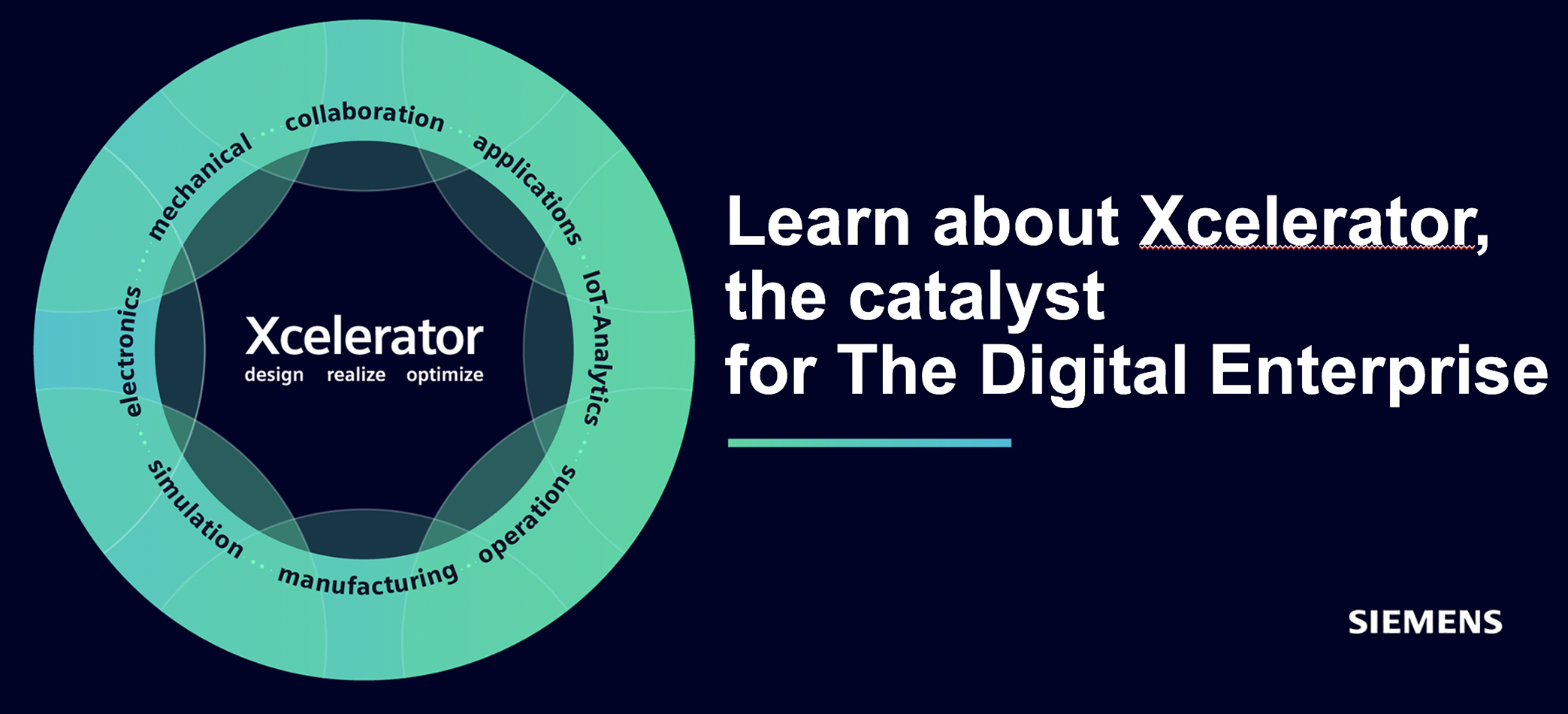
American Defense Giant NORTHROP GRUMMAN Supercharge Digital Transformation with PLM From Siemens Xcelerator
…and at REALIZE Live in Detroit, ADAM SHEPHERD (pictured), NG Fellow at Northrop, talked about how this can revolutionize complex technical processes.
Aerospace & Defense (A&D) is one of Siemens Digital Industries Software's most successful industry areas. In recent years, the company has been performing strongly in the segment with its flagship solutions within the Xcelerator portfolio - such as Teamcenter PLM/PDM, NX CAD, the CAE suite Simcenter, Polarion, Capital (EDA), etc. - and just yesterday announced an extension of an agreement with one of the most powerful players in the military and aerospace sector, Northrop Grumman. In 2024, this American A&D giant's revenue was just over $40 billion and it had around 97,000 employees globally, making the company one of the world's largest weapon manufacturers and suppliers of advanced military equipment. Key products include both piloted and autonomous aircraft systems, weapon systems, missiles and missile defense systems. Not least, the military side is particularly relevant in today's globally troubled climate and Northrop Grumman also develops, for example, military radar, sensors and related products.
Northrop Grumman has had a decade-long partnership with Siemens, where the company’s propulsion systems division, for example, has used Teamcenter PLM/PDM as digital backbone for rocket motors development for the space sector, including CAD management, digital thread and manufacturing applications.
The announced extension of the agreement will expand the use of Siemens solutions within the Xcelerator portfolio to enable data-driven decision-making across the enterprise, sharpen development cycles and accelerate innovation in the design and production of breakthrough defense systems, said Del Costy, CEO of Siemens Digital Industries Software Americas, adding:
“This agreement is a critical step in continuing to support Northrop Grumman’s efforts to create an industry-leading digital engineering ecosystem to accelerate the delivery of next-generation programs.”
He further noted that Northrop Grumman will support its strategic decision-making based on cutting-edge technology and, “a comprehensive digital thread that enables real-time collaboration, rapid development and a digital-first approach.”
Against this backdrop, one of the most interesting presentations yesterday at the Siemens Realize Live event Americas 2025 was by Northrop Grumman’s Adam Shepherd, NG Fellow, who spoke about how the company is working on digital transformation, focusing on how it can revolutionize complex engineering processes.
He also highlighted the company’s remarkable achievements in design and manufacturing through new integrated technologies, including an incredible reduction in engineering rework from 20% to less than 1% and how it was able to first fly the Model 437 Vanguard demo platform after just 27 months. The latter is Northrop Grumman’s technology demonstrator for a Stealth aircraft, designed to among other things demonstrate rapid design techniques as part of the company’s Digital Pathfinder program.
Click on the headline to read more on PLM&ERP News.
Click on the headline to read more on PLM&ERP News.
