
From Green Ambitions to Smart Material Intelligence: Driving Sustainability in Design with ANSYS Granta
ANSYS’ Anne-Laure Chabrillat explores the solutions reshaping how manufacturers make sustainable design decisions.
Up to 80 percent of a product's environmental footprint is locked in before manufacturing even begins. Yet, many manufacturing companies struggle to translate ambitious climate targets into daily engineering workflows. The antidote? Material intelligence. Recently, tools like Ansys Granta MI have been embedded directly into the R&D process, empowering engineers with real-time visibility into carbon footprints and compliance mandates—right on their screens.
Today, many industrial manufacturers boast aggressive corporate climate goals. Far fewer possess the framework to embed them into daily design practices. At the recent PDSFORUM in Gothenburg, simulation and analysis expert Ansys showcased its Granta platform, featuring tools specifically engineered to bridge this gap. Traditionally, when an engineer selects a material at the drawing board, they lack concrete data on how that choice impacts the product's carbon footprint, lifecycle cost, and compliance with upcoming regulations.
The synergy between PTC and Ansys Granta relies on deep integration, enabling engineers to make sustainable, precise material choices directly within the design and lifecycle management process. At the heart of this partnership is the Ansys Granta MI platform, which integrates natively into the PTC ecosystem via its built-in Materials Gateway. Crucially, this creates seamless workflows across CAD and PLM environments—embedding Ansys Granta MI directly into PTC Creo (CAD) and PTC Windchill (PLM) to allow designers to search, select, and assign material properties without ever leaving their primary design environment.
Speaking from the World of Volvo stage in Gothenburg during the PDSVISION Forum, Anne-Laure Chabrillat (pictured), product specialist at Ansys Granta, emphasized that the platform’s ultimate value lies in serving as a single source of truth for materials data. The platform empowers engineers to eliminate the guesswork, errors, and fragmented information that have historically plagued the material selection process. By injecting precise, quality-assured material data straight into the product development lifecycle, the system ensures that virtual simulations mirror real-world physical performance flawlessly. Chabrillat, alongside her Ansys colleague and application engineer Mickaël Capelli, further detailed how this advanced material intelligence is reshaping design decisions for manufacturing companies. As a prime example, they highlighted a European electrical infrastructure manufacturer that slashed its compliance reporting times from weeks down to mere seconds.
Click the headline to read Nicholas Christiansen’s Ansys Granta report on PLM&ERP News.
Up to 80 percent of a product's environmental footprint is locked in before manufacturing even begins. Yet, many manufacturing companies struggle to translate ambitious climate targets into daily engineering workflows. The antidote? Material intelligence. Recently, tools like Ansys Granta MI have been embedded directly into the R&D process, empowering engineers with real-time visibility into carbon footprints and compliance mandates—right on their screens.
Today, many industrial manufacturers boast aggressive corporate climate goals. Far fewer possess the framework to embed them into daily design practices. At the recent PDSFORUM in Gothenburg, simulation and analysis expert Ansys showcased its Granta platform, featuring tools specifically engineered to bridge this gap. Traditionally, when an engineer selects a material at the drawing board, they lack concrete data on how that choice impacts the product's carbon footprint, lifecycle cost, and compliance with upcoming regulations.
The synergy between PTC and Ansys Granta relies on deep integration, enabling engineers to make sustainable, precise material choices directly within the design and lifecycle management process. At the heart of this partnership is the Ansys Granta MI platform, which integrates natively into the PTC ecosystem via its built-in Materials Gateway. Crucially, this creates seamless workflows across CAD and PLM environments—embedding Ansys Granta MI directly into PTC Creo (CAD) and PTC Windchill (PLM) to allow designers to search, select, and assign material properties without ever leaving their primary design environment.
Speaking from the World of Volvo stage in Gothenburg during the PDSVISION Forum, Anne-Laure Chabrillat (pictured), product specialist at Ansys Granta, emphasized that the platform’s ultimate value lies in serving as a single source of truth for materials data. The platform empowers engineers to eliminate the guesswork, errors, and fragmented information that have historically plagued the material selection process. By injecting precise, quality-assured material data straight into the product development lifecycle, the system ensures that virtual simulations mirror real-world physical performance flawlessly. Chabrillat, alongside her Ansys colleague and application engineer Mickaël Capelli, further detailed how this advanced material intelligence is reshaping design decisions for manufacturing companies. As a prime example, they highlighted a European electrical infrastructure manufacturer that slashed its compliance reporting times from weeks down to mere seconds.
Click the headline to read Nicholas Christiansen’s Ansys Granta report on PLM&ERP News.

Why SAP Chief Christian Klein Thinks the AI Race is Misguided
SAP CEO Christian Klein is today's guest columnist for PLM&ERP News.
Is the AI revolution losing touch with operational reality by obsessing over chatbots instead of tackling complex business processes?
To deliver genuine value, AI must be deeply integrated with core data and operations, rather than merely serving up isolated, conversational responses. This is the core message from Christian Klein, CEO of the world-leading enterprise software developer SAP, in his recent guest column for PLM&ERP News.
Today, artificial intelligence threatens to become a superficial race for interface dominance. Klein observes that every week brings fresh headlines about smarter copilots, AI agents, and new orchestration layers designed to automate work across the enterprise. While technical progress is undeniable, a vast portion of the market fails to design solutions that actually align with how businesses operate on the ground.
That distinction is far more important than many realize: Enterprises do not run on prompts; they run on execution.
Klein illustrates this with clear, operational realities:
• Global Supply Chains: When a manufacturer must re-route supplies due to disruption, they need more than an isolated answer. AI must simultaneously evaluate supplier alternatives, inventory availability, customer commitments, and financial trade-offs.
• Financial Forecasting: A CFO looking to forecast cash flow risks in a volatile market requires a depth of context that a basic chatbot interaction simply cannot provide.
Ultimately, interconnected operational decisions shaped by dependencies, preferences, approvals, financial consequences, and compromises create ripple effects in real-time across the entire organization. Klein aghain: "In countless conversations with executives over the past year discussions inevitably pivot from AI’s theoretical capabilities to its actual, practical application. While the underlying models are improving at a breakneck pace, the critical question remains: Does AI truly understand the complex business environments in which it operates?”
”Too often, the current AI narrative assumes that better models automatically translate into better business outcomes. They don’t. Enterprises are discovering that intelligence disconnected from operational context—the processes, data, rules, and policies that govern and protect the organization—can generate activity without driving real progress. In some cases, it can even introduce greater fragmentation and risk,” writes Klein.
Click on the headline to read Christian Klein's full guest Column on PLM&ERP News.
Is the AI revolution losing touch with operational reality by obsessing over chatbots instead of tackling complex business processes?
To deliver genuine value, AI must be deeply integrated with core data and operations, rather than merely serving up isolated, conversational responses. This is the core message from Christian Klein, CEO of the world-leading enterprise software developer SAP, in his recent guest column for PLM&ERP News.
Today, artificial intelligence threatens to become a superficial race for interface dominance. Klein observes that every week brings fresh headlines about smarter copilots, AI agents, and new orchestration layers designed to automate work across the enterprise. While technical progress is undeniable, a vast portion of the market fails to design solutions that actually align with how businesses operate on the ground.
That distinction is far more important than many realize: Enterprises do not run on prompts; they run on execution.
Klein illustrates this with clear, operational realities:
• Global Supply Chains: When a manufacturer must re-route supplies due to disruption, they need more than an isolated answer. AI must simultaneously evaluate supplier alternatives, inventory availability, customer commitments, and financial trade-offs.
• Financial Forecasting: A CFO looking to forecast cash flow risks in a volatile market requires a depth of context that a basic chatbot interaction simply cannot provide.
Ultimately, interconnected operational decisions shaped by dependencies, preferences, approvals, financial consequences, and compromises create ripple effects in real-time across the entire organization. Klein aghain: "In countless conversations with executives over the past year discussions inevitably pivot from AI’s theoretical capabilities to its actual, practical application. While the underlying models are improving at a breakneck pace, the critical question remains: Does AI truly understand the complex business environments in which it operates?”
”Too often, the current AI narrative assumes that better models automatically translate into better business outcomes. They don’t. Enterprises are discovering that intelligence disconnected from operational context—the processes, data, rules, and policies that govern and protect the organization—can generate activity without driving real progress. In some cases, it can even introduce greater fragmentation and risk,” writes Klein.
Click on the headline to read Christian Klein's full guest Column on PLM&ERP News.

SAP-chefen Christian Klein ryter ifrån i dagens gästkrönika på PLM&ERP News: ”AI-kapplöpningen är felriktad”
Missar AI-utvecklingen företagens operativa verklighet genom att fokusera för mycket på chattbotar och för lite på komplexa affärsprocesser? För att skapa verkligt värde måste AI integreras med data och processer, snarare än att bara leverera isolerade svar, menar världsledande affärssystem-utvecklaren SAPs chef, Christian Klein, i dagens gästkrönika på PLM&ERP News.
AI tenderar idag att bli en tävling om gränssnitt, konstaterar han och pekar på en fond präglad av att ”det varje vecka kommer nya rapporter om smartare AI-assistenter, agenter och nya lösningar som ska automatisera arbete i hela verksamheten. Framstegen är odiskutabla. Men en stor del av marknaden missar att utforma sina lösningar efter hur företag faktiskt arbetar.”
Den skillnaden är viktigare än många inser, anser SAP-basen. ”Företag drivs inte av promptar, utan av att få saker att hända på riktigt,” skriver han och exemplifierar: ”En global tillverkare som ska lägga om lagerflödet under en störning i leveranskedjan behöver mer än bara ett enkelt svar. Här måste AI agera mycket mer komplext och utvärdera leverantörsalternativ, lagertillgång, kundåtaganden och finansiella avvägningar. En CFO som vill prognostisera likviditetsrisken i en volatil marknad behöver ett sammanhang som en enkel chattbotsinteraktion inte kan ge. Det handlar om sammanlänkade operativa beslut formade av beroenden, preferenser, godkännanden, finansiella konsekvenser och kompromisser som skapar ringar på vattnet i realtid genom hela verksamheten.”
Hela hanteringen landar i en komplex operativ verklighet. ”I otaliga samtal jag haft med chefer under det senaste året glider diskussionen förr eller senare från AI förmåga till operativ verklighet. Modellerna blir snabbt bättre. Den svårare frågan är om AI verkligen förstår de affärsmiljöer den verkar i,” skriver Klein och tillägger:
”I dag utgår alltför mycket av AI-samtalet från att bättre modeller automatiskt leder till bättre affärsutfall. Det gör de inte. Företag upptäcker att intelligens som är frånkopplad från det operativa sammanhanget, processerna, data, reglerna och policys som styr och skyddar organisationen, kan skapa aktivitet utan att driva verkliga framsteg. I vissa fall kan det till och med skapa mer fragmentering och risk.”
Klicka på rubriken för att läsa hela Christian Kleins gästkrönika på PLM&ERP News.
AI tenderar idag att bli en tävling om gränssnitt, konstaterar han och pekar på en fond präglad av att ”det varje vecka kommer nya rapporter om smartare AI-assistenter, agenter och nya lösningar som ska automatisera arbete i hela verksamheten. Framstegen är odiskutabla. Men en stor del av marknaden missar att utforma sina lösningar efter hur företag faktiskt arbetar.”
Den skillnaden är viktigare än många inser, anser SAP-basen. ”Företag drivs inte av promptar, utan av att få saker att hända på riktigt,” skriver han och exemplifierar: ”En global tillverkare som ska lägga om lagerflödet under en störning i leveranskedjan behöver mer än bara ett enkelt svar. Här måste AI agera mycket mer komplext och utvärdera leverantörsalternativ, lagertillgång, kundåtaganden och finansiella avvägningar. En CFO som vill prognostisera likviditetsrisken i en volatil marknad behöver ett sammanhang som en enkel chattbotsinteraktion inte kan ge. Det handlar om sammanlänkade operativa beslut formade av beroenden, preferenser, godkännanden, finansiella konsekvenser och kompromisser som skapar ringar på vattnet i realtid genom hela verksamheten.”
Hela hanteringen landar i en komplex operativ verklighet. ”I otaliga samtal jag haft med chefer under det senaste året glider diskussionen förr eller senare från AI förmåga till operativ verklighet. Modellerna blir snabbt bättre. Den svårare frågan är om AI verkligen förstår de affärsmiljöer den verkar i,” skriver Klein och tillägger:
”I dag utgår alltför mycket av AI-samtalet från att bättre modeller automatiskt leder till bättre affärsutfall. Det gör de inte. Företag upptäcker att intelligens som är frånkopplad från det operativa sammanhanget, processerna, data, reglerna och policys som styr och skyddar organisationen, kan skapa aktivitet utan att driva verkliga framsteg. I vissa fall kan det till och med skapa mer fragmentering och risk.”
Klicka på rubriken för att läsa hela Christian Kleins gästkrönika på PLM&ERP News.

Automotive Case: From Silos to Solutions – Inside the Haldex Digital PLM Transformation
Powered by PDSVISION and PTC Windchill.
Every time a heavy vehicle brakes on a European motorway, the odds are high that Haldex technology is doing the heavy lifting. The automotive supplier has enjoyed success, generating revenues of around $600 million. A major portion of this revenue revolves around braking systems and air suspension for heavy-duty trucks, buses, and trailers—manufactured in thousands of variants for a global market. Yet, operating in this segment means facing incredibly tight margins, rigorous compliance demands, and ever-increasing product complexity.
Just a few years ago, Haldex grappled with a challenge familiar to many global manufacturers: as the business scaled, critical innovation time was cannibalized by administrative overhead. Change management had evolved into a serious roadblock. To tackle the issue head-on, the company selected PTC Windchill as its central hub and PDSVISION as its strategic implementation partner.
At a recent event hosted by PDSVISION in Gothenburg, PLM&ERP News’ Nicholas Christiansen caught up with Sebastian Quick, SVP of R&D at Haldex, to get a deep dive into the company's transformation journey.
It is worth noting that PDSVISION has seen explosive growth over the last five years, largely due to developing the specialized expertise required to follow their clients on a global scale. Evolving from a localized Nordic player with $30 million in revenue, they have transformed into a global PLM force with operations spanning Europe, North America, India, and Southeast Asia. Today, the company generates approximately $160 billion in revenue, operates in 15 countries, and employs over 500 professionals.
For Haldex, this evolutionary partnership was a perfect fit. The sheer variety of their products across differing markets and vehicle types demanded flawless control over product data, configuration, and change management.
Historically, this was a glaring weak spot. Every individual production facility maintained its own siloed database. Whenever design modifications were made, they demanded manual, time-consuming updates at every single site by separate teams. The overarching process was largely sequential rather than parallel which triggered a domino effect of delays at every turn. The entire modification process relied on a single point of contact at headquarters, manual spreadsheets and scattered email threads.
"We found ourselves navigating isolated islands of product data across various regions and disparate toolchains," explains Sebastian Quick. "Our workflows were sequential rather than parallel, which bottlenecked every phase. On top of that, implementing global changes became a constant struggle."
The fallout from this fragmentation was severe: the exact same blueprint frequently existed in multiple versions across different manufacturing facilities, leaving no one with a clear, holistic overview. With thousands of product variants dispersed across several continents, the urgent need for a seamlessly connected PLM ecosystem became undeniable. What was the problem?
Click on the headline to read more on PLM&ERP News.
Every time a heavy vehicle brakes on a European motorway, the odds are high that Haldex technology is doing the heavy lifting. The automotive supplier has enjoyed success, generating revenues of around $600 million. A major portion of this revenue revolves around braking systems and air suspension for heavy-duty trucks, buses, and trailers—manufactured in thousands of variants for a global market. Yet, operating in this segment means facing incredibly tight margins, rigorous compliance demands, and ever-increasing product complexity.
Just a few years ago, Haldex grappled with a challenge familiar to many global manufacturers: as the business scaled, critical innovation time was cannibalized by administrative overhead. Change management had evolved into a serious roadblock. To tackle the issue head-on, the company selected PTC Windchill as its central hub and PDSVISION as its strategic implementation partner.
At a recent event hosted by PDSVISION in Gothenburg, PLM&ERP News’ Nicholas Christiansen caught up with Sebastian Quick, SVP of R&D at Haldex, to get a deep dive into the company's transformation journey.
It is worth noting that PDSVISION has seen explosive growth over the last five years, largely due to developing the specialized expertise required to follow their clients on a global scale. Evolving from a localized Nordic player with $30 million in revenue, they have transformed into a global PLM force with operations spanning Europe, North America, India, and Southeast Asia. Today, the company generates approximately $160 billion in revenue, operates in 15 countries, and employs over 500 professionals.
For Haldex, this evolutionary partnership was a perfect fit. The sheer variety of their products across differing markets and vehicle types demanded flawless control over product data, configuration, and change management.
Historically, this was a glaring weak spot. Every individual production facility maintained its own siloed database. Whenever design modifications were made, they demanded manual, time-consuming updates at every single site by separate teams. The overarching process was largely sequential rather than parallel which triggered a domino effect of delays at every turn. The entire modification process relied on a single point of contact at headquarters, manual spreadsheets and scattered email threads.
"We found ourselves navigating isolated islands of product data across various regions and disparate toolchains," explains Sebastian Quick. "Our workflows were sequential rather than parallel, which bottlenecked every phase. On top of that, implementing global changes became a constant struggle."
The fallout from this fragmentation was severe: the exact same blueprint frequently existed in multiple versions across different manufacturing facilities, leaving no one with a clear, holistic overview. With thousands of product variants dispersed across several continents, the urgent need for a seamlessly connected PLM ecosystem became undeniable. What was the problem?
Click on the headline to read more on PLM&ERP News.
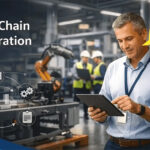
”Operation DIGIMAT” – En milstolpe när norska FÖRSVARET DIGITALISERAR materialdatahanteringen med ShareAspace…
…en mjukvara utvecklad av BAE Systems-ägda Eurostep.
Den svenskutvecklade mjukvaran ShareAspace spelar en nyckelroll i den molnplattform, DIGIMAT, som den norska försvarsmaterielorganisationen NDMA (The Norwegian Defence Materiel Agency) nyligen har lanserat. Plattformen är utvecklad av Eurostep, som sedan 2023 är en del av BAE Systems Digital Intelligence.
I maj gick NDMAs nya plattform DIGIMAT live. I pressmaterialet beskrivs lösningen som ”en säker, molnbaserad plattform utformad för att modernisera hur materieldata samlas in, valideras och hanteras genom hela Norges leverantörskedja för försvaret”. Med stöd av Eurosteps ShareAspace innebär lanseringen en stor milstolpe i NDMAs långsiktiga digitala transformation av försvarslogistiken.
”DIGIMAT är mer än bara en teknikplattform. Det är en strategisk möjliggörare för hur vi samarbetar, fattar beslut och upprätthåller vår operativa beredskap. Våra förväntningar är tydliga: ett enhetligt och tillförlitligt flöde av materieldata genom hela vår försörjningskedja. Genom att förenkla för våra leverantörer att interagera med oss och genom att etablera en enda sanningskälla, lägger vi grunden för en snabbare, smartare och mer robust logistik,” säger Dag Øyvind Hagen, biträdande direktör på NDMA.
I sin kärna erbjuder DIGIMAT en enhetlig och säker miljö för samarbete mellan NDMA och dess leverantörer. Lösningen bygger alltså på ShareAspace – Eurosteps beprövade plattform för standards-baserad datadelning. Den gör det möjligt för NDMA att behålla full kontroll över kritisk information, samtidigt som den säkerställer tillgänglighet för rätt intressenter närhelst det behövs. Eurosteps ShareAspace utmärker sig inom insamling och hantering av materialdata genom att fungera som ett säkert och leverantörsneutralt samarbetslager. Plattformen standardiserar ostrukturerad leverantörsdata, säkerställer strikt efterlevnad och IP-skydd, och skapar en enda spårbar sanningskälla, utan att störa befintliga PDM-, PLM- eller ERP-system.
Plattformen sticker ut inom material- och produktdatahantering tack vare flera centrala fördelar, som dess grund i standards-baserad interoperabilitet (ISO, STEP AP242, PLCS), automatiserad datavalidering, granulärt IP-skydd, end-to-end-spårbarhet, och mer.
Simon Pettersson, Defence Industry Vertical Director på Eurostep, säger i en kommentar:
“ShareAspace har varit en nyckelfaktor i DIGIMAT för att kunna upprätthålla kontrollen över kritisk information och samtidigt möjliggöra säkert samarbete genom komplexa leveranskedjor inom försvarssektorn. Genom att möjliggöra säker och effektiv delning av tillförlitlig data med rätt kontrollnivåer stärks den operativa tillgängligheten för Norges försvarsmateriel.”
Klicka på rubriken för att läsa mer på PLM&ERP News.
Den svenskutvecklade mjukvaran ShareAspace spelar en nyckelroll i den molnplattform, DIGIMAT, som den norska försvarsmaterielorganisationen NDMA (The Norwegian Defence Materiel Agency) nyligen har lanserat. Plattformen är utvecklad av Eurostep, som sedan 2023 är en del av BAE Systems Digital Intelligence.
I maj gick NDMAs nya plattform DIGIMAT live. I pressmaterialet beskrivs lösningen som ”en säker, molnbaserad plattform utformad för att modernisera hur materieldata samlas in, valideras och hanteras genom hela Norges leverantörskedja för försvaret”. Med stöd av Eurosteps ShareAspace innebär lanseringen en stor milstolpe i NDMAs långsiktiga digitala transformation av försvarslogistiken.
”DIGIMAT är mer än bara en teknikplattform. Det är en strategisk möjliggörare för hur vi samarbetar, fattar beslut och upprätthåller vår operativa beredskap. Våra förväntningar är tydliga: ett enhetligt och tillförlitligt flöde av materieldata genom hela vår försörjningskedja. Genom att förenkla för våra leverantörer att interagera med oss och genom att etablera en enda sanningskälla, lägger vi grunden för en snabbare, smartare och mer robust logistik,” säger Dag Øyvind Hagen, biträdande direktör på NDMA.
I sin kärna erbjuder DIGIMAT en enhetlig och säker miljö för samarbete mellan NDMA och dess leverantörer. Lösningen bygger alltså på ShareAspace – Eurosteps beprövade plattform för standards-baserad datadelning. Den gör det möjligt för NDMA att behålla full kontroll över kritisk information, samtidigt som den säkerställer tillgänglighet för rätt intressenter närhelst det behövs. Eurosteps ShareAspace utmärker sig inom insamling och hantering av materialdata genom att fungera som ett säkert och leverantörsneutralt samarbetslager. Plattformen standardiserar ostrukturerad leverantörsdata, säkerställer strikt efterlevnad och IP-skydd, och skapar en enda spårbar sanningskälla, utan att störa befintliga PDM-, PLM- eller ERP-system.
Plattformen sticker ut inom material- och produktdatahantering tack vare flera centrala fördelar, som dess grund i standards-baserad interoperabilitet (ISO, STEP AP242, PLCS), automatiserad datavalidering, granulärt IP-skydd, end-to-end-spårbarhet, och mer.
Simon Pettersson, Defence Industry Vertical Director på Eurostep, säger i en kommentar:
“ShareAspace har varit en nyckelfaktor i DIGIMAT för att kunna upprätthålla kontrollen över kritisk information och samtidigt möjliggöra säkert samarbete genom komplexa leveranskedjor inom försvarssektorn. Genom att möjliggöra säker och effektiv delning av tillförlitlig data med rätt kontrollnivåer stärks den operativa tillgängligheten för Norges försvarsmateriel.”
Klicka på rubriken för att läsa mer på PLM&ERP News.

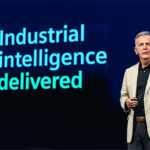
Digitally Explosive: How Siemens Intelligence Center X is Forging the Future of Product Realization
Tony HEMMELGARN, Siemens’ PLM Boss: ”Moving from experimentation to industrial AI orchestration and scaling.”
Siemens Digital Industries Software is rapidly cementing its position as the market leader in industrial AI. Arguably, no other competitor has moved as fast in pioneering the convergence of AI, connected PLM, and smart manufacturing solutions.
When Tony Hemmelgarn, CEO of Siemens Digital Industries Software, took the stage at the company’s flagship event, Realize LIVE 2026 in Detroit, the energy among the 3,000 attendees was palpable. His keynote on 'Industrial Intelligence' delivered a powerful message: his team is currently deploying disruptive digital solutions that could redefine both product realization and further extend Siemens' market lead.
But how does Siemens define Industrial Intelligence? It is the intersection of the comprehensive digital twin, lifecycle intelligence, and adaptive execution. Translating this ecosystem into actionable enterprise solutions will be a game-changer, Hemmelgarn noted:
"The future of technology and manufacturing belongs to companies that learn, predict, and optimize products before they are ever built—leveraging physics, AI, and real-world data."
While the vision is grand, Siemens backs it up with substance rather than mere corporate rhetoric. The concrete proof of this ambition is the newly unveiled Intelligence Center X. Hemmelgarn’s introduction of the platform in Detroit clearly struck a chord with the audience.
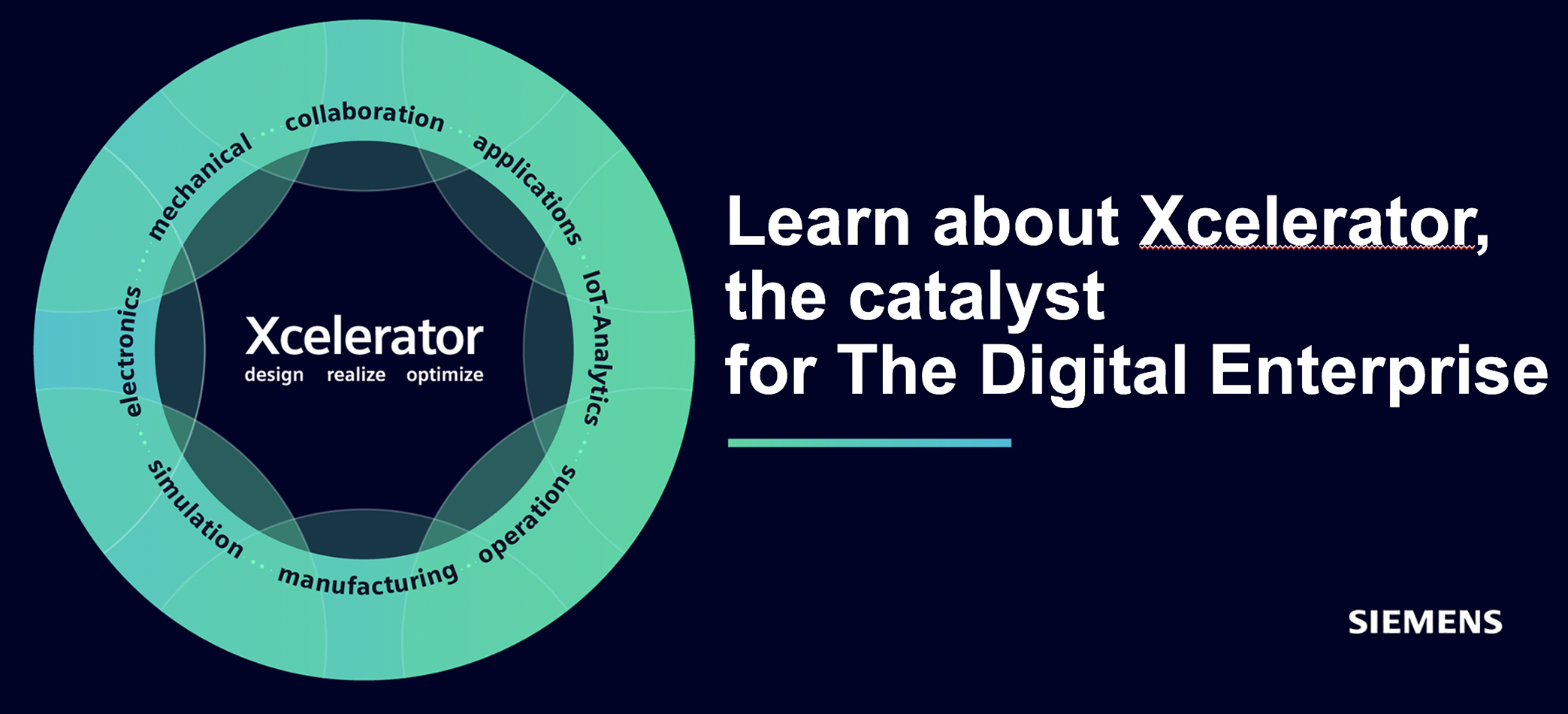
"It's a new software for industrial AI orchestration, helping organizations move from isolated experiments to scalable business impact," says Siemens PLM boss. ”As part of Siemens Xcelerator, the platform combines Mendix—the low-code engine—with Graph Studio and AI Studio from the RapidMiner portfolio. This allows humans and AI agents to collaborate seamlessly within a hybrid workforce, featuring shared context, coordinated workflows, and complete traceability.”
This system also proves that last year's $10.6 billion acquisition of Altair Engineering is already paying dividends. Siemens’ digital edge is increasingly defined by Altair’s HPC, simulation, and analysis capabilities, combined with the power of the NVIDIA partnership. All of this innovation is directed by Tony Hemmelgarn, who has emerged as a leading visionary in the PLM industry.
To read the full report on Hemmelgarn—and to see what Zandra Nilsson, Siemens' Nordic manager, has to say about the platform—click here to read the full article on PLM&ERP News.
Siemens Digital Industries Software is rapidly cementing its position as the market leader in industrial AI. Arguably, no other competitor has moved as fast in pioneering the convergence of AI, connected PLM, and smart manufacturing solutions.
When Tony Hemmelgarn, CEO of Siemens Digital Industries Software, took the stage at the company’s flagship event, Realize LIVE 2026 in Detroit, the energy among the 3,000 attendees was palpable. His keynote on 'Industrial Intelligence' delivered a powerful message: his team is currently deploying disruptive digital solutions that could redefine both product realization and further extend Siemens' market lead.
But how does Siemens define Industrial Intelligence? It is the intersection of the comprehensive digital twin, lifecycle intelligence, and adaptive execution. Translating this ecosystem into actionable enterprise solutions will be a game-changer, Hemmelgarn noted:
"The future of technology and manufacturing belongs to companies that learn, predict, and optimize products before they are ever built—leveraging physics, AI, and real-world data."
While the vision is grand, Siemens backs it up with substance rather than mere corporate rhetoric. The concrete proof of this ambition is the newly unveiled Intelligence Center X. Hemmelgarn’s introduction of the platform in Detroit clearly struck a chord with the audience.
"It's a new software for industrial AI orchestration, helping organizations move from isolated experiments to scalable business impact," says Siemens PLM boss. ”As part of Siemens Xcelerator, the platform combines Mendix—the low-code engine—with Graph Studio and AI Studio from the RapidMiner portfolio. This allows humans and AI agents to collaborate seamlessly within a hybrid workforce, featuring shared context, coordinated workflows, and complete traceability.”
This system also proves that last year's $10.6 billion acquisition of Altair Engineering is already paying dividends. Siemens’ digital edge is increasingly defined by Altair’s HPC, simulation, and analysis capabilities, combined with the power of the NVIDIA partnership. All of this innovation is directed by Tony Hemmelgarn, who has emerged as a leading visionary in the PLM industry.
To read the full report on Hemmelgarn—and to see what Zandra Nilsson, Siemens' Nordic manager, has to say about the platform—click here to read the full article on PLM&ERP News.
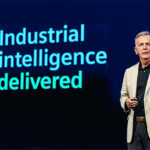
Digital sprängkraft: Så stöper Siemens nya (AI) Intelligence Center X om framtidens produktframtagning
TONY HEMMELGARN, Siemens PLM-bas: ”Från experiment till industriell AI-orkestrering och skalning.”
Siemens Digital Industries Software framstår allt tydligare som den ledande aktören inom industriell AI och PLM relaterat till produktframtagning; alltså inkluderande både produktutveckling och tillverkning. Inget bolag har kommit längre i utvecklingen av AI, sammankopplad PLM, och lösningar för smart tillverkning. Och när PLM-divisionens ledare, Tony Hemmelgarn, i veckan intog scenen under bolagets flaggskepps-event, Realize LIVE 2026 i amerikanska Detroit, var det väl få av de drygt 3000 deltagarna i Siemens communityn på plats, som tvivlade på detta sakernas tillstånd.
Det han hade att säga om årets centrala eventtema, Industriell Intelligens, var inga småsaker. Det hans team just nu utvecklar är digitalt sprängstoff som på ett dramatiskt vis kommer att stöpa om inte bara sättet man arbetar med produktframtagning inom tillverkningsindustri och liknande, utan också de kommersiella möjligheterna att utöka det försprång man tillskansat sig de senaste åren.
Men vad definierar Industriell Intelligens? I Siemens tappning är det konvergensen av den omfattande digitala tvillingen, livscykelintelligens och adaptiv exekvering. Denna integrerade ”kunskapskropp” och dess omsättning i praktiskt tillämpbara lösningar som detta banar väg för kommer att göra en enorm skillnad, menade Hemmelgarn:
”Framtiden för teknik och tillverkning handlar om företag som lär sig, förutspår och optimerar något innan det byggs, baserat på fysik, AI och verkliga data.”
Det låter ståtligt, men handlar i Siemens regi långt ifrån bara om vackra formuleringar och snygga powerpoints. Konkretion är en huvudpoäng och det tydligaste uttrycket för dessa ambitioner är nya Intelligence Center X. Hemmelgarn introducerade konceptet i Detroit och entusiasmen var påtaglig.
”Det är en ny mjukvara för industriell AI-orkestrering, som hjälper organisationer att gå från isolerade experiment till skalbar affärspåverkan. Som en del av Siemens Xcelerator kombinerar den Mendix––lågkodsplattformen–med Graph Studio och AI Studio från Rapidminer-portföljen, så att människor och AI-agenter kan arbeta tillsammans som en hybrid arbetsstyrka med delat sammanhang, koordinerade arbetsflöden och fullständig spårbarhet,” sa Siemens PLM-bas.
En spännande koppling i detta är att AI och värden deriverade ur Rapidminer-plattformen i sammanhanget ytterligare bevisar hur det spektakulära fjolårsköpet av Altair Engineering, över 10 miljarder dollar kostade kalaset, redan börjat betala sig. Sett till den digitala spets Siemens fått i sin industriella AI-utveckling har få komponenter betytt, och kommer att betyda, lika mycket som Altairs AI-, HPC-, simulerings- & analys-kapabiliteter och det som NVIDIA-partnerskapet tillfört, vid sidan av det Siemens redan hade. Allt i regi av Tony Hemmelgarn, som idag framstår som PLM-branschen nye ledande visionär.
Men det fanns mer: Hemmelgarn beskrev Siemens AI-strategi i tre sammansatta lager. Vad handlade det om?
Klicka på rubriken för att läsa mer på PLM&ERP News om Hemmelgarns diskussion kring Intelligence Center X och om bolagets Norden-chef Zandra Nilssons syn på saken.
Siemens Digital Industries Software framstår allt tydligare som den ledande aktören inom industriell AI och PLM relaterat till produktframtagning; alltså inkluderande både produktutveckling och tillverkning. Inget bolag har kommit längre i utvecklingen av AI, sammankopplad PLM, och lösningar för smart tillverkning. Och när PLM-divisionens ledare, Tony Hemmelgarn, i veckan intog scenen under bolagets flaggskepps-event, Realize LIVE 2026 i amerikanska Detroit, var det väl få av de drygt 3000 deltagarna i Siemens communityn på plats, som tvivlade på detta sakernas tillstånd.
Det han hade att säga om årets centrala eventtema, Industriell Intelligens, var inga småsaker. Det hans team just nu utvecklar är digitalt sprängstoff som på ett dramatiskt vis kommer att stöpa om inte bara sättet man arbetar med produktframtagning inom tillverkningsindustri och liknande, utan också de kommersiella möjligheterna att utöka det försprång man tillskansat sig de senaste åren.
Men vad definierar Industriell Intelligens? I Siemens tappning är det konvergensen av den omfattande digitala tvillingen, livscykelintelligens och adaptiv exekvering. Denna integrerade ”kunskapskropp” och dess omsättning i praktiskt tillämpbara lösningar som detta banar väg för kommer att göra en enorm skillnad, menade Hemmelgarn:
”Framtiden för teknik och tillverkning handlar om företag som lär sig, förutspår och optimerar något innan det byggs, baserat på fysik, AI och verkliga data.”
Det låter ståtligt, men handlar i Siemens regi långt ifrån bara om vackra formuleringar och snygga powerpoints. Konkretion är en huvudpoäng och det tydligaste uttrycket för dessa ambitioner är nya Intelligence Center X. Hemmelgarn introducerade konceptet i Detroit och entusiasmen var påtaglig.
”Det är en ny mjukvara för industriell AI-orkestrering, som hjälper organisationer att gå från isolerade experiment till skalbar affärspåverkan. Som en del av Siemens Xcelerator kombinerar den Mendix––lågkodsplattformen–med Graph Studio och AI Studio från Rapidminer-portföljen, så att människor och AI-agenter kan arbeta tillsammans som en hybrid arbetsstyrka med delat sammanhang, koordinerade arbetsflöden och fullständig spårbarhet,” sa Siemens PLM-bas.
En spännande koppling i detta är att AI och värden deriverade ur Rapidminer-plattformen i sammanhanget ytterligare bevisar hur det spektakulära fjolårsköpet av Altair Engineering, över 10 miljarder dollar kostade kalaset, redan börjat betala sig. Sett till den digitala spets Siemens fått i sin industriella AI-utveckling har få komponenter betytt, och kommer att betyda, lika mycket som Altairs AI-, HPC-, simulerings- & analys-kapabiliteter och det som NVIDIA-partnerskapet tillfört, vid sidan av det Siemens redan hade. Allt i regi av Tony Hemmelgarn, som idag framstår som PLM-branschen nye ledande visionär.
Men det fanns mer: Hemmelgarn beskrev Siemens AI-strategi i tre sammansatta lager. Vad handlade det om?
Klicka på rubriken för att läsa mer på PLM&ERP News om Hemmelgarns diskussion kring Intelligence Center X och om bolagets Norden-chef Zandra Nilssons syn på saken.

Handshake Worth Billions: TCS Takes Over SKF’s Global IT and Lays the Foundation for...
"The coming decade of industrial manufacturing will be defined by how deeply companies integrate AI into design, production, and service delivery," notes SKF CEO Rickard Gustafson.
To lead this transformation, SKF has signed a strategic global agreement with IT consultant Tata Consultrancy Services (TCS) to drive the AI transformation of its operations. The deal entails TCS taking over the operation of SKF's global IT infrastructure—encompassing business systems, data security, and connectivity—across 130 countries. The overarching goal is to modernize the technology landscape, standardize workflows, and build a robust AI foundation for the entire group.
This decision is particularly intriguing given SKF's recent, highly active approach to IT. The company has already initiated a massive cloud migration and upgrade of its SAP S/4HANA Cloud system via ’RISE with SAP.´ This effort is designed to unify global operations on a single real-time platform, allowing SKF to integrate embedded AI and machine learning to streamline financial and order-processing workflows.
For TCS, this agreement represents a major milestone. While financial details remain undisclosed, industry analysts estimate the contract to be worth several hundred million dollars. It is a substantial investment, but one that will enable SKF to build a future-proof digital organization.
"The coming decade in industrial manufacturing will be defined by how deeply companies integrate AI into their design, production, and service delivery. SKF intends to lead that transformation,” he says, adding: ”With TCS as our partner, we are not just modernizing our technology; we are also building the operational and AI foundations that will set new standards for precision and customer value in our industry. This is a long-term commitment between two companies that share a clear vision for the future of industrial manufacturing."
TCS CEO K. Krithivasan agrees: "Our partnership will modernize their global IT environment and build a robust, scalable digital foundation for the future. Together, we are using data-driven intelligence and AI to create a nimble organization capable of adapting quickly to technological shifts. This collaboration reflects our shared commitment to making SKF an industry-leading, AI-driven manufacturer."
Behind the scenes, however, SKF's current industrial IT ecosystem remains a fragmented mix. In product development, the company relies primarily on PTC's Creo for CAD design and Windchill for managing e-BOMs (engineering Bills of Materials). Manufacturing operations introduce further variety: Siemens NX handles CAM design and processes, while the Gothenburg facility utilizes Siemens Teamcenter. Meanwhile, SAP serves as the overarching ERP backbone.
Click on the headline to read the full article on PLM&ERP News.
To lead this transformation, SKF has signed a strategic global agreement with IT consultant Tata Consultrancy Services (TCS) to drive the AI transformation of its operations. The deal entails TCS taking over the operation of SKF's global IT infrastructure—encompassing business systems, data security, and connectivity—across 130 countries. The overarching goal is to modernize the technology landscape, standardize workflows, and build a robust AI foundation for the entire group.
This decision is particularly intriguing given SKF's recent, highly active approach to IT. The company has already initiated a massive cloud migration and upgrade of its SAP S/4HANA Cloud system via ’RISE with SAP.´ This effort is designed to unify global operations on a single real-time platform, allowing SKF to integrate embedded AI and machine learning to streamline financial and order-processing workflows.
For TCS, this agreement represents a major milestone. While financial details remain undisclosed, industry analysts estimate the contract to be worth several hundred million dollars. It is a substantial investment, but one that will enable SKF to build a future-proof digital organization.
"The coming decade in industrial manufacturing will be defined by how deeply companies integrate AI into their design, production, and service delivery. SKF intends to lead that transformation,” he says, adding: ”With TCS as our partner, we are not just modernizing our technology; we are also building the operational and AI foundations that will set new standards for precision and customer value in our industry. This is a long-term commitment between two companies that share a clear vision for the future of industrial manufacturing."
TCS CEO K. Krithivasan agrees: "Our partnership will modernize their global IT environment and build a robust, scalable digital foundation for the future. Together, we are using data-driven intelligence and AI to create a nimble organization capable of adapting quickly to technological shifts. This collaboration reflects our shared commitment to making SKF an industry-leading, AI-driven manufacturer."
Behind the scenes, however, SKF's current industrial IT ecosystem remains a fragmented mix. In product development, the company relies primarily on PTC's Creo for CAD design and Windchill for managing e-BOMs (engineering Bills of Materials). Manufacturing operations introduce further variety: Siemens NX handles CAM design and processes, while the Gothenburg facility utilizes Siemens Teamcenter. Meanwhile, SAP serves as the overarching ERP backbone.
Click on the headline to read the full article on PLM&ERP News.
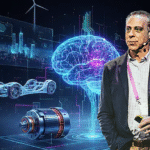
Meet PTC’s CAD Boss, Brian Thompson: ”AI is Mostly Hype Today—But the Next Wave...
PDSVISION Forum 2026 REPORT. Having led PTC’s Creo CAD business for eleven years, Brian Thompson is one of the most prominent figures in the high-end CAD market. As General Manager of PTC’s flagship CAD, Creo, he belongs to a rare breed of technology executives who possess deep market insight and never shy away from speaking their minds—even when challenging industry rhetoric.
PLM&ERP News’ Nicholas Christiansen met Thompson during PDSFORUM in Gothenburg, the premier annual user event hosted by leading global PTC VAR partner PDSVISION. From the main stage, Thompson discussed PTC’s market position, integration strategy, the true impact of AI, and the fierce rivalry among the high-end market’s "Big Three." In this segment, the dominant trio—Dassault Systèmes (CATIA), Siemens Digital Industries Software (NX), and PTC (Creo)—consistently battle for market shares.
As PLM&ERP News previously reported, PTC is currently making strategic moves on several fronts. The company recently divested its IoT business and certain manufacturing-related segments to sharpen focus on its core portfolio: Creo, Windchill, and Codebeamer. Additionally, it has invested heavily in AI integration across both its CAD and PLM offerings.
Within this framework, Thompson’s role is to lead what remains PTC's largest revenue generator: the Creo CAD platform. PTC does not publicly break out exact annual revenue percentages specifically for Creo CAD. However, financial disclosures and market reports indicate that Creo accounts for roughly $800 million of PTC's total annual revenue. Given PTC's fiscal year revenues (which sit around $2.74 billion), this puts Creo at approximately 30% of the total revenue.
"It is clear that with such a significant revenue share, much of PTC revolves around Creo, as well as the Windchill PLM platform. They form the core of our strength, and our strategy centers on deepening customer relationships for both products. They are the blueprint for how two systems should be integrated within PTC's solution ecosystem, and we ensure that the rest of our portfolio connects with that same level of depth," says Brian Thompson, who—unsurprisingly—points to AI as the next major leap for the CAD sector.
“That’s right, but we’re not there yet. Today, AI is still largely hype, and the road ahead is still long. However, what is actually starting to deliver value is giving users contextually relevant guidance on how to best use the tools directly in the workflow. AI does not replace what Creo can do; instead, it highlights how Creo can help the user do exactly what they are doing in a way that would take a long time to research on their own. It is a huge boost in user productivity and in the quality of what engineers create,” states PTC’s CAD manager. Meet him in today’s interview from PDSFORUM.
Click on the headline to read more on PLM&ERP News.
PLM&ERP News’ Nicholas Christiansen met Thompson during PDSFORUM in Gothenburg, the premier annual user event hosted by leading global PTC VAR partner PDSVISION. From the main stage, Thompson discussed PTC’s market position, integration strategy, the true impact of AI, and the fierce rivalry among the high-end market’s "Big Three." In this segment, the dominant trio—Dassault Systèmes (CATIA), Siemens Digital Industries Software (NX), and PTC (Creo)—consistently battle for market shares.
As PLM&ERP News previously reported, PTC is currently making strategic moves on several fronts. The company recently divested its IoT business and certain manufacturing-related segments to sharpen focus on its core portfolio: Creo, Windchill, and Codebeamer. Additionally, it has invested heavily in AI integration across both its CAD and PLM offerings.
Within this framework, Thompson’s role is to lead what remains PTC's largest revenue generator: the Creo CAD platform. PTC does not publicly break out exact annual revenue percentages specifically for Creo CAD. However, financial disclosures and market reports indicate that Creo accounts for roughly $800 million of PTC's total annual revenue. Given PTC's fiscal year revenues (which sit around $2.74 billion), this puts Creo at approximately 30% of the total revenue.
"It is clear that with such a significant revenue share, much of PTC revolves around Creo, as well as the Windchill PLM platform. They form the core of our strength, and our strategy centers on deepening customer relationships for both products. They are the blueprint for how two systems should be integrated within PTC's solution ecosystem, and we ensure that the rest of our portfolio connects with that same level of depth," says Brian Thompson, who—unsurprisingly—points to AI as the next major leap for the CAD sector.
“That’s right, but we’re not there yet. Today, AI is still largely hype, and the road ahead is still long. However, what is actually starting to deliver value is giving users contextually relevant guidance on how to best use the tools directly in the workflow. AI does not replace what Creo can do; instead, it highlights how Creo can help the user do exactly what they are doing in a way that would take a long time to research on their own. It is a huge boost in user productivity and in the quality of what engineers create,” states PTC’s CAD manager. Meet him in today’s interview from PDSFORUM.
Click on the headline to read more on PLM&ERP News.

Hon skalar upp AI från ”DIGITALT DAMM” till REAL PRODUKTION: Möt Siemens PLM Nordics...
Så ska ZANDRA NILSSON ta grepp om AI i de nordiska kundföretagen.
Vem kommer att vinna slaget om industriell AI – med den typ av lösning som överskrider digitalt damm och slagord för att leverera konkret produktdesign, fysisk produktion och kraftfulla effektivitetsvinster? Det är en av dagens mest centrala frågor. Utmaningarna slutar dock inte där, då nya banbrytande teknologier stärker sitt grepp om PLM-industrin. Elektrifiering, elektronik och mjukvarans växande betydelse är alla avgörande faktorer i spelet om framtiden.
Att i detta läge ta rodret för en av Nordens viktigaste leverantörer av PLM är ingen liten utmaning. Fråga Zandra Nilsson, VP och chef för Siemens Digital Industries Software Nordics and Baltics. Hon vet.
Efter att ha tillbringat drygt ett år för att ta sig förbi hindren på resan i detta krävande landskap har Nilsson skapat en ledningsgrupp som kombinerar domänexpertis med nya perspektiv. Det är en nyckelfaktor framöver, säger hon: "Ja, vi behöver ledare som kan styra oss genom den AI-era vi nu står inför. Detta kräver individer som förstår våra kunders branscher, men som också utmanar oss som har varit med länge att tänka i nya banor."
Nilsson hävdar att Siemens utmärker sig specifikt när det gäller industriell AI: "När jag tillträdde tillkännagavs förvärven av Altair och Dotmatics, vilket accelererade Siemens AI-drivna innovation inom life science, process och diskret tillverkning. Altair breddade vår simuleringsportfölj – vilket gjorde oss till en ledare inom nästan alla discipliner – men det stärkte också vår AI-position med helt nya funktioner. Genom att kombinera detta med vår befintliga Mendix-plattform för agentisk utveckling kan vi nu leverera skalbar och agentisk AI i en pålitlig, säker och kontrollerad miljö."
Det här är onekligen nödvändiga förbättringar i kampen om AI-marknaden, som hittills inte varit någon söndagspromenad. Enligt analytiker har misslyckandegraden i att leverera förväntat tekniskt värde legat mellan 80–85 %. Dessutom har MIT-studier visat ett stort antal generativa AI-pilotprojekt som misslyckas med att skapa mätbara ROI:er. Samtidigt förutspådde Gartner nyligen att 60 % av alla AI-projekt som saknar korrekt datastruktur kommer att överges.
Är detta, som Gartners Frank Ridder föreslår, en fråga om en "AI-värdekris”? Nja, ingenting inom PLM är enkelt från början; historiskt sett kan det ta år upp till ett decennium innan nya, komplexa teknologier blir tillämpbara modeller. AI är inget undantag. År 2026 handlar kampen om industriell AI inte längre bara om att ha den bästa modellen, utan också om att kontextualisera data och länka den direkt till produktutvecklingens värdekedja, och i förlängningen till fysisk produktion: "Skalning genom kontext, inte kod."
Genom sitt helhetsgrepp och sitt senaste initiativ "Industriell AI" har Siemens en konkurrensfördel. Hur då? Läs hela dagens djupintervju på PLM&ERP News.
Vem kommer att vinna slaget om industriell AI – med den typ av lösning som överskrider digitalt damm och slagord för att leverera konkret produktdesign, fysisk produktion och kraftfulla effektivitetsvinster? Det är en av dagens mest centrala frågor. Utmaningarna slutar dock inte där, då nya banbrytande teknologier stärker sitt grepp om PLM-industrin. Elektrifiering, elektronik och mjukvarans växande betydelse är alla avgörande faktorer i spelet om framtiden.
Att i detta läge ta rodret för en av Nordens viktigaste leverantörer av PLM är ingen liten utmaning. Fråga Zandra Nilsson, VP och chef för Siemens Digital Industries Software Nordics and Baltics. Hon vet.
Efter att ha tillbringat drygt ett år för att ta sig förbi hindren på resan i detta krävande landskap har Nilsson skapat en ledningsgrupp som kombinerar domänexpertis med nya perspektiv. Det är en nyckelfaktor framöver, säger hon: "Ja, vi behöver ledare som kan styra oss genom den AI-era vi nu står inför. Detta kräver individer som förstår våra kunders branscher, men som också utmanar oss som har varit med länge att tänka i nya banor."
Nilsson hävdar att Siemens utmärker sig specifikt när det gäller industriell AI: "När jag tillträdde tillkännagavs förvärven av Altair och Dotmatics, vilket accelererade Siemens AI-drivna innovation inom life science, process och diskret tillverkning. Altair breddade vår simuleringsportfölj – vilket gjorde oss till en ledare inom nästan alla discipliner – men det stärkte också vår AI-position med helt nya funktioner. Genom att kombinera detta med vår befintliga Mendix-plattform för agentisk utveckling kan vi nu leverera skalbar och agentisk AI i en pålitlig, säker och kontrollerad miljö."
Det här är onekligen nödvändiga förbättringar i kampen om AI-marknaden, som hittills inte varit någon söndagspromenad. Enligt analytiker har misslyckandegraden i att leverera förväntat tekniskt värde legat mellan 80–85 %. Dessutom har MIT-studier visat ett stort antal generativa AI-pilotprojekt som misslyckas med att skapa mätbara ROI:er. Samtidigt förutspådde Gartner nyligen att 60 % av alla AI-projekt som saknar korrekt datastruktur kommer att överges.
Är detta, som Gartners Frank Ridder föreslår, en fråga om en "AI-värdekris”? Nja, ingenting inom PLM är enkelt från början; historiskt sett kan det ta år upp till ett decennium innan nya, komplexa teknologier blir tillämpbara modeller. AI är inget undantag. År 2026 handlar kampen om industriell AI inte längre bara om att ha den bästa modellen, utan också om att kontextualisera data och länka den direkt till produktutvecklingens värdekedja, och i förlängningen till fysisk produktion: "Skalning genom kontext, inte kod."
Genom sitt helhetsgrepp och sitt senaste initiativ "Industriell AI" har Siemens en konkurrensfördel. Hur då? Läs hela dagens djupintervju på PLM&ERP News.