



Driving the Digital Future: BMW Standardizes Requirements on PTC’s Codebeamer to Power AI Engineering
PTC’s Robert Dahdah, CRO, on why BMW's new investment Codebeamer is a robust foundation for integrated mechatronics and AI-driven engineering.
In retrospect, PTC’s $280 million acquisition of the German ALM developer Intland and its flagship software, Codebeamer, in 2022 stands as one of the company’s most astute investments. The timing was impeccable: PTC’s legacy solution, Integrity, was beginning to show its age, just as the Software-Defined Vehicle (SDV) revolution was gaining massive momentum.
Leveraging its German roots, Codebeamer had already begun embedding itself within the nation's automotive giants—counting the Volkswagen Group among its early high-profile clients. This set the stage for last week’s major industry breakthrough: the announcement that BMW is launching a group-wide rollout of Codebeamer. But what makes this solution such a formidable contender for the ALM throne?
At its core, Codebeamer is an advanced, cloud-based Application Lifecycle Management (ALM) and product development platform. It enables the seamless management of requirements, software development, testing, and risk within a single integrated environment—specifically designed for the rigors of complex, regulated industries like automotive, aerospace, and medtech.
As the automotive sector undergoes a seismic shift fueled by electrification, electronics expansion, and the rise of SDVs, the blueprint for efficient product development is being rewritten. In this new landscape, Codebeamer is positioned to play a leading role—not just within the German industrial complex, but on the global stage.
BMW Group’s decision to implement Codebeamer as its next-generation Application Lifecycle Management (ALM) platform marks a defining milestone in its digital journey. The move signals a shift from fragmented legacy systems—previously spanning hundreds of disparate tools—to a single, unified data model within Codebeamer. This consolidation is exceptionally valuable for a group whose software ecosystem is among the industry's most complex, says Robert Dahdah, Chief Revenue Officer at PTC.
By deploying a shared data model, Codebeamer delivers consistent processes, robust traceability, and digital continuity across mechanical, electrical, and software disciplines. This yields significant holistic benefits, says Dahdah, positioning Codebeamer as a key pillar in PTC’s "Intelligent Product Lifecycle" vision. This framework focuses on enabling manufacturers to build a cohesive product database, drive enterprise-wide data value, and accelerate AI-driven transformation.
"BMW is demonstrating what true digital leadership in engineering looks like," says Robert Dahdah. "Centralizing requirements management on Codebeamer establishes a robust data foundation for integrated mechatronics and AI-driven engineering, directly supporting the future of automotive innovation."
Click on the headline to read the full story on PLM&ERP News.
In retrospect, PTC’s $280 million acquisition of the German ALM developer Intland and its flagship software, Codebeamer, in 2022 stands as one of the company’s most astute investments. The timing was impeccable: PTC’s legacy solution, Integrity, was beginning to show its age, just as the Software-Defined Vehicle (SDV) revolution was gaining massive momentum.
Leveraging its German roots, Codebeamer had already begun embedding itself within the nation's automotive giants—counting the Volkswagen Group among its early high-profile clients. This set the stage for last week’s major industry breakthrough: the announcement that BMW is launching a group-wide rollout of Codebeamer. But what makes this solution such a formidable contender for the ALM throne?
At its core, Codebeamer is an advanced, cloud-based Application Lifecycle Management (ALM) and product development platform. It enables the seamless management of requirements, software development, testing, and risk within a single integrated environment—specifically designed for the rigors of complex, regulated industries like automotive, aerospace, and medtech.
As the automotive sector undergoes a seismic shift fueled by electrification, electronics expansion, and the rise of SDVs, the blueprint for efficient product development is being rewritten. In this new landscape, Codebeamer is positioned to play a leading role—not just within the German industrial complex, but on the global stage.
BMW Group’s decision to implement Codebeamer as its next-generation Application Lifecycle Management (ALM) platform marks a defining milestone in its digital journey. The move signals a shift from fragmented legacy systems—previously spanning hundreds of disparate tools—to a single, unified data model within Codebeamer. This consolidation is exceptionally valuable for a group whose software ecosystem is among the industry's most complex, says Robert Dahdah, Chief Revenue Officer at PTC.
By deploying a shared data model, Codebeamer delivers consistent processes, robust traceability, and digital continuity across mechanical, electrical, and software disciplines. This yields significant holistic benefits, says Dahdah, positioning Codebeamer as a key pillar in PTC’s "Intelligent Product Lifecycle" vision. This framework focuses on enabling manufacturers to build a cohesive product database, drive enterprise-wide data value, and accelerate AI-driven transformation.
"BMW is demonstrating what true digital leadership in engineering looks like," says Robert Dahdah. "Centralizing requirements management on Codebeamer establishes a robust data foundation for integrated mechatronics and AI-driven engineering, directly supporting the future of automotive innovation."
Click on the headline to read the full story on PLM&ERP News.

BMW växlar upp: Standardiserar kravhanteringen på PTC’s ALM-plattform Codebeamer
PTC's CRO Robert DAHDAH: "Så skapar Codebeamer en robust databas för integrerad mekatronik och AI-driven teknik på BMW"
Tveklöst är PLM-utvecklaren PTC’s köp 2022 av tyska Intlands ALM-mjukvara Codebeamer för 280 miljoner dollar en av bolagets smartaste programinvesteringar. Inte minst var det vältajmat i ett läge när dels PTC’s äldre lösning Integrity började bli lite kapacitetsmässigt ålderstigen och dels vid en tidpunkt när SDV-trenden, alltså Software-Defined Vehicles, tagit fart. Med sitt geografiska ursprung hade Codebeamer också börjat resan med att arbeta sig in i den tyska fordonsindustrin. Inte minst hade man t ex den gigantiska VW-koncernen på kundlistan.
Detta sagt som en bakgrund till förra veckans stora nyhet inom ALM och automotive där man avslöjade att BMW gör en stor koncern-satsning på just Codbeamer. Men vad är det som gör lösningen till en så stark pretendent på ALM-tronen?
Allmänt är Codebeamer en är en avancerad, molnbaserad plattform för Application Lifecycle Management (ALM) och produktutveckling. Den används för att hantera krav, mjukvaruutveckling, testning och riskhantering i en och samma integrerade miljö, med särskilt fokus på komplexa, reglerade branscher som fordons-, flyg- och medicinteknik. I en fordonsindustri under stark förändring genom tunga trender som elektrifiering, elektronikexpansion och trenden med SDV-fordon, Software-Defined Vehicles, skapas en helt ny bild av hur rationell produktframtagning ska utföras och i detta kan Codebeamer spela en huvudroll inte bara i den gigantiska tyska fordonsindustrin, utan även i ett globalt perspektiv.
BMW Groups beslut att implementera och göra Codebeamer till nästa generations digitala teknik inom ALM är en milstolpe. Bl a återspeglar den BMWs övergång från fragmenterade äldre kravhanteringslösningar över hundratals system till en enda enhetlig datamodell inom Codebeamer. För övrigt synnerligen värdefullt i en koncern som i ett PLM-perspektiv är bland branschens mer spretiga vad avser programfloran.
Med en delad datamodell erbjuder Codebeamer konsekventa processer, starkare spårbarhet och digital kontinuitet över mekaniska, elektriska och mjukvarudiscipliner. Detta ger betydande holistiska fördelar, menar Robert Dahdah, Chief Revenue Officer, på PTC, Robert Dahdah, Chief Revenue Officer, PTC, och pekar på Codebeamer som en del i PTC-visionen om ”Den Intelligenta Produktlivscykeln”, som bl a handlar om värdet av att göra det möjligt för tillverkare att bygga en produktdatabas inom teknik, utöka värdet av dessa data över hela företaget och etablera AI-driven transformation.
”BMW visar hur ett verkligt digitalt ledarskap inom ingenjörskonst ser ut”, säger Robert Dahdah. ”Att centralisera kravhanteringen på Codebeamer skapar en robust databas för integrerad mekatronik och AI-driven teknik, vilket stöder framtidens fordonsinnovation.”
Klicka på rubriken för att läsa mer på PLM&ERP News.
Tveklöst är PLM-utvecklaren PTC’s köp 2022 av tyska Intlands ALM-mjukvara Codebeamer för 280 miljoner dollar en av bolagets smartaste programinvesteringar. Inte minst var det vältajmat i ett läge när dels PTC’s äldre lösning Integrity började bli lite kapacitetsmässigt ålderstigen och dels vid en tidpunkt när SDV-trenden, alltså Software-Defined Vehicles, tagit fart. Med sitt geografiska ursprung hade Codebeamer också börjat resan med att arbeta sig in i den tyska fordonsindustrin. Inte minst hade man t ex den gigantiska VW-koncernen på kundlistan.
Detta sagt som en bakgrund till förra veckans stora nyhet inom ALM och automotive där man avslöjade att BMW gör en stor koncern-satsning på just Codbeamer. Men vad är det som gör lösningen till en så stark pretendent på ALM-tronen?
Allmänt är Codebeamer en är en avancerad, molnbaserad plattform för Application Lifecycle Management (ALM) och produktutveckling. Den används för att hantera krav, mjukvaruutveckling, testning och riskhantering i en och samma integrerade miljö, med särskilt fokus på komplexa, reglerade branscher som fordons-, flyg- och medicinteknik. I en fordonsindustri under stark förändring genom tunga trender som elektrifiering, elektronikexpansion och trenden med SDV-fordon, Software-Defined Vehicles, skapas en helt ny bild av hur rationell produktframtagning ska utföras och i detta kan Codebeamer spela en huvudroll inte bara i den gigantiska tyska fordonsindustrin, utan även i ett globalt perspektiv.
BMW Groups beslut att implementera och göra Codebeamer till nästa generations digitala teknik inom ALM är en milstolpe. Bl a återspeglar den BMWs övergång från fragmenterade äldre kravhanteringslösningar över hundratals system till en enda enhetlig datamodell inom Codebeamer. För övrigt synnerligen värdefullt i en koncern som i ett PLM-perspektiv är bland branschens mer spretiga vad avser programfloran.
Med en delad datamodell erbjuder Codebeamer konsekventa processer, starkare spårbarhet och digital kontinuitet över mekaniska, elektriska och mjukvarudiscipliner. Detta ger betydande holistiska fördelar, menar Robert Dahdah, Chief Revenue Officer, på PTC, Robert Dahdah, Chief Revenue Officer, PTC, och pekar på Codebeamer som en del i PTC-visionen om ”Den Intelligenta Produktlivscykeln”, som bl a handlar om värdet av att göra det möjligt för tillverkare att bygga en produktdatabas inom teknik, utöka värdet av dessa data över hela företaget och etablera AI-driven transformation.
”BMW visar hur ett verkligt digitalt ledarskap inom ingenjörskonst ser ut”, säger Robert Dahdah. ”Att centralisera kravhanteringen på Codebeamer skapar en robust databas för integrerad mekatronik och AI-driven teknik, vilket stöder framtidens fordonsinnovation.”
Klicka på rubriken för att läsa mer på PLM&ERP News.

AI kan skriva kod på rekordtid – men vem ansvarar och säkerställer kvaliteten?
Det skrivs i dessa tider mycket som skrivs om hur AI förändrar utvecklingstakten. Begrepp som “vibe coding” och verktyg som Lovable visar hur snabbt det går att bygga applikationer med minimal kodning.
Det är i denna kontext dagens gästkrönikör på PLM&ERP News, Werner Heijstek, senior direktör på SIG, Software Improvement Group, i en debattartikel diskuterar kring vad som händer med kvalitet, säkerhet, arkitektur och ansvar när utvecklingstempot ökar så kraftigt som idag. Heijstek och SIG har bas i Amsterdam. Hans budskap är att vi riskerar att bygga nästa generations legacy, bara snabbare. Kort sagt, är vi på väg att bygga upp nästa generations legacy redan nu, undrar Heijstek.
”Artificiell intelligens gör det möjligt att utveckla mjukvara snabbare än någonsin tidigare. Nya verktyg kan generera kod från enkla instruktioner och experiment visar hur AI-agenter kan skapa hela system på rekordtid. Men när utvecklingstakten ökar uppstår nya frågor om kvalitet, styrning och långsiktighet i systemen som byggs. Frågor som organisationer behöver kunna kontrollera, följa upp och ta ansvar för,” skriver han och tillägger:
”AI förändrar snabbt hur mjukvara utvecklas. Verktyg som kan generera kod från instruktioner i LLM-verktyg gör det möjligt att skapa fungerande system på en bråkdel av den tid som tidigare krävdes. I Sverige har plattformar som Lovable väckt stor uppmärksamhet genom att göra det möjligt att bygga digitala tjänster, appar och webbsidor, nästan helt utan traditionell programmering.
I utvecklarvärlden diskuteras alltså de fenomen som ibland kallas ”vibe coding”. Utvecklaren beskriver vad som ska byggas och låter AI generera stora delar av lösningen. För enklare applikationer kan detta fungera förvånansvärt bra. Kod som tidigare tog dagar eller veckor att skriva kan nu produceras på minuter.
AI kan dramatiskt öka hastigheten i mjukvaruutveckling. Den verkliga utmaningen är därför inte hur snabbt kod kan genereras, utan hur vi säkerställer att systemen som byggs är begripliga, styrbara och möjliga att utveckla säkert över tid.”
Klicka på rubriken för att läsa hela Werner Heijsteks debattartikel på PLM&ERP News.
”AI förändrar snabbt hur mjukvara utvecklas. Verktyg som kan generera kod från instruktioner i LLM-verktyg gör det möjligt att skapa fungerande system på en bråkdel av den tid som tidigare krävdes. I Sverige har plattformar som Lovable väckt stor uppmärksamhet genom att göra det möjligt att bygga digitala tjänster, appar och webbsidor, nästan helt utan traditionell programmering.
I utvecklarvärlden diskuteras alltså de fenomen som ibland kallas ”vibe coding”. Utvecklaren beskriver vad som ska byggas och låter AI generera stora delar av lösningen. För enklare applikationer kan detta fungera förvånansvärt bra. Kod som tidigare tog dagar eller veckor att skriva kan nu produceras på minuter.
AI kan dramatiskt öka hastigheten i mjukvaruutveckling. Den verkliga utmaningen är därför inte hur snabbt kod kan genereras, utan hur vi säkerställer att systemen som byggs är begripliga, styrbara och möjliga att utveckla säkert över tid.”
Klicka på rubriken för att läsa hela Werner Heijsteks debattartikel på PLM&ERP News.

Siemens Powers Up: Local AI Takes Command of the Industrial Drivetrain
Siemens AG CEO ROLAND BUSCH’s vision is clear: to transition industrial AI from an isolated function into a cohesive "Industrial AI Operating System" that drives the entire value chain.
The recent launch of Drivetrain Analyzer Onsite (DTA Onsite)—featuring Industrial IoT sensors and AI-driven analytics—is a prime example of this strategy, allowing manufacturers to move from reactive maintenance to predictive insights, optimizing machine lifespan, and reducing energy consumption.
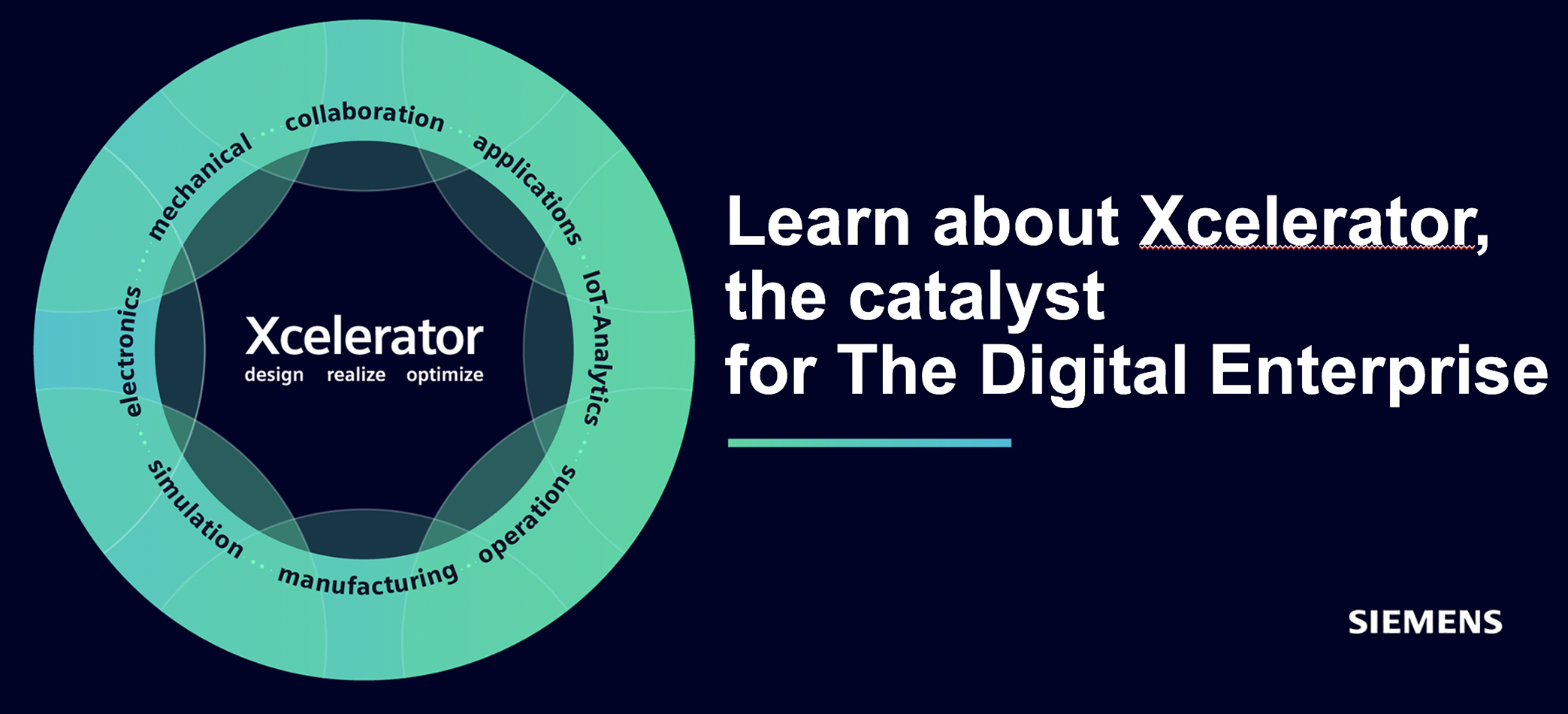
Lately, Roland Busch has been maintaining an intense pace. Siemens’ Xcelerator portfolio is setting new benchmarks for AI in PLM and shop floor automation, offering an integrated end-to-end depth that no competitor can currently match. And Busch intends to fully leverage this competitive advantage.
DTA Onsite exemplifies this, bridging the gap between isolated machines and cloud-based platforms by bringing cutting-edge AI directly to the edge, keeping sensitive data within the user’s own infrastructure. By transforming raw metrics like torque and temperature into actionable insights, it enables manufacturers to move from reactive repairs to predictive mastery. This isn’t just a tool; it’s a vital link in Siemens' broader digital chain.
The launch of Drivetrain Analyzer Onsite (DTA Onsite) highlights the integration of cutting-edge AI for identifying drivetrain patterns and anomalies. Unlike the existing cloud solution, this new on-premise, localized AI software ensures data remains within the user’s infrastructure.
Drive data is the technical term for metrics related to motor drive systems in industrial automation, covering critical parameters such as torque, speed, position, current, and temperature for machinery monitoring and control. While drive parameters refer to unit-specific settings like Sercos, analyzing this comprehensive data is crucial for optimizing industrial production.
In short, the software bridges the gap between isolated machines and cloud-based platforms, processing drive data entirely within the user's secure environment. Essentially, the software bridges the gap between isolated machinery and the cloud, processing drive data—the lifeblood of industrial automation—entirely within the user’s own infrastructure. By transforming raw metrics like torque and temperature into actionable AI-driven insights, manufacturers can finally shift from reactive repairs to predictive mastery.
Yet, DTA Onsite is only one link in a much larger digital chain. Across the entire product development lifecycle, Siemens Digital Industries remains the undisputed market leader. But what exactly keeps them at the top of the global industrial AI hierarchy?
Click on the headline to read the full story on PLM&ERP News.
The recent launch of Drivetrain Analyzer Onsite (DTA Onsite)—featuring Industrial IoT sensors and AI-driven analytics—is a prime example of this strategy, allowing manufacturers to move from reactive maintenance to predictive insights, optimizing machine lifespan, and reducing energy consumption.
Lately, Roland Busch has been maintaining an intense pace. Siemens’ Xcelerator portfolio is setting new benchmarks for AI in PLM and shop floor automation, offering an integrated end-to-end depth that no competitor can currently match. And Busch intends to fully leverage this competitive advantage.
DTA Onsite exemplifies this, bridging the gap between isolated machines and cloud-based platforms by bringing cutting-edge AI directly to the edge, keeping sensitive data within the user’s own infrastructure. By transforming raw metrics like torque and temperature into actionable insights, it enables manufacturers to move from reactive repairs to predictive mastery. This isn’t just a tool; it’s a vital link in Siemens' broader digital chain.
The launch of Drivetrain Analyzer Onsite (DTA Onsite) highlights the integration of cutting-edge AI for identifying drivetrain patterns and anomalies. Unlike the existing cloud solution, this new on-premise, localized AI software ensures data remains within the user’s infrastructure.
Drive data is the technical term for metrics related to motor drive systems in industrial automation, covering critical parameters such as torque, speed, position, current, and temperature for machinery monitoring and control. While drive parameters refer to unit-specific settings like Sercos, analyzing this comprehensive data is crucial for optimizing industrial production.
In short, the software bridges the gap between isolated machines and cloud-based platforms, processing drive data entirely within the user's secure environment. Essentially, the software bridges the gap between isolated machinery and the cloud, processing drive data—the lifeblood of industrial automation—entirely within the user’s own infrastructure. By transforming raw metrics like torque and temperature into actionable AI-driven insights, manufacturers can finally shift from reactive repairs to predictive mastery.
Yet, DTA Onsite is only one link in a much larger digital chain. Across the entire product development lifecycle, Siemens Digital Industries remains the undisputed market leader. But what exactly keeps them at the top of the global industrial AI hierarchy?
Click on the headline to read the full story on PLM&ERP News.

SAP’s CEO Christian Klein är dagens gästkrönikör på PLM&ERP News: ”AI dödar inte SaaS...
I mer än två tredjedelar av SAP:s molnkontrakt under det senaste kvartalet valde kunderna att inkludera AI-funktionalitet.
”Den senaste tidens försäljningsvåg av SaaS-aktier bygger på en missuppfattning av den verkliga omvälvningen. Den avslöjar varför programvara är viktigare än någonsin,” det skriver SAP-chefen Christian KLEIN i dagens gästkrönika på PLM&ERP News, och fortsätter:
”Artificiell intelligens är den mest betydelsefulla tekniska förändringen sedan internets genombrott och den som mest påverkat utvecklingen inom programvara. Inte för att AI utgör ett hot mot programvara i sig, utan för att AI är starkt beroende av den. Genombrotten inom resonemang, kodgenerering och autonoma agenter är verkliga och de kommer att förändra alla branscher.
Jag ser det med egna ögon. AI ger tvåsiffriga effektivitetsvinster i SAPs egen verksamhet. I mer än två tredjedelar av våra molnkontrakt under det senaste kvartalet valde kunderna att inkludera AI-funktionalitet. Tillverkningsföretag använder AI-agenter för att automatisera offertprocesser och avsevärt minska svarstiderna. Och konsultteam frigör nu upp till en fjärdedel av sin arbetsvecka för mer värdefulla uppgifter.
Alla större plattforms-förändringar följer ett välbekant mönster. I början samlas värdet i de lägre lagren av teknikstacken i form av datorkraft, modeller och infrastruktur. Med tiden flyttas det bestående värdet upp till applikationslagret där tekniken omvandlas till konkreta affärsresultat. Internet är ett tydligt exempel och molntjänster en bekräftelse på det. AI kommer inte att vara annorlunda – programvara är AIs superkraft.”
Klicka på rubriken för att läsa hela Christian Kleins krönika på PLM&ERP News.
”Den senaste tidens försäljningsvåg av SaaS-aktier bygger på en missuppfattning av den verkliga omvälvningen. Den avslöjar varför programvara är viktigare än någonsin,” det skriver SAP-chefen Christian KLEIN i dagens gästkrönika på PLM&ERP News, och fortsätter:
”Artificiell intelligens är den mest betydelsefulla tekniska förändringen sedan internets genombrott och den som mest påverkat utvecklingen inom programvara. Inte för att AI utgör ett hot mot programvara i sig, utan för att AI är starkt beroende av den. Genombrotten inom resonemang, kodgenerering och autonoma agenter är verkliga och de kommer att förändra alla branscher.
Jag ser det med egna ögon. AI ger tvåsiffriga effektivitetsvinster i SAPs egen verksamhet. I mer än två tredjedelar av våra molnkontrakt under det senaste kvartalet valde kunderna att inkludera AI-funktionalitet. Tillverkningsföretag använder AI-agenter för att automatisera offertprocesser och avsevärt minska svarstiderna. Och konsultteam frigör nu upp till en fjärdedel av sin arbetsvecka för mer värdefulla uppgifter.
Alla större plattforms-förändringar följer ett välbekant mönster. I början samlas värdet i de lägre lagren av teknikstacken i form av datorkraft, modeller och infrastruktur. Med tiden flyttas det bestående värdet upp till applikationslagret där tekniken omvandlas till konkreta affärsresultat. Internet är ett tydligt exempel och molntjänster en bekräftelse på det. AI kommer inte att vara annorlunda – programvara är AIs superkraft.”
Klicka på rubriken för att läsa hela Christian Kleins krönika på PLM&ERP News.


Digital Muscle Power: ABB and TCS Pivot to AI-Driven Innovation in Strategic Scale-Up
ABB CEO Morten Wierod: “Our partnership with TCS is instrumental in building the intelligent systems of tomorrow.”
For nearly two decades, the Swedish-Swiss engineering titan ABB and the global Indian consultancy powerhouse TCS have cultivated a synergy primarily centered on ERP implementations and data center consolidation. While this collaboration has been a cornerstone of ABB’s digital transformation across electrification and automation, it has simultaneously afforded TCS profound domain expertise and a cornerstone relationship within the industrial sector.
Building on this fertile ground, the two giants recently announced a significant deepening of their ties. In a newly signed Memorandum of Understanding, the scope of their alliance has expanded dramatically. The focus now shifts toward a comprehensive evolution of IT infrastructure and applications, pioneering industrial AI initiatives, and the deployment of emerging technologies.
ABB’s Chief Executive, Morten Wierod (pictured left), noted that the move reflects a shared commitment to driving innovation, operational resilience, and sustainable growth through a sophisticated, long-term partnership strategy.
"Our partnership with TCS empowers ABB to construct smarter systems, enhancing our agility and enabling the global scale-up of our innovations," says Morten Wierod, CEO of ABB. "As India remains a pivotal growth market, this renewed partnership positions ABB as a cornerstone partner in TCS’s ambitious data center expansion plans."
As part of the Memorandum of Understanding (MoU), the alliance unites ABB’s leadership in electrification and automation with TCS’s global technology and delivery capabilities across several key pillars:
• IT Infrastructure and Application Transformation: Focused on fostering an agile, secure, resilient, and cost-optimized IT foundation that mirrors ABB's operating model, with a core emphasis on operational efficiency and continuous improvement.
• AI and Factory Modernization: Deepening collaboration on industrial AI, digital twins, vision-based inspection, and the convergence of Operational Technology (OT) and IT.
• AI Infrastructure Development: Exploring new business opportunities in electrification, automation, and software, driven by TCS’s strategic investment in AI infrastructure in India.
It is clear that TCS's AI expertise plays a pivotal role as the collaboration matures—but how? Read more below about how TCS CEO K. Krithivasan (right) views the alliance and what he defines as "a new model of industrial innovation."
For nearly two decades, the Swedish-Swiss engineering titan ABB and the global Indian consultancy powerhouse TCS have cultivated a synergy primarily centered on ERP implementations and data center consolidation. While this collaboration has been a cornerstone of ABB’s digital transformation across electrification and automation, it has simultaneously afforded TCS profound domain expertise and a cornerstone relationship within the industrial sector.
Building on this fertile ground, the two giants recently announced a significant deepening of their ties. In a newly signed Memorandum of Understanding, the scope of their alliance has expanded dramatically. The focus now shifts toward a comprehensive evolution of IT infrastructure and applications, pioneering industrial AI initiatives, and the deployment of emerging technologies.
ABB’s Chief Executive, Morten Wierod (pictured left), noted that the move reflects a shared commitment to driving innovation, operational resilience, and sustainable growth through a sophisticated, long-term partnership strategy.
"Our partnership with TCS empowers ABB to construct smarter systems, enhancing our agility and enabling the global scale-up of our innovations," says Morten Wierod, CEO of ABB. "As India remains a pivotal growth market, this renewed partnership positions ABB as a cornerstone partner in TCS’s ambitious data center expansion plans."
As part of the Memorandum of Understanding (MoU), the alliance unites ABB’s leadership in electrification and automation with TCS’s global technology and delivery capabilities across several key pillars:
• IT Infrastructure and Application Transformation: Focused on fostering an agile, secure, resilient, and cost-optimized IT foundation that mirrors ABB's operating model, with a core emphasis on operational efficiency and continuous improvement.
• AI and Factory Modernization: Deepening collaboration on industrial AI, digital twins, vision-based inspection, and the convergence of Operational Technology (OT) and IT.
• AI Infrastructure Development: Exploring new business opportunities in electrification, automation, and software, driven by TCS’s strategic investment in AI infrastructure in India.
It is clear that TCS's AI expertise plays a pivotal role as the collaboration matures—but how? Read more below about how TCS CEO K. Krithivasan (right) views the alliance and what he defines as "a new model of industrial innovation."

ABB och TCS växlar upp: AI-driven digitalisering med innovativ ”muskelkraft”
ABBs CEO Morten Wierod: ”Partnerskapet med TCS hjälper ABB att bygga smartare system.”
Under 18 år har svensk-schweiziska verkstadsjätten ABB och globala indiska konsulten TCS samarbetat huvudsakligen kring ERP implementationer och konsolidering av datacenter. Detta har å ena sidan bidragit till att driva ABB's digitala transformation inom elektrifiering och automation framåt, medan samarbetet å andra sidan givit TCS en långtgående domän-expertis inom dessa områden, tillsammans med en långsiktig och värdefull kundrelation med ABB. Samarbetet har alltså varit fruktbart och under veckan meddelade bolagen att man inte bara förlängt det utan också fördjupat innehållet.
I den nysignerade avsiktsförklaringen kring förlängningen är ansatsen bred: man ska ”stärka företagens strategiska samarbete inom IT-infrastruktur och applikationer, digitala och industriella AI-initiativ, datacenter och annan framväxande teknik.”
ABB-basen, CEO Morten Wierod, konstaterar att detta reflekterar parternas gemensamma avsikt att driva innovation, operativ motståndskraft och hållbar tillväxt genom en långsiktig partnerskapsstrategi.
”Partnerskapet med TCS hjälper ABB att bygga smartare system, vi kan anpassa oss snabbare och skala upp våra innovationer globalt. Samtidigt förblir Indien en viktig tillväxtmarknad för oss och det förnyade partnerskapet kommer att positionera ABB som en av nyckelpartnerna för TCS ambitiösa expansionsplaner för datacenter,” säger Wierod.
Som en del av avsiktsförklaringen kommer parterna att kombinera ABBs ledarskap inom elektrifiering och automation med TCS globala teknik- och leveransförmåga inom följande nyckelområden:
• Transformation av IT-infrastruktur och applikationer: Poängen är att ”främja en agil, säker, motståndskraftig och kostnadsoptimerad IT-grund i linje med ABBs verksamhetsmodell.” Fokus kommer att ligga på operativ effektivitet och kontinuerlig förbättring.
• AI och fabriksmodernisering: Samarbete mer allmänt kring industriell AI, digitala tvillingar, synbaserad inspektion och konvergens mellan OT (”operativ produktionsteknologi”) och IT.
• Utveckling av AI-infrastruktur: Parterna ska även utforska nya affärsmöjligheter inom elektrifiering, automation och mjukvara som skapas genom TCS planerade satsning på AI-infrastruktur i Indien.
Klart är att TCS kompetens inom AI spelar en framträdande roll när samarbetet nu fördjupas – hur då? Klicka på rubriken för att läsa mer på PLM&ERP News om hur TCS’ koncernchef, CEO K. Krithivasan, ser på saken och vad han menar med, ”en ny modell av industriell innovation.”
Under 18 år har svensk-schweiziska verkstadsjätten ABB och globala indiska konsulten TCS samarbetat huvudsakligen kring ERP implementationer och konsolidering av datacenter. Detta har å ena sidan bidragit till att driva ABB's digitala transformation inom elektrifiering och automation framåt, medan samarbetet å andra sidan givit TCS en långtgående domän-expertis inom dessa områden, tillsammans med en långsiktig och värdefull kundrelation med ABB. Samarbetet har alltså varit fruktbart och under veckan meddelade bolagen att man inte bara förlängt det utan också fördjupat innehållet.
I den nysignerade avsiktsförklaringen kring förlängningen är ansatsen bred: man ska ”stärka företagens strategiska samarbete inom IT-infrastruktur och applikationer, digitala och industriella AI-initiativ, datacenter och annan framväxande teknik.”
ABB-basen, CEO Morten Wierod, konstaterar att detta reflekterar parternas gemensamma avsikt att driva innovation, operativ motståndskraft och hållbar tillväxt genom en långsiktig partnerskapsstrategi.
”Partnerskapet med TCS hjälper ABB att bygga smartare system, vi kan anpassa oss snabbare och skala upp våra innovationer globalt. Samtidigt förblir Indien en viktig tillväxtmarknad för oss och det förnyade partnerskapet kommer att positionera ABB som en av nyckelpartnerna för TCS ambitiösa expansionsplaner för datacenter,” säger Wierod.
Som en del av avsiktsförklaringen kommer parterna att kombinera ABBs ledarskap inom elektrifiering och automation med TCS globala teknik- och leveransförmåga inom följande nyckelområden:
• Transformation av IT-infrastruktur och applikationer: Poängen är att ”främja en agil, säker, motståndskraftig och kostnadsoptimerad IT-grund i linje med ABBs verksamhetsmodell.” Fokus kommer att ligga på operativ effektivitet och kontinuerlig förbättring.
• AI och fabriksmodernisering: Samarbete mer allmänt kring industriell AI, digitala tvillingar, synbaserad inspektion och konvergens mellan OT (”operativ produktionsteknologi”) och IT.
• Utveckling av AI-infrastruktur: Parterna ska även utforska nya affärsmöjligheter inom elektrifiering, automation och mjukvara som skapas genom TCS planerade satsning på AI-infrastruktur i Indien.
Klart är att TCS kompetens inom AI spelar en framträdande roll när samarbetet nu fördjupas – hur då? Klicka på rubriken för att läsa mer på PLM&ERP News om hur TCS’ koncernchef, CEO K. Krithivasan, ser på saken och vad han menar med, ”en ny modell av industriell innovation.”

AI-Driven Logistics That Delivers: ”IFS and 7bridges Redefine the Playing Field”
“Creates value within just a few weeks,” says Philip Ashton, President of IFS.ai Logistics.
In recent years, IFS has successfully pioneered industrial AI solutions, propelling the company to the forefront of the global ERP arena. A pivotal move in this strategic evolution was the August 2025 acquisition of 7bridges, a specialist in logistics and transport optimization. By integrating 7bridges’ AI-powered simulation and analytics tools into the IFS Cloud platform, IFS aims to provide customers in asset-intensive sectors—such as manufacturing, aerospace, and defense—with a more robust and comprehensive supply chain management system.
Today, that vision has evolved. With last week’s launch of IFS.ai Logistics, the company unites AI-driven planning, automated operations, freight cost auditing, and network optimization into a seamless, closed-loop workflow. The result? Transforming logistics from a complex cost center into a strategic competitive advantage.
It’s easy to see why logistics and transport optimization are mission-critical for industrial AI. Most industrial operations are, at their core, defined by flows. Managing these effectively is the linchpin of business success. Thanks to the data explosion of recent years, we now possess the data-driven technologies required to automate, predict, and optimize complex flows in real-time.
When these digital tools are integrated into both PLM and ERP systems, the impact is immediate: heightened efficiency and reduced costs across industrial processes. The ultimate goal is clear: leveraging AI to transform logistics from manual, reactive tasks into smart, proactive, and automated systems. And that is exactly where IFS positions itself today.
With its new solution, IFS is integrating industrial AI directly into the physical material and goods flows that form the backbone of industrial operations worldwide. Having already managed $2.4 trillion in mission-critical assets for its customers, IFS is now adding a layer of intelligent logistics with IFS.ai Logistics, connecting operational decisions to financial results across the entire supply chain.
"Logistics is one of the largest cost centers, yet it is often the least controlled and most vulnerable to disruption, with consequences directly impacting EBITDA," says Philip Ashton (pictured), President of IFS.ai Logistics. "However, we have found that when AI is applied at scale, directly into industry-specific applications like logistics operations, we can generate tangible value for our customers within just a few weeks."
Click on the title to read more on. PLM&ERP News.
In recent years, IFS has successfully pioneered industrial AI solutions, propelling the company to the forefront of the global ERP arena. A pivotal move in this strategic evolution was the August 2025 acquisition of 7bridges, a specialist in logistics and transport optimization. By integrating 7bridges’ AI-powered simulation and analytics tools into the IFS Cloud platform, IFS aims to provide customers in asset-intensive sectors—such as manufacturing, aerospace, and defense—with a more robust and comprehensive supply chain management system.
Today, that vision has evolved. With last week’s launch of IFS.ai Logistics, the company unites AI-driven planning, automated operations, freight cost auditing, and network optimization into a seamless, closed-loop workflow. The result? Transforming logistics from a complex cost center into a strategic competitive advantage.
It’s easy to see why logistics and transport optimization are mission-critical for industrial AI. Most industrial operations are, at their core, defined by flows. Managing these effectively is the linchpin of business success. Thanks to the data explosion of recent years, we now possess the data-driven technologies required to automate, predict, and optimize complex flows in real-time.
When these digital tools are integrated into both PLM and ERP systems, the impact is immediate: heightened efficiency and reduced costs across industrial processes. The ultimate goal is clear: leveraging AI to transform logistics from manual, reactive tasks into smart, proactive, and automated systems. And that is exactly where IFS positions itself today.
With its new solution, IFS is integrating industrial AI directly into the physical material and goods flows that form the backbone of industrial operations worldwide. Having already managed $2.4 trillion in mission-critical assets for its customers, IFS is now adding a layer of intelligent logistics with IFS.ai Logistics, connecting operational decisions to financial results across the entire supply chain.
"Logistics is one of the largest cost centers, yet it is often the least controlled and most vulnerable to disruption, with consequences directly impacting EBITDA," says Philip Ashton (pictured), President of IFS.ai Logistics. "However, we have found that when AI is applied at scale, directly into industry-specific applications like logistics operations, we can generate tangible value for our customers within just a few weeks."
Click on the title to read more on. PLM&ERP News.

AI-driven logistik som gör skillnad: ”7bridges i IFS händer ger en ny spelplan,” säger...
"Skapar värde inom bara ett par veckor," säger Ashton, som är IFS.ai Logistics President.
IFS har under de senaste åren framgångsrikt utvecklat olika industriella AI-lösningar på ett sätt som skjutit fram företagets lösningar i spets på den globala affärssystem-arenan. En av de senare åtgärderna i den kedja man byggt upp för att hantera detta handlar om förvärvet av logistik- och transportoptimerings-spelaren 7bridges i augusti 2025. Genom att knyta an till 7bridges team och teknik ville IFS erbjuda sina kunder ett mer omfattande och robust system för leveranskedje-hantering som bättre kan automatisera processer, anpassa till störningar och sänka driftskostnaderna gerom att integrera 7bridges AI-drivna verktyg för simulering och analys av leveranskedjor i IFS Cloud-plattform, med målet att förbättra effektiviteten för tillgångs-intensiva kunder inom tillverkning, flyg- och rymdindustrin och försvar.
Idag har man tagit detta förvärv ett steg vidare in i lösningsportföljen: Med lanseringen av IFS.ai Logistics i förra veckan samlar man AI-driven planering, automatiserad drift, granskning av fraktkostnader och nätverksoptimering i ett sammanhållet, slutet operativt flöde och tar logistik från att vara ett svårstyrt kostnadsställe, till att bli en strategisk konkurrensfördel.
Man behöver inte fundera särskilt länge över varför området logistik och transportoptimering får anses tillhöra framgångskritiska verksamheter inom industriell AI. Inte minst för att i stort sett all industriell verksamhet präglas av olika slags flöden. Att hantera dessa effektivt är tveklöst avgörande för affärssuccé och i de senaste årens explosiva datautveckling finns de datadrivna tekniker som behövs för att automatisera, förutsäga och optimera komplexa flöden i realtid. En effekt är att framgångsrik implementering av denna typ av digitala verktyg, integrerade i både PLM- och affärssystemen, direkt ökar effektiviteten och minskar kostnaderna i industriella processer. En tung poäng i detta är att låta AI omvandla logistik från manuella, reaktiva processer till smarta, proaktiva och automatiserade system. Detta är varken mer eller mindre än kärnan i industriell digitalisering.
Där menar sig IFS också vara idag idag. Med den nya lösningen integreras industriell AI i de fysiska material- och varuflödena som utgör ryggraden i industriföretags dagliga verksamhet världen över. IFS förvaltar redan 2,4 biljoner dollar i verksamhetskritiska tillgångar åt sina kunder och med IFS.ai Logistics adderar de nu ett lager av intelligent logistik, som kopplar operativa beslut till finansiella resultat genom hela leveranskedjan.
”Logistik är ett av de största kostnadsställena samtidigt som de är de minst styrda och mest känsliga för störning, och konsekvenserna syns direkt i EBITDA,” säger Philip Ashton, President för IFS.ai Logistics. ”Vi har dock sett att när AI tillämpas i stor skala, direkt i branschspecifika applikationer som företags logistikverksamhet, kan vi skapa värde för våra kunder inom ett par veckor.”
Klicka på rubriken för att läsa mer på PLM;&ERP News.
IFS har under de senaste åren framgångsrikt utvecklat olika industriella AI-lösningar på ett sätt som skjutit fram företagets lösningar i spets på den globala affärssystem-arenan. En av de senare åtgärderna i den kedja man byggt upp för att hantera detta handlar om förvärvet av logistik- och transportoptimerings-spelaren 7bridges i augusti 2025. Genom att knyta an till 7bridges team och teknik ville IFS erbjuda sina kunder ett mer omfattande och robust system för leveranskedje-hantering som bättre kan automatisera processer, anpassa till störningar och sänka driftskostnaderna gerom att integrera 7bridges AI-drivna verktyg för simulering och analys av leveranskedjor i IFS Cloud-plattform, med målet att förbättra effektiviteten för tillgångs-intensiva kunder inom tillverkning, flyg- och rymdindustrin och försvar.
Idag har man tagit detta förvärv ett steg vidare in i lösningsportföljen: Med lanseringen av IFS.ai Logistics i förra veckan samlar man AI-driven planering, automatiserad drift, granskning av fraktkostnader och nätverksoptimering i ett sammanhållet, slutet operativt flöde och tar logistik från att vara ett svårstyrt kostnadsställe, till att bli en strategisk konkurrensfördel.
Man behöver inte fundera särskilt länge över varför området logistik och transportoptimering får anses tillhöra framgångskritiska verksamheter inom industriell AI. Inte minst för att i stort sett all industriell verksamhet präglas av olika slags flöden. Att hantera dessa effektivt är tveklöst avgörande för affärssuccé och i de senaste årens explosiva datautveckling finns de datadrivna tekniker som behövs för att automatisera, förutsäga och optimera komplexa flöden i realtid. En effekt är att framgångsrik implementering av denna typ av digitala verktyg, integrerade i både PLM- och affärssystemen, direkt ökar effektiviteten och minskar kostnaderna i industriella processer. En tung poäng i detta är att låta AI omvandla logistik från manuella, reaktiva processer till smarta, proaktiva och automatiserade system. Detta är varken mer eller mindre än kärnan i industriell digitalisering.
Där menar sig IFS också vara idag idag. Med den nya lösningen integreras industriell AI i de fysiska material- och varuflödena som utgör ryggraden i industriföretags dagliga verksamhet världen över. IFS förvaltar redan 2,4 biljoner dollar i verksamhetskritiska tillgångar åt sina kunder och med IFS.ai Logistics adderar de nu ett lager av intelligent logistik, som kopplar operativa beslut till finansiella resultat genom hela leveranskedjan.
”Logistik är ett av de största kostnadsställena samtidigt som de är de minst styrda och mest känsliga för störning, och konsekvenserna syns direkt i EBITDA,” säger Philip Ashton, President för IFS.ai Logistics. ”Vi har dock sett att när AI tillämpas i stor skala, direkt i branschspecifika applikationer som företags logistikverksamhet, kan vi skapa värde för våra kunder inom ett par veckor.”
Klicka på rubriken för att läsa mer på PLM;&ERP News.

Siemens nya Fuse EDA AI Agent tar kommandot över hela elektronikdesign-stacken
Amit GUPTA, VP Siemens EDA: ”Med Fuse EDA AI Agent och NVIDIAs agent AI-teknik lägger vi grunden för agenter som kan planera, agera och anpassa över hela designarbetsflödena."”
Siemens Digital Industries Software ångar på i full fart på elektronik-designsidan med en intressant betoning på att etablera agentisk AI som viktiga designverktyg för att vässa speed och kvalitet i utvecklingsarbetet av elektronik. Det är inte bara verifikationssidan med Questa One-plattformen som fått inbäddad agentisk AI – som PLM&ERP News rapporterade förra veckan – nu lanserar bolaget samma sak för design- och simulerings-portföljen Fuse EDA, där Fuse Eda AI Agent blir den nyaste delen i Siemens EDA-portfölj.
Siemens Fuse EDA är en avancerad, AI-driven plattform för elektronisk designautomation (EDA) som används för att designa, simulera och verifiera halvledare (chips) och kretskort (PCB). Till saken hör att den nya agenten också är en central komponent i partnerskapet med NVIDIA.
Agenten använder NVIDIA Agent Toolkit, Nemotron-modeller och NVIDIAs AI-infrastruktur för att möjliggöra avancerad resonemangsförmåga och verktygsanrop. Dessutom utnyttjar NVIDIA själva Siemens Fuse-lösningar i sin egen chiputveckling.
Samtidigt är agenten en lösning som får Siemens att stå ut i konkurrensen. Tidigare AI-verktyg har ofta fungerat som isolerade "copiloter" för enskilda uppgifter. Med nya Fuse EDA AI Agent markeras ett skifte mot agentisk AI, d v s en lösning för framtiden reda idag, där autonoma agenter kan planera, koordinera och utföra hela arbetsflöden över flera verktyg – från tidig designkonceptualisering till slutgiltig tillverkningssignering.
"Det stämmer,” säger Kari Briski, senior VP för generativ AI på NVIDIA. ”Tillsammans med Siemens kartlägger vi nästa era av agent AI, där långvariga agenter under säkra former kan använda ingenjörsverktyg och koordinera komplexa uppgifter. Genom att kombinera Siemens Fuse EDA AI Agent med NVIDIAs agent AI-teknik lägger vi grunden för agenter som kan planera, agera och anpassa över designarbetsflöden."
Intressant i sammanhanget är också att agenten bygger vidare på det befintliga Fuse EDA AI-systemet, som introducerade generativ AI och en avancerad RAG-ramverk (Retrieval-Augmented Generation) för att ge ingenjörer tillgång till domänspecifik kunskap via naturligt språk, som lanserades.
Satsningen har också allmänt affärsmässigt mycket goda grunder i skenet av att drygt 30 % av Siemens PLM-intäkter - som enligt PLM&ERP News beräkningar landade på drygt 7,5 miljarder dollar FY 2025 - kommer från EDA-lösningarna. Med den nu lanserade AI-satsningen vässas Siemens EDA-verktyg ytterligare.
Så, vad är den tunga poängen med Fuse EDA AI Agent? Amit Gupta, Chief AI Strategy Officer, senior VP och GM för Siemens EDA, konstaterar att det finns flera goda skäl, men att den autonomt kan orkestrera arbetsflöden med flera agenter över Siemens kompletta EDA-portfölj, från designkoncept till tillverkningsgod-kännande, inte bara står ut utan ökar också den tekniska effektiviteten, tiden till marknad och designkvaliteten.
Klicka på rubriken för att läsa mer på PLM&ERP News.
Siemens Digital Industries Software ångar på i full fart på elektronik-designsidan med en intressant betoning på att etablera agentisk AI som viktiga designverktyg för att vässa speed och kvalitet i utvecklingsarbetet av elektronik. Det är inte bara verifikationssidan med Questa One-plattformen som fått inbäddad agentisk AI – som PLM&ERP News rapporterade förra veckan – nu lanserar bolaget samma sak för design- och simulerings-portföljen Fuse EDA, där Fuse Eda AI Agent blir den nyaste delen i Siemens EDA-portfölj.
Siemens Fuse EDA är en avancerad, AI-driven plattform för elektronisk designautomation (EDA) som används för att designa, simulera och verifiera halvledare (chips) och kretskort (PCB). Till saken hör att den nya agenten också är en central komponent i partnerskapet med NVIDIA.
Agenten använder NVIDIA Agent Toolkit, Nemotron-modeller och NVIDIAs AI-infrastruktur för att möjliggöra avancerad resonemangsförmåga och verktygsanrop. Dessutom utnyttjar NVIDIA själva Siemens Fuse-lösningar i sin egen chiputveckling.
Samtidigt är agenten en lösning som får Siemens att stå ut i konkurrensen. Tidigare AI-verktyg har ofta fungerat som isolerade "copiloter" för enskilda uppgifter. Med nya Fuse EDA AI Agent markeras ett skifte mot agentisk AI, d v s en lösning för framtiden reda idag, där autonoma agenter kan planera, koordinera och utföra hela arbetsflöden över flera verktyg – från tidig designkonceptualisering till slutgiltig tillverkningssignering.
"Det stämmer,” säger Kari Briski, senior VP för generativ AI på NVIDIA. ”Tillsammans med Siemens kartlägger vi nästa era av agent AI, där långvariga agenter under säkra former kan använda ingenjörsverktyg och koordinera komplexa uppgifter. Genom att kombinera Siemens Fuse EDA AI Agent med NVIDIAs agent AI-teknik lägger vi grunden för agenter som kan planera, agera och anpassa över designarbetsflöden."
Intressant i sammanhanget är också att agenten bygger vidare på det befintliga Fuse EDA AI-systemet, som introducerade generativ AI och en avancerad RAG-ramverk (Retrieval-Augmented Generation) för att ge ingenjörer tillgång till domänspecifik kunskap via naturligt språk, som lanserades.
Satsningen har också allmänt affärsmässigt mycket goda grunder i skenet av att drygt 30 % av Siemens PLM-intäkter - som enligt PLM&ERP News beräkningar landade på drygt 7,5 miljarder dollar FY 2025 - kommer från EDA-lösningarna. Med den nu lanserade AI-satsningen vässas Siemens EDA-verktyg ytterligare.
Så, vad är den tunga poängen med Fuse EDA AI Agent? Amit Gupta, Chief AI Strategy Officer, senior VP och GM för Siemens EDA, konstaterar att det finns flera goda skäl, men att den autonomt kan orkestrera arbetsflöden med flera agenter över Siemens kompletta EDA-portfölj, från designkoncept till tillverkningsgod-kännande, inte bara står ut utan ökar också den tekniska effektiviteten, tiden till marknad och designkvaliteten.
Klicka på rubriken för att läsa mer på PLM&ERP News.