
Digital Muscle Power: ABB and TCS Pivot to AI-Driven Innovation in Strategic Scale-Up
ABB CEO Morten Wierod: “Our partnership with TCS is instrumental in building the intelligent systems of tomorrow.”
For nearly two decades, the Swedish-Swiss engineering titan ABB and the global Indian consultancy powerhouse TCS have cultivated a synergy primarily centered on ERP implementations and data center consolidation. While this collaboration has been a cornerstone of ABB’s digital transformation across electrification and automation, it has simultaneously afforded TCS profound domain expertise and a cornerstone relationship within the industrial sector.
Building on this fertile ground, the two giants recently announced a significant deepening of their ties. In a newly signed Memorandum of Understanding, the scope of their alliance has expanded dramatically. The focus now shifts toward a comprehensive evolution of IT infrastructure and applications, pioneering industrial AI initiatives, and the deployment of emerging technologies.
ABB’s Chief Executive, Morten Wierod (pictured left), noted that the move reflects a shared commitment to driving innovation, operational resilience, and sustainable growth through a sophisticated, long-term partnership strategy.
"Our partnership with TCS empowers ABB to construct smarter systems, enhancing our agility and enabling the global scale-up of our innovations," says Morten Wierod, CEO of ABB. "As India remains a pivotal growth market, this renewed partnership positions ABB as a cornerstone partner in TCS’s ambitious data center expansion plans."
As part of the Memorandum of Understanding (MoU), the alliance unites ABB’s leadership in electrification and automation with TCS’s global technology and delivery capabilities across several key pillars:
• IT Infrastructure and Application Transformation: Focused on fostering an agile, secure, resilient, and cost-optimized IT foundation that mirrors ABB's operating model, with a core emphasis on operational efficiency and continuous improvement.
• AI and Factory Modernization: Deepening collaboration on industrial AI, digital twins, vision-based inspection, and the convergence of Operational Technology (OT) and IT.
• AI Infrastructure Development: Exploring new business opportunities in electrification, automation, and software, driven by TCS’s strategic investment in AI infrastructure in India.
It is clear that TCS's AI expertise plays a pivotal role as the collaboration matures—but how? Read more below about how TCS CEO K. Krithivasan (right) views the alliance and what he defines as "a new model of industrial innovation."
For nearly two decades, the Swedish-Swiss engineering titan ABB and the global Indian consultancy powerhouse TCS have cultivated a synergy primarily centered on ERP implementations and data center consolidation. While this collaboration has been a cornerstone of ABB’s digital transformation across electrification and automation, it has simultaneously afforded TCS profound domain expertise and a cornerstone relationship within the industrial sector.
Building on this fertile ground, the two giants recently announced a significant deepening of their ties. In a newly signed Memorandum of Understanding, the scope of their alliance has expanded dramatically. The focus now shifts toward a comprehensive evolution of IT infrastructure and applications, pioneering industrial AI initiatives, and the deployment of emerging technologies.
ABB’s Chief Executive, Morten Wierod (pictured left), noted that the move reflects a shared commitment to driving innovation, operational resilience, and sustainable growth through a sophisticated, long-term partnership strategy.
"Our partnership with TCS empowers ABB to construct smarter systems, enhancing our agility and enabling the global scale-up of our innovations," says Morten Wierod, CEO of ABB. "As India remains a pivotal growth market, this renewed partnership positions ABB as a cornerstone partner in TCS’s ambitious data center expansion plans."
As part of the Memorandum of Understanding (MoU), the alliance unites ABB’s leadership in electrification and automation with TCS’s global technology and delivery capabilities across several key pillars:
• IT Infrastructure and Application Transformation: Focused on fostering an agile, secure, resilient, and cost-optimized IT foundation that mirrors ABB's operating model, with a core emphasis on operational efficiency and continuous improvement.
• AI and Factory Modernization: Deepening collaboration on industrial AI, digital twins, vision-based inspection, and the convergence of Operational Technology (OT) and IT.
• AI Infrastructure Development: Exploring new business opportunities in electrification, automation, and software, driven by TCS’s strategic investment in AI infrastructure in India.
It is clear that TCS's AI expertise plays a pivotal role as the collaboration matures—but how? Read more below about how TCS CEO K. Krithivasan (right) views the alliance and what he defines as "a new model of industrial innovation."
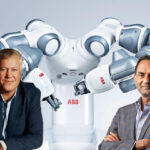
ABB och TCS växlar upp: AI-driven digitalisering med innovativ ”muskelkraft”
ABBs CEO Morten Wierod: ”Partnerskapet med TCS hjälper ABB att bygga smartare system.”
Under 18 år har svensk-schweiziska verkstadsjätten ABB och globala indiska konsulten TCS samarbetat huvudsakligen kring ERP implementationer och konsolidering av datacenter. Detta har å ena sidan bidragit till att driva ABB's digitala transformation inom elektrifiering och automation framåt, medan samarbetet å andra sidan givit TCS en långtgående domän-expertis inom dessa områden, tillsammans med en långsiktig och värdefull kundrelation med ABB. Samarbetet har alltså varit fruktbart och under veckan meddelade bolagen att man inte bara förlängt det utan också fördjupat innehållet.
I den nysignerade avsiktsförklaringen kring förlängningen är ansatsen bred: man ska ”stärka företagens strategiska samarbete inom IT-infrastruktur och applikationer, digitala och industriella AI-initiativ, datacenter och annan framväxande teknik.”
ABB-basen, CEO Morten Wierod, konstaterar att detta reflekterar parternas gemensamma avsikt att driva innovation, operativ motståndskraft och hållbar tillväxt genom en långsiktig partnerskapsstrategi.
”Partnerskapet med TCS hjälper ABB att bygga smartare system, vi kan anpassa oss snabbare och skala upp våra innovationer globalt. Samtidigt förblir Indien en viktig tillväxtmarknad för oss och det förnyade partnerskapet kommer att positionera ABB som en av nyckelpartnerna för TCS ambitiösa expansionsplaner för datacenter,” säger Wierod.
Som en del av avsiktsförklaringen kommer parterna att kombinera ABBs ledarskap inom elektrifiering och automation med TCS globala teknik- och leveransförmåga inom följande nyckelområden:
• Transformation av IT-infrastruktur och applikationer: Poängen är att ”främja en agil, säker, motståndskraftig och kostnadsoptimerad IT-grund i linje med ABBs verksamhetsmodell.” Fokus kommer att ligga på operativ effektivitet och kontinuerlig förbättring.
• AI och fabriksmodernisering: Samarbete mer allmänt kring industriell AI, digitala tvillingar, synbaserad inspektion och konvergens mellan OT (”operativ produktionsteknologi”) och IT.
• Utveckling av AI-infrastruktur: Parterna ska även utforska nya affärsmöjligheter inom elektrifiering, automation och mjukvara som skapas genom TCS planerade satsning på AI-infrastruktur i Indien.
Klart är att TCS kompetens inom AI spelar en framträdande roll när samarbetet nu fördjupas – hur då? Klicka på rubriken för att läsa mer på PLM&ERP News om hur TCS’ koncernchef, CEO K. Krithivasan, ser på saken och vad han menar med, ”en ny modell av industriell innovation.”
Under 18 år har svensk-schweiziska verkstadsjätten ABB och globala indiska konsulten TCS samarbetat huvudsakligen kring ERP implementationer och konsolidering av datacenter. Detta har å ena sidan bidragit till att driva ABB's digitala transformation inom elektrifiering och automation framåt, medan samarbetet å andra sidan givit TCS en långtgående domän-expertis inom dessa områden, tillsammans med en långsiktig och värdefull kundrelation med ABB. Samarbetet har alltså varit fruktbart och under veckan meddelade bolagen att man inte bara förlängt det utan också fördjupat innehållet.
I den nysignerade avsiktsförklaringen kring förlängningen är ansatsen bred: man ska ”stärka företagens strategiska samarbete inom IT-infrastruktur och applikationer, digitala och industriella AI-initiativ, datacenter och annan framväxande teknik.”
ABB-basen, CEO Morten Wierod, konstaterar att detta reflekterar parternas gemensamma avsikt att driva innovation, operativ motståndskraft och hållbar tillväxt genom en långsiktig partnerskapsstrategi.
”Partnerskapet med TCS hjälper ABB att bygga smartare system, vi kan anpassa oss snabbare och skala upp våra innovationer globalt. Samtidigt förblir Indien en viktig tillväxtmarknad för oss och det förnyade partnerskapet kommer att positionera ABB som en av nyckelpartnerna för TCS ambitiösa expansionsplaner för datacenter,” säger Wierod.
Som en del av avsiktsförklaringen kommer parterna att kombinera ABBs ledarskap inom elektrifiering och automation med TCS globala teknik- och leveransförmåga inom följande nyckelområden:
• Transformation av IT-infrastruktur och applikationer: Poängen är att ”främja en agil, säker, motståndskraftig och kostnadsoptimerad IT-grund i linje med ABBs verksamhetsmodell.” Fokus kommer att ligga på operativ effektivitet och kontinuerlig förbättring.
• AI och fabriksmodernisering: Samarbete mer allmänt kring industriell AI, digitala tvillingar, synbaserad inspektion och konvergens mellan OT (”operativ produktionsteknologi”) och IT.
• Utveckling av AI-infrastruktur: Parterna ska även utforska nya affärsmöjligheter inom elektrifiering, automation och mjukvara som skapas genom TCS planerade satsning på AI-infrastruktur i Indien.
Klart är att TCS kompetens inom AI spelar en framträdande roll när samarbetet nu fördjupas – hur då? Klicka på rubriken för att läsa mer på PLM&ERP News om hur TCS’ koncernchef, CEO K. Krithivasan, ser på saken och vad han menar med, ”en ny modell av industriell innovation.”

The AI Heat is On in PLM: NVIDIA’s Role in the Battle Between Siemens...
DS Boss, PASCAL DALOZ, Follows Siemens’ Lead – Anchoring Industrial AI in Deeper NVIDIA Collaboration...But There are Key Differences—What do They Entail?
The headline news at last week’s major PLM event, Dassault Systèmes' 3DEXPERIENCE World in Houston, centered more on an intensified partnership with NVIDIA than on incremental updates to the SOLIDWORKS CAD suite. Amidst the global AI boom, NVIDIA’s role in enabling real-time AI implementation dominated the conversation.
However, Dassault and NVIDIA are "old friends," with a collaborative history dating back to 2002. During the industry's shift from mainframes to PCs, the focus was on optimizing CATIA V5 for NVIDIA Quadro graphics. While that era was defined by the need for speed and handling large 3D files within Windows NT and in PC environments, today’s expanded alliance is a cornerstone for the next leap: advanced real-time AI.
NVIDIA remains the undisputed leader in high-performance computing capacity. Through last week’s announced "massive, long-term expansion," the partners aim to build industrial AI platforms and "science-validated industry world models," as stated by Dassault Boss, Pascal Daloz (right), in Houston.
Together with NVIDIA CEO Jensen Huang (left), Daloz is aiming for an AI development of a similar caliber to the partnership Huang announced a few weeks ago with Siemens AG and CEO Roland Busch.
This collaboration is a logical next step. NVIDIA solutions deliver core value to PLM leaders like Siemens and DS through high-performance computing, AI-powered simulation, and immersive visualization at the highest level. Particularly through NVIDIA Omniverse and GPU acceleration, traditional PLM workflows are transformed into real-time, AI-enabled experiences, with the aim of creating “Industrial AI” or “Industrial Metaverse”. In the case of DS, this involves combining their Virtual Twin technology with NVIDIA’s AI infrastructure, open models, and accelerated application libraries. The goal is to establish scientifically validated industrial world models and new ways of working through capable virtual, agentic companions on the 3DX platform.
“Exactly, we are entering an era where AI does not just predict or generate, but understands the real world. When AI is grounded in science, physics, and validated industrial knowledge, it becomes a force multiplier for human ingenuity,” says Daloz. Together with NVIDIA, they will now build the models that "unite virtual twins and accelerated computing to help industry design, simulate and operate complex systems in biology, materials science, engineering and manufacturing."
But there are dividing lines between the DS-NVIDIA effort and the Siemens-NVIDIA partnership—how? Click the headline to read more on PLM&ERP News.
The headline news at last week’s major PLM event, Dassault Systèmes' 3DEXPERIENCE World in Houston, centered more on an intensified partnership with NVIDIA than on incremental updates to the SOLIDWORKS CAD suite. Amidst the global AI boom, NVIDIA’s role in enabling real-time AI implementation dominated the conversation.
However, Dassault and NVIDIA are "old friends," with a collaborative history dating back to 2002. During the industry's shift from mainframes to PCs, the focus was on optimizing CATIA V5 for NVIDIA Quadro graphics. While that era was defined by the need for speed and handling large 3D files within Windows NT and in PC environments, today’s expanded alliance is a cornerstone for the next leap: advanced real-time AI.
NVIDIA remains the undisputed leader in high-performance computing capacity. Through last week’s announced "massive, long-term expansion," the partners aim to build industrial AI platforms and "science-validated industry world models," as stated by Dassault Boss, Pascal Daloz (right), in Houston.
Together with NVIDIA CEO Jensen Huang (left), Daloz is aiming for an AI development of a similar caliber to the partnership Huang announced a few weeks ago with Siemens AG and CEO Roland Busch.
This collaboration is a logical next step. NVIDIA solutions deliver core value to PLM leaders like Siemens and DS through high-performance computing, AI-powered simulation, and immersive visualization at the highest level. Particularly through NVIDIA Omniverse and GPU acceleration, traditional PLM workflows are transformed into real-time, AI-enabled experiences, with the aim of creating “Industrial AI” or “Industrial Metaverse”. In the case of DS, this involves combining their Virtual Twin technology with NVIDIA’s AI infrastructure, open models, and accelerated application libraries. The goal is to establish scientifically validated industrial world models and new ways of working through capable virtual, agentic companions on the 3DX platform.
“Exactly, we are entering an era where AI does not just predict or generate, but understands the real world. When AI is grounded in science, physics, and validated industrial knowledge, it becomes a force multiplier for human ingenuity,” says Daloz. Together with NVIDIA, they will now build the models that "unite virtual twins and accelerated computing to help industry design, simulate and operate complex systems in biology, materials science, engineering and manufacturing."
But there are dividing lines between the DS-NVIDIA effort and the Siemens-NVIDIA partnership—how? Click the headline to read more on PLM&ERP News.

Högskolan Västs masterprogram får pris för vass utbildning i avancerad industrinära automation
Högskolan Västs masterprogram i robotik och automation har tilldelats ITF Automationspris 2026. Priset uppmärksammar programmets kombination av avancerad teknik, tillämpad forskning och nära samverkan med industrin.
”Vi är stolta och tacksamma att tilldelas detta pris,” säger Mikael Ericsson, avdelningschef och lärare vid Högskolan Väst. ”Det är en värdefull bekräftelse på vårt arbete med att driva utbildning inom automation, i samverkan med svensk industri.”
Utbildningen ges både som ett ettårigt magisterprogram och ett tvåårigt masterprogram. Den har utvecklats i nära dialog med industripartners för att ge studenterna industrinära kompetens och göra dem redo att bidra från dag ett i arbetslivet. Studenterna arbetar bland annat praktiskt med industrirobotar, cobotar och autonoma robotar. Cirka 120 studenter går programmet varje år.
”Det här priset visar att vår modell med industrinära utbildning och forskning ligger helt rätt i tiden,” säger Ericsson.
Priset delades ut under ITF Automationsdagar i Sollentuna och sponsras av Endress+Hauser Group, Alnab Armatur och Emerson. Högskolan nominerades av PiiA – Processindustriell IT & Automation, ett av 17 strategiska innovationsprogram som finansieras av Vinnova, Energimyndigheten och Formas.
Totalt passerar omkring 300 studenter och yrkesverksamma genom Högskolan Västs automationslabb varje år. Det är ett av Sveriges nyaste och mest flexibla laboratorier för modern automation.
Klicka på rubriken för att lkäsa mer på PLM&ERP News.
”Vi är stolta och tacksamma att tilldelas detta pris,” säger Mikael Ericsson, avdelningschef och lärare vid Högskolan Väst. ”Det är en värdefull bekräftelse på vårt arbete med att driva utbildning inom automation, i samverkan med svensk industri.”
Utbildningen ges både som ett ettårigt magisterprogram och ett tvåårigt masterprogram. Den har utvecklats i nära dialog med industripartners för att ge studenterna industrinära kompetens och göra dem redo att bidra från dag ett i arbetslivet. Studenterna arbetar bland annat praktiskt med industrirobotar, cobotar och autonoma robotar. Cirka 120 studenter går programmet varje år.
”Det här priset visar att vår modell med industrinära utbildning och forskning ligger helt rätt i tiden,” säger Ericsson.
Priset delades ut under ITF Automationsdagar i Sollentuna och sponsras av Endress+Hauser Group, Alnab Armatur och Emerson. Högskolan nominerades av PiiA – Processindustriell IT & Automation, ett av 17 strategiska innovationsprogram som finansieras av Vinnova, Energimyndigheten och Formas.
Totalt passerar omkring 300 studenter och yrkesverksamma genom Högskolan Västs automationslabb varje år. Det är ett av Sveriges nyaste och mest flexibla laboratorier för modern automation.
Klicka på rubriken för att lkäsa mer på PLM&ERP News.

Real-World Impact at Scale: Inside SIEMENS’ and NVIDIA’s First AI Operating System
Roland Busch (pictured left), CEO, Siemens AG: "A typical example is the shift from passive simulation of digital twins to autonomous intelligent objects."
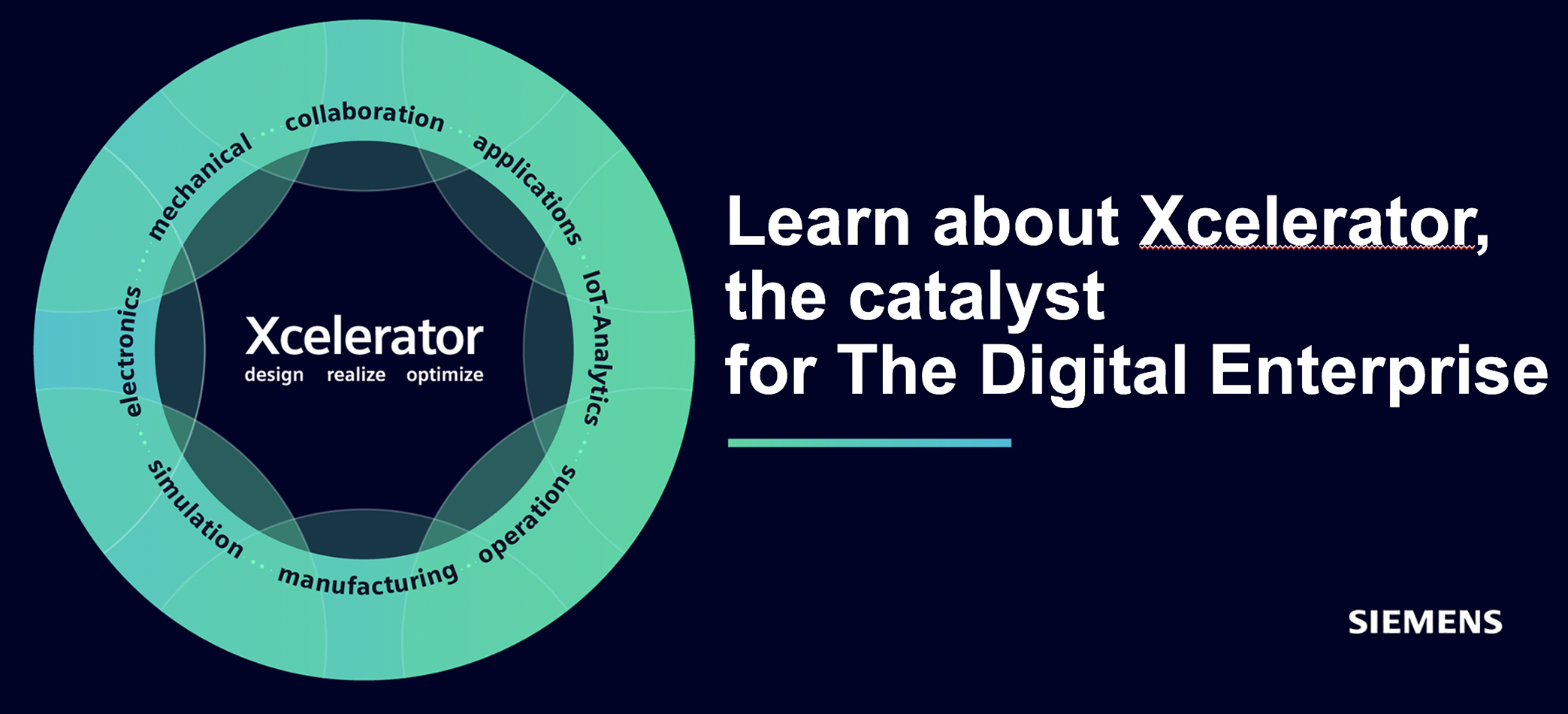
It is an interesting AI journey that Siemens and NVIDIA have embarked on in recent years. It represents a significant transformation that began with a strategic partnership in 2022 to build the Industrial Metaverse by connecting Siemens Xcelerator platform with NVIDIA Omniverse. Today this collaboration has reached a maturity where it is set to redefine the industry by advancing AI to a truly cutting-edge level.
On one hand, Siemens' Xcelerator portfolio contains most of what is required in terms of integrated product realization software and hardware. On the other hand, NVIDIA Omniverse, an advanced OpenUSD-based, real-time development platform, developed the capacity to unite AI, robotics, simulation, and edge computing in one environment.
The pace of development is explosive. What was available in 2022 has proven to be a modest foundation compared to today's state-of-the-art. While NVIDIA remains the superstar collaborator for PLM developers, it is doubtful if any other partnership has the holistic capacity to drive AI as far as NVIDIA and Siemens can.
The overall most important argument is that no other PLM developer has been able to combine PLM and world class factory automation to a working unity as far as Siemens. This capacity is build on the seamless integration of software and hardware, all the way from product realization in CAD, CAE, EDA, ALM, and other digital tools to cover the mechanical, electrical/electronics, software, and smart factory automation domains.
”What has made NVIDIA so sharp in this context is its primary goal to be more than just a capable GPU (Graphic Processing Unit) engine,” says NVIDIA CEO Jensen Huang (pictured right), pointing at how its development team have aimed to create a key differentiator through their integration of hardware (GPUs), software (CUDA platform), and systems (networking and DGX platforms).”
Moreover, Huang believes that as demand for AI explodes, general-purpose processors are too inefficient. Siemens boss, Roland Busch, agrees:
"By combining NVIDIA's leadership in accelerated computing and AI platforms with Siemens' leading hardware, software, industrial AI and data, we enable customers to develop products faster with the most comprehensive digital twins, adapt production in real time, and accelerate technologies from chip to AI factories," he says and points out that they now, "have a joint goal of building the world's first fully AI-driven, adaptive manufacturing site by 2026: Siemens Electronics Factory in Erlangen, Germany."
But what are the set up details and why does the new Digital Twin Composer play a key role?
Click on the link to read the full story on PLM&ERP News.
It is an interesting AI journey that Siemens and NVIDIA have embarked on in recent years. It represents a significant transformation that began with a strategic partnership in 2022 to build the Industrial Metaverse by connecting Siemens Xcelerator platform with NVIDIA Omniverse. Today this collaboration has reached a maturity where it is set to redefine the industry by advancing AI to a truly cutting-edge level.
On one hand, Siemens' Xcelerator portfolio contains most of what is required in terms of integrated product realization software and hardware. On the other hand, NVIDIA Omniverse, an advanced OpenUSD-based, real-time development platform, developed the capacity to unite AI, robotics, simulation, and edge computing in one environment.
The pace of development is explosive. What was available in 2022 has proven to be a modest foundation compared to today's state-of-the-art. While NVIDIA remains the superstar collaborator for PLM developers, it is doubtful if any other partnership has the holistic capacity to drive AI as far as NVIDIA and Siemens can.
The overall most important argument is that no other PLM developer has been able to combine PLM and world class factory automation to a working unity as far as Siemens. This capacity is build on the seamless integration of software and hardware, all the way from product realization in CAD, CAE, EDA, ALM, and other digital tools to cover the mechanical, electrical/electronics, software, and smart factory automation domains.
”What has made NVIDIA so sharp in this context is its primary goal to be more than just a capable GPU (Graphic Processing Unit) engine,” says NVIDIA CEO Jensen Huang (pictured right), pointing at how its development team have aimed to create a key differentiator through their integration of hardware (GPUs), software (CUDA platform), and systems (networking and DGX platforms).”
Moreover, Huang believes that as demand for AI explodes, general-purpose processors are too inefficient. Siemens boss, Roland Busch, agrees:
"By combining NVIDIA's leadership in accelerated computing and AI platforms with Siemens' leading hardware, software, industrial AI and data, we enable customers to develop products faster with the most comprehensive digital twins, adapt production in real time, and accelerate technologies from chip to AI factories," he says and points out that they now, "have a joint goal of building the world's first fully AI-driven, adaptive manufacturing site by 2026: Siemens Electronics Factory in Erlangen, Germany."
But what are the set up details and why does the new Digital Twin Composer play a key role?
Click on the link to read the full story on PLM&ERP News.


PLM and AI Brightens the Picture for Siemens Digital Industries Amid Automation Slump
CEO Roland Busch on FY2025: “Strong ARR growth, Q4 momentum for AI & PLM, and the Altair and Dotmatic acquisitions that will pave the way for a profitable future."
It was a mixed result that Roland Busch presented in Siemens Q4 FY2025 Earnings Report. The company does not disclose carved-out figures from various divisions but describes the general financial picture. For FY2025, total revenue thus increased by 4% to €78.9 billion (about $91 billion). For Siemens Digital Industries, which includes the automation and PLM segments, an expected marginal revenue decline was noted due to the global economic slowdown that primarily affected investments in automation solutions. However, Busch highlighted strong performance in its software business, including AI and PLM, contributing to record annual net income and free cash flow for the group. Full-year profit in the "Industrial Business" rose to a record level, up 3% to 11.8 billion. He specifically credited the growth in areas like software and AI for achieving record net income:
“FY2025 is the third consecutive year we have achieved a record net income, with growth in orders and revenue in the mid-single digits,” he said, adding in a look ahead to FY2026 that “the acquisitions of Altair and Dotmatics extend our leadership in software and AI.”
But while the full year showed record cash flow and growth in divisions such as Smart Infrastructure and Mobility, the Digital Industries segment, despite good growth figures in the fourth quarter, landed on less strong total growth numbers for the full year. But there were bright spots too, like the momentum in Q4: Plus 10%, for the automation side, and a significant 8% growth in the software areas, “driven by the PLM software in the Xcelerator portfolio.” The latter concerns programs such as NX CAD, the PLM platform Teamcenter, the CAE solutions in the Simcenter portfolio, the EDA software, the ALM solutions with the Polarion suite, and Opcenter for digital production management.
The company does not disclose exactly how much Siemens' PLM division will bring in FY2025, but according to analyst CIMdata, the figure in 2024 was in the region of $7 billion, just ahead of Dassault Systemes' $6.7 billion. The company was thus the commercial number one. According to the same source, the growth rate for Siemens PLM software revenues between 2020 and 2024 has been steady at an annual growth of around 6%. If this trend continues, the PLM division will reach the $7.5 billion revenue level for 2025.
But with that said, there is one figure that stands out: the ARR growth, Annual Recurring Revenue, which landed at plus 10% for FY2025Q4 compared to FY2024Q4. This figure covers the core of Siemens' GTM strategy. Why is it so important?
Click on the link to read more at PLM&ERP News.
It was a mixed result that Roland Busch presented in Siemens Q4 FY2025 Earnings Report. The company does not disclose carved-out figures from various divisions but describes the general financial picture. For FY2025, total revenue thus increased by 4% to €78.9 billion (about $91 billion). For Siemens Digital Industries, which includes the automation and PLM segments, an expected marginal revenue decline was noted due to the global economic slowdown that primarily affected investments in automation solutions. However, Busch highlighted strong performance in its software business, including AI and PLM, contributing to record annual net income and free cash flow for the group. Full-year profit in the "Industrial Business" rose to a record level, up 3% to 11.8 billion. He specifically credited the growth in areas like software and AI for achieving record net income:
“FY2025 is the third consecutive year we have achieved a record net income, with growth in orders and revenue in the mid-single digits,” he said, adding in a look ahead to FY2026 that “the acquisitions of Altair and Dotmatics extend our leadership in software and AI.”
But while the full year showed record cash flow and growth in divisions such as Smart Infrastructure and Mobility, the Digital Industries segment, despite good growth figures in the fourth quarter, landed on less strong total growth numbers for the full year. But there were bright spots too, like the momentum in Q4: Plus 10%, for the automation side, and a significant 8% growth in the software areas, “driven by the PLM software in the Xcelerator portfolio.” The latter concerns programs such as NX CAD, the PLM platform Teamcenter, the CAE solutions in the Simcenter portfolio, the EDA software, the ALM solutions with the Polarion suite, and Opcenter for digital production management.
The company does not disclose exactly how much Siemens' PLM division will bring in FY2025, but according to analyst CIMdata, the figure in 2024 was in the region of $7 billion, just ahead of Dassault Systemes' $6.7 billion. The company was thus the commercial number one. According to the same source, the growth rate for Siemens PLM software revenues between 2020 and 2024 has been steady at an annual growth of around 6%. If this trend continues, the PLM division will reach the $7.5 billion revenue level for 2025.
But with that said, there is one figure that stands out: the ARR growth, Annual Recurring Revenue, which landed at plus 10% for FY2025Q4 compared to FY2024Q4. This figure covers the core of Siemens' GTM strategy. Why is it so important?
Click on the link to read more at PLM&ERP News.

From BROWNFIELD to SMART FACTORIES: How to Retrofit the Past into a Profitable Future
RAHUL GARG, VP at SIEMENS Digital Industries Software: “The Comprehensive Digital Twin and Simulation Key to Hassle-Free and Seamless Manufacturing.”
Can it be profitable, or even physically possible, to upgrade an older, diversified, traditional manufacturing facility to a state-of-the-art, digitally controlled smart factory? The question is explosively relevant in a situation where AI, digital twins, threads, and advanced sensor- and software-controlled automation have reached today's levels of maturity.
In this situation, doing things the same way they have always been done is no longer enough to manage things like rising operating costs, inefficient production processes, and a labor market characterized by a shortage of skilled workforce. This is what Rahul Garg, VP of Industrial Machinery Vertical Software Strategy, argues in today's article.
“Digitalization and automation are key to navigating these challenges. Manufacturers can bolster their automation systems to guarantee adaptive and flexible production, helping their operations remain profitable and competitive. And contrary to popular belief, modernization also does not necessarily mean replacing every single piece of old equipment with shiny new machines,” he notes.
Of course, no one said it would be easy to transform a traditional manufacturing operation into a smart factory, with challenges such as integrating legacy machines and systems. Similarly, older machines often lack sensors, while others lack network connectivity or modern standards to interact with new systems.
That may be the case, but this has not stopped many factories from successfully incorporating modern automation processes with outdated equipment that lacked the more advanced features of more modern machines, such as IoT connectivity and AI integration. So, where and how did they start? Rahul Garg:
“Achieving a more automated factory that is ready to face a volatile landscape starts with a plan. With a solid plan, manufacturers can more easily incorporate automation capabilities into their production lines. To ensure harmony between legacy and new systems, manufacturers should look to the comprehensive digital twin. By leveraging the simulation capabilities of this, automation integration becomes seamless and hassle-free, enabling a wide range of resource-saving test capabilities, providing agile and robust operations on the shop floor.”
But how does it work in more detail? Don’t miss the meeting with Rahul Garg in today’s article. He has worked closely with both small and medium-sized companies in technology-driven industries to overcome key challenges and drive revenue growth with strategic solutions, smarter services, and better business practices. It could be a profitable meeting.
Click the link to read the full article on PLM&ERP News.
Can it be profitable, or even physically possible, to upgrade an older, diversified, traditional manufacturing facility to a state-of-the-art, digitally controlled smart factory? The question is explosively relevant in a situation where AI, digital twins, threads, and advanced sensor- and software-controlled automation have reached today's levels of maturity.
In this situation, doing things the same way they have always been done is no longer enough to manage things like rising operating costs, inefficient production processes, and a labor market characterized by a shortage of skilled workforce. This is what Rahul Garg, VP of Industrial Machinery Vertical Software Strategy, argues in today's article.
“Digitalization and automation are key to navigating these challenges. Manufacturers can bolster their automation systems to guarantee adaptive and flexible production, helping their operations remain profitable and competitive. And contrary to popular belief, modernization also does not necessarily mean replacing every single piece of old equipment with shiny new machines,” he notes.
Of course, no one said it would be easy to transform a traditional manufacturing operation into a smart factory, with challenges such as integrating legacy machines and systems. Similarly, older machines often lack sensors, while others lack network connectivity or modern standards to interact with new systems.
That may be the case, but this has not stopped many factories from successfully incorporating modern automation processes with outdated equipment that lacked the more advanced features of more modern machines, such as IoT connectivity and AI integration. So, where and how did they start? Rahul Garg:
“Achieving a more automated factory that is ready to face a volatile landscape starts with a plan. With a solid plan, manufacturers can more easily incorporate automation capabilities into their production lines. To ensure harmony between legacy and new systems, manufacturers should look to the comprehensive digital twin. By leveraging the simulation capabilities of this, automation integration becomes seamless and hassle-free, enabling a wide range of resource-saving test capabilities, providing agile and robust operations on the shop floor.”
But how does it work in more detail? Don’t miss the meeting with Rahul Garg in today’s article. He has worked closely with both small and medium-sized companies in technology-driven industries to overcome key challenges and drive revenue growth with strategic solutions, smarter services, and better business practices. It could be a profitable meeting.
Click the link to read the full article on PLM&ERP News.

Från traditionell tillverkning till SMARTA FABRIKER: Hur man omvandlar det förflutna till en lönsam...
RAHUL GARG, VP på SIEMENS Digital Industries Software: ”Den omfattande digitala tvillingen och simulering nycklar till problemfri och sömlös tillverkning.”
Kan det bli lönsamt, eller ens fysiskt möjligt, att gradera upp en äldre, diversifierad produktionsanläggning av traditionellt snitt till en toppmodern digitalt styrd smart fabrik? Frågan är explosivt aktuell i ett läge när AI, digitala tvillingar, trådar och en långt driven sensor- och mjukvarustyrd automation nått dagens mognadsnivåer.
Att i detta läge göra saker på samma sätt som de alltid gjorts är inte längre nog för att hantera sånt som ökande driftskostnader, ineffektiva produktionsprocesser och en arbetsmarknad präglad av brist på kompetent folk. Det menar Rahul Garg, VP för Industrial Machinery Vertical Software Strategy, i dagens artikel.
”Digitalisering och automatisering är banbrytande för att navigera bland de här utmaningarna. Tillverkare kan stärka sina automationssystem för att garantera adaptiv och flexibel produktion, vilket hjälper deras verksamhet att förbli lönsam och parallellt också konkurrenskraftig. I motsats till vad många tror innebär modernisering inte heller nödvändigtvis att man ersätter varje enskild gammal utrustning med skinande nya maskiner,” konstaterar han.
Förvisso har ingen påstått att det är enkelt att transformera en traditionell tillverkningsverksamhet till en smart fabrik med utmaningar som integration med äldre maskiner och system. Liksom att äldre maskiner ofta saknar sensorer, medan andra saknar nät-uppkoppling eller moderna standarder för att integrera med nya system.
Så kan det vara, men detta har inte hindrat en rad fabriker från att framgångsrikt införliva moderna automationsprocesser med föråldrad utrustning som saknat de mer avancerade funktionerna hos modernare maskiner, som IoT-anslutning och AI-integration. Så, var började de? Rahul Garg:
”Att uppnå en mer automatiserad fabrik som är redo att möta ett volatilt landskap börjar med en plan. Med en gedigen plan kan tillverkare lättare integrera automatiserings-funktioner i produktionslinjerna. För att garantera harmoni mellan gamla och nya system bör tillverkare titta på den omfattande digitala tvillingen. Genom att utnyttja simuleringsfunktionerna i den omfattande digitala tvillingen blir automatiserings-integrationen sömlös och problemfri, vilket möjliggör ett brett utbud av resursbesparande testfunktioner och ger agila och robusta operationer till verkstadsgolvet.”
Men hur går det mer detaljerat till? Missa inte mötet med Rahul Garg i dagens artikel. Han har arbetat nära både mindre och medelstora företag inom teknikdrivna branscher för att övervinna viktiga utmaningar och driva intäktstillväxt med strategiska lösningar, smartare tjänster och bättre affärsmetoder. Det kan bli ett lönsamt möte.
Klicka på rubriken för att läsa mer på PLM&ERP News.
Att i detta läge göra saker på samma sätt som de alltid gjorts är inte längre nog för att hantera sånt som ökande driftskostnader, ineffektiva produktionsprocesser och en arbetsmarknad präglad av brist på kompetent folk. Det menar Rahul Garg, VP för Industrial Machinery Vertical Software Strategy, i dagens artikel.
”Digitalisering och automatisering är banbrytande för att navigera bland de här utmaningarna. Tillverkare kan stärka sina automationssystem för att garantera adaptiv och flexibel produktion, vilket hjälper deras verksamhet att förbli lönsam och parallellt också konkurrenskraftig. I motsats till vad många tror innebär modernisering inte heller nödvändigtvis att man ersätter varje enskild gammal utrustning med skinande nya maskiner,” konstaterar han.
Förvisso har ingen påstått att det är enkelt att transformera en traditionell tillverkningsverksamhet till en smart fabrik med utmaningar som integration med äldre maskiner och system. Liksom att äldre maskiner ofta saknar sensorer, medan andra saknar nät-uppkoppling eller moderna standarder för att integrera med nya system.
Så kan det vara, men detta har inte hindrat en rad fabriker från att framgångsrikt införliva moderna automationsprocesser med föråldrad utrustning som saknat de mer avancerade funktionerna hos modernare maskiner, som IoT-anslutning och AI-integration. Så, var började de? Rahul Garg:
”Att uppnå en mer automatiserad fabrik som är redo att möta ett volatilt landskap börjar med en plan. Med en gedigen plan kan tillverkare lättare integrera automatiserings-funktioner i produktionslinjerna. För att garantera harmoni mellan gamla och nya system bör tillverkare titta på den omfattande digitala tvillingen. Genom att utnyttja simuleringsfunktionerna i den omfattande digitala tvillingen blir automatiserings-integrationen sömlös och problemfri, vilket möjliggör ett brett utbud av resursbesparande testfunktioner och ger agila och robusta operationer till verkstadsgolvet.”
Men hur går det mer detaljerat till? Missa inte mötet med Rahul Garg i dagens artikel. Han har arbetat nära både mindre och medelstora företag inom teknikdrivna branscher för att övervinna viktiga utmaningar och driva intäktstillväxt med strategiska lösningar, smartare tjänster och bättre affärsmetoder. Det kan bli ett lönsamt möte.
Klicka på rubriken för att läsa mer på PLM&ERP News.

Stellantis Invests in Cool Painting Technique for its New EV Flagship DS N°8
PRODUCT DEVELOPMENT in PLM from both SIEMENS and DASSAULT SYSTEMES.
One of the Stellantis automotive group’s many subsidiaries in the automotive sector is DS Automobiles, a brand that has its roots in the iconic French manufacturer Citroen and their DS model series. However, since 2014, the DS pieces have stood on their own two feet and focus on exclusive and innovative cars inspired by French haute couture and avant-garde. This can of course take many forms, but one of the more visually significant elements is the paintwork.
Today the company announces that Stellantis’ manufacturing facility in Melfi, Italy – known as one of the company’s centers of excellence – is investing in ABB’s innovative PixelPaint technology with monocoat paint from Nippon Paint. The point is to give DS Automobiles’ new flagship DS N°8 the elegant two-tone paint finish. The groundbreaking technology will be scaled up in production in the second half of 2025 in a fully automated and sustainable process.
Silvio Licitra, Head of Paint Process Engineering at Stellantis, comments:
“The DS N°8 redefines the ‘French Art of Travel’. Its sleek contours invite long journeys in quiet and peaceful electric comfort, while the elegant two-tone paintwork with its clearly defined lines is an ultra-modern reinterpretation of the historic art of French carriage building. ABB’s PixelPaint enables both design and sustainability, a technological excellence that is combined with aesthetics.”
Joerg Reger, Head of ABB Robotics’ Automotive Business, adds that PixelPaint is increasingly being used by some of the world’s leading automotive designers who want to create an extraordinary finish. Traditionally, the deep black two-tone paintwork on the DS N°8 required complex manual masking and repeated runs through the paint shop. PixelPaint improves efficiency, saves energy and significantly reduces emissions. With two robots working in coordination, this precision paintwork can be applied faster and without manual handling.”
PixelPaint consists of a paint head with over 1,000 very small, individually controlled nozzles. The head is mounted on an ABB robot, such as the IRB 5500 robot in the paint series. Together with 3D vision systems and coordinated by ABB's RobotStudio software, it ensures that 100 percent of the paint is sprayed onto the car without overspray or air dispersion of the spray. Spillage is eliminated and the requirements for environmental treatment are reduced, which significantly contributes to DS Automobiles' sustainability goals.
On the PLM and CAD side, the Stellantis group companies work in two main environments: The French PSA companies (Peugeot, Citroën, DS Automobiles) work in a Dassault environment with 3DEXPERIENCE and CATIA, while the Fiat Chrysler side and most of the other brands in the group work in Siemens environments with Teamcenter as a PLM base and NX CAD. Other brands in the group include Alfa Romeo, Jeep, Dodge, Lancia and Opel.) In global sales in 2024 The Stellantis Group comes in fifth place with just over 5.5 million vehicles sold.
So, what does the DS PixelPaint solution for the DS N°8 look like in more detail and what makes it better than traditional methodology from a sustainability perspective?
Click on the headline to read more on. PLM&ERP News.
Today the company announces that Stellantis’ manufacturing facility in Melfi, Italy – known as one of the company’s centers of excellence – is investing in ABB’s innovative PixelPaint technology with monocoat paint from Nippon Paint. The point is to give DS Automobiles’ new flagship DS N°8 the elegant two-tone paint finish. The groundbreaking technology will be scaled up in production in the second half of 2025 in a fully automated and sustainable process.
Silvio Licitra, Head of Paint Process Engineering at Stellantis, comments:
“The DS N°8 redefines the ‘French Art of Travel’. Its sleek contours invite long journeys in quiet and peaceful electric comfort, while the elegant two-tone paintwork with its clearly defined lines is an ultra-modern reinterpretation of the historic art of French carriage building. ABB’s PixelPaint enables both design and sustainability, a technological excellence that is combined with aesthetics.”
Joerg Reger, Head of ABB Robotics’ Automotive Business, adds that PixelPaint is increasingly being used by some of the world’s leading automotive designers who want to create an extraordinary finish. Traditionally, the deep black two-tone paintwork on the DS N°8 required complex manual masking and repeated runs through the paint shop. PixelPaint improves efficiency, saves energy and significantly reduces emissions. With two robots working in coordination, this precision paintwork can be applied faster and without manual handling.”
PixelPaint consists of a paint head with over 1,000 very small, individually controlled nozzles. The head is mounted on an ABB robot, such as the IRB 5500 robot in the paint series. Together with 3D vision systems and coordinated by ABB's RobotStudio software, it ensures that 100 percent of the paint is sprayed onto the car without overspray or air dispersion of the spray. Spillage is eliminated and the requirements for environmental treatment are reduced, which significantly contributes to DS Automobiles' sustainability goals.
On the PLM and CAD side, the Stellantis group companies work in two main environments: The French PSA companies (Peugeot, Citroën, DS Automobiles) work in a Dassault environment with 3DEXPERIENCE and CATIA, while the Fiat Chrysler side and most of the other brands in the group work in Siemens environments with Teamcenter as a PLM base and NX CAD. Other brands in the group include Alfa Romeo, Jeep, Dodge, Lancia and Opel.) In global sales in 2024 The Stellantis Group comes in fifth place with just over 5.5 million vehicles sold.
So, what does the DS PixelPaint solution for the DS N°8 look like in more detail and what makes it better than traditional methodology from a sustainability perspective?
Click on the headline to read more on. PLM&ERP News.

Fordonstillverkaren Stellantis satsar på ABBs lackeringsteknik till sitt nya eldrivna flaggskepp DS N°8
PRODUKTUTVECKLAR i PLM både från SIEMENS och DASSAULT SYSTEMES.
En av fordonsgruppen Stellantis många dotterbolag inom automotive är DS Automobiles, ett märke som har sina rötter i den ikoniska franska tillverkaren Citroen och deras DS-modellserie. Sedan 2014 står emellertid DS-bitarna på egna ben och fokuserar på exklusiva och innovativa bilar med inspiration från fransk haute couture och avantgardism. Detta kan förstås ta sig många uttryck, men av de mer visuellt betydelsefulla inslagen handlar om lackeringen.
Här meddelar nu bolaget att man i Stellantis tillverknings-anläggning i Melfi i Italien – känt som ett av företagets spetskompetenscenters – gör en satsning på ABBs innovativa PixelPaint-teknik med monocoat-lack från Nippon Paint. Poängen är att ge DS Automobiles nya flaggskepp DS N°8 den eleganta tvåtonslacken som finish. Den banbrytande tekniken ska skalas upp i produktionen under andra halvan av 2025 i en helt automatiserad och hållbar process.
Silvio Licitra, chef för Paint Process Engineering på Stellantis, säger i en kommentar:
”DS N°8 omdefinierar ”the French Art of Travel”. De slimmade konturerna inbjuder till långa sträckor i tyst och lugn eldriven bekvämlighet, samtidigt som den eleganta tvåtonslacken med sina tydligt definierade linjer är en ultramodern omtolkning av den historiska franska vagnbyggnadskonsten. ABBs PixelPaint möjliggör i detta både design och hållbarhet, en teknisk spetskompetens som förenas med estetiken.”
Joerg Reger, chef för ABB Robotics fordons¬verksamhet, tillägger att PixelPaint används allt mer bland några av världens ledande fordonsdesigners som vill skapa en extraordinär ytbehandling. Traditionellt sett kräver den djupsvarta tvåtonslacken på DS N°8 komplexa manuella maskeringar och upprepade körningar genom lackeringsverkstaden. PixelPaint förbättrar effektiviteten, sparar energi och minskar avsevärt utsläppen. Med två robotar som arbetar koordinerat kan den här precisionslackeringen läggas på snabbare och utan manuell hantering.”
PixelPaint består av ett lackeringshuvud med över 1 000 mycket små, individuellt styrda munstycken. Huvudet är monterat på en ABB-robot, som till exempel roboten IRB 5500 i lackeringsserien. Tillsammans med 3D-visionssystem och koordinerat av ABBs programvara RobotStudio säkerställs att 100 procent av lacken sprutas på bilen utan över-sprutning eller luftspridning av sprayen. Spill elimineras och kraven på miljöbehandling minskar, vilket avsevärt bidrar till DS Automobiles hållbarhetsmål.
På PLM- och CAD-sidan arbetar Stellantis-gruppens bolag i huvudsakligen två miljöer: De franska PSA-bolagen (Peugeot, Citroën, DS Automobiles) jobbar i Dassault-miljö med 3DEXPERIENCE och CATIA, medan Fiat Chrysler-sidan och merparten av de andra märkena i gruppen jobbar i Siemens-miljöer med Teamcenter som PLM-bas och NX CAD. Bland andra märken i gruppen finns bl a Alfa Romeo, Jeep, Dodge, Lancia och Opel). I den globala försäljningen 2024 hamnar Stellantis-gruppen på femte plats med drygt 5,5 miljoner sålda fordon.
Hur ser då DS PixelPaint-lösningen för DS N°8 ut mer i detalj och vad gör den bättre än traditionell metodik i ett hållbarhetsperspektiv? Klicka på rubriken för att läsa mer på PLM&ERP News.
Här meddelar nu bolaget att man i Stellantis tillverknings-anläggning i Melfi i Italien – känt som ett av företagets spetskompetenscenters – gör en satsning på ABBs innovativa PixelPaint-teknik med monocoat-lack från Nippon Paint. Poängen är att ge DS Automobiles nya flaggskepp DS N°8 den eleganta tvåtonslacken som finish. Den banbrytande tekniken ska skalas upp i produktionen under andra halvan av 2025 i en helt automatiserad och hållbar process.
Silvio Licitra, chef för Paint Process Engineering på Stellantis, säger i en kommentar:
”DS N°8 omdefinierar ”the French Art of Travel”. De slimmade konturerna inbjuder till långa sträckor i tyst och lugn eldriven bekvämlighet, samtidigt som den eleganta tvåtonslacken med sina tydligt definierade linjer är en ultramodern omtolkning av den historiska franska vagnbyggnadskonsten. ABBs PixelPaint möjliggör i detta både design och hållbarhet, en teknisk spetskompetens som förenas med estetiken.”
Joerg Reger, chef för ABB Robotics fordons¬verksamhet, tillägger att PixelPaint används allt mer bland några av världens ledande fordonsdesigners som vill skapa en extraordinär ytbehandling. Traditionellt sett kräver den djupsvarta tvåtonslacken på DS N°8 komplexa manuella maskeringar och upprepade körningar genom lackeringsverkstaden. PixelPaint förbättrar effektiviteten, sparar energi och minskar avsevärt utsläppen. Med två robotar som arbetar koordinerat kan den här precisionslackeringen läggas på snabbare och utan manuell hantering.”
PixelPaint består av ett lackeringshuvud med över 1 000 mycket små, individuellt styrda munstycken. Huvudet är monterat på en ABB-robot, som till exempel roboten IRB 5500 i lackeringsserien. Tillsammans med 3D-visionssystem och koordinerat av ABBs programvara RobotStudio säkerställs att 100 procent av lacken sprutas på bilen utan över-sprutning eller luftspridning av sprayen. Spill elimineras och kraven på miljöbehandling minskar, vilket avsevärt bidrar till DS Automobiles hållbarhetsmål.
På PLM- och CAD-sidan arbetar Stellantis-gruppens bolag i huvudsakligen två miljöer: De franska PSA-bolagen (Peugeot, Citroën, DS Automobiles) jobbar i Dassault-miljö med 3DEXPERIENCE och CATIA, medan Fiat Chrysler-sidan och merparten av de andra märkena i gruppen jobbar i Siemens-miljöer med Teamcenter som PLM-bas och NX CAD. Bland andra märken i gruppen finns bl a Alfa Romeo, Jeep, Dodge, Lancia och Opel). I den globala försäljningen 2024 hamnar Stellantis-gruppen på femte plats med drygt 5,5 miljoner sålda fordon.
Hur ser då DS PixelPaint-lösningen för DS N°8 ut mer i detalj och vad gör den bättre än traditionell metodik i ett hållbarhetsperspektiv? Klicka på rubriken för att läsa mer på PLM&ERP News.