

Busy Days for PTC’s Boss Neil Barua – Running at High Pace Despite the...
STRONG Q3 (FY2025) quarterly figures and a NVIDIA collaboration that OPENS NEW AI DOORS. It has undoubtedly been an intense early summer period for one of the market leaders in PLM, PTC. Partly due to the numerous tours around Autodesk's plans to acquire PTC, partly because of the interesting AI-oriented technology investments with NVIDIA, among others, and partly because of a strong financial performance for FY3Q 2025.
Regarding the report for the company's fiscal third quarter 2025 (as of July 30), PTC has achieved results that, given the tough global economy, look good. The total revenue for the quarter increased by 24%, from $519 million to $644 million, and the today so important ARR (Annual Recurring Revenue) item in the SaaS world, a measure of how subscription or rental revenue is developing, increased by 14% to $2.4 billion.
Neil Barua, CEO and President of PTC, stated that the company's strategy to enable product databases and extend the value of that data across the enterprise has been a success with customers across all verticals and geographies:
"Yes, it looks good and I can confidently say that we are structurally stronger today than before with powerful development in all five focus areas of CAD, PLM, ALM (Application Lifecycle Management), SLM (Service Lifecycle Management) and SaaS (Software-as-a-Service) with new product offerings, improvements and important customer wins. Although the macroeconomic picture still provides some uncertainty for our customers, we feel that we are past the point of maximum disruption," Barua concluded.
But what has made PTC the big talking point in the industry this summer is, of course, the attempts to get a deal in place where Autodesk had plans to buy PTC; a deal that, however, fell through. There were several reasons, primarily because of the complexity of putting together and integrating a high-end PLM business of PTC's caliber–with overlapping software lines such as Windchill PLM/Creo CAD/Oneshape CAD&PDM–versus Autodesk's AEC and more mainstream-oriented focus with programs such as Revit/AutoCAD/Inventor/Fusion Manage and others. But also things like the financing and cost pieces seem to have played a big role when the deal ultimately fell through. Even for the big Autodesk, the price tag that was discussed, around $20 billion, was not an easily sum to raise, even if it could have been done. At the same time, there were some contradictions within Autodesk regarding the desire to drive the deal through. Especially due to the fact that a heavy financial activist and investor, Starboard Value, is reported to have opposed the deal.
That said, PTC has also been working hard on the technology side, not least in view of the development of AI fundamentals with, among other things, today's announced NVDIA collaboration where the latter's Omniverse technology has been integrated, making it possible to transfer CAD and PLM data to real-time simulations and interactive design environments.
But the AI investments do not stop there: In parallel, AI development continues with PTC's ALM solution Codebeamer, how? Click on the headline to read the full story on PLM&ERP News.
Regarding the report for the company's fiscal third quarter 2025 (as of July 30), PTC has achieved results that, given the tough global economy, look good. The total revenue for the quarter increased by 24%, from $519 million to $644 million, and the today so important ARR (Annual Recurring Revenue) item in the SaaS world, a measure of how subscription or rental revenue is developing, increased by 14% to $2.4 billion.
Neil Barua, CEO and President of PTC, stated that the company's strategy to enable product databases and extend the value of that data across the enterprise has been a success with customers across all verticals and geographies:
"Yes, it looks good and I can confidently say that we are structurally stronger today than before with powerful development in all five focus areas of CAD, PLM, ALM (Application Lifecycle Management), SLM (Service Lifecycle Management) and SaaS (Software-as-a-Service) with new product offerings, improvements and important customer wins. Although the macroeconomic picture still provides some uncertainty for our customers, we feel that we are past the point of maximum disruption," Barua concluded.
But what has made PTC the big talking point in the industry this summer is, of course, the attempts to get a deal in place where Autodesk had plans to buy PTC; a deal that, however, fell through. There were several reasons, primarily because of the complexity of putting together and integrating a high-end PLM business of PTC's caliber–with overlapping software lines such as Windchill PLM/Creo CAD/Oneshape CAD&PDM–versus Autodesk's AEC and more mainstream-oriented focus with programs such as Revit/AutoCAD/Inventor/Fusion Manage and others. But also things like the financing and cost pieces seem to have played a big role when the deal ultimately fell through. Even for the big Autodesk, the price tag that was discussed, around $20 billion, was not an easily sum to raise, even if it could have been done. At the same time, there were some contradictions within Autodesk regarding the desire to drive the deal through. Especially due to the fact that a heavy financial activist and investor, Starboard Value, is reported to have opposed the deal.
That said, PTC has also been working hard on the technology side, not least in view of the development of AI fundamentals with, among other things, today's announced NVDIA collaboration where the latter's Omniverse technology has been integrated, making it possible to transfer CAD and PLM data to real-time simulations and interactive design environments.
But the AI investments do not stop there: In parallel, AI development continues with PTC's ALM solution Codebeamer, how? Click on the headline to read the full story on PLM&ERP News.

Bråda dagar för PTC-chefen – springer på i högt tempo trots den havererade Autodeskaffären
RIKTIGT BRA Q3-siffror och NVIDIA-samarbete som ÖPPNAR NYA AI-DÖRRAR. Det har onekligen varit en intensiv försommar- och sommarperiod för marknadsfyran på PLM-sidan, PTC. Dels för de många turerna runt Autodesks planer på att köpa PTC, dels för intressanta AI-inriktade teknologisatsningar med bl a NVIDIA, och dels för vad som ser ut som ett riktigt bra finansiellt FY3Q 2025.
När det gäller rapporten för bolagets fiskala tredjekvartal (per 30 juli) har PTC fått till ett resultat som givet den tuffa globala konjunkturen ser riktigt bra ut. Bolagets totalintäkter för kvartalet ökade faktiskt med 24 %, från 519 till 644 miljoner dollar och den i SaaS-världen numera så viktiga ARR-posten (Annual Recurring Revenue), en värdemätare på hur prenumerations- eller hyresintäkterna utvecklas, ökade med 14 % till 2,4 miljarder dollar.
Neil Barua, CEO och koncernchef för PTC, konstaterade att bolagets strategi att möjliggöra produktdatabaser och utöka värdet av dessa data över hela företaget har gått hem bra hos kunderna över alla vertikaler och geografiska områden:
"Ja, det ser bra ut och jag kan med säkerhet säga att vi står strukturellt starkare idag än tidigare med en vass utveckling på alla våra fem fokusområden CAD, PLM, ALM (Application Lifecycle Management, ”mjukvaruutveckling”), SLM (Service Lifecycyle Management) och SaaS (Software-as-a-Service) med nya produkterbjudanden, förbättringar och viktiga kundvinster. Även om den makroekonomiska bilden fortfarande ger en viss osäkerhet för våra kunder, känner vi att vi är förbi punkten för maximal störning", summerade Barua.
Men det som gjort PTC till sommarens stora samtalsämne i branschen handlar förstås om försöken att få till en affär där Autodesk skulle köpa PTC; en deal som emellertid gick i stöpet. Skälen var flera, framför allt för att komplexiteten i att få ihop och integrera en high-end PLM-verksamhet av PTC’s snitt – med överlappande mjukvarulinjer som Windchill PLM/Creo CAD/Oneshape CAD&PDM - kontra Autodesks AEC- och mera mainstream-orienterade fokus med program som Revit/AutoCAD/Inventor/Fusion Manage och annat. Men också sånt som finansierings- och kostnadsbitarna tycks ha spelat stor roll när affären till slut föll. Inte ens för det stora Autodesk var prislappen som diskuterades, runt 20 miljarder dollar, en lättsmält summa att få till, även om det möjligen hade gått. Samtidigt fanns inom Autodesk-ledningen vissa motsättningar när det gäller viljan att köra igenom affären. Framför allt beroende på att en tung finans-aktivist och investerare, Starboard Value, rapporteras ha motsatt sig affären.
Detta sagt har PTC också jobbat på hårt på teknologisidan, inte minst då av seende utvecklingen av AI-fundamenta med bl a dagens annonserade NVDIA-samarbete där man integrerat de senares Omniverse-teknologi, vilket gör det möjligt att överföra CAD- och PLM-data till realtidssimuleringar och interaktiva designmiljöer.
Men AI-satsningarna stannar inte där: Parallellt fortsätter AI-utvecklingen när det gäller PTC’s ALM-lösning Codebeamer, hur då?
Klicka på rubriken för att läsa mer på PLM&ERP News.
När det gäller rapporten för bolagets fiskala tredjekvartal (per 30 juli) har PTC fått till ett resultat som givet den tuffa globala konjunkturen ser riktigt bra ut. Bolagets totalintäkter för kvartalet ökade faktiskt med 24 %, från 519 till 644 miljoner dollar och den i SaaS-världen numera så viktiga ARR-posten (Annual Recurring Revenue), en värdemätare på hur prenumerations- eller hyresintäkterna utvecklas, ökade med 14 % till 2,4 miljarder dollar.
Neil Barua, CEO och koncernchef för PTC, konstaterade att bolagets strategi att möjliggöra produktdatabaser och utöka värdet av dessa data över hela företaget har gått hem bra hos kunderna över alla vertikaler och geografiska områden:
"Ja, det ser bra ut och jag kan med säkerhet säga att vi står strukturellt starkare idag än tidigare med en vass utveckling på alla våra fem fokusområden CAD, PLM, ALM (Application Lifecycle Management, ”mjukvaruutveckling”), SLM (Service Lifecycyle Management) och SaaS (Software-as-a-Service) med nya produkterbjudanden, förbättringar och viktiga kundvinster. Även om den makroekonomiska bilden fortfarande ger en viss osäkerhet för våra kunder, känner vi att vi är förbi punkten för maximal störning", summerade Barua.
Men det som gjort PTC till sommarens stora samtalsämne i branschen handlar förstås om försöken att få till en affär där Autodesk skulle köpa PTC; en deal som emellertid gick i stöpet. Skälen var flera, framför allt för att komplexiteten i att få ihop och integrera en high-end PLM-verksamhet av PTC’s snitt – med överlappande mjukvarulinjer som Windchill PLM/Creo CAD/Oneshape CAD&PDM - kontra Autodesks AEC- och mera mainstream-orienterade fokus med program som Revit/AutoCAD/Inventor/Fusion Manage och annat. Men också sånt som finansierings- och kostnadsbitarna tycks ha spelat stor roll när affären till slut föll. Inte ens för det stora Autodesk var prislappen som diskuterades, runt 20 miljarder dollar, en lättsmält summa att få till, även om det möjligen hade gått. Samtidigt fanns inom Autodesk-ledningen vissa motsättningar när det gäller viljan att köra igenom affären. Framför allt beroende på att en tung finans-aktivist och investerare, Starboard Value, rapporteras ha motsatt sig affären.
Detta sagt har PTC också jobbat på hårt på teknologisidan, inte minst då av seende utvecklingen av AI-fundamenta med bl a dagens annonserade NVDIA-samarbete där man integrerat de senares Omniverse-teknologi, vilket gör det möjligt att överföra CAD- och PLM-data till realtidssimuleringar och interaktiva designmiljöer.
Men AI-satsningarna stannar inte där: Parallellt fortsätter AI-utvecklingen när det gäller PTC’s ALM-lösning Codebeamer, hur då?
Klicka på rubriken för att läsa mer på PLM&ERP News.

Surprisingly Strong Growth for PLM Investments According to New CIMdata 2025 Report
SIEMENS in commercial top - ADVANCED electronics, software design and digital twins market investment drivers. The PLM market continues to grow according to analyst CIMdata's fresh 2025 report, Executive PLM Market Report, launched on Friday. In the calendar year 2024, covered by the 2025 report, the PLM market grew to $80.3 billion (+10.7% growth compared to 2023). Overall, surprisingly strong growth figures given the tough global economy, but also evidence of technology development opening new doors in line with the explosive technological development, where AI, digital twins, software design (ALM) and increasingly advanced electronics (EDA) are prominent market drivers.
“The PLM market saw strong results in 2024,” said Christine Longwell (pictured), CIMdata’s research director. “As customers develop increasingly complex products, technologies that enable collaborative design of mechanical, electrical and software systems are growing rapidly. The PLM market experienced significant growth in 2024, with particular strength in the EDA and AEC tooling segments, driven by increasing demand for electronics and the digitization of even the oldest infrastructure to benefit from digital twin implementations. ‘Focused Applications’ (ALM) continue to outperform core solutions for comprehensive cPDm (collaborative Product Definition management) as the richness of PLM ecosystems broadens, and system integrators increasingly see higher demand for their service offerings.”
Among the sub-PLM areas, EDA (Electronic Design Automation) tools hold the position as the largest segment by far with a total of $19.3 billion in total investments and also with an increased share of the total from 23% in 2023 to 24% in 2024. Second on the sub-PLM side in 2024 was cPDm with $11 billion invested and a share of the total of 13.7%, closely followed by third place Simulation & Analysis, with $10.9 billion invested and a market share of 13.6%.
But the most notable increase came, not unexpectedly, on the software and ALM (Application Lifecycle Management) side, which increased from $3.3 billion in 2023 to $5.6 billion in 2024 and a 7% share of all PLM tools. Undeniably a strong reflection of the technological trends, where not least the software side has become crucially important.
The press material from CIMdata's release of the Executive PLM Market report does not provide any figures on which individual PLM players have been most successful (CIMdata call them "PLM Mindshare Leaders"), but in a mid-June webinar, Christine Longwell and CIMdata revealed that Siemens Digital Industries Software is the player that is pulling in the most revenue from its PLM tools – just under $7 billion – with Dassault Systemes in second place with around $6.7 billion and Autodesk in third place with around $5.5 billion. PTC landed in fourth place with just under $2.4 billion.
But what are the important technology trends behind the companies' investments?
“The PLM market saw strong results in 2024,” said Christine Longwell (pictured), CIMdata’s research director. “As customers develop increasingly complex products, technologies that enable collaborative design of mechanical, electrical and software systems are growing rapidly. The PLM market experienced significant growth in 2024, with particular strength in the EDA and AEC tooling segments, driven by increasing demand for electronics and the digitization of even the oldest infrastructure to benefit from digital twin implementations. ‘Focused Applications’ (ALM) continue to outperform core solutions for comprehensive cPDm (collaborative Product Definition management) as the richness of PLM ecosystems broadens, and system integrators increasingly see higher demand for their service offerings.”
Among the sub-PLM areas, EDA (Electronic Design Automation) tools hold the position as the largest segment by far with a total of $19.3 billion in total investments and also with an increased share of the total from 23% in 2023 to 24% in 2024. Second on the sub-PLM side in 2024 was cPDm with $11 billion invested and a share of the total of 13.7%, closely followed by third place Simulation & Analysis, with $10.9 billion invested and a market share of 13.6%.
But the most notable increase came, not unexpectedly, on the software and ALM (Application Lifecycle Management) side, which increased from $3.3 billion in 2023 to $5.6 billion in 2024 and a 7% share of all PLM tools. Undeniably a strong reflection of the technological trends, where not least the software side has become crucially important.
The press material from CIMdata's release of the Executive PLM Market report does not provide any figures on which individual PLM players have been most successful (CIMdata call them "PLM Mindshare Leaders"), but in a mid-June webinar, Christine Longwell and CIMdata revealed that Siemens Digital Industries Software is the player that is pulling in the most revenue from its PLM tools – just under $7 billion – with Dassault Systemes in second place with around $6.7 billion and Autodesk in third place with around $5.5 billion. PTC landed in fourth place with just under $2.4 billion.
But what are the important technology trends behind the companies' investments?

Överraskande stark tillväxt för PLM-investeringarna enligt CIMdata 2025-rapport
SIEMENS i kommersiell topp - AVANCERAD elektronik, mjukvarudesign och digitala tvillingar DRAGLOK i marknadsinvesteringarna. PLM-marknaden fortsätter att växa enligt analytikern CIMdatas färska 2025-rapport, Executive PLM Market Report, som lanserades i fredags. Under kalenderåret 2024, som täcks av 2025-rapporten, växte PLM-marknaden till 80,3 miljarder dollar (10,7 % tillväxt jämfört med 2023). Totalt överraskande starka tillväxtsiffror givet den tuffa globala konjunkturen, men också ett bevis på teknologiutvecklingen öppnar nya dörrar för investeringar i takt med den explosiva tekniska utvecklingen, där AI, digitala tvillingar, mjukvarudesign (ALM) och alltmer avancerad elektronik (EDA) är markanta inslag.
”Ja, PLM-marknaden såg starka resultat under 2024”, säger CIMdatas forskningschef, Christine Longwell, i en kommentar. ”I takt med att kunder utvecklar alltmer komplexa produkter växer tekniker som möjliggör samarbetsinriktad design av mekaniska, elektriska och mjukvarusystem snabbt. PLM-marknaden upplevde en betydande tillväxt under 2024, med särskild styrka inom EDA- och AEC-verktygssegmenten, drivet av ökande efterfrågan på elektronik och digitaliseringen av även den äldsta infrastrukturen för att dra nytta av implementeringen av digitala tvillingar. ’Focused Applications’ (ALM) fortsätter att överträffa kärnlösningar för omfattande cPDm i takt med att PLM-ekosystemens rikedom breddas, och system-integratörer ser i allt högre grad en ökad efterfrågan på sina tjänsteerbjudanden.”
Bland sub-PLM-områdena håller EDA-verktygen (Electronic Design Automation) ställningen som det klart största segmentet med totalt 19,3 miljarder dollar i totala investeringar och även med en ökad andel av totalen från 23 % 2023 till 2024 års 24 %. Tvåa på sub-PLM-sidan 2024 blev liksom 2023 cPDm (collaborative Product Definition management) med 11 miljarder investerade dollar och en andel av totalen på 13,7 %, tätt följda av trean Simulering & Analys, med 10,9 satsade miljarder och en andel på 13,6 %.
Men den mest anmärkningsvärda ökningen kom inte oväntat på mjukvaru- och ALM-sidan (Application Lifecycle Management), som ökade från 2023 års 3,3 miljarder till 2024s 5,6 miljarder dollar och en 7-procentig andel av alla PLM-verktyg. Onekligen en stark speglig alltså av de teknologiska trenderna där inte minst just mjukvarusidan fått allt större betydelse.
I pressmaterialet kring CIMdatas släpp av Executive PLM Market-rapporten framkommer inga siffror om vilka individuella PLM-spelare som lyckats bäst (de som CIMdata definierar som ”PLM Mindshare Leaders”), men i ett webinar i mitten av juni avslöjade Christine Longwell och CIMdata att Siemens Digital Industries Software är den spelare som drar in mest på sina PLM-verktyg – straxt under 7 miljarder dollar – med Dassault Systemes som tvåa med ca 6,7 miljarder och Autodesk på bronsplatsen med runt 5,5 miljarder. PTC landade som fyra med just under 2,4 miljarder dollar.
Men vilka är de viktiga teknologi-trenderna bakom företagens investeringar? Klicka på rubriken för att läsa mer på PLM&ERP News.
”Ja, PLM-marknaden såg starka resultat under 2024”, säger CIMdatas forskningschef, Christine Longwell, i en kommentar. ”I takt med att kunder utvecklar alltmer komplexa produkter växer tekniker som möjliggör samarbetsinriktad design av mekaniska, elektriska och mjukvarusystem snabbt. PLM-marknaden upplevde en betydande tillväxt under 2024, med särskild styrka inom EDA- och AEC-verktygssegmenten, drivet av ökande efterfrågan på elektronik och digitaliseringen av även den äldsta infrastrukturen för att dra nytta av implementeringen av digitala tvillingar. ’Focused Applications’ (ALM) fortsätter att överträffa kärnlösningar för omfattande cPDm i takt med att PLM-ekosystemens rikedom breddas, och system-integratörer ser i allt högre grad en ökad efterfrågan på sina tjänsteerbjudanden.”
Bland sub-PLM-områdena håller EDA-verktygen (Electronic Design Automation) ställningen som det klart största segmentet med totalt 19,3 miljarder dollar i totala investeringar och även med en ökad andel av totalen från 23 % 2023 till 2024 års 24 %. Tvåa på sub-PLM-sidan 2024 blev liksom 2023 cPDm (collaborative Product Definition management) med 11 miljarder investerade dollar och en andel av totalen på 13,7 %, tätt följda av trean Simulering & Analys, med 10,9 satsade miljarder och en andel på 13,6 %.
Men den mest anmärkningsvärda ökningen kom inte oväntat på mjukvaru- och ALM-sidan (Application Lifecycle Management), som ökade från 2023 års 3,3 miljarder till 2024s 5,6 miljarder dollar och en 7-procentig andel av alla PLM-verktyg. Onekligen en stark speglig alltså av de teknologiska trenderna där inte minst just mjukvarusidan fått allt större betydelse.
I pressmaterialet kring CIMdatas släpp av Executive PLM Market-rapporten framkommer inga siffror om vilka individuella PLM-spelare som lyckats bäst (de som CIMdata definierar som ”PLM Mindshare Leaders”), men i ett webinar i mitten av juni avslöjade Christine Longwell och CIMdata att Siemens Digital Industries Software är den spelare som drar in mest på sina PLM-verktyg – straxt under 7 miljarder dollar – med Dassault Systemes som tvåa med ca 6,7 miljarder och Autodesk på bronsplatsen med runt 5,5 miljarder. PTC landade som fyra med just under 2,4 miljarder dollar.
Men vilka är de viktiga teknologi-trenderna bakom företagens investeringar? Klicka på rubriken för att läsa mer på PLM&ERP News.

Strong Strategy and Vision Give SIEMENS Top Rank in ANALYST Forrester’s New Evaluation of...
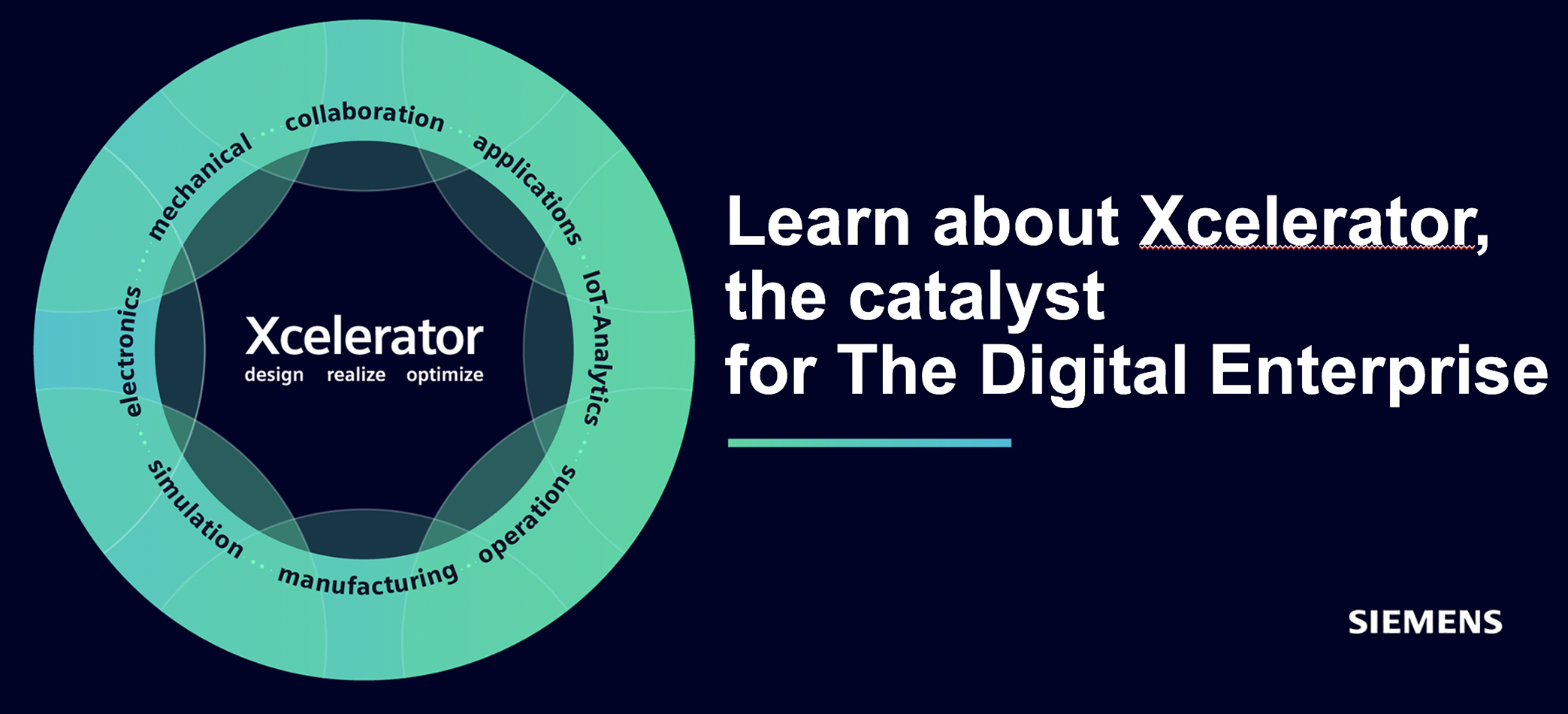
…but the company faces TOUGH COMPETITION from ARAS PLM and DASSAULT SYSTEMES. Vision and strategy are some of the strongest driving forces when it comes to developing technology. The PLM area is no exception and there has been something of a shift here in recent years, where an interesting trend is that Siemens Digital Industries Software is increasingly emerging as a visionary and strategic PLM leader; a role previously held by Dassault Systemes under the long-standing former executive director, Bernard Charles. Today, the positions tend to have been reversed, which in many ways parallels Tony Hemmelgarn's leadership of Siemens’ PLM division. Hemmelgarn has a strong vision for the overall product development process, where in particular things like electricity/electronics, software development and AI, in parallel with deep integration of mechanics and connections to the simulation pieces and what he calls "the comprehensive digital twin", have been implemented in the Xcelerator PLM portfolio. All garnished with strong, seamless connections to the manufacturing side, where Siemens has already been the leading solution developer for years.
The image of Siemens' strong vision and strategy as the clear market leading concept is today confirmed by the analyst Forrester, in their evaluation, "The Forrester Wave: Product Lifecycle Management Platforms For Discrete Manufacturers, Q3 2025". Siemens is positioned in this as the market player that has come the furthest in the "leadership wave"; with recent years challenger Aras PLM (Innovator platform), as the only other competitor, qualified for the leadership wave. Both also receive good grades in terms of the strength of the existing technology offering; here Aras lands at an 3.58 average on Forrester's five-point scale, while Siemens gets 3.52. In this case, Dassault Systemes also ends up high with 3.54, however, they are outside the "leadership wave", placed in the second highest, so-called "strong performers wave".
The background is that discrete manufacturing is the part of the product realization process that involves assembling various components into finished products such as smartphones, cars, electronics, furniture, etc. In contrast process manufacturing is about mixing ingredients to create chemicals, plastics, pharmaceuticals, beverages and food, etc.
In their evaluation, Forrester, among other things, notes that Siemens has important customers such as General Motors and the US Air Force, and that, “It uses SysML and OSLC to offer bidirectional integration with popular design tools. Other areas of differentiation include its built-in software connection to the Model-Based Systems Engineering (MBSE) digital thread, which ensures that product changes drive software changes and vice versa.”
Aras PLM is praised for “superior implementation compared to other vendors in our (Forrester) evaluation, with a focus on customer service that delivers net revenue retention of over 110%.”
But how are other well-known PLM players like Dassault, PTC, and Autodesk judged? Click on the headline to read the full article on PLM&ERP News.
The image of Siemens' strong vision and strategy as the clear market leading concept is today confirmed by the analyst Forrester, in their evaluation, "The Forrester Wave: Product Lifecycle Management Platforms For Discrete Manufacturers, Q3 2025". Siemens is positioned in this as the market player that has come the furthest in the "leadership wave"; with recent years challenger Aras PLM (Innovator platform), as the only other competitor, qualified for the leadership wave. Both also receive good grades in terms of the strength of the existing technology offering; here Aras lands at an 3.58 average on Forrester's five-point scale, while Siemens gets 3.52. In this case, Dassault Systemes also ends up high with 3.54, however, they are outside the "leadership wave", placed in the second highest, so-called "strong performers wave".
The background is that discrete manufacturing is the part of the product realization process that involves assembling various components into finished products such as smartphones, cars, electronics, furniture, etc. In contrast process manufacturing is about mixing ingredients to create chemicals, plastics, pharmaceuticals, beverages and food, etc.
In their evaluation, Forrester, among other things, notes that Siemens has important customers such as General Motors and the US Air Force, and that, “It uses SysML and OSLC to offer bidirectional integration with popular design tools. Other areas of differentiation include its built-in software connection to the Model-Based Systems Engineering (MBSE) digital thread, which ensures that product changes drive software changes and vice versa.”
Aras PLM is praised for “superior implementation compared to other vendors in our (Forrester) evaluation, with a focus on customer service that delivers net revenue retention of over 110%.”
But how are other well-known PLM players like Dassault, PTC, and Autodesk judged? Click on the headline to read the full article on PLM&ERP News.


PLM VAR Giant Addnode Beats Second Quarter Expectations and Buys New American Autodesk Business
The Group Owns the World’s Leading Autodesk and Dassault Systemes VAR Resellers.
As usual, a lot of interesting things happen on the acquisition front within PLM when the holiday season arrives. The summer of 2025 will be no exception. The big talking point right now is of course Autodesk’s consideration of a purchase of PLM developer PTC. PLM&ERP News will get back with a comment on the discussion around this deal later this week. But before that, it can be noted that the Swedish Addnode Group, which among other things owns two world-leading VAR level partners (“Value Added Resellers”), TECHNIA and SYMETRI, has made an acquisition: the parts of American Repro Products that handles software from Autodesk. The newly acquired business will be placed in Symetri, one of Autodesk's globally leading VARs. The other large VAR owned by Addnode is PLM consultant TECHNIA, a Dassault Systemes specialist and reseller.
This recent Addnode Group acquisition is not a major purchase – they have eight employees and are expected to generate around $2.5 million in net sales in 2025. But what is more interesting is the customer base that comes with the acquisition: it adds around 900 customers to Symetri's global customer base, which after the deal now amounts to around 22,000.
The part of Repro Products that Addnode/Symetri is now acquiring is based in Smyrna, Georgia, USA, and has been developing and offering services and solutions based on Autodesk software for thirty years. Around 80 percent of their customers are active in the AEC sector and the other 20 percent are active in the manufacturing industry. Around half of the customer base consists of public organizations.
"This is another acquisition that strengthens our market position in the US. We continue to broaden our customer base, expand our expertise, strengthen our local presence, and all this with a team that shares our values and commitment to innovation and customer success. Together with the talented employees from Repro Products, we look forward to nurturing and building on their strong customer relationships," says Jens Kollserud, CEO of Symetri.
Generally, it can be noted that Addnode Group has made an impressive growth journey in both PLM and more specifically also the AEC area, the latter not least through SYMETRI. When the group today delivered its report for the second quarter of 2025, the figures showed that the growth trend is holding up, despite the tough times: the company exceeded expectations, even though sales fell. The latter, however, has a reasonable explanation in Autodesk's changed business model - how? Click on the headline to read more in the article on PLM&ERP News.
"Looking ahead, we are confident in our companies' ability to adapt their offering and organization to demand and economic conditions in each market," says Addnode Group CEO Johan Andersson, in a comment.
As usual, a lot of interesting things happen on the acquisition front within PLM when the holiday season arrives. The summer of 2025 will be no exception. The big talking point right now is of course Autodesk’s consideration of a purchase of PLM developer PTC. PLM&ERP News will get back with a comment on the discussion around this deal later this week. But before that, it can be noted that the Swedish Addnode Group, which among other things owns two world-leading VAR level partners (“Value Added Resellers”), TECHNIA and SYMETRI, has made an acquisition: the parts of American Repro Products that handles software from Autodesk. The newly acquired business will be placed in Symetri, one of Autodesk's globally leading VARs. The other large VAR owned by Addnode is PLM consultant TECHNIA, a Dassault Systemes specialist and reseller.
This recent Addnode Group acquisition is not a major purchase – they have eight employees and are expected to generate around $2.5 million in net sales in 2025. But what is more interesting is the customer base that comes with the acquisition: it adds around 900 customers to Symetri's global customer base, which after the deal now amounts to around 22,000.
The part of Repro Products that Addnode/Symetri is now acquiring is based in Smyrna, Georgia, USA, and has been developing and offering services and solutions based on Autodesk software for thirty years. Around 80 percent of their customers are active in the AEC sector and the other 20 percent are active in the manufacturing industry. Around half of the customer base consists of public organizations.
"This is another acquisition that strengthens our market position in the US. We continue to broaden our customer base, expand our expertise, strengthen our local presence, and all this with a team that shares our values and commitment to innovation and customer success. Together with the talented employees from Repro Products, we look forward to nurturing and building on their strong customer relationships," says Jens Kollserud, CEO of Symetri.
Generally, it can be noted that Addnode Group has made an impressive growth journey in both PLM and more specifically also the AEC area, the latter not least through SYMETRI. When the group today delivered its report for the second quarter of 2025, the figures showed that the growth trend is holding up, despite the tough times: the company exceeded expectations, even though sales fell. The latter, however, has a reasonable explanation in Autodesk's changed business model - how? Click on the headline to read more in the article on PLM&ERP News.
"Looking ahead, we are confident in our companies' ability to adapt their offering and organization to demand and economic conditions in each market," says Addnode Group CEO Johan Andersson, in a comment.

Agent 007 Licensed to Transform… AWS Man to Lead Siemens’ Advanced AI Tools Development
REPORT from REALIZE LIVE in AMSTERDAM. A former AWS man, VASI PHILOMIN, becomes Siemens’ own version of agent 007, James Bond. But it’s not about fighting evil villains; on the contrary, the new signing Vasi Philomin, former AI leader at Amazon (AWS), and his new team, with around 700 patents in their portfolio, will play major roles within Siemens to create intelligent AI Copilots and AI Agents for the company’s customers, both in PLM and smart factories, which will, among other things, take the edge off the complexity of today’s product development.
When Siemens’ PLM event Realize Live came to Europe and Amsterdam this week, this was also the main theme: Mastering the complexity of today’s product development and turning it into a competitive advantage.
“It’s the most challenging task for the world’s engineers today,” said Bob Jones, EVP of Siemens PLM division’s global sales, in Amsterdam. “Explosively growing amounts of electronics, electricity, software, regulations, tough sustainability targets and more have reached avalanche proportions and when sophisticated mechanics are to be integrated with this within the product shell, it is important to walk a tightrope. The right digital tools in this are built on three pillars: The comprehensive digital twin, lifecycle intelligence and adaptive operational concepts.” Of course, AI is of crucial importance in this context, and this is where Vasi Philomin comes into play.
The cast at Siemens in this industrial drama looks super interesting. To continue in the Bond track: Philomin's immediate boss – the equivalent of "M", Bond's superior - is Peter Koerte, Siemens CTO, Chief Technology Officer. While Siemens AG's top manager, Roland Busch, can be seen as the "Minister and Secretary of Foreign Affairs."
So, yesterday, Philomin took on the role of EVP and head of the newly established division for Data & Artificial Intelligence. His resume is impressive: Most recently, he came from Amazon, where he was VP of Generative AI, leading AWS AI product strategy. At Amazon, he played a critical role in building Amazon Bedrock and overseeing the development of foundational models. His expertise spans machine learning, platform architecture, and enterprise-scale AI implementation. He also holds 100 U.S. patents.
“Unparalleled expertise in AI, yes, and his proven leadership in building transformative technologies will be critical to scaling our data and AI capabilities, unlocking new things in our technology stack, and delivering even greater value to our customers,” says Koerte, while Philomin himself notes that the boundaries between the physical and digital worlds are being redrawn by AI.
“That’s right, and the next great frontier for AI is the physical world – powering machines, factories, and infrastructure that sense, reason, and act. Siemens is uniquely positioned to lead this transformation,” he said.
It’s not a bad guess that we’ll hear a lot from Philomin and his group related to PLM. It’s a part of the job to turn complexity into an advantage. Another one is about the Altair acquisition. How so?
Click on the headline to read the full story on PLM&ERP News.
When Siemens’ PLM event Realize Live came to Europe and Amsterdam this week, this was also the main theme: Mastering the complexity of today’s product development and turning it into a competitive advantage.
“It’s the most challenging task for the world’s engineers today,” said Bob Jones, EVP of Siemens PLM division’s global sales, in Amsterdam. “Explosively growing amounts of electronics, electricity, software, regulations, tough sustainability targets and more have reached avalanche proportions and when sophisticated mechanics are to be integrated with this within the product shell, it is important to walk a tightrope. The right digital tools in this are built on three pillars: The comprehensive digital twin, lifecycle intelligence and adaptive operational concepts.” Of course, AI is of crucial importance in this context, and this is where Vasi Philomin comes into play.
The cast at Siemens in this industrial drama looks super interesting. To continue in the Bond track: Philomin's immediate boss – the equivalent of "M", Bond's superior - is Peter Koerte, Siemens CTO, Chief Technology Officer. While Siemens AG's top manager, Roland Busch, can be seen as the "Minister and Secretary of Foreign Affairs."
So, yesterday, Philomin took on the role of EVP and head of the newly established division for Data & Artificial Intelligence. His resume is impressive: Most recently, he came from Amazon, where he was VP of Generative AI, leading AWS AI product strategy. At Amazon, he played a critical role in building Amazon Bedrock and overseeing the development of foundational models. His expertise spans machine learning, platform architecture, and enterprise-scale AI implementation. He also holds 100 U.S. patents.
“Unparalleled expertise in AI, yes, and his proven leadership in building transformative technologies will be critical to scaling our data and AI capabilities, unlocking new things in our technology stack, and delivering even greater value to our customers,” says Koerte, while Philomin himself notes that the boundaries between the physical and digital worlds are being redrawn by AI.
“That’s right, and the next great frontier for AI is the physical world – powering machines, factories, and infrastructure that sense, reason, and act. Siemens is uniquely positioned to lead this transformation,” he said.
It’s not a bad guess that we’ll hear a lot from Philomin and his group related to PLM. It’s a part of the job to turn complexity into an advantage. Another one is about the Altair acquisition. How so?
Click on the headline to read the full story on PLM&ERP News.

AI Agent 007 med rätt att transformera … AWS-man blir ny ansvarig för de...
En tidigare AWS-man, VASI PHILOMIN, blir Siemens’ egen version av agent 007, James Bond. Men det handlar inte om en kamp mot ondsinta skurkar; tvärtom, nyförvärvet Vasi Philomin, tidigare AI-ledare på Amazon (AWS), och hans nya team ska med runt 700 patent i portföljen, spela tunga roller inom Siemens för att skapa intelligenta AI copilot- och AI agent-lösningar för bolagets kunder, både in om PLM och smarta fabriker, som bl a ska ta udden av komplexiteten i dagens produktframtagning.
När Siemens PLM-event Realize Live denna vecka kom till Europa och Amsterdam var detta också huvudtemat: Att bemästra komplexiteten i dagens produktframtagning och istället vända den till en konkurrensfördel.
”Det är dagens mest utmanande uppgift för världens ingenjörer,” sa Bob Jones, EVP för PLM-divisionens globala försäljning, i Amsterdam. ”Explosivt växande mängder elektronik, el, mjukvara, regleringar, tuffa hållbarhetsmål och annat har nått lavinartad omfattning och när sofistikerad mekanik ska samsas med detta innanför produktskalen gäller det att hålla tungan rätt i mun…och att ha de rätta digitala verktygen byggda på tre pelare: Den omfattande digitala tvillingen, livscykel-intelligens och anpassningsbara, adaptiva operationella koncept.” Självklart är AI av avgörande betydelse i sammanhanget, och det här Vasi Philomin kommer in i handlingen.
Rollbesättningen på Siemens i detta industriella drama ser superintressant ut. För att fortsätta i Bond-spåret: Vasi Philomins närmaste chef – motsvarande ”M”, Bonds överordnade - är Peter Koerte, Siemens CTO, Chief Technology Officer och Chief Strategy Officer. Medan Siemens AG’s toppchef, Roland Busch, får ses som ”premiärministern.”
Igår tillträdde Philomin rollen som EVP och chef för den nyinrättade division för Data & Artificiell Intelligens. CV:et är imponerande: Närmast kommer han från Amazon, där han var VP för generativ AI, och ledde AWS AI-produktstrategi. På Amazon spelade han en avgörande roll i att bygga Amazon Bedrock och övervaka utvecklingen av grundmodeller. Hans expertis omfattar maskininlärning, plattformsarkitektur och AI-implementering i företagsskala. Dessutom har han 100 amerikanska patent.
”En enastående expertis inom AI och hans bevisade ledarskap i att bygga transformativa teknologier kommer att vara avgörande för att skala upp våra data- och AI-funktioner, låsa upp nya saker vår teknikstack och leverera ännu större värde till våra kunder,” säger Koerte, medan Philomin själv konstaterar att gränserna mellan den fysiska och digitala världen ritas om av AI.
”Så är det och nästa stora gräns för AI är den fysiska världen – den driver maskiner, fabriker och infrastruktur som känner, resonerar och agerar. Siemens är unikt positionerat för att leda denna omvandling,” sa han.
Det är ingen dålig gissning att vi kommer att få höra mycket från Philomin och hans grupp relaterat till PLM. Det ingår i jobbet att göra komplexitet till en konkurrensfördel. En annan handlar om Altair-förvärvet. Hur då?
Klicka på rubriken för att läsa mer på PLM&ERP News.
När Siemens PLM-event Realize Live denna vecka kom till Europa och Amsterdam var detta också huvudtemat: Att bemästra komplexiteten i dagens produktframtagning och istället vända den till en konkurrensfördel.
”Det är dagens mest utmanande uppgift för världens ingenjörer,” sa Bob Jones, EVP för PLM-divisionens globala försäljning, i Amsterdam. ”Explosivt växande mängder elektronik, el, mjukvara, regleringar, tuffa hållbarhetsmål och annat har nått lavinartad omfattning och när sofistikerad mekanik ska samsas med detta innanför produktskalen gäller det att hålla tungan rätt i mun…och att ha de rätta digitala verktygen byggda på tre pelare: Den omfattande digitala tvillingen, livscykel-intelligens och anpassningsbara, adaptiva operationella koncept.” Självklart är AI av avgörande betydelse i sammanhanget, och det här Vasi Philomin kommer in i handlingen.
Rollbesättningen på Siemens i detta industriella drama ser superintressant ut. För att fortsätta i Bond-spåret: Vasi Philomins närmaste chef – motsvarande ”M”, Bonds överordnade - är Peter Koerte, Siemens CTO, Chief Technology Officer och Chief Strategy Officer. Medan Siemens AG’s toppchef, Roland Busch, får ses som ”premiärministern.”
Igår tillträdde Philomin rollen som EVP och chef för den nyinrättade division för Data & Artificiell Intelligens. CV:et är imponerande: Närmast kommer han från Amazon, där han var VP för generativ AI, och ledde AWS AI-produktstrategi. På Amazon spelade han en avgörande roll i att bygga Amazon Bedrock och övervaka utvecklingen av grundmodeller. Hans expertis omfattar maskininlärning, plattformsarkitektur och AI-implementering i företagsskala. Dessutom har han 100 amerikanska patent.
”En enastående expertis inom AI och hans bevisade ledarskap i att bygga transformativa teknologier kommer att vara avgörande för att skala upp våra data- och AI-funktioner, låsa upp nya saker vår teknikstack och leverera ännu större värde till våra kunder,” säger Koerte, medan Philomin själv konstaterar att gränserna mellan den fysiska och digitala världen ritas om av AI.
”Så är det och nästa stora gräns för AI är den fysiska världen – den driver maskiner, fabriker och infrastruktur som känner, resonerar och agerar. Siemens är unikt positionerat för att leda denna omvandling,” sa han.
Det är ingen dålig gissning att vi kommer att få höra mycket från Philomin och hans grupp relaterat till PLM. Det ingår i jobbet att göra komplexitet till en konkurrensfördel. En annan handlar om Altair-förvärvet. Hur då?
Klicka på rubriken för att läsa mer på PLM&ERP News.

Daimler Truck and Volvo Group Move On with the Multi $100 Million Investment in...
JOHAN LUNDÉN, formerly Volvo Group, will be the head of the new Coretura. Volvo Group and Daimler Truck are continuing their collaboration in a multi $100 million investment around a jointly owned company, Coretura, which will develop a software-defined platform for commercial vehicles like trucks and buses. The project is of course extremely interesting, not least because it concerns the world's two largest truck manufacturers of heavier vehicles, who are on the one hand tough competitors and on the other hand have chosen to cooperate; partly in the now established Coretura, but also in a previously decided investment in joint research and development on hydrogen solutions.
The head of Coretura will be the former head of strategic product planning, projects and innovation within the Volvo Group, Johan Lundén. There will be 50 employees to start with.
“This joint venture combines the agility of a start-up with the stability and expertise of our major shareholders,” says Lundén.
The background to today's announcement is that Volvo and Daimler signed an agreement on this investment in October last year and, having received all the necessary regulatory approvals today, Coretura is now being established, with headquarters in Gothenburg, Sweden, and operations starting now in June 2025.
Coretura will enable the Volvo and Daimler and other future customers to provide differentiating standalone digital vehicle applications for their products. Coretura is therefore open to cooperation and invites new and traditional suppliers and partners.
Karin Rådström, CEO and President of Daimler Truck, says that the new company places a clear strategic focus on software development for commercial vehicles.
“Together, we are now starting the digitally driven future for trucks and buses, which ultimately makes commercial vehicles smarter, more connected and more efficient than ever before,” the Daimler boss states.
Martin Lundstedt, President and CEO of the Volvo Group, adds:
“By leveraging cutting-edge technology and collaborative innovations, we are setting the stage for a new era of connectivity and efficiency in the industry.”
The major investment now being made is undoubtedly a reflection of the increasingly important role of the software side in all vehicle development (SDV). This trend has now seriously reached transport vehicle development side. Coretura’s assignment is to build the non-differentiated core, a standardized and open software-defined vehicle platform and a dedicated operating system for commercial vehicles. This also includes the specification and procurement of centralized high-performance control units intended for commercial vehicles and capable of handling large amounts of data. This will decouple software and hardware development cycles, enabling end customers to purchase and update digital applications wirelessly "over the air", increasing safety, efficiency and customer experience.
Which software will be used remains to be seen, but generally Volvo Group works in PTC's PLM environments, while Daimler relies on Siemens Digital Industries Software's environments. But what solutions will Coretura rely on, for example when it comes to EDA and ALM?
Click on the headline to read more on PLM&ERP News.
“This joint venture combines the agility of a start-up with the stability and expertise of our major shareholders,” says Lundén.
The background to today's announcement is that Volvo and Daimler signed an agreement on this investment in October last year and, having received all the necessary regulatory approvals today, Coretura is now being established, with headquarters in Gothenburg, Sweden, and operations starting now in June 2025.
Coretura will enable the Volvo and Daimler and other future customers to provide differentiating standalone digital vehicle applications for their products. Coretura is therefore open to cooperation and invites new and traditional suppliers and partners.
Karin Rådström, CEO and President of Daimler Truck, says that the new company places a clear strategic focus on software development for commercial vehicles.
“Together, we are now starting the digitally driven future for trucks and buses, which ultimately makes commercial vehicles smarter, more connected and more efficient than ever before,” the Daimler boss states.
Martin Lundstedt, President and CEO of the Volvo Group, adds:
“By leveraging cutting-edge technology and collaborative innovations, we are setting the stage for a new era of connectivity and efficiency in the industry.”
The major investment now being made is undoubtedly a reflection of the increasingly important role of the software side in all vehicle development (SDV). This trend has now seriously reached transport vehicle development side. Coretura’s assignment is to build the non-differentiated core, a standardized and open software-defined vehicle platform and a dedicated operating system for commercial vehicles. This also includes the specification and procurement of centralized high-performance control units intended for commercial vehicles and capable of handling large amounts of data. This will decouple software and hardware development cycles, enabling end customers to purchase and update digital applications wirelessly "over the air", increasing safety, efficiency and customer experience.
Which software will be used remains to be seen, but generally Volvo Group works in PTC's PLM environments, while Daimler relies on Siemens Digital Industries Software's environments. But what solutions will Coretura rely on, for example when it comes to EDA and ALM?
Click on the headline to read more on PLM&ERP News.

Volvo Group och Daimler Truck går vidare med miljardsatsningen på mjukvarudefinierade lastbilar
JOHAN LUNDÉN, tidigare Volvo Group, blir chef för nya Coretura. Volvo Group och Daimler Truck ångar på i samarbetsspåret i en miljardsatsning kring ett samägt bolag, Coretura, som ska utveckla en mjukvarudefinierad plattform för kommersiella fordon, när det gäller lastbilar och bussar. Projektet är förstås hyperintressant inte minst för att det berör världens två största lastbilstillverkare av tyngre fordon, som å ena sidan är tuffa konkurrenter och å den andra valt att samarbeta; dels i det nu etablerade Coretura, men också i en tidigare beslutad satsning på gemensam forskning och utveckling kring vätgas-lösningar.
Chef för Coretura blir den tidigare ansvarige för strategisk produktplanering, projekt och innovation inom Volvokoncernen, Johan Lundén. 50 anställda blir det till att börja med.
”Detta joint venture kombinerar smidigheten hos en start-up med stabiliteten och expertisen hos våra större aktieägare,” säger Lundén.
Bakgrunden till dagens annonsering är att Volvo och Daimler i oktober förra året skrev på ett avtal om denna satsning och då man idag erhållit alla nödvändiga myndighetsgodkännanden etableras nu alltså Coretura, med säte i Göteborg, Sverige, och verksamhetsstart i början av juni 2025.
Coretura kommer att göra det möjligt för Volvo Group och Daimler Truck och andra framtida kunder att tillhandahålla differentierande fristående digitala fordonsapplikationer för sina produkter. Coretura är i så motto öppet för samarbete och bjuder in nya och traditionella leverantörer och partners.
I en kommentar säger Karin Rådström, CEO och koncernchef för Daimler Truck, att man med det nya bolaget sätter ett tydligt strategiskt fokus på mjukvaruutveckling för kommersiella fordon.
”Tillsammans startar vi nu den digitalt drivna framtiden för lastbilar och bussar, vilket i slutänden gör kommersiella fordon smartare, mer uppkopplade och mer effektiva än någonsin tidigare," konstaterar Daimler-basen.
Martin Lundstedt, VD och koncernchef för Volvokoncernen, tillägger:
"Genom att dra nytta av spjutspetsteknologi och samverkande innovationer sätter vi scenen för en ny era av uppkopplings-möjligheter och effektivitet i branschen."
Den stora satsning man nu gör är otvetydigt en spegling av mjukvarusidans allt viktigare roll inom all fordonsutveckling (SDV). Denna trend har nu på allvar nått in i transportfordonsutvecklingen. Det uppdrag Coretura fått är att bygga den icke-differentierade kärnan, en standardiserad och öppen mjukvarudefinierad fordonsplattform och ett dedikerat operativsystem för kommersiella fordon. Detta inkluderar även specifikation och upphandling av centraliserade högpresterande styrenheter avsedda för kommersiella fordon och som kan hantera stora mängder data. Detta kommer att frikoppla utvecklingscykler för mjukvara och hårdvara, vilket gör det möjligt för slutkunder att köpa och uppdatera digitala applikationer trådlöst "över luften", vilket ökar säkerhet, effektivitet och kundupplevelse.
Vilka mjukvaror som kommer att användas återstår att se, men allmänt jobbar Volvo Group i PTCs miljöer, medan Daimler bygger på Siemens Digital Industries Softwares miljöer.
Vilka mjukvaror som kommer att användas återstår att se, men allmänt jobbar Volvo Group i PTCs miljöer, medan Daimler bygger på Siemens Digital Industries Softwares miljöer. Men vilka lösningar kommer man att luta sig mot i Coretura, t ex när det gäller EDA och ALM?
Klicka på rubriken för att läsa hela artikeln på PLM&ERP News.
Chef för Coretura blir den tidigare ansvarige för strategisk produktplanering, projekt och innovation inom Volvokoncernen, Johan Lundén. 50 anställda blir det till att börja med.
”Detta joint venture kombinerar smidigheten hos en start-up med stabiliteten och expertisen hos våra större aktieägare,” säger Lundén.
Bakgrunden till dagens annonsering är att Volvo och Daimler i oktober förra året skrev på ett avtal om denna satsning och då man idag erhållit alla nödvändiga myndighetsgodkännanden etableras nu alltså Coretura, med säte i Göteborg, Sverige, och verksamhetsstart i början av juni 2025.
Coretura kommer att göra det möjligt för Volvo Group och Daimler Truck och andra framtida kunder att tillhandahålla differentierande fristående digitala fordonsapplikationer för sina produkter. Coretura är i så motto öppet för samarbete och bjuder in nya och traditionella leverantörer och partners.
I en kommentar säger Karin Rådström, CEO och koncernchef för Daimler Truck, att man med det nya bolaget sätter ett tydligt strategiskt fokus på mjukvaruutveckling för kommersiella fordon.
”Tillsammans startar vi nu den digitalt drivna framtiden för lastbilar och bussar, vilket i slutänden gör kommersiella fordon smartare, mer uppkopplade och mer effektiva än någonsin tidigare," konstaterar Daimler-basen.
Martin Lundstedt, VD och koncernchef för Volvokoncernen, tillägger:
"Genom att dra nytta av spjutspetsteknologi och samverkande innovationer sätter vi scenen för en ny era av uppkopplings-möjligheter och effektivitet i branschen."
Den stora satsning man nu gör är otvetydigt en spegling av mjukvarusidans allt viktigare roll inom all fordonsutveckling (SDV). Denna trend har nu på allvar nått in i transportfordonsutvecklingen. Det uppdrag Coretura fått är att bygga den icke-differentierade kärnan, en standardiserad och öppen mjukvarudefinierad fordonsplattform och ett dedikerat operativsystem för kommersiella fordon. Detta inkluderar även specifikation och upphandling av centraliserade högpresterande styrenheter avsedda för kommersiella fordon och som kan hantera stora mängder data. Detta kommer att frikoppla utvecklingscykler för mjukvara och hårdvara, vilket gör det möjligt för slutkunder att köpa och uppdatera digitala applikationer trådlöst "över luften", vilket ökar säkerhet, effektivitet och kundupplevelse.
Vilka mjukvaror som kommer att användas återstår att se, men allmänt jobbar Volvo Group i PTCs miljöer, medan Daimler bygger på Siemens Digital Industries Softwares miljöer.
Vilka mjukvaror som kommer att användas återstår att se, men allmänt jobbar Volvo Group i PTCs miljöer, medan Daimler bygger på Siemens Digital Industries Softwares miljöer. Men vilka lösningar kommer man att luta sig mot i Coretura, t ex när det gäller EDA och ALM?
Klicka på rubriken för att läsa hela artikeln på PLM&ERP News.