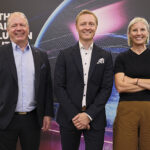
Volvo Group och Daimler Truck går vidare med miljardsatsningen på mjukvarudefinierade lastbilar
JOHAN LUNDÉN, tidigare Volvo Group, blir chef för nya Coretura. Volvo Group och Daimler Truck ångar på i samarbetsspåret i en miljardsatsning kring ett samägt bolag, Coretura, som ska utveckla en mjukvarudefinierad plattform för kommersiella fordon, när det gäller lastbilar och bussar. Projektet är förstås hyperintressant inte minst för att det berör världens två största lastbilstillverkare av tyngre fordon, som å ena sidan är tuffa konkurrenter och å den andra valt att samarbeta; dels i det nu etablerade Coretura, men också i en tidigare beslutad satsning på gemensam forskning och utveckling kring vätgas-lösningar.
Chef för Coretura blir den tidigare ansvarige för strategisk produktplanering, projekt och innovation inom Volvokoncernen, Johan Lundén. 50 anställda blir det till att börja med.
”Detta joint venture kombinerar smidigheten hos en start-up med stabiliteten och expertisen hos våra större aktieägare,” säger Lundén.
Bakgrunden till dagens annonsering är att Volvo och Daimler i oktober förra året skrev på ett avtal om denna satsning och då man idag erhållit alla nödvändiga myndighetsgodkännanden etableras nu alltså Coretura, med säte i Göteborg, Sverige, och verksamhetsstart i början av juni 2025.
Coretura kommer att göra det möjligt för Volvo Group och Daimler Truck och andra framtida kunder att tillhandahålla differentierande fristående digitala fordonsapplikationer för sina produkter. Coretura är i så motto öppet för samarbete och bjuder in nya och traditionella leverantörer och partners.
I en kommentar säger Karin Rådström, CEO och koncernchef för Daimler Truck, att man med det nya bolaget sätter ett tydligt strategiskt fokus på mjukvaruutveckling för kommersiella fordon.
”Tillsammans startar vi nu den digitalt drivna framtiden för lastbilar och bussar, vilket i slutänden gör kommersiella fordon smartare, mer uppkopplade och mer effektiva än någonsin tidigare," konstaterar Daimler-basen.
Martin Lundstedt, VD och koncernchef för Volvokoncernen, tillägger:
"Genom att dra nytta av spjutspetsteknologi och samverkande innovationer sätter vi scenen för en ny era av uppkopplings-möjligheter och effektivitet i branschen."
Den stora satsning man nu gör är otvetydigt en spegling av mjukvarusidans allt viktigare roll inom all fordonsutveckling (SDV). Denna trend har nu på allvar nått in i transportfordonsutvecklingen. Det uppdrag Coretura fått är att bygga den icke-differentierade kärnan, en standardiserad och öppen mjukvarudefinierad fordonsplattform och ett dedikerat operativsystem för kommersiella fordon. Detta inkluderar även specifikation och upphandling av centraliserade högpresterande styrenheter avsedda för kommersiella fordon och som kan hantera stora mängder data. Detta kommer att frikoppla utvecklingscykler för mjukvara och hårdvara, vilket gör det möjligt för slutkunder att köpa och uppdatera digitala applikationer trådlöst "över luften", vilket ökar säkerhet, effektivitet och kundupplevelse.
Vilka mjukvaror som kommer att användas återstår att se, men allmänt jobbar Volvo Group i PTCs miljöer, medan Daimler bygger på Siemens Digital Industries Softwares miljöer.
Vilka mjukvaror som kommer att användas återstår att se, men allmänt jobbar Volvo Group i PTCs miljöer, medan Daimler bygger på Siemens Digital Industries Softwares miljöer. Men vilka lösningar kommer man att luta sig mot i Coretura, t ex när det gäller EDA och ALM?
Klicka på rubriken för att läsa hela artikeln på PLM&ERP News.
Chef för Coretura blir den tidigare ansvarige för strategisk produktplanering, projekt och innovation inom Volvokoncernen, Johan Lundén. 50 anställda blir det till att börja med.
”Detta joint venture kombinerar smidigheten hos en start-up med stabiliteten och expertisen hos våra större aktieägare,” säger Lundén.
Bakgrunden till dagens annonsering är att Volvo och Daimler i oktober förra året skrev på ett avtal om denna satsning och då man idag erhållit alla nödvändiga myndighetsgodkännanden etableras nu alltså Coretura, med säte i Göteborg, Sverige, och verksamhetsstart i början av juni 2025.
Coretura kommer att göra det möjligt för Volvo Group och Daimler Truck och andra framtida kunder att tillhandahålla differentierande fristående digitala fordonsapplikationer för sina produkter. Coretura är i så motto öppet för samarbete och bjuder in nya och traditionella leverantörer och partners.
I en kommentar säger Karin Rådström, CEO och koncernchef för Daimler Truck, att man med det nya bolaget sätter ett tydligt strategiskt fokus på mjukvaruutveckling för kommersiella fordon.
”Tillsammans startar vi nu den digitalt drivna framtiden för lastbilar och bussar, vilket i slutänden gör kommersiella fordon smartare, mer uppkopplade och mer effektiva än någonsin tidigare," konstaterar Daimler-basen.
Martin Lundstedt, VD och koncernchef för Volvokoncernen, tillägger:
"Genom att dra nytta av spjutspetsteknologi och samverkande innovationer sätter vi scenen för en ny era av uppkopplings-möjligheter och effektivitet i branschen."
Den stora satsning man nu gör är otvetydigt en spegling av mjukvarusidans allt viktigare roll inom all fordonsutveckling (SDV). Denna trend har nu på allvar nått in i transportfordonsutvecklingen. Det uppdrag Coretura fått är att bygga den icke-differentierade kärnan, en standardiserad och öppen mjukvarudefinierad fordonsplattform och ett dedikerat operativsystem för kommersiella fordon. Detta inkluderar även specifikation och upphandling av centraliserade högpresterande styrenheter avsedda för kommersiella fordon och som kan hantera stora mängder data. Detta kommer att frikoppla utvecklingscykler för mjukvara och hårdvara, vilket gör det möjligt för slutkunder att köpa och uppdatera digitala applikationer trådlöst "över luften", vilket ökar säkerhet, effektivitet och kundupplevelse.
Vilka mjukvaror som kommer att användas återstår att se, men allmänt jobbar Volvo Group i PTCs miljöer, medan Daimler bygger på Siemens Digital Industries Softwares miljöer.
Vilka mjukvaror som kommer att användas återstår att se, men allmänt jobbar Volvo Group i PTCs miljöer, medan Daimler bygger på Siemens Digital Industries Softwares miljöer. Men vilka lösningar kommer man att luta sig mot i Coretura, t ex när det gäller EDA och ALM?
Klicka på rubriken för att läsa hela artikeln på PLM&ERP News.
Aras PLM’s Hard Digital Thread Package: Real-Time IoT & Analytics, AI in the New...
“CEO ROQUE MARTIN demonstrates his intention to materialize the vision, Digital Thread + AI = Connected Intelligence.“ There’s a lot of things happening within PLM developer Aras and the company’s Innovator platform. The latest is last week’s announced partnership with BellaDati PTE, a developer of IoT and analytics platforms, aimed at enabling manufacturers to strengthen the digital thread, drive operational efficiency and improve service outcomes. A key point is that the partnership is about developing Aras’ IoT pieces with a strong real-time solution for the digital thread. According to Aras CEO Roque Martin, this allows manufacturers to connect design, production and maintenance through continuous, real-time visibility across the product lifecycle. One result, he says, is things like high level traceability, support for higher product quality and more informed and responsive decision-making between teams.
"The collaboration between us and BellaDati sharpens the power of the Aras platform. With IoT and real-time analytics in the digital thread, it will be possible for our customers to deepen visibility over the product lifecycle, increase service operations and accelerate data-driven decision-making – all within a unified PLM environment," says Martin.
But there’s more. Aras' solutions have always been characterized by an architecture that emphasizes openness, scalability and integration. All of this of great importance in AI, as are the connections to the maturity of the digital thread. The same goes for another recent step forward related to Aras’ bet on a competitive and hard digital thread package: During the company's user event ACE 2025 in Boston in mid-May, the new InnovatorEdge showcased a next step in PLM development. It's a solution that connects people, data and processes using AI and low-code. The idea behind InnovatorEdge is, among other things, to provide a modular API that will modernize PLM, while allowing you to leverage what you have done before. Innovation on the one hand, backward compatibility on the other.
With these capabilities and with real-time collection and analysis of IoT data, Aras is thus expanding the value that it can deliver to customers; both in discrete manufacturing, as well as in process industrial sectors, such as the chemical industry. Here, there are industry-specific challenges such as regulatory compliance, equipment uptime and early detection of anomalies where the BellaDati collaboration can make a difference. With BellaDati's IoT and analytics capabilities integrated into Aras Innovator, manufacturing companies will be able to automate things like maintenance workflows, optimize service parts inventory, and perform advanced predictive maintenance.
Another piece within the digital thread package is the partnership with the new customer SANDVIK’s MasterCAM. In what way?
Click on the headline to read the full story.
"The collaboration between us and BellaDati sharpens the power of the Aras platform. With IoT and real-time analytics in the digital thread, it will be possible for our customers to deepen visibility over the product lifecycle, increase service operations and accelerate data-driven decision-making – all within a unified PLM environment," says Martin.
But there’s more. Aras' solutions have always been characterized by an architecture that emphasizes openness, scalability and integration. All of this of great importance in AI, as are the connections to the maturity of the digital thread. The same goes for another recent step forward related to Aras’ bet on a competitive and hard digital thread package: During the company's user event ACE 2025 in Boston in mid-May, the new InnovatorEdge showcased a next step in PLM development. It's a solution that connects people, data and processes using AI and low-code. The idea behind InnovatorEdge is, among other things, to provide a modular API that will modernize PLM, while allowing you to leverage what you have done before. Innovation on the one hand, backward compatibility on the other.
With these capabilities and with real-time collection and analysis of IoT data, Aras is thus expanding the value that it can deliver to customers; both in discrete manufacturing, as well as in process industrial sectors, such as the chemical industry. Here, there are industry-specific challenges such as regulatory compliance, equipment uptime and early detection of anomalies where the BellaDati collaboration can make a difference. With BellaDati's IoT and analytics capabilities integrated into Aras Innovator, manufacturing companies will be able to automate things like maintenance workflows, optimize service parts inventory, and perform advanced predictive maintenance.
Another piece within the digital thread package is the partnership with the new customer SANDVIK’s MasterCAM. In what way?
Click on the headline to read the full story.
Realtidsbaserad IoT och analys i fokus när Aras PLM fortsätter vässa sitt digitala tråden-koncept
”InnovatorEdge-lanseringen under ACE 2025 och det nya partnerskapet med BellaDati visar CEO Roque Martins intention att materialisera visionen, Digital Thread + AI = Connected Intelligence.” Det händer en hel del intressant inom PLM-uppstickaren Aras och bolagets Innovator-plattform. Det senaste är förra veckans annonserade partnerskap där man tillsammans med BellaDati PTE, som utvecklar IoT och analysplattformar, tagit sikte på att göra det möjligt för tillverkare att stärka den digitala tråden, driva operativ effektivitet och förbättra serviceresultaten. En tung poäng är att partnerskapet utvecklar Aras IoT-bitar med en stark realtidsbaserad lösning för den digitala tråden. Detta menar Aras-chefen, Roque Martin, gör att tillverkare kan koppla samman design, produktion och underhåll genom en kontinuerlig synlighet i realtid över produktens livscykel. Ett resultat är, menar han, att man nu kan stärka sånt som spårbarhet, stödja högre produktkvalitet och möjliggöra ett mer informerat och lyhört beslutsfattande mellan team.
"Samarbetet mellan oss och BellaDati vässar kraften i Aras-plattformen. Med IoT och analys i realtid i den digitala tråden blir det därmed möjligt för våra kunder att fördjupa synlighet över produktens livscykel, höja serviceverksamheten och påskynda datadrivet beslutsfattande – allt inom en enhetlig PLM-miljö," säger Martin.
Det här är spännande i flera perspektiv. Aras lösningar har alltid präglats av en arkitektur där man betonat öppenhet, skalbarhet och integration. Allt kapabiliteter av stor vikt inom AI, liksom betydelsen av den digitala trådens mognad. Men kopplingarna är flera än bara beskedet om utvecklingsinsatserna i samverkan med BellaDati gällande realtidsbaserad IoT och analys.
Inte minst tänker man på bolagets användarevent ACE 2025 i Boston nu i maj där man med nya InnovatorEdge visade upp ett nästa steg i PLM-utvecklingen: En lösning som går ut på att koppla samman människor, data och processer med hjälp av AI. Givetvis med låg kod och säkra integrationer som ett givet inslag. Tanken med InnovatorEdge är bl a att tillhandahålla ett modulärt API som ska modernisera PLM, samtidigt som man kan utnyttja det man tidigare gjort. Innovation å ena sidan, kompatibilitet bakåt å den andra, i en kombo där det tidigare utvecklade effektivt kan fortsätta göra nytta.
Med dessa kapabiliteter och med realtidsinsamling och analys av IoT-data, utökar Aras därmed värdet som man kan leverera till kunderna; både vad avser de man har inom diskret tillverkning, liksom vad man kan tillföra användarna inom processindustriella sektorer, som den kemiska industrin. Här finns en rad branschspecifika utmaningar som regelefterlevnad, optimering av drifttid för utrustning och tidig upptäckt av anomalier där BellaDati-samarbetet kan göra skillnad.
I pressmaterialet skriver Aras att förbättringen av hanteringen av sBOMen (Service Bill of Materials) är avgörande för tillverkare som vill förbli konkurrenskraftiga. Med BellaDatis IoT- och analysfunktioner integrerade i Aras Innovator kommer tillverkningsföretag att kunna automatisera sånt som underhållsarbetsflöden, optimering av lager av servicedelar och mer avancerat prediktivt underhåll.
Klicka på rubriken för att läsa mer på PLM&ERP News.
"Samarbetet mellan oss och BellaDati vässar kraften i Aras-plattformen. Med IoT och analys i realtid i den digitala tråden blir det därmed möjligt för våra kunder att fördjupa synlighet över produktens livscykel, höja serviceverksamheten och påskynda datadrivet beslutsfattande – allt inom en enhetlig PLM-miljö," säger Martin.
Det här är spännande i flera perspektiv. Aras lösningar har alltid präglats av en arkitektur där man betonat öppenhet, skalbarhet och integration. Allt kapabiliteter av stor vikt inom AI, liksom betydelsen av den digitala trådens mognad. Men kopplingarna är flera än bara beskedet om utvecklingsinsatserna i samverkan med BellaDati gällande realtidsbaserad IoT och analys.
Inte minst tänker man på bolagets användarevent ACE 2025 i Boston nu i maj där man med nya InnovatorEdge visade upp ett nästa steg i PLM-utvecklingen: En lösning som går ut på att koppla samman människor, data och processer med hjälp av AI. Givetvis med låg kod och säkra integrationer som ett givet inslag. Tanken med InnovatorEdge är bl a att tillhandahålla ett modulärt API som ska modernisera PLM, samtidigt som man kan utnyttja det man tidigare gjort. Innovation å ena sidan, kompatibilitet bakåt å den andra, i en kombo där det tidigare utvecklade effektivt kan fortsätta göra nytta.
Med dessa kapabiliteter och med realtidsinsamling och analys av IoT-data, utökar Aras därmed värdet som man kan leverera till kunderna; både vad avser de man har inom diskret tillverkning, liksom vad man kan tillföra användarna inom processindustriella sektorer, som den kemiska industrin. Här finns en rad branschspecifika utmaningar som regelefterlevnad, optimering av drifttid för utrustning och tidig upptäckt av anomalier där BellaDati-samarbetet kan göra skillnad.
I pressmaterialet skriver Aras att förbättringen av hanteringen av sBOMen (Service Bill of Materials) är avgörande för tillverkare som vill förbli konkurrenskraftiga. Med BellaDatis IoT- och analysfunktioner integrerade i Aras Innovator kommer tillverkningsföretag att kunna automatisera sånt som underhållsarbetsflöden, optimering av lager av servicedelar och mer avancerat prediktivt underhåll.
Klicka på rubriken för att läsa mer på PLM&ERP News.
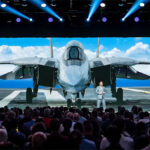
American Defense Giant NORTHROP GRUMMAN Supercharge Digital Transformation with PLM From Siemens Xcelerator
…and at REALIZE Live in Detroit, ADAM SHEPHERD (pictured), NG Fellow at Northrop, talked about how this can revolutionize complex technical processes.
Aerospace & Defense (A&D) is one of Siemens Digital Industries Software's most successful industry areas. In recent years, the company has been performing strongly in the segment with its flagship solutions within the Xcelerator portfolio - such as Teamcenter PLM/PDM, NX CAD, the CAE suite Simcenter, Polarion, Capital (EDA), etc. - and just yesterday announced an extension of an agreement with one of the most powerful players in the military and aerospace sector, Northrop Grumman. In 2024, this American A&D giant's revenue was just over $40 billion and it had around 97,000 employees globally, making the company one of the world's largest weapon manufacturers and suppliers of advanced military equipment. Key products include both piloted and autonomous aircraft systems, weapon systems, missiles and missile defense systems. Not least, the military side is particularly relevant in today's globally troubled climate and Northrop Grumman also develops, for example, military radar, sensors and related products.
Northrop Grumman has had a decade-long partnership with Siemens, where the company’s propulsion systems division, for example, has used Teamcenter PLM/PDM as digital backbone for rocket motors development for the space sector, including CAD management, digital thread and manufacturing applications.
The announced extension of the agreement will expand the use of Siemens solutions within the Xcelerator portfolio to enable data-driven decision-making across the enterprise, sharpen development cycles and accelerate innovation in the design and production of breakthrough defense systems, said Del Costy, CEO of Siemens Digital Industries Software Americas, adding:
“This agreement is a critical step in continuing to support Northrop Grumman’s efforts to create an industry-leading digital engineering ecosystem to accelerate the delivery of next-generation programs.”
He further noted that Northrop Grumman will support its strategic decision-making based on cutting-edge technology and, “a comprehensive digital thread that enables real-time collaboration, rapid development and a digital-first approach.”
Against this backdrop, one of the most interesting presentations yesterday at the Siemens Realize Live event Americas 2025 was by Northrop Grumman’s Adam Shepherd, NG Fellow, who spoke about how the company is working on digital transformation, focusing on how it can revolutionize complex engineering processes.
He also highlighted the company’s remarkable achievements in design and manufacturing through new integrated technologies, including an incredible reduction in engineering rework from 20% to less than 1% and how it was able to first fly the Model 437 Vanguard demo platform after just 27 months. The latter is Northrop Grumman’s technology demonstrator for a Stealth aircraft, designed to among other things demonstrate rapid design techniques as part of the company’s Digital Pathfinder program.
Click on the headline to read more on PLM&ERP News.
Click on the headline to read more on PLM&ERP News.

Amerikansk försvarsjätte superladdar sin digitala transformation med PLM-lösningar från Siemens Xcelerator-portfölj
…och på REALIZE Live i Detroit berättade ADAM SHEPHERD (bilden), NG Fellow på Northrop, om hur detta kan revolutionera komplexa tekniska processer.
Flyg- och försvarsindustri är ett av Siemens Digital Industries Software’s mest framgångsrika industriområden. Bolaget har de senaste åren gått starkt inom segmentet med sina paradlösningar inom Xcelerator-portföljen - som Teamcenter PLM/PDM, NX CAD, CAE-sviten Simcenter, Polarion, Opcenter, m fl - och annonserade så sent som igår en avtalsförlängning med ett av militär- och flyg-områdets mest kraftfulla spelare, Northrop Grumman. 2024 låg denna amerikanska försvarsjättes intäkter på drygt 40 miljarder dollar och man hade globalt runt 97 000 anställda, vilket gör företaget till en av världens största vapentillverkare och leverantör av avancerad militär utrustning. Bolagets nyckelprodukter inkluderar både piloterade och autonoma flygplanssystem, vapensystem, missiler och missilförsvarssystem. Inte minst den militära sidan är särskilt aktuell i dagens globalt oroliga klimat och Northrop Grumman utvecklar t ex relaterat till detta stealthflygplan som Model 437 Vanguard, militär radar, sensorer och till detta kopplade produkter.
Northrop Grumman har haft ett decennielångt samarbete med Siemens Digital Industries Software, där exempelvis bolagets division för framdrivningssystem använt PLM/PDM-sviten Teamcenter som digital ryggrad i utvecklingen av raketmotorer, inkluderande CAD-hantering, digitala tråden och tillverkningsapplikationer.
Med den nu annonserade avtalsförlängningen kommer användningen av Siemens-lösningar inom Xcelerator-portföljen att utökas för att möjliggöra datadrivet beslutsfattande över hela företaget, vässa utvecklingscykler och påskynda innovation inom design och produktion av banbrytande försvarssystem, konstaterade Del Costy, CEO för Siemens Digital Industries Software Americas, och han tillade:
”Avtalet innebär ett avgörande steg för att fortsätta att stödja Northrop Grummans arbete med att skapa ett branschledande digitalt ingenjörsekosystem och därmed påskynda leveransen av nästa generationsprogram."
Han noterade vidare att Northrop Grumman kommer att stödja sitt strategiska beslutsfattande baserat på spjutspetsteknologi och, ”en omfattande digital tråd som möjliggör samarbete i realtid, snabb utveckling och en digital första strategi."
Med detta som bakgrund var ett av gårdagens mest intressanta framträdanden under Siemens Realize Live-event Americas 2025, i Detroit, Northrop Grummans Adam Shepherd, NG Fellow, som berättade om hur bolaget jobbar med digital transformation, med fokus på hur detta kan revolutionera komplexa tekniska processer.
Han lyfte också fram företagets anmärkningsvärda prestationer kring design och tillverkning genom nya integrerade tekniker, inklusive en otrolig minskning av teknisk omarbetning från 20 % till mindre än 1 % och hur man kunde premiärflyga Model 437 Vanguard-demoplattformen efter bara 27 månader. Det senare är Northrop Grummans teknikdemonstrator för ett Stealth-flygplan, designat för att utforska möjligheterna kring en ”lågpris-lösning” och för att demonstrera snabba designtekniker som en del av bolagets Digital Pathfinder-program.
Klicka på rubriken för att läsa hela artikeln på PLM&ERP News.
Flyg- och försvarsindustri är ett av Siemens Digital Industries Software’s mest framgångsrika industriområden. Bolaget har de senaste åren gått starkt inom segmentet med sina paradlösningar inom Xcelerator-portföljen - som Teamcenter PLM/PDM, NX CAD, CAE-sviten Simcenter, Polarion, Opcenter, m fl - och annonserade så sent som igår en avtalsförlängning med ett av militär- och flyg-områdets mest kraftfulla spelare, Northrop Grumman. 2024 låg denna amerikanska försvarsjättes intäkter på drygt 40 miljarder dollar och man hade globalt runt 97 000 anställda, vilket gör företaget till en av världens största vapentillverkare och leverantör av avancerad militär utrustning. Bolagets nyckelprodukter inkluderar både piloterade och autonoma flygplanssystem, vapensystem, missiler och missilförsvarssystem. Inte minst den militära sidan är särskilt aktuell i dagens globalt oroliga klimat och Northrop Grumman utvecklar t ex relaterat till detta stealthflygplan som Model 437 Vanguard, militär radar, sensorer och till detta kopplade produkter.
Northrop Grumman har haft ett decennielångt samarbete med Siemens Digital Industries Software, där exempelvis bolagets division för framdrivningssystem använt PLM/PDM-sviten Teamcenter som digital ryggrad i utvecklingen av raketmotorer, inkluderande CAD-hantering, digitala tråden och tillverkningsapplikationer.
Med den nu annonserade avtalsförlängningen kommer användningen av Siemens-lösningar inom Xcelerator-portföljen att utökas för att möjliggöra datadrivet beslutsfattande över hela företaget, vässa utvecklingscykler och påskynda innovation inom design och produktion av banbrytande försvarssystem, konstaterade Del Costy, CEO för Siemens Digital Industries Software Americas, och han tillade:
”Avtalet innebär ett avgörande steg för att fortsätta att stödja Northrop Grummans arbete med att skapa ett branschledande digitalt ingenjörsekosystem och därmed påskynda leveransen av nästa generationsprogram."
Han noterade vidare att Northrop Grumman kommer att stödja sitt strategiska beslutsfattande baserat på spjutspetsteknologi och, ”en omfattande digital tråd som möjliggör samarbete i realtid, snabb utveckling och en digital första strategi."
Med detta som bakgrund var ett av gårdagens mest intressanta framträdanden under Siemens Realize Live-event Americas 2025, i Detroit, Northrop Grummans Adam Shepherd, NG Fellow, som berättade om hur bolaget jobbar med digital transformation, med fokus på hur detta kan revolutionera komplexa tekniska processer.
Han lyfte också fram företagets anmärkningsvärda prestationer kring design och tillverkning genom nya integrerade tekniker, inklusive en otrolig minskning av teknisk omarbetning från 20 % till mindre än 1 % och hur man kunde premiärflyga Model 437 Vanguard-demoplattformen efter bara 27 månader. Det senare är Northrop Grummans teknikdemonstrator för ett Stealth-flygplan, designat för att utforska möjligheterna kring en ”lågpris-lösning” och för att demonstrera snabba designtekniker som en del av bolagets Digital Pathfinder-program.
Klicka på rubriken för att läsa hela artikeln på PLM&ERP News.


Siemens Realize LIVE 2025: “Turning Technical Complexity Into Strategic Aadvantages”
AI, ALTAIR and EXPLOSIVE TECHNOLOGY development in focus in CEO Tony Hemmelgarn’s keynote. The industrial world is a dynamic place, today perhaps more changing than ever before in the history of product realization. Siemens Digital Industries Software’s CEO Tony Hemmelgarn said it elegantly in Detroit, when the company opened its annual flagship event, Realize LIVE Americas 2025. On stage in “Motor City,” he quoted the Greek philosopher Heraclitus:
“No man ever steps into the same river twice, for it is not the same river, and he is not the same man.”
Undeniably spot-on in describing change. The principle is the same, Hemmelgarn said, “the river and man are constantly changing,” and what Siemens is doing is effectively meeting the dynamics. The company is developing its Xcelerator portfolio organically, acquiring and integrating cutting-edge technologies as things evolve; AI, EDA/electronics systems, software management and more. The portfolio is constantly being renewed.
But Hemmelgarn doesn’t buy for the sake of buying, but to add components that create a new integrated whole. He and his PLM crew fills gaps and with the cloud as a technical platform – with all Siemens X solutions – they create access to the computing power, infrastructure, digital tool arsenal and AI capabilities required for current and future competitiveness. The purchase of Altair is a good example; it is a strategic step to improve digital twin and simulation capabilities by integrating advanced both linear and nonlinear technologies and extensive cloud, data and AI capabilities.
"Manufacturing and engineering processes are evolving with engineers using different tools and new processes that fundamentally change the nature of their work. Although complexity can seem challenging, we believe that our customers can turn complexity into a competitive advantage. The products, services and technologies they develop are constantly changing. New complex functions, regulatory requirements, sustainability challenges and global supply chain issues in the industrial supply chain and data are revolutionizing the way we work.”
No one with their feet steady anchored in today's product development soil need doubt that change is there and brings with it transformation that is revolutionary. The word is certainly often misused, but in today's AI era, few would disagree with what Hemmelgarn had in mind. Above all, he also positioned AI as a transformatively powerful element in Siemens' work to move things forward. “Yes, we are focused on turning technical complexity into strategic benefits for both Siemens and those who use our technology,” said Siemens PLM chief, adding: “By embedding intelligent AI-based capabilities in the Siemens Xcelerator portfolio, we are using AI to revolutionize data management, engineering simulation and manufacturing processes with an approach that goes beyond simple automation to instead create systems that can identify problems, suggest optimizations and streamline complex workflows.”
Click on the headline to read the full day 1 report on PLM&ERP News.
“No man ever steps into the same river twice, for it is not the same river, and he is not the same man.”
Undeniably spot-on in describing change. The principle is the same, Hemmelgarn said, “the river and man are constantly changing,” and what Siemens is doing is effectively meeting the dynamics. The company is developing its Xcelerator portfolio organically, acquiring and integrating cutting-edge technologies as things evolve; AI, EDA/electronics systems, software management and more. The portfolio is constantly being renewed.
But Hemmelgarn doesn’t buy for the sake of buying, but to add components that create a new integrated whole. He and his PLM crew fills gaps and with the cloud as a technical platform – with all Siemens X solutions – they create access to the computing power, infrastructure, digital tool arsenal and AI capabilities required for current and future competitiveness. The purchase of Altair is a good example; it is a strategic step to improve digital twin and simulation capabilities by integrating advanced both linear and nonlinear technologies and extensive cloud, data and AI capabilities.
"Manufacturing and engineering processes are evolving with engineers using different tools and new processes that fundamentally change the nature of their work. Although complexity can seem challenging, we believe that our customers can turn complexity into a competitive advantage. The products, services and technologies they develop are constantly changing. New complex functions, regulatory requirements, sustainability challenges and global supply chain issues in the industrial supply chain and data are revolutionizing the way we work.”
No one with their feet steady anchored in today's product development soil need doubt that change is there and brings with it transformation that is revolutionary. The word is certainly often misused, but in today's AI era, few would disagree with what Hemmelgarn had in mind. Above all, he also positioned AI as a transformatively powerful element in Siemens' work to move things forward. “Yes, we are focused on turning technical complexity into strategic benefits for both Siemens and those who use our technology,” said Siemens PLM chief, adding: “By embedding intelligent AI-based capabilities in the Siemens Xcelerator portfolio, we are using AI to revolutionize data management, engineering simulation and manufacturing processes with an approach that goes beyond simple automation to instead create systems that can identify problems, suggest optimizations and streamline complex workflows.”
Click on the headline to read the full day 1 report on PLM&ERP News.

Full Year Forecast 2025: The German Robotics and Automation Industry Continues To Falter
A 10 percent REVENUE DECLINE is expected for the full year 2025, according to an updated forecast from the heavy industry association VDMA Robotics + Automation. There is no doubt that times are tough for the European manufacturing industry in general. Not least, the figures for the German robotics and automation industry reflect the challenging situation. Today, the industry association, the VDMA Robotics + Automation Association (VDMA R+A), with more than 420 member companies - and which is also part of the larger VDMA, which represents 3,600 German and European companies in mechanical and plant engineering - notes in a press release that German industrial companies in the field are expected to reduce their sales by 10 percent compared to last year. In total, sales are expected to fall to 14.5 billion euros in 2025, according to an updated forecast.
"The revenue weakness announced at the beginning of the year has been confirmed in our current forecast for 2025," says Dr. Dietmar Ley, Chairman of the Board of Directors of VDMA Robotics + Automation. "The growth outlook is currently cloudy in all sub-sectors until the end of the year."
The sharpest decline is expected in Automated Solutions, with a forecast revenue decline of 15 percent to 7.7 billion euros. The figures for robotics also continue to point downwards and have deteriorated slightly in the new forecast from minus 3 percent to minus 5 percent, with expected revenues of 3.7 billion euros for 2025. This is while the subsector Machine Vision is stagnating with zero growth and is expected to generate industrial revenues of 3.1 billion euros.
As important reasons for the economic weakness in Europe and Germany, the German industry association points to, among other things, postponed investment plans due to current geopolitical tensions and increasing competitive pressure from Asian rivals. Effects that are of course also linked to the US Trump administration's tariff war, although this is not explicitly pointed out in the press material.
"Robotics and automation are key technologies without which industrial production in a high-wage country like Germany will no longer be conceivable in the future," says Dr. Ley and adds: "Politics and business must now take joint measures to reduce location-based disadvantages in international competition and set the course for renewed growth." To this end, the previously published "VDMA Robotics Action Plan for Europe" sets out three core requirements - what are they? Click on the main heading to read more on PLM&ERP News.
"The revenue weakness announced at the beginning of the year has been confirmed in our current forecast for 2025," says Dr. Dietmar Ley, Chairman of the Board of Directors of VDMA Robotics + Automation. "The growth outlook is currently cloudy in all sub-sectors until the end of the year."
The sharpest decline is expected in Automated Solutions, with a forecast revenue decline of 15 percent to 7.7 billion euros. The figures for robotics also continue to point downwards and have deteriorated slightly in the new forecast from minus 3 percent to minus 5 percent, with expected revenues of 3.7 billion euros for 2025. This is while the subsector Machine Vision is stagnating with zero growth and is expected to generate industrial revenues of 3.1 billion euros.
As important reasons for the economic weakness in Europe and Germany, the German industry association points to, among other things, postponed investment plans due to current geopolitical tensions and increasing competitive pressure from Asian rivals. Effects that are of course also linked to the US Trump administration's tariff war, although this is not explicitly pointed out in the press material.
"Robotics and automation are key technologies without which industrial production in a high-wage country like Germany will no longer be conceivable in the future," says Dr. Ley and adds: "Politics and business must now take joint measures to reduce location-based disadvantages in international competition and set the course for renewed growth." To this end, the previously published "VDMA Robotics Action Plan for Europe" sets out three core requirements - what are they? Click on the main heading to read more on PLM&ERP News.
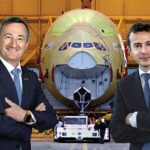
AIRBUS är en fjäder i Dassault Systemes hatt, men kommer 3DEXPERIENCE verkligen att ta...
”Siemens, PTC och Aras… DS är långt ifrån ensamma på PLM-arenan inom Airbus.”
Att spela en huvudroll som bärande PLM-system hos någon av giganterna inom flyg- och försvars-industrin ger inte bara teknologisk prestige, utan handlar också om stora pengar. När Dassault Systemes för några veckor sedan offentliggjorde en avtalsförlängning med flygjätten Airbus var det en affär som med sina beräknade 20 000 användare, både internt i bolaget och externt, även på kort sikt är värd tiotals miljoner euro, motsvarande ca 11 gånger så mycket i kronor.
I detta perspektiv är det inte konstigt att man tagit till det tunga artilleriet på säljsidan, med exekutive styrelseordförande, Bernard Charles, i spetsen. Han är känd som en stor PLM-visionär, med ett vasst väderkorn för vad som krävs för att sälja in avancerad digital teknologi på områden som flyg- och försvarsindustri. Han har kort sagt alltid spelat viktiga roller när DS genomfört stora affärsuppgörelser kring 3DEXPERIENCE-plattformen (3DX). Minns t ex ihåg den miljarddollar-affären med Boeing 2017, där DS i hård kamp med Siemens Digital Industries Software tog hem en orderförlängning på 3DX-plattformen.
När förlängningen med Airbus nu offentliggjordes stod Charles i frontlinjen igen:
"Vår långa historia av samarbete med Airbus inleder sitt nästa kapitel, vilket gör det möjligt för hela företaget och dess värdekedja att förnyas globalt, effektivt och virtuellt i decennier framöver. Airbus kan dra full nytta av AI och vetenskapliga framsteg inom materialvetenskap, modellering, simulering, produktionseffektivitet för att med vår 3DX-plattform skapa nya möjligheter. Detta handlar på sista raden om sånt som kommer att definiera framtiden för flygindustrin,” sa han. Så vad ingick?
Klart är att CATIA CAD är en grundbult i upplägget. Denna lösning har en mycket stark ställning inom flygindustrin. Den är inte minst dominerande hos de båda jättarna Airbus och Boeing. Men så är CATIA är med sina rötter i Dassault Aviation det program som var tidigast ute med lösningar som kunde hantera modelleringen av de geometriskt komplexa ytorna i flygdesign. Men idag har det som DS kan lägga upp på bordet också breddats enormt mycket.
Enligt uppgifter till PLM&ERP News ska Airbus nu utnyttja hela bredden av Dassaults 3DX-plattform, som inte bara integrerar CATIA utan också SIMULIA för avancerad simulering, DELMIA för tillverkning, och ENOVIA plus NETVIBES för samverkande produktdata-hantering. Indikationen i DS pressmaterial är att 3DX kommer att distribueras över hela Airbus, och fungera som stöd i de tunga affärsenheterna – inklusive Airbus Civil, Defence & Space och Helikoptrar – i allt från initial kravhantering till ingenjörs-, tillverknings- och eftermarknadssupport.
Airbus CEO, Guillaume Faury, pekar på att det förnyade partnerskapet med DS kommer att påskynda bolagets digitalisering, AI-stöd inkluderat.
Men DS är nu inte ensamma på PLM-sidan inom Airbus; Siemens, PTC och Aras PLM finns t ex med i spelet, hur då?
Klicka på rubriken för att läsa mer på PLM&ERP News.
I detta perspektiv är det inte konstigt att man tagit till det tunga artilleriet på säljsidan, med exekutive styrelseordförande, Bernard Charles, i spetsen. Han är känd som en stor PLM-visionär, med ett vasst väderkorn för vad som krävs för att sälja in avancerad digital teknologi på områden som flyg- och försvarsindustri. Han har kort sagt alltid spelat viktiga roller när DS genomfört stora affärsuppgörelser kring 3DEXPERIENCE-plattformen (3DX). Minns t ex ihåg den miljarddollar-affären med Boeing 2017, där DS i hård kamp med Siemens Digital Industries Software tog hem en orderförlängning på 3DX-plattformen.
När förlängningen med Airbus nu offentliggjordes stod Charles i frontlinjen igen:
"Vår långa historia av samarbete med Airbus inleder sitt nästa kapitel, vilket gör det möjligt för hela företaget och dess värdekedja att förnyas globalt, effektivt och virtuellt i decennier framöver. Airbus kan dra full nytta av AI och vetenskapliga framsteg inom materialvetenskap, modellering, simulering, produktionseffektivitet för att med vår 3DX-plattform skapa nya möjligheter. Detta handlar på sista raden om sånt som kommer att definiera framtiden för flygindustrin,” sa han. Så vad ingick?
Klart är att CATIA CAD är en grundbult i upplägget. Denna lösning har en mycket stark ställning inom flygindustrin. Den är inte minst dominerande hos de båda jättarna Airbus och Boeing. Men så är CATIA är med sina rötter i Dassault Aviation det program som var tidigast ute med lösningar som kunde hantera modelleringen av de geometriskt komplexa ytorna i flygdesign. Men idag har det som DS kan lägga upp på bordet också breddats enormt mycket.
Enligt uppgifter till PLM&ERP News ska Airbus nu utnyttja hela bredden av Dassaults 3DX-plattform, som inte bara integrerar CATIA utan också SIMULIA för avancerad simulering, DELMIA för tillverkning, och ENOVIA plus NETVIBES för samverkande produktdata-hantering. Indikationen i DS pressmaterial är att 3DX kommer att distribueras över hela Airbus, och fungera som stöd i de tunga affärsenheterna – inklusive Airbus Civil, Defence & Space och Helikoptrar – i allt från initial kravhantering till ingenjörs-, tillverknings- och eftermarknadssupport.
Airbus CEO, Guillaume Faury, pekar på att det förnyade partnerskapet med DS kommer att påskynda bolagets digitalisering, AI-stöd inkluderat.
Men DS är nu inte ensamma på PLM-sidan inom Airbus; Siemens, PTC och Aras PLM finns t ex med i spelet, hur då?
Klicka på rubriken för att läsa mer på PLM&ERP News.
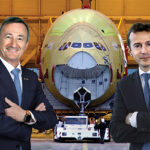
Airbus is a Feather in Dassault Systemes’ Cap, But What Was Included in This...
“DS is far from alone in PLM within Airbus - Siemens, PTC and Aras are just a few examples of competitors that continue to be present.” Playing a leading role as a supporting PLM system for one of the giants in the aerospace and defense industry not only brings technological prestige but also involves big money. When Dassault Systemes (DS) announced a few weeks ago that it had signed an extended contract extension with the aircraft giant Airbus, it was a deal that, with its estimated 20,000 users, both internally and externally, is a matter of tens of millions of euros even in a shorter contract perspective.
In the light of this, it is not surprising that DS has brought in the heavy artillery on the sales side, with executive chairman Bernard Charles in the lead. He is known as a great PLM visionary, with a keen sense of what is required to sell advanced digital technology in areas such as aerospace & defense and automotive. He has always played important roles when DS has completed major business deals around the 3DEXPERIENCE platform (3DX). Remember, for example, the big deal with Boeing in 2017, where DS, in a tough fight with Siemens Digital Industries Software, won an order extension for the 3DX platform in a 30 year contract, worth more than $1 billion.
When the extension with Airbus was announced, Charles was at the forefront again:
"Our long history of collaboration with Airbus begins its next chapter, enabling the entire company and its value chain to innovate globally, efficiently and virtually for decades to come. Airbus can take full advantage of AI and scientific advances in materials science, modeling, simulation, and production efficiency to create new opportunities with our 3DEXPERIENCE platform. This is ultimately about things that will define the future of the aerospace industry," he commented. So what was included?
It is clear that CATIA CAD is a cornerstone. This solution has a very strong position in the aerospace industry. It is not least dominant at the two giants Airbus and Boeing, although in organizations of this size there are always several players in the game. But CATIA, with its roots in Dassault Aviation, is the program that was the earliest to come out with solutions that could handle the complex geometries required in aircraft development, such as geometric modeling of complex Class A surfaces. But today, what DS can bring to the table has broadened enormously.
According to information provided to PLM&ERP News, Airbus will now utilize the full breadth of Dassault's 3DEXPERIENCE platform, which not only integrates CATIA but also SIMULIA for advanced simulation, DELMIA for manufacturing, and ENOVIA plus NETVIBES for collaborative product lifecycle data management. The indication in DS press materials is that 3DX will be deployed across Airbus and will function as support in the heavy business units – including Airbus Civil, Defence & Space and Helicopters. It has the potential to cover lifecycles, from initial requirements management to engineering, manufacturing and aftermarket support.
Airbus CEO Guillaume Faury points out that the renewed partnership with DS will accelerate the company's digitalization, including AI support.
But DS is not alone on the PLM side within Airbus; for example Siemens, PTC and Aras PLM are in the game too, how then?
Click on the headline to read the full story on PLM&ERP News.
In the light of this, it is not surprising that DS has brought in the heavy artillery on the sales side, with executive chairman Bernard Charles in the lead. He is known as a great PLM visionary, with a keen sense of what is required to sell advanced digital technology in areas such as aerospace & defense and automotive. He has always played important roles when DS has completed major business deals around the 3DEXPERIENCE platform (3DX). Remember, for example, the big deal with Boeing in 2017, where DS, in a tough fight with Siemens Digital Industries Software, won an order extension for the 3DX platform in a 30 year contract, worth more than $1 billion.
When the extension with Airbus was announced, Charles was at the forefront again:
"Our long history of collaboration with Airbus begins its next chapter, enabling the entire company and its value chain to innovate globally, efficiently and virtually for decades to come. Airbus can take full advantage of AI and scientific advances in materials science, modeling, simulation, and production efficiency to create new opportunities with our 3DEXPERIENCE platform. This is ultimately about things that will define the future of the aerospace industry," he commented. So what was included?
It is clear that CATIA CAD is a cornerstone. This solution has a very strong position in the aerospace industry. It is not least dominant at the two giants Airbus and Boeing, although in organizations of this size there are always several players in the game. But CATIA, with its roots in Dassault Aviation, is the program that was the earliest to come out with solutions that could handle the complex geometries required in aircraft development, such as geometric modeling of complex Class A surfaces. But today, what DS can bring to the table has broadened enormously.
According to information provided to PLM&ERP News, Airbus will now utilize the full breadth of Dassault's 3DEXPERIENCE platform, which not only integrates CATIA but also SIMULIA for advanced simulation, DELMIA for manufacturing, and ENOVIA plus NETVIBES for collaborative product lifecycle data management. The indication in DS press materials is that 3DX will be deployed across Airbus and will function as support in the heavy business units – including Airbus Civil, Defence & Space and Helicopters. It has the potential to cover lifecycles, from initial requirements management to engineering, manufacturing and aftermarket support.
Airbus CEO Guillaume Faury points out that the renewed partnership with DS will accelerate the company's digitalization, including AI support.
But DS is not alone on the PLM side within Airbus; for example Siemens, PTC and Aras PLM are in the game too, how then?
Click on the headline to read the full story on PLM&ERP News.

AI and Simulation Cornerstones in New Altair Agreement on Advanced Eco-Friendly Marine Engines
PIETRO CERVELLERA, VP of Aerospace and Defense at Altair: "Will shape the future of marine engine development." One of last week's interesting news in the PLM and AI area was the MoU that the now Siemens-owned Altair picked up from South Korean shipbuilding giant HD Hyundai Heavy Industries. The whole thing is based on a strategic memorandum of understanding between the Engine Research Institute at HD Hyundai Heavy Industries and Altair with the aim of sharpening the performance of environmentally friendly marine engines and driving AI-driven development initiatives.
As a background, it can be noted that in 2022 Siemens Digital Industries Software won a huge deal with the shipbuilding giant around the Xcelerator portfolio, especially with NX CAD and Teamcenter PLM/PDM: In the pot was a deal potentially including thousands of users.
The objective of the South Korean shipbuilding group was to develop a new CAD software specifically adapted to ship design, built on NX CAD, together with Siemens, and including the latter’s PLM/PDM platform Teamcenter.
With Altair’s MoU, we get further evidence of the cross-values that can accompany the combination of Siemens and Altair. When Altair was recently acquired by Siemens, one of the goals was to sharpen and expand its leadership in integrated simulation and AI, areas where the American engineering company has developed extensive industrial excellence. The MoU will also provide a glimpse of what can happen when Altair technology works side-by-side with the solutions in Siemens Xcelerator portfolio.
“This collaboration goes beyond technology development – it is a strategic partnership to shape the future of marine engine development,” said Pietro Cervellera, senior VP of Aerospace & Defense, in Altair. “By combining our global engineering capabilities with HD Hyundai Heavy Industries’ expertise in eco-friendly marine engines, we aim to set a new standard for sustainable engine and machinery business.”
Commenting on the matter, Dr. Sungchan An, VP and Head of Engine Research Institute, HD Hyundai Heavy Industries, noted that HD Hyundai Heavy Industries and Altair have been continuously collaborating on the development of simulation technologies for high-quality HiMSEN engine designs:
“With Altair as part of Siemens,” he said, “the development of next-generation engine design-based product development and further development of virtual engines and AI are now at full acceleration.”
This partnership comes in response to increasingly stringent environmental regulations in the global maritime industry. As digital transformation and technological advancements become crucial in shipbuilding, Altair and HD Hyundai Heavy Industries will work together to strengthen innovation through simulation and AI technology in the shipbuilding area. But what is a HiMSEN engine? And what digital tools can Altair bring?
Click on the headline to read more.
As a background, it can be noted that in 2022 Siemens Digital Industries Software won a huge deal with the shipbuilding giant around the Xcelerator portfolio, especially with NX CAD and Teamcenter PLM/PDM: In the pot was a deal potentially including thousands of users.
The objective of the South Korean shipbuilding group was to develop a new CAD software specifically adapted to ship design, built on NX CAD, together with Siemens, and including the latter’s PLM/PDM platform Teamcenter.
With Altair’s MoU, we get further evidence of the cross-values that can accompany the combination of Siemens and Altair. When Altair was recently acquired by Siemens, one of the goals was to sharpen and expand its leadership in integrated simulation and AI, areas where the American engineering company has developed extensive industrial excellence. The MoU will also provide a glimpse of what can happen when Altair technology works side-by-side with the solutions in Siemens Xcelerator portfolio.
“This collaboration goes beyond technology development – it is a strategic partnership to shape the future of marine engine development,” said Pietro Cervellera, senior VP of Aerospace & Defense, in Altair. “By combining our global engineering capabilities with HD Hyundai Heavy Industries’ expertise in eco-friendly marine engines, we aim to set a new standard for sustainable engine and machinery business.”
Commenting on the matter, Dr. Sungchan An, VP and Head of Engine Research Institute, HD Hyundai Heavy Industries, noted that HD Hyundai Heavy Industries and Altair have been continuously collaborating on the development of simulation technologies for high-quality HiMSEN engine designs:
“With Altair as part of Siemens,” he said, “the development of next-generation engine design-based product development and further development of virtual engines and AI are now at full acceleration.”
This partnership comes in response to increasingly stringent environmental regulations in the global maritime industry. As digital transformation and technological advancements become crucial in shipbuilding, Altair and HD Hyundai Heavy Industries will work together to strengthen innovation through simulation and AI technology in the shipbuilding area. But what is a HiMSEN engine? And what digital tools can Altair bring?
Click on the headline to read more.