



Från sökning till naturlig konversation: PTC avancerar uppåt till en ny nivå med en...
För några månader sedan släppte PLM-utvecklaren PTC sin första Windchill AI release. PLM&ERP News rapporterade om den nya AI Parts Rationalizations förmågor att team nu kan upptäcka och konsolidera dubbletter i sina system. Idag har bolaget gått vidare i AI-spåret och använder nu intelligensen för att ta itu med ett mycket större problem: Produktdata i Windchill som användare behöver, men som teamen kan inte komma åt det snabbt nog.
Med nya Windchill AI Assistant talar vi om en lösning som skiljer sig från bolagets tidigare AI-initiativ genom att gå från enklare sök-/supportverktyg till ett generativt AI-drivet konversations-gränssnitt, djupt integrerat i PLM-plattformen. Medan tidigare verktyg, som Creo AI Assistant (beta) eller Arena AI, var utformade för att tillhandahålla supportartiklar eller vägleda specifika arbetsflöden, fokuserar den nya Windchill AI Assistant på att direkt fråga, sammanfatta och navigera i komplex produktdokumentation via ett naturligt språk.
Viktiga skillnader i Windchill AI vs. tidigare erbjudanden handlar bl a om följande:
• Generativ AI vs. sökning/support: Tidigare AI-verktyg fungerade som smarta sökfält och ledde användare till relevant dokumentation. Windchill AI Assistant är ett generativt AI-verktyg som fungerar som ett "chattgränssnitt" och syntetiserar information från tusentals dokument till ett sammanfattat svar.
• Handlingsbarhet och kontextuell förståelse: Medan tidiga AI-funktioner i PTC-produkter huvudsakligen erbjöd hjälp i stil med "dagens tips", erbjuder den nya assistenten kontextmedvetna svar hämtade från specifika tekniska tester, specifikationer och ändringsordrar från egna Windchill-data.
• Djup integration i PLM-data: Istället för att bara fråga externa manualer är detta verktyg utformat för att fungera som ett plugin till befintliga Windchill-data, vilket möjliggör frågor som: "Vad är statusen för del X?" eller att sammanfatta "alla ändringsordrar för projekt Y".
• Fokus på dokumentationsspridning: Detta syftar specifikt till att lösa "dokumentationsproblemet" – den överväldigande mängden data i ingenjörsteam – genom att automatisera extraheringen av viktiga detaljer snarare än att bara hjälpa till att hitta filer.
"För många användare är utmaningen inte brist på produktdata. Det handlar istället om hur svårt det kan vara att hitta och återanvända det som team redan har lärt sig från tidigare tekniskt arbete", säger John Haller, GM för Windchill, PTC. "Med Windchill AI Assistant tillämpar vi AI på ett praktiskt sätt för att hjälpa team att få snabbare tillgång till betrodd information som redan finns i Windchill, så att de kan spendera mindre tid på att söka efter svar och mer tid på att tillämpa insikter i sitt arbete."
Men vad är det som utmärker PTC i AI-konkurrensen? Klicka på huvudrubriken för att läsa mer om detta på PLM&ERP News.
Med nya Windchill AI Assistant talar vi om en lösning som skiljer sig från bolagets tidigare AI-initiativ genom att gå från enklare sök-/supportverktyg till ett generativt AI-drivet konversations-gränssnitt, djupt integrerat i PLM-plattformen. Medan tidigare verktyg, som Creo AI Assistant (beta) eller Arena AI, var utformade för att tillhandahålla supportartiklar eller vägleda specifika arbetsflöden, fokuserar den nya Windchill AI Assistant på att direkt fråga, sammanfatta och navigera i komplex produktdokumentation via ett naturligt språk.
Viktiga skillnader i Windchill AI vs. tidigare erbjudanden handlar bl a om följande:
• Generativ AI vs. sökning/support: Tidigare AI-verktyg fungerade som smarta sökfält och ledde användare till relevant dokumentation. Windchill AI Assistant är ett generativt AI-verktyg som fungerar som ett "chattgränssnitt" och syntetiserar information från tusentals dokument till ett sammanfattat svar.
• Handlingsbarhet och kontextuell förståelse: Medan tidiga AI-funktioner i PTC-produkter huvudsakligen erbjöd hjälp i stil med "dagens tips", erbjuder den nya assistenten kontextmedvetna svar hämtade från specifika tekniska tester, specifikationer och ändringsordrar från egna Windchill-data.
• Djup integration i PLM-data: Istället för att bara fråga externa manualer är detta verktyg utformat för att fungera som ett plugin till befintliga Windchill-data, vilket möjliggör frågor som: "Vad är statusen för del X?" eller att sammanfatta "alla ändringsordrar för projekt Y".
• Fokus på dokumentationsspridning: Detta syftar specifikt till att lösa "dokumentationsproblemet" – den överväldigande mängden data i ingenjörsteam – genom att automatisera extraheringen av viktiga detaljer snarare än att bara hjälpa till att hitta filer.
"För många användare är utmaningen inte brist på produktdata. Det handlar istället om hur svårt det kan vara att hitta och återanvända det som team redan har lärt sig från tidigare tekniskt arbete", säger John Haller, GM för Windchill, PTC. "Med Windchill AI Assistant tillämpar vi AI på ett praktiskt sätt för att hjälpa team att få snabbare tillgång till betrodd information som redan finns i Windchill, så att de kan spendera mindre tid på att söka efter svar och mer tid på att tillämpa insikter i sitt arbete."
Men vad är det som utmärker PTC i AI-konkurrensen? Klicka på huvudrubriken för att läsa mer om detta på PLM&ERP News.
”Rekordstark tillväxt för den globala PLM-marknaden 2025,” säger analytikern CIMdatas chef, Peter Bilello
”EDA-sidan med elektronikdesign-verktygen, växer snabbast bland sub-PLM-domänerna i ett 5-årsperspektiv.”
Hur har PLM-marknaden utvecklats under det makroeknomiskt oroliga 2025? Analytikern CIMdata skriver i en summering av sin nu slutförda 2026 års upplaga av PLM Market & Industry Forum-serien att PLM-marknaden under fjolåret växte till 87,25 miljarder dollar; motsvarande drygt 809 miljarder i svenska kronor. Det är en uppskattad marknadstillväxt på ca 8,7 % för 2025.
Siffran är överraskande stark i skenet av de makroekonomiskt globalt oroliga tiderna. Trots att president Donald Trumps tullcirkus och till detta kopplade ryckiga politiska osäkerhetsfaktorer präglades 2025 allmänt av en svag, men ändå relativt stabil global tillväxt. Visserligen påverkade en rad geopolitiska spänningar, betydande handelshinder, och den snabba teknologiska omställningen världsekonomin - framför allt den dramatiska AI-utvecklingen - men den nådde ändå en tillväxt på drygt 3 %. Att PLM-ekonomin i denna osäkra mylla ändå växte nära tre gånger så mycket är ett styrketecken och signum för hur viktig den teknologiska utvecklingen är som nu stöper om global industriell verksamhet.
I en kommentar till PLM-marknadens och denna industriellt affärskritiska branschs utveckling menade CIMdata-chefen, Peter Bilello, att tillväxten för PLM 2025 faktiskt var en milstolpe:
"Ja, tillväxten på den globala PLM-marknaden till 87,5 miljarder dollar är en betydande milstolpe,” säger han. ”Medan den totala PLM-marknadstillväxten på 8,7 % landade något under vår prognos på 9,3 % – vilket sannolikt återspeglar fortsatt global ekonomisk osäkerhet – tyder den underliggande informationen på en marknad mitt i en djupgående omvandling,” sa Bilello och tillade att han var särskilt imponerade av resultatet för segmentet Platform Technologies, som trotsade den bredare trenden och växte med 8,9 % och översteg vår prognos på 7,1 %.”
Bilello tillade att detta i sin tur, ”tyder på att även om industriella ledningsgrupper söker mer konkreta bevis på avkastning på investeringen innan de helt och hållet satsar på massiva AI-investeringar, fördubblar de sina insatser på de centrala digitala plattformar som krävs för att möjliggöra dessa framtida funktioner."
CIMdata definierar Platform Technologies (plattformsteknologier) inom ramen för en PIP-plattform (Product Innovations Platform) som, ”en uppsättning föränderliga funktionella domäner, processer och livscykelstadier som orkestreras för att möjliggöra nästa generations PLM-lösningar.” I detta ingår komponenter som en system-av-system-approach, en central möjliggörare av digital transformation, kapacitet att bygga digitala trådar, och flera andra faktorer.
När det gäller sub-PLM-domänerna växer över ett 5-årsperspektiv EDA (elektronikdesign) snabbast. Men vilka andra domäner växer snabbt och hur ser det strategiska skifte som Bilello talar om ut när det gäller leverantörsbasen? Klicka på rubriken för att läsa mer på PLM&ERP News.
Hur har PLM-marknaden utvecklats under det makroeknomiskt oroliga 2025? Analytikern CIMdata skriver i en summering av sin nu slutförda 2026 års upplaga av PLM Market & Industry Forum-serien att PLM-marknaden under fjolåret växte till 87,25 miljarder dollar; motsvarande drygt 809 miljarder i svenska kronor. Det är en uppskattad marknadstillväxt på ca 8,7 % för 2025.
Siffran är överraskande stark i skenet av de makroekonomiskt globalt oroliga tiderna. Trots att president Donald Trumps tullcirkus och till detta kopplade ryckiga politiska osäkerhetsfaktorer präglades 2025 allmänt av en svag, men ändå relativt stabil global tillväxt. Visserligen påverkade en rad geopolitiska spänningar, betydande handelshinder, och den snabba teknologiska omställningen världsekonomin - framför allt den dramatiska AI-utvecklingen - men den nådde ändå en tillväxt på drygt 3 %. Att PLM-ekonomin i denna osäkra mylla ändå växte nära tre gånger så mycket är ett styrketecken och signum för hur viktig den teknologiska utvecklingen är som nu stöper om global industriell verksamhet.
I en kommentar till PLM-marknadens och denna industriellt affärskritiska branschs utveckling menade CIMdata-chefen, Peter Bilello, att tillväxten för PLM 2025 faktiskt var en milstolpe:
"Ja, tillväxten på den globala PLM-marknaden till 87,5 miljarder dollar är en betydande milstolpe,” säger han. ”Medan den totala PLM-marknadstillväxten på 8,7 % landade något under vår prognos på 9,3 % – vilket sannolikt återspeglar fortsatt global ekonomisk osäkerhet – tyder den underliggande informationen på en marknad mitt i en djupgående omvandling,” sa Bilello och tillade att han var särskilt imponerade av resultatet för segmentet Platform Technologies, som trotsade den bredare trenden och växte med 8,9 % och översteg vår prognos på 7,1 %.”
Bilello tillade att detta i sin tur, ”tyder på att även om industriella ledningsgrupper söker mer konkreta bevis på avkastning på investeringen innan de helt och hållet satsar på massiva AI-investeringar, fördubblar de sina insatser på de centrala digitala plattformar som krävs för att möjliggöra dessa framtida funktioner."
CIMdata definierar Platform Technologies (plattformsteknologier) inom ramen för en PIP-plattform (Product Innovations Platform) som, ”en uppsättning föränderliga funktionella domäner, processer och livscykelstadier som orkestreras för att möjliggöra nästa generations PLM-lösningar.” I detta ingår komponenter som en system-av-system-approach, en central möjliggörare av digital transformation, kapacitet att bygga digitala trådar, och flera andra faktorer.
När det gäller sub-PLM-domänerna växer över ett 5-årsperspektiv EDA (elektronikdesign) snabbast. Men vilka andra domäner växer snabbt och hur ser det strategiska skifte som Bilello talar om ut när det gäller leverantörsbasen? Klicka på rubriken för att läsa mer på PLM&ERP News.
Global PLM Market Hits Record Growth in 2025, Reports CIMdata President Peter Bilello
Over a five-year horizon, the EDA tools—Electronic Design Automation—is expanding faster than any other sub-PLM domain.
Despite a turbulent macroeconomic climate, the global PLM market continues its upward trajectory. In a summary following their 2026 PLM Market & Industry Forum series, CIMdata reveals that the PLM market reached a total value of $87.25 billion in 2025. This represents an 8.7% growth rate—a resilient performance, albeit slightly under the analyst’s initial forecast of 9.3%.
Regardless, the figure remains strikingly robust against a backdrop of global macroeconomic turbulence. While 2025 saw the onset of President Donald Trump’s "tariff circus" and the erratic political volatility that followed, the year was generally defined by sluggish yet relatively stable global growth. To be sure, a cocktail of geopolitical tensions, significant trade barriers, and rapid technological shifts—most notably the dramatic evolution of AI—weighed on the world economy; yet, it still managed to post a growth rate of just over 3 percent in 2025. That the PLM economy, amidst such uncertain soil, managed to grow at nearly triple that rate is a testament to its strength. It serves as a definitive hallmark of the technological surge currently reshaping the global industrial landscape.
Commenting on the performance of the PLM market and the evolution of this industrially business-critical sector, CIMdata president Peter Bilello noted that the 2025 growth was, in fact, a milestone:
"Yes, the global PLM market reaching $87.5 billion was a significant milestone. While the overall PLM market growth of 8.7% landed slightly below our 9.3% forecast—likely reflecting ongoing global economic uncertainty—the underlying data suggests a market in the midst of a profound transformation," said Bilello, adding that he was particularly impressed by the performance of the Platform Technologies segment, which defied the broader trend by growing 8.9%, exceeding the 7.1% forecast.
"Absolutely," he said, adding: ”This indicates that while industrial leadership teams are seeking more concrete proof of ROI before fully committing to massive AI investments, they are doubling down on the core digital platforms required to enable these future capabilities.”
CIMdata defines "Platform Technologies" as a set of evolving functional domains, processes, and lifecycle stages orchestrated to enable next-generation PLM solutions. This encompasses associated components such as a system-of-systems approach, a central enabler of digital transformation, the ability to build digital threads, and several other factors.
Segmenting the figures by sub-domain, the EDA side is the fastest-growing segment over a five year period. Which other domains are experiencing fast growth, and what does the strategic shift mentioned by Bilello look like? Click on the link to read more on PLM&ERP News.
Despite a turbulent macroeconomic climate, the global PLM market continues its upward trajectory. In a summary following their 2026 PLM Market & Industry Forum series, CIMdata reveals that the PLM market reached a total value of $87.25 billion in 2025. This represents an 8.7% growth rate—a resilient performance, albeit slightly under the analyst’s initial forecast of 9.3%.
Regardless, the figure remains strikingly robust against a backdrop of global macroeconomic turbulence. While 2025 saw the onset of President Donald Trump’s "tariff circus" and the erratic political volatility that followed, the year was generally defined by sluggish yet relatively stable global growth. To be sure, a cocktail of geopolitical tensions, significant trade barriers, and rapid technological shifts—most notably the dramatic evolution of AI—weighed on the world economy; yet, it still managed to post a growth rate of just over 3 percent in 2025. That the PLM economy, amidst such uncertain soil, managed to grow at nearly triple that rate is a testament to its strength. It serves as a definitive hallmark of the technological surge currently reshaping the global industrial landscape.
Commenting on the performance of the PLM market and the evolution of this industrially business-critical sector, CIMdata president Peter Bilello noted that the 2025 growth was, in fact, a milestone:
"Yes, the global PLM market reaching $87.5 billion was a significant milestone. While the overall PLM market growth of 8.7% landed slightly below our 9.3% forecast—likely reflecting ongoing global economic uncertainty—the underlying data suggests a market in the midst of a profound transformation," said Bilello, adding that he was particularly impressed by the performance of the Platform Technologies segment, which defied the broader trend by growing 8.9%, exceeding the 7.1% forecast.
"Absolutely," he said, adding: ”This indicates that while industrial leadership teams are seeking more concrete proof of ROI before fully committing to massive AI investments, they are doubling down on the core digital platforms required to enable these future capabilities.”
CIMdata defines "Platform Technologies" as a set of evolving functional domains, processes, and lifecycle stages orchestrated to enable next-generation PLM solutions. This encompasses associated components such as a system-of-systems approach, a central enabler of digital transformation, the ability to build digital threads, and several other factors.
Segmenting the figures by sub-domain, the EDA side is the fastest-growing segment over a five year period. Which other domains are experiencing fast growth, and what does the strategic shift mentioned by Bilello look like? Click on the link to read more on PLM&ERP News.

STAR-CCM+ and the GPU Revolution: Inside BMW’s High-Performance Simulation Pivot
SIEMENS’ Simone LANDI & NVIDIA's Ian PEGLER: ”Redefining Automotive Simulation.”
GPU-based technology has rapidly revolutionized the field of simulation. By pivoting from sequentially structured CPUs (Central Processing Units) to GPUs (Graphics Processing Units), the industry has unlocked significant advantages. The massive parallel architecture of GPUs enables thousands of tasks to be executed simultaneously, delivering transformative boosts in speed, scale, and cost-efficiency for modeling complex systems—such as fluid dynamics, molecular interactions, and autonomous vehicle sensors.
What once took weeks can now be completed in hours. For the intensely competitive automotive industry, currently navigating a dramatic shift toward electrification and software-defined vehicles, this capability is invaluable.
Few domains within the PLM world have embraced this shift as effectively as the partnership between NVIDIA and Siemens regarding simulation, with BMW acting as a prime example. Leveraging NVIDIA GPU architecture to simulate high-resolution, transient aerodynamic models has enabled BMW to boost process speeds by up to 60% while optimizing vehicle drag and performance.
During a presentation at NVIDIA’s GTC, Siemens Vehicle Aerodynamics Specialist, Simone Landi, highlighted how BMW leverages advanced, large-scale simulations to balance aesthetic design with aerodynamic efficiency. These complex models, often exceeding 100 million cells, normally require massive HPC resources and several days to process. Today new realities have surfaced, claimed Landi, underscoring the critical partnership between Siemens and NVIDIA .
"While heavy-duty simulations have long relied on thousands of CPU cores, the shift toward GPU accelerated computing has unlocked new levels of efficiency. Modern NVIDA GPU acceleration now allows us to push boundaries further, with even a single GPU node demonstrating significant speed improvements—sometimes up to 60%—over traditional CPU setups," added NVIDIA’s Ian Pegler (pictured), Global Business Development – CAE. This performance milestone was achieved by BMW Group utilizing NVIDIA GPU technology to accelerate Simcenter Star-CCM+ solvers.
Beyond aerodynamic simulation, STAR-CCM+ serves as a comprehensive multiphysics CFD solution for a broad spectrum of applications at BMW. The software is engineered to master complex scenarios, including heat transfer, combustion, and other sophisticated thermofluidic processes. STAR-CCM+ has become an industry-standard tool for automotive digital twins, leveraging GPU-accelerated, high-resolution simulations to shift from physical testing to virtual validation. This transition is essential for maintaining competitiveness in a rapidly evolving market.
Click on the headline to read the full article on PLM&ERP News.
GPU-based technology has rapidly revolutionized the field of simulation. By pivoting from sequentially structured CPUs (Central Processing Units) to GPUs (Graphics Processing Units), the industry has unlocked significant advantages. The massive parallel architecture of GPUs enables thousands of tasks to be executed simultaneously, delivering transformative boosts in speed, scale, and cost-efficiency for modeling complex systems—such as fluid dynamics, molecular interactions, and autonomous vehicle sensors.
What once took weeks can now be completed in hours. For the intensely competitive automotive industry, currently navigating a dramatic shift toward electrification and software-defined vehicles, this capability is invaluable.
Few domains within the PLM world have embraced this shift as effectively as the partnership between NVIDIA and Siemens regarding simulation, with BMW acting as a prime example. Leveraging NVIDIA GPU architecture to simulate high-resolution, transient aerodynamic models has enabled BMW to boost process speeds by up to 60% while optimizing vehicle drag and performance.
During a presentation at NVIDIA’s GTC, Siemens Vehicle Aerodynamics Specialist, Simone Landi, highlighted how BMW leverages advanced, large-scale simulations to balance aesthetic design with aerodynamic efficiency. These complex models, often exceeding 100 million cells, normally require massive HPC resources and several days to process. Today new realities have surfaced, claimed Landi, underscoring the critical partnership between Siemens and NVIDIA .
"While heavy-duty simulations have long relied on thousands of CPU cores, the shift toward GPU accelerated computing has unlocked new levels of efficiency. Modern NVIDA GPU acceleration now allows us to push boundaries further, with even a single GPU node demonstrating significant speed improvements—sometimes up to 60%—over traditional CPU setups," added NVIDIA’s Ian Pegler (pictured), Global Business Development – CAE. This performance milestone was achieved by BMW Group utilizing NVIDIA GPU technology to accelerate Simcenter Star-CCM+ solvers.
Beyond aerodynamic simulation, STAR-CCM+ serves as a comprehensive multiphysics CFD solution for a broad spectrum of applications at BMW. The software is engineered to master complex scenarios, including heat transfer, combustion, and other sophisticated thermofluidic processes. STAR-CCM+ has become an industry-standard tool for automotive digital twins, leveraging GPU-accelerated, high-resolution simulations to shift from physical testing to virtual validation. This transition is essential for maintaining competitiveness in a rapidly evolving market.
Click on the headline to read the full article on PLM&ERP News.

Driving the Digital Future: BMW Standardizes Requirements on PTC’s Codebeamer to Power AI Engineering
PTC’s Robert Dahdah, CRO, on why BMW's new investment Codebeamer is a robust foundation for integrated mechatronics and AI-driven engineering.
In retrospect, PTC’s $280 million acquisition of the German ALM developer Intland and its flagship software, Codebeamer, in 2022 stands as one of the company’s most astute investments. The timing was impeccable: PTC’s legacy solution, Integrity, was beginning to show its age, just as the Software-Defined Vehicle (SDV) revolution was gaining massive momentum.
Leveraging its German roots, Codebeamer had already begun embedding itself within the nation's automotive giants—counting the Volkswagen Group among its early high-profile clients. This set the stage for last week’s major industry breakthrough: the announcement that BMW is launching a group-wide rollout of Codebeamer. But what makes this solution such a formidable contender for the ALM throne?
At its core, Codebeamer is an advanced, cloud-based Application Lifecycle Management (ALM) and product development platform. It enables the seamless management of requirements, software development, testing, and risk within a single integrated environment—specifically designed for the rigors of complex, regulated industries like automotive, aerospace, and medtech.
As the automotive sector undergoes a seismic shift fueled by electrification, electronics expansion, and the rise of SDVs, the blueprint for efficient product development is being rewritten. In this new landscape, Codebeamer is positioned to play a leading role—not just within the German industrial complex, but on the global stage.
BMW Group’s decision to implement Codebeamer as its next-generation Application Lifecycle Management (ALM) platform marks a defining milestone in its digital journey. The move signals a shift from fragmented legacy systems—previously spanning hundreds of disparate tools—to a single, unified data model within Codebeamer. This consolidation is exceptionally valuable for a group whose software ecosystem is among the industry's most complex, says Robert Dahdah, Chief Revenue Officer at PTC.
By deploying a shared data model, Codebeamer delivers consistent processes, robust traceability, and digital continuity across mechanical, electrical, and software disciplines. This yields significant holistic benefits, says Dahdah, positioning Codebeamer as a key pillar in PTC’s "Intelligent Product Lifecycle" vision. This framework focuses on enabling manufacturers to build a cohesive product database, drive enterprise-wide data value, and accelerate AI-driven transformation.
"BMW is demonstrating what true digital leadership in engineering looks like," says Robert Dahdah. "Centralizing requirements management on Codebeamer establishes a robust data foundation for integrated mechatronics and AI-driven engineering, directly supporting the future of automotive innovation."
Click on the headline to read the full story on PLM&ERP News.
In retrospect, PTC’s $280 million acquisition of the German ALM developer Intland and its flagship software, Codebeamer, in 2022 stands as one of the company’s most astute investments. The timing was impeccable: PTC’s legacy solution, Integrity, was beginning to show its age, just as the Software-Defined Vehicle (SDV) revolution was gaining massive momentum.
Leveraging its German roots, Codebeamer had already begun embedding itself within the nation's automotive giants—counting the Volkswagen Group among its early high-profile clients. This set the stage for last week’s major industry breakthrough: the announcement that BMW is launching a group-wide rollout of Codebeamer. But what makes this solution such a formidable contender for the ALM throne?
At its core, Codebeamer is an advanced, cloud-based Application Lifecycle Management (ALM) and product development platform. It enables the seamless management of requirements, software development, testing, and risk within a single integrated environment—specifically designed for the rigors of complex, regulated industries like automotive, aerospace, and medtech.
As the automotive sector undergoes a seismic shift fueled by electrification, electronics expansion, and the rise of SDVs, the blueprint for efficient product development is being rewritten. In this new landscape, Codebeamer is positioned to play a leading role—not just within the German industrial complex, but on the global stage.
BMW Group’s decision to implement Codebeamer as its next-generation Application Lifecycle Management (ALM) platform marks a defining milestone in its digital journey. The move signals a shift from fragmented legacy systems—previously spanning hundreds of disparate tools—to a single, unified data model within Codebeamer. This consolidation is exceptionally valuable for a group whose software ecosystem is among the industry's most complex, says Robert Dahdah, Chief Revenue Officer at PTC.
By deploying a shared data model, Codebeamer delivers consistent processes, robust traceability, and digital continuity across mechanical, electrical, and software disciplines. This yields significant holistic benefits, says Dahdah, positioning Codebeamer as a key pillar in PTC’s "Intelligent Product Lifecycle" vision. This framework focuses on enabling manufacturers to build a cohesive product database, drive enterprise-wide data value, and accelerate AI-driven transformation.
"BMW is demonstrating what true digital leadership in engineering looks like," says Robert Dahdah. "Centralizing requirements management on Codebeamer establishes a robust data foundation for integrated mechatronics and AI-driven engineering, directly supporting the future of automotive innovation."
Click on the headline to read the full story on PLM&ERP News.


BMW växlar upp: Standardiserar kravhanteringen på PTC’s ALM-plattform Codebeamer
PTC's CRO Robert DAHDAH: "Så skapar Codebeamer en robust databas för integrerad mekatronik och AI-driven teknik på BMW"
Tveklöst är PLM-utvecklaren PTC’s köp 2022 av tyska Intlands ALM-mjukvara Codebeamer för 280 miljoner dollar en av bolagets smartaste programinvesteringar. Inte minst var det vältajmat i ett läge när dels PTC’s äldre lösning Integrity började bli lite kapacitetsmässigt ålderstigen och dels vid en tidpunkt när SDV-trenden, alltså Software-Defined Vehicles, tagit fart. Med sitt geografiska ursprung hade Codebeamer också börjat resan med att arbeta sig in i den tyska fordonsindustrin. Inte minst hade man t ex den gigantiska VW-koncernen på kundlistan.
Detta sagt som en bakgrund till förra veckans stora nyhet inom ALM och automotive där man avslöjade att BMW gör en stor koncern-satsning på just Codbeamer. Men vad är det som gör lösningen till en så stark pretendent på ALM-tronen?
Allmänt är Codebeamer en är en avancerad, molnbaserad plattform för Application Lifecycle Management (ALM) och produktutveckling. Den används för att hantera krav, mjukvaruutveckling, testning och riskhantering i en och samma integrerade miljö, med särskilt fokus på komplexa, reglerade branscher som fordons-, flyg- och medicinteknik. I en fordonsindustri under stark förändring genom tunga trender som elektrifiering, elektronikexpansion och trenden med SDV-fordon, Software-Defined Vehicles, skapas en helt ny bild av hur rationell produktframtagning ska utföras och i detta kan Codebeamer spela en huvudroll inte bara i den gigantiska tyska fordonsindustrin, utan även i ett globalt perspektiv.
BMW Groups beslut att implementera och göra Codebeamer till nästa generations digitala teknik inom ALM är en milstolpe. Bl a återspeglar den BMWs övergång från fragmenterade äldre kravhanteringslösningar över hundratals system till en enda enhetlig datamodell inom Codebeamer. För övrigt synnerligen värdefullt i en koncern som i ett PLM-perspektiv är bland branschens mer spretiga vad avser programfloran.
Med en delad datamodell erbjuder Codebeamer konsekventa processer, starkare spårbarhet och digital kontinuitet över mekaniska, elektriska och mjukvarudiscipliner. Detta ger betydande holistiska fördelar, menar Robert Dahdah, Chief Revenue Officer, på PTC, Robert Dahdah, Chief Revenue Officer, PTC, och pekar på Codebeamer som en del i PTC-visionen om ”Den Intelligenta Produktlivscykeln”, som bl a handlar om värdet av att göra det möjligt för tillverkare att bygga en produktdatabas inom teknik, utöka värdet av dessa data över hela företaget och etablera AI-driven transformation.
”BMW visar hur ett verkligt digitalt ledarskap inom ingenjörskonst ser ut”, säger Robert Dahdah. ”Att centralisera kravhanteringen på Codebeamer skapar en robust databas för integrerad mekatronik och AI-driven teknik, vilket stöder framtidens fordonsinnovation.”
Klicka på rubriken för att läsa mer på PLM&ERP News.
Tveklöst är PLM-utvecklaren PTC’s köp 2022 av tyska Intlands ALM-mjukvara Codebeamer för 280 miljoner dollar en av bolagets smartaste programinvesteringar. Inte minst var det vältajmat i ett läge när dels PTC’s äldre lösning Integrity började bli lite kapacitetsmässigt ålderstigen och dels vid en tidpunkt när SDV-trenden, alltså Software-Defined Vehicles, tagit fart. Med sitt geografiska ursprung hade Codebeamer också börjat resan med att arbeta sig in i den tyska fordonsindustrin. Inte minst hade man t ex den gigantiska VW-koncernen på kundlistan.
Detta sagt som en bakgrund till förra veckans stora nyhet inom ALM och automotive där man avslöjade att BMW gör en stor koncern-satsning på just Codbeamer. Men vad är det som gör lösningen till en så stark pretendent på ALM-tronen?
Allmänt är Codebeamer en är en avancerad, molnbaserad plattform för Application Lifecycle Management (ALM) och produktutveckling. Den används för att hantera krav, mjukvaruutveckling, testning och riskhantering i en och samma integrerade miljö, med särskilt fokus på komplexa, reglerade branscher som fordons-, flyg- och medicinteknik. I en fordonsindustri under stark förändring genom tunga trender som elektrifiering, elektronikexpansion och trenden med SDV-fordon, Software-Defined Vehicles, skapas en helt ny bild av hur rationell produktframtagning ska utföras och i detta kan Codebeamer spela en huvudroll inte bara i den gigantiska tyska fordonsindustrin, utan även i ett globalt perspektiv.
BMW Groups beslut att implementera och göra Codebeamer till nästa generations digitala teknik inom ALM är en milstolpe. Bl a återspeglar den BMWs övergång från fragmenterade äldre kravhanteringslösningar över hundratals system till en enda enhetlig datamodell inom Codebeamer. För övrigt synnerligen värdefullt i en koncern som i ett PLM-perspektiv är bland branschens mer spretiga vad avser programfloran.
Med en delad datamodell erbjuder Codebeamer konsekventa processer, starkare spårbarhet och digital kontinuitet över mekaniska, elektriska och mjukvarudiscipliner. Detta ger betydande holistiska fördelar, menar Robert Dahdah, Chief Revenue Officer, på PTC, Robert Dahdah, Chief Revenue Officer, PTC, och pekar på Codebeamer som en del i PTC-visionen om ”Den Intelligenta Produktlivscykeln”, som bl a handlar om värdet av att göra det möjligt för tillverkare att bygga en produktdatabas inom teknik, utöka värdet av dessa data över hela företaget och etablera AI-driven transformation.
”BMW visar hur ett verkligt digitalt ledarskap inom ingenjörskonst ser ut”, säger Robert Dahdah. ”Att centralisera kravhanteringen på Codebeamer skapar en robust databas för integrerad mekatronik och AI-driven teknik, vilket stöder framtidens fordonsinnovation.”
Klicka på rubriken för att läsa mer på PLM&ERP News.

AI kan skriva kod på rekordtid – men vem ansvarar och säkerställer kvaliteten?
Det skrivs i dessa tider mycket som skrivs om hur AI förändrar utvecklingstakten. Begrepp som “vibe coding” och verktyg som Lovable visar hur snabbt det går att bygga applikationer med minimal kodning.
Det är i denna kontext dagens gästkrönikör på PLM&ERP News, Werner Heijstek, senior direktör på SIG, Software Improvement Group, i en debattartikel diskuterar kring vad som händer med kvalitet, säkerhet, arkitektur och ansvar när utvecklingstempot ökar så kraftigt som idag. Heijstek och SIG har bas i Amsterdam. Hans budskap är att vi riskerar att bygga nästa generations legacy, bara snabbare. Kort sagt, är vi på väg att bygga upp nästa generations legacy redan nu, undrar Heijstek.
”Artificiell intelligens gör det möjligt att utveckla mjukvara snabbare än någonsin tidigare. Nya verktyg kan generera kod från enkla instruktioner och experiment visar hur AI-agenter kan skapa hela system på rekordtid. Men när utvecklingstakten ökar uppstår nya frågor om kvalitet, styrning och långsiktighet i systemen som byggs. Frågor som organisationer behöver kunna kontrollera, följa upp och ta ansvar för,” skriver han och tillägger:
”AI förändrar snabbt hur mjukvara utvecklas. Verktyg som kan generera kod från instruktioner i LLM-verktyg gör det möjligt att skapa fungerande system på en bråkdel av den tid som tidigare krävdes. I Sverige har plattformar som Lovable väckt stor uppmärksamhet genom att göra det möjligt att bygga digitala tjänster, appar och webbsidor, nästan helt utan traditionell programmering.
I utvecklarvärlden diskuteras alltså de fenomen som ibland kallas ”vibe coding”. Utvecklaren beskriver vad som ska byggas och låter AI generera stora delar av lösningen. För enklare applikationer kan detta fungera förvånansvärt bra. Kod som tidigare tog dagar eller veckor att skriva kan nu produceras på minuter.
AI kan dramatiskt öka hastigheten i mjukvaruutveckling. Den verkliga utmaningen är därför inte hur snabbt kod kan genereras, utan hur vi säkerställer att systemen som byggs är begripliga, styrbara och möjliga att utveckla säkert över tid.”
Klicka på rubriken för att läsa hela Werner Heijsteks debattartikel på PLM&ERP News.
”AI förändrar snabbt hur mjukvara utvecklas. Verktyg som kan generera kod från instruktioner i LLM-verktyg gör det möjligt att skapa fungerande system på en bråkdel av den tid som tidigare krävdes. I Sverige har plattformar som Lovable väckt stor uppmärksamhet genom att göra det möjligt att bygga digitala tjänster, appar och webbsidor, nästan helt utan traditionell programmering.
I utvecklarvärlden diskuteras alltså de fenomen som ibland kallas ”vibe coding”. Utvecklaren beskriver vad som ska byggas och låter AI generera stora delar av lösningen. För enklare applikationer kan detta fungera förvånansvärt bra. Kod som tidigare tog dagar eller veckor att skriva kan nu produceras på minuter.
AI kan dramatiskt öka hastigheten i mjukvaruutveckling. Den verkliga utmaningen är därför inte hur snabbt kod kan genereras, utan hur vi säkerställer att systemen som byggs är begripliga, styrbara och möjliga att utveckla säkert över tid.”
Klicka på rubriken för att läsa hela Werner Heijsteks debattartikel på PLM&ERP News.

Drivetrain Analyzer Onsite och andra lösningar som ger Siemens ledningen i det industriella AI-racet
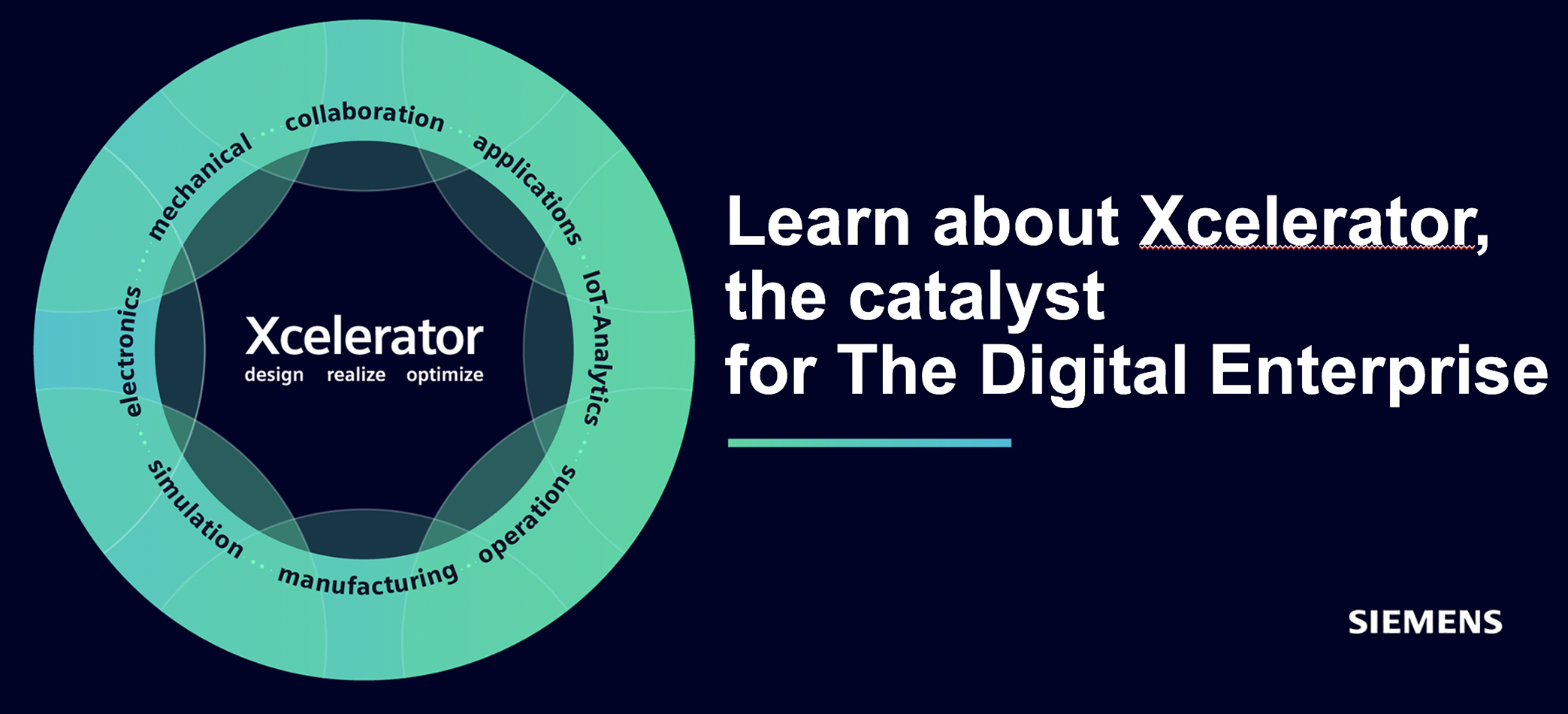
Siemens-chefen, ROLAND BUSCH, har bråda dagar. Det är inte svårt att förstå varför – på PLM-sidan, kopplat till AI, och smart tillverkning, är det ingen utvecklare som har ett högre tempo eller en vassare paketerad och mer integrerad helhetslösning för produktframtagning än vad den globala PLM- och fabriksautomations-ledaren har i sin Xcelerator-portfölj.
Det handlar om flera broar till genombrott för industriell AI med siktet inställt på att skapa ett sammanhängande system, Industrial AI Operating System. Busch brukar beskriva saken som, ”en satsning syftar till att flytta AI från att vara en isolerad funktion till att bli en drivande kraft genom hela värdekedjan.”
Förra veckans lansering av Drivetrain Analyzer Onsite (DTA Onsite) är ett bra exempel. Det handlar om en funktion där toppmodern AI-teknologi kan göra mycket intressanta avtryck. DTA, finns i och för sig redan som moln-lösning, men i den nu aktuella lanseringen är det istället en ny on-premise analyslösning. En tung poäng är att man med denna mjukvara använder lokal AI för att upptäcka mönster och anomalier i drivsystem utan att data behöver lämna användarens infrastruktur.
Sammanfattningsvis överbryggar mjukvaran klyftan mellan isolerade maskiner och molnbaserade plattformar och bearbetar drivdata helt inom användarens egen infrastruktur, inklusive integrerade industriella AI-funktioner.
Drivdata är den tekniska term som används inom industriell automation för data som rör olika slags motordrifter. Den täcker parametrar som vridmoment, hastighet, position, ström och temperatur, vilka är avgörande för att övervaka och styra maskiner. Drivparametrar används specifikt när man hänvisar till inställningar inom drivenheten (t ex Sercos-parametrar). Drivdata täcker parametrar som vridmoment, hastighet, position, ström, vibrationer och temperatur, vilka är avgörande för att övervaka och styra maskiner. Men varför är analys av dessa data så viktigt inom industriell produktion?
Kort sagt för att de är avgörande inom industriell produktion och att mjukvarans finess är att den omvandlar rå drivdata till handlingsbara insikter. Detta möjliggör högre effektivitet, färre driftsstopp och förbättrad produktkvalitet. Genom att utnyttja industriella IoT (IIoT)-sensorer och AI-driven analys kan tillverkare gå över från reaktivt underhåll till prediktiva strategier, optimera maskinens livslängd och minska den totala energiförbrukningen.
Men även om DTA Onsite är en vass AI-lösning, så är det bara en detalj i en bredare och djupintegrerad kedja digitala verktyg för hela produktframtagnings-processen; en kedja där Siemens Digital Industries, inklusive PLM-divisionen (”Software”), i dagsläget är den globala industriella marknadsledaren – vilka är skälen?
Klicka på rubriken för att läsa mer på PLM&ERP News.
Det handlar om flera broar till genombrott för industriell AI med siktet inställt på att skapa ett sammanhängande system, Industrial AI Operating System. Busch brukar beskriva saken som, ”en satsning syftar till att flytta AI från att vara en isolerad funktion till att bli en drivande kraft genom hela värdekedjan.”
Förra veckans lansering av Drivetrain Analyzer Onsite (DTA Onsite) är ett bra exempel. Det handlar om en funktion där toppmodern AI-teknologi kan göra mycket intressanta avtryck. DTA, finns i och för sig redan som moln-lösning, men i den nu aktuella lanseringen är det istället en ny on-premise analyslösning. En tung poäng är att man med denna mjukvara använder lokal AI för att upptäcka mönster och anomalier i drivsystem utan att data behöver lämna användarens infrastruktur.
Sammanfattningsvis överbryggar mjukvaran klyftan mellan isolerade maskiner och molnbaserade plattformar och bearbetar drivdata helt inom användarens egen infrastruktur, inklusive integrerade industriella AI-funktioner.
Drivdata är den tekniska term som används inom industriell automation för data som rör olika slags motordrifter. Den täcker parametrar som vridmoment, hastighet, position, ström och temperatur, vilka är avgörande för att övervaka och styra maskiner. Drivparametrar används specifikt när man hänvisar till inställningar inom drivenheten (t ex Sercos-parametrar). Drivdata täcker parametrar som vridmoment, hastighet, position, ström, vibrationer och temperatur, vilka är avgörande för att övervaka och styra maskiner. Men varför är analys av dessa data så viktigt inom industriell produktion?
Kort sagt för att de är avgörande inom industriell produktion och att mjukvarans finess är att den omvandlar rå drivdata till handlingsbara insikter. Detta möjliggör högre effektivitet, färre driftsstopp och förbättrad produktkvalitet. Genom att utnyttja industriella IoT (IIoT)-sensorer och AI-driven analys kan tillverkare gå över från reaktivt underhåll till prediktiva strategier, optimera maskinens livslängd och minska den totala energiförbrukningen.
Men även om DTA Onsite är en vass AI-lösning, så är det bara en detalj i en bredare och djupintegrerad kedja digitala verktyg för hela produktframtagnings-processen; en kedja där Siemens Digital Industries, inklusive PLM-divisionen (”Software”), i dagsläget är den globala industriella marknadsledaren – vilka är skälen?
Klicka på rubriken för att läsa mer på PLM&ERP News.

Jakten på smartare fabriker: Capgemini vässar sin PLM-satsning med köpet av Piterion
Veckans stora affärsnyhet på PLM-området är globala konsulten Capgeminis köp av tyska Piterion, en ledande, oberoende specialist inom PLM och operativ tillverkningshantering på MOM-området.
Klart är att köpet representerar en förstärkning av Capgeminis PLM-relaterade verksamhet, både finansiellt och tekniskt. Capgemini avslöjar inte i sina redovisningar de utbrutna siffrorna för de PLM-relaterade intäkterna, men sett till hela bolagets intäkter på runt 22,5 miljarder euro 2025 torde det handla om en liten del. Analytikern CIMdata räknade i sin 2025-rapport med att bolaget på cPDm-området (collaborative Product Definition management) drog in runt 400 miljoner dollar på PLM-tjänstesidan, vilket gav en åttonde placering avseende 2024 på topplistan över tjänsteproducenter. Denna lista toppades av Accenture (ca 2,2 miljarder dollar), med TCS (knappt 1 miljard dollar) på silverplats och IBM (runt 750 miljoner dollar) på bronsplats.
Capgeminis styrkor inom Product Lifecycle Management (PLM) ligger i deras kapacitet för digital transformation end-to-end, djupgående branschspecifik expertis inom tillverkning för framför allt fordons- och flygindustrin), och ett starkt, strategiskt partnerekosystem med de tre stora PLM-programvaruleverantörerna: Siemens Digital Industries (Teamcenter, Polarion), Dassault Systèmes (3DEXPERIENCE) och PTC (Windchill).
Capgemini, som erkänts som en "Winner's Circle"-deltagare av HfS Research, betonar "Digital kontinuitet", som kopplar samman produktdesign, tillverkning och service. Just i detta spår ligger också att Capgemini kapabilitet att möjliggöra en "digital tråd" som överbryggar teknik och service, vilket förbättrar datakonsistens och integration över hela produktens livscykel.
Vad innebär då köpet av Piterion, vid sidan av en möjlig intäktsförstärkning på närmare 40 miljoner dollar? Med PLM och MOM som de starka domänerna i utbudet har Piterion sedan bolaget grundades 2002 byggt upp en stark position i Tyskland, med huvudkontor i Stuttgart. Men har också expanderat verksamheten genom dotterbolag i Italien, Tunisien och Indien. Genom att integrera mekanisk, elektronisk och mjukvaruutveckling stöder deras team på över 200 personer en rad välkända kunder inom konsument- och kommersiell fordonsindustri, flyg- och försvarsindustri, life science och högteknologi – sektorer där Capgemini också är djupt aktiva.
"Kunderna vill i allt högre grad optimera sina industriella tekniska processer genom digitalisering och AI,” kommenterar dr Michael Schulte, CEO för Capgemini Engineering och koncernlednings-medlem. ”Piterion är en ledande aktör inom PLM och MOM och med deras starka tyska närvaro och internationella leveranskapacitet kommer köpet att stärka Capgeminis globala PLM-verksamhet, utöka utnyttjandet av våra AI-agentbaserade lösningar, fördjupa strategiska kundrelationer och bidra till att accelerera tillväxten.”
”I tider där AI, moln och uppkopplade produktekosystem omformar industriella värdekedjor skapar denna kombination nya möjligheter för våra kunder,” summerar Ravi Nirankari, medgrundare av Piterion.
Ingen köpeskilling avslöjas i pressmaterialet.
Klicka på rubriken för att läsa mer på PLM&ERP News.
Klart är att köpet representerar en förstärkning av Capgeminis PLM-relaterade verksamhet, både finansiellt och tekniskt. Capgemini avslöjar inte i sina redovisningar de utbrutna siffrorna för de PLM-relaterade intäkterna, men sett till hela bolagets intäkter på runt 22,5 miljarder euro 2025 torde det handla om en liten del. Analytikern CIMdata räknade i sin 2025-rapport med att bolaget på cPDm-området (collaborative Product Definition management) drog in runt 400 miljoner dollar på PLM-tjänstesidan, vilket gav en åttonde placering avseende 2024 på topplistan över tjänsteproducenter. Denna lista toppades av Accenture (ca 2,2 miljarder dollar), med TCS (knappt 1 miljard dollar) på silverplats och IBM (runt 750 miljoner dollar) på bronsplats.
Capgeminis styrkor inom Product Lifecycle Management (PLM) ligger i deras kapacitet för digital transformation end-to-end, djupgående branschspecifik expertis inom tillverkning för framför allt fordons- och flygindustrin), och ett starkt, strategiskt partnerekosystem med de tre stora PLM-programvaruleverantörerna: Siemens Digital Industries (Teamcenter, Polarion), Dassault Systèmes (3DEXPERIENCE) och PTC (Windchill).
Capgemini, som erkänts som en "Winner's Circle"-deltagare av HfS Research, betonar "Digital kontinuitet", som kopplar samman produktdesign, tillverkning och service. Just i detta spår ligger också att Capgemini kapabilitet att möjliggöra en "digital tråd" som överbryggar teknik och service, vilket förbättrar datakonsistens och integration över hela produktens livscykel.
Vad innebär då köpet av Piterion, vid sidan av en möjlig intäktsförstärkning på närmare 40 miljoner dollar? Med PLM och MOM som de starka domänerna i utbudet har Piterion sedan bolaget grundades 2002 byggt upp en stark position i Tyskland, med huvudkontor i Stuttgart. Men har också expanderat verksamheten genom dotterbolag i Italien, Tunisien och Indien. Genom att integrera mekanisk, elektronisk och mjukvaruutveckling stöder deras team på över 200 personer en rad välkända kunder inom konsument- och kommersiell fordonsindustri, flyg- och försvarsindustri, life science och högteknologi – sektorer där Capgemini också är djupt aktiva.
"Kunderna vill i allt högre grad optimera sina industriella tekniska processer genom digitalisering och AI,” kommenterar dr Michael Schulte, CEO för Capgemini Engineering och koncernlednings-medlem. ”Piterion är en ledande aktör inom PLM och MOM och med deras starka tyska närvaro och internationella leveranskapacitet kommer köpet att stärka Capgeminis globala PLM-verksamhet, utöka utnyttjandet av våra AI-agentbaserade lösningar, fördjupa strategiska kundrelationer och bidra till att accelerera tillväxten.”
”I tider där AI, moln och uppkopplade produktekosystem omformar industriella värdekedjor skapar denna kombination nya möjligheter för våra kunder,” summerar Ravi Nirankari, medgrundare av Piterion.
Ingen köpeskilling avslöjas i pressmaterialet.
Klicka på rubriken för att läsa mer på PLM&ERP News.

The Blueprint for the Intelligent Industry: Capgemini’s Strategic Play for Piterion Group
Dr Michael Schulte, CEO of Capgemini Engineering: "Leveraging World-Class PLM, with AI and MOM (Manufacturing Operations Management)."
The major business headline in the PLM sector this week is global consultancy Capgemini’s agreement to acquire the Piterion Group. A premier German independent specialist in PLM and MOM, Piterion’s integration significantly strengthens Capgemini’s capabilities, particularly for clients in complex industrial fields such as automotive and aerospace. By integrating Piterion's agent-based AI with its own portfolio, Capgemini aims to optimize product lifecycles, accelerate time-to-market, and drive cost efficiencies, strengthening its position against industry leaders.
But the move also represents a significant consolidation of Capgemini’s PLM service revenues. While the group does not disclose specific PLM revenue—a small fraction of its total €22.5 billion turnover in 2025—industry analysts at CIMdata estimate the firm’s 2024 collaborative Product Definition management (cPDm) service revenue at approximately $400 million. This places Capgemini eighth globally in a services market currently dominated by titans like Accenture ($2.2B), TCS ($1B), and IBM ($750M), signaling an aggressive, strategic move to close the gap on the leaders.
Capgemini’s prowess in PLM is increasingly defined by its end-to-end digital transformation capabilities and deep-tier manufacturing expertise. This position is underpinned by a sophisticated ecosystem of strategic software partners, most notably the "Big Three": Siemens Digital Industries Software, Dassault Systèmes, and PTC.
Long recognised as a leader in the field, Capgemini continues to champion "digital continuity"—a strategic thread that seamlessly stitches together product design, manufacturing, and maintenance. The firm’s latest move, the acquisition of Stuttgart-based Piterion, is set to further strengthen this "digital thread," ensuring data consistency across the entire industrial lifecycle.
Beyond a $30–40 million revenue boost, the acquisition brings Piterion’s team of over 200 experts into the fold, expanding Capgemini’s footprint across Germany, Italy, Tunisia, and India. Piterion’s expertise in integrating mechanical, electronic, and software solutions for the automotive and aerospace sectors aligns precisely with Capgemini’s industrial focus.
Dr Michael Schulte, CEO of Capgemini Engineering, noted that clients are "increasingly looking to optimise their industrial engineering processes through digitalisation and AI," adding that the acquisition will "expand our agent-based solution offerings and help accelerate growth."
Ravi Nirankari, Co-Founder of Piterion, echoed this sentiment, suggesting that the convergence of AI and connected product ecosystems is "unlocking new opportunities" for global clients. While the purchase price remains undisclosed, the strategic value of the tie-up is clear: a more robust, AI-ready offering for an era of intelligent industry.
Click on thge headline to read more on PLM&ERP News.
The major business headline in the PLM sector this week is global consultancy Capgemini’s agreement to acquire the Piterion Group. A premier German independent specialist in PLM and MOM, Piterion’s integration significantly strengthens Capgemini’s capabilities, particularly for clients in complex industrial fields such as automotive and aerospace. By integrating Piterion's agent-based AI with its own portfolio, Capgemini aims to optimize product lifecycles, accelerate time-to-market, and drive cost efficiencies, strengthening its position against industry leaders.
But the move also represents a significant consolidation of Capgemini’s PLM service revenues. While the group does not disclose specific PLM revenue—a small fraction of its total €22.5 billion turnover in 2025—industry analysts at CIMdata estimate the firm’s 2024 collaborative Product Definition management (cPDm) service revenue at approximately $400 million. This places Capgemini eighth globally in a services market currently dominated by titans like Accenture ($2.2B), TCS ($1B), and IBM ($750M), signaling an aggressive, strategic move to close the gap on the leaders.
Capgemini’s prowess in PLM is increasingly defined by its end-to-end digital transformation capabilities and deep-tier manufacturing expertise. This position is underpinned by a sophisticated ecosystem of strategic software partners, most notably the "Big Three": Siemens Digital Industries Software, Dassault Systèmes, and PTC.
Long recognised as a leader in the field, Capgemini continues to champion "digital continuity"—a strategic thread that seamlessly stitches together product design, manufacturing, and maintenance. The firm’s latest move, the acquisition of Stuttgart-based Piterion, is set to further strengthen this "digital thread," ensuring data consistency across the entire industrial lifecycle.
Beyond a $30–40 million revenue boost, the acquisition brings Piterion’s team of over 200 experts into the fold, expanding Capgemini’s footprint across Germany, Italy, Tunisia, and India. Piterion’s expertise in integrating mechanical, electronic, and software solutions for the automotive and aerospace sectors aligns precisely with Capgemini’s industrial focus.
Dr Michael Schulte, CEO of Capgemini Engineering, noted that clients are "increasingly looking to optimise their industrial engineering processes through digitalisation and AI," adding that the acquisition will "expand our agent-based solution offerings and help accelerate growth."
Ravi Nirankari, Co-Founder of Piterion, echoed this sentiment, suggesting that the convergence of AI and connected product ecosystems is "unlocking new opportunities" for global clients. While the purchase price remains undisclosed, the strategic value of the tie-up is clear: a more robust, AI-ready offering for an era of intelligent industry.
Click on thge headline to read more on PLM&ERP News.