

Why SAP Chief Christian Klein Thinks the AI Race is Misguided
SAP CEO Christian Klein is today's guest columnist for PLM&ERP News.
Is the AI revolution losing touch with operational reality by obsessing over chatbots instead of tackling complex business processes?
To deliver genuine value, AI must be deeply integrated with core data and operations, rather than merely serving up isolated, conversational responses. This is the core message from Christian Klein, CEO of the world-leading enterprise software developer SAP, in his recent guest column for PLM&ERP News.
Today, artificial intelligence threatens to become a superficial race for interface dominance. Klein observes that every week brings fresh headlines about smarter copilots, AI agents, and new orchestration layers designed to automate work across the enterprise. While technical progress is undeniable, a vast portion of the market fails to design solutions that actually align with how businesses operate on the ground.
That distinction is far more important than many realize: Enterprises do not run on prompts; they run on execution.
Klein illustrates this with clear, operational realities:
• Global Supply Chains: When a manufacturer must re-route supplies due to disruption, they need more than an isolated answer. AI must simultaneously evaluate supplier alternatives, inventory availability, customer commitments, and financial trade-offs.
• Financial Forecasting: A CFO looking to forecast cash flow risks in a volatile market requires a depth of context that a basic chatbot interaction simply cannot provide.
Ultimately, interconnected operational decisions shaped by dependencies, preferences, approvals, financial consequences, and compromises create ripple effects in real-time across the entire organization. Klein aghain: "In countless conversations with executives over the past year discussions inevitably pivot from AI’s theoretical capabilities to its actual, practical application. While the underlying models are improving at a breakneck pace, the critical question remains: Does AI truly understand the complex business environments in which it operates?”
”Too often, the current AI narrative assumes that better models automatically translate into better business outcomes. They don’t. Enterprises are discovering that intelligence disconnected from operational context—the processes, data, rules, and policies that govern and protect the organization—can generate activity without driving real progress. In some cases, it can even introduce greater fragmentation and risk,” writes Klein.
Click on the headline to read Christian Klein's full guest Column on PLM&ERP News.
Is the AI revolution losing touch with operational reality by obsessing over chatbots instead of tackling complex business processes?
To deliver genuine value, AI must be deeply integrated with core data and operations, rather than merely serving up isolated, conversational responses. This is the core message from Christian Klein, CEO of the world-leading enterprise software developer SAP, in his recent guest column for PLM&ERP News.
Today, artificial intelligence threatens to become a superficial race for interface dominance. Klein observes that every week brings fresh headlines about smarter copilots, AI agents, and new orchestration layers designed to automate work across the enterprise. While technical progress is undeniable, a vast portion of the market fails to design solutions that actually align with how businesses operate on the ground.
That distinction is far more important than many realize: Enterprises do not run on prompts; they run on execution.
Klein illustrates this with clear, operational realities:
• Global Supply Chains: When a manufacturer must re-route supplies due to disruption, they need more than an isolated answer. AI must simultaneously evaluate supplier alternatives, inventory availability, customer commitments, and financial trade-offs.
• Financial Forecasting: A CFO looking to forecast cash flow risks in a volatile market requires a depth of context that a basic chatbot interaction simply cannot provide.
Ultimately, interconnected operational decisions shaped by dependencies, preferences, approvals, financial consequences, and compromises create ripple effects in real-time across the entire organization. Klein aghain: "In countless conversations with executives over the past year discussions inevitably pivot from AI’s theoretical capabilities to its actual, practical application. While the underlying models are improving at a breakneck pace, the critical question remains: Does AI truly understand the complex business environments in which it operates?”
”Too often, the current AI narrative assumes that better models automatically translate into better business outcomes. They don’t. Enterprises are discovering that intelligence disconnected from operational context—the processes, data, rules, and policies that govern and protect the organization—can generate activity without driving real progress. In some cases, it can even introduce greater fragmentation and risk,” writes Klein.
Click on the headline to read Christian Klein's full guest Column on PLM&ERP News.

SAP-chefen Christian Klein ryter ifrån i dagens gästkrönika på PLM&ERP News: ”AI-kapplöpningen är felriktad”
Missar AI-utvecklingen företagens operativa verklighet genom att fokusera för mycket på chattbotar och för lite på komplexa affärsprocesser? För att skapa verkligt värde måste AI integreras med data och processer, snarare än att bara leverera isolerade svar, menar världsledande affärssystem-utvecklaren SAPs chef, Christian Klein, i dagens gästkrönika på PLM&ERP News.
AI tenderar idag att bli en tävling om gränssnitt, konstaterar han och pekar på en fond präglad av att ”det varje vecka kommer nya rapporter om smartare AI-assistenter, agenter och nya lösningar som ska automatisera arbete i hela verksamheten. Framstegen är odiskutabla. Men en stor del av marknaden missar att utforma sina lösningar efter hur företag faktiskt arbetar.”
Den skillnaden är viktigare än många inser, anser SAP-basen. ”Företag drivs inte av promptar, utan av att få saker att hända på riktigt,” skriver han och exemplifierar: ”En global tillverkare som ska lägga om lagerflödet under en störning i leveranskedjan behöver mer än bara ett enkelt svar. Här måste AI agera mycket mer komplext och utvärdera leverantörsalternativ, lagertillgång, kundåtaganden och finansiella avvägningar. En CFO som vill prognostisera likviditetsrisken i en volatil marknad behöver ett sammanhang som en enkel chattbotsinteraktion inte kan ge. Det handlar om sammanlänkade operativa beslut formade av beroenden, preferenser, godkännanden, finansiella konsekvenser och kompromisser som skapar ringar på vattnet i realtid genom hela verksamheten.”
Hela hanteringen landar i en komplex operativ verklighet. ”I otaliga samtal jag haft med chefer under det senaste året glider diskussionen förr eller senare från AI förmåga till operativ verklighet. Modellerna blir snabbt bättre. Den svårare frågan är om AI verkligen förstår de affärsmiljöer den verkar i,” skriver Klein och tillägger:
”I dag utgår alltför mycket av AI-samtalet från att bättre modeller automatiskt leder till bättre affärsutfall. Det gör de inte. Företag upptäcker att intelligens som är frånkopplad från det operativa sammanhanget, processerna, data, reglerna och policys som styr och skyddar organisationen, kan skapa aktivitet utan att driva verkliga framsteg. I vissa fall kan det till och med skapa mer fragmentering och risk.”
Klicka på rubriken för att läsa hela Christian Kleins gästkrönika på PLM&ERP News.
AI tenderar idag att bli en tävling om gränssnitt, konstaterar han och pekar på en fond präglad av att ”det varje vecka kommer nya rapporter om smartare AI-assistenter, agenter och nya lösningar som ska automatisera arbete i hela verksamheten. Framstegen är odiskutabla. Men en stor del av marknaden missar att utforma sina lösningar efter hur företag faktiskt arbetar.”
Den skillnaden är viktigare än många inser, anser SAP-basen. ”Företag drivs inte av promptar, utan av att få saker att hända på riktigt,” skriver han och exemplifierar: ”En global tillverkare som ska lägga om lagerflödet under en störning i leveranskedjan behöver mer än bara ett enkelt svar. Här måste AI agera mycket mer komplext och utvärdera leverantörsalternativ, lagertillgång, kundåtaganden och finansiella avvägningar. En CFO som vill prognostisera likviditetsrisken i en volatil marknad behöver ett sammanhang som en enkel chattbotsinteraktion inte kan ge. Det handlar om sammanlänkade operativa beslut formade av beroenden, preferenser, godkännanden, finansiella konsekvenser och kompromisser som skapar ringar på vattnet i realtid genom hela verksamheten.”
Hela hanteringen landar i en komplex operativ verklighet. ”I otaliga samtal jag haft med chefer under det senaste året glider diskussionen förr eller senare från AI förmåga till operativ verklighet. Modellerna blir snabbt bättre. Den svårare frågan är om AI verkligen förstår de affärsmiljöer den verkar i,” skriver Klein och tillägger:
”I dag utgår alltför mycket av AI-samtalet från att bättre modeller automatiskt leder till bättre affärsutfall. Det gör de inte. Företag upptäcker att intelligens som är frånkopplad från det operativa sammanhanget, processerna, data, reglerna och policys som styr och skyddar organisationen, kan skapa aktivitet utan att driva verkliga framsteg. I vissa fall kan det till och med skapa mer fragmentering och risk.”
Klicka på rubriken för att läsa hela Christian Kleins gästkrönika på PLM&ERP News.

How Telco Giant Ericsson is Powering the Company of the Future—With AI, SAP, and...
Esra Kocatürk Norell, VP Enterprise IT at Ericsson: "A strategic milestone."
For users of SAP, the world’s leading business systems, the annual Sapphire conferences are major calendar highlights. This is where the software giant unveils its strategic vision, upcoming product launches, and core innovations—with emphasis on the cloud, ERP, and AI. This week’s European Sapphire event in Madrid proved no exception and the definitive headline was Ericsson's shift from AI experimentation to broad, enterprise-wide implementation. The telco giant is achieving this by constructing a unified business data platform using SAP Business Data Cloud, which now integrates the "Fabric" concept.
This investment paves the way for expanded AI adoption, accelerated decision-making, and measurable business outcomes. By pairing a governed data foundation with SAP Joule and the new platform, Ericsson is building the robust architecture needed to ensure AI remains reliable, consistent, and scalable across its global operations.
Ericsson’s sweeping AI initiative is critical on multiple fronts. Most notably, it transitions the company's business model from traditional hardware sales to intelligent, autonomous networks. This evolution can unlock new revenue streams for operators, drive profitability through operational efficiencies, and lay the groundwork for the upcoming 6G—where AI and mobile networks will be seamlessly interwoven.
In short, this company-wide AI integration serves as a strategic and well-timed milestone. Ericsson celebrates 150 years this year and delivers mobile network infrastructure across 180 countries, covering more than 40% of the world’s mobile traffic. As AI becomes increasingly vital to both technology and business operations, Ericsson has prioritized building a robust, governed data foundation to support reliable and scalable AI initiatives.
“When AI goes from pilot to broad use, it stops being an AI challenge and instead becomes a data challenge. That’s why we invested early in a business data fabric. With SAP Business Data Cloud, we can define data models once—from revenue and market structures to access rules—and apply them consistently across the company. That’s what allows us to broaden our AI footprint both reliably and repeatably, and ultimately create real business value,” says Esra Kocatürk Norell (pictured), VP of Customer Experience, Enterprise IT at Ericsson.
At the heart of Ericsson's model is a distributed data architecture. This framework allows data to remain at its respective sources, while business semantics, governance, and lifecycle policies are managed centrally. As a result, the company reduces duplication, simplifies integration, and ensures the same business definitions apply seamlessly across both SAP and non-SAP environments.
Click on the headline to read more on PLM&ERP News.
For users of SAP, the world’s leading business systems, the annual Sapphire conferences are major calendar highlights. This is where the software giant unveils its strategic vision, upcoming product launches, and core innovations—with emphasis on the cloud, ERP, and AI. This week’s European Sapphire event in Madrid proved no exception and the definitive headline was Ericsson's shift from AI experimentation to broad, enterprise-wide implementation. The telco giant is achieving this by constructing a unified business data platform using SAP Business Data Cloud, which now integrates the "Fabric" concept.
This investment paves the way for expanded AI adoption, accelerated decision-making, and measurable business outcomes. By pairing a governed data foundation with SAP Joule and the new platform, Ericsson is building the robust architecture needed to ensure AI remains reliable, consistent, and scalable across its global operations.
Ericsson’s sweeping AI initiative is critical on multiple fronts. Most notably, it transitions the company's business model from traditional hardware sales to intelligent, autonomous networks. This evolution can unlock new revenue streams for operators, drive profitability through operational efficiencies, and lay the groundwork for the upcoming 6G—where AI and mobile networks will be seamlessly interwoven.
In short, this company-wide AI integration serves as a strategic and well-timed milestone. Ericsson celebrates 150 years this year and delivers mobile network infrastructure across 180 countries, covering more than 40% of the world’s mobile traffic. As AI becomes increasingly vital to both technology and business operations, Ericsson has prioritized building a robust, governed data foundation to support reliable and scalable AI initiatives.
“When AI goes from pilot to broad use, it stops being an AI challenge and instead becomes a data challenge. That’s why we invested early in a business data fabric. With SAP Business Data Cloud, we can define data models once—from revenue and market structures to access rules—and apply them consistently across the company. That’s what allows us to broaden our AI footprint both reliably and repeatably, and ultimately create real business value,” says Esra Kocatürk Norell (pictured), VP of Customer Experience, Enterprise IT at Ericsson.
At the heart of Ericsson's model is a distributed data architecture. This framework allows data to remain at its respective sources, while business semantics, governance, and lifecycle policies are managed centrally. As a result, the company reduces duplication, simplifies integration, and ensures the same business definitions apply seamlessly across both SAP and non-SAP environments.
Click on the headline to read more on PLM&ERP News.
Taming Manufacturing Complexity: How Northern Timber Giant SCA Wood Achieved Seamless Group-Wide OEE
With Dutch private equity firm Main Capital as new majority owner, Swedish Gothenburg-based Good Solutions is set to conquer the European OEE market.
In the pursuit of manufacturing excellence, Overall Equipment Effectiveness (OEE) systems have become a cornerstone for driving both operational throughput and bottom-line profitability. In the industrial sector, these two metrics are inextricably linked: every reduction in downtime, every uptick in machine speed, and every marginal gain in quality serves as a direct lever for financial performance.
As we move through 2026, the hallmark of a cutting-edge OEE solution is no longer just data collection—it’s intelligence. Today’s industry leaders demand AI-driven analytics capable of automatically identifying root causes for stoppages, IoT-enabled deployments that can be scaled across facilities in mere days, and mobile-first interfaces that deliver real-time alerts directly to an operator’s tablet or smartphone.
Without efficient processes—indicated by low OEE—profitability suffers due to waste. Conversely, without focusing on profitability via OEE, a company risks being "efficient" at the wrong things. While 60% OEE is typical for many–a 85% rating is considered world-class–highlighting massive, untapped potential for both enhanced efficiency and improved profitability.
These factors have served as key guiding principles in today’s case study on PLM&ERP News, highlighting how European industry leader SCA Wood has upgraded the OEE systems across several of its facilities, including those in Bollsta, Tunadal, Munksund, Gällö, and Stugun. As a central player in the timber industry with a turnover exceeding SEK 5 billion ($540 million), the company specializes in wood processing, operating sawmills and producing materials such as exterior cladding and other construction products.
A transition of this magnitude is no simple step, and such scale inherently brings a certain level of complexity. However, with a Good Solutions platform now in place, the company has a solution that drives production monitoring, loss analysis, and improvement work across sawmills, trimming plants, planing mills, and paint shops.
The supplier, Good Solutions, and its web-based platform stand as formidable player in both the Swedish and European markets. Notably, the Gothenburg-based company reached a major milestone in March 2026, when Dutch firm Main Capital Partners stepped in as a new majority owner. This strategic investment is designed to fuel Good Solutions’ growth trajectory, with a clear focus on expanding its footprint beyond the Nordics into the international arena. While global heavyweights in PLM and factory automation—such as SIEMENS, with its robust Opcenter suite, and Dassault Systèmes, with DELMIA—offer highly effective alternatives, SCA ultimately chose to partner with Good Solutions.
"It has been a complex rollout across multiple sites, involving demanding technical requirements and the need to meet central IT standards. Good Solutions worked closely with us, which made a successful system replacement possible," says Bengt-Olof Westin, IT Application at SCA Wood. He adds, "An excellent dialogue with their delivery consultants made it easy for our operators to adopt the new system."
Click the headline to read the full case story on PLM&ERP News.
In the pursuit of manufacturing excellence, Overall Equipment Effectiveness (OEE) systems have become a cornerstone for driving both operational throughput and bottom-line profitability. In the industrial sector, these two metrics are inextricably linked: every reduction in downtime, every uptick in machine speed, and every marginal gain in quality serves as a direct lever for financial performance.
As we move through 2026, the hallmark of a cutting-edge OEE solution is no longer just data collection—it’s intelligence. Today’s industry leaders demand AI-driven analytics capable of automatically identifying root causes for stoppages, IoT-enabled deployments that can be scaled across facilities in mere days, and mobile-first interfaces that deliver real-time alerts directly to an operator’s tablet or smartphone.
Without efficient processes—indicated by low OEE—profitability suffers due to waste. Conversely, without focusing on profitability via OEE, a company risks being "efficient" at the wrong things. While 60% OEE is typical for many–a 85% rating is considered world-class–highlighting massive, untapped potential for both enhanced efficiency and improved profitability.
These factors have served as key guiding principles in today’s case study on PLM&ERP News, highlighting how European industry leader SCA Wood has upgraded the OEE systems across several of its facilities, including those in Bollsta, Tunadal, Munksund, Gällö, and Stugun. As a central player in the timber industry with a turnover exceeding SEK 5 billion ($540 million), the company specializes in wood processing, operating sawmills and producing materials such as exterior cladding and other construction products.
A transition of this magnitude is no simple step, and such scale inherently brings a certain level of complexity. However, with a Good Solutions platform now in place, the company has a solution that drives production monitoring, loss analysis, and improvement work across sawmills, trimming plants, planing mills, and paint shops.
The supplier, Good Solutions, and its web-based platform stand as formidable player in both the Swedish and European markets. Notably, the Gothenburg-based company reached a major milestone in March 2026, when Dutch firm Main Capital Partners stepped in as a new majority owner. This strategic investment is designed to fuel Good Solutions’ growth trajectory, with a clear focus on expanding its footprint beyond the Nordics into the international arena. While global heavyweights in PLM and factory automation—such as SIEMENS, with its robust Opcenter suite, and Dassault Systèmes, with DELMIA—offer highly effective alternatives, SCA ultimately chose to partner with Good Solutions.
"It has been a complex rollout across multiple sites, involving demanding technical requirements and the need to meet central IT standards. Good Solutions worked closely with us, which made a successful system replacement possible," says Bengt-Olof Westin, IT Application at SCA Wood. He adds, "An excellent dialogue with their delivery consultants made it easy for our operators to adopt the new system."
Click the headline to read the full case story on PLM&ERP News.
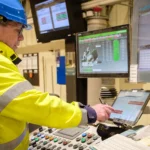
Klockrent byte av OEE-system på fem anläggningar samtidigt: Så tämjde SCA Woods komplexiteten
Med nederländska Main Capital som ny huvudägare ska svenska Good Solutions vinna Europas OEE-marknad.
En viktig väg mot effektivare tillverkning och ökad lönsamhet inom industrin handlar om OEE-system (Overall Equipment Effectiveness/TAK). Dessa är viktiga för såväl effektiv produktion som för lönsamhet, eftersom de allmänt är direkt sammankopplade i tillverkande industri. Effektivitet, mätt i färre stopp, högre hastighet, och vässad kvalitet, är kort sagt en operativ väg mot ökad lönsamhet. Kännetecknande för toppmoderna OEE-system 2026 är bl a AI-driven analys med automatisk identifiering av orsaker till stopp, snabb implementering med IoT-lösningar som kan kopplas in på dagar, och mobilanpassning med realtidsnotiser direkt till operatörens surfplatta eller mobil.
Utan effektiva processer (låg OEE) blir lönsamheten lidande på grund av slöseri, och utan fokus på lönsamhet (via OEE) kan man vara "effektiv" i fel saker. En tumregel är att 85 % OEE anses vara i världsklass, medan 60 % är typiskt för många företag, vilket visar på stor potential för både ökad effektivitet och lönsamhet.
De här faktorerna har varit viktiga ledstjärnor i dagens casestudy på PLM&ERP News, där svenska SCA Wood nu bytt OEE-system på flera anläggningar, de i Bollsta, Tunadal, Munksund, Gällö och Stugun. Bolaget är en central spelare inom trävarubranschen med en omsättning på över 5 miljarder kronor. Specifikt fokuserar man på träförädling, med sågverk och produktion av exempelvis ytterpanel och andra byggmaterial.
Ett byte av den här magnituden är inget enkelt steg. Med storleken kommer förstås en viss komplexitet. Men idag har man en plattform från Good Solutions på plats, en lösning som stödjer produktionsuppföljning, förlustanalys och förbättringsarbete inom sågverk, justerverk, hyvleri och måleri.
Leverantören, Good Solutions och deras lösning med samma namn, är en stark svensk och även europeisk aktör. Notabelt är att holländska Main Capital Partners gick in som ny majoritetsägare i det göteborgsbaserade bolaget nu i mars 2026. Investeringen syftar till att stödja Good Solutions tillväxtresa, med fokus på internationell expansion (utöver Norden). Klart är att även centrala storspelare inom PLM och fabriksautomation, som Siemens, har flera effektiva lösningar (t ex i Opcenter-sviten). Dassault Systemes (DELMIA) är ett annat exempel. Men på SCA blev det alltså Good Solutions.
”Det har varit en komplex utrullning över flera anläggningar, med tekniska krav och behov av att uppfylla centrala IT-krav. Good Solutions har arbetat nära oss, vilket möjliggjorde ett framgångsrikt systembyte” säger Bengt-Olof Westin, IT Application på SCA Wood, och tillägger att, ”en mycket bra dialog med deras leveranskonsulter, gjorde det enkelt för våra operatörer att ta till sig det nya systemet."
Klicka på rubriken för att läsa hela caset på PLM&ERP News.
En viktig väg mot effektivare tillverkning och ökad lönsamhet inom industrin handlar om OEE-system (Overall Equipment Effectiveness/TAK). Dessa är viktiga för såväl effektiv produktion som för lönsamhet, eftersom de allmänt är direkt sammankopplade i tillverkande industri. Effektivitet, mätt i färre stopp, högre hastighet, och vässad kvalitet, är kort sagt en operativ väg mot ökad lönsamhet. Kännetecknande för toppmoderna OEE-system 2026 är bl a AI-driven analys med automatisk identifiering av orsaker till stopp, snabb implementering med IoT-lösningar som kan kopplas in på dagar, och mobilanpassning med realtidsnotiser direkt till operatörens surfplatta eller mobil.
Utan effektiva processer (låg OEE) blir lönsamheten lidande på grund av slöseri, och utan fokus på lönsamhet (via OEE) kan man vara "effektiv" i fel saker. En tumregel är att 85 % OEE anses vara i världsklass, medan 60 % är typiskt för många företag, vilket visar på stor potential för både ökad effektivitet och lönsamhet.
De här faktorerna har varit viktiga ledstjärnor i dagens casestudy på PLM&ERP News, där svenska SCA Wood nu bytt OEE-system på flera anläggningar, de i Bollsta, Tunadal, Munksund, Gällö och Stugun. Bolaget är en central spelare inom trävarubranschen med en omsättning på över 5 miljarder kronor. Specifikt fokuserar man på träförädling, med sågverk och produktion av exempelvis ytterpanel och andra byggmaterial.
Ett byte av den här magnituden är inget enkelt steg. Med storleken kommer förstås en viss komplexitet. Men idag har man en plattform från Good Solutions på plats, en lösning som stödjer produktionsuppföljning, förlustanalys och förbättringsarbete inom sågverk, justerverk, hyvleri och måleri.
Leverantören, Good Solutions och deras lösning med samma namn, är en stark svensk och även europeisk aktör. Notabelt är att holländska Main Capital Partners gick in som ny majoritetsägare i det göteborgsbaserade bolaget nu i mars 2026. Investeringen syftar till att stödja Good Solutions tillväxtresa, med fokus på internationell expansion (utöver Norden). Klart är att även centrala storspelare inom PLM och fabriksautomation, som Siemens, har flera effektiva lösningar (t ex i Opcenter-sviten). Dassault Systemes (DELMIA) är ett annat exempel. Men på SCA blev det alltså Good Solutions.
”Det har varit en komplex utrullning över flera anläggningar, med tekniska krav och behov av att uppfylla centrala IT-krav. Good Solutions har arbetat nära oss, vilket möjliggjorde ett framgångsrikt systembyte” säger Bengt-Olof Westin, IT Application på SCA Wood, och tillägger att, ”en mycket bra dialog med deras leveranskonsulter, gjorde det enkelt för våra operatörer att ta till sig det nya systemet."
Klicka på rubriken för att läsa hela caset på PLM&ERP News.


”Rekordstark tillväxt för den globala PLM-marknaden 2025,” säger analytikern CIMdatas chef, Peter Bilello
”EDA-sidan med elektronikdesign-verktygen, växer snabbast bland sub-PLM-domänerna i ett 5-årsperspektiv.”
Hur har PLM-marknaden utvecklats under det makroeknomiskt oroliga 2025? Analytikern CIMdata skriver i en summering av sin nu slutförda 2026 års upplaga av PLM Market & Industry Forum-serien att PLM-marknaden under fjolåret växte till 87,25 miljarder dollar; motsvarande drygt 809 miljarder i svenska kronor. Det är en uppskattad marknadstillväxt på ca 8,7 % för 2025.
Siffran är överraskande stark i skenet av de makroekonomiskt globalt oroliga tiderna. Trots att president Donald Trumps tullcirkus och till detta kopplade ryckiga politiska osäkerhetsfaktorer präglades 2025 allmänt av en svag, men ändå relativt stabil global tillväxt. Visserligen påverkade en rad geopolitiska spänningar, betydande handelshinder, och den snabba teknologiska omställningen världsekonomin - framför allt den dramatiska AI-utvecklingen - men den nådde ändå en tillväxt på drygt 3 %. Att PLM-ekonomin i denna osäkra mylla ändå växte nära tre gånger så mycket är ett styrketecken och signum för hur viktig den teknologiska utvecklingen är som nu stöper om global industriell verksamhet.
I en kommentar till PLM-marknadens och denna industriellt affärskritiska branschs utveckling menade CIMdata-chefen, Peter Bilello, att tillväxten för PLM 2025 faktiskt var en milstolpe:
"Ja, tillväxten på den globala PLM-marknaden till 87,5 miljarder dollar är en betydande milstolpe,” säger han. ”Medan den totala PLM-marknadstillväxten på 8,7 % landade något under vår prognos på 9,3 % – vilket sannolikt återspeglar fortsatt global ekonomisk osäkerhet – tyder den underliggande informationen på en marknad mitt i en djupgående omvandling,” sa Bilello och tillade att han var särskilt imponerade av resultatet för segmentet Platform Technologies, som trotsade den bredare trenden och växte med 8,9 % och översteg vår prognos på 7,1 %.”
Bilello tillade att detta i sin tur, ”tyder på att även om industriella ledningsgrupper söker mer konkreta bevis på avkastning på investeringen innan de helt och hållet satsar på massiva AI-investeringar, fördubblar de sina insatser på de centrala digitala plattformar som krävs för att möjliggöra dessa framtida funktioner."
CIMdata definierar Platform Technologies (plattformsteknologier) inom ramen för en PIP-plattform (Product Innovations Platform) som, ”en uppsättning föränderliga funktionella domäner, processer och livscykelstadier som orkestreras för att möjliggöra nästa generations PLM-lösningar.” I detta ingår komponenter som en system-av-system-approach, en central möjliggörare av digital transformation, kapacitet att bygga digitala trådar, och flera andra faktorer.
När det gäller sub-PLM-domänerna växer över ett 5-årsperspektiv EDA (elektronikdesign) snabbast. Men vilka andra domäner växer snabbt och hur ser det strategiska skifte som Bilello talar om ut när det gäller leverantörsbasen? Klicka på rubriken för att läsa mer på PLM&ERP News.
Hur har PLM-marknaden utvecklats under det makroeknomiskt oroliga 2025? Analytikern CIMdata skriver i en summering av sin nu slutförda 2026 års upplaga av PLM Market & Industry Forum-serien att PLM-marknaden under fjolåret växte till 87,25 miljarder dollar; motsvarande drygt 809 miljarder i svenska kronor. Det är en uppskattad marknadstillväxt på ca 8,7 % för 2025.
Siffran är överraskande stark i skenet av de makroekonomiskt globalt oroliga tiderna. Trots att president Donald Trumps tullcirkus och till detta kopplade ryckiga politiska osäkerhetsfaktorer präglades 2025 allmänt av en svag, men ändå relativt stabil global tillväxt. Visserligen påverkade en rad geopolitiska spänningar, betydande handelshinder, och den snabba teknologiska omställningen världsekonomin - framför allt den dramatiska AI-utvecklingen - men den nådde ändå en tillväxt på drygt 3 %. Att PLM-ekonomin i denna osäkra mylla ändå växte nära tre gånger så mycket är ett styrketecken och signum för hur viktig den teknologiska utvecklingen är som nu stöper om global industriell verksamhet.
I en kommentar till PLM-marknadens och denna industriellt affärskritiska branschs utveckling menade CIMdata-chefen, Peter Bilello, att tillväxten för PLM 2025 faktiskt var en milstolpe:
"Ja, tillväxten på den globala PLM-marknaden till 87,5 miljarder dollar är en betydande milstolpe,” säger han. ”Medan den totala PLM-marknadstillväxten på 8,7 % landade något under vår prognos på 9,3 % – vilket sannolikt återspeglar fortsatt global ekonomisk osäkerhet – tyder den underliggande informationen på en marknad mitt i en djupgående omvandling,” sa Bilello och tillade att han var särskilt imponerade av resultatet för segmentet Platform Technologies, som trotsade den bredare trenden och växte med 8,9 % och översteg vår prognos på 7,1 %.”
Bilello tillade att detta i sin tur, ”tyder på att även om industriella ledningsgrupper söker mer konkreta bevis på avkastning på investeringen innan de helt och hållet satsar på massiva AI-investeringar, fördubblar de sina insatser på de centrala digitala plattformar som krävs för att möjliggöra dessa framtida funktioner."
CIMdata definierar Platform Technologies (plattformsteknologier) inom ramen för en PIP-plattform (Product Innovations Platform) som, ”en uppsättning föränderliga funktionella domäner, processer och livscykelstadier som orkestreras för att möjliggöra nästa generations PLM-lösningar.” I detta ingår komponenter som en system-av-system-approach, en central möjliggörare av digital transformation, kapacitet att bygga digitala trådar, och flera andra faktorer.
När det gäller sub-PLM-domänerna växer över ett 5-årsperspektiv EDA (elektronikdesign) snabbast. Men vilka andra domäner växer snabbt och hur ser det strategiska skifte som Bilello talar om ut när det gäller leverantörsbasen? Klicka på rubriken för att läsa mer på PLM&ERP News.

Digital Muscle Power: ABB and TCS Pivot to AI-Driven Innovation in Strategic Scale-Up
ABB CEO Morten Wierod: “Our partnership with TCS is instrumental in building the intelligent systems of tomorrow.”
For nearly two decades, the Swedish-Swiss engineering titan ABB and the global Indian consultancy powerhouse TCS have cultivated a synergy primarily centered on ERP implementations and data center consolidation. While this collaboration has been a cornerstone of ABB’s digital transformation across electrification and automation, it has simultaneously afforded TCS profound domain expertise and a cornerstone relationship within the industrial sector.
Building on this fertile ground, the two giants recently announced a significant deepening of their ties. In a newly signed Memorandum of Understanding, the scope of their alliance has expanded dramatically. The focus now shifts toward a comprehensive evolution of IT infrastructure and applications, pioneering industrial AI initiatives, and the deployment of emerging technologies.
ABB’s Chief Executive, Morten Wierod (pictured left), noted that the move reflects a shared commitment to driving innovation, operational resilience, and sustainable growth through a sophisticated, long-term partnership strategy.
"Our partnership with TCS empowers ABB to construct smarter systems, enhancing our agility and enabling the global scale-up of our innovations," says Morten Wierod, CEO of ABB. "As India remains a pivotal growth market, this renewed partnership positions ABB as a cornerstone partner in TCS’s ambitious data center expansion plans."
As part of the Memorandum of Understanding (MoU), the alliance unites ABB’s leadership in electrification and automation with TCS’s global technology and delivery capabilities across several key pillars:
• IT Infrastructure and Application Transformation: Focused on fostering an agile, secure, resilient, and cost-optimized IT foundation that mirrors ABB's operating model, with a core emphasis on operational efficiency and continuous improvement.
• AI and Factory Modernization: Deepening collaboration on industrial AI, digital twins, vision-based inspection, and the convergence of Operational Technology (OT) and IT.
• AI Infrastructure Development: Exploring new business opportunities in electrification, automation, and software, driven by TCS’s strategic investment in AI infrastructure in India.
It is clear that TCS's AI expertise plays a pivotal role as the collaboration matures—but how? Read more below about how TCS CEO K. Krithivasan (right) views the alliance and what he defines as "a new model of industrial innovation."
For nearly two decades, the Swedish-Swiss engineering titan ABB and the global Indian consultancy powerhouse TCS have cultivated a synergy primarily centered on ERP implementations and data center consolidation. While this collaboration has been a cornerstone of ABB’s digital transformation across electrification and automation, it has simultaneously afforded TCS profound domain expertise and a cornerstone relationship within the industrial sector.
Building on this fertile ground, the two giants recently announced a significant deepening of their ties. In a newly signed Memorandum of Understanding, the scope of their alliance has expanded dramatically. The focus now shifts toward a comprehensive evolution of IT infrastructure and applications, pioneering industrial AI initiatives, and the deployment of emerging technologies.
ABB’s Chief Executive, Morten Wierod (pictured left), noted that the move reflects a shared commitment to driving innovation, operational resilience, and sustainable growth through a sophisticated, long-term partnership strategy.
"Our partnership with TCS empowers ABB to construct smarter systems, enhancing our agility and enabling the global scale-up of our innovations," says Morten Wierod, CEO of ABB. "As India remains a pivotal growth market, this renewed partnership positions ABB as a cornerstone partner in TCS’s ambitious data center expansion plans."
As part of the Memorandum of Understanding (MoU), the alliance unites ABB’s leadership in electrification and automation with TCS’s global technology and delivery capabilities across several key pillars:
• IT Infrastructure and Application Transformation: Focused on fostering an agile, secure, resilient, and cost-optimized IT foundation that mirrors ABB's operating model, with a core emphasis on operational efficiency and continuous improvement.
• AI and Factory Modernization: Deepening collaboration on industrial AI, digital twins, vision-based inspection, and the convergence of Operational Technology (OT) and IT.
• AI Infrastructure Development: Exploring new business opportunities in electrification, automation, and software, driven by TCS’s strategic investment in AI infrastructure in India.
It is clear that TCS's AI expertise plays a pivotal role as the collaboration matures—but how? Read more below about how TCS CEO K. Krithivasan (right) views the alliance and what he defines as "a new model of industrial innovation."

AI-driven logistik som gör skillnad: ”7bridges i IFS händer ger en ny spelplan,” säger...
"Skapar värde inom bara ett par veckor," säger Ashton, som är IFS.ai Logistics President.
IFS har under de senaste åren framgångsrikt utvecklat olika industriella AI-lösningar på ett sätt som skjutit fram företagets lösningar i spets på den globala affärssystem-arenan. En av de senare åtgärderna i den kedja man byggt upp för att hantera detta handlar om förvärvet av logistik- och transportoptimerings-spelaren 7bridges i augusti 2025. Genom att knyta an till 7bridges team och teknik ville IFS erbjuda sina kunder ett mer omfattande och robust system för leveranskedje-hantering som bättre kan automatisera processer, anpassa till störningar och sänka driftskostnaderna gerom att integrera 7bridges AI-drivna verktyg för simulering och analys av leveranskedjor i IFS Cloud-plattform, med målet att förbättra effektiviteten för tillgångs-intensiva kunder inom tillverkning, flyg- och rymdindustrin och försvar.
Idag har man tagit detta förvärv ett steg vidare in i lösningsportföljen: Med lanseringen av IFS.ai Logistics i förra veckan samlar man AI-driven planering, automatiserad drift, granskning av fraktkostnader och nätverksoptimering i ett sammanhållet, slutet operativt flöde och tar logistik från att vara ett svårstyrt kostnadsställe, till att bli en strategisk konkurrensfördel.
Man behöver inte fundera särskilt länge över varför området logistik och transportoptimering får anses tillhöra framgångskritiska verksamheter inom industriell AI. Inte minst för att i stort sett all industriell verksamhet präglas av olika slags flöden. Att hantera dessa effektivt är tveklöst avgörande för affärssuccé och i de senaste årens explosiva datautveckling finns de datadrivna tekniker som behövs för att automatisera, förutsäga och optimera komplexa flöden i realtid. En effekt är att framgångsrik implementering av denna typ av digitala verktyg, integrerade i både PLM- och affärssystemen, direkt ökar effektiviteten och minskar kostnaderna i industriella processer. En tung poäng i detta är att låta AI omvandla logistik från manuella, reaktiva processer till smarta, proaktiva och automatiserade system. Detta är varken mer eller mindre än kärnan i industriell digitalisering.
Där menar sig IFS också vara idag idag. Med den nya lösningen integreras industriell AI i de fysiska material- och varuflödena som utgör ryggraden i industriföretags dagliga verksamhet världen över. IFS förvaltar redan 2,4 biljoner dollar i verksamhetskritiska tillgångar åt sina kunder och med IFS.ai Logistics adderar de nu ett lager av intelligent logistik, som kopplar operativa beslut till finansiella resultat genom hela leveranskedjan.
”Logistik är ett av de största kostnadsställena samtidigt som de är de minst styrda och mest känsliga för störning, och konsekvenserna syns direkt i EBITDA,” säger Philip Ashton, President för IFS.ai Logistics. ”Vi har dock sett att när AI tillämpas i stor skala, direkt i branschspecifika applikationer som företags logistikverksamhet, kan vi skapa värde för våra kunder inom ett par veckor.”
Klicka på rubriken för att läsa mer på PLM;&ERP News.
IFS har under de senaste åren framgångsrikt utvecklat olika industriella AI-lösningar på ett sätt som skjutit fram företagets lösningar i spets på den globala affärssystem-arenan. En av de senare åtgärderna i den kedja man byggt upp för att hantera detta handlar om förvärvet av logistik- och transportoptimerings-spelaren 7bridges i augusti 2025. Genom att knyta an till 7bridges team och teknik ville IFS erbjuda sina kunder ett mer omfattande och robust system för leveranskedje-hantering som bättre kan automatisera processer, anpassa till störningar och sänka driftskostnaderna gerom att integrera 7bridges AI-drivna verktyg för simulering och analys av leveranskedjor i IFS Cloud-plattform, med målet att förbättra effektiviteten för tillgångs-intensiva kunder inom tillverkning, flyg- och rymdindustrin och försvar.
Idag har man tagit detta förvärv ett steg vidare in i lösningsportföljen: Med lanseringen av IFS.ai Logistics i förra veckan samlar man AI-driven planering, automatiserad drift, granskning av fraktkostnader och nätverksoptimering i ett sammanhållet, slutet operativt flöde och tar logistik från att vara ett svårstyrt kostnadsställe, till att bli en strategisk konkurrensfördel.
Man behöver inte fundera särskilt länge över varför området logistik och transportoptimering får anses tillhöra framgångskritiska verksamheter inom industriell AI. Inte minst för att i stort sett all industriell verksamhet präglas av olika slags flöden. Att hantera dessa effektivt är tveklöst avgörande för affärssuccé och i de senaste årens explosiva datautveckling finns de datadrivna tekniker som behövs för att automatisera, förutsäga och optimera komplexa flöden i realtid. En effekt är att framgångsrik implementering av denna typ av digitala verktyg, integrerade i både PLM- och affärssystemen, direkt ökar effektiviteten och minskar kostnaderna i industriella processer. En tung poäng i detta är att låta AI omvandla logistik från manuella, reaktiva processer till smarta, proaktiva och automatiserade system. Detta är varken mer eller mindre än kärnan i industriell digitalisering.
Där menar sig IFS också vara idag idag. Med den nya lösningen integreras industriell AI i de fysiska material- och varuflödena som utgör ryggraden i industriföretags dagliga verksamhet världen över. IFS förvaltar redan 2,4 biljoner dollar i verksamhetskritiska tillgångar åt sina kunder och med IFS.ai Logistics adderar de nu ett lager av intelligent logistik, som kopplar operativa beslut till finansiella resultat genom hela leveranskedjan.
”Logistik är ett av de största kostnadsställena samtidigt som de är de minst styrda och mest känsliga för störning, och konsekvenserna syns direkt i EBITDA,” säger Philip Ashton, President för IFS.ai Logistics. ”Vi har dock sett att när AI tillämpas i stor skala, direkt i branschspecifika applikationer som företags logistikverksamhet, kan vi skapa värde för våra kunder inom ett par veckor.”
Klicka på rubriken för att läsa mer på PLM;&ERP News.

White Goods Giant Miele Transforms Global Field Service with IFS AI Solutions
Mattias BOLANDER, IFS' New Nordic Boss: "Rollout to span 25 countries as IFS scales Industrial AI beyond the pilot phase."
The enterprise systems developer IFS is maintaining a relentless pace in its AI expansion. Moving beyond the hype of experimental "co-pilots," the company is increasingly focused on the large-scale implementation of "Industrial AI" for global players. This shift is critical at a time when many organizations struggle to move AI projects from proof-of-concept into production.
This week, IFS announced a landmark agreement with premium appliance manufacturer Miele. Following a successful pilot in Australia and New Zealand, Miele is now initiating a global rollout of IFS.ai to modernize its business-critical service operations.
"We are evolving our service operations to resolve technical issues faster and more sustainably, with minimal disruption for our customers," says Axel Kruse, Senior VP of Customer Service at Miele. "The success in Australia and New Zealand has given us the confidence to scale this model globally."
The five-year rollout will integrate AI-powered workforce scheduling and predictive maintenance across more than 25 countries, including Sweden, Denmark, Norway, and Finland. For IFS Nordic’s Managing Director, Mattias Bolander, the project is a prime example of AI delivering tangible business value. ”While many discuss the potential of AI, Miele is demonstrating what happens when the technology is applied to solve real-world operational challenges,” he says.
IFS.ai distinguishes itself by being natively embedded within the system rather than offered as a bolt-on service. This deep integration into core ERP, EAM, and FSM functions facilitates the automation of complex, repetitive workflows—such as inventory replenishment—laying the foundation for a real-time, optimized enterprise.
Consequently, IFS.ai leverages the specific industrial context of IFS Cloud. By "understanding" unique business processes, it ensures the right data reaches the right stakeholder at the precise moment required. Because these AI capabilities are foundational to the platform’s architecture, implementation is accelerated, sparing users the friction of complex integrations.
By adopting IFS.ai, Miele is now accelerating the evolution of its service offering. But how is this being achieved in practice?
Click the title to read the full story on PLM&ERP News.
The enterprise systems developer IFS is maintaining a relentless pace in its AI expansion. Moving beyond the hype of experimental "co-pilots," the company is increasingly focused on the large-scale implementation of "Industrial AI" for global players. This shift is critical at a time when many organizations struggle to move AI projects from proof-of-concept into production.
This week, IFS announced a landmark agreement with premium appliance manufacturer Miele. Following a successful pilot in Australia and New Zealand, Miele is now initiating a global rollout of IFS.ai to modernize its business-critical service operations.
"We are evolving our service operations to resolve technical issues faster and more sustainably, with minimal disruption for our customers," says Axel Kruse, Senior VP of Customer Service at Miele. "The success in Australia and New Zealand has given us the confidence to scale this model globally."
The five-year rollout will integrate AI-powered workforce scheduling and predictive maintenance across more than 25 countries, including Sweden, Denmark, Norway, and Finland. For IFS Nordic’s Managing Director, Mattias Bolander, the project is a prime example of AI delivering tangible business value. ”While many discuss the potential of AI, Miele is demonstrating what happens when the technology is applied to solve real-world operational challenges,” he says.
IFS.ai distinguishes itself by being natively embedded within the system rather than offered as a bolt-on service. This deep integration into core ERP, EAM, and FSM functions facilitates the automation of complex, repetitive workflows—such as inventory replenishment—laying the foundation for a real-time, optimized enterprise.
Consequently, IFS.ai leverages the specific industrial context of IFS Cloud. By "understanding" unique business processes, it ensures the right data reaches the right stakeholder at the precise moment required. Because these AI capabilities are foundational to the platform’s architecture, implementation is accelerated, sparing users the friction of complex integrations.
By adopting IFS.ai, Miele is now accelerating the evolution of its service offering. But how is this being achieved in practice?
Click the title to read the full story on PLM&ERP News.