
PLM VAR Giant Addnode Beats Second Quarter Expectations and Buys New American Autodesk Business
The Group Owns the World’s Leading Autodesk and Dassault Systemes VAR Resellers.
As usual, a lot of interesting things happen on the acquisition front within PLM when the holiday season arrives. The summer of 2025 will be no exception. The big talking point right now is of course Autodesk’s consideration of a purchase of PLM developer PTC. PLM&ERP News will get back with a comment on the discussion around this deal later this week. But before that, it can be noted that the Swedish Addnode Group, which among other things owns two world-leading VAR level partners (“Value Added Resellers”), TECHNIA and SYMETRI, has made an acquisition: the parts of American Repro Products that handles software from Autodesk. The newly acquired business will be placed in Symetri, one of Autodesk's globally leading VARs. The other large VAR owned by Addnode is PLM consultant TECHNIA, a Dassault Systemes specialist and reseller.
This recent Addnode Group acquisition is not a major purchase – they have eight employees and are expected to generate around $2.5 million in net sales in 2025. But what is more interesting is the customer base that comes with the acquisition: it adds around 900 customers to Symetri's global customer base, which after the deal now amounts to around 22,000.
The part of Repro Products that Addnode/Symetri is now acquiring is based in Smyrna, Georgia, USA, and has been developing and offering services and solutions based on Autodesk software for thirty years. Around 80 percent of their customers are active in the AEC sector and the other 20 percent are active in the manufacturing industry. Around half of the customer base consists of public organizations.
"This is another acquisition that strengthens our market position in the US. We continue to broaden our customer base, expand our expertise, strengthen our local presence, and all this with a team that shares our values and commitment to innovation and customer success. Together with the talented employees from Repro Products, we look forward to nurturing and building on their strong customer relationships," says Jens Kollserud, CEO of Symetri.
Generally, it can be noted that Addnode Group has made an impressive growth journey in both PLM and more specifically also the AEC area, the latter not least through SYMETRI. When the group today delivered its report for the second quarter of 2025, the figures showed that the growth trend is holding up, despite the tough times: the company exceeded expectations, even though sales fell. The latter, however, has a reasonable explanation in Autodesk's changed business model - how? Click on the headline to read more in the article on PLM&ERP News.
"Looking ahead, we are confident in our companies' ability to adapt their offering and organization to demand and economic conditions in each market," says Addnode Group CEO Johan Andersson, in a comment.
As usual, a lot of interesting things happen on the acquisition front within PLM when the holiday season arrives. The summer of 2025 will be no exception. The big talking point right now is of course Autodesk’s consideration of a purchase of PLM developer PTC. PLM&ERP News will get back with a comment on the discussion around this deal later this week. But before that, it can be noted that the Swedish Addnode Group, which among other things owns two world-leading VAR level partners (“Value Added Resellers”), TECHNIA and SYMETRI, has made an acquisition: the parts of American Repro Products that handles software from Autodesk. The newly acquired business will be placed in Symetri, one of Autodesk's globally leading VARs. The other large VAR owned by Addnode is PLM consultant TECHNIA, a Dassault Systemes specialist and reseller.
This recent Addnode Group acquisition is not a major purchase – they have eight employees and are expected to generate around $2.5 million in net sales in 2025. But what is more interesting is the customer base that comes with the acquisition: it adds around 900 customers to Symetri's global customer base, which after the deal now amounts to around 22,000.
The part of Repro Products that Addnode/Symetri is now acquiring is based in Smyrna, Georgia, USA, and has been developing and offering services and solutions based on Autodesk software for thirty years. Around 80 percent of their customers are active in the AEC sector and the other 20 percent are active in the manufacturing industry. Around half of the customer base consists of public organizations.
"This is another acquisition that strengthens our market position in the US. We continue to broaden our customer base, expand our expertise, strengthen our local presence, and all this with a team that shares our values and commitment to innovation and customer success. Together with the talented employees from Repro Products, we look forward to nurturing and building on their strong customer relationships," says Jens Kollserud, CEO of Symetri.
Generally, it can be noted that Addnode Group has made an impressive growth journey in both PLM and more specifically also the AEC area, the latter not least through SYMETRI. When the group today delivered its report for the second quarter of 2025, the figures showed that the growth trend is holding up, despite the tough times: the company exceeded expectations, even though sales fell. The latter, however, has a reasonable explanation in Autodesk's changed business model - how? Click on the headline to read more in the article on PLM&ERP News.
"Looking ahead, we are confident in our companies' ability to adapt their offering and organization to demand and economic conditions in each market," says Addnode Group CEO Johan Andersson, in a comment.

Agent 007 Licensed to Transform… AWS Man to Lead Siemens’ Advanced AI Tools Development
REPORT from REALIZE LIVE in AMSTERDAM. A former AWS man, VASI PHILOMIN, becomes Siemens’ own version of agent 007, James Bond. But it’s not about fighting evil villains; on the contrary, the new signing Vasi Philomin, former AI leader at Amazon (AWS), and his new team, with around 700 patents in their portfolio, will play major roles within Siemens to create intelligent AI Copilots and AI Agents for the company’s customers, both in PLM and smart factories, which will, among other things, take the edge off the complexity of today’s product development.
When Siemens’ PLM event Realize Live came to Europe and Amsterdam this week, this was also the main theme: Mastering the complexity of today’s product development and turning it into a competitive advantage.
“It’s the most challenging task for the world’s engineers today,” said Bob Jones, EVP of Siemens PLM division’s global sales, in Amsterdam. “Explosively growing amounts of electronics, electricity, software, regulations, tough sustainability targets and more have reached avalanche proportions and when sophisticated mechanics are to be integrated with this within the product shell, it is important to walk a tightrope. The right digital tools in this are built on three pillars: The comprehensive digital twin, lifecycle intelligence and adaptive operational concepts.” Of course, AI is of crucial importance in this context, and this is where Vasi Philomin comes into play.
The cast at Siemens in this industrial drama looks super interesting. To continue in the Bond track: Philomin's immediate boss – the equivalent of "M", Bond's superior - is Peter Koerte, Siemens CTO, Chief Technology Officer. While Siemens AG's top manager, Roland Busch, can be seen as the "Minister and Secretary of Foreign Affairs."
So, yesterday, Philomin took on the role of EVP and head of the newly established division for Data & Artificial Intelligence. His resume is impressive: Most recently, he came from Amazon, where he was VP of Generative AI, leading AWS AI product strategy. At Amazon, he played a critical role in building Amazon Bedrock and overseeing the development of foundational models. His expertise spans machine learning, platform architecture, and enterprise-scale AI implementation. He also holds 100 U.S. patents.
“Unparalleled expertise in AI, yes, and his proven leadership in building transformative technologies will be critical to scaling our data and AI capabilities, unlocking new things in our technology stack, and delivering even greater value to our customers,” says Koerte, while Philomin himself notes that the boundaries between the physical and digital worlds are being redrawn by AI.
“That’s right, and the next great frontier for AI is the physical world – powering machines, factories, and infrastructure that sense, reason, and act. Siemens is uniquely positioned to lead this transformation,” he said.
It’s not a bad guess that we’ll hear a lot from Philomin and his group related to PLM. It’s a part of the job to turn complexity into an advantage. Another one is about the Altair acquisition. How so?
Click on the headline to read the full story on PLM&ERP News.
When Siemens’ PLM event Realize Live came to Europe and Amsterdam this week, this was also the main theme: Mastering the complexity of today’s product development and turning it into a competitive advantage.
“It’s the most challenging task for the world’s engineers today,” said Bob Jones, EVP of Siemens PLM division’s global sales, in Amsterdam. “Explosively growing amounts of electronics, electricity, software, regulations, tough sustainability targets and more have reached avalanche proportions and when sophisticated mechanics are to be integrated with this within the product shell, it is important to walk a tightrope. The right digital tools in this are built on three pillars: The comprehensive digital twin, lifecycle intelligence and adaptive operational concepts.” Of course, AI is of crucial importance in this context, and this is where Vasi Philomin comes into play.
The cast at Siemens in this industrial drama looks super interesting. To continue in the Bond track: Philomin's immediate boss – the equivalent of "M", Bond's superior - is Peter Koerte, Siemens CTO, Chief Technology Officer. While Siemens AG's top manager, Roland Busch, can be seen as the "Minister and Secretary of Foreign Affairs."
So, yesterday, Philomin took on the role of EVP and head of the newly established division for Data & Artificial Intelligence. His resume is impressive: Most recently, he came from Amazon, where he was VP of Generative AI, leading AWS AI product strategy. At Amazon, he played a critical role in building Amazon Bedrock and overseeing the development of foundational models. His expertise spans machine learning, platform architecture, and enterprise-scale AI implementation. He also holds 100 U.S. patents.
“Unparalleled expertise in AI, yes, and his proven leadership in building transformative technologies will be critical to scaling our data and AI capabilities, unlocking new things in our technology stack, and delivering even greater value to our customers,” says Koerte, while Philomin himself notes that the boundaries between the physical and digital worlds are being redrawn by AI.
“That’s right, and the next great frontier for AI is the physical world – powering machines, factories, and infrastructure that sense, reason, and act. Siemens is uniquely positioned to lead this transformation,” he said.
It’s not a bad guess that we’ll hear a lot from Philomin and his group related to PLM. It’s a part of the job to turn complexity into an advantage. Another one is about the Altair acquisition. How so?
Click on the headline to read the full story on PLM&ERP News.

AI Agent 007 med rätt att transformera … AWS-man blir ny ansvarig för de...
En tidigare AWS-man, VASI PHILOMIN, blir Siemens’ egen version av agent 007, James Bond. Men det handlar inte om en kamp mot ondsinta skurkar; tvärtom, nyförvärvet Vasi Philomin, tidigare AI-ledare på Amazon (AWS), och hans nya team ska med runt 700 patent i portföljen, spela tunga roller inom Siemens för att skapa intelligenta AI copilot- och AI agent-lösningar för bolagets kunder, både in om PLM och smarta fabriker, som bl a ska ta udden av komplexiteten i dagens produktframtagning.
När Siemens PLM-event Realize Live denna vecka kom till Europa och Amsterdam var detta också huvudtemat: Att bemästra komplexiteten i dagens produktframtagning och istället vända den till en konkurrensfördel.
”Det är dagens mest utmanande uppgift för världens ingenjörer,” sa Bob Jones, EVP för PLM-divisionens globala försäljning, i Amsterdam. ”Explosivt växande mängder elektronik, el, mjukvara, regleringar, tuffa hållbarhetsmål och annat har nått lavinartad omfattning och när sofistikerad mekanik ska samsas med detta innanför produktskalen gäller det att hålla tungan rätt i mun…och att ha de rätta digitala verktygen byggda på tre pelare: Den omfattande digitala tvillingen, livscykel-intelligens och anpassningsbara, adaptiva operationella koncept.” Självklart är AI av avgörande betydelse i sammanhanget, och det här Vasi Philomin kommer in i handlingen.
Rollbesättningen på Siemens i detta industriella drama ser superintressant ut. För att fortsätta i Bond-spåret: Vasi Philomins närmaste chef – motsvarande ”M”, Bonds överordnade - är Peter Koerte, Siemens CTO, Chief Technology Officer och Chief Strategy Officer. Medan Siemens AG’s toppchef, Roland Busch, får ses som ”premiärministern.”
Igår tillträdde Philomin rollen som EVP och chef för den nyinrättade division för Data & Artificiell Intelligens. CV:et är imponerande: Närmast kommer han från Amazon, där han var VP för generativ AI, och ledde AWS AI-produktstrategi. På Amazon spelade han en avgörande roll i att bygga Amazon Bedrock och övervaka utvecklingen av grundmodeller. Hans expertis omfattar maskininlärning, plattformsarkitektur och AI-implementering i företagsskala. Dessutom har han 100 amerikanska patent.
”En enastående expertis inom AI och hans bevisade ledarskap i att bygga transformativa teknologier kommer att vara avgörande för att skala upp våra data- och AI-funktioner, låsa upp nya saker vår teknikstack och leverera ännu större värde till våra kunder,” säger Koerte, medan Philomin själv konstaterar att gränserna mellan den fysiska och digitala världen ritas om av AI.
”Så är det och nästa stora gräns för AI är den fysiska världen – den driver maskiner, fabriker och infrastruktur som känner, resonerar och agerar. Siemens är unikt positionerat för att leda denna omvandling,” sa han.
Det är ingen dålig gissning att vi kommer att få höra mycket från Philomin och hans grupp relaterat till PLM. Det ingår i jobbet att göra komplexitet till en konkurrensfördel. En annan handlar om Altair-förvärvet. Hur då?
Klicka på rubriken för att läsa mer på PLM&ERP News.
När Siemens PLM-event Realize Live denna vecka kom till Europa och Amsterdam var detta också huvudtemat: Att bemästra komplexiteten i dagens produktframtagning och istället vända den till en konkurrensfördel.
”Det är dagens mest utmanande uppgift för världens ingenjörer,” sa Bob Jones, EVP för PLM-divisionens globala försäljning, i Amsterdam. ”Explosivt växande mängder elektronik, el, mjukvara, regleringar, tuffa hållbarhetsmål och annat har nått lavinartad omfattning och när sofistikerad mekanik ska samsas med detta innanför produktskalen gäller det att hålla tungan rätt i mun…och att ha de rätta digitala verktygen byggda på tre pelare: Den omfattande digitala tvillingen, livscykel-intelligens och anpassningsbara, adaptiva operationella koncept.” Självklart är AI av avgörande betydelse i sammanhanget, och det här Vasi Philomin kommer in i handlingen.
Rollbesättningen på Siemens i detta industriella drama ser superintressant ut. För att fortsätta i Bond-spåret: Vasi Philomins närmaste chef – motsvarande ”M”, Bonds överordnade - är Peter Koerte, Siemens CTO, Chief Technology Officer och Chief Strategy Officer. Medan Siemens AG’s toppchef, Roland Busch, får ses som ”premiärministern.”
Igår tillträdde Philomin rollen som EVP och chef för den nyinrättade division för Data & Artificiell Intelligens. CV:et är imponerande: Närmast kommer han från Amazon, där han var VP för generativ AI, och ledde AWS AI-produktstrategi. På Amazon spelade han en avgörande roll i att bygga Amazon Bedrock och övervaka utvecklingen av grundmodeller. Hans expertis omfattar maskininlärning, plattformsarkitektur och AI-implementering i företagsskala. Dessutom har han 100 amerikanska patent.
”En enastående expertis inom AI och hans bevisade ledarskap i att bygga transformativa teknologier kommer att vara avgörande för att skala upp våra data- och AI-funktioner, låsa upp nya saker vår teknikstack och leverera ännu större värde till våra kunder,” säger Koerte, medan Philomin själv konstaterar att gränserna mellan den fysiska och digitala världen ritas om av AI.
”Så är det och nästa stora gräns för AI är den fysiska världen – den driver maskiner, fabriker och infrastruktur som känner, resonerar och agerar. Siemens är unikt positionerat för att leda denna omvandling,” sa han.
Det är ingen dålig gissning att vi kommer att få höra mycket från Philomin och hans grupp relaterat till PLM. Det ingår i jobbet att göra komplexitet till en konkurrensfördel. En annan handlar om Altair-förvärvet. Hur då?
Klicka på rubriken för att läsa mer på PLM&ERP News.
Daimler Truck and Volvo Group Move On with the Multi $100 Million Investment in...
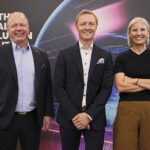
JOHAN LUNDÉN, formerly Volvo Group, will be the head of the new Coretura. Volvo Group and Daimler Truck are continuing their collaboration in a multi $100 million investment around a jointly owned company, Coretura, which will develop a software-defined platform for commercial vehicles like trucks and buses. The project is of course extremely interesting, not least because it concerns the world's two largest truck manufacturers of heavier vehicles, who are on the one hand tough competitors and on the other hand have chosen to cooperate; partly in the now established Coretura, but also in a previously decided investment in joint research and development on hydrogen solutions.
The head of Coretura will be the former head of strategic product planning, projects and innovation within the Volvo Group, Johan Lundén. There will be 50 employees to start with.
“This joint venture combines the agility of a start-up with the stability and expertise of our major shareholders,” says Lundén.
The background to today's announcement is that Volvo and Daimler signed an agreement on this investment in October last year and, having received all the necessary regulatory approvals today, Coretura is now being established, with headquarters in Gothenburg, Sweden, and operations starting now in June 2025.
Coretura will enable the Volvo and Daimler and other future customers to provide differentiating standalone digital vehicle applications for their products. Coretura is therefore open to cooperation and invites new and traditional suppliers and partners.
Karin Rådström, CEO and President of Daimler Truck, says that the new company places a clear strategic focus on software development for commercial vehicles.
“Together, we are now starting the digitally driven future for trucks and buses, which ultimately makes commercial vehicles smarter, more connected and more efficient than ever before,” the Daimler boss states.
Martin Lundstedt, President and CEO of the Volvo Group, adds:
“By leveraging cutting-edge technology and collaborative innovations, we are setting the stage for a new era of connectivity and efficiency in the industry.”
The major investment now being made is undoubtedly a reflection of the increasingly important role of the software side in all vehicle development (SDV). This trend has now seriously reached transport vehicle development side. Coretura’s assignment is to build the non-differentiated core, a standardized and open software-defined vehicle platform and a dedicated operating system for commercial vehicles. This also includes the specification and procurement of centralized high-performance control units intended for commercial vehicles and capable of handling large amounts of data. This will decouple software and hardware development cycles, enabling end customers to purchase and update digital applications wirelessly "over the air", increasing safety, efficiency and customer experience.
Which software will be used remains to be seen, but generally Volvo Group works in PTC's PLM environments, while Daimler relies on Siemens Digital Industries Software's environments. But what solutions will Coretura rely on, for example when it comes to EDA and ALM?
Click on the headline to read more on PLM&ERP News.
“This joint venture combines the agility of a start-up with the stability and expertise of our major shareholders,” says Lundén.
The background to today's announcement is that Volvo and Daimler signed an agreement on this investment in October last year and, having received all the necessary regulatory approvals today, Coretura is now being established, with headquarters in Gothenburg, Sweden, and operations starting now in June 2025.
Coretura will enable the Volvo and Daimler and other future customers to provide differentiating standalone digital vehicle applications for their products. Coretura is therefore open to cooperation and invites new and traditional suppliers and partners.
Karin Rådström, CEO and President of Daimler Truck, says that the new company places a clear strategic focus on software development for commercial vehicles.
“Together, we are now starting the digitally driven future for trucks and buses, which ultimately makes commercial vehicles smarter, more connected and more efficient than ever before,” the Daimler boss states.
Martin Lundstedt, President and CEO of the Volvo Group, adds:
“By leveraging cutting-edge technology and collaborative innovations, we are setting the stage for a new era of connectivity and efficiency in the industry.”
The major investment now being made is undoubtedly a reflection of the increasingly important role of the software side in all vehicle development (SDV). This trend has now seriously reached transport vehicle development side. Coretura’s assignment is to build the non-differentiated core, a standardized and open software-defined vehicle platform and a dedicated operating system for commercial vehicles. This also includes the specification and procurement of centralized high-performance control units intended for commercial vehicles and capable of handling large amounts of data. This will decouple software and hardware development cycles, enabling end customers to purchase and update digital applications wirelessly "over the air", increasing safety, efficiency and customer experience.
Which software will be used remains to be seen, but generally Volvo Group works in PTC's PLM environments, while Daimler relies on Siemens Digital Industries Software's environments. But what solutions will Coretura rely on, for example when it comes to EDA and ALM?
Click on the headline to read more on PLM&ERP News.
Volvo Group och Daimler Truck går vidare med miljardsatsningen på mjukvarudefinierade lastbilar
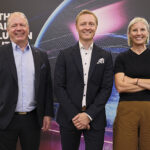
JOHAN LUNDÉN, tidigare Volvo Group, blir chef för nya Coretura. Volvo Group och Daimler Truck ångar på i samarbetsspåret i en miljardsatsning kring ett samägt bolag, Coretura, som ska utveckla en mjukvarudefinierad plattform för kommersiella fordon, när det gäller lastbilar och bussar. Projektet är förstås hyperintressant inte minst för att det berör världens två största lastbilstillverkare av tyngre fordon, som å ena sidan är tuffa konkurrenter och å den andra valt att samarbeta; dels i det nu etablerade Coretura, men också i en tidigare beslutad satsning på gemensam forskning och utveckling kring vätgas-lösningar.
Chef för Coretura blir den tidigare ansvarige för strategisk produktplanering, projekt och innovation inom Volvokoncernen, Johan Lundén. 50 anställda blir det till att börja med.
”Detta joint venture kombinerar smidigheten hos en start-up med stabiliteten och expertisen hos våra större aktieägare,” säger Lundén.
Bakgrunden till dagens annonsering är att Volvo och Daimler i oktober förra året skrev på ett avtal om denna satsning och då man idag erhållit alla nödvändiga myndighetsgodkännanden etableras nu alltså Coretura, med säte i Göteborg, Sverige, och verksamhetsstart i början av juni 2025.
Coretura kommer att göra det möjligt för Volvo Group och Daimler Truck och andra framtida kunder att tillhandahålla differentierande fristående digitala fordonsapplikationer för sina produkter. Coretura är i så motto öppet för samarbete och bjuder in nya och traditionella leverantörer och partners.
I en kommentar säger Karin Rådström, CEO och koncernchef för Daimler Truck, att man med det nya bolaget sätter ett tydligt strategiskt fokus på mjukvaruutveckling för kommersiella fordon.
”Tillsammans startar vi nu den digitalt drivna framtiden för lastbilar och bussar, vilket i slutänden gör kommersiella fordon smartare, mer uppkopplade och mer effektiva än någonsin tidigare," konstaterar Daimler-basen.
Martin Lundstedt, VD och koncernchef för Volvokoncernen, tillägger:
"Genom att dra nytta av spjutspetsteknologi och samverkande innovationer sätter vi scenen för en ny era av uppkopplings-möjligheter och effektivitet i branschen."
Den stora satsning man nu gör är otvetydigt en spegling av mjukvarusidans allt viktigare roll inom all fordonsutveckling (SDV). Denna trend har nu på allvar nått in i transportfordonsutvecklingen. Det uppdrag Coretura fått är att bygga den icke-differentierade kärnan, en standardiserad och öppen mjukvarudefinierad fordonsplattform och ett dedikerat operativsystem för kommersiella fordon. Detta inkluderar även specifikation och upphandling av centraliserade högpresterande styrenheter avsedda för kommersiella fordon och som kan hantera stora mängder data. Detta kommer att frikoppla utvecklingscykler för mjukvara och hårdvara, vilket gör det möjligt för slutkunder att köpa och uppdatera digitala applikationer trådlöst "över luften", vilket ökar säkerhet, effektivitet och kundupplevelse.
Vilka mjukvaror som kommer att användas återstår att se, men allmänt jobbar Volvo Group i PTCs miljöer, medan Daimler bygger på Siemens Digital Industries Softwares miljöer.
Vilka mjukvaror som kommer att användas återstår att se, men allmänt jobbar Volvo Group i PTCs miljöer, medan Daimler bygger på Siemens Digital Industries Softwares miljöer. Men vilka lösningar kommer man att luta sig mot i Coretura, t ex när det gäller EDA och ALM?
Klicka på rubriken för att läsa hela artikeln på PLM&ERP News.
Chef för Coretura blir den tidigare ansvarige för strategisk produktplanering, projekt och innovation inom Volvokoncernen, Johan Lundén. 50 anställda blir det till att börja med.
”Detta joint venture kombinerar smidigheten hos en start-up med stabiliteten och expertisen hos våra större aktieägare,” säger Lundén.
Bakgrunden till dagens annonsering är att Volvo och Daimler i oktober förra året skrev på ett avtal om denna satsning och då man idag erhållit alla nödvändiga myndighetsgodkännanden etableras nu alltså Coretura, med säte i Göteborg, Sverige, och verksamhetsstart i början av juni 2025.
Coretura kommer att göra det möjligt för Volvo Group och Daimler Truck och andra framtida kunder att tillhandahålla differentierande fristående digitala fordonsapplikationer för sina produkter. Coretura är i så motto öppet för samarbete och bjuder in nya och traditionella leverantörer och partners.
I en kommentar säger Karin Rådström, CEO och koncernchef för Daimler Truck, att man med det nya bolaget sätter ett tydligt strategiskt fokus på mjukvaruutveckling för kommersiella fordon.
”Tillsammans startar vi nu den digitalt drivna framtiden för lastbilar och bussar, vilket i slutänden gör kommersiella fordon smartare, mer uppkopplade och mer effektiva än någonsin tidigare," konstaterar Daimler-basen.
Martin Lundstedt, VD och koncernchef för Volvokoncernen, tillägger:
"Genom att dra nytta av spjutspetsteknologi och samverkande innovationer sätter vi scenen för en ny era av uppkopplings-möjligheter och effektivitet i branschen."
Den stora satsning man nu gör är otvetydigt en spegling av mjukvarusidans allt viktigare roll inom all fordonsutveckling (SDV). Denna trend har nu på allvar nått in i transportfordonsutvecklingen. Det uppdrag Coretura fått är att bygga den icke-differentierade kärnan, en standardiserad och öppen mjukvarudefinierad fordonsplattform och ett dedikerat operativsystem för kommersiella fordon. Detta inkluderar även specifikation och upphandling av centraliserade högpresterande styrenheter avsedda för kommersiella fordon och som kan hantera stora mängder data. Detta kommer att frikoppla utvecklingscykler för mjukvara och hårdvara, vilket gör det möjligt för slutkunder att köpa och uppdatera digitala applikationer trådlöst "över luften", vilket ökar säkerhet, effektivitet och kundupplevelse.
Vilka mjukvaror som kommer att användas återstår att se, men allmänt jobbar Volvo Group i PTCs miljöer, medan Daimler bygger på Siemens Digital Industries Softwares miljöer.
Vilka mjukvaror som kommer att användas återstår att se, men allmänt jobbar Volvo Group i PTCs miljöer, medan Daimler bygger på Siemens Digital Industries Softwares miljöer. Men vilka lösningar kommer man att luta sig mot i Coretura, t ex när det gäller EDA och ALM?
Klicka på rubriken för att läsa hela artikeln på PLM&ERP News.

American Defense Giant NORTHROP GRUMMAN Supercharge Digital Transformation with PLM From Siemens Xcelerator
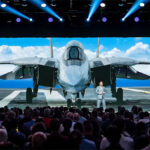
…and at REALIZE Live in Detroit, ADAM SHEPHERD (pictured), NG Fellow at Northrop, talked about how this can revolutionize complex technical processes.
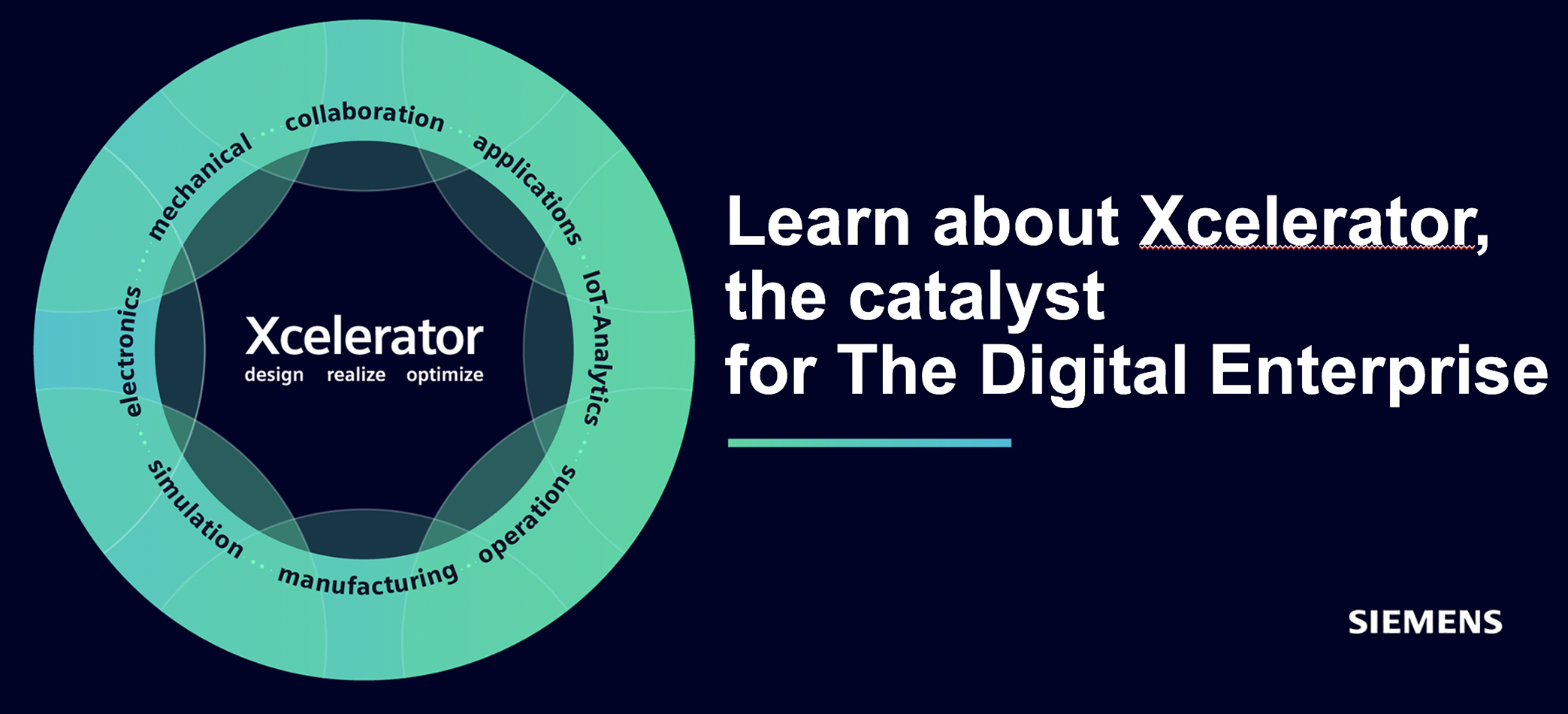
Aerospace & Defense (A&D) is one of Siemens Digital Industries Software's most successful industry areas. In recent years, the company has been performing strongly in the segment with its flagship solutions within the Xcelerator portfolio - such as Teamcenter PLM/PDM, NX CAD, the CAE suite Simcenter, Polarion, Capital (EDA), etc. - and just yesterday announced an extension of an agreement with one of the most powerful players in the military and aerospace sector, Northrop Grumman. In 2024, this American A&D giant's revenue was just over $40 billion and it had around 97,000 employees globally, making the company one of the world's largest weapon manufacturers and suppliers of advanced military equipment. Key products include both piloted and autonomous aircraft systems, weapon systems, missiles and missile defense systems. Not least, the military side is particularly relevant in today's globally troubled climate and Northrop Grumman also develops, for example, military radar, sensors and related products.
Northrop Grumman has had a decade-long partnership with Siemens, where the company’s propulsion systems division, for example, has used Teamcenter PLM/PDM as digital backbone for rocket motors development for the space sector, including CAD management, digital thread and manufacturing applications.
The announced extension of the agreement will expand the use of Siemens solutions within the Xcelerator portfolio to enable data-driven decision-making across the enterprise, sharpen development cycles and accelerate innovation in the design and production of breakthrough defense systems, said Del Costy, CEO of Siemens Digital Industries Software Americas, adding:
“This agreement is a critical step in continuing to support Northrop Grumman’s efforts to create an industry-leading digital engineering ecosystem to accelerate the delivery of next-generation programs.”
He further noted that Northrop Grumman will support its strategic decision-making based on cutting-edge technology and, “a comprehensive digital thread that enables real-time collaboration, rapid development and a digital-first approach.”
Against this backdrop, one of the most interesting presentations yesterday at the Siemens Realize Live event Americas 2025 was by Northrop Grumman’s Adam Shepherd, NG Fellow, who spoke about how the company is working on digital transformation, focusing on how it can revolutionize complex engineering processes.
He also highlighted the company’s remarkable achievements in design and manufacturing through new integrated technologies, including an incredible reduction in engineering rework from 20% to less than 1% and how it was able to first fly the Model 437 Vanguard demo platform after just 27 months. The latter is Northrop Grumman’s technology demonstrator for a Stealth aircraft, designed to among other things demonstrate rapid design techniques as part of the company’s Digital Pathfinder program.
Click on the headline to read more on PLM&ERP News.
Click on the headline to read more on PLM&ERP News.

Amerikansk försvarsjätte superladdar sin digitala transformation med PLM-lösningar från Siemens Xcelerator-portfölj
…och på REALIZE Live i Detroit berättade ADAM SHEPHERD (bilden), NG Fellow på Northrop, om hur detta kan revolutionera komplexa tekniska processer.
Flyg- och försvarsindustri är ett av Siemens Digital Industries Software’s mest framgångsrika industriområden. Bolaget har de senaste åren gått starkt inom segmentet med sina paradlösningar inom Xcelerator-portföljen - som Teamcenter PLM/PDM, NX CAD, CAE-sviten Simcenter, Polarion, Opcenter, m fl - och annonserade så sent som igår en avtalsförlängning med ett av militär- och flyg-områdets mest kraftfulla spelare, Northrop Grumman. 2024 låg denna amerikanska försvarsjättes intäkter på drygt 40 miljarder dollar och man hade globalt runt 97 000 anställda, vilket gör företaget till en av världens största vapentillverkare och leverantör av avancerad militär utrustning. Bolagets nyckelprodukter inkluderar både piloterade och autonoma flygplanssystem, vapensystem, missiler och missilförsvarssystem. Inte minst den militära sidan är särskilt aktuell i dagens globalt oroliga klimat och Northrop Grumman utvecklar t ex relaterat till detta stealthflygplan som Model 437 Vanguard, militär radar, sensorer och till detta kopplade produkter.
Northrop Grumman har haft ett decennielångt samarbete med Siemens Digital Industries Software, där exempelvis bolagets division för framdrivningssystem använt PLM/PDM-sviten Teamcenter som digital ryggrad i utvecklingen av raketmotorer, inkluderande CAD-hantering, digitala tråden och tillverkningsapplikationer.
Med den nu annonserade avtalsförlängningen kommer användningen av Siemens-lösningar inom Xcelerator-portföljen att utökas för att möjliggöra datadrivet beslutsfattande över hela företaget, vässa utvecklingscykler och påskynda innovation inom design och produktion av banbrytande försvarssystem, konstaterade Del Costy, CEO för Siemens Digital Industries Software Americas, och han tillade:
”Avtalet innebär ett avgörande steg för att fortsätta att stödja Northrop Grummans arbete med att skapa ett branschledande digitalt ingenjörsekosystem och därmed påskynda leveransen av nästa generationsprogram."
Han noterade vidare att Northrop Grumman kommer att stödja sitt strategiska beslutsfattande baserat på spjutspetsteknologi och, ”en omfattande digital tråd som möjliggör samarbete i realtid, snabb utveckling och en digital första strategi."
Med detta som bakgrund var ett av gårdagens mest intressanta framträdanden under Siemens Realize Live-event Americas 2025, i Detroit, Northrop Grummans Adam Shepherd, NG Fellow, som berättade om hur bolaget jobbar med digital transformation, med fokus på hur detta kan revolutionera komplexa tekniska processer.
Han lyfte också fram företagets anmärkningsvärda prestationer kring design och tillverkning genom nya integrerade tekniker, inklusive en otrolig minskning av teknisk omarbetning från 20 % till mindre än 1 % och hur man kunde premiärflyga Model 437 Vanguard-demoplattformen efter bara 27 månader. Det senare är Northrop Grummans teknikdemonstrator för ett Stealth-flygplan, designat för att utforska möjligheterna kring en ”lågpris-lösning” och för att demonstrera snabba designtekniker som en del av bolagets Digital Pathfinder-program.
Klicka på rubriken för att läsa hela artikeln på PLM&ERP News.
Flyg- och försvarsindustri är ett av Siemens Digital Industries Software’s mest framgångsrika industriområden. Bolaget har de senaste åren gått starkt inom segmentet med sina paradlösningar inom Xcelerator-portföljen - som Teamcenter PLM/PDM, NX CAD, CAE-sviten Simcenter, Polarion, Opcenter, m fl - och annonserade så sent som igår en avtalsförlängning med ett av militär- och flyg-områdets mest kraftfulla spelare, Northrop Grumman. 2024 låg denna amerikanska försvarsjättes intäkter på drygt 40 miljarder dollar och man hade globalt runt 97 000 anställda, vilket gör företaget till en av världens största vapentillverkare och leverantör av avancerad militär utrustning. Bolagets nyckelprodukter inkluderar både piloterade och autonoma flygplanssystem, vapensystem, missiler och missilförsvarssystem. Inte minst den militära sidan är särskilt aktuell i dagens globalt oroliga klimat och Northrop Grumman utvecklar t ex relaterat till detta stealthflygplan som Model 437 Vanguard, militär radar, sensorer och till detta kopplade produkter.
Northrop Grumman har haft ett decennielångt samarbete med Siemens Digital Industries Software, där exempelvis bolagets division för framdrivningssystem använt PLM/PDM-sviten Teamcenter som digital ryggrad i utvecklingen av raketmotorer, inkluderande CAD-hantering, digitala tråden och tillverkningsapplikationer.
Med den nu annonserade avtalsförlängningen kommer användningen av Siemens-lösningar inom Xcelerator-portföljen att utökas för att möjliggöra datadrivet beslutsfattande över hela företaget, vässa utvecklingscykler och påskynda innovation inom design och produktion av banbrytande försvarssystem, konstaterade Del Costy, CEO för Siemens Digital Industries Software Americas, och han tillade:
”Avtalet innebär ett avgörande steg för att fortsätta att stödja Northrop Grummans arbete med att skapa ett branschledande digitalt ingenjörsekosystem och därmed påskynda leveransen av nästa generationsprogram."
Han noterade vidare att Northrop Grumman kommer att stödja sitt strategiska beslutsfattande baserat på spjutspetsteknologi och, ”en omfattande digital tråd som möjliggör samarbete i realtid, snabb utveckling och en digital första strategi."
Med detta som bakgrund var ett av gårdagens mest intressanta framträdanden under Siemens Realize Live-event Americas 2025, i Detroit, Northrop Grummans Adam Shepherd, NG Fellow, som berättade om hur bolaget jobbar med digital transformation, med fokus på hur detta kan revolutionera komplexa tekniska processer.
Han lyfte också fram företagets anmärkningsvärda prestationer kring design och tillverkning genom nya integrerade tekniker, inklusive en otrolig minskning av teknisk omarbetning från 20 % till mindre än 1 % och hur man kunde premiärflyga Model 437 Vanguard-demoplattformen efter bara 27 månader. Det senare är Northrop Grummans teknikdemonstrator för ett Stealth-flygplan, designat för att utforska möjligheterna kring en ”lågpris-lösning” och för att demonstrera snabba designtekniker som en del av bolagets Digital Pathfinder-program.
Klicka på rubriken för att läsa hela artikeln på PLM&ERP News.

Siemens Realize LIVE 2025: “Turning Technical Complexity Into Strategic Aadvantages”
AI, ALTAIR and EXPLOSIVE TECHNOLOGY development in focus in CEO Tony Hemmelgarn’s keynote. The industrial world is a dynamic place, today perhaps more changing than ever before in the history of product realization. Siemens Digital Industries Software’s CEO Tony Hemmelgarn said it elegantly in Detroit, when the company opened its annual flagship event, Realize LIVE Americas 2025. On stage in “Motor City,” he quoted the Greek philosopher Heraclitus:
“No man ever steps into the same river twice, for it is not the same river, and he is not the same man.”
Undeniably spot-on in describing change. The principle is the same, Hemmelgarn said, “the river and man are constantly changing,” and what Siemens is doing is effectively meeting the dynamics. The company is developing its Xcelerator portfolio organically, acquiring and integrating cutting-edge technologies as things evolve; AI, EDA/electronics systems, software management and more. The portfolio is constantly being renewed.
But Hemmelgarn doesn’t buy for the sake of buying, but to add components that create a new integrated whole. He and his PLM crew fills gaps and with the cloud as a technical platform – with all Siemens X solutions – they create access to the computing power, infrastructure, digital tool arsenal and AI capabilities required for current and future competitiveness. The purchase of Altair is a good example; it is a strategic step to improve digital twin and simulation capabilities by integrating advanced both linear and nonlinear technologies and extensive cloud, data and AI capabilities.
"Manufacturing and engineering processes are evolving with engineers using different tools and new processes that fundamentally change the nature of their work. Although complexity can seem challenging, we believe that our customers can turn complexity into a competitive advantage. The products, services and technologies they develop are constantly changing. New complex functions, regulatory requirements, sustainability challenges and global supply chain issues in the industrial supply chain and data are revolutionizing the way we work.”
No one with their feet steady anchored in today's product development soil need doubt that change is there and brings with it transformation that is revolutionary. The word is certainly often misused, but in today's AI era, few would disagree with what Hemmelgarn had in mind. Above all, he also positioned AI as a transformatively powerful element in Siemens' work to move things forward. “Yes, we are focused on turning technical complexity into strategic benefits for both Siemens and those who use our technology,” said Siemens PLM chief, adding: “By embedding intelligent AI-based capabilities in the Siemens Xcelerator portfolio, we are using AI to revolutionize data management, engineering simulation and manufacturing processes with an approach that goes beyond simple automation to instead create systems that can identify problems, suggest optimizations and streamline complex workflows.”
Click on the headline to read the full day 1 report on PLM&ERP News.
“No man ever steps into the same river twice, for it is not the same river, and he is not the same man.”
Undeniably spot-on in describing change. The principle is the same, Hemmelgarn said, “the river and man are constantly changing,” and what Siemens is doing is effectively meeting the dynamics. The company is developing its Xcelerator portfolio organically, acquiring and integrating cutting-edge technologies as things evolve; AI, EDA/electronics systems, software management and more. The portfolio is constantly being renewed.
But Hemmelgarn doesn’t buy for the sake of buying, but to add components that create a new integrated whole. He and his PLM crew fills gaps and with the cloud as a technical platform – with all Siemens X solutions – they create access to the computing power, infrastructure, digital tool arsenal and AI capabilities required for current and future competitiveness. The purchase of Altair is a good example; it is a strategic step to improve digital twin and simulation capabilities by integrating advanced both linear and nonlinear technologies and extensive cloud, data and AI capabilities.
"Manufacturing and engineering processes are evolving with engineers using different tools and new processes that fundamentally change the nature of their work. Although complexity can seem challenging, we believe that our customers can turn complexity into a competitive advantage. The products, services and technologies they develop are constantly changing. New complex functions, regulatory requirements, sustainability challenges and global supply chain issues in the industrial supply chain and data are revolutionizing the way we work.”
No one with their feet steady anchored in today's product development soil need doubt that change is there and brings with it transformation that is revolutionary. The word is certainly often misused, but in today's AI era, few would disagree with what Hemmelgarn had in mind. Above all, he also positioned AI as a transformatively powerful element in Siemens' work to move things forward. “Yes, we are focused on turning technical complexity into strategic benefits for both Siemens and those who use our technology,” said Siemens PLM chief, adding: “By embedding intelligent AI-based capabilities in the Siemens Xcelerator portfolio, we are using AI to revolutionize data management, engineering simulation and manufacturing processes with an approach that goes beyond simple automation to instead create systems that can identify problems, suggest optimizations and streamline complex workflows.”
Click on the headline to read the full day 1 report on PLM&ERP News.

Siemens Realize LIVE 2025: AI, Altair och explosiv utveckling fokus i PLM-chefens keynote
”Om att vända TEKNISK KOMPLEXITET till STRATEGISKA FÖRDELAR.” Den industriella världen är en dynamisk plats, idag kanske mer föränderlig än någonsin tidigare i produktframtagnings-historien. Siemens Digital Industries Softwares chef, CEO Tony Hemmelgarn, uttryckte saken elegant i Detroit, när bolaget öppnade sitt årliga flaggskepps-event, Realize LIVE Americas 2025. Han är den idag mest erfarne och visionäre exekutive ledaren bland de stora PLM-utvecklarna. På scenen i ”Motor City” citerade han den grekiske filosofen Herakleitos:
"Ingen man stiger någonsin ner i samma flod två gånger, för det är inte samma flod, och han är inte heller samma man."
Onekligen både målande och mitt i prick för att skildra förändring. Även om det gick betydligt långsammare för 2500 år sedan jämfört med dagens explosiva takt. Men principen är den samma, menade Hemmelgarn, ”floden och människan förändras ständigt”, och vad Siemens gör är att effektivt möta dynamiken. Bolaget utvecklar sin Xcelerator-portfölj organiskt, förvärvar och integrerar spetsteknologier vartefter; AI, EDA-elektroniksystem, mjukvaruhantering och annat. Portföljen förnyas ständigt. Men Hemmelgarn köper inte något för köpets skull, utan för att lägga till komponenter som skapar en ny integrerad helhet. Han fyller luckor och med molnet som teknisk plattform – med alla Siemens X-lösningar - skapar han och medarbetarna tillgång till den datakraft, infrastruktur, digitala verktygsarsenal och AI-kapabilitet som krävs för nu- och framtida konkurrenskraft. Köpet av Altair är ett bra exempel; det är ett strategiskt steg för att förbättra de digitala tvilling- och simuleringsmöjligheterna genom att integrera avancerad både linjär och icke-linjär teknik och omfattande moln-, data- och AI-kapacitet.
"Tillverknings- och ingenjörsprocesser utvecklas med ingenjörer som använder olika verktyg och nya processer som i grunden förändrar deras arbetes karaktär. Även om komplexitet kan verka utmanande tror vi att våra kunder kan vända komplexitet till en konkurrensfördel. Produkterna, tjänsterna och teknikerna som de utvecklar förändras ständigt. Nya komplexa funktioner, regulatoriska krav, hållbarhetsutmaningar och globala leveranskedjeproblem inom industrins försörjningskedja och data revolutionerar hur vi arbetar och måste arbeta.”
Ingen med fötterna i dagens produktframtagningsvärld behöver tvivla på att förändringen finns där och för med sig transformation som revolutionerar. Ordet är förvisso ofta missbrukat, men i dagens AI-tider är det väl få som inte instämmer i vad Hemmelgarn hade på hjärtat. Framför allt positionerade han också AI som ett transformativt tungt inslag i Siemens arbete med att föra sakernas tillstånd framåt.
”Vi jobbar med fokus på att vända teknisk komplexitet till strategiska fördelar för både Siemens och de som använder vår teknologi,” sa Siemens PLM-bas och tillade: ”Genom att bädda in intelligenta AI-baserade funktioner i Siemens Xcelerator-portföljen använder vi AI för att revolutionera datahantering, ingenjörssimulering och tillverkningsprocesser med ett tillvägagångssätt som går utöver enkel automatisering för att istället skapa system som kan identifiera problem, föreslå optimeringar och effektivisera komplexa arbetsflöden.”
Klicka på rubriken för att läsa mer på PLM&ERP News.
"Ingen man stiger någonsin ner i samma flod två gånger, för det är inte samma flod, och han är inte heller samma man."
Onekligen både målande och mitt i prick för att skildra förändring. Även om det gick betydligt långsammare för 2500 år sedan jämfört med dagens explosiva takt. Men principen är den samma, menade Hemmelgarn, ”floden och människan förändras ständigt”, och vad Siemens gör är att effektivt möta dynamiken. Bolaget utvecklar sin Xcelerator-portfölj organiskt, förvärvar och integrerar spetsteknologier vartefter; AI, EDA-elektroniksystem, mjukvaruhantering och annat. Portföljen förnyas ständigt. Men Hemmelgarn köper inte något för köpets skull, utan för att lägga till komponenter som skapar en ny integrerad helhet. Han fyller luckor och med molnet som teknisk plattform – med alla Siemens X-lösningar - skapar han och medarbetarna tillgång till den datakraft, infrastruktur, digitala verktygsarsenal och AI-kapabilitet som krävs för nu- och framtida konkurrenskraft. Köpet av Altair är ett bra exempel; det är ett strategiskt steg för att förbättra de digitala tvilling- och simuleringsmöjligheterna genom att integrera avancerad både linjär och icke-linjär teknik och omfattande moln-, data- och AI-kapacitet.
"Tillverknings- och ingenjörsprocesser utvecklas med ingenjörer som använder olika verktyg och nya processer som i grunden förändrar deras arbetes karaktär. Även om komplexitet kan verka utmanande tror vi att våra kunder kan vända komplexitet till en konkurrensfördel. Produkterna, tjänsterna och teknikerna som de utvecklar förändras ständigt. Nya komplexa funktioner, regulatoriska krav, hållbarhetsutmaningar och globala leveranskedjeproblem inom industrins försörjningskedja och data revolutionerar hur vi arbetar och måste arbeta.”
Ingen med fötterna i dagens produktframtagningsvärld behöver tvivla på att förändringen finns där och för med sig transformation som revolutionerar. Ordet är förvisso ofta missbrukat, men i dagens AI-tider är det väl få som inte instämmer i vad Hemmelgarn hade på hjärtat. Framför allt positionerade han också AI som ett transformativt tungt inslag i Siemens arbete med att föra sakernas tillstånd framåt.
”Vi jobbar med fokus på att vända teknisk komplexitet till strategiska fördelar för både Siemens och de som använder vår teknologi,” sa Siemens PLM-bas och tillade: ”Genom att bädda in intelligenta AI-baserade funktioner i Siemens Xcelerator-portföljen använder vi AI för att revolutionera datahantering, ingenjörssimulering och tillverkningsprocesser med ett tillvägagångssätt som går utöver enkel automatisering för att istället skapa system som kan identifiera problem, föreslå optimeringar och effektivisera komplexa arbetsflöden.”
Klicka på rubriken för att läsa mer på PLM&ERP News.

Full Year Forecast 2025: The German Robotics and Automation Industry Continues To Falter
A 10 percent REVENUE DECLINE is expected for the full year 2025, according to an updated forecast from the heavy industry association VDMA Robotics + Automation. There is no doubt that times are tough for the European manufacturing industry in general. Not least, the figures for the German robotics and automation industry reflect the challenging situation. Today, the industry association, the VDMA Robotics + Automation Association (VDMA R+A), with more than 420 member companies - and which is also part of the larger VDMA, which represents 3,600 German and European companies in mechanical and plant engineering - notes in a press release that German industrial companies in the field are expected to reduce their sales by 10 percent compared to last year. In total, sales are expected to fall to 14.5 billion euros in 2025, according to an updated forecast.
"The revenue weakness announced at the beginning of the year has been confirmed in our current forecast for 2025," says Dr. Dietmar Ley, Chairman of the Board of Directors of VDMA Robotics + Automation. "The growth outlook is currently cloudy in all sub-sectors until the end of the year."
The sharpest decline is expected in Automated Solutions, with a forecast revenue decline of 15 percent to 7.7 billion euros. The figures for robotics also continue to point downwards and have deteriorated slightly in the new forecast from minus 3 percent to minus 5 percent, with expected revenues of 3.7 billion euros for 2025. This is while the subsector Machine Vision is stagnating with zero growth and is expected to generate industrial revenues of 3.1 billion euros.
As important reasons for the economic weakness in Europe and Germany, the German industry association points to, among other things, postponed investment plans due to current geopolitical tensions and increasing competitive pressure from Asian rivals. Effects that are of course also linked to the US Trump administration's tariff war, although this is not explicitly pointed out in the press material.
"Robotics and automation are key technologies without which industrial production in a high-wage country like Germany will no longer be conceivable in the future," says Dr. Ley and adds: "Politics and business must now take joint measures to reduce location-based disadvantages in international competition and set the course for renewed growth." To this end, the previously published "VDMA Robotics Action Plan for Europe" sets out three core requirements - what are they? Click on the main heading to read more on PLM&ERP News.
"The revenue weakness announced at the beginning of the year has been confirmed in our current forecast for 2025," says Dr. Dietmar Ley, Chairman of the Board of Directors of VDMA Robotics + Automation. "The growth outlook is currently cloudy in all sub-sectors until the end of the year."
The sharpest decline is expected in Automated Solutions, with a forecast revenue decline of 15 percent to 7.7 billion euros. The figures for robotics also continue to point downwards and have deteriorated slightly in the new forecast from minus 3 percent to minus 5 percent, with expected revenues of 3.7 billion euros for 2025. This is while the subsector Machine Vision is stagnating with zero growth and is expected to generate industrial revenues of 3.1 billion euros.
As important reasons for the economic weakness in Europe and Germany, the German industry association points to, among other things, postponed investment plans due to current geopolitical tensions and increasing competitive pressure from Asian rivals. Effects that are of course also linked to the US Trump administration's tariff war, although this is not explicitly pointed out in the press material.
"Robotics and automation are key technologies without which industrial production in a high-wage country like Germany will no longer be conceivable in the future," says Dr. Ley and adds: "Politics and business must now take joint measures to reduce location-based disadvantages in international competition and set the course for renewed growth." To this end, the previously published "VDMA Robotics Action Plan for Europe" sets out three core requirements - what are they? Click on the main heading to read more on PLM&ERP News.