


AI and Simulation Cornerstones in New Altair Agreement on Advanced Eco-Friendly Marine Engines
PIETRO CERVELLERA, VP of Aerospace and Defense at Altair: "Will shape the future of marine engine development." One of last week's interesting news in the PLM and AI area was the MoU that the now Siemens-owned Altair picked up from South Korean shipbuilding giant HD Hyundai Heavy Industries. The whole thing is based on a strategic memorandum of understanding between the Engine Research Institute at HD Hyundai Heavy Industries and Altair with the aim of sharpening the performance of environmentally friendly marine engines and driving AI-driven development initiatives.
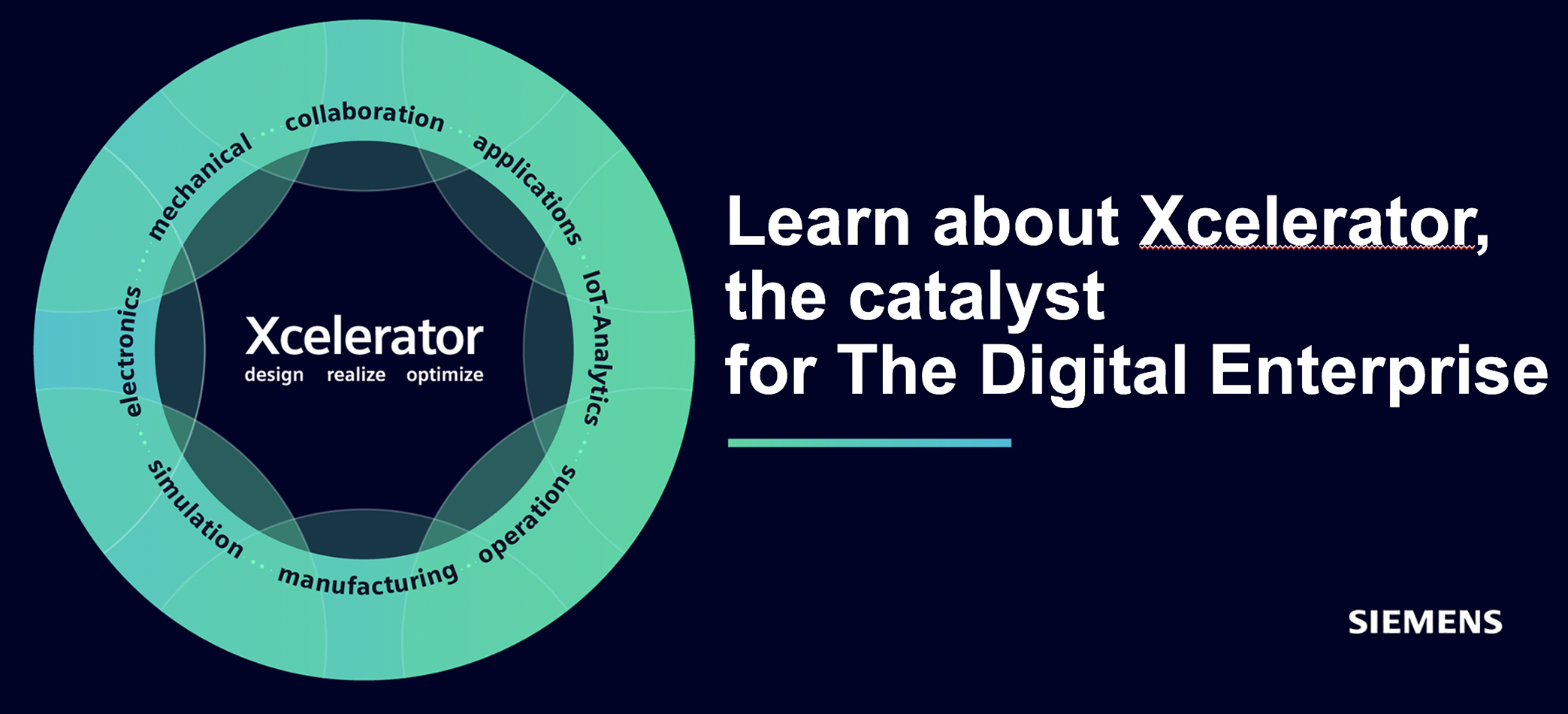
As a background, it can be noted that in 2022 Siemens Digital Industries Software won a huge deal with the shipbuilding giant around the Xcelerator portfolio, especially with NX CAD and Teamcenter PLM/PDM: In the pot was a deal potentially including thousands of users.
The objective of the South Korean shipbuilding group was to develop a new CAD software specifically adapted to ship design, built on NX CAD, together with Siemens, and including the latter’s PLM/PDM platform Teamcenter.
With Altair’s MoU, we get further evidence of the cross-values that can accompany the combination of Siemens and Altair. When Altair was recently acquired by Siemens, one of the goals was to sharpen and expand its leadership in integrated simulation and AI, areas where the American engineering company has developed extensive industrial excellence. The MoU will also provide a glimpse of what can happen when Altair technology works side-by-side with the solutions in Siemens Xcelerator portfolio.
“This collaboration goes beyond technology development – it is a strategic partnership to shape the future of marine engine development,” said Pietro Cervellera, senior VP of Aerospace & Defense, in Altair. “By combining our global engineering capabilities with HD Hyundai Heavy Industries’ expertise in eco-friendly marine engines, we aim to set a new standard for sustainable engine and machinery business.”
Commenting on the matter, Dr. Sungchan An, VP and Head of Engine Research Institute, HD Hyundai Heavy Industries, noted that HD Hyundai Heavy Industries and Altair have been continuously collaborating on the development of simulation technologies for high-quality HiMSEN engine designs:
“With Altair as part of Siemens,” he said, “the development of next-generation engine design-based product development and further development of virtual engines and AI are now at full acceleration.”
This partnership comes in response to increasingly stringent environmental regulations in the global maritime industry. As digital transformation and technological advancements become crucial in shipbuilding, Altair and HD Hyundai Heavy Industries will work together to strengthen innovation through simulation and AI technology in the shipbuilding area. But what is a HiMSEN engine? And what digital tools can Altair bring?
Click on the headline to read more.
As a background, it can be noted that in 2022 Siemens Digital Industries Software won a huge deal with the shipbuilding giant around the Xcelerator portfolio, especially with NX CAD and Teamcenter PLM/PDM: In the pot was a deal potentially including thousands of users.
The objective of the South Korean shipbuilding group was to develop a new CAD software specifically adapted to ship design, built on NX CAD, together with Siemens, and including the latter’s PLM/PDM platform Teamcenter.
With Altair’s MoU, we get further evidence of the cross-values that can accompany the combination of Siemens and Altair. When Altair was recently acquired by Siemens, one of the goals was to sharpen and expand its leadership in integrated simulation and AI, areas where the American engineering company has developed extensive industrial excellence. The MoU will also provide a glimpse of what can happen when Altair technology works side-by-side with the solutions in Siemens Xcelerator portfolio.
“This collaboration goes beyond technology development – it is a strategic partnership to shape the future of marine engine development,” said Pietro Cervellera, senior VP of Aerospace & Defense, in Altair. “By combining our global engineering capabilities with HD Hyundai Heavy Industries’ expertise in eco-friendly marine engines, we aim to set a new standard for sustainable engine and machinery business.”
Commenting on the matter, Dr. Sungchan An, VP and Head of Engine Research Institute, HD Hyundai Heavy Industries, noted that HD Hyundai Heavy Industries and Altair have been continuously collaborating on the development of simulation technologies for high-quality HiMSEN engine designs:
“With Altair as part of Siemens,” he said, “the development of next-generation engine design-based product development and further development of virtual engines and AI are now at full acceleration.”
This partnership comes in response to increasingly stringent environmental regulations in the global maritime industry. As digital transformation and technological advancements become crucial in shipbuilding, Altair and HD Hyundai Heavy Industries will work together to strengthen innovation through simulation and AI technology in the shipbuilding area. But what is a HiMSEN engine? And what digital tools can Altair bring?
Click on the headline to read more.

AI och simulering hörnstenar i nytt Altair-avtal kring avancerade miljövänliga marina motorer
PIETRO CERVELLERA, VP för flyg- och försvar inom Altair: ”Kommer att forma framtiden för utveckling av marinmotorer.” En av förra veckans intressanta nyheter inom PLM- och AI-området var den MoU som numera Siemens-ägda Altair plockade hem från sydkoreanska varvsjätten HD Hyundai Heavy Industries. Det hela bottnar i ett strategiskt samförståndsavtal mellan Engine Research Institute vid HD Hyundai Heavy Industries och Altair med siktet inställt på att vässa prestandan hos miljövänliga marinmotorer och driva AI-drivna utvecklingsinitiativ.
Bakgrundsmässigt kan noteras att Siemens Digital Industries Software för ett par år sedan, 2022, tog hem en jätteaffär med varvsjätten kring Xcelerator-portföljen, framför allt med NX CAD och Teamcenter PLM/PDM: I potten låg en deal som med tiden kunde komma att omfatta tusentals användare.
Målet för den sydkoreanska varvskoncernen var att tillsammans med Siemens Digital Industries Software utveckla en ny specifikt fartygsdesign-anpassad CAD-mjukvara, byggd på NX CAD. Även Siemens PLM/PDM-mjukvara Teamcenter finns med i detta upplägg.
När Altair nu kommer in i handlingen får vi ytterligare bevis på kors-värden som kan följa med kombinationen Siemens och Altair ute på marknaden. När Altair nyligen köptes av Siemens var en av poängerna att vässa och utöka ledarskapet inom integrerad simulering och AI, områden där det amerikanska ingenjörsföretaget utvecklat omfattande industriell excellens. Med det nya MoU-avtalet kommer ett besked om vad som kan hända när Altair-tekniken integreras med Siemens Xcelerator-portföljen.
"Det här samarbetet går utöver teknikutveckling - det är ett strategiskt partnerskap för att forma framtiden för utveckling av marinmotorer", säger Pietro Cervellera, senior VP för flyg- och försvar, Altair. "Genom att kombinera Altairs globala tekniska kapacitet med HD Hyundai Heavy Industries expertis inom miljövänliga marinmotorer, siktar vi på att sätta en ny standard för hållbar motor- och maskinaffär."
När doktor Sungchan An, VP och chef för Engine Research Institute, HD Hyundai Heavy Industries, kommenterade saken konstaterade han att HD Hyundai Heavy Industries och Altair kontinuerligt har samarbetat kring utvecklingen av simuleringsteknologier för högkvalitativa HiMSEN-motorkonstruktioner:
”Med Altair som en del av Siemens,” sa han, ”är utvecklingen av nästa generations motordesignbaserad produktutveckling och vidareutveckling av virtuella motorer och AI stadd i full acceleration."
Detta partnerskap kommer som svar på allt strängare miljöbestämmelser inom den globala sjöfartsindustrin. När digital transformation och tekniska framsteg blir avgörande inom skeppsbyggnad kommer Altair och HD Hyundai Heavy Industries att arbeta tillsammans för att stärka innovation genom simulering och AI-teknik för miljövänlig utveckling av marinmotorer. Men vad är en HiMSEN-motor? Och vilka digitala verktyg kan Altair tillföra?
Klicka på rubriken för att läsa mer om relevanta Altair-verktyg som HypetMesh och Optistruct på PLM&ERP News.
Bakgrundsmässigt kan noteras att Siemens Digital Industries Software för ett par år sedan, 2022, tog hem en jätteaffär med varvsjätten kring Xcelerator-portföljen, framför allt med NX CAD och Teamcenter PLM/PDM: I potten låg en deal som med tiden kunde komma att omfatta tusentals användare.
Målet för den sydkoreanska varvskoncernen var att tillsammans med Siemens Digital Industries Software utveckla en ny specifikt fartygsdesign-anpassad CAD-mjukvara, byggd på NX CAD. Även Siemens PLM/PDM-mjukvara Teamcenter finns med i detta upplägg.
När Altair nu kommer in i handlingen får vi ytterligare bevis på kors-värden som kan följa med kombinationen Siemens och Altair ute på marknaden. När Altair nyligen köptes av Siemens var en av poängerna att vässa och utöka ledarskapet inom integrerad simulering och AI, områden där det amerikanska ingenjörsföretaget utvecklat omfattande industriell excellens. Med det nya MoU-avtalet kommer ett besked om vad som kan hända när Altair-tekniken integreras med Siemens Xcelerator-portföljen.
"Det här samarbetet går utöver teknikutveckling - det är ett strategiskt partnerskap för att forma framtiden för utveckling av marinmotorer", säger Pietro Cervellera, senior VP för flyg- och försvar, Altair. "Genom att kombinera Altairs globala tekniska kapacitet med HD Hyundai Heavy Industries expertis inom miljövänliga marinmotorer, siktar vi på att sätta en ny standard för hållbar motor- och maskinaffär."
När doktor Sungchan An, VP och chef för Engine Research Institute, HD Hyundai Heavy Industries, kommenterade saken konstaterade han att HD Hyundai Heavy Industries och Altair kontinuerligt har samarbetat kring utvecklingen av simuleringsteknologier för högkvalitativa HiMSEN-motorkonstruktioner:
”Med Altair som en del av Siemens,” sa han, ”är utvecklingen av nästa generations motordesignbaserad produktutveckling och vidareutveckling av virtuella motorer och AI stadd i full acceleration."
Detta partnerskap kommer som svar på allt strängare miljöbestämmelser inom den globala sjöfartsindustrin. När digital transformation och tekniska framsteg blir avgörande inom skeppsbyggnad kommer Altair och HD Hyundai Heavy Industries att arbeta tillsammans för att stärka innovation genom simulering och AI-teknik för miljövänlig utveckling av marinmotorer. Men vad är en HiMSEN-motor? Och vilka digitala verktyg kan Altair tillföra?
Klicka på rubriken för att läsa mer om relevanta Altair-verktyg som HypetMesh och Optistruct på PLM&ERP News.

EDA: “Multiple Technical Breakthroughs as Siemens Closes Productivity Gaps in IC Verification with AI”
ABHI KOLPEKWAR, VP & GM, Siemens Digital Industries Software, for Digital Verification Technologies: “We’re BREAKING THE BOTTLENECK of Verification Productivity Gap 2.0.”
Verification of ICs, integrated circuits, is a critical qualitative element in electronics design development. It ensures that the design meets the specifications required for products to function correctly, today more paramount than ever to meet the exponentially growing complexity in the EDA space. As electronics become more ubiquitous in most products, circuits are becoming more functional, more mobile, more present, and more interactive. As a result, IC design verification face tough development challenges and a relevant question is: How do you streamline the process in the most efficient way possible?
An interesting answer comes with last week’s launch from Siemens Digital Industries Software’s new Questa One portfolio. Abhi Kolpeekwar claims that it redefines integrated circuit (IC) verification from a reactive process into an intelligent, self-optimizing system. Not surprisingly AI plays a leading role in the new portfolio: “Integrated AI-powered automation, predictive analytics and seamless workflow connectivity enable dramatic acceleration of verification cycles, reduce manual effort and boost productivity,”
Doubtlessly it is a welcome addition to the domain capabilities, now gathered in one portfolio. The company's Abhi Kolpekwar notes that within the framework of this portfolio, connectivity solutions, data-driven strategy, and scalability with AI are now combined to push the boundaries of the integrated circuit (IC) verification process and make engineering teams more productive. Questa One delivers faster engines, enables faster engineering and requires fewer workloads to support the largest, most complex designs from IP to System-on-a-chip (SoC) to Systems, and was developed with advanced 3D ICs, chiplet-based designs and software-defined architectures in mind.
“Questa One transforms the IC design process to address the verification productivity gap and solves the IC industry’s rapidly growing challenges associated with increasingly complex designs,” said Kolpekwar. “In fact, it leverages new technological advancements to deliver the fastest functional, debug and formal verification engines available, all combined with our application of AI.”
He further points out that Siemens has developed the portfolio in collaboration with industry leaders to develop this smart verification solution.
“Yes, Questa One breaks the Verification Productivity Gap 2.0 bottleneck, where the increasing complexity of technologies such as 3D-IC, chiplet-based designs and software-defined architectures is further exacerbated by increased security requirements, increased demand and consumption of security, increased capacity and sustainability requirements.”
But what are the multiple technical breakthroughs about? Speed, simulations, and integrations are keys - click on the headline to read the full article on PLM&ERP News.
An interesting answer comes with last week’s launch from Siemens Digital Industries Software’s new Questa One portfolio. Abhi Kolpeekwar claims that it redefines integrated circuit (IC) verification from a reactive process into an intelligent, self-optimizing system. Not surprisingly AI plays a leading role in the new portfolio: “Integrated AI-powered automation, predictive analytics and seamless workflow connectivity enable dramatic acceleration of verification cycles, reduce manual effort and boost productivity,”
Doubtlessly it is a welcome addition to the domain capabilities, now gathered in one portfolio. The company's Abhi Kolpekwar notes that within the framework of this portfolio, connectivity solutions, data-driven strategy, and scalability with AI are now combined to push the boundaries of the integrated circuit (IC) verification process and make engineering teams more productive. Questa One delivers faster engines, enables faster engineering and requires fewer workloads to support the largest, most complex designs from IP to System-on-a-chip (SoC) to Systems, and was developed with advanced 3D ICs, chiplet-based designs and software-defined architectures in mind.
“Questa One transforms the IC design process to address the verification productivity gap and solves the IC industry’s rapidly growing challenges associated with increasingly complex designs,” said Kolpekwar. “In fact, it leverages new technological advancements to deliver the fastest functional, debug and formal verification engines available, all combined with our application of AI.”
He further points out that Siemens has developed the portfolio in collaboration with industry leaders to develop this smart verification solution.
“Yes, Questa One breaks the Verification Productivity Gap 2.0 bottleneck, where the increasing complexity of technologies such as 3D-IC, chiplet-based designs and software-defined architectures is further exacerbated by increased security requirements, increased demand and consumption of security, increased capacity and sustainability requirements.”
But what are the multiple technical breakthroughs about? Speed, simulations, and integrations are keys - click on the headline to read the full article on PLM&ERP News.

EDA: ”Flera tekniska genombrott när Siemens täpper till produktivitetsgap inom IC-verifiering med AI”
ABHI KOLPEKWAR, VP & GM, på Siemens Digital Industries Sogtware, för Digital Verification Technologies: ”BRYTER FLASKHALSEN av Verification Productivity Gap 2.0.”
Verifiering av IC, integrerade kretsar, är ett avgörande kvalitativt inslag i utveckling inom elektronikdesign. Det är den aktivitet som säkerställer att designen uppfyller de specifikationer som krävs för att produkter ska fungera korrekt. Samtidigt är EDA-området komplext och trenden är att komplexiteten ökar exponentiellt, vilket ger design-verifieringen av IC en allt viktigare roll. I takt med de växande inslagen av elektronik i de flesta av dagens produkter får dessutom kretsarna fler funktioner, placeringar i fler positioner och fler interaktioner, vilket innebär att verifierings-processen måste kunna hantera det som kommer med detta. Härav följer att IC-designverifiering har många utmaningar. En fråga är: Hur effektiviserar man hanteringen på rationellast möjliga sätt?
Ett intressant svar kommer med en av veckans stora nyheter på området - Siemens Digital Industries Software lansering av Questa One-portföljen för smarta verifieringsprogram. Det är en välkommen addering av kapabiliterna som nu samlas i en portfölj. Bolagets Abhi Kolpekwar, konstaterar att man inom ramen för denna portfölj nu kombinerat sånt som lösningar för uppkoppling, datadriven strategi och skalbarhet med AI för att tänja på gränserna för verifieringsprocessen med integrerade kretsar (IC) och göra ingenjörsteam mer produktiva. Questa One levererar snabbare motorer, möjliggör snabbare ingenjörsarbete och kräver färre arbetsbelastningar för att stödja de största, mest komplexa designerna från IP till System-on-a-chip (SoC) till Systems, och utvecklades med avancerade 3D-IC:er, chipletbaserade konstruktioner och mjukvarudefinierade arkitekturer i åtanke.
"Questa One förvandlar IC-designprocessen för att ta itu med produktivitetsgapet inom verifieringen och löser IC-branschens snabbt växande utmaningar förknippade med de allt mer komplexa konstruktioner", säger Kolpekwar. "Questa One använder kort sagt nya tekniska framsteg för att leverera de snabbaste funktionella, felsöknings- och formella verifieringsmotorerna som finns tillgängliga. Allt i kombination med vår tillämpning av AI."
Han påpekar vidare att Siemens har tagit fram portföljen i samarbete med branschledare för att utveckla denna smarta verifieringslösning.
”Questa One som levererar en uppkopplad, datadriven, skalbar lösning som bryter flaskhalsen Verification Productivity Gap 2.0, där den ökande komplexiteten hos teknologier som 3D-IC, chipletbaserade konstruktioner och mjukvarudefinierade arkitekturer förvärras ytterligare av ökade säkerhetskrav, ökad efterfrågan och ökad förbrukning av säkerhet, ökad kapacitet och ökade fkrav på hållbarhet.”
Klicka på rubriken för att läsa hela artikeln på PLM&ERP News.
Verifiering av IC, integrerade kretsar, är ett avgörande kvalitativt inslag i utveckling inom elektronikdesign. Det är den aktivitet som säkerställer att designen uppfyller de specifikationer som krävs för att produkter ska fungera korrekt. Samtidigt är EDA-området komplext och trenden är att komplexiteten ökar exponentiellt, vilket ger design-verifieringen av IC en allt viktigare roll. I takt med de växande inslagen av elektronik i de flesta av dagens produkter får dessutom kretsarna fler funktioner, placeringar i fler positioner och fler interaktioner, vilket innebär att verifierings-processen måste kunna hantera det som kommer med detta. Härav följer att IC-designverifiering har många utmaningar. En fråga är: Hur effektiviserar man hanteringen på rationellast möjliga sätt?
Ett intressant svar kommer med en av veckans stora nyheter på området - Siemens Digital Industries Software lansering av Questa One-portföljen för smarta verifieringsprogram. Det är en välkommen addering av kapabiliterna som nu samlas i en portfölj. Bolagets Abhi Kolpekwar, konstaterar att man inom ramen för denna portfölj nu kombinerat sånt som lösningar för uppkoppling, datadriven strategi och skalbarhet med AI för att tänja på gränserna för verifieringsprocessen med integrerade kretsar (IC) och göra ingenjörsteam mer produktiva. Questa One levererar snabbare motorer, möjliggör snabbare ingenjörsarbete och kräver färre arbetsbelastningar för att stödja de största, mest komplexa designerna från IP till System-on-a-chip (SoC) till Systems, och utvecklades med avancerade 3D-IC:er, chipletbaserade konstruktioner och mjukvarudefinierade arkitekturer i åtanke.
"Questa One förvandlar IC-designprocessen för att ta itu med produktivitetsgapet inom verifieringen och löser IC-branschens snabbt växande utmaningar förknippade med de allt mer komplexa konstruktioner", säger Kolpekwar. "Questa One använder kort sagt nya tekniska framsteg för att leverera de snabbaste funktionella, felsöknings- och formella verifieringsmotorerna som finns tillgängliga. Allt i kombination med vår tillämpning av AI."
Han påpekar vidare att Siemens har tagit fram portföljen i samarbete med branschledare för att utveckla denna smarta verifieringslösning.
”Questa One som levererar en uppkopplad, datadriven, skalbar lösning som bryter flaskhalsen Verification Productivity Gap 2.0, där den ökande komplexiteten hos teknologier som 3D-IC, chipletbaserade konstruktioner och mjukvarudefinierade arkitekturer förvärras ytterligare av ökade säkerhetskrav, ökad efterfrågan och ökad förbrukning av säkerhet, ökad kapacitet och ökade fkrav på hållbarhet.”
Klicka på rubriken för att läsa hela artikeln på PLM&ERP News.

AI and NVIDIA Technology Behind Trail Blazing Simulation Results at Volvo Cars
CAE/"An AI SUPERCOMPUTING platform, powered by NVIDIA DGX systems trains future safety models.” Volvo Cars has in important aspects gained momentum in its digital simulations. A few months ago I reported on a breakthrough in aerodynamic simulations in a collaboration between Volvo and NVIDIA. By using a combination of NVIDIA Blackwell GPUs for the solver and CPU cores for meshing, the the total simulation time went down from 24 hours to 6.5. But the collaboration with NVIDIA has more to give, including Gaussian Splatting technology reducing simulation times from months to days.
Volvo Cars is using Gaussian splatting to develop safer cars. They can now synthesise incident data collected by the advanced sensors in its new cars, such as emergency braking, sharp steering or manual intervention.
”This allows us to probe, reconstruct and explore them in new ways to better understand how incidents can be avoided,” says Alwin Bakkenes (pictured), Head of Global Software Engineering at Volvo Cars. The advanced Gaussian splatting technology is in this respect used to create a large number of realistic, high-resolution 3D scenes and subjects from real world visuals. The virtual environment can be manipulated, for example, by adding or removing road users and changing the behavior of traffic or obstacles on the road - to generate different results. In short, the solution makes it possible to expose the company's safety software to all types of traffic situations, with a speed and scale that was not possible before. The technique allows Volvo’s engineers to develop software that works well even in complex, rare but potentially dangerous edge cases – and reduce the time it takes to expose the software to these cases, from months to days.
“We already have millions of data points from moments that have never happened that we use to develop our software,” Alwin Bakkenes said and continued: “Thanks to Gaussian splatting, we can select one of the rarer cases and explode it into thousands of new variants of the scenario to train and validate our models against. This has the potential to unlock a scale that we have never had before.”
A heavy point in the context is NVIDIA's technology. The new generation of fully electric cars, built on NVIDIA accelerated compute collects data from various sensors. An AI supercomputing platform, powered by NVIDIA DGX systems, contextualizes this data, provides new insights and trains future safety models.
The new EX90 model is the first Volvo car to be truly software-defined (SDV) – built on a centralized core computing architecture, enabled by the NVIDIA collaboration. The EX90’s core computing system is powered by an NVIDIA DRIVE Orin system-on-a-chip (SoC) capable of performing over 250 trillion operations per second (TOPS). But more is coming...
Click on the headline to read the full story on PLM&ERP News.
Volvo Cars is using Gaussian splatting to develop safer cars. They can now synthesise incident data collected by the advanced sensors in its new cars, such as emergency braking, sharp steering or manual intervention.
”This allows us to probe, reconstruct and explore them in new ways to better understand how incidents can be avoided,” says Alwin Bakkenes (pictured), Head of Global Software Engineering at Volvo Cars. The advanced Gaussian splatting technology is in this respect used to create a large number of realistic, high-resolution 3D scenes and subjects from real world visuals. The virtual environment can be manipulated, for example, by adding or removing road users and changing the behavior of traffic or obstacles on the road - to generate different results. In short, the solution makes it possible to expose the company's safety software to all types of traffic situations, with a speed and scale that was not possible before. The technique allows Volvo’s engineers to develop software that works well even in complex, rare but potentially dangerous edge cases – and reduce the time it takes to expose the software to these cases, from months to days.
“We already have millions of data points from moments that have never happened that we use to develop our software,” Alwin Bakkenes said and continued: “Thanks to Gaussian splatting, we can select one of the rarer cases and explode it into thousands of new variants of the scenario to train and validate our models against. This has the potential to unlock a scale that we have never had before.”
A heavy point in the context is NVIDIA's technology. The new generation of fully electric cars, built on NVIDIA accelerated compute collects data from various sensors. An AI supercomputing platform, powered by NVIDIA DGX systems, contextualizes this data, provides new insights and trains future safety models.
The new EX90 model is the first Volvo car to be truly software-defined (SDV) – built on a centralized core computing architecture, enabled by the NVIDIA collaboration. The EX90’s core computing system is powered by an NVIDIA DRIVE Orin system-on-a-chip (SoC) capable of performing over 250 trillion operations per second (TOPS). But more is coming...
Click on the headline to read the full story on PLM&ERP News.

AI-tränade modeller & NVIDIA-teknologi lyfter Volvo Cars inom simulering och analys
CAE/”Låser upp simuleringens potential i en skala som vi aldrig har haft tidigare i utvecklingen av förarassistans-system (ADAS).” Volvo Cars har i alla bemärkelser fått ordentlig fart i sina simuleringar. För några månader sedan berättade PLM&ERP News om genombrott inom aerodynamiska simuleringar i ett samarbete mellan Volvo Cars och NVIDIA kring bolagets Ansys Fluent mjukvara. Genom att använda kombination med åtta NVIDIA Blackwell GPUer för lösaren och CPU (Central Processing Units) kärnor för meshing, minskade samarbetsparterna den totala simuleringstiden från 24 timmar till 6,5. Men samarbetet med NVIDIA har flera bottnar, bl a kring Gaussian Splatting-tekniken. Genom denna hanteras direkt återgivning av volymdata utan att dessa omvandlas till yt- eller linjeprimitiver. När det gäller CAD-system, geografiska informationssystem (GIS) och vektordatorgrafik, är en geometrisk primitiv den enklaste geometriska form som systemet kan hantera. Med Gaussian splatting-tekniken, som ursprungligen introducerades av Lee Westover i början av 1990-talet, har man drivit denna beräkningsteknik betydligt längre och den kan nu alltså göra stor nytta inom utvecklingen av förarassistans-lösningar.
Volvo Cars utnyttjar nu Gaussian splatting för att skapa säkrare bilar. Med hjälp av denna teknik kan man skapa en stor mängd realistiska, högupplösta 3D-scener och ämnen från verkliga bilder. Den virtuella miljön kan till exempel manipuleras genom att lägga till eller ta bort trafikanter och ändra beteendet hos trafik eller hinder på vägen – för att generera olika resultat. Lösningen gör det kort sagt möjligt att exponera företagets säkerhetsprogramvara för alla typer av trafiksituationer, med en hastighet och skala som inte varit möjlig tidigare. Man kan nu utveckla programvara som fungerar bra även i komplexa, sällsynta men potentiellt farliga och oväntade situationer – på engelska, "edge cases" - och minska den tid det tar att exponera programvaran för edge cases, från månader till dagar.
”Vi har redan miljontals datapunkter från ögonblick som aldrig har inträffat och som vi använder för att utveckla vår mjukvara,” säger Alwin Bakkenes, chef för Global Software Engineering på Volvo Cars. "Tack vare Gaussian splatting kan vi välja ut ett av de mer sällsynta fallen och explodera det i tusentals nya varianter av scenariot för att träna och validera våra modeller mot. Detta har potential att låsa upp en skala som vi aldrig har haft tidigare och till och med att fånga upp gränsfall innan de inträffar i den verkliga världen.”
Klart är att tekniker som Gaussian splatting blivit tillgängliga tack vare samarbetet med NVIDIA. Den nya generationen av helt elektriska bilar, byggda på NVIDIA-accelererad beräkning, samlar in data från olika sensorer för att bättre än någonsin förstå vad som händer i och runt bilen. En AI-superdatorplattform, som drivs av NVIDIA DGX-system, kontextualiserar dessa data, ger nya insikter och tränar framtida säkerhetsmodeller. Det kommer att förbättra och påskynda utvecklingen av AI. Plattformen görs i samverkan mellan av Volvo Cars och helägda dotterbolaget Zenseact.
Nya Volvo EX90 är den första Volvobilen som verkligen är mjukvarudefinierad (SDV, Software Defined Vehicle) – den är byggd på en centraliserad kärnberäkningsarkitektur, möjliggjord genom NVIDIA-samarbetet. EX90s kärndatorsystem drivs av ett NVIDIA DRIVE Orin-system-på-ett-chip (SoC) som kan utföra över 250 biljoner operationer per sekund (TOPS). Detta grundläggande datorsystem orkestrerar allt i bilen: från att driva djupinlärning för Volvos AI-baserade aktiva säkerhets- och körassistanssystem till att allmänt hjälpa till att introducera säker autonom körning i framtiden.
Men utnyttjandet av NVIDIA-teknologin stannar inte där. I nästa iutvecklingssteg kommer bolaget att bygga på genom att integrera NVIDIA Blackwell GPU-arkitekturen. Vad tänker man sig i detta?
Klicka på huvudrubriken för att läsa mer på PLM&ERP News.
Volvo Cars utnyttjar nu Gaussian splatting för att skapa säkrare bilar. Med hjälp av denna teknik kan man skapa en stor mängd realistiska, högupplösta 3D-scener och ämnen från verkliga bilder. Den virtuella miljön kan till exempel manipuleras genom att lägga till eller ta bort trafikanter och ändra beteendet hos trafik eller hinder på vägen – för att generera olika resultat. Lösningen gör det kort sagt möjligt att exponera företagets säkerhetsprogramvara för alla typer av trafiksituationer, med en hastighet och skala som inte varit möjlig tidigare. Man kan nu utveckla programvara som fungerar bra även i komplexa, sällsynta men potentiellt farliga och oväntade situationer – på engelska, "edge cases" - och minska den tid det tar att exponera programvaran för edge cases, från månader till dagar.
”Vi har redan miljontals datapunkter från ögonblick som aldrig har inträffat och som vi använder för att utveckla vår mjukvara,” säger Alwin Bakkenes, chef för Global Software Engineering på Volvo Cars. "Tack vare Gaussian splatting kan vi välja ut ett av de mer sällsynta fallen och explodera det i tusentals nya varianter av scenariot för att träna och validera våra modeller mot. Detta har potential att låsa upp en skala som vi aldrig har haft tidigare och till och med att fånga upp gränsfall innan de inträffar i den verkliga världen.”
Klart är att tekniker som Gaussian splatting blivit tillgängliga tack vare samarbetet med NVIDIA. Den nya generationen av helt elektriska bilar, byggda på NVIDIA-accelererad beräkning, samlar in data från olika sensorer för att bättre än någonsin förstå vad som händer i och runt bilen. En AI-superdatorplattform, som drivs av NVIDIA DGX-system, kontextualiserar dessa data, ger nya insikter och tränar framtida säkerhetsmodeller. Det kommer att förbättra och påskynda utvecklingen av AI. Plattformen görs i samverkan mellan av Volvo Cars och helägda dotterbolaget Zenseact.
Nya Volvo EX90 är den första Volvobilen som verkligen är mjukvarudefinierad (SDV, Software Defined Vehicle) – den är byggd på en centraliserad kärnberäkningsarkitektur, möjliggjord genom NVIDIA-samarbetet. EX90s kärndatorsystem drivs av ett NVIDIA DRIVE Orin-system-på-ett-chip (SoC) som kan utföra över 250 biljoner operationer per sekund (TOPS). Detta grundläggande datorsystem orkestrerar allt i bilen: från att driva djupinlärning för Volvos AI-baserade aktiva säkerhets- och körassistanssystem till att allmänt hjälpa till att introducera säker autonom körning i framtiden.
Men utnyttjandet av NVIDIA-teknologin stannar inte där. I nästa iutvecklingssteg kommer bolaget att bygga på genom att integrera NVIDIA Blackwell GPU-arkitekturen. Vad tänker man sig i detta?
Klicka på huvudrubriken för att läsa mer på PLM&ERP News.

Tunga automotiveleverantören Schaeffler kliver upp i molnet med PTCs Plattform Windchill+
PLM/"Vår MOLNET-FÖRST-STRATEGI är en topprioritet", säger RAINER EIDLOTH, på Schaeffler. När PLM-utvecklaren PTC förra veckan meddelade att en av företagets stora kunder inom fordonssektorn, Schaeffler, går från en lokal PLM-installation och istället hoppar på molntåget, var det ytterligare en bekräftelse på en av dagens viktiga PLM-trender: Det är molnet och SaaS PLM som gäller företag med ambitioner att snabbt utveckla konkurrenskraft på en marknad där de övergripande kraven handlar om snabbare produktutveckling, flexibilitet, skalbarhet och globalt samarbete i realtid. På samma sätt behöver alla som vill få ut det mesta av AI molnet som teknisk plattform.
För en tier 1 leverantör till fordonsindustrin, som Schaeffler – bolaget har intäkter på runt 200 miljarder kronor och cirka 115 000 anställda - är bakgrunden den explosiva framväxten av ett tekniskt nytt produktlandskap. Sättet vi tar oss fram med fordon av alla typer förändras drastiskt. Elektrifiering, mer autonom funktionalitet, en massiv övergång till mjukvara, SDV:er (Software Defined Vehicles) och elektronik är faktorer som ställer nya krav på denna aktör, som utvecklar och levererar några av de mest avancerade och differentierade lösningarna inom fordonsindustrin, inklusive motorer, transmissionslösningar, chassi och elektriska framdrivningssystem, med mera.
Resultatet för Schaeffler är nya attackvinklar i produktutvecklingsstödet och Rainer Eidloth, senior VP of Engineering Digitalization & IT, säger att övergången till vad molnet kan erbjuda är avgörande skäl bakom satsningen på PTC:s Windchill+.
"Som långvarig industriledare inser vi vikten av fortsatt transformation inom digitalisering för att leverera produkter i världsklass. Att accelerera produktutvecklings-processen och anta en moln-först-strategi är två av våra högsta prioriteringar," noterade Eidloth och påpekade att PTCs PLM-verktyg har varit nyckelkomponenter i produktutvecklingen under det senaste decenniet.
För PTC-kunder är Windchill+-plattformen ett bra svar på frågan om hur man mest effektivt tar de nödvändiga stegen i denna riktning. En nyckel i sammanhanget är SaaS PLM-upplägget, vilket innebär att användare har tillgång till samma konfigurerbara arbetsflöden, förändringshanterings-processer och BOM-funktioner, tillsammans med kontinuerliga uppgraderingar, friktionsfri användning av nya moduler och inbyggd säkerhet, som i de mest avancerade lokalt installerade Windchill-versionerna. Med ”plusversionen” får Schaeffler kort och gott en funktionsrik PLM-lösning levererad som en tjänst i molnet med flexibel tillgång till mjukvarufunktioner och skalbar infrastruktur (IaaS, Infrastructure-as-a-Service). Inte minst värdefullt med SaaS-modellen är att man kan få en helt uppkopplad digital tråd.
"Precis, värdena är många och vi är övertygade om att fördelarna med Windchill+ - inklusive samarbete, användarvänlighet och att alltid ha den senaste versionen med de senaste funktionerna - kommer att göra det möjligt för Schaeffler att accelerera sina produktutvecklingsprocesser och bygga vidare på sin position som branschledare", kommenterar PTC-chefen, CEO Neil Barua.
Men hur har PLM utvecklats hittills på Schaeffler? Och vad är kärnan i PTCs erbjudande och molnmodell?
Klicka på rubriken för att läsa mer på PLM&EWRP News.
För en tier 1 leverantör till fordonsindustrin, som Schaeffler – bolaget har intäkter på runt 200 miljarder kronor och cirka 115 000 anställda - är bakgrunden den explosiva framväxten av ett tekniskt nytt produktlandskap. Sättet vi tar oss fram med fordon av alla typer förändras drastiskt. Elektrifiering, mer autonom funktionalitet, en massiv övergång till mjukvara, SDV:er (Software Defined Vehicles) och elektronik är faktorer som ställer nya krav på denna aktör, som utvecklar och levererar några av de mest avancerade och differentierade lösningarna inom fordonsindustrin, inklusive motorer, transmissionslösningar, chassi och elektriska framdrivningssystem, med mera.
Resultatet för Schaeffler är nya attackvinklar i produktutvecklingsstödet och Rainer Eidloth, senior VP of Engineering Digitalization & IT, säger att övergången till vad molnet kan erbjuda är avgörande skäl bakom satsningen på PTC:s Windchill+.
"Som långvarig industriledare inser vi vikten av fortsatt transformation inom digitalisering för att leverera produkter i världsklass. Att accelerera produktutvecklings-processen och anta en moln-först-strategi är två av våra högsta prioriteringar," noterade Eidloth och påpekade att PTCs PLM-verktyg har varit nyckelkomponenter i produktutvecklingen under det senaste decenniet.
För PTC-kunder är Windchill+-plattformen ett bra svar på frågan om hur man mest effektivt tar de nödvändiga stegen i denna riktning. En nyckel i sammanhanget är SaaS PLM-upplägget, vilket innebär att användare har tillgång till samma konfigurerbara arbetsflöden, förändringshanterings-processer och BOM-funktioner, tillsammans med kontinuerliga uppgraderingar, friktionsfri användning av nya moduler och inbyggd säkerhet, som i de mest avancerade lokalt installerade Windchill-versionerna. Med ”plusversionen” får Schaeffler kort och gott en funktionsrik PLM-lösning levererad som en tjänst i molnet med flexibel tillgång till mjukvarufunktioner och skalbar infrastruktur (IaaS, Infrastructure-as-a-Service). Inte minst värdefullt med SaaS-modellen är att man kan få en helt uppkopplad digital tråd.
"Precis, värdena är många och vi är övertygade om att fördelarna med Windchill+ - inklusive samarbete, användarvänlighet och att alltid ha den senaste versionen med de senaste funktionerna - kommer att göra det möjligt för Schaeffler att accelerera sina produktutvecklingsprocesser och bygga vidare på sin position som branschledare", kommenterar PTC-chefen, CEO Neil Barua.
Men hur har PLM utvecklats hittills på Schaeffler? Och vad är kärnan i PTCs erbjudande och molnmodell?
Klicka på rubriken för att läsa mer på PLM&EWRP News.

Automotive Top Tier Supplier Schaeffler to Conquer the Cloud with PTC’s Windchill+ Platform
“Our CLOUD-FIRST STRATEGY is A TOP PRIORITY,” says RAINER EIDLOTH, at Schaeffler. When PLM developer PTC announced last week that one of the company’s major customers in the automotive sector, Schaeffler, is jumping on the cloud bandwagon, it was further confirmation of one of today’s important PLM trends: It is the cloud and SaaS PLM that apply to companies with ambitions to quickly develop competitiveness in a market where the overall requirements are about faster product development, flexibility, scalability, access to state-of-the-art technology, fast distribution and real-time global collaboration. Similarly, anyone who wants to get the most out of AI, needs the cloud as technical platform.
For an automotive player like Schaeffler, a $20 billion revenue company with around 115,000 employees, the backdrop is the explosive emergence of a technologically new product landscape. The way we get around with vehicles of all types is drastically changing. Electrification, more and more autonomous driving, a massive tip over to software, SDVs (Software Defined Vehicles), and electronics are factors that produces new demands for a player that develops and delivers some of the most advanced and differentiated solutions in automotive, including engines, transmission solutions, chassis and electrical propulsion systems, and more.
The result is “new balls” for Schaeffler and Rainer Eidloth, senior VP of Engineering Digitalization & IT, says in a comment that moving to what the cloud can offer are decisive reasons behind the bet on PTC’s Windchill+.
"As a long-standing industry leader, we recognize the importance of continued transformation in digitalization to deliver world-class products to our global customers. Accelerating the product development process and adopting a cloud-first strategy are two of our top priorities," Eidloth noted pointing out that PTC's PLM tools have been a key component in product development for the past decade.
For PTC customers, the Windchill+ platform is a good answer to the question of how to most effectively take the necessary steps in this direction. A key point in the context is the SaaS PLM approach, which means that users have access to the same configurable workflows, change management processes and BOM functions, along with predictable upgrades, frictionless use of new modules and built-in security, as with the most advanced locally installed Windchill versions (on premise). With the “plus version”, Schaeffler gets, in short, a feature-rich PLM solution delivered as a service in the cloud with a continuously updated, flexible access to software functionalities and scalable infrastructure (IaaS, Infrastructure-as-a-Service). Not least valuable with the SaaS model is that you can get a fully connected digital thread.
"Exactly, the values are many and we are convinced that the benefits of Windchill+ - including collaboration, ease of use and always having the latest version with the latest features - will enable Schaeffler to accelerate its product development processes and build on its position as an industry leader," comments PTC CEO Neil Barua.
How has PLM developed so far at Schaeffler? And what’s the core of PTC’s offer?
Click on the headline to read the full story on PLM&ERP News.
For an automotive player like Schaeffler, a $20 billion revenue company with around 115,000 employees, the backdrop is the explosive emergence of a technologically new product landscape. The way we get around with vehicles of all types is drastically changing. Electrification, more and more autonomous driving, a massive tip over to software, SDVs (Software Defined Vehicles), and electronics are factors that produces new demands for a player that develops and delivers some of the most advanced and differentiated solutions in automotive, including engines, transmission solutions, chassis and electrical propulsion systems, and more.
The result is “new balls” for Schaeffler and Rainer Eidloth, senior VP of Engineering Digitalization & IT, says in a comment that moving to what the cloud can offer are decisive reasons behind the bet on PTC’s Windchill+.
"As a long-standing industry leader, we recognize the importance of continued transformation in digitalization to deliver world-class products to our global customers. Accelerating the product development process and adopting a cloud-first strategy are two of our top priorities," Eidloth noted pointing out that PTC's PLM tools have been a key component in product development for the past decade.
For PTC customers, the Windchill+ platform is a good answer to the question of how to most effectively take the necessary steps in this direction. A key point in the context is the SaaS PLM approach, which means that users have access to the same configurable workflows, change management processes and BOM functions, along with predictable upgrades, frictionless use of new modules and built-in security, as with the most advanced locally installed Windchill versions (on premise). With the “plus version”, Schaeffler gets, in short, a feature-rich PLM solution delivered as a service in the cloud with a continuously updated, flexible access to software functionalities and scalable infrastructure (IaaS, Infrastructure-as-a-Service). Not least valuable with the SaaS model is that you can get a fully connected digital thread.
"Exactly, the values are many and we are convinced that the benefits of Windchill+ - including collaboration, ease of use and always having the latest version with the latest features - will enable Schaeffler to accelerate its product development processes and build on its position as an industry leader," comments PTC CEO Neil Barua.
How has PLM developed so far at Schaeffler? And what’s the core of PTC’s offer?
Click on the headline to read the full story on PLM&ERP News.
PLM in the Cloud: ”Best-in-Class SaaS Solution with Ready-Made Packages for Companies of All...
Four flavors of SIEMENS SaaS-PLM/TEAMCENTER X. PLM in the cloud is a hot and the reasons are good from a user perspective, regardless of whether it is a large or small company. Unlike traditional, locally installed PLM systems, cloud PLM offers particularly valuable capabilities. As Siemens Digital Industries Softwares releases new versions of its PLM software for SaaS and the cloud, Teamcenter X, the company's senior VP of Lifecycle Collaboration Software, Frances Evans, points out scalability, flexibility and reduced infrastructure costs as fundamental values in this context. Working with SaaS (Software-as-a-Service) and IaaS (Infrastructure-as-a-Service), i.e. software and infrastructure as a service, has advantages that are so great that the sum of the value they add is hard to beat. Those are the overall values, but the needs look different nonetheless depending on things like company size, resources and what it is that you are developing products for. With what Siemens is now putting on the table, it has weighed these important aspects in its Teamcenter X offering.
"Exactly, the now launched expansion of Teamcenter X means that we continue to make SaaS PLM more accessible to companies of all sizes," summarizes Frances Evans (pictured), senior VP of Lifecycle Collaboration Software, at Siemens Digital Industries Software. "The new additions to Teamcenter X help even more customers quickly get started with PLM and then scale up to solve more business challenges with more of the Teamcenter portfolio."
Today, there are four Teamcenter X offerings, which with pre-packaged "out-of-the-box" functions make the solution adaptable to organizations of all sizes. "You can thus benefit from best-in-class SaaS PLM to digitally transform and drive innovation across the entire manufacturing industry, including process management and cross-domain functions that combine mechanical, electrical and electronics development and other advanced functionality," Siemens notes in the press material. Right or wrong – let’s leave it at that Siemens generally is top ranked by analysts when it comes to the Teamcenter software in PLM contexts.
So, today four variants of Teamcenter X are offered: • Teamcenter X Essentials is a slightly simpler variant, easy to implement and with low administration costs. • Teamcenter X Standard extends the capabilities of Teamcenter X Essentials and adds additional PLM functionality • Teamcenter X Advanced builds on the standard offering to add data management for electrical and electronic design integration and classification. • Teamcenter X Premium is built for companies that want to leverage the full capabilities of Teamcenter in a purpose-built solution.
What about Teamcenter X in real life then? We've looked at an example: Workhorse Group. The company manufactures electric vehicles for transporting goods from a distribution hub to the final delivery destination - the customer's door.
Click on the headline to read the full story on PLM&ERP News.
"Exactly, the now launched expansion of Teamcenter X means that we continue to make SaaS PLM more accessible to companies of all sizes," summarizes Frances Evans (pictured), senior VP of Lifecycle Collaboration Software, at Siemens Digital Industries Software. "The new additions to Teamcenter X help even more customers quickly get started with PLM and then scale up to solve more business challenges with more of the Teamcenter portfolio."
Today, there are four Teamcenter X offerings, which with pre-packaged "out-of-the-box" functions make the solution adaptable to organizations of all sizes. "You can thus benefit from best-in-class SaaS PLM to digitally transform and drive innovation across the entire manufacturing industry, including process management and cross-domain functions that combine mechanical, electrical and electronics development and other advanced functionality," Siemens notes in the press material. Right or wrong – let’s leave it at that Siemens generally is top ranked by analysts when it comes to the Teamcenter software in PLM contexts.
So, today four variants of Teamcenter X are offered: • Teamcenter X Essentials is a slightly simpler variant, easy to implement and with low administration costs. • Teamcenter X Standard extends the capabilities of Teamcenter X Essentials and adds additional PLM functionality • Teamcenter X Advanced builds on the standard offering to add data management for electrical and electronic design integration and classification. • Teamcenter X Premium is built for companies that want to leverage the full capabilities of Teamcenter in a purpose-built solution.
What about Teamcenter X in real life then? We've looked at an example: Workhorse Group. The company manufactures electric vehicles for transporting goods from a distribution hub to the final delivery destination - the customer's door.
Click on the headline to read the full story on PLM&ERP News.

PLM i molnet:”Klassens bästa SaaS-lösning med färdiga paket för bolag i olika storlekar”
SIEMENS VÄSSAR TEAMCENTER X. PLM i molnet är ett hett utvecklingsområde och skälen är i ett användarperspektiv goda, oavsett om det handlar om ett stort eller ett mindre företag. Till skillnad från de traditionella, lokalt installerade PLM-systemen erbjuder moln-PLM synnerligen värdefulla kapabiliteter. När Siemens Digital Industries Softwares nu släpper nya versioner av sin PLM-mjukvara för SaaS och molnet, Teamcenter X, pekar seniora VPn för bolagets Lifecycle Collaboration Software, Frances Evans, framför allt ut skalbarheten, flexibiliteten och de minskade infrastrukturkostnaderna som fundamentala värden i sammanhanget. Att jobba med SaaS (Software-as-a-Service) och IaaS (Infrastructure-as-a-Service), alltså mjukvara och infrastruktur som tjänst, har fördelar som är så stora att summan av det värde de tillför blir svårslaget. Det är de övergripande värdena, men behoven ser ju icke desto mindre olika ut beroende på sånt som företagsstorlek, resurser och vad det är man produktutvecklar. Med det som Siemens nu lägger upp på bordet har man vägt in dessa viktiga aspekter i sitt Teamcenter X-erbjudande.
"Precis, den nu lanserade expansionen av Teamcenter X innebär att vi fortsätter att göra SaaS PLM mer tillgängligt för företag av alla storlekar", summerar Frances Evans (på bilden), senior VP för Lifecycle Collaboration Software, på Siemens Digital Industries Software. "De nya tilläggen till Teamcenter X hjälper ännu fler kunder att snabbt komma igång med PLM och sedan skala upp för att lösa fler affärsutmaningar med mer av Teamcenter-portföljen."
Idag finns således fyra Teamcenter X-erbjudanden, som med färdigförpackade ”out-of-the-box-funktioner” gör att lösningen anpassas till organisationer av alla storlekar. ”Man kan därmed kan dra nytta av klassens bästa SaaS PLM för att digitalt transformera och driva innovation inom hela tillverkningsindustrin, inkluderat processhantering och crossdomänfunktioner som kombinerar mekanisk, elektrisk och elektronikutveckling och annan avancerad funktionalitet,” konstaterar Evans.
Hur ser de fyra varianterna av Teamcenter X man nu erbjuder ut?
• Teamcenter X Essentials är en lite enklare variant, lätt att implementera och med låg administrationskostnad.
• Teamcenter X Standard utökar funktionerna i Teamcenter X Essentials och lägger till ytterligare PLM-funktionalitet
• Teamcenter X Advanced bygger på standarderbjudandet för att lägga till datahantering för elektrisk och elektronisk designintegration och klassificering.
• Teamcenter X Premium är byggt för företag som vill utnyttja Teamcenters fulla kapacitet i en specialbyggd lösning.
Hur används Teamcenter X i verkliga livet? Vi har tittat på ett exempel: Workhorse Group. Bolaget tillverkar elfordon för transport av varor från ett distributionsnav till den slutliga leveransdestinationen - kundens dörr.
Klicka på rubriken för att läsa mer på PLM&ERP News.
"Precis, den nu lanserade expansionen av Teamcenter X innebär att vi fortsätter att göra SaaS PLM mer tillgängligt för företag av alla storlekar", summerar Frances Evans (på bilden), senior VP för Lifecycle Collaboration Software, på Siemens Digital Industries Software. "De nya tilläggen till Teamcenter X hjälper ännu fler kunder att snabbt komma igång med PLM och sedan skala upp för att lösa fler affärsutmaningar med mer av Teamcenter-portföljen."
Idag finns således fyra Teamcenter X-erbjudanden, som med färdigförpackade ”out-of-the-box-funktioner” gör att lösningen anpassas till organisationer av alla storlekar. ”Man kan därmed kan dra nytta av klassens bästa SaaS PLM för att digitalt transformera och driva innovation inom hela tillverkningsindustrin, inkluderat processhantering och crossdomänfunktioner som kombinerar mekanisk, elektrisk och elektronikutveckling och annan avancerad funktionalitet,” konstaterar Evans.
Hur ser de fyra varianterna av Teamcenter X man nu erbjuder ut?
• Teamcenter X Essentials är en lite enklare variant, lätt att implementera och med låg administrationskostnad.
• Teamcenter X Standard utökar funktionerna i Teamcenter X Essentials och lägger till ytterligare PLM-funktionalitet
• Teamcenter X Advanced bygger på standarderbjudandet för att lägga till datahantering för elektrisk och elektronisk designintegration och klassificering.
• Teamcenter X Premium är byggt för företag som vill utnyttja Teamcenters fulla kapacitet i en specialbyggd lösning.
Hur används Teamcenter X i verkliga livet? Vi har tittat på ett exempel: Workhorse Group. Bolaget tillverkar elfordon för transport av varor från ett distributionsnav till den slutliga leveransdestinationen - kundens dörr.
Klicka på rubriken för att läsa mer på PLM&ERP News.