



Volvo Group kliver vidare i satsningen på autonoma lastbilskoncept i USA
Samarbetar med DHL SUPPLY CHAIN med specialbyggt fordon för autonom körning, t o m med en virtuell ”förare". Ett av de mer intressanta dotterbolagen inom lastbilskoncernen Volvo Group är Volvo Autonomous Solutions (V.A.S). Bolagets inriktning är toppmodern: man har tagit sikte på att tackla transportbranschens kapacitetsbegränsningar genom säkra, hållbara och effektiva autonoma transportlösningar. Detta gör man genom att erbjuda paketerade autonoma transportlösningar (ATS), som inkluderar hårdvara, mjukvara och tjänster som krävs för att driva självkörande transporter. Konceptet bygger på en modell där man på motorvägar driver lösningen baserat på en hub-till-hub-modell: Autonoma lastbilar tar hand om motorvägsdelen av körningen och kör alla timmar på dygnet mellan överföringsnaven. Detta emedan mänskliga förare står för de lokala operationerna.
Det var i mitten av 2023 som bolaget öppnade en amerikansk filial i Texas för att påskynda utvecklingen och införandet av autonoma transportlösningar i samarbete med tunga branschaktörer, bl a DHL och Uber Freight, båda en en del av V.A.S. nyckelkunds-program. Detta riktar sig till speditörer, transportörer, logistiktjänsteleverantörer och fraktmäklare som V.A.S. arbetar med för att etablera piloter och kommersialisera autonoma transportlösningar. Satsningen har också börjat bära frukt:
Idag rapporterar V.A.S. att man tillsammans med DHL Supply Chain gjort betydande framsteg för sin autonoma verksamhet genom att lansera godstransporter i enlighet med sitt koncept. Verksamheten kommer att möjliggöras av den specialbyggda, produktionsklara Volvo VNL Autonomous-fordonet, som drivs av Aurora Driver. Fordonet är specialbyggt för autonom körning, har en virtuell ”förare”, nödvändig infrastruktur och drift, samt en molnlösning som styr transportsystemet och hanterar logistikflöden.
Starten av verksamheten markerar en kritisk fas i valideringen av hela ekosystemet som krävs för autonoma transporter i stor skala. I detta skede kommer en säkerhetsförare att vara närvarande för att övervaka prestanda och säkerställa sömlös integration i befintliga logistiknätverk. Frakt kommer initialt att transporteras på två körfält, Dallas till Houston och Fort Worth till El Paso.
"Early adopters spelar en avgörande roll för att påskynda implementeringen och acceptansen av autonom teknologi, vilket gör det möjligt för oss att validera både säkerhet och driftprestanda", säger Sasko Cuklev, chef för On-Road Solutions på Volvo Autonomous Solutions.
Nils Jaeger (bilden), CEO för Volvo Autonomous Solutions, tillägger:
"Som en del av Volvokoncernen har vi tillgång till branschledande produktutveckling, tillverkning i världsklass och ett moget återförsäljar- och servicenätverk."
Klicka på rubriken för att läsa mer på PLM&ERP News.
Det var i mitten av 2023 som bolaget öppnade en amerikansk filial i Texas för att påskynda utvecklingen och införandet av autonoma transportlösningar i samarbete med tunga branschaktörer, bl a DHL och Uber Freight, båda en en del av V.A.S. nyckelkunds-program. Detta riktar sig till speditörer, transportörer, logistiktjänsteleverantörer och fraktmäklare som V.A.S. arbetar med för att etablera piloter och kommersialisera autonoma transportlösningar. Satsningen har också börjat bära frukt:
Idag rapporterar V.A.S. att man tillsammans med DHL Supply Chain gjort betydande framsteg för sin autonoma verksamhet genom att lansera godstransporter i enlighet med sitt koncept. Verksamheten kommer att möjliggöras av den specialbyggda, produktionsklara Volvo VNL Autonomous-fordonet, som drivs av Aurora Driver. Fordonet är specialbyggt för autonom körning, har en virtuell ”förare”, nödvändig infrastruktur och drift, samt en molnlösning som styr transportsystemet och hanterar logistikflöden.
Starten av verksamheten markerar en kritisk fas i valideringen av hela ekosystemet som krävs för autonoma transporter i stor skala. I detta skede kommer en säkerhetsförare att vara närvarande för att övervaka prestanda och säkerställa sömlös integration i befintliga logistiknätverk. Frakt kommer initialt att transporteras på två körfält, Dallas till Houston och Fort Worth till El Paso.
"Early adopters spelar en avgörande roll för att påskynda implementeringen och acceptansen av autonom teknologi, vilket gör det möjligt för oss att validera både säkerhet och driftprestanda", säger Sasko Cuklev, chef för On-Road Solutions på Volvo Autonomous Solutions.
Nils Jaeger (bilden), CEO för Volvo Autonomous Solutions, tillägger:
"Som en del av Volvokoncernen har vi tillgång till branschledande produktutveckling, tillverkning i världsklass och ett moget återförsäljar- och servicenätverk."
Klicka på rubriken för att läsa mer på PLM&ERP News.
AERODYNAMICS: On Siemens’ and PhysicsX’s Ambitions to Spearhead AI-Based Deep Physics Simulation
CFD and FEA: Pre-trained MODELS built on STAR-CCM+ and NASTRAN data. Siemens' purchase of the AI, simulation and analysis company Altair gives an interesting signal on how the company values software capabilities in these areas: The future points to a continued strong increase in the needs for sharp capabilities in all three domains, with emphasis on the AI side. And Siemens' PLM division, Siemens Digital Industries Software, has the ambition to spearhead the simulation train into the future. It is even clearer today after the company's announcement last week of an ongoing collaboration with PhysicsX, a startup that uses generative AI to enable groundbreaking engineering in advanced industries such as Aerospace & Defense. Together, the companies now aim to create the next generation of AI-based deep physics simulation to accelerate performance prediction and optimization. PhysicsX builds its latest pre-trained deep physics model for aerodynamics on high-fidelity simulation data generated with the Siemens Xcelerator portfolio's Simcenter platform.
With this and with the purchase of Altair–a trailblazing pioneer in unleashing the power of AI across the entire product lifecycle–a new higher standard is being set in AI-driven CAE technology. The goal is to continue on the path initiated by Altair; to seamlessly embed AI into design and simulation tools with integrated user-friendly workflows, to together with on-demand high-performance computing (HPC) resources and Siemens PLM division's already existing rich Xcelerator portfolio on the Simcenter platform, empower teams to extend AI with perhaps the market's strongest combined PLM-integrated total solution for the CAE domain.
Add to this what PhysicsX solutions and their promise of the dramatic acceleration that AI can bring to simulation through the Large Geometry Model (LGM). For example, PhysicsX's LGM-Aero is trained on a corpus with more than 25 million geometries and associated physics simulation. The training data contains tens of billions of mesh elements and tens of thousands of Computational Fluid Dynamics (CFD) and Finite Element Analysis (FEA) simulations made with Siemens Simcenter STAR-CCM+ and Nastran software. One result is that users can fine-tune deep learning models for their own applications with as little as a few tens of simulations. "AI represents a truly transformative opportunity for the simulation community, and we are exploring its potential at an accelerating pace," said Jean-Claude Ercolanelli, senior VP of Simulation and Test Solutions, Siemens Digital Industries Software. He continues: "To scale AI use, open collaboration is key and we're excited for PhysicsX to reveal to the world what they're working on. Together, we're now exploring an AI-enhanced simulation industry that has the potential to change the way products are designed and engineered.”
Click on the headline to read the full article on PLM&ERP News.
With this and with the purchase of Altair–a trailblazing pioneer in unleashing the power of AI across the entire product lifecycle–a new higher standard is being set in AI-driven CAE technology. The goal is to continue on the path initiated by Altair; to seamlessly embed AI into design and simulation tools with integrated user-friendly workflows, to together with on-demand high-performance computing (HPC) resources and Siemens PLM division's already existing rich Xcelerator portfolio on the Simcenter platform, empower teams to extend AI with perhaps the market's strongest combined PLM-integrated total solution for the CAE domain.
Add to this what PhysicsX solutions and their promise of the dramatic acceleration that AI can bring to simulation through the Large Geometry Model (LGM). For example, PhysicsX's LGM-Aero is trained on a corpus with more than 25 million geometries and associated physics simulation. The training data contains tens of billions of mesh elements and tens of thousands of Computational Fluid Dynamics (CFD) and Finite Element Analysis (FEA) simulations made with Siemens Simcenter STAR-CCM+ and Nastran software. One result is that users can fine-tune deep learning models for their own applications with as little as a few tens of simulations. "AI represents a truly transformative opportunity for the simulation community, and we are exploring its potential at an accelerating pace," said Jean-Claude Ercolanelli, senior VP of Simulation and Test Solutions, Siemens Digital Industries Software. He continues: "To scale AI use, open collaboration is key and we're excited for PhysicsX to reveal to the world what they're working on. Together, we're now exploring an AI-enhanced simulation industry that has the potential to change the way products are designed and engineered.”
Click on the headline to read the full article on PLM&ERP News.

He Leads Europe’s Car Manufacturers in 2025: Mercedes Benz Chief Ola Källenius Elected ACEA...
The German-Swedish Ola Källenius, President and CEO of Mercedes Benz, can add another top post to his CV: The board of the European Automobile Manufacturers' Association, ACEA, has today appointed him chairman for 2025. Källenius succeeds Renault's CEO, Luca de Meo.
ACEA was founded in 1991 and consists of Europe's 14 major car and truck manufacturers and has close cooperation with the 31 national car industry organizations in Europe.
“ACEA is one of the most trusted voices in Brussels,” says Källenius, adding: “Under my presidency, ACEA will focus on improving the regulatory environment to sharpen our competitiveness in the digital and electric era. We will work for a market-driven transition towards reducing the industry's carbon dioxide emissions. And we will stand up for international trade that is free, fair and rules-based.”
Källenius' appointment undeniably comes at a time of dramatic change in the automotive industry. Above all, what characterizes the development, particularly noticeable in the automotive sector, is the exponentially increasing proportion of electricity, electronics and software in all vehicles. This at the same time as AI is gaining ground in the automotive industry, which has always been at the forefront of digital product and production development.
The software part in particular has made great demands on change and the introduction of new industrial methodology in both product development and manufacturing work; something that has largely characterized, for example, Mercedes.
In short, today's cars are more connected, software-controlled, autonomous and electric than ever. Each of the vehicles contains, or will soon contain, millions of lines of code and must be able to handle terabytes of data on a daily basis. This is a huge undertaking and it has led to a "volcanic" change in the way several major vehicle manufacturers work, not least now rapidly building up sophisticated infrastructures for software development.
The change in approach comes in light of a future in the industry that is increasingly about the development of software-defined vehicle (SDV) platforms that are profoundly changing the automotive and transportation industry, as well as electric and hybrid cars. Within his own company, Mercedes–which btw works in a product development environment which on the PLM side means that Siemens Digital Industries NX CAD and Teamcenter PLM/cPDFm tools play main roles–Källenius has worked hard to meet the demands of the new era, including through the group's commitment and investment in a sophisticated infrastructure for software development, which cost hundreds of millions of euros.
"I am convinced that the automotive industry in Europe has what it takes to continue to be successful in global competition," he says in a comment on the ACEA appointment.
The automotive industry has gained a knowledgeable, process-competent and strong voice in Brüssel.
Click on the headline to read the full article on PLM&ERP News.
“ACEA is one of the most trusted voices in Brussels,” says Källenius, adding: “Under my presidency, ACEA will focus on improving the regulatory environment to sharpen our competitiveness in the digital and electric era. We will work for a market-driven transition towards reducing the industry's carbon dioxide emissions. And we will stand up for international trade that is free, fair and rules-based.”
Källenius' appointment undeniably comes at a time of dramatic change in the automotive industry. Above all, what characterizes the development, particularly noticeable in the automotive sector, is the exponentially increasing proportion of electricity, electronics and software in all vehicles. This at the same time as AI is gaining ground in the automotive industry, which has always been at the forefront of digital product and production development.
The software part in particular has made great demands on change and the introduction of new industrial methodology in both product development and manufacturing work; something that has largely characterized, for example, Mercedes.
In short, today's cars are more connected, software-controlled, autonomous and electric than ever. Each of the vehicles contains, or will soon contain, millions of lines of code and must be able to handle terabytes of data on a daily basis. This is a huge undertaking and it has led to a "volcanic" change in the way several major vehicle manufacturers work, not least now rapidly building up sophisticated infrastructures for software development.
The change in approach comes in light of a future in the industry that is increasingly about the development of software-defined vehicle (SDV) platforms that are profoundly changing the automotive and transportation industry, as well as electric and hybrid cars. Within his own company, Mercedes–which btw works in a product development environment which on the PLM side means that Siemens Digital Industries NX CAD and Teamcenter PLM/cPDFm tools play main roles–Källenius has worked hard to meet the demands of the new era, including through the group's commitment and investment in a sophisticated infrastructure for software development, which cost hundreds of millions of euros.
"I am convinced that the automotive industry in Europe has what it takes to continue to be successful in global competition," he says in a comment on the ACEA appointment.
The automotive industry has gained a knowledgeable, process-competent and strong voice in Brüssel.
Click on the headline to read the full article on PLM&ERP News.
CAM: Hexagon’s AI-powered Automation Slashes Machine Tool Programming Time by 75%
"Although many machines are automated, programming them is still time-consuming and laborious." AI development is taking an increasingly firm grip on all companies and organizations that develop IT support for product development and realization. The CAM area is no exception. In one of yesterday's articles, PLM&ERP News reported on Hexagon's Manufacturing Intelligence division's new AI assistant, HxGN Alix. But there is more of interest happening within the framework of the company's AI bet.
Last week, Chuck Mathews, GM of Manufacturing Software at Hexagon, revealed that it is releasing an automated programming tool for the CAM side, called ProPlanAI. This is said to reduce the time it takes to program machine tools by a remarkable 75 percent. The solution is operated within the framework of Hexagon's Microsoft Azure services built into the company's cloud-based Nexus connectivity and collaboration platform for discrete manufacturers.
ProPlanAI was presented at the Microsoft Ignite conference in Chicago recently. The two industrial IT players have a strategic partnership to redefine manufacturing with cloud technology, announced in April 2024. Hexagon's AI application applies Microsoft's Azure OpenAI Service, Azure Cosmos DB and Azure Databricks to help manufacturing companies apply their institutional knowledge, ensuring machines can be quickly and efficiently programmed to their quality standards whilst freeing up expert staff. This by applying AI to automate time-consuming process planning.
What makes ProPlanAI particularly interesting is how it can leverage human capital to achieve increased machine utilization. In addition to streamlining part programming, the technology can potentially help companies identify latent standard practice methodology, provide notification of deviations from company programming standards, and better utilize product manufacturing information (PMI) embedded in design files to achieve even more automated CNC programing.
Chuck Mathews claims that the new AI technology is the next step in the evolution of CAM programming:
"In a highly competitive market, productivity on the factory floor is critical. Although many machines are now automated, programming them is often long and laborious and requires highly skilled professionals who are thinly spread. We have partnered with Microsoft to leverage their powerful AI capabilities through Nexus, so manufacturers can increase productivity by allowing their programmers to focus on complex tasks where their knowledge has the greatest impact.”
ProPlanAI will be available to customers using Hexagon's ESPRIT EDGE CAM software from the first quarter of 2025. Customers can add the use of ProPlanAI to their package via an add-on subscription.
Click on the headline to read more on PLM&ERP News.
Last week, Chuck Mathews, GM of Manufacturing Software at Hexagon, revealed that it is releasing an automated programming tool for the CAM side, called ProPlanAI. This is said to reduce the time it takes to program machine tools by a remarkable 75 percent. The solution is operated within the framework of Hexagon's Microsoft Azure services built into the company's cloud-based Nexus connectivity and collaboration platform for discrete manufacturers.
ProPlanAI was presented at the Microsoft Ignite conference in Chicago recently. The two industrial IT players have a strategic partnership to redefine manufacturing with cloud technology, announced in April 2024. Hexagon's AI application applies Microsoft's Azure OpenAI Service, Azure Cosmos DB and Azure Databricks to help manufacturing companies apply their institutional knowledge, ensuring machines can be quickly and efficiently programmed to their quality standards whilst freeing up expert staff. This by applying AI to automate time-consuming process planning.
What makes ProPlanAI particularly interesting is how it can leverage human capital to achieve increased machine utilization. In addition to streamlining part programming, the technology can potentially help companies identify latent standard practice methodology, provide notification of deviations from company programming standards, and better utilize product manufacturing information (PMI) embedded in design files to achieve even more automated CNC programing.
Chuck Mathews claims that the new AI technology is the next step in the evolution of CAM programming:
"In a highly competitive market, productivity on the factory floor is critical. Although many machines are now automated, programming them is often long and laborious and requires highly skilled professionals who are thinly spread. We have partnered with Microsoft to leverage their powerful AI capabilities through Nexus, so manufacturers can increase productivity by allowing their programmers to focus on complex tasks where their knowledge has the greatest impact.”
ProPlanAI will be available to customers using Hexagon's ESPRIT EDGE CAM software from the first quarter of 2025. Customers can add the use of ProPlanAI to their package via an add-on subscription.
Click on the headline to read more on PLM&ERP News.
Artificiell Intelligens inom CAM: Hexagons nya AI-drivna lösning kan minska programmeringstid med upp till...
”Även om många maskiner är automatiserade, är programmeringen av dem ännu ofta tidskrävande och mödosam.” AI-utvecklingen tar ett allt fastare grepp om alla företag och organisationer som utvecklar IT-stöd för produktframtagning. CAM-sidan är inget undantag. I en av gårdagens artiklar rapporterade PLM&ERP News om Hexagons Manufacturing Intelligence-divisions nya AI-assistent, HxGN Alix. Men det händer mer av intresse inom ramen för bolagets AI-satsning.
Nyligen avslöjade Chuck Mathews, GM för produktionsprogramvara i Hexagon, att man släpper ett automatiserat programmeringsverktyg för CAM-sidan, kallat ProPlanAI. Detta uppges kunna minska tiden det tar att programmera bearbetningsmaskiner med anmärkningsvärda 75 procent. Lösningen drivs inom ramen för Hexagons Microsoft Azure-tjänster inbyggda i bolagets molnbaserade Nexus-kopplings- och samarbetsplattform för diskreta tillverkare.
ProPlanAI presenterades vid Microsoft Ignite-konferensen i Chicago nyligen och kopplingarna till Microsoft är att Hexagons AI-applikation tillämpar Microsofts Azure OpenAI Service, Azure Cosmos DB och Azure Databricks för att hjälpa tillverkningsföretag i alla storlekar att tillämpa sin upparbetade kunskap snabbare, enklare och mer grundligt. Detta genom att tillämpa AI för att automatisera tidskrävande processplanering.
Det som gör ProPlanAI särskilt intressant är hur man kan utnyttja sitt humankapital för att uppnå ökat maskinutnyttjande. Utöver att effektivisera delprogrammering kan tekniken potentiellt hjälpa företag att identifiera latent standardpraxis-metodik, ge meddelanden om avvikelser från företagets programmeringsstandarder och bättre utnyttja tillverknings-information (PMI, Product manufacturing information) som är inbäddad i designfiler för att uppnå ännu mer automatiserad CNC-programmering.
Chuck Mathews hävdar att den nya AI-teknologin är nästa steg i utvecklingen av CAM-programmering:
"På en mycket konkurrensutsatt marknad är produktivitet på fabriksgolvet avgörande. Även om många maskiner nu är automatiserade, är programmeringen av dem ofta lång och mödosam och kräver högutbildade yrkesmän som är tunna spridda. Vi har samarbetat med Microsoft för att utnyttja deras kraftfulla AI-kapacitet genom Nexus, så att tillverkare kan öka produktiviteten genom att låta sina programmerare fokusera på komplicerade uppgifter där deras kunskap har störst effekt.”
ProPlanAI kommer att vara tillgänglig för kunder som använder Hexagons ESPRIT EDGE CAM-mjukvara från första kvartalet 2025. Kunder kan lägga till användningen av ProPlanAI till sitt paket via en tilläggsprenumeration.
Klicka på rubriken för att läsa mer på PLM&ERP News.
Nyligen avslöjade Chuck Mathews, GM för produktionsprogramvara i Hexagon, att man släpper ett automatiserat programmeringsverktyg för CAM-sidan, kallat ProPlanAI. Detta uppges kunna minska tiden det tar att programmera bearbetningsmaskiner med anmärkningsvärda 75 procent. Lösningen drivs inom ramen för Hexagons Microsoft Azure-tjänster inbyggda i bolagets molnbaserade Nexus-kopplings- och samarbetsplattform för diskreta tillverkare.
ProPlanAI presenterades vid Microsoft Ignite-konferensen i Chicago nyligen och kopplingarna till Microsoft är att Hexagons AI-applikation tillämpar Microsofts Azure OpenAI Service, Azure Cosmos DB och Azure Databricks för att hjälpa tillverkningsföretag i alla storlekar att tillämpa sin upparbetade kunskap snabbare, enklare och mer grundligt. Detta genom att tillämpa AI för att automatisera tidskrävande processplanering.
Det som gör ProPlanAI särskilt intressant är hur man kan utnyttja sitt humankapital för att uppnå ökat maskinutnyttjande. Utöver att effektivisera delprogrammering kan tekniken potentiellt hjälpa företag att identifiera latent standardpraxis-metodik, ge meddelanden om avvikelser från företagets programmeringsstandarder och bättre utnyttja tillverknings-information (PMI, Product manufacturing information) som är inbäddad i designfiler för att uppnå ännu mer automatiserad CNC-programmering.
Chuck Mathews hävdar att den nya AI-teknologin är nästa steg i utvecklingen av CAM-programmering:
"På en mycket konkurrensutsatt marknad är produktivitet på fabriksgolvet avgörande. Även om många maskiner nu är automatiserade, är programmeringen av dem ofta lång och mödosam och kräver högutbildade yrkesmän som är tunna spridda. Vi har samarbetat med Microsoft för att utnyttja deras kraftfulla AI-kapacitet genom Nexus, så att tillverkare kan öka produktiviteten genom att låta sina programmerare fokusera på komplicerade uppgifter där deras kunskap har störst effekt.”
ProPlanAI kommer att vara tillgänglig för kunder som använder Hexagons ESPRIT EDGE CAM-mjukvara från första kvartalet 2025. Kunder kan lägga till användningen av ProPlanAI till sitt paket via en tilläggsprenumeration.
Klicka på rubriken för att läsa mer på PLM&ERP News.


Armed to the Teeth: EPIROC Loads the Rigs for the Journey Towards Design Variance...
PTC CREO CAD, Siemens TEAMCENTER, and Infor M3 In leading software roles. Meet EPIROC's digitalization leader, JOHN NYDAHL, in today's IN-DEPTH interview.
It is not an easy task that the manufacturer of drilling rigs, loaders and rock excavators, Epiroc, under John Nydahl and his team of experts has taken on. As digitalization leader at this world player in mining and construction technology, Nydahl is currently driving a project around variant configuration and PLM in manufacturing. The business is about developing, manufacturing and servicing a wide range of drilling rigs, excavators and equipment for use in mining and infrastructure, in everything from surface to underground operations. It can be about open pits, mines, tunnel drilling, prospecting, construction works and the like, and they have the whole world as a field of work. The division has production in Sweden, United States, China and India, and in total, Epiroc brings in around roughly more than half a billion dollars, has approx. 18,000 employees and operations in 150 countries. These numbers say a lot about the complexity of creating a platform for variant configuration and PLM in manufacturing.
PLM&ERP News met John Nydahl at this year's PLM Experience Day, where he was one of the keynote speakers on the main theme: "Design for Variance”, a choice of topic that attracted a full house to the stage at Skeppsholmen in Stockholm. The domain is of great industrial importance in a world where mass production has turned into "individualized mass production", to put it a little drastically. Few products, even within the same series, are nowadays exact copies of each other, and the question is how to manage product realization, even sales and service of this variant flora with optimal flexibility, in the most rational way possible and with good profitability. The challenge cannot therefore be limited to just R&D, engineering or product development, the topic is just as relevant and useful for manufacturing, sales, and even for both service and maintenance.
The questions are many: How can PLM systems be adapted to best support organizations to configure solutions that cope with the complexity involved? What role can ready-made configurators have? What does the balance look like between product, sales or service configurators? Not everything that can be manufactured is profitable - how do you ensure this? Who owns the problem?
For Epiroc, the development of variant configuration is connected to the digital thread and how this is connected to the flow of information throughout the entire business.
"Variant management is not just limited to the production, but has consequences throughout the entire product life chain," stated John Nydahl.
He further noted that when it comes to PLM tools, they work with Siemens Digital Industries Software's Teamcenter as data backbone, PTC's CREO in CAD, while on the business system side they use Infor's M3.
"Now Epiroc is accelerating the journey towards the digital future," he said. But how has the project been tackled? What are the biggest challenges? And what does the future look like? In the pot lies effectivity gains potentially worth around $100 million.
Click on the headline to read the full story on PLM&ERP News.
It is not an easy task that the manufacturer of drilling rigs, loaders and rock excavators, Epiroc, under John Nydahl and his team of experts has taken on. As digitalization leader at this world player in mining and construction technology, Nydahl is currently driving a project around variant configuration and PLM in manufacturing. The business is about developing, manufacturing and servicing a wide range of drilling rigs, excavators and equipment for use in mining and infrastructure, in everything from surface to underground operations. It can be about open pits, mines, tunnel drilling, prospecting, construction works and the like, and they have the whole world as a field of work. The division has production in Sweden, United States, China and India, and in total, Epiroc brings in around roughly more than half a billion dollars, has approx. 18,000 employees and operations in 150 countries. These numbers say a lot about the complexity of creating a platform for variant configuration and PLM in manufacturing.
PLM&ERP News met John Nydahl at this year's PLM Experience Day, where he was one of the keynote speakers on the main theme: "Design for Variance”, a choice of topic that attracted a full house to the stage at Skeppsholmen in Stockholm. The domain is of great industrial importance in a world where mass production has turned into "individualized mass production", to put it a little drastically. Few products, even within the same series, are nowadays exact copies of each other, and the question is how to manage product realization, even sales and service of this variant flora with optimal flexibility, in the most rational way possible and with good profitability. The challenge cannot therefore be limited to just R&D, engineering or product development, the topic is just as relevant and useful for manufacturing, sales, and even for both service and maintenance.
The questions are many: How can PLM systems be adapted to best support organizations to configure solutions that cope with the complexity involved? What role can ready-made configurators have? What does the balance look like between product, sales or service configurators? Not everything that can be manufactured is profitable - how do you ensure this? Who owns the problem?
For Epiroc, the development of variant configuration is connected to the digital thread and how this is connected to the flow of information throughout the entire business.
"Variant management is not just limited to the production, but has consequences throughout the entire product life chain," stated John Nydahl.
He further noted that when it comes to PLM tools, they work with Siemens Digital Industries Software's Teamcenter as data backbone, PTC's CREO in CAD, while on the business system side they use Infor's M3.
"Now Epiroc is accelerating the journey towards the digital future," he said. But how has the project been tackled? What are the biggest challenges? And what does the future look like? In the pot lies effectivity gains potentially worth around $100 million.
Click on the headline to read the full story on PLM&ERP News.

Epiroc laddar riggarna för resan mot varianthantering genom den digitala tråden och vässad PLM
PTC CREO CAD, Siemens TEAMCENTER, och Infor M3 I ledande mjukvaruroller.
Möt EPIROCs digitaliseringsledare, JOHN NYDAHL, i dagens DJUPINTERVJU.
Det är ingen lätt sak som tillverkaren av bergborriggar och grävare för bergschaktning, Epiroc, under John Nydahl och hans expertteam tagit på sig. Som digitaliseringsledare på denna världsspelare inom gruv- och anläggningsteknologi leder Nydahl i dagsläget ett projekt kring variantkonfigurering och PLM i tillverkningen. Verksamheten handlar om att utveckla, tillverka och serva ett brett utbud av borriggar och utrustning för användning inom gruv- och infrastruktur, i allt från över- till underjordverksamheter. Det kan röra sig om dagbrott, underjordsgruvor, tunnelbyggen, prospektering, anläggningsarbeten och liknande, och man har hela världen som arbetsfält. Divisionen har produktion i Sverige, USA, Kina och Indien, och det är inga småpengar koncernen omsätter. Totalt drar Epiroc in runt 60 miljarder, har ca 18,000 anställda och verksamhet i 150 länder. Detta säger något om komplexiteten när det gäller att skapa en plattform för variantkonfigurering och PLM i tillverkningen.
Vi mötte John Nydahl på årets upplaga av PLM Experience Day för en tid sedan, där han var en av keynote-talarna på årets huvudtema: ”Design for Variance”, alltså varianthantering för konstruktion, ett ämnesval som lockade ett fullt hus till scenen på Skeppsholmen i Stockholm. Domänen är av stor industriell vikt i en värld där massproduktion övergått till att bli ”individualiserad massproduktion”, för att uttrycka det hela lite drastiskt. Få produkter ens in inom samma serie är numera exakta kopior av varandra och frågan är hur man med optimalt stor flexibilitet, på rationellast möjliga vis och under god lönsamhet kan hantera produktframtagning, försäljning och service av denna variantflora. Frågan låter sig alltså inte begränsas till bara till R&D-, ingenjörs- eller produktutveckling, utan är i förlängningen lika relevant och användbart för tillverkning, sälj, och t o m för både service och underhåll med produkterna i slutanvändarnas händer.
Frågorna är många: Hur kan PLM-system anpassas för att på bästa sätta stötta organisationer att konfigurera lösningar som klarar komplexiteten som finns i detta? Vilken roll kan färdiga konfiguratorer ha? Hur ser avvägningen ut mellan produkt-, sälj- eller service-konfiguratorer? Allt som går att tillverka är inte lönsamt - hur säkrar man detta? Vem äger problematiken?
Alla dessa aspekter togs i lite olika industriella perspektiv upp under PLM Experience Day 2024, arrangerat av den mjukvarumässigt obundna PLM-konsulten Altegra. Vi ska i ett par artiklar titta på några av flera spännande presentationer kring detta huvudtema. Vi börjar med svenska världsspelaren inom gruv- och infrastruktur-teknologi, Epiroc.
För Epiroc hänger utvecklingen av variantkonfiguration ihop med den digitala tråden och hur denna är kopplad till informationsflödet genom hela verksamheten.
”Varianthanteringen inskränker sig ju inte bara till produktionstillfället utan får konsekvenser genom hela produktlivkedjan,” konstaterade John Nydahl.
Han noterade vidare att man när det gäller PLM-verktyg jobbar med Siemens Digital Industries Softwares Teamcenter som dataryggrad, PTCs CREO inom CAD, medan man på affärssystemsidan använder Infors M3.
”Nu accelererar Epiroc resan mot den digitala framtiden,” sa han. Men hur har man tagit sig an projektet? Vilka är de största utmaningarna? Och hur ser framtiden ut? I potten ligger en effektviserings-potential på miljardbelopp. I potten ligger en effektviserings-potential på stora belopp.
Klicka på rubriken för att läsa hela intervjun på PLM&ERP News.
Det är ingen lätt sak som tillverkaren av bergborriggar och grävare för bergschaktning, Epiroc, under John Nydahl och hans expertteam tagit på sig. Som digitaliseringsledare på denna världsspelare inom gruv- och anläggningsteknologi leder Nydahl i dagsläget ett projekt kring variantkonfigurering och PLM i tillverkningen. Verksamheten handlar om att utveckla, tillverka och serva ett brett utbud av borriggar och utrustning för användning inom gruv- och infrastruktur, i allt från över- till underjordverksamheter. Det kan röra sig om dagbrott, underjordsgruvor, tunnelbyggen, prospektering, anläggningsarbeten och liknande, och man har hela världen som arbetsfält. Divisionen har produktion i Sverige, USA, Kina och Indien, och det är inga småpengar koncernen omsätter. Totalt drar Epiroc in runt 60 miljarder, har ca 18,000 anställda och verksamhet i 150 länder. Detta säger något om komplexiteten när det gäller att skapa en plattform för variantkonfigurering och PLM i tillverkningen.
Vi mötte John Nydahl på årets upplaga av PLM Experience Day för en tid sedan, där han var en av keynote-talarna på årets huvudtema: ”Design for Variance”, alltså varianthantering för konstruktion, ett ämnesval som lockade ett fullt hus till scenen på Skeppsholmen i Stockholm. Domänen är av stor industriell vikt i en värld där massproduktion övergått till att bli ”individualiserad massproduktion”, för att uttrycka det hela lite drastiskt. Få produkter ens in inom samma serie är numera exakta kopior av varandra och frågan är hur man med optimalt stor flexibilitet, på rationellast möjliga vis och under god lönsamhet kan hantera produktframtagning, försäljning och service av denna variantflora. Frågan låter sig alltså inte begränsas till bara till R&D-, ingenjörs- eller produktutveckling, utan är i förlängningen lika relevant och användbart för tillverkning, sälj, och t o m för både service och underhåll med produkterna i slutanvändarnas händer.
Frågorna är många: Hur kan PLM-system anpassas för att på bästa sätta stötta organisationer att konfigurera lösningar som klarar komplexiteten som finns i detta? Vilken roll kan färdiga konfiguratorer ha? Hur ser avvägningen ut mellan produkt-, sälj- eller service-konfiguratorer? Allt som går att tillverka är inte lönsamt - hur säkrar man detta? Vem äger problematiken?
Alla dessa aspekter togs i lite olika industriella perspektiv upp under PLM Experience Day 2024, arrangerat av den mjukvarumässigt obundna PLM-konsulten Altegra. Vi ska i ett par artiklar titta på några av flera spännande presentationer kring detta huvudtema. Vi börjar med svenska världsspelaren inom gruv- och infrastruktur-teknologi, Epiroc.
För Epiroc hänger utvecklingen av variantkonfiguration ihop med den digitala tråden och hur denna är kopplad till informationsflödet genom hela verksamheten.
”Varianthanteringen inskränker sig ju inte bara till produktionstillfället utan får konsekvenser genom hela produktlivkedjan,” konstaterade John Nydahl.
Han noterade vidare att man när det gäller PLM-verktyg jobbar med Siemens Digital Industries Softwares Teamcenter som dataryggrad, PTCs CREO inom CAD, medan man på affärssystemsidan använder Infors M3.
”Nu accelererar Epiroc resan mot den digitala framtiden,” sa han. Men hur har man tagit sig an projektet? Vilka är de största utmaningarna? Och hur ser framtiden ut? I potten ligger en effektviserings-potential på miljardbelopp. I potten ligger en effektviserings-potential på stora belopp.
Klicka på rubriken för att läsa hela intervjun på PLM&ERP News.

CAD, Simulation and 3D Printing Behind a Breakthrough in Custom Medical Implants
PTC's CREO, Hexagon's SIMUFACT and VGSTUDIO MAX in technical LEADING ROLES. One of the more fascinating aspects of using 3D CAD concerns the design of medical implants. In short, CAD, together with advanced simulation software and 3D printing technology, has contributed to revolutionizing developments in the field by allowing very precise and patient-specific custom design and manufacturing of implants. By using patient imaging data, such as CT scans or magnetic resonance imaging (MRI), a detailed 3D model of the implant can be created with CAD, which in the next step can be simulated and verified and then 3D printed.
These capabilities have been used in a groundbreaking convergence of medicine, engineering and technology by a world-class team from Tel Aviv Medical Center, PTC and Hexagon. The level has been extremely high and a medical breakthrough has been achieved: a fully personalized scapula implant designed and manufactured specifically for a young cancer patient. This means that they have set a new standard for personal healthcare that further pushes the boundaries of what’s possible in digital engineering for medical implants.
The background is that a young patient, after months of pain and restricted movement, was diagnosed with a rare cancer. MRI revealed extensive damage to the scapula, along with an aggressive tumor, infiltrating surrounding muscles. A challenging path lay ahead for the team, with the immediate goal of removing and replacing the affected bone, while retaining as much shoulder function as possible. To achieve this, they used PTC's Creo Design CAD software, Hexagon's Simufact Additive for the simulation pieces and VGSTUDIO MAX for CT scan data processing and quality verification for technical support.
“The development of complex implantable printed materials, together with powerful additive manufacturing and simulation software, enables us to introduce smart implants to the surgical world. These implants interact with tissues to optimize their survival in the body, ensuring a perfect fit and promoting tissue growth. These advances mark a new era in personalized medicine," comments Dr. Solomon Dadia, head of the Surgical Innovation and 3D Printing Unit at Tel Aviv Sourasky Medical Center.
Don't miss this story, which captures a remarkable result of what state-of-the-art CAD, simulation and 3D printing technologies can do for human medical advancement, where the patient's rapid recovery highlights the profound impact of technological solutions that can produce personalized medical solutions. From diagnosis to the patient's renewed mobility in the shoulder, this project highlights how interdisciplinary collaboration can reshape the next frontier of care with solutions that are tailored to each patient.
Click on the headline to read more on PLM&ERP News.
These capabilities have been used in a groundbreaking convergence of medicine, engineering and technology by a world-class team from Tel Aviv Medical Center, PTC and Hexagon. The level has been extremely high and a medical breakthrough has been achieved: a fully personalized scapula implant designed and manufactured specifically for a young cancer patient. This means that they have set a new standard for personal healthcare that further pushes the boundaries of what’s possible in digital engineering for medical implants.
The background is that a young patient, after months of pain and restricted movement, was diagnosed with a rare cancer. MRI revealed extensive damage to the scapula, along with an aggressive tumor, infiltrating surrounding muscles. A challenging path lay ahead for the team, with the immediate goal of removing and replacing the affected bone, while retaining as much shoulder function as possible. To achieve this, they used PTC's Creo Design CAD software, Hexagon's Simufact Additive for the simulation pieces and VGSTUDIO MAX for CT scan data processing and quality verification for technical support.
“The development of complex implantable printed materials, together with powerful additive manufacturing and simulation software, enables us to introduce smart implants to the surgical world. These implants interact with tissues to optimize their survival in the body, ensuring a perfect fit and promoting tissue growth. These advances mark a new era in personalized medicine," comments Dr. Solomon Dadia, head of the Surgical Innovation and 3D Printing Unit at Tel Aviv Sourasky Medical Center.
Don't miss this story, which captures a remarkable result of what state-of-the-art CAD, simulation and 3D printing technologies can do for human medical advancement, where the patient's rapid recovery highlights the profound impact of technological solutions that can produce personalized medical solutions. From diagnosis to the patient's renewed mobility in the shoulder, this project highlights how interdisciplinary collaboration can reshape the next frontier of care with solutions that are tailored to each patient.
Click on the headline to read more on PLM&ERP News.

CAD, simulering och 3D-printning bakom ett genombrott inom biomedicinska implantat
PTCs CREO, Hexagons SIMUFACT och VGSTUDIO MAX i tekniska HUVUDROLLER. En av de mer fascinerande aspekterna på användning av 3D CAD handlar om design av medicinska implantat. CAD har tillsammans med avancerade simuleringsmjukvaror och 3D-printningsteknik kort sagt bidragit till att ha revolutionerat utvecklingen på området genom att tillåta mycket exakt och patientspecifik anpassad design och framtagning av implantat. Genom att använda patient-avbildningsdata, som CT-skanningar eller magnetkamera (MRI, Magnetic Resonance Imaging) kan man med CAD skapa en detaljerad 3D-modell av implantatet, som i nästa steg kan simuleras och verifieras för att sedan 3D-printas.
Det här kapabiliteterna har använts i en banbrytande konvergens av medicin, ingenjörskonst och teknologi av ett världsklass-team från Tel Aviv Medical Center, PTC och Hexagon. Nivån har varit extremt hög och man har uppnått ett medicinskt genombrott: ett helt personligt sköldbladsimplantat designat och tillverkat specifikt för en ung cancerpatient. Med detta menar man sig ha satt en ny standard för personlig sjukvård som ytterligare tänjer på gränserna för vad som är möjligt inom digital teknik för medicinska implantat.
Bakgrunden är att en ung patient efter månader av smärta och rörelsebegränsning fick diagnosen för en sällsynt cancersjukdom. MRT avslöjade omfattande skador på skulderbladet, tillsammans med en aggressiv tumör, som infiltrerade omgivande muskler. En utmanande väg låg framför teamet, med det omedelbara målet att ta bort och ersätta det drabbade benet, samtidigt som man behöll så mycket av axelfunktion som möjligt.
För att uppnå detta använde man sig av PTCs CAD-mjukvara Creo Design, Hexagons Simufact Additive för simuleringsbitarna och VGSTUDIO MAX för bearbetning av CT-skanningsdata och kvalitetsverifiering.
”Utvecklingen av komplexa implanterbara tryckta material, tillsammans med kraftfull additiv tillverkning och simuleringsprogram, gör det möjligt för oss att introducera smarta implantat till den kirurgiska världen. Dessa implantat interagerar med vävnader för att optimera deras överlevnad i kroppen, vilket säkerställer en perfekt passform och främjar vävnadstillväxt. Dessa framsteg markerar en ny era inom personlig medicin," kommenterar dr Solomon Dadia, chef för enheten för kirurgisk innovation och 3D-printning vid Tel Aviv Sourasky Medical Center.
Missa inte denna berättelse, som fångar ett anmärkningsvärt resultat av vad toppmodern CAD-, simulerings- och 3D-printteknik kan göra för mänskligt medicinskt framåtskridande, där patientens snabba tillfrisknande belyser den djupgående effekten av tekniska lösningar som kan ta fram personligt anpassade medicinska lösningar. Från diagnos till patientens förnyade rörlighet i axelpartiet belyser detta projekt hur tvärvetenskapligt samarbete kan omforma vårdens nästa gräns med lösningar som är skräddarsydda för varje patient.
Klicka på rubriken för att läsa mer på PLM&ERP News.
Det här kapabiliteterna har använts i en banbrytande konvergens av medicin, ingenjörskonst och teknologi av ett världsklass-team från Tel Aviv Medical Center, PTC och Hexagon. Nivån har varit extremt hög och man har uppnått ett medicinskt genombrott: ett helt personligt sköldbladsimplantat designat och tillverkat specifikt för en ung cancerpatient. Med detta menar man sig ha satt en ny standard för personlig sjukvård som ytterligare tänjer på gränserna för vad som är möjligt inom digital teknik för medicinska implantat.
Bakgrunden är att en ung patient efter månader av smärta och rörelsebegränsning fick diagnosen för en sällsynt cancersjukdom. MRT avslöjade omfattande skador på skulderbladet, tillsammans med en aggressiv tumör, som infiltrerade omgivande muskler. En utmanande väg låg framför teamet, med det omedelbara målet att ta bort och ersätta det drabbade benet, samtidigt som man behöll så mycket av axelfunktion som möjligt.
För att uppnå detta använde man sig av PTCs CAD-mjukvara Creo Design, Hexagons Simufact Additive för simuleringsbitarna och VGSTUDIO MAX för bearbetning av CT-skanningsdata och kvalitetsverifiering.
”Utvecklingen av komplexa implanterbara tryckta material, tillsammans med kraftfull additiv tillverkning och simuleringsprogram, gör det möjligt för oss att introducera smarta implantat till den kirurgiska världen. Dessa implantat interagerar med vävnader för att optimera deras överlevnad i kroppen, vilket säkerställer en perfekt passform och främjar vävnadstillväxt. Dessa framsteg markerar en ny era inom personlig medicin," kommenterar dr Solomon Dadia, chef för enheten för kirurgisk innovation och 3D-printning vid Tel Aviv Sourasky Medical Center.
Missa inte denna berättelse, som fångar ett anmärkningsvärt resultat av vad toppmodern CAD-, simulerings- och 3D-printteknik kan göra för mänskligt medicinskt framåtskridande, där patientens snabba tillfrisknande belyser den djupgående effekten av tekniska lösningar som kan ta fram personligt anpassade medicinska lösningar. Från diagnos till patientens förnyade rörlighet i axelpartiet belyser detta projekt hur tvärvetenskapligt samarbete kan omforma vårdens nästa gräns med lösningar som är skräddarsydda för varje patient.
Klicka på rubriken för att läsa mer på PLM&ERP News.
Simulation & Analysis: ABB’s Upgraded Variable Speed Drive Gives NASA’s Wind Tunnel a New...
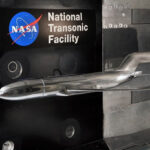
USED TO TEST BOEING 777. In a recent project together with ABB, the American space agency NASA has modernized and upgraded the capacity of its NTF (National Transonic Facility) wind tunnel. The project is interesting, among other things, because it with an upgraded variable speed drive (VSD), extended the lifespan of the wind tunnel by at least ten years.
NASA uses wind tunnels to test scale models of aircraft and spacecraft. Some wind tunnels are large enough to accommodate full-size versions of vehicles. One of the points of the NTF type is that the wind tunnel moves air around an object, making it appear as if the object is actually flying.
The NTF wind tunnel is used to optimize aircraft performance and fuel consumption by simulating flight conditions at high altitudes and near the speed of sound. It has been used to test the Boeing 777, the Space Shuttle and its Booster rocket.
What makes the NTF wind tunnel unique in this respect is that it is the world's largest pressurized cryogenic wind tunnel, whose capacities provide unique opportunities to duplicate actual flight conditions. The tunnel supports complex aerodynamic concept development and assessment, advanced validation with fluid dynamic computational tools, and risk mitigation in the context of vehicle and aircraft development work. Moreover, it provides the highest transonic Reynolds number testing capability in the world and can use either conventional air at ambient temperatures, as the test gas, or gaseous nitrogen at temperatures as low as -250 ºF to achieve flight test conditions. With a wide range of customizable instrumentation and measurement techniques, both full-span and semi-span model testing is supported.
What ABB and NASA have now done is that they have upgraded a a variable speed drive which, among other things, means that they substantially extended the life of the NTF wind tunnel. The service project has also increased the reliability and availability of this world's largest medium voltage (MV) frequency converter system.
The background to the project is that in 2021, NASA engineers identified a need to upgrade the tunnel's medium voltage drive due to the aging of the drive's components. ABB delivered the drive in 1997, and it was then the most powerful of its kind in the world. The 101 MW variable drive can test models in supersonic air or nitrogen streams and at ambient or cryogenic temperatures. With that, NTF can thus simulate more different flight conditions than any other wind tunnel, which gives the engineers the opportunity to gain unique insights and refine the aircraft designs.
"NASA has relied on ABB's domain expertise to ensure NTF can provide high reliability and uptime for its test programs and optimize the lifecycle of its assets," comments Oswald Deuchar, Director of Modernization Services, ABB Motion.
How did it all happen? Click on the headline to read more on PLM&ERP News.
NASA uses wind tunnels to test scale models of aircraft and spacecraft. Some wind tunnels are large enough to accommodate full-size versions of vehicles. One of the points of the NTF type is that the wind tunnel moves air around an object, making it appear as if the object is actually flying.
The NTF wind tunnel is used to optimize aircraft performance and fuel consumption by simulating flight conditions at high altitudes and near the speed of sound. It has been used to test the Boeing 777, the Space Shuttle and its Booster rocket.
What makes the NTF wind tunnel unique in this respect is that it is the world's largest pressurized cryogenic wind tunnel, whose capacities provide unique opportunities to duplicate actual flight conditions. The tunnel supports complex aerodynamic concept development and assessment, advanced validation with fluid dynamic computational tools, and risk mitigation in the context of vehicle and aircraft development work. Moreover, it provides the highest transonic Reynolds number testing capability in the world and can use either conventional air at ambient temperatures, as the test gas, or gaseous nitrogen at temperatures as low as -250 ºF to achieve flight test conditions. With a wide range of customizable instrumentation and measurement techniques, both full-span and semi-span model testing is supported.
What ABB and NASA have now done is that they have upgraded a a variable speed drive which, among other things, means that they substantially extended the life of the NTF wind tunnel. The service project has also increased the reliability and availability of this world's largest medium voltage (MV) frequency converter system.
The background to the project is that in 2021, NASA engineers identified a need to upgrade the tunnel's medium voltage drive due to the aging of the drive's components. ABB delivered the drive in 1997, and it was then the most powerful of its kind in the world. The 101 MW variable drive can test models in supersonic air or nitrogen streams and at ambient or cryogenic temperatures. With that, NTF can thus simulate more different flight conditions than any other wind tunnel, which gives the engineers the opportunity to gain unique insights and refine the aircraft designs.
"NASA has relied on ABB's domain expertise to ensure NTF can provide high reliability and uptime for its test programs and optimize the lifecycle of its assets," comments Oswald Deuchar, Director of Modernization Services, ABB Motion.
How did it all happen? Click on the headline to read more on PLM&ERP News.