
Sets A New Benchmark in Automotive: Volvo Cars Leverages Ansys and NVIDIA GPUs to...
Dramatic improvements in ELECTRIC BATTERY PERFORMANCE through CFD and advanced computing as major drivers of innovation. The development in the simulation and analysis front is explosive, to say the least. Just over a year ago, simulation and analysis market leader Ansys announced its intention to use NVIDIA Blackwell GPUs (Graphics Processing Units) to scale up and accelerate existing solutions. Today, the company announces an interesting and significant breakthrough in aerodynamics simulations in collaboration with Volvo Cars and NVIDIA. Using the combination of eight NVIDIA Blackwell GPUs for the solver and CPU (Central Processing Units) cores for meshing, the companies reduced total simulation run time from 24 hours to 6.5 — enabling multiple design iterations per day, facilitating more optimization studies for BEVs, and accelerating time-to-market.
The value of this industrially proven achievement is important from many perspectives and it’s not hard to see how this collaboration sets a benchmark for the automotive industry and those beyond that require precise fluid flow simulation, including aerospace, motorsports, and consumer electronics.
The backdrop is that Volvo Cars relies on advanced computing and CFD (Computational Fluid Dynamics) to drive innovation and improve electric battery performance. Robust simulations are critical for reducing aerodynamic drag — a significant factor on EV range. However, high-fidelity CFD simulations can be time consuming, compute-intensive, costly, and allow little opportunity for optimization.
To improve the energy efficiency and drive range of the fully electric EX90, Volvo Cars and Ansys scaled Fluent to eight NVIDIA Blackwell GPUs, enabling an optimized end-to-end workflow wherein meshing only took one hour and the solver took 5.5 hours. Compared to solving the same simulation on cost-equivalent hardware using 2,016 CPU cores, this equates to a 2.5X speed increase in solve time. The technology combination can allow Volvo Cars to run multiple CFD simulations per day, evaluating a range of design variants to quickly enable a step change in design optimization.
“Using Ansys simulation has the potential to help our teams obtain favorable designs and carry out virtual testing in much less time than traditional approaches allow,” said Torbjörn Virdung, technical leader CFD, at Volvo Cars. “To make our products more efficient, we must first take stock of the tools and solutions we’re using to get there. In this case, the capability of Ansys Fluent can allow us not only to perform extremely high-fidelity analyses, but the added NVIDIA infrastructure supercharges the computation, so we can consider a greater number of design possibilities and reach an optimal car design faster.”
Click on the headline to read the full story on PLM&ERP News.
The value of this industrially proven achievement is important from many perspectives and it’s not hard to see how this collaboration sets a benchmark for the automotive industry and those beyond that require precise fluid flow simulation, including aerospace, motorsports, and consumer electronics.
The backdrop is that Volvo Cars relies on advanced computing and CFD (Computational Fluid Dynamics) to drive innovation and improve electric battery performance. Robust simulations are critical for reducing aerodynamic drag — a significant factor on EV range. However, high-fidelity CFD simulations can be time consuming, compute-intensive, costly, and allow little opportunity for optimization.
To improve the energy efficiency and drive range of the fully electric EX90, Volvo Cars and Ansys scaled Fluent to eight NVIDIA Blackwell GPUs, enabling an optimized end-to-end workflow wherein meshing only took one hour and the solver took 5.5 hours. Compared to solving the same simulation on cost-equivalent hardware using 2,016 CPU cores, this equates to a 2.5X speed increase in solve time. The technology combination can allow Volvo Cars to run multiple CFD simulations per day, evaluating a range of design variants to quickly enable a step change in design optimization.
“Using Ansys simulation has the potential to help our teams obtain favorable designs and carry out virtual testing in much less time than traditional approaches allow,” said Torbjörn Virdung, technical leader CFD, at Volvo Cars. “To make our products more efficient, we must first take stock of the tools and solutions we’re using to get there. In this case, the capability of Ansys Fluent can allow us not only to perform extremely high-fidelity analyses, but the added NVIDIA infrastructure supercharges the computation, so we can consider a greater number of design possibilities and reach an optimal car design faster.”
Click on the headline to read the full story on PLM&ERP News.

Satsningar på AI, digitala tvillingar och automatisering ska vässa ineffektiv industriell läkemedelsframtagning
”Läkemedelstillverkning är en av de minst effektiva i näringslivet.” En intressant gren inom industriell hantering handlar om läkemedelsframställning, inte minst då relaterat till tillverkningssidan. Hur ser utmaningarna man står inför ut och hur långt har man kommit på digitaliseringsresan? Hur ser upptaget av digitala tvilling-koncept som en ryggrad i smarta fabrikslösningar ut? Använder man sig moderna automationslösningar?
Analytikern Forresters konsultinggren har, på uppdrag av Hexagons Asset Lifecycle Intelligence-division, tagit temperaturen på de största spelarna i branschen och genomfört en undersökning där man tittat närmare på vilka de främsta utmaningar är. I rapporten, ”Transforming Pharmaceutical Manufacturing: Overcoming Hurdles With Digital Innovation”, redovisas idag svaren på en rad frågor kring tillverkningsprocesser, kvalitetssäkring och testning. De tillfrågade är 161 tekniskt ansvariga beslutsfattare på läkemedelsproducerande företag med en årlig vinst på minst 1 miljard dollar, motsvarande runt 10 miljarder svenska kronor. Undersökningen genomfördes december 2024 till januari 2025.
Till saken hör att få branscher har så tuffa produktframtagnings-resor mot en framgångsrik satsning som denna industrigren. Att utveckla ett läkemedel handlar oftast om processer som sträcker sig över 10-15 år. Detta inkluderar sånt som research, upptäckt och patentansökan, toxicitetsstudier, farmakologi, kliniska prövningar, produktregistrering och godkännande, och slutligen industriell uppskalning med tillverkning, marknadsföring och försäljning. Allt under mycket strikta säkerhetsförhållanden och omfattande regulatoriska krav. Sett i detta perspektiv är det kanske inte så överraskande att det är svårt att utveckla effektiva modeller för produktframtagning. Det är också ett välkänt faktum att läkemedelstillverkning är en av de minst effektiva industrierna i näringslivet.
Så vilka är de viktigaste slutsatserna i Forrester-undersökningen?
Bara 17 % av de svarande använder för närvarande en digital tvilling av sin anläggning, vilket innebär att läkemedelsindustrin ligger efter andra branscher. När det gäller nya projekt använder däremot fyra av fem företag (79 %) digitala tvillingar för att förbättra samarbete och precision i design.
Adam Cross, Industry Director, Pharmaceuticals & Life Sciences på Hexagon, tror att digitala tvillingar kommer att få ett snabbt genomslag i framtiden, när företag fokuserar på att bryta ner silos och hantera utmaningar vad gäller regelefterlevnad.
”Undersökningen visar att de flesta läkemedelsföretag brottas med dokumenthantering och data, och har svårt att säkerställa efterlevnad och hantera förändringar. System som inte hänger ihop och silos som hindrar effektiv datadelning gör det svårt för medarbetarna att få tillgång till den information de behöver och att samarbeta”, säger Adam Cross.
I övrigt sticker framför allt fyra punkter ut:
• Cybersäkerhet, AI och automatisering styr investeringarna
• Datasilos är ett stort problem
• Revisioner är en stor utmaning
• Cybersäkerhet inom OT och IoT är ett stort problem
Vilka är skälen till att de här bitarna sticker ut? Klicka på rubriken för att läsa mer om Forrester-undersökningen på PLM&ERP News.
Analytikern Forresters konsultinggren har, på uppdrag av Hexagons Asset Lifecycle Intelligence-division, tagit temperaturen på de största spelarna i branschen och genomfört en undersökning där man tittat närmare på vilka de främsta utmaningar är. I rapporten, ”Transforming Pharmaceutical Manufacturing: Overcoming Hurdles With Digital Innovation”, redovisas idag svaren på en rad frågor kring tillverkningsprocesser, kvalitetssäkring och testning. De tillfrågade är 161 tekniskt ansvariga beslutsfattare på läkemedelsproducerande företag med en årlig vinst på minst 1 miljard dollar, motsvarande runt 10 miljarder svenska kronor. Undersökningen genomfördes december 2024 till januari 2025.
Till saken hör att få branscher har så tuffa produktframtagnings-resor mot en framgångsrik satsning som denna industrigren. Att utveckla ett läkemedel handlar oftast om processer som sträcker sig över 10-15 år. Detta inkluderar sånt som research, upptäckt och patentansökan, toxicitetsstudier, farmakologi, kliniska prövningar, produktregistrering och godkännande, och slutligen industriell uppskalning med tillverkning, marknadsföring och försäljning. Allt under mycket strikta säkerhetsförhållanden och omfattande regulatoriska krav. Sett i detta perspektiv är det kanske inte så överraskande att det är svårt att utveckla effektiva modeller för produktframtagning. Det är också ett välkänt faktum att läkemedelstillverkning är en av de minst effektiva industrierna i näringslivet.
Så vilka är de viktigaste slutsatserna i Forrester-undersökningen?
Bara 17 % av de svarande använder för närvarande en digital tvilling av sin anläggning, vilket innebär att läkemedelsindustrin ligger efter andra branscher. När det gäller nya projekt använder däremot fyra av fem företag (79 %) digitala tvillingar för att förbättra samarbete och precision i design.
Adam Cross, Industry Director, Pharmaceuticals & Life Sciences på Hexagon, tror att digitala tvillingar kommer att få ett snabbt genomslag i framtiden, när företag fokuserar på att bryta ner silos och hantera utmaningar vad gäller regelefterlevnad.
”Undersökningen visar att de flesta läkemedelsföretag brottas med dokumenthantering och data, och har svårt att säkerställa efterlevnad och hantera förändringar. System som inte hänger ihop och silos som hindrar effektiv datadelning gör det svårt för medarbetarna att få tillgång till den information de behöver och att samarbeta”, säger Adam Cross.
I övrigt sticker framför allt fyra punkter ut:
• Cybersäkerhet, AI och automatisering styr investeringarna
• Datasilos är ett stort problem
• Revisioner är en stor utmaning
• Cybersäkerhet inom OT och IoT är ett stort problem
Vilka är skälen till att de här bitarna sticker ut? Klicka på rubriken för att läsa mer om Forrester-undersökningen på PLM&ERP News.

Altair Takes GPU Acceleration over a Tipping Point for Real-Time Digital Twins with NVIDIA...
On the SEAMLESS INTEGRATION between Altair One Cloud Innovation Gateway and NVIDIA Omniverse Blueprint. Few today doubt the value that comes with GPU-accelerated innovation in simulation-driven design work. Ultimately, the capacity to process heavy data volumes is critical to speed, capability and quality in simulation. A development that has not least gained explosive momentum in the light of the NVIDIA boom of recent years; partly among PLM developers, and partly on the user side among larger OEM companies. In the latter case, for example, the automotive industry as always is quick to implement solutions in practical concepts. Mercedes and BMW are examples of companies that have put NVIDIA solutions at the forefront in connection with new product realization and factory concepts.
Altair is one of the players on the PLM and sub-PLM development side that has embraced NVIDIA's solutions for GPU acceleration–NVIDIA NIM microservices, and NVIDIA Omniverse technologies. This HPC (High Performance Computing), AI, simulation and analysis developer, which will be owned by SIEMENS Digital Industries Software once all formalities are complete, announced this week a technical integration between the NVIDIA Omniverse Blueprint for Real Time Digital Twins and the Altair One cloud innovation gateway. This, Altair’s Chief Technology Officer Sam Mahalingam believes, will help users take another step forward in their digital engineering and digital transformation efforts. The potential time savings are huge: with models in tools like Altair PhysicsAI, analysis time can be reduced from hours or days to seconds or minutes.
“Integrating the Omniverse Blueprint for Real Time Digital Twins with Altair One gives users a powerful new way to operationalize and innovate with digital twins, data and AI in real time. It’s also another example of how Altair continues to be a leader in all things digital engineering and digital twin,” he said in a statement.
In the press release, Altair claims that by leveraging NVIDIA Omniverse Blueprint for real-time digital twins in Altair One, users can collaborate and simulate in a shared virtual environment in real time. The technology combines 3D design, AI, and ray tracing to create immersive digital environments that serve as a next-level digital workplace for professionals across industries. Users benefit from advanced rendering and streaming capabilities in the cloud that simplify how software components work together in large systems, especially those used for AI, data processing, and graphics computing. The integration will open up new avenues for innovation and collaboration in areas such as crash and drop test simulations.
"Digital twin technology is reshaping industries and giving engineers and designers the tools to enable real-time design, optimize faster, and do more," said Timothy Costa, senior director of CAE and CUDA-X at NVIDIA. “Now, Altair users can leverage NVIDIA’s best-in-class technology to operationalize digital engineering and streamline their digital workflows.”
It will be incredibly interesting to see what Siemens and Altair can do together around simulation-driven digital twins in NVIDIA’s GPU accelerated environments. It can take the practical use over a tipping point.
Click on the headline to read more on PLM&ERP News.
Altair is one of the players on the PLM and sub-PLM development side that has embraced NVIDIA's solutions for GPU acceleration–NVIDIA NIM microservices, and NVIDIA Omniverse technologies. This HPC (High Performance Computing), AI, simulation and analysis developer, which will be owned by SIEMENS Digital Industries Software once all formalities are complete, announced this week a technical integration between the NVIDIA Omniverse Blueprint for Real Time Digital Twins and the Altair One cloud innovation gateway. This, Altair’s Chief Technology Officer Sam Mahalingam believes, will help users take another step forward in their digital engineering and digital transformation efforts. The potential time savings are huge: with models in tools like Altair PhysicsAI, analysis time can be reduced from hours or days to seconds or minutes.
“Integrating the Omniverse Blueprint for Real Time Digital Twins with Altair One gives users a powerful new way to operationalize and innovate with digital twins, data and AI in real time. It’s also another example of how Altair continues to be a leader in all things digital engineering and digital twin,” he said in a statement.
In the press release, Altair claims that by leveraging NVIDIA Omniverse Blueprint for real-time digital twins in Altair One, users can collaborate and simulate in a shared virtual environment in real time. The technology combines 3D design, AI, and ray tracing to create immersive digital environments that serve as a next-level digital workplace for professionals across industries. Users benefit from advanced rendering and streaming capabilities in the cloud that simplify how software components work together in large systems, especially those used for AI, data processing, and graphics computing. The integration will open up new avenues for innovation and collaboration in areas such as crash and drop test simulations.
"Digital twin technology is reshaping industries and giving engineers and designers the tools to enable real-time design, optimize faster, and do more," said Timothy Costa, senior director of CAE and CUDA-X at NVIDIA. “Now, Altair users can leverage NVIDIA’s best-in-class technology to operationalize digital engineering and streamline their digital workflows.”
It will be incredibly interesting to see what Siemens and Altair can do together around simulation-driven digital twins in NVIDIA’s GPU accelerated environments. It can take the practical use over a tipping point.
Click on the headline to read more on PLM&ERP News.

With A New CEO, Great Deals Around Cloud Migration and AI – ERP Developer...
Swedish BOO ENERGI is one of the companies stepping up to the cloud – the new SUCCESS4U service model is a great help in the transition from on premise to the cloud. When business systems developer Unit4 recently announced a change of guard at the top executive level – Mike Ettling handed over the reins to Simon Paris – the company is in an intense development of events. It has reached several significant milestones, which the new boss says, “highlight the growing demand for the company’s services.”
Notably, Paris came to Unit4 from the CEO job at fintech software business Finastra, however he has also held senior roles at Infor and SAP. At Unit4 the primary challenges will be around the cloud and AI. The good news is that Paris inherited a business with great momentum.
In a short-term business perspective, it is the migration to the cloud among the company’s customers that can make a difference. Here things have started to happen with some interesting Unit4 customer cases around cloud migrations. But also software development is a major priority and Paris points to the launch of a new level of service offering: Success4U, which is a model for successful implementation of, among others, Unit4 ERP X (the X stands for the cloud platform), or for existing customers migrating from on-premise solutions to the cloud.
But the cloud migration trend is the bigger issue. In the press material, Unit4 notes a couple of milestone examples, not least some of the company's energy customers with clearly proactive climate action on the agenda. Among them is Swedish Boo Energi, which owns, maintains and develops the electricity grid in Saltsjö-Boo and offers electricity contracts and energy services throughout Sweden. Other players among Unit4's customers working to accelerate the transition to a fossil-free future are The Carbon Trust, a globally active climate consultant that has worked with fossil freedom for more than 20 years for companies, governments and organizations worldwide. In addition, Paris also notes that BWH Hotels, part of the global BWH Hotels group, has stepped up in Unit4's cloud environment. This is no small player, with over 4,000 properties in more than 100 countries, BWH Hotels owns 18 unique brands.
“I come to Unit4 at an incredibly exciting time in the transition to cloud-based applications,” says Simon Paris. “Service companies in particular have had significant pressure to grow, while non-profit organizations and the public sector continue to juggle the challenge of balancing efficiency and investment in innovation. There is a realization among our customers that cloud-based applications are the fundamental building blocks to give them the agility they need to modernize, thrive and create innovations with the help of AI.”
Not least the latter is at the heart of Unit4’s AI strategy, claims the new CEO, pointing at the AI-driven tools tailored to supercharge finance, planning, and people operations, fostering strategic growth and operational excellence.
Click on the headline to read the full story on PLM&ERP News.
Notably, Paris came to Unit4 from the CEO job at fintech software business Finastra, however he has also held senior roles at Infor and SAP. At Unit4 the primary challenges will be around the cloud and AI. The good news is that Paris inherited a business with great momentum.
In a short-term business perspective, it is the migration to the cloud among the company’s customers that can make a difference. Here things have started to happen with some interesting Unit4 customer cases around cloud migrations. But also software development is a major priority and Paris points to the launch of a new level of service offering: Success4U, which is a model for successful implementation of, among others, Unit4 ERP X (the X stands for the cloud platform), or for existing customers migrating from on-premise solutions to the cloud.
But the cloud migration trend is the bigger issue. In the press material, Unit4 notes a couple of milestone examples, not least some of the company's energy customers with clearly proactive climate action on the agenda. Among them is Swedish Boo Energi, which owns, maintains and develops the electricity grid in Saltsjö-Boo and offers electricity contracts and energy services throughout Sweden. Other players among Unit4's customers working to accelerate the transition to a fossil-free future are The Carbon Trust, a globally active climate consultant that has worked with fossil freedom for more than 20 years for companies, governments and organizations worldwide. In addition, Paris also notes that BWH Hotels, part of the global BWH Hotels group, has stepped up in Unit4's cloud environment. This is no small player, with over 4,000 properties in more than 100 countries, BWH Hotels owns 18 unique brands.
“I come to Unit4 at an incredibly exciting time in the transition to cloud-based applications,” says Simon Paris. “Service companies in particular have had significant pressure to grow, while non-profit organizations and the public sector continue to juggle the challenge of balancing efficiency and investment in innovation. There is a realization among our customers that cloud-based applications are the fundamental building blocks to give them the agility they need to modernize, thrive and create innovations with the help of AI.”
Not least the latter is at the heart of Unit4’s AI strategy, claims the new CEO, pointing at the AI-driven tools tailored to supercharge finance, planning, and people operations, fostering strategic growth and operational excellence.
Click on the headline to read the full story on PLM&ERP News.

ERP: Ny CEO, bra affärer kring molnmigration och AI ger vind i seglen för...
Svenska BOO ENERGI ett av bolagen som kliver upp i molnmiljön - NYA tjänsten SUCCESS4U framgångsrik modell för övergången från on premise till molnet. När affärssystem-utvecklaren Unit4 nyligen meddelade vaktombytet på den exekutiva topposten – Mike Ettling lämnade över CEO-jobbet till Simon Paris – befinner sig bolaget i en notabelt intensiv händelseutveckling. Man har nått flera betydande milstolpar, som nye chefen menar, ”belyser den växande efterfrågan på bolagets tjänster.” Framför allt är det migreringen till molnet bland bolagets kunder som slår igenom. Inte något överraskande i sig, denna trend gäller bland alla de större ERP-utvecklarna, men Paris kan även peka på lanseringen av en ny nivå av tjänsteutbud: Success4U, som är en modell för framgångsrik implementering av bl a Unit4 ERP X (X:et står för molnplattformen), eller för existerande kunder som migrerar från on premise-lösningar till molnet.
Parallellt med detta bygger Simon Paris nu också upp sitt ledarteam med en ny bemanning på chefssidan i några i nyckelroller: Vera Batyalova blir VP för Partner Sales och Magdalena Teschemacher, försäljningsdirektör för APAC-regionen (Asia Pacific).
Men molnmigrerings-trenden är den större saken. I pressmaterialet pekar Unit4 på flera goda exempel, inte minst bland några av bolagets energikunder med tydligt proaktiva klimatåtgärder på agendan. Bland annat svenska Boo Energi, som äger, underhåller och utvecklar elnätet i Saltsjö-Boo och erbjuder elavtal och energitjänster över hela Sverige. Andra spelare bland Unit4s kunder som arbetar med att påskynda övergången till en fossilfri framtid är The Carbon Trust, en globalt verksam klimatkonsult som har arbetat med fossilfrihet i mer än 20 år för företag, regeringar och organisationer världen över. Vid sidan av detta noterar Paris även att BWH Hotels, en del av den globala BWH Hotels-gruppen, klivit upp i Unit4s molnmiljö. Detta är inte någon liten aktör, med över 4 000 fastigheter i mer än 100 länder äger BWH Hotels 18 unika varumärken.
”Jag kommer till Unit4 vid en otroligt spännande tidpunkt i övergången till molnbaserade applikationer,” konstaterar Simon Paris. ”Särskilt tjänsteföretag har haft ett betydande tryck på tillväxt, medan ideella organisationer och offentliga sektorer fortsätter att jonglera med utmaningen att balansera effektivitet och investeringar i innovation. Det finns en insikt bland våra kunder att molnbaserade applikationer är de fundamentala byggstenarna för att ge dem den smidighet de behöver för att modernisera, blomstra och skapa innovationer med hjälp av AI.”
Klicka på rubriken för att läsa mer på PLM&ERP News.
Parallellt med detta bygger Simon Paris nu också upp sitt ledarteam med en ny bemanning på chefssidan i några i nyckelroller: Vera Batyalova blir VP för Partner Sales och Magdalena Teschemacher, försäljningsdirektör för APAC-regionen (Asia Pacific).
Men molnmigrerings-trenden är den större saken. I pressmaterialet pekar Unit4 på flera goda exempel, inte minst bland några av bolagets energikunder med tydligt proaktiva klimatåtgärder på agendan. Bland annat svenska Boo Energi, som äger, underhåller och utvecklar elnätet i Saltsjö-Boo och erbjuder elavtal och energitjänster över hela Sverige. Andra spelare bland Unit4s kunder som arbetar med att påskynda övergången till en fossilfri framtid är The Carbon Trust, en globalt verksam klimatkonsult som har arbetat med fossilfrihet i mer än 20 år för företag, regeringar och organisationer världen över. Vid sidan av detta noterar Paris även att BWH Hotels, en del av den globala BWH Hotels-gruppen, klivit upp i Unit4s molnmiljö. Detta är inte någon liten aktör, med över 4 000 fastigheter i mer än 100 länder äger BWH Hotels 18 unika varumärken.
”Jag kommer till Unit4 vid en otroligt spännande tidpunkt i övergången till molnbaserade applikationer,” konstaterar Simon Paris. ”Särskilt tjänsteföretag har haft ett betydande tryck på tillväxt, medan ideella organisationer och offentliga sektorer fortsätter att jonglera med utmaningen att balansera effektivitet och investeringar i innovation. Det finns en insikt bland våra kunder att molnbaserade applikationer är de fundamentala byggstenarna för att ge dem den smidighet de behöver för att modernisera, blomstra och skapa innovationer med hjälp av AI.”
Klicka på rubriken för att läsa mer på PLM&ERP News.


Telecom Giant Ericsson’s Lightning-Fast Implementation of SAP’s ERP system S/4HANA Impresses
…but the PLM initiative is MORE PROBLEMATIC. One of the more unpredictable outcomes in industrial IT is the time it takes to get larger, modern systems up and running. Depending on what it is, the implementation time can vary enormously. However, a common denominator is that it usually takes significantly longer than planned and that once the systems are up and running, they often have functionality deficiencies that cause them to lag.
But there are exceptions. One such was announced by SAP and Ericsson this week: The Swedish telecom giant has put the ERP system SAP S/4HANA into operation just one year after the work began. Considering the complexity, this is an impressive result. The SAP S/4HANA project is one of the more extensive and strategically hard digital transformations in Ericsson's history. Yet the final data conversion was completed in just 54 hours. This sets something of a new industry standard for how to implement large and advanced system projects. Tobias Ralsgård, Head of Ericsson Finance Digital Transformation, says:
"Yes, this is actually a huge achievement and a very successful project. We completed the transition according to plan and without long-term downtime. Now, a year later, the system has delivered as we expected throughout the first financial cycle, with four quarterly financial statements and one annual financial statement.”
Having said that, a backdrop is that Ericsson is complex in most perspectives, from technology setup to corporate structure. The group is a world-leading supplier of information and communications technology; around 50% of the world's mobile telecommunications traffic is carried over Ericsson's network. It has operations in 180 countries and over 94,000 employees. The revenues 2024 landed at $23.5 billion (2024) and, with a number of divisions, subsidiaries, partner companies, etc., it forms the basis for an extremely extensive transaction volume. Changing a business system with minimal impact on daily work therefore requires extensive planning and major efforts – both internally and externally.
Instead of starting from scratch, Ericsson chose to carry out the work in stages. Most of the processes are still left over from the previous solution, but with SAP S/4HANA they have the latest in business support and can continuously benefit from system updates and improvements.
“We are now at the forefront with the most modern and future-proof solution. The ERP system gives us the tools we need to continue optimizing our processes and analyzing our business in real time,” says Tobias Ralsgård.
Speaking of varied implementation outcomes: As successful as the SAP S/4HANA project has been at Ericsson; it has been just as slow to meet deadlines and functionality with the new PLM system. Even around ten years after the start, the 3DEXPERIENCE-based platform from Dassault, which was supposed to replace Ericsson's older IBM mainframe-based PRIM/GASK solution, is only partially in place.
Click on the headline to read the full story on PLM&ERP News.
But there are exceptions. One such was announced by SAP and Ericsson this week: The Swedish telecom giant has put the ERP system SAP S/4HANA into operation just one year after the work began. Considering the complexity, this is an impressive result. The SAP S/4HANA project is one of the more extensive and strategically hard digital transformations in Ericsson's history. Yet the final data conversion was completed in just 54 hours. This sets something of a new industry standard for how to implement large and advanced system projects. Tobias Ralsgård, Head of Ericsson Finance Digital Transformation, says:
"Yes, this is actually a huge achievement and a very successful project. We completed the transition according to plan and without long-term downtime. Now, a year later, the system has delivered as we expected throughout the first financial cycle, with four quarterly financial statements and one annual financial statement.”
Having said that, a backdrop is that Ericsson is complex in most perspectives, from technology setup to corporate structure. The group is a world-leading supplier of information and communications technology; around 50% of the world's mobile telecommunications traffic is carried over Ericsson's network. It has operations in 180 countries and over 94,000 employees. The revenues 2024 landed at $23.5 billion (2024) and, with a number of divisions, subsidiaries, partner companies, etc., it forms the basis for an extremely extensive transaction volume. Changing a business system with minimal impact on daily work therefore requires extensive planning and major efforts – both internally and externally.
Instead of starting from scratch, Ericsson chose to carry out the work in stages. Most of the processes are still left over from the previous solution, but with SAP S/4HANA they have the latest in business support and can continuously benefit from system updates and improvements.
“We are now at the forefront with the most modern and future-proof solution. The ERP system gives us the tools we need to continue optimizing our processes and analyzing our business in real time,” says Tobias Ralsgård.
Speaking of varied implementation outcomes: As successful as the SAP S/4HANA project has been at Ericsson; it has been just as slow to meet deadlines and functionality with the new PLM system. Even around ten years after the start, the 3DEXPERIENCE-based platform from Dassault, which was supposed to replace Ericsson's older IBM mainframe-based PRIM/GASK solution, is only partially in place.
Click on the headline to read the full story on PLM&ERP News.

SEEL: Hon blir ny CEO för forskningsarbetet kring infrastruktur och elmobilitet inom fordons- och...
Victoria Woyland tar över på Swedish Electric Transport Laboratory. SEEL är en intressant aktör på elmobilitetsområdet och spelar en viktig roll i att inom teknikinfrastruktur stödja svensk och europeisk fordonsindustri, flygindustri och den maritima sektorn i den snabba omställningen mot elektrifiering.
SEEL, som invigdes invigdes i september 2023, ägs av RISE och Chalmersstiftelsen i ett gemensamt bolag och har också ett tätt samarbete med industriparterna Volvo Cars, Scania, Zeekr och Volvo Group.
När Victoria Woyland nu blir ny CEO får organisationen en chef med närmare 20 års erfarenhet från olika roller inom automotive-branschen. Bland annat har hon haft flera ledande tjänster inom Volvokoncernen. Närmast kommer Woyland från en roll som VD på EpinovaTech.
"Den testning och forskning som bedrivs på SEEL kommer att ha en avgörande plats för övergången till ett elektrifierat transportsystem. Jag ser fram emot att bygga vidare på det fantastiska samarbete som etablerats mellan industri, institut och akademi och vidareutveckla nyttan och värdet vi skapar för våra kunder," säger Victoria Woyland.
Victoria Woyland efterträder Henrik Svenningstorp som varit ledare för SEEL-satsningen sedan starten i maj 2017, först som projektledare och därefter som VD. Henrik Svenningstorp går vidare till en roll som Chef strategisk forskning och affär inom området energi och elektrifiering på RISE.
”SEEL är inne i en spännande fas där vi driftsatt och invigt tre stora anläggningar för testning och forskning inom elektromobilitet i Säve utanför Göteborg, Nykvarn samt Borås. Jag är oerhört glad över att hälsa Victoria Woyland välkommen till oss som ny VD för SEEL. Med hennes långa erfarenhet och kompetens tror jag att hon är precis rätt person att leda SEEL in i nästa fas,” säger Lars Ljungqvist, styrelseordförande för SEEL. Han tillägger:
"Vi tackar Henrik Svenningstorp för hans oerhörda engagemang och driv kring att bygga upp och driftsätta SEEL. Han har haft en mycket avgörande roll för att sätta SEEL på kartan."
Klicka på rubriken för att läsa mer på pLM&ERP News.
SEEL, som invigdes invigdes i september 2023, ägs av RISE och Chalmersstiftelsen i ett gemensamt bolag och har också ett tätt samarbete med industriparterna Volvo Cars, Scania, Zeekr och Volvo Group.
När Victoria Woyland nu blir ny CEO får organisationen en chef med närmare 20 års erfarenhet från olika roller inom automotive-branschen. Bland annat har hon haft flera ledande tjänster inom Volvokoncernen. Närmast kommer Woyland från en roll som VD på EpinovaTech.
"Den testning och forskning som bedrivs på SEEL kommer att ha en avgörande plats för övergången till ett elektrifierat transportsystem. Jag ser fram emot att bygga vidare på det fantastiska samarbete som etablerats mellan industri, institut och akademi och vidareutveckla nyttan och värdet vi skapar för våra kunder," säger Victoria Woyland.
Victoria Woyland efterträder Henrik Svenningstorp som varit ledare för SEEL-satsningen sedan starten i maj 2017, först som projektledare och därefter som VD. Henrik Svenningstorp går vidare till en roll som Chef strategisk forskning och affär inom området energi och elektrifiering på RISE.
”SEEL är inne i en spännande fas där vi driftsatt och invigt tre stora anläggningar för testning och forskning inom elektromobilitet i Säve utanför Göteborg, Nykvarn samt Borås. Jag är oerhört glad över att hälsa Victoria Woyland välkommen till oss som ny VD för SEEL. Med hennes långa erfarenhet och kompetens tror jag att hon är precis rätt person att leda SEEL in i nästa fas,” säger Lars Ljungqvist, styrelseordförande för SEEL. Han tillägger:
"Vi tackar Henrik Svenningstorp för hans oerhörda engagemang och driv kring att bygga upp och driftsätta SEEL. Han har haft en mycket avgörande roll för att sätta SEEL på kartan."
Klicka på rubriken för att läsa mer på pLM&ERP News.

Why PTC’s Globally Leading VAR, PDSVISION, bought Danish CPC: “A Bet on Building the...
Meet ALEKSANDER PATZ CHOLAKOV, Nordic head of PDSVISION: "CPC's Modular Architecture and Sharp Variant Management Central to Manage Growing Product Complexity." When PDSVISION, in January, purchased modular architecture specialist CPC - Center for Product Customization, the group's CEO, Mats Oretorp, said that it was "another milestone" on the way to forming the market's strongest digital ecosystem in product development. It is also clear that this purchase is of great importance, but why?
PLM&ERP News has discussed this in today's in-depth interview with PDSVISION's Managing Director for the Nordic operation, Aleksander Patz Cholakov. There are several perspectives, he states, but the technical side is perhaps the most important overall, as it involves PDSVISION proactively meeting a market development trend that is moving towards effective handling of products that are intended to be produced in multiple variants, and which are often equipped with specific customization requirements; or which, with regard to functional performance, should be upgradeable over time.
This drives complexity and makes modular architectures particularly attractive in industries such as vehicles, heavy machinery, consumer electronics, wind power, computers and others where customers want specific choices and criteria alternatives when defining how the products they want should look.
“With a modular methodology, you can combine and assemble products in countless ways with a limited number of components,” says Patz Cholakov. “This fits perfectly in the sense of being able to offer a wide range of distinct product variants.”
Generally, the manufacturing industry is developing in this direction, which means that PDSVISION’s purchase is well aligned with the requirements of both existing and potential customers. But the acquisition also strengthens its position as an increasingly complete supplier of PLM, product development methodology and a broad digital product realization support; the simulation pieces included where the Ansys solutions are particularly central.
In this, you can sense the recipe that has placed PDSVISION, mainly owned by the Finnish CAP MAN fund, in the absolute top of the world on PTC’s VAR partner page. The global growth in 2024 was around 10% and revenues landed at around $148 million. The Nordic operation, grew even higher, 13% with revenues around $35 million. With the CPC acquisition, the group is adding another $10 million.
But the goals are even more ambitious, as indicated by the reasons for the purchase of CPC:
"Several factors were decisive," says Patz Cholakov. “The market is characterized by increased complexity, where customers are faced with more requirements in product development. Some effects are that internal processes and value chains are becoming increasingly complex, which requires more efficient development methods with higher demand of variant management and standardization, while at the same time providing increased flexibility. CPC's competence and expertise in these areas perfectly complement PDSVISION's offering. Together, we can now take greater responsibility and help customers realize greater value across the entire value chain, from requirements to actual implementation in production and on to service and aftermarket.” But how does what CPC develops connect to PTC's software offering, including Windchill PLM and Creo CAD? Will the newly acquired company be integrated into PDSVISION? What does it look like on the customer side; why do major players such as Volvo Construction Equipment (Volvo CE) and wind power giant Vestas use modular design approaches?
Click on the headline to read the full story on PLM&ERP News.
PLM&ERP News has discussed this in today's in-depth interview with PDSVISION's Managing Director for the Nordic operation, Aleksander Patz Cholakov. There are several perspectives, he states, but the technical side is perhaps the most important overall, as it involves PDSVISION proactively meeting a market development trend that is moving towards effective handling of products that are intended to be produced in multiple variants, and which are often equipped with specific customization requirements; or which, with regard to functional performance, should be upgradeable over time.
This drives complexity and makes modular architectures particularly attractive in industries such as vehicles, heavy machinery, consumer electronics, wind power, computers and others where customers want specific choices and criteria alternatives when defining how the products they want should look.
“With a modular methodology, you can combine and assemble products in countless ways with a limited number of components,” says Patz Cholakov. “This fits perfectly in the sense of being able to offer a wide range of distinct product variants.”
Generally, the manufacturing industry is developing in this direction, which means that PDSVISION’s purchase is well aligned with the requirements of both existing and potential customers. But the acquisition also strengthens its position as an increasingly complete supplier of PLM, product development methodology and a broad digital product realization support; the simulation pieces included where the Ansys solutions are particularly central.
In this, you can sense the recipe that has placed PDSVISION, mainly owned by the Finnish CAP MAN fund, in the absolute top of the world on PTC’s VAR partner page. The global growth in 2024 was around 10% and revenues landed at around $148 million. The Nordic operation, grew even higher, 13% with revenues around $35 million. With the CPC acquisition, the group is adding another $10 million.
But the goals are even more ambitious, as indicated by the reasons for the purchase of CPC:
"Several factors were decisive," says Patz Cholakov. “The market is characterized by increased complexity, where customers are faced with more requirements in product development. Some effects are that internal processes and value chains are becoming increasingly complex, which requires more efficient development methods with higher demand of variant management and standardization, while at the same time providing increased flexibility. CPC's competence and expertise in these areas perfectly complement PDSVISION's offering. Together, we can now take greater responsibility and help customers realize greater value across the entire value chain, from requirements to actual implementation in production and on to service and aftermarket.” But how does what CPC develops connect to PTC's software offering, including Windchill PLM and Creo CAD? Will the newly acquired company be integrated into PDSVISION? What does it look like on the customer side; why do major players such as Volvo Construction Equipment (Volvo CE) and wind power giant Vestas use modular design approaches?
Click on the headline to read the full story on PLM&ERP News.

EU-krav på digitala produktpass för att dokumentera livscykler
BATTERIER FÖRST UT 2027. Snart kommer helt nya EU-krav på svenska företag kring dokumentation av produkters livscykler. Det handlar om digitala produktpass, DPP.
”Det är hög tid för företag att agera,” säger Sophie Charpentier, DPP-expert på Chalmers Industriteknik. ”Det hela blir som ett digitalt ID-kort per produkt, tänk att likna en QR-kod, som ger tillgång till heltäckande information om produktens livscykel. Från ursprung, tillverkning och innehåll till reservdelar, återanvändning eller slutstation.”
Kraven på digitala produktpass (DPP) kommer för mängder av produkter framöver. Passen blir en nyckel till efterlevnad av EUs ekodesignförordning (ESPR). Bara om några veckor, i mitten av april 2025, kommer EU-kommissionen att anta och publicera den första arbetsplanen. Enligt nuvarande tidsplan handlar det om batterier, textilier, stål- och järnprodukter under 2027. Men för få svenska företag är redo att möta de nya kraven, hävdar Charpentier, som jobbat med DPP i flera år.
”Regelverken kommer, även om allt inte är bestämt än från EU-håll, så det gäller att vara förberedd. Det handlar om hållbarhet och ger samtidigt företag chansen att optimera sina processer och få kontroll på sin leverantörskedja. De som är redo får en stor konkurrensfördel,” säger tillägger hon.
Alla företag som säljer produkter på den europeiska marknaden kommer så småningom att påverkas. Det blir en stor utmaning, då många företag inte har den nödvändiga digitala infrastrukturen på plats – eller ens vet om vilka krav som ställs.
”Många svenska företag behöver stöttning att navigera rätt i de regelverk som DPP innebär och som är relevanta för deras verksamhet. När jag föreläser om DPP visar jag demonstratorer och piloter från företag som belyser vad som fungerar och vad som inte fungerar,” säger Charpentier, som också menar att de flesta företag tror att de är digitaliserade, utan att riktigt vara det. ”Här kommer att krävas en digitalisering av informationsflödet på ny nivå, en stor omställning för många organisationer. Med omställningen kommer också många fördelar.” Vilka då och hur kan man identifiera nödvändiga åtgärder?
Klicka på rubriken för att läsa mer på PLM&ERP News.
”Det är hög tid för företag att agera,” säger Sophie Charpentier, DPP-expert på Chalmers Industriteknik. ”Det hela blir som ett digitalt ID-kort per produkt, tänk att likna en QR-kod, som ger tillgång till heltäckande information om produktens livscykel. Från ursprung, tillverkning och innehåll till reservdelar, återanvändning eller slutstation.”
Kraven på digitala produktpass (DPP) kommer för mängder av produkter framöver. Passen blir en nyckel till efterlevnad av EUs ekodesignförordning (ESPR). Bara om några veckor, i mitten av april 2025, kommer EU-kommissionen att anta och publicera den första arbetsplanen. Enligt nuvarande tidsplan handlar det om batterier, textilier, stål- och järnprodukter under 2027. Men för få svenska företag är redo att möta de nya kraven, hävdar Charpentier, som jobbat med DPP i flera år.
”Regelverken kommer, även om allt inte är bestämt än från EU-håll, så det gäller att vara förberedd. Det handlar om hållbarhet och ger samtidigt företag chansen att optimera sina processer och få kontroll på sin leverantörskedja. De som är redo får en stor konkurrensfördel,” säger tillägger hon.
Alla företag som säljer produkter på den europeiska marknaden kommer så småningom att påverkas. Det blir en stor utmaning, då många företag inte har den nödvändiga digitala infrastrukturen på plats – eller ens vet om vilka krav som ställs.
”Många svenska företag behöver stöttning att navigera rätt i de regelverk som DPP innebär och som är relevanta för deras verksamhet. När jag föreläser om DPP visar jag demonstratorer och piloter från företag som belyser vad som fungerar och vad som inte fungerar,” säger Charpentier, som också menar att de flesta företag tror att de är digitaliserade, utan att riktigt vara det. ”Här kommer att krävas en digitalisering av informationsflödet på ny nivå, en stor omställning för många organisationer. Med omställningen kommer också många fördelar.” Vilka då och hur kan man identifiera nödvändiga åtgärder?
Klicka på rubriken för att läsa mer på PLM&ERP News.

The New Head of Siemens’ PLM Nordics: Blazing the Trail for PLM &...
"A Combination That Provide UNBEATABLE Added Value." It will be a woman who takes over the job as top manager of Siemens' Nordic PLM division, Zandra Nilsson. This should not be remarkable in any way, but as it looks in the male-dominated PLM industry, it stands out: The number of female executive top managers is few. But don't think for a moment that Zandra Nilsson was quota-ed into the management of one of the big players in PLM, Siemens Digital Industries Software Nordics, just because she is a woman. She has been given the job because she has all the qualifications required to lead the region into the future.
After a double degree as a civil engineer and economist from Linköping University of Technology and more than a decade at IBM, she was recruited to Siemens Digital Industries Software in 2017 by the person she now succeeds, VP and Nordic head, Mats Friberg; the man who built the company to its current position as one of the market leaders in the regional PLM world, with a turnover of around SEK 2.5 billion.
When Zandra Nilsson steps onto the leadership stool on April 1, she does so after having successfully led the company's GEO Sales Team for all industries except Automotive and Aerospace & Defense. In doing so, she has laid the foundation for making the region a pioneer in the company's ongoing transformation process into a SaaS company.
This is a tough job: You not only have to be deeply tech-savvy, have exciting visions of how and where to expand, but also overcome the ever-present cold-hammered demands from top management to deliver results. Every quarter, in a continuous process where perseverance and the ability to cope with pressure are the cornerstones of professional life. That's exactly where Zandra Nilsson finds herself:
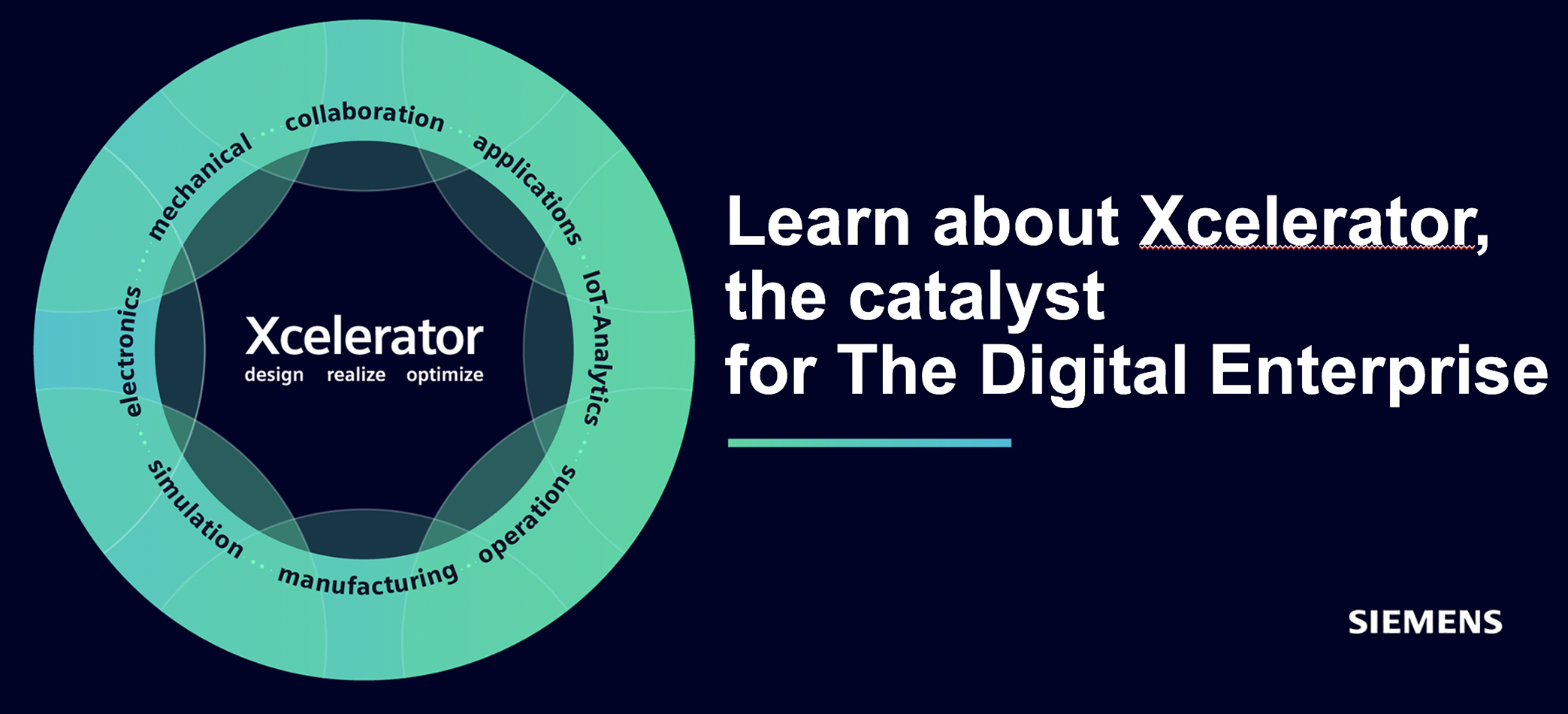
"Nobody cares what gender you are, regardless of whether you are a man or a woman, it's about showing results. Competence is more important; not just sales figures for the top management of the company, but even more so technically well-functioning and affordable solutions for customers. They must be able to trust that what they get not only keeps what we promised, but perhaps even better, provides new, unexpected profits. It is of course challenging, but we have a good organization, a number of sharp employees, specialists and an incredibly rich set of PLM and automation software in the Xcelerator portfolio, which makes life as a sales manager much easier," says Nilsson.
PLM&ERP News did an in-depth interview with her as recently as the last quarter of 2024 and in today's article we summarize what was said during this because it is highly relevant to what Zandra Nilsson stands for and what she wants to do with the Nordic movement. So how does she see the future of PLM? Why is the cloud and the SaaS model a focus? And what is Siemens' role in this?
Click on the link to read the full interview with Zandra Nilsson on PLM&ERP News.
After a double degree as a civil engineer and economist from Linköping University of Technology and more than a decade at IBM, she was recruited to Siemens Digital Industries Software in 2017 by the person she now succeeds, VP and Nordic head, Mats Friberg; the man who built the company to its current position as one of the market leaders in the regional PLM world, with a turnover of around SEK 2.5 billion.
When Zandra Nilsson steps onto the leadership stool on April 1, she does so after having successfully led the company's GEO Sales Team for all industries except Automotive and Aerospace & Defense. In doing so, she has laid the foundation for making the region a pioneer in the company's ongoing transformation process into a SaaS company.
This is a tough job: You not only have to be deeply tech-savvy, have exciting visions of how and where to expand, but also overcome the ever-present cold-hammered demands from top management to deliver results. Every quarter, in a continuous process where perseverance and the ability to cope with pressure are the cornerstones of professional life. That's exactly where Zandra Nilsson finds herself:
"Nobody cares what gender you are, regardless of whether you are a man or a woman, it's about showing results. Competence is more important; not just sales figures for the top management of the company, but even more so technically well-functioning and affordable solutions for customers. They must be able to trust that what they get not only keeps what we promised, but perhaps even better, provides new, unexpected profits. It is of course challenging, but we have a good organization, a number of sharp employees, specialists and an incredibly rich set of PLM and automation software in the Xcelerator portfolio, which makes life as a sales manager much easier," says Nilsson.
PLM&ERP News did an in-depth interview with her as recently as the last quarter of 2024 and in today's article we summarize what was said during this because it is highly relevant to what Zandra Nilsson stands for and what she wants to do with the Nordic movement. So how does she see the future of PLM? Why is the cloud and the SaaS model a focus? And what is Siemens' role in this?
Click on the link to read the full interview with Zandra Nilsson on PLM&ERP News.