

The Octave Effect: How Hexagon’s Spin-off Plans to Reshape the DNA of Civil Engineering...
Mattias Stenberg, CEO of Octave: "We will address an increasingly complex and often fragmented data and systems reality with domain-specific AI and a high-quality SaaS model as the basis for driving change in critical infrastructure."
Hexagon spin-off Octave today presented its new brand identity. Octave brings together Hexagon’s Asset Lifecycle Intelligence and Safety, Infrastructure & Geospatial divisions, as well as the Bricsys, ETQ, and Projectmates businesses, under a common brand. With around 7,200 employees across 45 countries, the new entity immediately becomes a major player in software solutions that help companies make data-driven decisions throughout the entire lifecycle of industrial assets and infrastructure—from design and construction to operations and safety.
"Octave exists to help customers make better decisions in complex situations where the consequences are great," says Stenberg (pictured), adding, "It’s about more than a new logo. It’s a promise to stand by customers when it really matters—and give leaders who can’t afford to fail the clarity and decision-making basis they need."
The background to the new company’s operations is that industrial and infrastructure companies are facing an increasingly complex reality: fragmented systems, unreliable data, and difficult-to-understand processes make decision-making difficult at all levels.
"Octave addresses these challenges by transforming fragmented information into a coherent decision basis—helping organizations turn uncertainty into a competitive advantage rather than a hindrance," says Stenberg.
The company’s solutions are built on domain-specific artificial intelligence and bring together data streams in a contextualized platform. This provides the intelligence needed to optimize operations in four areas – what are they, and how is the approach intended?
Click on the headline to read the full story on PLM&ERP News.

Slashing Redundancy at Scale: PTC Debuts Windchill AI
PTC's GM for Windchill, JOHN HALLER, on the New Parts Rationalization add-on: ”AI as a practical tool rather than just another buzzword.”
A central point in PTC’s new PLM vision—following former CEO Jim Heppelmann’s broad holistic goals—is formulated in the "Intelligent Product Lifecycle." Within this vision, AI is a key element. The idea is to unite product data with embedded AI to break down silos between engineering, manufacturing, and service. The aim is to create a coherent digital thread that makes data accessible and actionable throughout the product’s life cycle. This includes AI in workflows, a strong database foundation, an advanced digital thread, and collaboration across domains and silos. The vision also aims to connect mechanics, electronics, and software in an integrated environment (Integrated Product Engineering, IPE), which was recently showcased together alongside Lamborghini at CES 2026, demonstrating how to shorten development times and increase quality throughout the entire lifecycle.
Based on the vision of the intelligent product lifecycle and concepts such as integrated engineering (IPE), PTC CEO Neil Barua and his team envision reaping benefits such as:
* Faster time to market: Reduced development cycles from years to months.
* Sustainability: Integrated sustainability choices already in the design phase, where 80% of a product's environmental impact is determined.
* Reduced costs: Eliminated duplication of effort and optimized resource use.
The company now aims to deliver these gains with its latest innovation, launched this week: Windchill AI Parts Rationalization, a new AI capability built into its leading PLM platform, Windchill. This new capability brings AI directly into parts management workflows, helping manufacturers address long-standing challenges such as duplicate parts, slow or incorrect part lookups, and inconsistent part data—issues that contribute to higher costs and slower development cycles.
“Getting the right part data is fundamental to modern product development, but it’s becoming increasingly difficult to maintain as product lines grow, systems multiply, and organizational complexity increases,” said John Haller, GM of Windchill, PTC. “We designed the AI Parts Rationalization capability to help our customers reduce that complexity, so they can spend less time managing duplicate parts and cleaning up data, and more time focused on building better products.”
A fundamental idea in all of this is that AI is only as good as the data it has access to. By centralizing product data in a unified base (SaaS), companies can scale their AI transformation without having to rebuild their infrastructure.
Among Nordic companies that can take advantage of this are, for example, Volvo Group, which works with PTC solutions as its basic software arsenal in product development.
Click the link to read more on PLM&ERP News.

”Talk to Your Data:” HEXAGON Debuts Conversational AI in its EPP Platform EcoSys 9.4
”Replacing unstructured spreadsheets with a robust, integrated database.”
As the industrial sector seeks new ways to build more resilient and sustainable facilities, Hexagon has worked hard to position itself as a trusted partner for AI-led digital transformation. Today’s release of the company’s Asset Lifecycle Intelligence division’s EcoSys 9.4 is a good example. It is a major evolution of its industry-leading Enterprise Project Performance (EPP) platform. This web-based solution is engineered to manage and optimize large-scale, complex projects, providing organizations with centralized control over finances, schedules, and resources.
Since its acquisition by Hexagon in 2015, EcoSys has focused on capable sync with enterprise systems like SAP or Oracle Primavera P6.
According to Corey Short, VP of Product for the BUILD Pillar at Hexagon, this latest update provides decision-makers with unprecedented visibility and risk reduction across heavy industries, including oil and gas, construction, and infrastructure.
The standout feature of version 9.4 is the integration of HxGN Alix, Hexagon’s generative AI chat assistant. Designed to improve project efficiency, safety, and resilience, Alix uses real-time insights and predictive analytics to act as a digital expert that helps eliminate information silos. Built into EcoSys HxGN Alix enables users to interact with their project data through a conversational interface, asking questions, retrieving information, and even executing predefined actions based on user permissions.
Alix is accessible to all customers as a basic limited tier, and is designed to make project data more intuitive and actionable. Whether on Smart Cloud or on-premise, EcoSys users can start leveraging AI assistance to: • Ask EcoSys direct questions about projects, budgets, forecasts, or risks. • Retrieve or update project structures, look up project IDs, or create issues within EcoSys. • Generate summaries or reports faster, without the need to navigate multiple screens or menus.
“By integrating HxGN Alix into EcoSys, we are pushing the boundaries of project management,” comments Corey Short. “This enables teams to achieve significant improvements and deliver successful projects time after time”.
HxGN Alix provides personalized support by mimicking human expertise and is scheduled for a broader rollout across Hexagon’s entire portfolio later this year. This strategic move positions Hexagon at the forefront of the AI-led digital transformation within the industrial sector.
Klicka på rubriken för tt läsa mer på PLM&ERP News.

IFS Poaches SAP Veteran to Lead Nordic Expansion as Ann-Kristin Sander Departs
Meet the New Nordic Boss, MATTIAS BOLANDER, in today's interview.
It will be a well-known profile the business systems world who will take over as Nordic head of the growing ERP developer IFS: Former SAP veteran Mattias Bolander, most recently the Nordic boss at Palo Alto Networks, has joined IFS. Beyond his recent roles, he brings a weighty ten-year tenure at SAP and six years at Workday. Why does he believe in IFS, and what are his priorities as cloud and AI radically rebuild company operations?
In today's article, PLM&ERP News has discussed these pieces with Bolander, who claims that IFS meets the market's needs and development almost perfectly; both when it comes to the cloud, with the IFS Cloud platform, and AI, where they have quickly developed both top-class copilot and agent solutions. The company has also continued to perform well on the revenue side with just under €1.3 billion in 2024, of which around 20 percent comes from the Nordic operations.
“Yes, the cloud and AI are key areas,” says Bolander. “My vision is that our region most clearly demonstrates how cloud, AI, and service management create real business value. We have effective tools to get this right. Above all, built on our industry specialization strategy,” says IFS’s new Nordics leader. “In their eagerness to lift everything to the cloud, many larger players have not been able to move all functionality to this platform, which has meant that some companies have received less functionality in their new cloud solutions. This is also why we have seen many new ‘cloud-native’ players using the opportunity to establish solutions on the market. Our advantage, however, is that we do not need to be everything to everyone – our focus and our acquisitions have led to us being the best at what we do within our core industries:
Clearly, Bolander’s views are not just taken out of thin air and the result of IFS marketing chauvinism. PLM&ERP News has reported, for example, that in October 2025, analyst Gartner included IFS Cloud in the ‘Magic Quadrant’, the leaders quadrant. Visionarily, IFS Cloud is regarded as the most complete solution in the leadership category with capabilities to quickly respond to changing circumstances – supply chain shortages, labor shortages, skills gaps, regulations, and environmental changes. Therefore, when an innovation wave like AI arrives, you can quickly develop and deploy new industrial processes that drive disproportionately much value.
Today's IFS announcement also means that Ann-Kristin Sander, after nearly 15 years at IFS, four of which were spent at the helm of the Nordics, is stepping down as CEO and taking on a role as Executive Advisor within IFS.
"Together with our employees, we have delivered strong growth and results within IFS Nordics by working closely with our customers and partners to solve business challenges and create long-term value," she said.
How will the Nordic movement develop with Mattias Bolander at the helm? Click on the headline to read the full interview on PLM&ERP News.

Före detta SAP- och Workday-man tar över som chef för IFS Norden när Ann-Kristin...
Möt nye Norden-basen, MATTIAS BOLANDER, i dagens intervju på PLM&ERP News.
Det blir en i affärsystem-världen välkänd profil som tar över positionen som Norden-chef för den starkt växande ERP-utvecklaren IFS: Förre SAP-mannen, Mattias Bolander, som går från sin nuvarande roll som nordisk bas på Palo Alto Networks, till chefsskapet för IFS’ Norden-rörelse. Men på CVn finns alltså en drygt tioårig sejour på SAP, liksom 6 år på Workday. Varför tror han på IFS? Vilka blir prioriteringarna i en värld där både molnet som teknisk plattform och AI spås bygga om företagens verksamheter? Finns det några lågt hängande frukter som kan ge snabba kommersiella framgångar?
PLM&ERP News har i dagens artikel diskuterat kring de här bitarna med Bolander, som hävdar att IFS möter marknadens behov och utveckling närmast perfekt, både när det gäller molnet, med IFS Cloud-plattformen, och AI, där man snabbt tagit fram både copilot- och agentiska lösningar i toppklass. Bolaget har också fortsatt att utvecklas kraftfullt när det gäller de totala intäkterna med för det senast redovisade helåret intäkter på strax under 15 miljarder kronor, varav runt 20 procent kommer från den nordiska verksamheten.
”Absolut är både molnet och AI nyckelområden för oss,” säger Bolander. ”Min vision är att Norden ska bli regionen där IFS tydligast visar hur moln, AI och service management skapar verkligt affärsvärde. Vi har också mycket effektiva verktyg för att träffa rätt i detta. Framför allt byggt på vår övergripande strategi med branschspecialisering, parat med marknadens starkaste moln- och AI-program,” säger IFS nye Nordenbas, och tillägger: ”I sin iver att lyfta allt till molnet har många större spelare inte mäktat med att flytta all funktionalitet till denna plattform, vilket inneburit att vissa företag har fått mindre funktionalitet i sina nya molnlösningar. Det är också därför vi sett många nya ’cloud-native’ spelare ta plats på marknaden. Vår fördel är att vi inte behöver vara allt för alla – vårt fokus och våra uppköp har lett till att vi är bäst på det vi gör inom våra kärnbranscher.
Klart är att Bolanders synpunkter inte bara är tagna ur luften och utslag av någon slags IFS-chauvinism. PLM&ERP News har exempelvis rapporterat att respekterade analytikern Gartner i oktober 2025 tog in IFS Cloud i sin klassiska utvärderingsgrafik, ’Den Magiska kvadrantens’ ledarkvadrant. Gartner placerar i detta t o m IFS som en visionärt mer komplett lösning än de resterande plattformar i ledarkategorin. På denna framtidshorisont finns också kapaciteter att leverera lösningar som snabbt svarar på förändrade omständigheter – som brist i leveranskedjor, arbetskraftsbrist, kompetensgap, regelverk och miljöförändringar. Därför kan man, när en innovationsvåg som AI anländer, snabbt ta fram och driftsätta användningsområden i industriella processer, som driver oproportionerligt mycket värde.
Vi ska också innan vi går vidare med Mattias Bolander-intervjun konstatera att dagens besked från IFS också innebär att Ann-Kristin Sander - efter nära 15 år i IFS, vara fyra som Nordenchef - kliver av VD-stolen och tar en roll som exekutiv rådgivare inom IFS.
”Det jag känner mest just nu är tacksamhet och stolthet,” säger hon till PLM&ERP News. ”Tillsammans med våra medarbetare har vi levererat stark tillväxt och resultat inom IFS Nordics genom att arbeta nära våra kunder och partners för att lösa verkliga affärsutmaningar och skapa långsiktigt värde.”
Hur kommer Norden-rörelsen att utvecklas med Mattias Bolander vid rodret? Klicka på rubriken för att läsa hela intervjun på PLM&ERP News.


PLM&ERP News: A Year-End Thank You to Our Readers — Merry Christmas 2025 &...
The PLM&ERP News' editorial office will be closed for the holiday season from December 23, 2025, through January 7, 2026.
We would like to thank our readers for an incredible year. In our industry, 2025 was defined by major headlines, transformative shifts, and vital discussions regarding the future of our field. We hope you all enjoy a well-deserved period of rest and recovery before we begin 2026.
Click on the link to be directed to PLM&ERP News.
Click on the link to be directed to PLM&ERP News.

DIGITAL CATAPULT: UK Defence Initiative Taps TECHNIA for Core PLM Expertise
MICHAEL HURST, head of TECHNIA UK: “A testament to the strength of the company’s PLM expertise.”
PLM consultant TECHNIA, part of the Addnode Group and Dassault Systemes’ largest global VAR (Value Added Reseller), has been named one of five companies to participate in the UK defence project Digital Catapult Defence Testbed Accelerator. This is an additive manufacturing programme designed to strengthen the resilience of the defence industrial supply chain and promote the practical application of technological innovation to ensure the industry is future-proof. The project will address critical supply chain challenges, including securing data sharing and enabling agile, distributed manufacturing.
The programme is being delivered by Digital Catapult as part of the “Made Smarter Innovation | Digital Supply Chain Hub,” in collaboration with the UK Ministry of Defence (MoD), leading defence manufacturers, and key UK technology companies.
There are undeniably good reasons for an investment of this calibre. In the context of the globally unstable security situation, Western European defence industries are on their toes. Not least, Russia’s offensive war in Ukraine has put the spotlight on the growing importance of new technologies on the battlefield. The development of drones is one such role, as are the possibilities of quickly accessing 3D-printed components in field environments.
The background is that the UK defence sector currently has long lead times to secure military assets. Fragmented data systems are one of these obstacles disrupting supply chains. One effect of this is that operational readiness is not optimal. To address the problems, the UK MoD has looked at creating a federated digital inventory of manufacturing information. In this, the aim has been to provide authorized partners with a single, secure view of important technical data and thereby also enable distributed 3D printing of defense components.
That TECHNIA UK, the company's British division, is one of the players that is now given a major role in this is not only prestigious but also a testament to the weight of its PLM expertise.
"Our proven expertise in PLM, system integration, and secure data exchange makes it a strong fit to meet this challenge. With our global track record of delivering complex, secure integration projects in various industries, we’re well positioned to contribute to interoperability and digital resilience for the defense industry," comments the head of TECHNIA UK & NAM, Michael Hurst (pictured).
Click on the link to read more on PLM&ERP News.

PLM: TECHNIA ett av fem företag som får en nyckelroll inom brittiska försvarsinitiativet ”Digital...
Michael Hurst, chef för TECHNIA UK: ”Ett kvitto på tyngden i bolagets PLM-kunnande.”
Svenska PLM-konsulten TECHNIA, ett bolag inom Addnode-koncernen och Dassault Systemes största globala VAR, har utsetts till ett av fem företag att delta i det brittiska försvarprojektet Digital Catapults Defence Testbed Accelerator. Det handlar om ett program inriktat mot additiv tillverkning utformat för att stärka den industriella leveranskedjans motståndskraft inom försvarssektorn och främja den praktiska tillämpningen av teknisk innovation för att säkerställa att industrin är framtidsberedd. Initiativet är utformat för att ta itu med kritiska utmaningar i leveranskedjan: Säker datadelning och möjliggörande av agil, distribuerad tillverkning är några av de kritiska faktorerna i detta. Programmet levereras av Digital Catapult inom ramen för ”Made Smarter Innovation | Digital Supply Chain Hub,” i samarbete med brittiska försvarsministeriet (MoD), ledande försvarstillverkare och viktiga brittiska teknikföretag.
Det finns onekligen synnerligen goda skäl för en satsning av denna kaliber. Sett i perspektivet av den globalt instabila säkerhetssituationen är de västeuropeiska försvarsindustrierna på tårna. Inte minst har Rysslands anfallskrig i Ukraina satt strålkastarljuset på nya teknologiers växande betydelse på slagfältet. Utvecklingen av drönarnas roll är en sådan, liksom möjligheterna att snabbt få tillgång till 3D-printade komponenter i fältmiljöerna.
Till bakgrunden hör att den brittiska försvarssektorn för närvarande har långa ledtider för att säkra militära tillgångar. Fragmenterade datasystem är ett av dessa hinder som stör leveranskedjor. En effekt av detta är att den operativa beredskapen inte är optimal. För att ta itu med problemen har det brittiska MoD tittat på möjlighetertna att skapa en federerad digital inventering av tillverkningsinformationen. I detta har siktet varit inställt på att ge auktoriserade partners en enda, säker bild av viktiga tekniska data och därmed också möjliggöra distribuerad 3D-printning av försvarskomponenter. Här har inte minst kriget i Ukraina visat på betydelsen av en välfungerande distribution av data baserat på säkra leveranskedjor.
Att TECHNIA UK, bolagets brittiska division, är ett av företagen som nu får en tung roll i detta är inte bara prestigemässigt hedrande utan också all ett kvitto på tyngden i bolagets PLM-kunnande.
”Vår beprövade expertis inom PLM, systemintegration och säkert datautbyte innebär att man får en stark lösning för möta denna utmaning. Men vi är med vår globala meritlista av att leverera komplexa, säkra integrationsprojekt inom olika branscher väl positionerade för att bidra till interoperabilitet, digital motståndskraft och hållbar innovation för försvars- och industripartners,” kommenterar chefen för TECHNIA UK & NAM, Michael Hurst.

PRECISION EDGE: Hexagon Technology Halves Red Bull Racing’s F1 Design Changes
... but in PLM, Siemens Teamcenter, NX CAD, and Ansys CAE are the solutions of choice - Max VERSTAPPEN's CHASE for the Formula 1 TITLE: Digital solutions from HEXAGON are helping to reduce the number of design changes by up to 10,000 per season. This can give an advantage over competitors as the final races of the season approach the decisive World Championship.
Participating in the Formula 1 world brings great prestige to companies in the PLM, design, and product development areas. In recent years, Red Bull, and specifically Max Verstappen, have been top names for technology companies to be associated with. Even though Mercedes has been performing well lately and holds a leading position, Verstappen still has a chance to catch up with the leading competitors in the decisive final races of the Formula 1 world championship, especially after his recent top performance.
Among the major PLM players involved in Red Bull's development and product realization environment are Siemens Digital Industries Software and simulation specialist Ansys, while Hexagon’s Manufacturing Intelligence serves the organization with high-precision measurement and inspection (metrology) hardware and software.
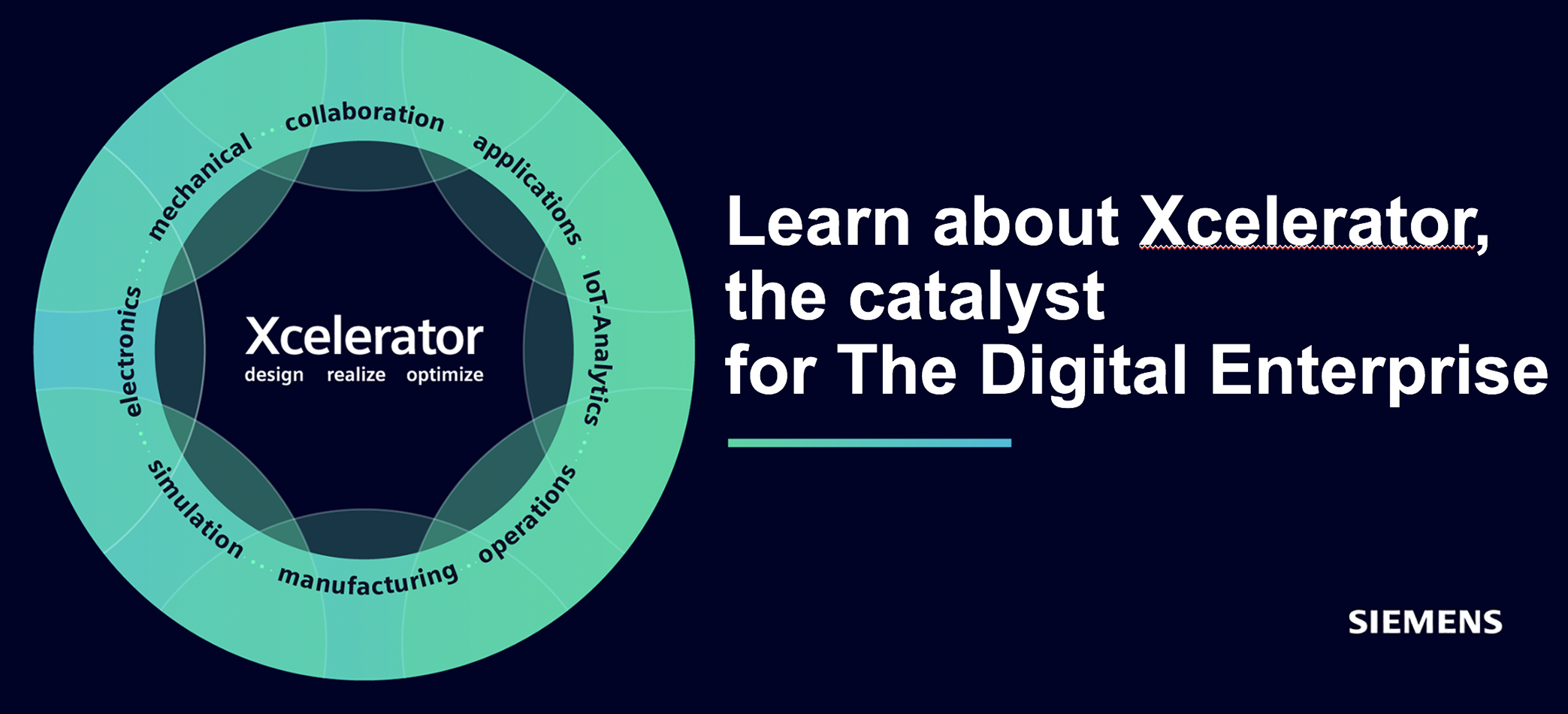
On the product development page Siemens solutions from the Xcelerator portfolio, Teamcenter PLM/PDM and NX CAD, in combination with Ansys’ Fluent (CFD), LS-Dyna (virtual crash testing), and Granta MI (metals, composite data), are the main design tools. Additionally, Siemens STAR-CCM+ play roles on the engine side in aerodynamics and validation, as does Fibersim for composite design and manufacturing.
While PLM&ERP News has previously covered both Siemens Digital Industries Software and Ansys solutions in the Red Bull F1 context, this article focuses on Hexagon's contributions.
Hexagon's technology is behind some components in the team's RB21 car and comes from its Manufacturing Intelligence business area, which focuses on 3D laser scanning, digitization, and measurement technology.
20,000 design changes per season - that's what the team behind Oracle Red Bull Racing Formula 1 cars does. As the only partner in measurement technology, using 3D laser scanning and digitization technology, Hexagon's solutions are used, and today the company claims that the number of design errors related to these tools has therefore been reduced by 50 percent over two years.
”This could be decisive when the final rounds of the Formula 1 World Championship take place,” comments Henrik Jansson, Country Leader Nordics at Hexagon.
Click on the headline to read the full story on PLM&ERP News.

Mätteknik från Hexagon halverar designändringarna för Red Bull i F1
Max Verstappens JAKT på Formel 1-titeln: DIGITALA lösningar från HEXAGON reducerar antalet konstruktionändringar till 10,000 per säsong. Sånt ger en fördel mot konkurrenterna när de sista tävlingarna av av årets säsong går mot sitt avgörande världsmästerskapen i Formel 1.
Att finnas med i spelet när det gäller PLM, design och produktutveckling i Formel 1-cirkusen är förenat med stor prestige för spelarna inom PLM-, automations- och tillverkningsteknologi-branscherna. De senaste åren har Red Bull-stallet i allmänhet och Max Verstappen i synnerhet varit de toppnamn som de teknologi-utvecklande toppbolagen velat bli associerade med, även om Mercede gjhort bra ifrån sig på slutet och befinner sig i ledarposition. Men Max Verstappen har fortfarande chansen att ta igen på de ledande konkurrenterna i de sista avgörande tävlingarna i Formel 1-världsmästerskapen, efter en topprestation senast.
Bland de stora PLM-spelarna som funnits med i Red Bulls utvecklingsmiljö finns på PLM-sidan Siemens Digital Industries Software, Ansys och även svenska Hexagon. De senare står bakom komponenterna i teamets RB21-bil och kommer från Hexagons företagsområde Manufacturing Intelligence 3D-laserskanning, digitaliserings-, och mätteknik. PLM&ERP News har tidigare skrivit om både Siemens och Ansys lösningar i sammanhanget, men dagens artikel handlar om Hexagon-inslagen.
20 000 designändringar per säsong - det är vad teamet bakom Oracle Red Bull Racing Formel 1-bilar gör. Som enda partner inom mätteknik – 3D-laserskanning och digitaliseringsteknik – används svenska Hexagon och antalet designfel har därför minskat med 50 procent på två år. Detta kan bli avgörande när de sista deltävlingarna av världsmästerskapen i Formel 1 går av stapeln.
Klicka på rubriken för att läsa mer på PLM&ERP News.