

Siemens fortsätter satsningen på spetsteknik inom PCB-design
AJ INCORVAIA, senior VP, kretskortsystem: ”ASTER-köpet tillför banbrytande kapaciteter för testteknik och tidigare optimering i designcykeln.”
När Siemens i veckan meddelade att man köper ASTER Technologies, en marknadsledare inom testverifiering och konstruktionsmjukvara för kretskortsmontering (PCB Assembly) var det ytterligare en bekräftelse på bolagets tunga satsning på elektronik-design och EDA (Electronic Design Automation). Det är heller inga tillfälligheter att Siemens Digital Industries Software sedan köpet av Mentor Graphics 2017 avancerat upp till en toppostion inom EDA-domänen. Bolagets relaterade lösningar samlas och hanteras inom ramen för Siemens EDA-division och har kontinuerligt vässats, dels via organisk intern produktutveckling och integration, dels via köp av kompletterande bolag och lösningskapabiliteter. Idag räknas också Siemens EDA som en av ”de tre stora” inom elektronikdesign-domänen tillsammans med Cadence och Synopsys.
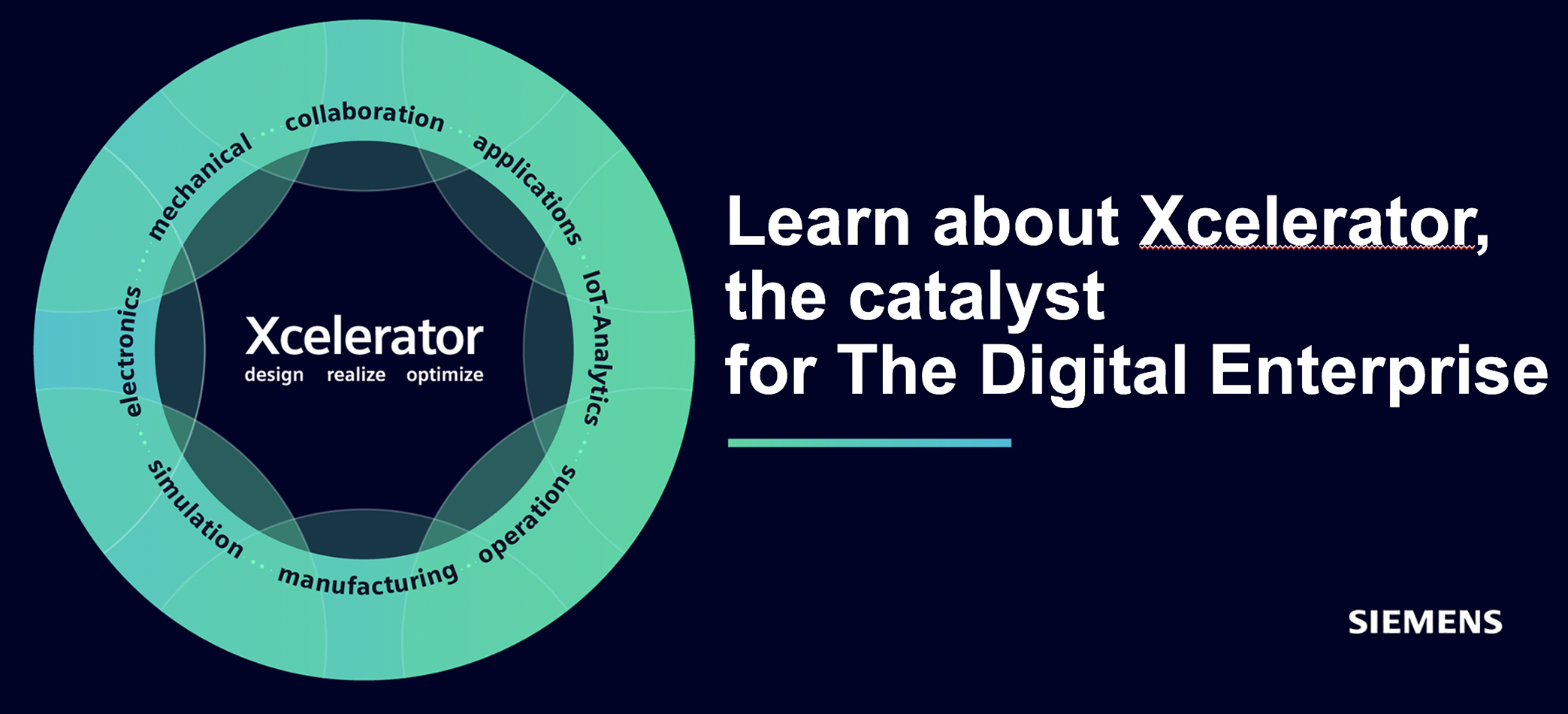
Men det som ger Siemens ett försteg framför konkurrenterna är integration av elektroniklösningarna i Xcelerator-portföljen, vilket innebär att EDA-bitarna sömlöst kan kopplas till alla delar i den kompletta produktdesign-loopen, med allt ifrån CAD, simulering & analys, till digital tillverkningshantering och annat. Det är ett djup och en styrka som ingen annan utvecklare kan lägga upp på bordet.
När Siemens nu köper ASTER stärks ytterligare bolagets kapabiliteter inom elektronikdesign. En tung strategisk poäng är att man integrerar ASTERs avancerade "shift-left" Design for Test (DFT)-funktionalitet direkt i Siemens EDAs PCB-flaggskepp Xpedition och Valor-programvaran. Båda dessa finns med Siemens Xcelerator-portföljen och innehåller en av marknadens mest omfattande digitala verktyg för design av elektroniska system. Förvärvet ger kunderna tillgång till en verkligt integrerad digital tråd från kretskortsdesign till tillverkning, vilket möjliggör tidigare defektdetektering, minskade kostnader, snabbare time-to-market och förbättrad produktkvalitet och tillförlitlighet.
”Så är det,” säger AJ Incorvaia, senior VP och general manager för elektroniska system på Siemens Digital Industries Software. "Med det som ASTER Technologies tillför får våra användare tillgång till banbrytande kapaciteter inom kretskortsdesign och -tillverkning. Genom att integrera ASTERs marknadsledande testteknikprogramvara ger vi våra kunder möjlighet att optimera design mycket tidigare i designcykeln."
Notabelt är att förvärvet kommer vid en kritisk tidpunkt i branchen: Den ökande efterfrågan på fordonselektronik och den ökade integrationen av 5G-teknik i elektroniksystem kräver robusta testlösningar för att säkerställa säkerhet, tillförlitlighet och efterlevnad av stränga standarder. En omfattande teststrategi är därmed avgörande för att upptäcka defekter, undvika kostsamma designomtagningar, förhindra produktreturer och minska fältfel. Organisationer söker i allt högre grad DFT-funktionalitet inbäddad i sina kretskortsdesignlösningar och ett integrerat arbetsflöde för kretskortsdesign.
Klicka på rubriken för att läsa mer på PLM&ERP News.
När Siemens i veckan meddelade att man köper ASTER Technologies, en marknadsledare inom testverifiering och konstruktionsmjukvara för kretskortsmontering (PCB Assembly) var det ytterligare en bekräftelse på bolagets tunga satsning på elektronik-design och EDA (Electronic Design Automation). Det är heller inga tillfälligheter att Siemens Digital Industries Software sedan köpet av Mentor Graphics 2017 avancerat upp till en toppostion inom EDA-domänen. Bolagets relaterade lösningar samlas och hanteras inom ramen för Siemens EDA-division och har kontinuerligt vässats, dels via organisk intern produktutveckling och integration, dels via köp av kompletterande bolag och lösningskapabiliteter. Idag räknas också Siemens EDA som en av ”de tre stora” inom elektronikdesign-domänen tillsammans med Cadence och Synopsys.
Men det som ger Siemens ett försteg framför konkurrenterna är integration av elektroniklösningarna i Xcelerator-portföljen, vilket innebär att EDA-bitarna sömlöst kan kopplas till alla delar i den kompletta produktdesign-loopen, med allt ifrån CAD, simulering & analys, till digital tillverkningshantering och annat. Det är ett djup och en styrka som ingen annan utvecklare kan lägga upp på bordet.
När Siemens nu köper ASTER stärks ytterligare bolagets kapabiliteter inom elektronikdesign. En tung strategisk poäng är att man integrerar ASTERs avancerade "shift-left" Design for Test (DFT)-funktionalitet direkt i Siemens EDAs PCB-flaggskepp Xpedition och Valor-programvaran. Båda dessa finns med Siemens Xcelerator-portföljen och innehåller en av marknadens mest omfattande digitala verktyg för design av elektroniska system. Förvärvet ger kunderna tillgång till en verkligt integrerad digital tråd från kretskortsdesign till tillverkning, vilket möjliggör tidigare defektdetektering, minskade kostnader, snabbare time-to-market och förbättrad produktkvalitet och tillförlitlighet.
”Så är det,” säger AJ Incorvaia, senior VP och general manager för elektroniska system på Siemens Digital Industries Software. "Med det som ASTER Technologies tillför får våra användare tillgång till banbrytande kapaciteter inom kretskortsdesign och -tillverkning. Genom att integrera ASTERs marknadsledande testteknikprogramvara ger vi våra kunder möjlighet att optimera design mycket tidigare i designcykeln."
Notabelt är att förvärvet kommer vid en kritisk tidpunkt i branchen: Den ökande efterfrågan på fordonselektronik och den ökade integrationen av 5G-teknik i elektroniksystem kräver robusta testlösningar för att säkerställa säkerhet, tillförlitlighet och efterlevnad av stränga standarder. En omfattande teststrategi är därmed avgörande för att upptäcka defekter, undvika kostsamma designomtagningar, förhindra produktreturer och minska fältfel. Organisationer söker i allt högre grad DFT-funktionalitet inbäddad i sina kretskortsdesignlösningar och ett integrerat arbetsflöde för kretskortsdesign.
Klicka på rubriken för att läsa mer på PLM&ERP News.

PRECISION EDGE: Hexagon Technology Halves Red Bull Racing’s F1 Design Changes
... but in PLM, Siemens Teamcenter, NX CAD, and Ansys CAE are the solutions of choice - Max VERSTAPPEN's CHASE for the Formula 1 TITLE: Digital solutions from HEXAGON are helping to reduce the number of design changes by up to 10,000 per season. This can give an advantage over competitors as the final races of the season approach the decisive World Championship.
Participating in the Formula 1 world brings great prestige to companies in the PLM, design, and product development areas. In recent years, Red Bull, and specifically Max Verstappen, have been top names for technology companies to be associated with. Even though Mercedes has been performing well lately and holds a leading position, Verstappen still has a chance to catch up with the leading competitors in the decisive final races of the Formula 1 world championship, especially after his recent top performance.
Among the major PLM players involved in Red Bull's development and product realization environment are Siemens Digital Industries Software and simulation specialist Ansys, while Hexagon’s Manufacturing Intelligence serves the organization with high-precision measurement and inspection (metrology) hardware and software.
On the product development page Siemens solutions from the Xcelerator portfolio, Teamcenter PLM/PDM and NX CAD, in combination with Ansys’ Fluent (CFD), LS-Dyna (virtual crash testing), and Granta MI (metals, composite data), are the main design tools. Additionally, Siemens STAR-CCM+ play roles on the engine side in aerodynamics and validation, as does Fibersim for composite design and manufacturing.
While PLM&ERP News has previously covered both Siemens Digital Industries Software and Ansys solutions in the Red Bull F1 context, this article focuses on Hexagon's contributions.
Hexagon's technology is behind some components in the team's RB21 car and comes from its Manufacturing Intelligence business area, which focuses on 3D laser scanning, digitization, and measurement technology.
20,000 design changes per season - that's what the team behind Oracle Red Bull Racing Formula 1 cars does. As the only partner in measurement technology, using 3D laser scanning and digitization technology, Hexagon's solutions are used, and today the company claims that the number of design errors related to these tools has therefore been reduced by 50 percent over two years.
”This could be decisive when the final rounds of the Formula 1 World Championship take place,” comments Henrik Jansson, Country Leader Nordics at Hexagon.
Click on the headline to read the full story on PLM&ERP News.
Participating in the Formula 1 world brings great prestige to companies in the PLM, design, and product development areas. In recent years, Red Bull, and specifically Max Verstappen, have been top names for technology companies to be associated with. Even though Mercedes has been performing well lately and holds a leading position, Verstappen still has a chance to catch up with the leading competitors in the decisive final races of the Formula 1 world championship, especially after his recent top performance.
Among the major PLM players involved in Red Bull's development and product realization environment are Siemens Digital Industries Software and simulation specialist Ansys, while Hexagon’s Manufacturing Intelligence serves the organization with high-precision measurement and inspection (metrology) hardware and software.
On the product development page Siemens solutions from the Xcelerator portfolio, Teamcenter PLM/PDM and NX CAD, in combination with Ansys’ Fluent (CFD), LS-Dyna (virtual crash testing), and Granta MI (metals, composite data), are the main design tools. Additionally, Siemens STAR-CCM+ play roles on the engine side in aerodynamics and validation, as does Fibersim for composite design and manufacturing.
While PLM&ERP News has previously covered both Siemens Digital Industries Software and Ansys solutions in the Red Bull F1 context, this article focuses on Hexagon's contributions.
Hexagon's technology is behind some components in the team's RB21 car and comes from its Manufacturing Intelligence business area, which focuses on 3D laser scanning, digitization, and measurement technology.
20,000 design changes per season - that's what the team behind Oracle Red Bull Racing Formula 1 cars does. As the only partner in measurement technology, using 3D laser scanning and digitization technology, Hexagon's solutions are used, and today the company claims that the number of design errors related to these tools has therefore been reduced by 50 percent over two years.
”This could be decisive when the final rounds of the Formula 1 World Championship take place,” comments Henrik Jansson, Country Leader Nordics at Hexagon.
Click on the headline to read the full story on PLM&ERP News.

Mätteknik från Hexagon halverar designändringarna för Red Bull i F1
Max Verstappens JAKT på Formel 1-titeln: DIGITALA lösningar från HEXAGON reducerar antalet konstruktionändringar till 10,000 per säsong. Sånt ger en fördel mot konkurrenterna när de sista tävlingarna av av årets säsong går mot sitt avgörande världsmästerskapen i Formel 1.
Att finnas med i spelet när det gäller PLM, design och produktutveckling i Formel 1-cirkusen är förenat med stor prestige för spelarna inom PLM-, automations- och tillverkningsteknologi-branscherna. De senaste åren har Red Bull-stallet i allmänhet och Max Verstappen i synnerhet varit de toppnamn som de teknologi-utvecklande toppbolagen velat bli associerade med, även om Mercede gjhort bra ifrån sig på slutet och befinner sig i ledarposition. Men Max Verstappen har fortfarande chansen att ta igen på de ledande konkurrenterna i de sista avgörande tävlingarna i Formel 1-världsmästerskapen, efter en topprestation senast.
Bland de stora PLM-spelarna som funnits med i Red Bulls utvecklingsmiljö finns på PLM-sidan Siemens Digital Industries Software, Ansys och även svenska Hexagon. De senare står bakom komponenterna i teamets RB21-bil och kommer från Hexagons företagsområde Manufacturing Intelligence 3D-laserskanning, digitaliserings-, och mätteknik. PLM&ERP News har tidigare skrivit om både Siemens och Ansys lösningar i sammanhanget, men dagens artikel handlar om Hexagon-inslagen.
20 000 designändringar per säsong - det är vad teamet bakom Oracle Red Bull Racing Formel 1-bilar gör. Som enda partner inom mätteknik – 3D-laserskanning och digitaliseringsteknik – används svenska Hexagon och antalet designfel har därför minskat med 50 procent på två år. Detta kan bli avgörande när de sista deltävlingarna av världsmästerskapen i Formel 1 går av stapeln.
Klicka på rubriken för att läsa mer på PLM&ERP News.
Att finnas med i spelet när det gäller PLM, design och produktutveckling i Formel 1-cirkusen är förenat med stor prestige för spelarna inom PLM-, automations- och tillverkningsteknologi-branscherna. De senaste åren har Red Bull-stallet i allmänhet och Max Verstappen i synnerhet varit de toppnamn som de teknologi-utvecklande toppbolagen velat bli associerade med, även om Mercede gjhort bra ifrån sig på slutet och befinner sig i ledarposition. Men Max Verstappen har fortfarande chansen att ta igen på de ledande konkurrenterna i de sista avgörande tävlingarna i Formel 1-världsmästerskapen, efter en topprestation senast.
Bland de stora PLM-spelarna som funnits med i Red Bulls utvecklingsmiljö finns på PLM-sidan Siemens Digital Industries Software, Ansys och även svenska Hexagon. De senare står bakom komponenterna i teamets RB21-bil och kommer från Hexagons företagsområde Manufacturing Intelligence 3D-laserskanning, digitaliserings-, och mätteknik. PLM&ERP News har tidigare skrivit om både Siemens och Ansys lösningar i sammanhanget, men dagens artikel handlar om Hexagon-inslagen.
20 000 designändringar per säsong - det är vad teamet bakom Oracle Red Bull Racing Formel 1-bilar gör. Som enda partner inom mätteknik – 3D-laserskanning och digitaliseringsteknik – används svenska Hexagon och antalet designfel har därför minskat med 50 procent på två år. Detta kan bli avgörande när de sista deltävlingarna av världsmästerskapen i Formel 1 går av stapeln.
Klicka på rubriken för att läsa mer på PLM&ERP News.

Världsledande mejeriaktör satsar på TECHNIA och Dassault Systemes’ 3DEXPERIENCE
MAGNUS FALKMAN, TECHNIAs CEO, om nya FrieslandCampina Professional-avtalet: ”Ett anmärkningsvärt exempel på mötet mellan innovation, kollaboration och digital excellens.”
Ett intressant faktum när det gäller världsledande svenska PLM-konsulten TECHNIA, ett dotterbolag inom Addnode-gruppen, är bolagets bredd. Företaget har kort sagt producerat effektiva PLM-installationer, baserat på Dassaults plattformar som 3DEXPERIENCE, i synnerligen diversifierade branschmiljörer. Vi talar om allt från kläder, resor, och fritidsutrustningar (Guess, TUI, och Haglöfs) till bygg- och anläggning (Skanska), medicinteknik (B.Brown) och monstersportbilar (Koenigsegg) för att ta några exempel ur den rikhaltiga branschfloran.
Men det finns mer och ett annat lite ovanligare PLM-område där TECHNIA varit djupt involverat är mejeribranschen, där man installerat en större PLM-lösning på svenska Arla, världens femte största mejeriproducent globalt. I just detta senare spår ligger också dagens nyhet inom PLM-branschen: TECHNIA och 3DEXPERIENCE blev den nederländska mejerijätten, FrieslandCampina Professional Systems, val av samarbetspartners kring utvecklingen av en specifik branschlösning där de senare med hjälp av TECHNIA och DS-plattformen ska bygga en enhetlig digital miljö för att samordna sin värdekedja.
Vad FireslandCampina Professional-divisionen (FCP) gör inom den större bolagsgruppen Royal FrieslandCampina NV är att tillhandahålla högkvalitativa mejeriingredienser och lösningar till de globala livsmedels- och industrimarknaderna. Mer specifikt ska TECHNIA skapa den digitala samarbetsplattform som vässa och effektivisera samarbetet mellan de olika leverantörerna och tillverkarna av det nederländska företagets Lattiz-produktlinje.
Lattiz är ett prisbelönt mjölkskumningssystem utformat för baristor och hotell- och restaurangpersonal. Det levererar ett jämnt, högkvalitativt mjölkskum med en knapptryckning, vilket sparar tid och minskar avfall.
Klart är också att företagsgruppen är en storspelare i sin bransch. Royal FrieslandCampina NV drog 2024 in nära 13 miljarder euro, motsvarande 142 miljarder svenska kronor. Exakt hur mycket som kommer in via FCP-divisionen har inte gått att få fram, mer än att man 2023 stod för nära 20 % av gruppens intäkter.
TECHNIA-chefen, Magnus Falkman, kan hur som helst räkna in en ny viktig kund, som nu ska ta sig vidare på sin digitala resa:
”Vi är stolta över att stödja FrieslandCampina i detta,” säger Falkman i en kommentar, och tillägger: ”Lattiz-produktlinjen är ett anmärkningsvärt exempel på hur innovation, samarbete och digital excellens möts. Vårt fokus är att ge våra kunder verktyg och expertis för att leverera smartare, hållbara produkter snabbare.”
Klicka på rubriken för att läsa mer på PLM&ERP News.
Klicka på rubriken för att läsa mer på PLM&ERP News.

Kraftfullt vässat stöd för NVIDIA GPUer sätter ordentlig fart på simuleringarna i nya versionen...
Ett samtal med ED FONTES, VP of Development, om nya 6.4-versionen.
För att vara en kommersiell världsspelare inom Simulering & Analys är svenska COMSOL något av en doldis. Ändå kvalificerade man sig för en kommersiell topp-tio-placering under 2024 inom CAE-segmentet i PLM-analytikern CIMdata’s senaste genomgång (2025 års upplaga) av de ledande branschspelarna.
Men det är inte intäkterna som sätter bolaget i strålkastarljuset. Det handlar istället om de tekniska behov som vuxit lavinartat när världens produkter och utvecklingsprocesser blivit allt mer komplexa. Mekanik har steg för steg minskat som andel av produktutvecklingsarbetet i takt med att sånt som el, elektronik, mjukvaror, miniatyrisering, och krav på regelanpassning ökat. På sista raden har faktorerna som påverkar, styr och potentiellt stör produktfunktionerna blivit fler när allt fler fysikaliska effekter växelverkar.
”Det är i detta COMSOL Multiphysics-sviten står ut,” konstaterar bolagets Ed Fontes, när jag diskuterar den nya versionen med honom. ”Vår främsta styrka är fortfarande multifysiken och förmågan att beskriva just denna växelverkan mellan flera kopplade fysikaliska fenomen. Detta är särskilt viktigt i t ex elektrifieringen och i miniatyriseringen av halvledare och elektroniska komponenter. Inom båda dessa områden vill man kunna studera effekterna av elektromagnetiska fält kopplade till värme- och strukturmekaniska fenomen, exempelvis i batterier, generatorer, elektriska motorer och miniatyriserade elektroniska kretsar.”
Men även när det gäller singelfysik står COMSOL-sviten ut: framför allt för att man kan modellera så många olika fenomen i ett och samma gränssnitt. Man inte behöver lära sig ett nytt verktyg när man modellerar olika fysikaliska områden; ett stort värde i bolagets lösningar. Liksom utvecklingen mot enkelhet på ytan och ifråga om användning, parallellt med att prestanda, teknisk kapacitet och förmåga att hantera komplexitet på djupet kontinuerligt vässats. Nya 6.4-versionen bär syn för sägen:
”Absolut,” säger Fontes.”Vi är modernare och mer användarvänliga än andra CAE-verktyg. Man går snabbt från modellidé till resultat, vilket är viktigt på konkurrensutsatta områden där timing är helt avgörande.”
Men det finns flera aspekter på snabbhet i nya 6.4: Det utökade stödet för NVIDIAs GPU-baserade lösare är en sådan, som inte bara ger hypersnabba lösningar av ekvationer, utan accelererar också COMSOLs kompilerade simuleringsappar.
”En av mina favoritförbättringar,” säger Fontes. ”NVIDIA CUDA Direct Sparse Solver ger en betydande uppsnabbning vid lösningen av ekvationer för nästan alla fysikfenomen. Detta är särskilt användbart för icke-linjära multifysikproblem.”
Andra nyheter är Granular Flow Module, tidsexplicit strukturmekanik, och på AI-sidan stöd för GPT-5 och andra OpenAI-kompatibla modeller.
Klicka på rubriken för att läsa mer på PLM&ERP News.
Men det är inte intäkterna som sätter bolaget i strålkastarljuset. Det handlar istället om de tekniska behov som vuxit lavinartat när världens produkter och utvecklingsprocesser blivit allt mer komplexa. Mekanik har steg för steg minskat som andel av produktutvecklingsarbetet i takt med att sånt som el, elektronik, mjukvaror, miniatyrisering, och krav på regelanpassning ökat. På sista raden har faktorerna som påverkar, styr och potentiellt stör produktfunktionerna blivit fler när allt fler fysikaliska effekter växelverkar.
”Det är i detta COMSOL Multiphysics-sviten står ut,” konstaterar bolagets Ed Fontes, när jag diskuterar den nya versionen med honom. ”Vår främsta styrka är fortfarande multifysiken och förmågan att beskriva just denna växelverkan mellan flera kopplade fysikaliska fenomen. Detta är särskilt viktigt i t ex elektrifieringen och i miniatyriseringen av halvledare och elektroniska komponenter. Inom båda dessa områden vill man kunna studera effekterna av elektromagnetiska fält kopplade till värme- och strukturmekaniska fenomen, exempelvis i batterier, generatorer, elektriska motorer och miniatyriserade elektroniska kretsar.”
Men även när det gäller singelfysik står COMSOL-sviten ut: framför allt för att man kan modellera så många olika fenomen i ett och samma gränssnitt. Man inte behöver lära sig ett nytt verktyg när man modellerar olika fysikaliska områden; ett stort värde i bolagets lösningar. Liksom utvecklingen mot enkelhet på ytan och ifråga om användning, parallellt med att prestanda, teknisk kapacitet och förmåga att hantera komplexitet på djupet kontinuerligt vässats. Nya 6.4-versionen bär syn för sägen:
”Absolut,” säger Fontes.”Vi är modernare och mer användarvänliga än andra CAE-verktyg. Man går snabbt från modellidé till resultat, vilket är viktigt på konkurrensutsatta områden där timing är helt avgörande.”
Men det finns flera aspekter på snabbhet i nya 6.4: Det utökade stödet för NVIDIAs GPU-baserade lösare är en sådan, som inte bara ger hypersnabba lösningar av ekvationer, utan accelererar också COMSOLs kompilerade simuleringsappar.
”En av mina favoritförbättringar,” säger Fontes. ”NVIDIA CUDA Direct Sparse Solver ger en betydande uppsnabbning vid lösningen av ekvationer för nästan alla fysikfenomen. Detta är särskilt användbart för icke-linjära multifysikproblem.”
Andra nyheter är Granular Flow Module, tidsexplicit strukturmekanik, och på AI-sidan stöd för GPT-5 och andra OpenAI-kompatibla modeller.
Klicka på rubriken för att läsa mer på PLM&ERP News.


OCTAVE Unveiled: Hexagon’s Pure-Play Software Future Takes Shape with New Versions of its Pipe...
CAESAR II (15) and PIPESTRESS (8) to be placed in the Octave spin-off.
Few players in IT support for smart factory design and production have the same broad portfolio of solutions as Hexagon. Good examples are the new flagships software for industrial pipe design and analysis, CAESAR II 15 and PIPESTRESS 8. Both are tools at industry standard level and have been used for decades in critical operations. Caesar II, for example, is a leader in pipe stress analysis, while PIPESTRESS is specifically designed to meet the complex challenges of pipe stress in for example the nuclear power industry. In this, safety and compliance requirements are non-negotiable - it has to be correct. PIPESTRESS has been used in over 50 nuclear power plants design projects.
It's not hard to see that piping design plays a key role. Think of oil & gas refineries, chemical handling, or nuclear power plants. Piping design consumes an average of 20% plus of engineering hours in these and other areas. In oil & gas or maritime, global insurance company DNV has found that tubes and piping are the single most likely components to fail, with costs that can run into billions of dollars.
The software used there fore has extremely high quality and capacity requirements. In today's article, I have taken a closer look at the new versions.
“The releases provide updated code, faster review experiences, and practical features that improve accuracy and save time. We are also evolving our analysis solvers and review tools to solve complex problems and review results faster, so teams can act sooner,” said Benoît Brioude, Sales Manager Europe, Hexagon Analysis Solutions.
But before diving into the latest releases, let's zoom out: The past year has seen a whirlwind of activity across the Hexagon Group, here’s the bigger picture:
• Perhaps the most dramatic change is the $3.2 billion sale of the Design+Engineering division to Cadence. The deal included key digital simulation and analysis tools. Among the most well-known are MSC Software's suite of solutions, such as Nastran and Adams.
• The next big thing is the spin-off and listing of the Asset Lifecycle Intelligence division (ALI) under the name Octave. The spin-off company will be a pure software and SaaS player (Software-as-a-Service), including, in addition to ALI, the Safety, Infrastructure & Geospatial divisions. The CAESAR and PIPESTRESS solutions will also be placed here.
• Autonomous Solutions, Geosystems, Manufacturing Intelligence (MI), and related businesses will remain in Hexagon. This remaining part of Hexagon will focus on sensors and robotic solutions, including both hardware and related software. Notably, the CAM pieces will remain in the MI division. Well-known CAM brands here include Edgecam, SURFCAM, VISI, and WORKNC.
Click on the headline to read more on PLM&ERP News.
Few players in IT support for smart factory design and production have the same broad portfolio of solutions as Hexagon. Good examples are the new flagships software for industrial pipe design and analysis, CAESAR II 15 and PIPESTRESS 8. Both are tools at industry standard level and have been used for decades in critical operations. Caesar II, for example, is a leader in pipe stress analysis, while PIPESTRESS is specifically designed to meet the complex challenges of pipe stress in for example the nuclear power industry. In this, safety and compliance requirements are non-negotiable - it has to be correct. PIPESTRESS has been used in over 50 nuclear power plants design projects.
It's not hard to see that piping design plays a key role. Think of oil & gas refineries, chemical handling, or nuclear power plants. Piping design consumes an average of 20% plus of engineering hours in these and other areas. In oil & gas or maritime, global insurance company DNV has found that tubes and piping are the single most likely components to fail, with costs that can run into billions of dollars.
The software used there fore has extremely high quality and capacity requirements. In today's article, I have taken a closer look at the new versions.
“The releases provide updated code, faster review experiences, and practical features that improve accuracy and save time. We are also evolving our analysis solvers and review tools to solve complex problems and review results faster, so teams can act sooner,” said Benoît Brioude, Sales Manager Europe, Hexagon Analysis Solutions.
But before diving into the latest releases, let's zoom out: The past year has seen a whirlwind of activity across the Hexagon Group, here’s the bigger picture:
• Perhaps the most dramatic change is the $3.2 billion sale of the Design+Engineering division to Cadence. The deal included key digital simulation and analysis tools. Among the most well-known are MSC Software's suite of solutions, such as Nastran and Adams.
• The next big thing is the spin-off and listing of the Asset Lifecycle Intelligence division (ALI) under the name Octave. The spin-off company will be a pure software and SaaS player (Software-as-a-Service), including, in addition to ALI, the Safety, Infrastructure & Geospatial divisions. The CAESAR and PIPESTRESS solutions will also be placed here.
• Autonomous Solutions, Geosystems, Manufacturing Intelligence (MI), and related businesses will remain in Hexagon. This remaining part of Hexagon will focus on sensors and robotic solutions, including both hardware and related software. Notably, the CAM pieces will remain in the MI division. Well-known CAM brands here include Edgecam, SURFCAM, VISI, and WORKNC.
Click on the headline to read more on PLM&ERP News.

ABB Hones the Vision for the All-Electric Mine
“It’s time to scale up,” says BJÖRN JONSSON, head of Mining and Materials at ABB Process Industries.
Mining accounts for up to 7% of global greenhouse gas emissions. From this perspective, the updated vision, published last week, that ABB has put on the table for all-electrified mining operations is interesting. The sustainability issues related to mining operations are urgent, not least because statistics from ABB’s report, Mining’s Moment, released in October 2024, showed that 30% of industry leaders are behind their targets regarding emission reduction by 2030. The report develops these insights and emphasizes the importance of ABB’s vision for accelerating the transition to all-electric mining, including:
• Electrification of operations, for example, with trolley-assist infrastructure for mining trucks, can reduce diesel consumption by up to 90% and thus dramatically contribute to reducing CO2 emissions. In the October 2024 report, 42% of mining companies planned to decarbonize their transport fleets by 2026, and 68% said they will electrify at least 25% of their fleet by 2030.
• More than two-thirds (68%) see technology, including electrification, as a driver for attracting Gen Z talent and managing an aging workforce.
In the now updated vision for the all-electric mine with the second edition of the report, titled “Building the all-electric mine: Starting small, thinking big,” the Swedish-Swiss engineering giant continues on the sustainability track. It addresses common questions around disruption, capital investment and infrastructure. But most importantly, argues Björn Jonsson, Business Line Manager for Mining and Materials at ABB Process Industries, it offers a concrete roadmap for electrification that starts small but builds towards an industrial-scale transformation. All driven by automation, digital integration, and a shared commitment to sustainable performance.
“Full electrification of mines will not happen overnight, but today, four years after the launch of ABB eMine, we are seeing progress. Our pilot project provides a model for building momentum for the industry’s transformation, and we are helping our partners navigate this transition with incremental, low-risk actions that are aligned with technology maturity, fleet and infrastructure cycles, and business objectives,” says Jonsson.
ABB provides a range of solutions for the digitalization and electrification of the mining industry, including its eMine framewor for electrification, which features trolley systems, fast charging, and electric drivetrains for vehicles. Digitally, the company offers the ABB Ability MineOptimize portfolio, which uses automation, AI, and data analytics to optimize operations, and provides remote and predictive maintenance services to improve efficiency and sustainability.
Since 2021, ABB has conducted 26 eMine studies in nine countries with global mining companies to understand the practical challenges and opportunities of electrifying vehicle fleets. But what does it look like in more concrete terms?
Click on the title to read more on PLM&ERP News.
Mining accounts for up to 7% of global greenhouse gas emissions. From this perspective, the updated vision, published last week, that ABB has put on the table for all-electrified mining operations is interesting. The sustainability issues related to mining operations are urgent, not least because statistics from ABB’s report, Mining’s Moment, released in October 2024, showed that 30% of industry leaders are behind their targets regarding emission reduction by 2030. The report develops these insights and emphasizes the importance of ABB’s vision for accelerating the transition to all-electric mining, including:
• Electrification of operations, for example, with trolley-assist infrastructure for mining trucks, can reduce diesel consumption by up to 90% and thus dramatically contribute to reducing CO2 emissions. In the October 2024 report, 42% of mining companies planned to decarbonize their transport fleets by 2026, and 68% said they will electrify at least 25% of their fleet by 2030.
• More than two-thirds (68%) see technology, including electrification, as a driver for attracting Gen Z talent and managing an aging workforce.
In the now updated vision for the all-electric mine with the second edition of the report, titled “Building the all-electric mine: Starting small, thinking big,” the Swedish-Swiss engineering giant continues on the sustainability track. It addresses common questions around disruption, capital investment and infrastructure. But most importantly, argues Björn Jonsson, Business Line Manager for Mining and Materials at ABB Process Industries, it offers a concrete roadmap for electrification that starts small but builds towards an industrial-scale transformation. All driven by automation, digital integration, and a shared commitment to sustainable performance.
“Full electrification of mines will not happen overnight, but today, four years after the launch of ABB eMine, we are seeing progress. Our pilot project provides a model for building momentum for the industry’s transformation, and we are helping our partners navigate this transition with incremental, low-risk actions that are aligned with technology maturity, fleet and infrastructure cycles, and business objectives,” says Jonsson.
ABB provides a range of solutions for the digitalization and electrification of the mining industry, including its eMine framewor for electrification, which features trolley systems, fast charging, and electric drivetrains for vehicles. Digitally, the company offers the ABB Ability MineOptimize portfolio, which uses automation, AI, and data analytics to optimize operations, and provides remote and predictive maintenance services to improve efficiency and sustainability.
Since 2021, ABB has conducted 26 eMine studies in nine countries with global mining companies to understand the practical challenges and opportunities of electrifying vehicle fleets. But what does it look like in more concrete terms?
Click on the title to read more on PLM&ERP News.

Siemens’ Bob Haubrock, Mike Hicks, and the Challenging Road to a Major PLM and...
About the ORDER that paved the way for for SIEMENS PLM within the South Korean large-scale industry.
It is no coincidence that South Korea has emerged as a world player in industrial production. The shipbuilding industry is just one manifestation of this. The automotive sector, with Hyundai KIA Motors, is another, as are Samsung and LG on the consumer electronics side. There are several examples, but it all boils down to the fact that South Koreans are hard-working, striving people with high ambitions. They usually work at least the statutory 52-hour workweek and have a deep loyalty to their employer, which means, among other things, that knowledge and competence remain in the company over time.
Anyone who wants to sell PLM solutions should be aware of these culturally conditioned factors. To build trust in this culture, extraordinary efforts are essential. Ask Siemens Digital Industries Software's "CAD maestro", Bob Haubrock (pictured), he knows. In 2021, he was one of Siemens' "heavyweights" behind the big breakthrough order where the world's fifth largest automaker, Hyundai KIA Motors, decided to phase out Dassault's CATIA V5 in favor of Siemens' flagship NX CAD and PLM/PDM based on the Teamcenter platform (TC).
PLM&ERP News' Verdi Ogewell met him in Stockholm when he was on his way home from South Korea after spending about two months on a hard office floor at the customer's and sleeping on just a mattress directly on the floor, to show off NX and TC's greatness and solve everything the South Koreans encountered that needed to be solved.
It's also worth noting that one can lead to the other. South Korean mega-industries are closely tied to each other, largely due to the structure of large family-owned conglomerates called "chaebols," such as Samsung, Hyundai, and LG. These powerful groups operate across multiple sectors like electronics, telecommunications, automobiles, and shipbuilding, creating significant vertical and horizontal integration and a high degree of interconnectedness. In this case, it was about the ties between the vehicle manufacturer Hyundai KIA Motors and the large South Korean shipbuilding giant HD Hyundai. The latter became interested in the design intelligence Siemens could demonstrate. Just over six months later, in June 2022, this resulted in a joint venture: Siemens and HD Hyundai decided to develop a new CAD software specifically tailored to ship design, built on NX CAD, helping the group's shipyards accelerate digital transformation. Here, too, TC played an important role in the approach. Today, this could also lead back to the American shipbuilding market and to other parts of the world.
In short, the path to success in the PLM and CAD industry is not always a comfortable straight line. But those who are prepared to invest, have sharp PLM technology in their portfolio, and follow the race all the way to the finish can win the world for their cause.
So, what is the current state of Siemens' digital tools on the shipyard side? Click on the headline to read more on PLM&ERP News.
It is no coincidence that South Korea has emerged as a world player in industrial production. The shipbuilding industry is just one manifestation of this. The automotive sector, with Hyundai KIA Motors, is another, as are Samsung and LG on the consumer electronics side. There are several examples, but it all boils down to the fact that South Koreans are hard-working, striving people with high ambitions. They usually work at least the statutory 52-hour workweek and have a deep loyalty to their employer, which means, among other things, that knowledge and competence remain in the company over time.
Anyone who wants to sell PLM solutions should be aware of these culturally conditioned factors. To build trust in this culture, extraordinary efforts are essential. Ask Siemens Digital Industries Software's "CAD maestro", Bob Haubrock (pictured), he knows. In 2021, he was one of Siemens' "heavyweights" behind the big breakthrough order where the world's fifth largest automaker, Hyundai KIA Motors, decided to phase out Dassault's CATIA V5 in favor of Siemens' flagship NX CAD and PLM/PDM based on the Teamcenter platform (TC).
PLM&ERP News' Verdi Ogewell met him in Stockholm when he was on his way home from South Korea after spending about two months on a hard office floor at the customer's and sleeping on just a mattress directly on the floor, to show off NX and TC's greatness and solve everything the South Koreans encountered that needed to be solved.
It's also worth noting that one can lead to the other. South Korean mega-industries are closely tied to each other, largely due to the structure of large family-owned conglomerates called "chaebols," such as Samsung, Hyundai, and LG. These powerful groups operate across multiple sectors like electronics, telecommunications, automobiles, and shipbuilding, creating significant vertical and horizontal integration and a high degree of interconnectedness. In this case, it was about the ties between the vehicle manufacturer Hyundai KIA Motors and the large South Korean shipbuilding giant HD Hyundai. The latter became interested in the design intelligence Siemens could demonstrate. Just over six months later, in June 2022, this resulted in a joint venture: Siemens and HD Hyundai decided to develop a new CAD software specifically tailored to ship design, built on NX CAD, helping the group's shipyards accelerate digital transformation. Here, too, TC played an important role in the approach. Today, this could also lead back to the American shipbuilding market and to other parts of the world.
In short, the path to success in the PLM and CAD industry is not always a comfortable straight line. But those who are prepared to invest, have sharp PLM technology in their portfolio, and follow the race all the way to the finish can win the world for their cause.
So, what is the current state of Siemens' digital tools on the shipyard side? Click on the headline to read more on PLM&ERP News.

Siemens’ Bob Haubrock, Mike Hicks och den tuffa vägen till en stor PLM- och...
Om ORDERN som beredde vägen för ett GENOMBROTT för SIEMENS PLM inom sydkoreansk storindustri.
Det är ingen tillfällighet att Sydkorea seglat upp som en industriell världsspelare. Varvsverksamheten är bara ett utslag av detta, automotive-sektorn med Hyundai KIA Motors är ett annat, liksom Samsung och LG på konsumentelektronik-sidan. Det finns flera exempel, men det hela kokar ner till att sydkoreanerna är ett hårt arbetande, strävsamt folk, med högt satta ambitioner. De arbetar oftast minst den lagstadgade 52 timmars arbetsveckan och har en djup lojalitet mot sin arbetsgivare, vilket bl a innebär att stora kunskaper s a s har en tendens att stanna kvar på företagen och över tid bygga upp en tung kompetens.
Den som vill sälja in PLM-lösningar bör ha de här kulturellt betingade faktorerna klara för sig. Att vinna tillit inom ramen för denna kultur kräver en hel del utöver det vanliga. Fråga Siemens Digital Industries Softwares "CAD-maestro", Bob Haubrock (bilden), han vet. 2021 var han en av de tunga Siemens-medarbetarna bakom den stora genombrottsordern som innebar att världens då femte största biltillverkare, Hyundai KIA Motors valde att fasa ut Dassaults CATIA V5 för att istället satsa på Siemens flaggskepp NX CAD och PLM/PDM baserat på Teamcenter-plattformen (TC).
PLM&ERP News' Verdi Ogewell träffade honom i Stockholm när han var på väg hem från Sydkorea efter att ha tillbringat runt två månader på ett hårt kontorsgolv hos kunden och sovit på bara en madrass direkt på golvet, för att tillsammans med kollegan Mike Hicks, visa på NX och TC’s storhet och lösa allt sydkoreanerna stötte på som behövde lösas.
Till saken hör också att det ena kan ge det andra. De stora sydkoreanska mega-koncernerna är tätt knutna till varandra. I det här fallet handlade det om banden mellan fordonstillverkaren Hyundai KIA Motors och den stora sydkoreanska varvsjätten och skeppsbyggaren HD Hyundai. När de senare fick pejl på fördelarna med Siemens lösningar blev de också intresserade av den konstruktions-intelligens Siemens kunde demonstrera. Bara ett drygt halvår senare, i juni 2022, blev det klart: Tillsammans med Siemens skulle HD Hyundai utveckla en ny specifikt fartygsdesign-anpassad CAD-mjukvara, byggd på NX CAD, med målet att att hjälpa koncernvarven att påskynda digital transformation. Även här ingick Teamcenter med en viktig roll i upplägget. Idag kan detta leda tillbaka till också den amerikanska varvsmarknaden och till andra delar av världen.
Vägen till framgång inom PLM och CAD-branschen är kort sagt inte alltid en bekväm raksträcka. Men den som är beredd att satsa, har vass PLM-teknologi i portföljen och fullföljer loppet ända in i kaklet kan vinna världen för sin sak. Det har Bob Haubrock, Mike Hicks och Siemens bevisat.
Så, hur ser läget idag ut för Siemens' digitala verktyg på varvssidan?
Så, hur ser läget idag ut för Siemens' digitala verktyg på varvssidan? Klicka på rubriken för att läsa mer på PLM&ERP News.
Det är ingen tillfällighet att Sydkorea seglat upp som en industriell världsspelare. Varvsverksamheten är bara ett utslag av detta, automotive-sektorn med Hyundai KIA Motors är ett annat, liksom Samsung och LG på konsumentelektronik-sidan. Det finns flera exempel, men det hela kokar ner till att sydkoreanerna är ett hårt arbetande, strävsamt folk, med högt satta ambitioner. De arbetar oftast minst den lagstadgade 52 timmars arbetsveckan och har en djup lojalitet mot sin arbetsgivare, vilket bl a innebär att stora kunskaper s a s har en tendens att stanna kvar på företagen och över tid bygga upp en tung kompetens.
Den som vill sälja in PLM-lösningar bör ha de här kulturellt betingade faktorerna klara för sig. Att vinna tillit inom ramen för denna kultur kräver en hel del utöver det vanliga. Fråga Siemens Digital Industries Softwares "CAD-maestro", Bob Haubrock (bilden), han vet. 2021 var han en av de tunga Siemens-medarbetarna bakom den stora genombrottsordern som innebar att världens då femte största biltillverkare, Hyundai KIA Motors valde att fasa ut Dassaults CATIA V5 för att istället satsa på Siemens flaggskepp NX CAD och PLM/PDM baserat på Teamcenter-plattformen (TC).
PLM&ERP News' Verdi Ogewell träffade honom i Stockholm när han var på väg hem från Sydkorea efter att ha tillbringat runt två månader på ett hårt kontorsgolv hos kunden och sovit på bara en madrass direkt på golvet, för att tillsammans med kollegan Mike Hicks, visa på NX och TC’s storhet och lösa allt sydkoreanerna stötte på som behövde lösas.
Till saken hör också att det ena kan ge det andra. De stora sydkoreanska mega-koncernerna är tätt knutna till varandra. I det här fallet handlade det om banden mellan fordonstillverkaren Hyundai KIA Motors och den stora sydkoreanska varvsjätten och skeppsbyggaren HD Hyundai. När de senare fick pejl på fördelarna med Siemens lösningar blev de också intresserade av den konstruktions-intelligens Siemens kunde demonstrera. Bara ett drygt halvår senare, i juni 2022, blev det klart: Tillsammans med Siemens skulle HD Hyundai utveckla en ny specifikt fartygsdesign-anpassad CAD-mjukvara, byggd på NX CAD, med målet att att hjälpa koncernvarven att påskynda digital transformation. Även här ingick Teamcenter med en viktig roll i upplägget. Idag kan detta leda tillbaka till också den amerikanska varvsmarknaden och till andra delar av världen.
Vägen till framgång inom PLM och CAD-branschen är kort sagt inte alltid en bekväm raksträcka. Men den som är beredd att satsa, har vass PLM-teknologi i portföljen och fullföljer loppet ända in i kaklet kan vinna världen för sin sak. Det har Bob Haubrock, Mike Hicks och Siemens bevisat.
Så, hur ser läget idag ut för Siemens' digitala verktyg på varvssidan?
Så, hur ser läget idag ut för Siemens' digitala verktyg på varvssidan? Klicka på rubriken för att läsa mer på PLM&ERP News.

SAP TechEd 2025 Report: How SAP Plans to Fuel Software Developers Control of AI...
Muhammad ALAM, SAP Board Member: "SAP's unique interplay between applications, data, and AI puts developers in the driver's seat - where they belong."
When enterprise systems leader SAP's annual TechEd conference kicked off earlier today in Berlin, AI was the dominant theme. As the globally leading cloud ERP system, it doesn’t come as a surprise that SAP has launched - and continues to do so - a variety of embedded AI capabilities in its products, including its Joule AI assistant. As analyst Gartner pointed out in its latest Magic Quadrant (Cloud ERP for Product-Centric Enterprises, Oct 2025), SAP has one of the more robust roadmaps in the market for enabling agentic AI features.
Accordingly, a series of news was presented to raise the level of developers' work, and Muhammad Alam, a member of the SAP board, noted that SAP is expanding its AI offering to give developers the intelligence and control they need to turn insights into action:
“Exactly, and what SAP is introducing today gives developers the tools they need to keep pace with AI developments. Innovations in SAP's unique interaction between applications, data, and AI put developers in the driver's seat - where they belong,” he said, pointing to the rich flora of new AI capabilities in SAP Build, a growing data ecosystem, and powerful AI assistants in Joule. “These are examples that allow developers to go from idea to result faster.”
As AI transforms the workplace, SAP has also set a goal to equip 12 million people worldwide with AI skills by 2030. Innovations and partnerships—including a new collaboration with Snowflake—are enabling developers to transform business data and artificial intelligence into tangible results. For example, with new agent building capabilities in Joule Studio, developers can extend SAP’s pre-built agents and build new agents that leverage SAP’s business data and can act autonomously as business conditions change.
SAP Build, the company’s central platform for building and automating business applications, now gives developers greater freedom to build, extend, and automate using the tools they prefer. For example, developers working with agent-based solutions such as Cursor, Claude Code, Cline, and Windsurf can now use SAP’s development framework through the new SAP Build Local Model Context Protocol Servers. Furthermore, Visual Studio Code users will have access to SAP Build directly in their development environment through a new SAP Build extension, which will later also be available on the Open VSX Registry for other environments. SAP and n8n have also announced plans for integration so that Joule Studio agents and n8n agents can work together.
But in the end, a key to effective AI is data quality - intelligent applications are built on reliable data. How does SAP address this?
Click on the headline to read more on PLM&ERP News.
When enterprise systems leader SAP's annual TechEd conference kicked off earlier today in Berlin, AI was the dominant theme. As the globally leading cloud ERP system, it doesn’t come as a surprise that SAP has launched - and continues to do so - a variety of embedded AI capabilities in its products, including its Joule AI assistant. As analyst Gartner pointed out in its latest Magic Quadrant (Cloud ERP for Product-Centric Enterprises, Oct 2025), SAP has one of the more robust roadmaps in the market for enabling agentic AI features.
Accordingly, a series of news was presented to raise the level of developers' work, and Muhammad Alam, a member of the SAP board, noted that SAP is expanding its AI offering to give developers the intelligence and control they need to turn insights into action:
“Exactly, and what SAP is introducing today gives developers the tools they need to keep pace with AI developments. Innovations in SAP's unique interaction between applications, data, and AI put developers in the driver's seat - where they belong,” he said, pointing to the rich flora of new AI capabilities in SAP Build, a growing data ecosystem, and powerful AI assistants in Joule. “These are examples that allow developers to go from idea to result faster.”
As AI transforms the workplace, SAP has also set a goal to equip 12 million people worldwide with AI skills by 2030. Innovations and partnerships—including a new collaboration with Snowflake—are enabling developers to transform business data and artificial intelligence into tangible results. For example, with new agent building capabilities in Joule Studio, developers can extend SAP’s pre-built agents and build new agents that leverage SAP’s business data and can act autonomously as business conditions change.
SAP Build, the company’s central platform for building and automating business applications, now gives developers greater freedom to build, extend, and automate using the tools they prefer. For example, developers working with agent-based solutions such as Cursor, Claude Code, Cline, and Windsurf can now use SAP’s development framework through the new SAP Build Local Model Context Protocol Servers. Furthermore, Visual Studio Code users will have access to SAP Build directly in their development environment through a new SAP Build extension, which will later also be available on the Open VSX Registry for other environments. SAP and n8n have also announced plans for integration so that Joule Studio agents and n8n agents can work together.
But in the end, a key to effective AI is data quality - intelligent applications are built on reliable data. How does SAP address this?
Click on the headline to read more on PLM&ERP News.