
PLM&ERP News: A Year-End Thank You to Our Readers — Merry Christmas 2025 &...
The PLM&ERP News' editorial office will be closed for the holiday season from December 23, 2025, through January 7, 2026.
We would like to thank our readers for an incredible year. In our industry, 2025 was defined by major headlines, transformative shifts, and vital discussions regarding the future of our field. We hope you all enjoy a well-deserved period of rest and recovery before we begin 2026.
Click on the link to be directed to PLM&ERP News.
Click on the link to be directed to PLM&ERP News.

Emixa Expands Siemens-Focused PLM Powerhouse into the Nordics with the NEXTAGE Group Acquisition
TAPIO JUURAKKO, CEO of Nextage: "EMIXA's technology portfolio and international experience provide great value for our customers."
Dutch PLM and integration consultant Emixa is acquiring Nordic PLM consultant in the Siemens sphere, Nextage Group, with 34 employees, revenues of just over $7 million, and Sweden, Denmark, and Finland as main markets. No purchase price was disclosed.
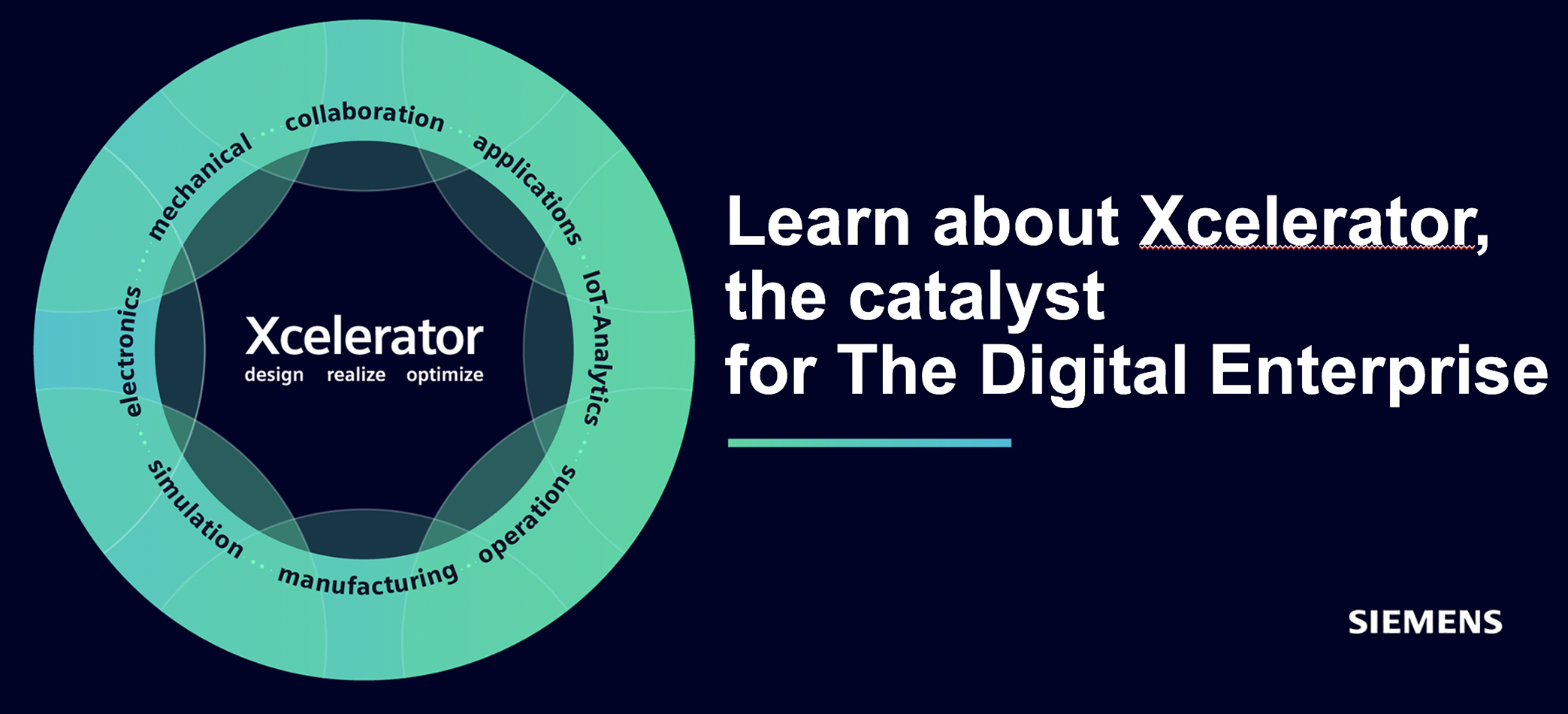
The significantly larger Emixa, with 530 employees and owned by private equity firm Holland Capital, is, like Nextage, specialized in solutions for design, manufacturing, and simulation, with a focus on Siemens Digital Industries Software's "arsenal" in the Xcelerator portfolio. Emixa works primarily with the full spectrum of Siemens software: The Teamcenter platform as the PLM backbone, CAD design in NX and Solid Edge, simulation in the Simcenter suite, Polarion on the ALM and software management side, and Tecnomatics for digital manufacturing. But it also uses technologies such as SAP ERP, the low-code platform Mendix, and Boomi integration.
Nextage also builds its business on Siemens software, around which it has created an interesting solution, NVP, a standardized PLM platform built on Siemens Teamcenter, "best practices", and deep PLM experience. A strong point is the record-breaking fast implementation. "Users can be up and running in ten days, including tools for CAD management, product structures, and document management," PLM&ERP News stated in an article a few years ago.
Emixa has a background that isn’t uncommon in the PLM consulting industry, where consolidations among the major PLM developers' partner side have been a hallmark of the past half-decade. The company is described in the press material as a digital transformation actor and was formed through the acquisition and rebranding of several specialized companies, starting with Holland Capital's acquisition of Magnus Digital in 2020. By 2021, PLM Solutions and Dimensys had merged, and the three companies merged to form Emixa. In the following years, Emixa continued to grow through further acquisitions, including Appronto and OnePLM, all to sharpen its PLM, low-code, and integration expertise. In 2024-2025, the group was rebranded under the name Emixa, unified its ID, and continued its expansion, especially in Eastern Europe.
With today's announcement of Emixa's acquisition, the company is expanding into the Nordic market, marking an important milestone in Emixa's European expansion.
“An exciting next step for Nextage and our customers. We have built a solid foundation in the Nordics, and with Emixa’s complementary technology portfolio and international experience, we can offer even more value and capacity to our customers,” says Tapio Juurakko (pictured), CEO, founder, and owner of Nextage Group.
“A deal based on Siemens technology that accelerates the digital transformation in Nordic industry,” says Siemens Digital Industries Software’s Nordic chief, Zandra Nilsson.
Click on the headline to read more on PLM&ERP News.
Dutch PLM and integration consultant Emixa is acquiring Nordic PLM consultant in the Siemens sphere, Nextage Group, with 34 employees, revenues of just over $7 million, and Sweden, Denmark, and Finland as main markets. No purchase price was disclosed.
The significantly larger Emixa, with 530 employees and owned by private equity firm Holland Capital, is, like Nextage, specialized in solutions for design, manufacturing, and simulation, with a focus on Siemens Digital Industries Software's "arsenal" in the Xcelerator portfolio. Emixa works primarily with the full spectrum of Siemens software: The Teamcenter platform as the PLM backbone, CAD design in NX and Solid Edge, simulation in the Simcenter suite, Polarion on the ALM and software management side, and Tecnomatics for digital manufacturing. But it also uses technologies such as SAP ERP, the low-code platform Mendix, and Boomi integration.
Nextage also builds its business on Siemens software, around which it has created an interesting solution, NVP, a standardized PLM platform built on Siemens Teamcenter, "best practices", and deep PLM experience. A strong point is the record-breaking fast implementation. "Users can be up and running in ten days, including tools for CAD management, product structures, and document management," PLM&ERP News stated in an article a few years ago.
Emixa has a background that isn’t uncommon in the PLM consulting industry, where consolidations among the major PLM developers' partner side have been a hallmark of the past half-decade. The company is described in the press material as a digital transformation actor and was formed through the acquisition and rebranding of several specialized companies, starting with Holland Capital's acquisition of Magnus Digital in 2020. By 2021, PLM Solutions and Dimensys had merged, and the three companies merged to form Emixa. In the following years, Emixa continued to grow through further acquisitions, including Appronto and OnePLM, all to sharpen its PLM, low-code, and integration expertise. In 2024-2025, the group was rebranded under the name Emixa, unified its ID, and continued its expansion, especially in Eastern Europe.
With today's announcement of Emixa's acquisition, the company is expanding into the Nordic market, marking an important milestone in Emixa's European expansion.
“An exciting next step for Nextage and our customers. We have built a solid foundation in the Nordics, and with Emixa’s complementary technology portfolio and international experience, we can offer even more value and capacity to our customers,” says Tapio Juurakko (pictured), CEO, founder, and owner of Nextage Group.
“A deal based on Siemens technology that accelerates the digital transformation in Nordic industry,” says Siemens Digital Industries Software’s Nordic chief, Zandra Nilsson.
Click on the headline to read more on PLM&ERP News.

”Realizing Autodesk Boss, Andrew Anagnost’s AI Vision” – A Winning Concept for VAR Partner...
In-Depth with JOHAN ANDERSSON, CEO at SYMETRI Owner Addnode Group: ”XX”
AI emphasizes that competence is a cornerstone for success in PLM and the integration of things like CAD, CAE, CAM, PCB, and software design. Autodesk's partner ecosystem is no exception in a product development world that is moving towards more and more electrical/electronics, software, and online capabilities, alongside mechanics.
Of course, this places high demands on holistic competence to manage integrated processes in product development. This is where Autodesk's VAR partners, such as Symetri, will play a key role in enabling customers to "translate" AD's rich software flora into sharp AI-driven product development systems. I have discussed the matter with Addnode's Johan Andersson.
"We are well positioned, with heavy technical expertise in areas such as configuration, PDM/PLM, IoT, BIM, GIS, and have deep insights into the challenges and value of connected data strategies and solutions to realize the value of AI," he says, among other things.
But what trends are driving this development? Analyst CIMdata points out a number of important factors. In summary, it is concluded that more services will be needed to meet the needs.
Some key takeaways are:
• PLM continues to expand connections to other mission-critical business systems. Generally, system integration is crucial
• Supporting digital threads and preparing for AI-powered productivity requires higher levels of integration
• The cloud as a technology platform is becoming increasingly important, e.g., in the perspective of cloud-to-cloud, cloud-to-premises connectivity – and AI is driving cloud implementation
• AI requires companies to ensure correctly structured data
• Low-code applications in factories are gaining traction.
How do these points line up with Autodesk CEO Andrew Anagnost’s view on the matter? Very close; here’s the gist of his keynote at AU 2025:
The future is here, and the world’s product developers must embrace the transition to cloud-connected, AI-based workflows that adapt in real time and end-to-end to changing project needs. Not just to sharpen productivity, but also to reshape how entire design and construction ecosystems collaborate around a single, shared source of truth.
“AI and automation are laying the foundation for a new era of design that is faster, smarter, and more resilient—and unlocking unlimited capacity,” said the Autodesk boss, pointing to the launch of three AI-native industry clouds: Forma (for AEC), Fusion (Design & Manufacturing), and Flow (Media & Entertainment). “With these, we are moving users beyond files to continuous, data-rich, and AI-assisted collaborative environments.”
The ones who will put this into practice at the world’s midmarket companies are partners like Symetri. But what needs to be done? Why does size matter?
Click on the headline to read more on PLM&ERP News.
AI emphasizes that competence is a cornerstone for success in PLM and the integration of things like CAD, CAE, CAM, PCB, and software design. Autodesk's partner ecosystem is no exception in a product development world that is moving towards more and more electrical/electronics, software, and online capabilities, alongside mechanics.
Of course, this places high demands on holistic competence to manage integrated processes in product development. This is where Autodesk's VAR partners, such as Symetri, will play a key role in enabling customers to "translate" AD's rich software flora into sharp AI-driven product development systems. I have discussed the matter with Addnode's Johan Andersson.
"We are well positioned, with heavy technical expertise in areas such as configuration, PDM/PLM, IoT, BIM, GIS, and have deep insights into the challenges and value of connected data strategies and solutions to realize the value of AI," he says, among other things.
But what trends are driving this development? Analyst CIMdata points out a number of important factors. In summary, it is concluded that more services will be needed to meet the needs.
Some key takeaways are:
• PLM continues to expand connections to other mission-critical business systems. Generally, system integration is crucial
• Supporting digital threads and preparing for AI-powered productivity requires higher levels of integration
• The cloud as a technology platform is becoming increasingly important, e.g., in the perspective of cloud-to-cloud, cloud-to-premises connectivity – and AI is driving cloud implementation
• AI requires companies to ensure correctly structured data
• Low-code applications in factories are gaining traction.
How do these points line up with Autodesk CEO Andrew Anagnost’s view on the matter? Very close; here’s the gist of his keynote at AU 2025:
The future is here, and the world’s product developers must embrace the transition to cloud-connected, AI-based workflows that adapt in real time and end-to-end to changing project needs. Not just to sharpen productivity, but also to reshape how entire design and construction ecosystems collaborate around a single, shared source of truth.
“AI and automation are laying the foundation for a new era of design that is faster, smarter, and more resilient—and unlocking unlimited capacity,” said the Autodesk boss, pointing to the launch of three AI-native industry clouds: Forma (for AEC), Fusion (Design & Manufacturing), and Flow (Media & Entertainment). “With these, we are moving users beyond files to continuous, data-rich, and AI-assisted collaborative environments.”
The ones who will put this into practice at the world’s midmarket companies are partners like Symetri. But what needs to be done? Why does size matter?
Click on the headline to read more on PLM&ERP News.

Cloud is Key when Mainstream CAD Goes High-End, and ”Siemens DESIGNCENTER Solid Edge 2026...
DAN STAPLES, VP of Siemens DIS R&D: “With AI features like MAGNETIC SNAP ASSEMBLY the new version can deliver assemblies nine times faster.”
Make no mistake about it: Siemens Digital Industries Software’s R&D VP, Dan Staples, wants to get the user community onto the cloud. And it's no coincidence that Staples' favorite in the new version of the mainstream CAD solution is Designcenter X Solid Edge, the cloud version (X) that paves the way, not only for the cloud as a technical platform, but even more so for what it offers in terms of software performance, flexibility, scalability, and options to launch effective AI in every Solid Edge customer company.
”It is smarter, faster, and more flexible,” Staples says, pointing to a typical example of dramatically improved productivity that comes with the X-version:
”AI solutions like Magnetic Snap Assembly can speed up assembly creation by a factor nine. That’s a lot, and considering what comes along - benefits like anywhere accessibility, automatic updates, and reduced IT maintenance - it's even more. In parallel, it includes real-time collaboration tools, AI-driven assistance like Design Copilot, and with the new 'companion' in the Designcenter package, Siemens' high-end CAD solution, Designcenter X NX, comes tons of add-on opportunities for advanced design challenges within a one-click reach," he explained, adding that everything works seamlessly and compatible because both systems are based on Siemens’ kernal technology, Parasolid. Furthermore, accessibility is facilitated by the simplified, centralized cloud license management.
But Staples isn’t abandoning traditional on-premise or hybrid users either: “Whether you work in a local desktop environment, or in a mixed setup, with Designcenter Solid Edge 2026 you can induce substantial productivity gains everywhere.” It’s sound business logic, what's good for the broader Solid Edge community is good for Siemens too. However, the X solution and cloud arguments that Siemens bring to the table are attractive: ”Yes, many customers have already recognized the values and switched to cloud-based SaaS and Designcenter X Solid Edge,” Staples said.
In short, Solid Edge is in a growth mode, which is well deserved just on its technical merits. And the new 2026 version's 'rebirth' in multiple perspectives could well help push growth even further. AI and the Designcenter package, together with Siemens NX, via Designcenter X NX, becoming part of Designcenter X, as well as a whole range of add-on capabilities within CAD, CAE, and CAM that come with Designcenter X NX becoming available to Designcenter X Solid Edge users. Confusing? Everything will be clear with the guide in the PLM&ERP News article. Read more in the article below about the highlights when "mainstream goes high-end" in Designcenter Solid Edge's continued journey. Click the headline to read more.
Make no mistake about it: Siemens Digital Industries Software’s R&D VP, Dan Staples, wants to get the user community onto the cloud. And it's no coincidence that Staples' favorite in the new version of the mainstream CAD solution is Designcenter X Solid Edge, the cloud version (X) that paves the way, not only for the cloud as a technical platform, but even more so for what it offers in terms of software performance, flexibility, scalability, and options to launch effective AI in every Solid Edge customer company.
”It is smarter, faster, and more flexible,” Staples says, pointing to a typical example of dramatically improved productivity that comes with the X-version:
”AI solutions like Magnetic Snap Assembly can speed up assembly creation by a factor nine. That’s a lot, and considering what comes along - benefits like anywhere accessibility, automatic updates, and reduced IT maintenance - it's even more. In parallel, it includes real-time collaboration tools, AI-driven assistance like Design Copilot, and with the new 'companion' in the Designcenter package, Siemens' high-end CAD solution, Designcenter X NX, comes tons of add-on opportunities for advanced design challenges within a one-click reach," he explained, adding that everything works seamlessly and compatible because both systems are based on Siemens’ kernal technology, Parasolid. Furthermore, accessibility is facilitated by the simplified, centralized cloud license management.
But Staples isn’t abandoning traditional on-premise or hybrid users either: “Whether you work in a local desktop environment, or in a mixed setup, with Designcenter Solid Edge 2026 you can induce substantial productivity gains everywhere.” It’s sound business logic, what's good for the broader Solid Edge community is good for Siemens too. However, the X solution and cloud arguments that Siemens bring to the table are attractive: ”Yes, many customers have already recognized the values and switched to cloud-based SaaS and Designcenter X Solid Edge,” Staples said.
In short, Solid Edge is in a growth mode, which is well deserved just on its technical merits. And the new 2026 version's 'rebirth' in multiple perspectives could well help push growth even further. AI and the Designcenter package, together with Siemens NX, via Designcenter X NX, becoming part of Designcenter X, as well as a whole range of add-on capabilities within CAD, CAE, and CAM that come with Designcenter X NX becoming available to Designcenter X Solid Edge users. Confusing? Everything will be clear with the guide in the PLM&ERP News article. Read more in the article below about the highlights when "mainstream goes high-end" in Designcenter Solid Edge's continued journey. Click the headline to read more.

Med Designcenter Solid Edge 2026 tar Siemens mainstream ett jättekliv mot high-end-divisionen
DAN STAPLES, VP för Siemens DIS R&D: ”Med AI-funktioner som SNAP ASSEMBLY kan man skapa sammanställningar nio gånger snabbare.”
När det gäller klassisk MCAD inom det som analytikern CIMdata definierar som ”design fokuserade MCAD-lösningar” – i motsats till ”multi-disciplinära MCAD-lösningar” - tillhör definitivt Siemens Digital Industries Softwares mainstream-mjukvara Solid Edge det teknologiska toppskiktet. Programmet kom ut på marknaden första gången 1996, bara några månader efter SolidWorks, och även om man kommersiellt inte lyckats lika bra, så har Solid Edge tekniskt utvecklats minst lika snabbt; i flera avseenden snabbare, än sin tuffaste konkurrent. Nya 2026-versionen, som lanserades förra veckan, är inget undantag; med AI-driven automation - som bl a vässar arbetsflöden inom design med intelligent montering, ritgenerering och en inbyggd samtalsassistent - och med den moderna UX- och molnintegrationen, som några av topparna.
Men först ett par klargöranden för att underlätta navigeringen bland de rika möjligheter som kommer med den nya lösningen:
1. Mjukvaran byter namn och heter numera Designcenter Solid Edge (DSE) och finns som desktop-, moln- och hybrid-upplägg
2. Som molnlösningar har Designcenter-programmen tillägget ”X” i namnet, vilket betyder att nya Solid Edge heter, Designcenter X Solid Edge, att Siemens high-end CAD-lösning NX heter Designcenter X NX, och att den inbyggda PDM-lösningen heter Teamcenter X, osv. Men version 2026 finns förstås också som ”vanlig,” lokal desktop-lösning, eller som hybridalternativ med en mix av moln- och desktop-funktioner.
3. DSE blir också fortsättningsvis en del av Designcenter-paketet, parallellt med att också Siemens NX, via Designcenter X NX, blir en del av Designcenter X, liksom en hel rad andra add-on-möjligheter inom CAD, CAE, och CAM som kommer med Designcenter X NX blir tillgängliga för Designcenter X Solid Edge-användarna. Två CAD-lösningar inom samma ram alltså, med sömlös integration mellan programmen; där båda använder Siemens Parasolid-kärnteknik och därmed bygger på samma datamodell. Något som i sin ger att man inte kommer att behöva datamigreringar, translationer, eller uppdateringar, oavsett i vilket av programmen eller kopplade add-ons man vill jobba med sin modell.
Med denna lansering tar DSE-tekniken ett kliv från mainstream mot high-end. Framför allt för att den fått en rad produktiva kapabiliteter, som den AI-drivna funktionaliteten, nya features, och man har anträtt en intressant väg där värdebaserad licensiering tar bort hindren för att prova och använda nya verktyg för simulering, generativ design, rörledningar, eldragning och annat. Nya alternativ i 2026 ger kort sagt stöd för allt från avancerad inspektion till CFD-analys.
Men trots en uppsjö av förbättringar och nya features framstår möjligheterna som kommer med molnversionen, Designcenter X Solid Edge, som särskilt intressanta. Det är också en favorit för Dan Staples, VP för R&D på Siemens Digital Industries Software:
”Absolut och många av våra kunder har också uppmärksammat värdena och bytt till molnbaserad SaaS och Designcenter X Solid Edge,” konstaterade Staples när han presenterade nya 2026-versionen. "Med AI som Magnetic Snap Assembly kan man t ex skapa sammanställningar upp till nio gånger snabbare." Hur då?
Klicka på rubriken för att läsa hela artikeln på PLM&ERP News.
När det gäller klassisk MCAD inom det som analytikern CIMdata definierar som ”design fokuserade MCAD-lösningar” – i motsats till ”multi-disciplinära MCAD-lösningar” - tillhör definitivt Siemens Digital Industries Softwares mainstream-mjukvara Solid Edge det teknologiska toppskiktet. Programmet kom ut på marknaden första gången 1996, bara några månader efter SolidWorks, och även om man kommersiellt inte lyckats lika bra, så har Solid Edge tekniskt utvecklats minst lika snabbt; i flera avseenden snabbare, än sin tuffaste konkurrent. Nya 2026-versionen, som lanserades förra veckan, är inget undantag; med AI-driven automation - som bl a vässar arbetsflöden inom design med intelligent montering, ritgenerering och en inbyggd samtalsassistent - och med den moderna UX- och molnintegrationen, som några av topparna.
Men först ett par klargöranden för att underlätta navigeringen bland de rika möjligheter som kommer med den nya lösningen:
1. Mjukvaran byter namn och heter numera Designcenter Solid Edge (DSE) och finns som desktop-, moln- och hybrid-upplägg
2. Som molnlösningar har Designcenter-programmen tillägget ”X” i namnet, vilket betyder att nya Solid Edge heter, Designcenter X Solid Edge, att Siemens high-end CAD-lösning NX heter Designcenter X NX, och att den inbyggda PDM-lösningen heter Teamcenter X, osv. Men version 2026 finns förstås också som ”vanlig,” lokal desktop-lösning, eller som hybridalternativ med en mix av moln- och desktop-funktioner.
3. DSE blir också fortsättningsvis en del av Designcenter-paketet, parallellt med att också Siemens NX, via Designcenter X NX, blir en del av Designcenter X, liksom en hel rad andra add-on-möjligheter inom CAD, CAE, och CAM som kommer med Designcenter X NX blir tillgängliga för Designcenter X Solid Edge-användarna. Två CAD-lösningar inom samma ram alltså, med sömlös integration mellan programmen; där båda använder Siemens Parasolid-kärnteknik och därmed bygger på samma datamodell. Något som i sin ger att man inte kommer att behöva datamigreringar, translationer, eller uppdateringar, oavsett i vilket av programmen eller kopplade add-ons man vill jobba med sin modell.
Med denna lansering tar DSE-tekniken ett kliv från mainstream mot high-end. Framför allt för att den fått en rad produktiva kapabiliteter, som den AI-drivna funktionaliteten, nya features, och man har anträtt en intressant väg där värdebaserad licensiering tar bort hindren för att prova och använda nya verktyg för simulering, generativ design, rörledningar, eldragning och annat. Nya alternativ i 2026 ger kort sagt stöd för allt från avancerad inspektion till CFD-analys.
Men trots en uppsjö av förbättringar och nya features framstår möjligheterna som kommer med molnversionen, Designcenter X Solid Edge, som särskilt intressanta. Det är också en favorit för Dan Staples, VP för R&D på Siemens Digital Industries Software:
”Absolut och många av våra kunder har också uppmärksammat värdena och bytt till molnbaserad SaaS och Designcenter X Solid Edge,” konstaterade Staples när han presenterade nya 2026-versionen. "Med AI som Magnetic Snap Assembly kan man t ex skapa sammanställningar upp till nio gånger snabbare." Hur då?
Klicka på rubriken för att läsa hela artikeln på PLM&ERP News.


From BROWNFIELD to SMART FACTORIES: How to Retrofit the Past into a Profitable Future
RAHUL GARG, VP at SIEMENS Digital Industries Software: “The Comprehensive Digital Twin and Simulation Key to Hassle-Free and Seamless Manufacturing.”
Can it be profitable, or even physically possible, to upgrade an older, diversified, traditional manufacturing facility to a state-of-the-art, digitally controlled smart factory? The question is explosively relevant in a situation where AI, digital twins, threads, and advanced sensor- and software-controlled automation have reached today's levels of maturity.
In this situation, doing things the same way they have always been done is no longer enough to manage things like rising operating costs, inefficient production processes, and a labor market characterized by a shortage of skilled workforce. This is what Rahul Garg, VP of Industrial Machinery Vertical Software Strategy, argues in today's article.
“Digitalization and automation are key to navigating these challenges. Manufacturers can bolster their automation systems to guarantee adaptive and flexible production, helping their operations remain profitable and competitive. And contrary to popular belief, modernization also does not necessarily mean replacing every single piece of old equipment with shiny new machines,” he notes.
Of course, no one said it would be easy to transform a traditional manufacturing operation into a smart factory, with challenges such as integrating legacy machines and systems. Similarly, older machines often lack sensors, while others lack network connectivity or modern standards to interact with new systems.
That may be the case, but this has not stopped many factories from successfully incorporating modern automation processes with outdated equipment that lacked the more advanced features of more modern machines, such as IoT connectivity and AI integration. So, where and how did they start? Rahul Garg:
“Achieving a more automated factory that is ready to face a volatile landscape starts with a plan. With a solid plan, manufacturers can more easily incorporate automation capabilities into their production lines. To ensure harmony between legacy and new systems, manufacturers should look to the comprehensive digital twin. By leveraging the simulation capabilities of this, automation integration becomes seamless and hassle-free, enabling a wide range of resource-saving test capabilities, providing agile and robust operations on the shop floor.”
But how does it work in more detail? Don’t miss the meeting with Rahul Garg in today’s article. He has worked closely with both small and medium-sized companies in technology-driven industries to overcome key challenges and drive revenue growth with strategic solutions, smarter services, and better business practices. It could be a profitable meeting.
Click the link to read the full article on PLM&ERP News.
Can it be profitable, or even physically possible, to upgrade an older, diversified, traditional manufacturing facility to a state-of-the-art, digitally controlled smart factory? The question is explosively relevant in a situation where AI, digital twins, threads, and advanced sensor- and software-controlled automation have reached today's levels of maturity.
In this situation, doing things the same way they have always been done is no longer enough to manage things like rising operating costs, inefficient production processes, and a labor market characterized by a shortage of skilled workforce. This is what Rahul Garg, VP of Industrial Machinery Vertical Software Strategy, argues in today's article.
“Digitalization and automation are key to navigating these challenges. Manufacturers can bolster their automation systems to guarantee adaptive and flexible production, helping their operations remain profitable and competitive. And contrary to popular belief, modernization also does not necessarily mean replacing every single piece of old equipment with shiny new machines,” he notes.
Of course, no one said it would be easy to transform a traditional manufacturing operation into a smart factory, with challenges such as integrating legacy machines and systems. Similarly, older machines often lack sensors, while others lack network connectivity or modern standards to interact with new systems.
That may be the case, but this has not stopped many factories from successfully incorporating modern automation processes with outdated equipment that lacked the more advanced features of more modern machines, such as IoT connectivity and AI integration. So, where and how did they start? Rahul Garg:
“Achieving a more automated factory that is ready to face a volatile landscape starts with a plan. With a solid plan, manufacturers can more easily incorporate automation capabilities into their production lines. To ensure harmony between legacy and new systems, manufacturers should look to the comprehensive digital twin. By leveraging the simulation capabilities of this, automation integration becomes seamless and hassle-free, enabling a wide range of resource-saving test capabilities, providing agile and robust operations on the shop floor.”
But how does it work in more detail? Don’t miss the meeting with Rahul Garg in today’s article. He has worked closely with both small and medium-sized companies in technology-driven industries to overcome key challenges and drive revenue growth with strategic solutions, smarter services, and better business practices. It could be a profitable meeting.
Click the link to read the full article on PLM&ERP News.

Från traditionell tillverkning till SMARTA FABRIKER: Hur man omvandlar det förflutna till en lönsam...
RAHUL GARG, VP på SIEMENS Digital Industries Software: ”Den omfattande digitala tvillingen och simulering nycklar till problemfri och sömlös tillverkning.”
Kan det bli lönsamt, eller ens fysiskt möjligt, att gradera upp en äldre, diversifierad produktionsanläggning av traditionellt snitt till en toppmodern digitalt styrd smart fabrik? Frågan är explosivt aktuell i ett läge när AI, digitala tvillingar, trådar och en långt driven sensor- och mjukvarustyrd automation nått dagens mognadsnivåer.
Att i detta läge göra saker på samma sätt som de alltid gjorts är inte längre nog för att hantera sånt som ökande driftskostnader, ineffektiva produktionsprocesser och en arbetsmarknad präglad av brist på kompetent folk. Det menar Rahul Garg, VP för Industrial Machinery Vertical Software Strategy, i dagens artikel.
”Digitalisering och automatisering är banbrytande för att navigera bland de här utmaningarna. Tillverkare kan stärka sina automationssystem för att garantera adaptiv och flexibel produktion, vilket hjälper deras verksamhet att förbli lönsam och parallellt också konkurrenskraftig. I motsats till vad många tror innebär modernisering inte heller nödvändigtvis att man ersätter varje enskild gammal utrustning med skinande nya maskiner,” konstaterar han.
Förvisso har ingen påstått att det är enkelt att transformera en traditionell tillverkningsverksamhet till en smart fabrik med utmaningar som integration med äldre maskiner och system. Liksom att äldre maskiner ofta saknar sensorer, medan andra saknar nät-uppkoppling eller moderna standarder för att integrera med nya system.
Så kan det vara, men detta har inte hindrat en rad fabriker från att framgångsrikt införliva moderna automationsprocesser med föråldrad utrustning som saknat de mer avancerade funktionerna hos modernare maskiner, som IoT-anslutning och AI-integration. Så, var började de? Rahul Garg:
”Att uppnå en mer automatiserad fabrik som är redo att möta ett volatilt landskap börjar med en plan. Med en gedigen plan kan tillverkare lättare integrera automatiserings-funktioner i produktionslinjerna. För att garantera harmoni mellan gamla och nya system bör tillverkare titta på den omfattande digitala tvillingen. Genom att utnyttja simuleringsfunktionerna i den omfattande digitala tvillingen blir automatiserings-integrationen sömlös och problemfri, vilket möjliggör ett brett utbud av resursbesparande testfunktioner och ger agila och robusta operationer till verkstadsgolvet.”
Men hur går det mer detaljerat till? Missa inte mötet med Rahul Garg i dagens artikel. Han har arbetat nära både mindre och medelstora företag inom teknikdrivna branscher för att övervinna viktiga utmaningar och driva intäktstillväxt med strategiska lösningar, smartare tjänster och bättre affärsmetoder. Det kan bli ett lönsamt möte.
Klicka på rubriken för att läsa mer på PLM&ERP News.
Att i detta läge göra saker på samma sätt som de alltid gjorts är inte längre nog för att hantera sånt som ökande driftskostnader, ineffektiva produktionsprocesser och en arbetsmarknad präglad av brist på kompetent folk. Det menar Rahul Garg, VP för Industrial Machinery Vertical Software Strategy, i dagens artikel.
”Digitalisering och automatisering är banbrytande för att navigera bland de här utmaningarna. Tillverkare kan stärka sina automationssystem för att garantera adaptiv och flexibel produktion, vilket hjälper deras verksamhet att förbli lönsam och parallellt också konkurrenskraftig. I motsats till vad många tror innebär modernisering inte heller nödvändigtvis att man ersätter varje enskild gammal utrustning med skinande nya maskiner,” konstaterar han.
Förvisso har ingen påstått att det är enkelt att transformera en traditionell tillverkningsverksamhet till en smart fabrik med utmaningar som integration med äldre maskiner och system. Liksom att äldre maskiner ofta saknar sensorer, medan andra saknar nät-uppkoppling eller moderna standarder för att integrera med nya system.
Så kan det vara, men detta har inte hindrat en rad fabriker från att framgångsrikt införliva moderna automationsprocesser med föråldrad utrustning som saknat de mer avancerade funktionerna hos modernare maskiner, som IoT-anslutning och AI-integration. Så, var började de? Rahul Garg:
”Att uppnå en mer automatiserad fabrik som är redo att möta ett volatilt landskap börjar med en plan. Med en gedigen plan kan tillverkare lättare integrera automatiserings-funktioner i produktionslinjerna. För att garantera harmoni mellan gamla och nya system bör tillverkare titta på den omfattande digitala tvillingen. Genom att utnyttja simuleringsfunktionerna i den omfattande digitala tvillingen blir automatiserings-integrationen sömlös och problemfri, vilket möjliggör ett brett utbud av resursbesparande testfunktioner och ger agila och robusta operationer till verkstadsgolvet.”
Men hur går det mer detaljerat till? Missa inte mötet med Rahul Garg i dagens artikel. Han har arbetat nära både mindre och medelstora företag inom teknikdrivna branscher för att övervinna viktiga utmaningar och driva intäktstillväxt med strategiska lösningar, smartare tjänster och bättre affärsmetoder. Det kan bli ett lönsamt möte.
Klicka på rubriken för att läsa mer på PLM&ERP News.

On Addnode’s and Symetri’s $100 Million Purchase Of Canadian Autodesk Partner SolidCAD
Just like PLM leaders such as Siemens, Dassault Systemes, and PTC, the world's commercially dominant CAD developer, Autodesk (AD), is dependent on its indirect sales of software and services through a network of third-party partners, VARs (Value Added Resellers), and other partners. In Autodesk's case, the dependence is greater than for the other players. During the 12-month period 2024 (AD's fiscal year 2025 ended January 31, 2025), the company, according to analyst CIMdata’s estimates (June 12th 2025), drew more than half of its revenues of about $5.8 billion through indirect sales, while Siemens and Dassault landed on around a third during the same period.
So, it was a big deal when Autodesk's leading global VAR, Symetri, owned by the Swedish listed group Addnode, announced last week that it was buying Canadian AD Platinum partner SolidCAD for a maximum of about $110 million, the outcome depends on upcoming financial results. For 2025, SolidCAD's revenue is estimated to $30 million with an EBITA result of $12.6 million.
The acquisition further extends Symetri's reach in the Americas, adding Canada to its existing presence in the US and Brazil, in addition to its well-established European base. It is an exciting growth journey that it is now on. The company established itself in North America already in 2022 through the acquisition of Microdesk and the following year through Team D3. With the purchase of Brazilian FFS in August 2025, it also created a foothold in South America, a milestone which now looks set to continue at a high pace.
With SolidCAD, Symetri will gain around 150 more employees, which means that the total number of employees will amount to around 1,400 globally, serving Symetri's base of 30,000 customers.
"Our expansion into Canada reflects our strategy to enable the world to design, build, and manufacture smarter and more sustainably. With this acquisition, we bring in a strong, mature company with an extensive network of industry experts," says Symetri CEO Jens Kollserud, while Addnode CEO Johan Andersson points to the value of strengthening its foothold in the giant American market and creating faster growth for the company:
"The acquisition of SolidCAD is in line with our growth strategy and our recently updated financial targets," he said.
SolidCAD's strength is its technical expertise and collaborative culture, offering holistic, data-driven solutions and benefiting from a strong partnership with Autodesk. This fits well within the Symetri structure and culture. The SolidCAD team has deep expertise in areas such as BIM, CAD/CAM, and GIS, which it says "improves efficiency and results for customers in engineering, architecture, and manufacturing."
The press release from Addnode notes that, “For Symetri, Canada represents a strategic growth opportunity with its strong manufacturing base, rapidly digitizing AECO sectors (architecture, engineering, construction, operations) and a highly skilled workforce.”
Click on the headline to read the full story on PLM&ERP News.
So, it was a big deal when Autodesk's leading global VAR, Symetri, owned by the Swedish listed group Addnode, announced last week that it was buying Canadian AD Platinum partner SolidCAD for a maximum of about $110 million, the outcome depends on upcoming financial results. For 2025, SolidCAD's revenue is estimated to $30 million with an EBITA result of $12.6 million.
The acquisition further extends Symetri's reach in the Americas, adding Canada to its existing presence in the US and Brazil, in addition to its well-established European base. It is an exciting growth journey that it is now on. The company established itself in North America already in 2022 through the acquisition of Microdesk and the following year through Team D3. With the purchase of Brazilian FFS in August 2025, it also created a foothold in South America, a milestone which now looks set to continue at a high pace.
With SolidCAD, Symetri will gain around 150 more employees, which means that the total number of employees will amount to around 1,400 globally, serving Symetri's base of 30,000 customers.
"Our expansion into Canada reflects our strategy to enable the world to design, build, and manufacture smarter and more sustainably. With this acquisition, we bring in a strong, mature company with an extensive network of industry experts," says Symetri CEO Jens Kollserud, while Addnode CEO Johan Andersson points to the value of strengthening its foothold in the giant American market and creating faster growth for the company:
"The acquisition of SolidCAD is in line with our growth strategy and our recently updated financial targets," he said.
SolidCAD's strength is its technical expertise and collaborative culture, offering holistic, data-driven solutions and benefiting from a strong partnership with Autodesk. This fits well within the Symetri structure and culture. The SolidCAD team has deep expertise in areas such as BIM, CAD/CAM, and GIS, which it says "improves efficiency and results for customers in engineering, architecture, and manufacturing."
The press release from Addnode notes that, “For Symetri, Canada represents a strategic growth opportunity with its strong manufacturing base, rapidly digitizing AECO sectors (architecture, engineering, construction, operations) and a highly skilled workforce.”
Click on the headline to read the full story on PLM&ERP News.

Därför miljardsatsar Addnode och SYMETRI på att köpa kanadensiska Autodesk-partnern SolidCAD
Ett intressant faktum gällande Addnode Group är att denna aggressivt växande svenska PLM- och IT-koncern faktiskt äger två av världens största VARs eller partners till två av PLM-världens stora aktörer, Dassault Systemes och Autodesk (AD). Båda dessa partner-bolag har också globala ambitioner:
• Dels handlar det om Symetri, som utvecklats till en av Autodesk-världens största partners. Som en del av Addnode-koncernen är man den stora spelaren inom gruppens Design Management-ben, med alla de viktiga AD-mjukvarorna på programmet, inklusive program för bygg och infrastruktur som Revit (bygg- och infrastruktur-design), AutoCAD, Civil 3D (mark-, väg-, järnvägs- och VA-design), Navisworks (kombinerar 3D-modeller från olika källor) och Autodesk Construction Cloud, samt mjukvaror för produktdesign som molnplattformen Fusion (CAD/CAE/CAM/PCB-design), Inventor (CAD) och Alias (avancerad 3D-modellering). Även Autodesk Forma för stads- och bostadsutveckling och simuleringsverktyg som Autodesk CFD, finns i portföljen. Till detta kommer bolagets egna produkter som Naviate (Revit- och Civil 3D-add-ons), Sovelia (PLM) och CQ (CAD-installation, -konfiguration och -underhåll).
• Dels TECHNIA, som i detta är en mer high-end-inriktad konsult inom avancerad PLM och är Dassault Systemes största globala VAR (Value Added Reseller). Bolaget är den ledande spelaren inom ett av Addnodes tre viktiga ben: PLM.
En av förra veckans mest intressanta nyheter vid sidan av TECHNIAs köp av Dassault-partnern X10D Solutions, som PLM&ERP News rapporterat, var Addnodes och Symetris ännu större förvärv: kanadensiska SolidCAD. Detta bolag är en Autodesk Platinum Partner, och är marknadsledande inom digitala lösningar för Kanadas design-, konstruktions- och tillverkningsindustri. SolidCAD har en förväntad nettoomsättning för 2025 på 280 miljoner kronor, med ett EBITA-resultat (EBITA) på 120 miljoner kronor. Totalt lägger Addnode Group runt en miljard kronor på förvärvet av SolidCAD
Köpet utökar Symetris räckvidd i Amerika ytterligare, och lägger till Kanada till sin befintliga närvaro i USA och Brasilien, utöver sin väletablerade europeiska bas. Det är en spännande tillväxtresa man nu gör. Bolaget etablerade sig i Nordamerika redan 2022 genom förvärvet av Microdesk och året därpå genom Team D3. Med köpet av FFS så sent som i augusti iår skapade man ett brofäste också i Sydamerika, detta var en milstolpe på tillväxtresan, som nu ser ut att fortsätta i högt tempo. Med SolidCAD kommer Symetri att få ytterligare runt 150 fler medarbetare, vilket innebär att det totala antalet anställda kommer att uppgå till cirka 1 400 globalt. Med köpet kommer Symetri att ha en global bas på 30 000 kunder.
”Vår expansion till Kanada återspeglar vår strategi att göra det möjligt för världen att designa, bygga och tillverka på ett smartare och mer hållbart sätt. Med detta förvärv tar vi in ett starkt, moget företag med ett omfattande nätverk av branschexperter,” säger Symetri-chefen Jens Kollserud, medan Addnodes koncernchef, Johan Andersson, pekar på värdet av att stärka fotfästet på den gigantiska amerikanska marknaden och skapa snabbare tillväxt i bolaget:
”Förvärvet av SolidCAD ligger i linje med vår tillväxtstrategi och våra nyligen uppdaterade finansiella mål,” säger han bl a.
Klicka på rubriken för att läsa hela artikeln på PLM&ERP News.
• Dels handlar det om Symetri, som utvecklats till en av Autodesk-världens största partners. Som en del av Addnode-koncernen är man den stora spelaren inom gruppens Design Management-ben, med alla de viktiga AD-mjukvarorna på programmet, inklusive program för bygg och infrastruktur som Revit (bygg- och infrastruktur-design), AutoCAD, Civil 3D (mark-, väg-, järnvägs- och VA-design), Navisworks (kombinerar 3D-modeller från olika källor) och Autodesk Construction Cloud, samt mjukvaror för produktdesign som molnplattformen Fusion (CAD/CAE/CAM/PCB-design), Inventor (CAD) och Alias (avancerad 3D-modellering). Även Autodesk Forma för stads- och bostadsutveckling och simuleringsverktyg som Autodesk CFD, finns i portföljen. Till detta kommer bolagets egna produkter som Naviate (Revit- och Civil 3D-add-ons), Sovelia (PLM) och CQ (CAD-installation, -konfiguration och -underhåll).
• Dels TECHNIA, som i detta är en mer high-end-inriktad konsult inom avancerad PLM och är Dassault Systemes största globala VAR (Value Added Reseller). Bolaget är den ledande spelaren inom ett av Addnodes tre viktiga ben: PLM.
En av förra veckans mest intressanta nyheter vid sidan av TECHNIAs köp av Dassault-partnern X10D Solutions, som PLM&ERP News rapporterat, var Addnodes och Symetris ännu större förvärv: kanadensiska SolidCAD. Detta bolag är en Autodesk Platinum Partner, och är marknadsledande inom digitala lösningar för Kanadas design-, konstruktions- och tillverkningsindustri. SolidCAD har en förväntad nettoomsättning för 2025 på 280 miljoner kronor, med ett EBITA-resultat (EBITA) på 120 miljoner kronor. Totalt lägger Addnode Group runt en miljard kronor på förvärvet av SolidCAD
Köpet utökar Symetris räckvidd i Amerika ytterligare, och lägger till Kanada till sin befintliga närvaro i USA och Brasilien, utöver sin väletablerade europeiska bas. Det är en spännande tillväxtresa man nu gör. Bolaget etablerade sig i Nordamerika redan 2022 genom förvärvet av Microdesk och året därpå genom Team D3. Med köpet av FFS så sent som i augusti iår skapade man ett brofäste också i Sydamerika, detta var en milstolpe på tillväxtresan, som nu ser ut att fortsätta i högt tempo. Med SolidCAD kommer Symetri att få ytterligare runt 150 fler medarbetare, vilket innebär att det totala antalet anställda kommer att uppgå till cirka 1 400 globalt. Med köpet kommer Symetri att ha en global bas på 30 000 kunder.
”Vår expansion till Kanada återspeglar vår strategi att göra det möjligt för världen att designa, bygga och tillverka på ett smartare och mer hållbart sätt. Med detta förvärv tar vi in ett starkt, moget företag med ett omfattande nätverk av branschexperter,” säger Symetri-chefen Jens Kollserud, medan Addnodes koncernchef, Johan Andersson, pekar på värdet av att stärka fotfästet på den gigantiska amerikanska marknaden och skapa snabbare tillväxt i bolaget:
”Förvärvet av SolidCAD ligger i linje med vår tillväxtstrategi och våra nyligen uppdaterade finansiella mål,” säger han bl a.
Klicka på rubriken för att läsa hela artikeln på PLM&ERP News.

PLM and Digital Twin Technology Driving Innovative Industrialization of Mass-Produced Sustainable Housing
"ADMARES' SUCCESS RECIPE: Using Siemens Xcelerator to productify complex building processes."
Finnish ADMARES is not a traditional construction company. However, it has developed and refined an idea about construction that in itself is not new. Nevertheless, with state-of-the-art PLM and digital twin technology, it has been able to lift it to completely new levels of efficiency. The company has developed a product concept out of what is traditionally a very complex logistics and construction process. The results of moving the construction process into a smart factory guided by modular thinking, state-of-the-art PLM, digital twin technology, and manufacturing automation from Siemens Digital Industries are promising in an almost astonishing ways:
• Partly, the production time has been reduced to 22.5 minutes per construction unit, meaning that a complete 132 m2 home can be produced in 45 minutes
• Partly, they have managed to eliminate 75% of the CO2 emissions normally associated with on-site construction by reducing material waste by up to 80%.
One of today's major problems with residential construction is cost development. It has tended to explode as an aggregate effect of cost-driving factors like increasing material prices, extensive regulations, complex logistics, high taxes, and high wage costs contribute, as does a lack of competition and the fact that it often involves new construction projects. But there's a factor rarely talked about in today's highly politicized construction debate: What can standardization, modularization, and industrialization do to alleviate the problems?
”A lot,” claims ADMARES CEO Mikael Hedberg and his colleagues, who, with the help of PLM, digital twin technology and advanced automation, have shown that affordable, smart, connected and sustainable homes can be built with revolutionary speed and cost-effectiveness. ADMARES, which started operations in 2016, can mass-produce homes and other buildings in a greenfield smart factory using automated and robotic processes with its "productification” approach. They use a fully digitalized and industrialized method of construction, which results in high speed, precision and quality for everything from single-family homes to apartment buildings. At the same time, the sustainability effects are significant.
The company is now also planning to open a $750 million factory in US.
PLM and digital twin technology is therefore a heavy point. ADMARES uses Siemens Xcelerator's open business platform for this. With Siemens Designcenter, a cloud-based SaaS platform containing a set of integrated CAD/CAM/CAE tools, including NX CAD and Solid Edge, they have set up a digital tool arsenal, which together with Teamcenter (PLM/PDM) and Simcenter (Simulation & Analysis) is the basis for the company's design, validation and testing of its modular house designs.
"Siemens technology has made it possible for us to make affordable housing a product, rather than a process that is dependent on construction labor - of which there is a global shortage," sums up Mikael Hedberg, CEO of ADMARES.
How does this work? Click on the link to read more on PLM&ERP News.
One of today's major problems with residential construction is cost development. It has tended to explode as an aggregate effect of cost-driving factors like increasing material prices, extensive regulations, complex logistics, high taxes, and high wage costs contribute, as does a lack of competition and the fact that it often involves new construction projects. But there's a factor rarely talked about in today's highly politicized construction debate: What can standardization, modularization, and industrialization do to alleviate the problems?
”A lot,” claims ADMARES CEO Mikael Hedberg and his colleagues, who, with the help of PLM, digital twin technology and advanced automation, have shown that affordable, smart, connected and sustainable homes can be built with revolutionary speed and cost-effectiveness. ADMARES, which started operations in 2016, can mass-produce homes and other buildings in a greenfield smart factory using automated and robotic processes with its "productification” approach. They use a fully digitalized and industrialized method of construction, which results in high speed, precision and quality for everything from single-family homes to apartment buildings. At the same time, the sustainability effects are significant.
The company is now also planning to open a $750 million factory in US.
PLM and digital twin technology is therefore a heavy point. ADMARES uses Siemens Xcelerator's open business platform for this. With Siemens Designcenter, a cloud-based SaaS platform containing a set of integrated CAD/CAM/CAE tools, including NX CAD and Solid Edge, they have set up a digital tool arsenal, which together with Teamcenter (PLM/PDM) and Simcenter (Simulation & Analysis) is the basis for the company's design, validation and testing of its modular house designs.
"Siemens technology has made it possible for us to make affordable housing a product, rather than a process that is dependent on construction labor - of which there is a global shortage," sums up Mikael Hedberg, CEO of ADMARES.
How does this work? Click on the link to read more on PLM&ERP News.